Advertising

Air France campaign promotes economy experience

Air France (launching flights between Seattle and Paris this weekend) is rolling out a cute campaign focusing not on its business or first class amenities – but on what it gives to economy pass passengers.

And what other airlines don’t.

Noting that ‘budget’ carriers offer low prices but minimal amenities, the “Take a Chance or Fly Air France” campaign touts the fact that economy class passengers on Air France pay low prices but also get amenities such as in-flight entertainment, warm meals, and champagne.

To make the point, Air France has made up give-away boxes containing items that may be useful to passengers flying economy class on other airlines:

  • 5 foot scroll of Sudoku puzzles for flights without free entertainment
  • Scratch-and-sniff boeuf bourguignon meal patch for flights without free hot meals and;
  • Champagne gummies for flights without free champagne

The boxes will be given away via a vending machine at an event at The Grove shopping center in Los Angeles on March 24 (with a few golden tickets good for two round-trip tickets on Air France in the mix), but the rest of us can enter to win a box of goodies by entering an online sweepstakes.


Spotted at Rapid City Regional Airport

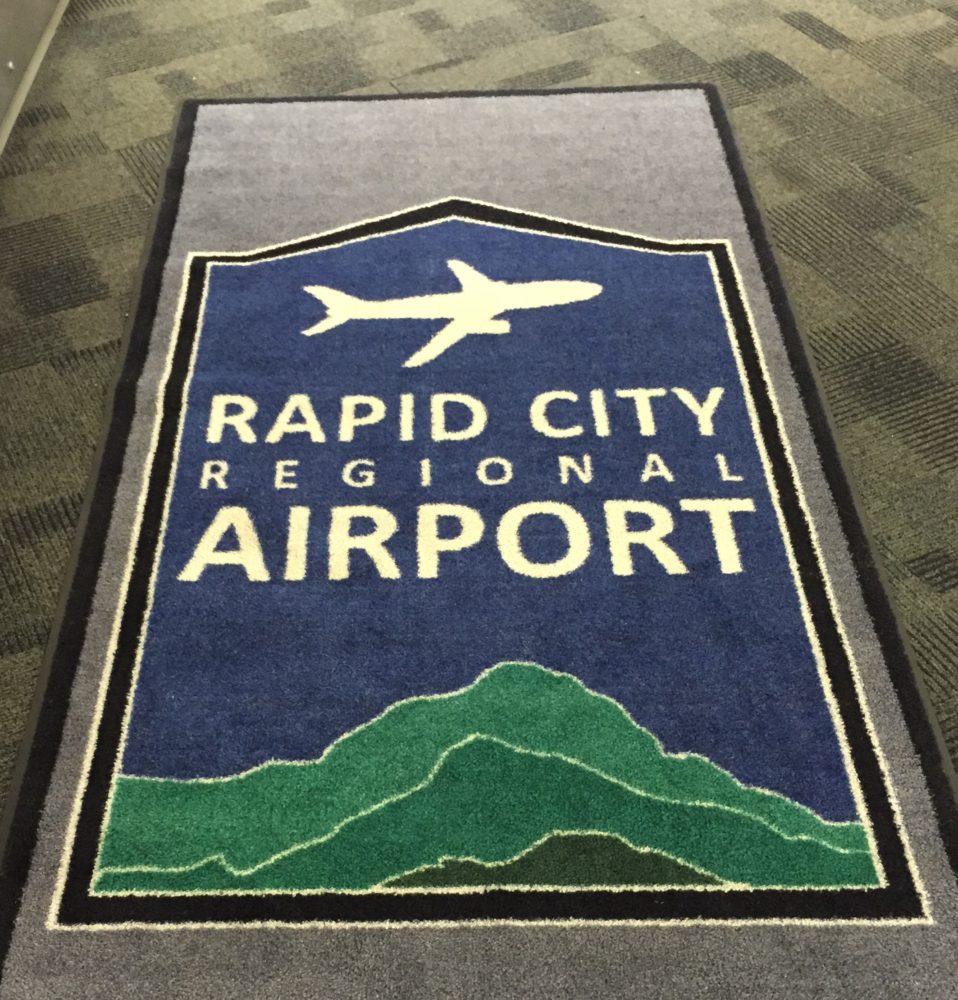
Rapid City Airport rug

For a week of adventure in South Dakota – including visit to Mount Rushmore, Wall Drug and Deadwood – my trip begins at Rapid City Regional Airport (RAP).

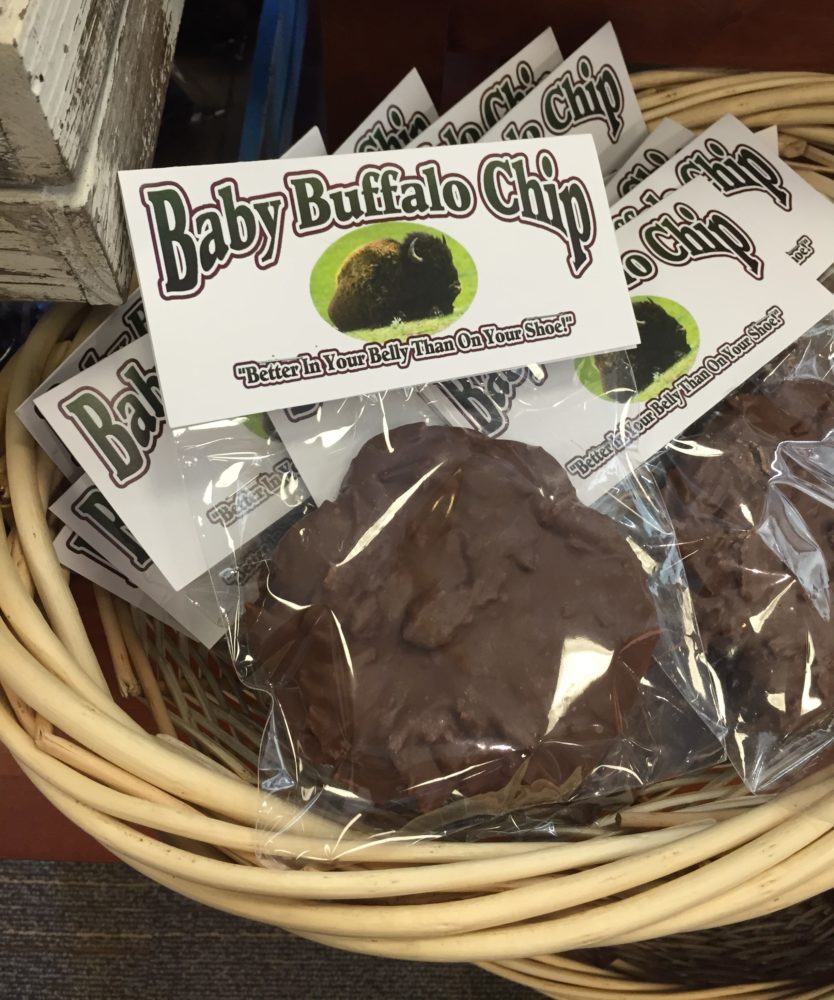
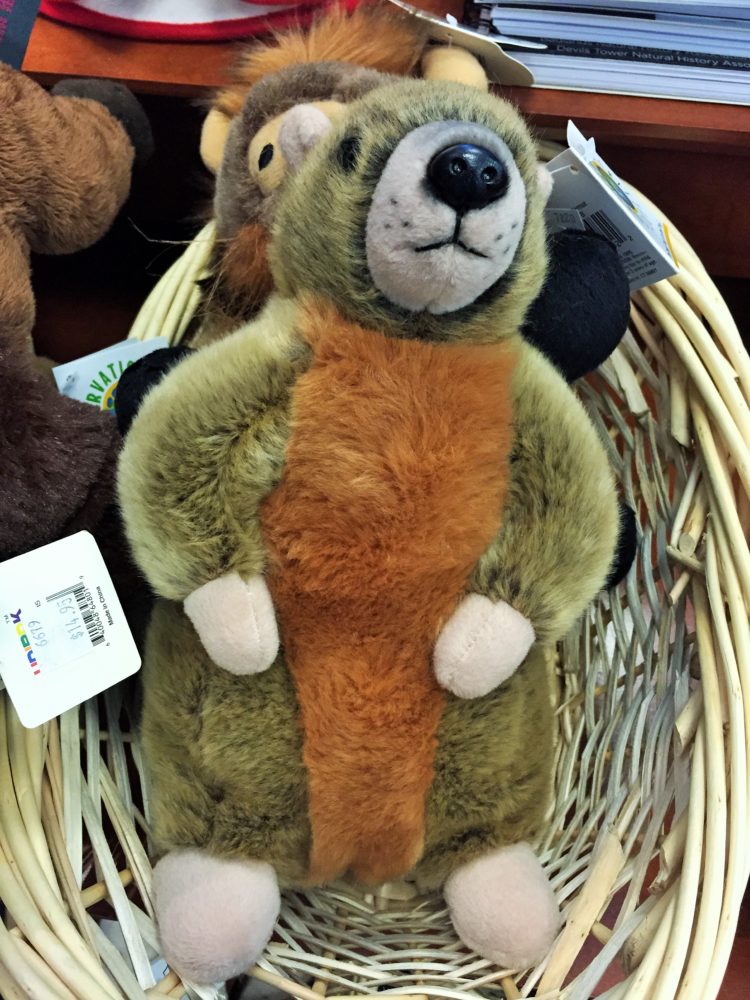
In a gift shop stocked with lots of great regional items, I spotted these two gems:

Rapid City Airport buffalo chip

Rapid city AIrport stuffed animal

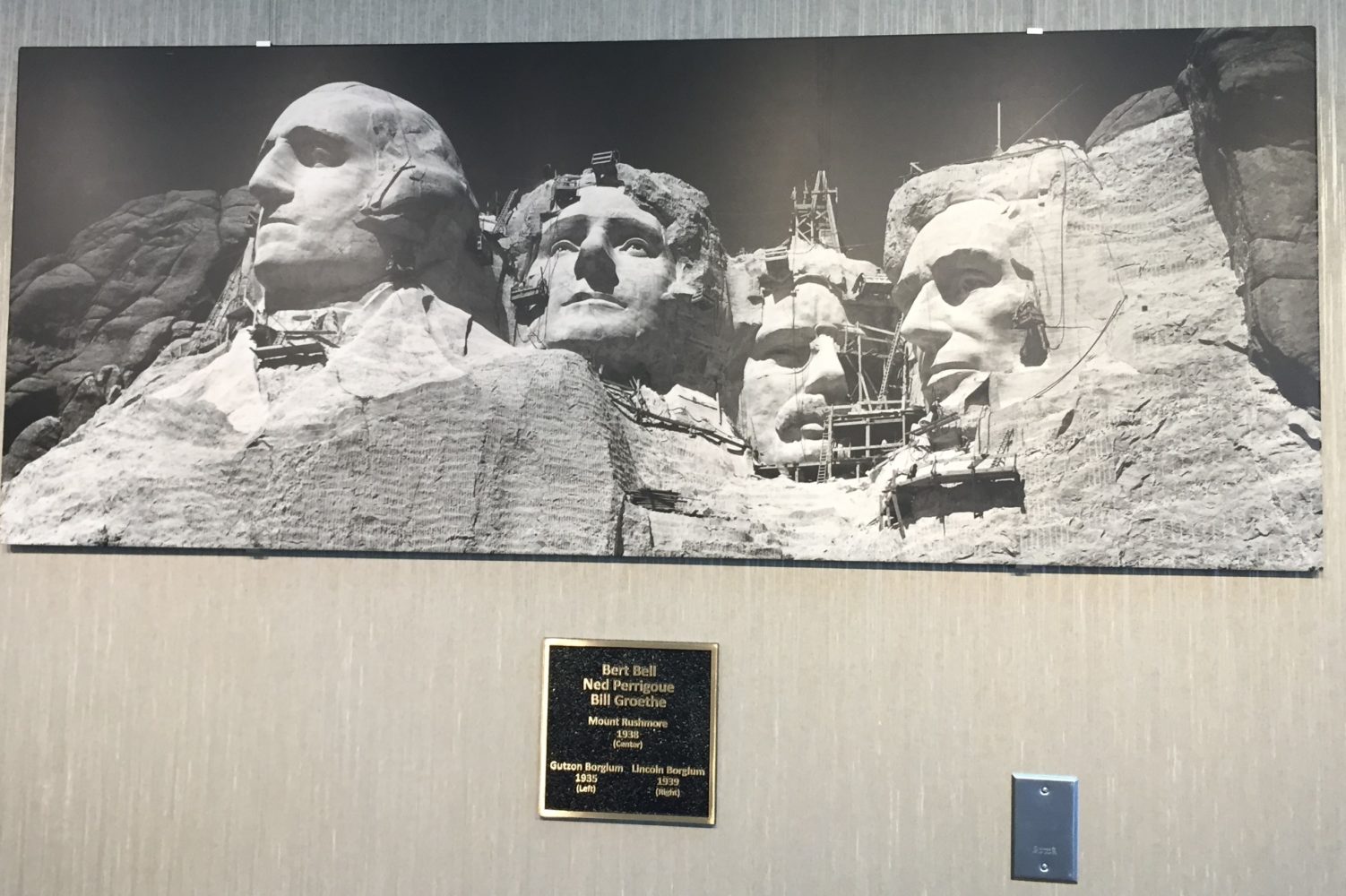
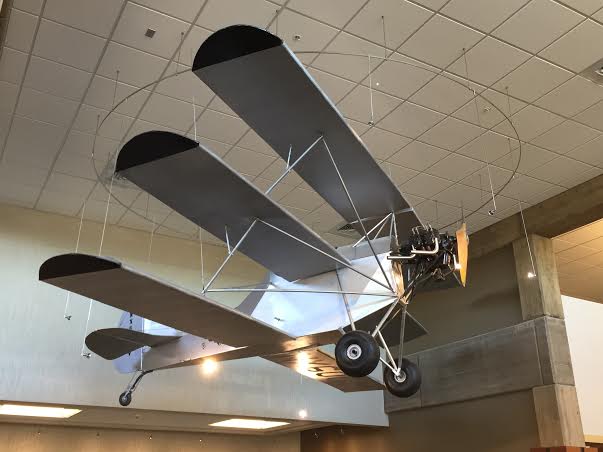
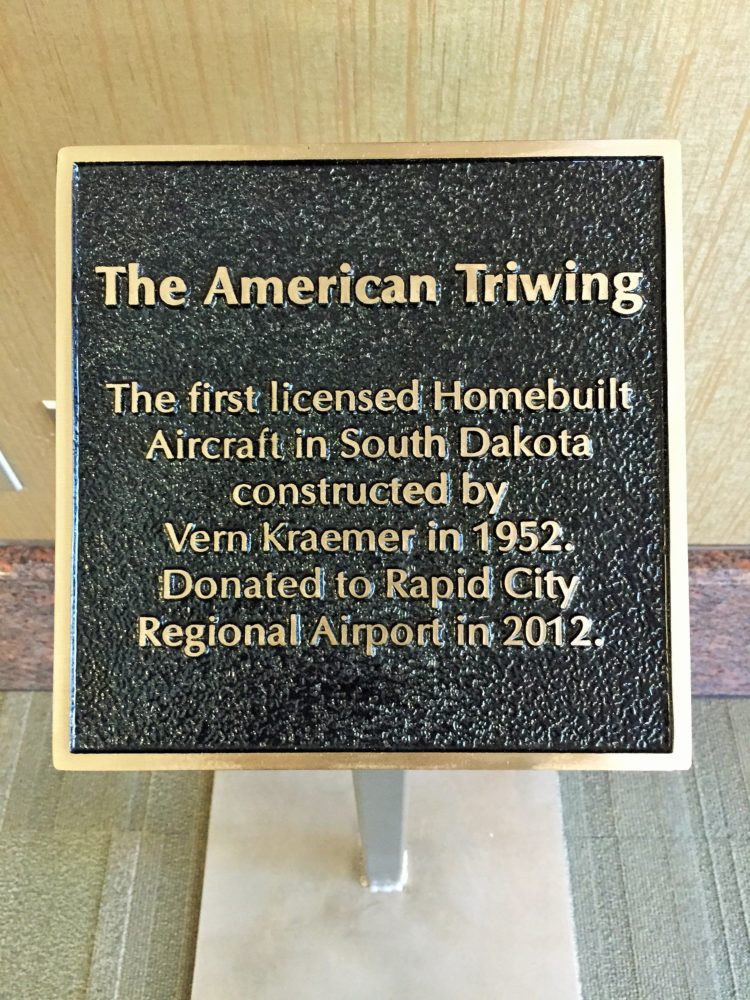
The airport welcomes passengers with some great vintage photos (more on that later in the week) and with the South Dakota’s first licensed homebuilt aircraft:

Rapid City Airport Mt. Rushmore photo

Rapid City Airport Triwing

Rapid City Airport Triwing sign

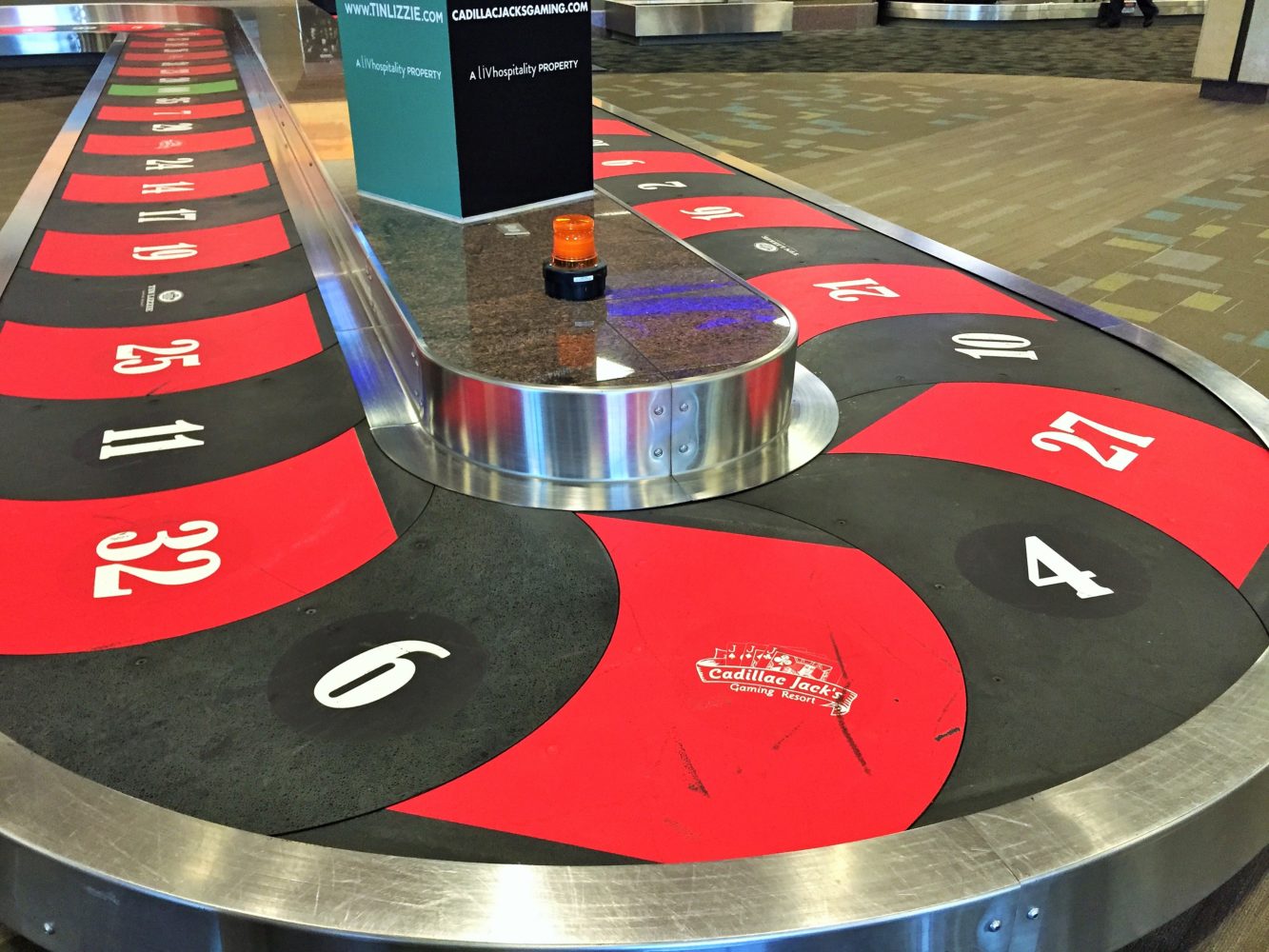
And, at the baggage claim carousel, this creative advertisement for casino gaming in Deadwood, which just added roulette, craps and Keno this past July.

Rapid City Airport carousel

Airline ads from the Mad Men era

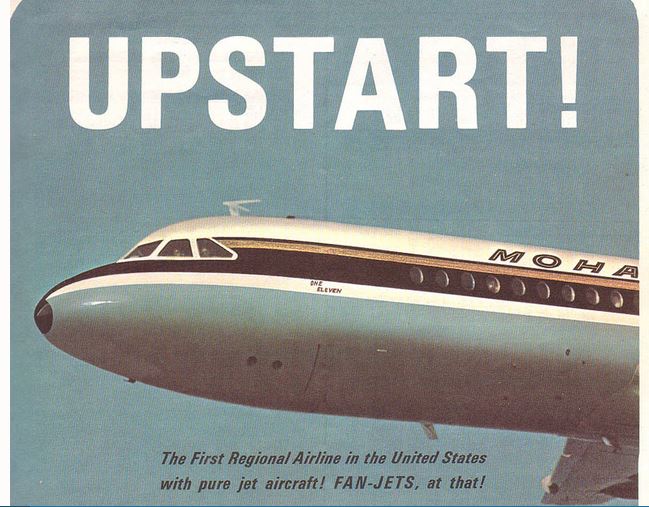
Mohawk

The final season of Mad Men kicks off tonight and that gives us yet another excuse to look back at the real work done by advertising men and women on behalf of airlines during the glory days of the industry.

We get help from an impressive new book – in looks, size (it measures 12.2″ by 16.1″), weight (it tips the scales at over 14 pounds) and price (it will set you back $400, although the pre-order price is about $250) – that details the artwork of airline ads from the mid 1940s through the mid 1970s.

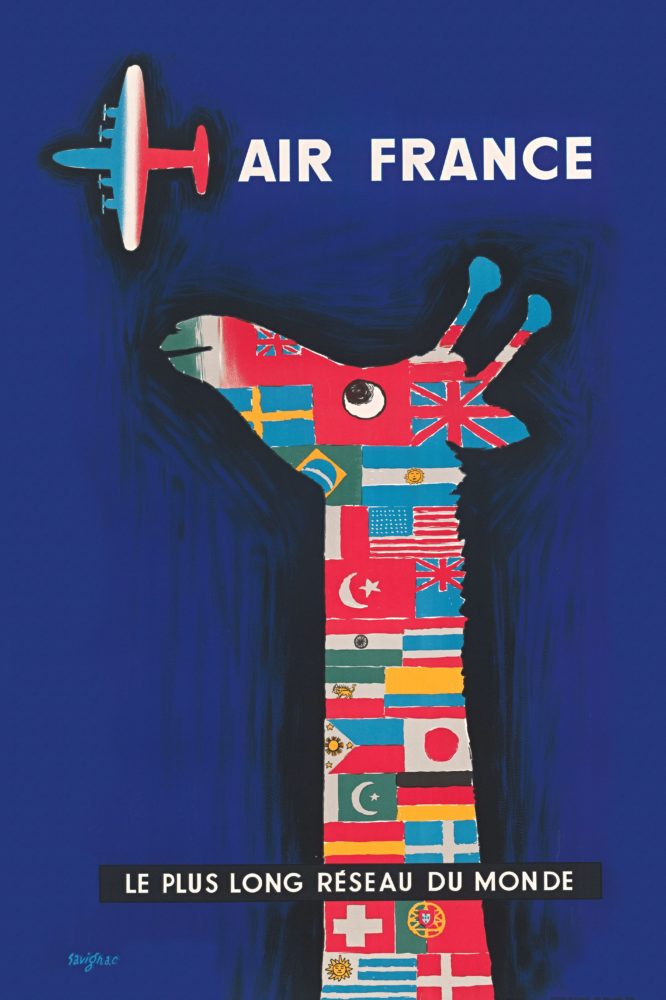
Air_France_Nr_196

Created by M. C. Hühne, Airline Visual Identity: 1945-1975 is a lushly printed and encyclopedic tour though the artwork and the advertising images that helped build airline brands.
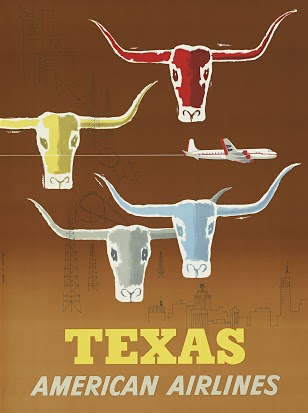
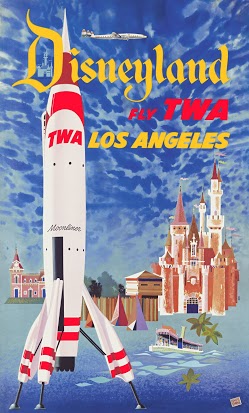
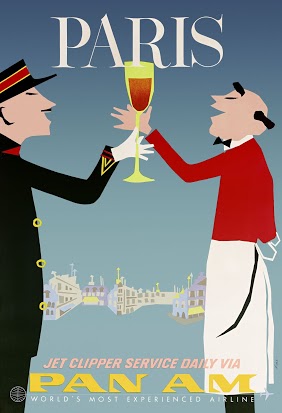
Here are a few more samples of images in the book reproduced directly from the originals, with special care given to getting the colors and special effects just right.

American_Airlines_texas

TWA_Disney

Pan_Am_paris

(All images except Mohawk Airlines courtesy Airline Visual Identity 1945-1975)

Characters on parade at SFO Airport

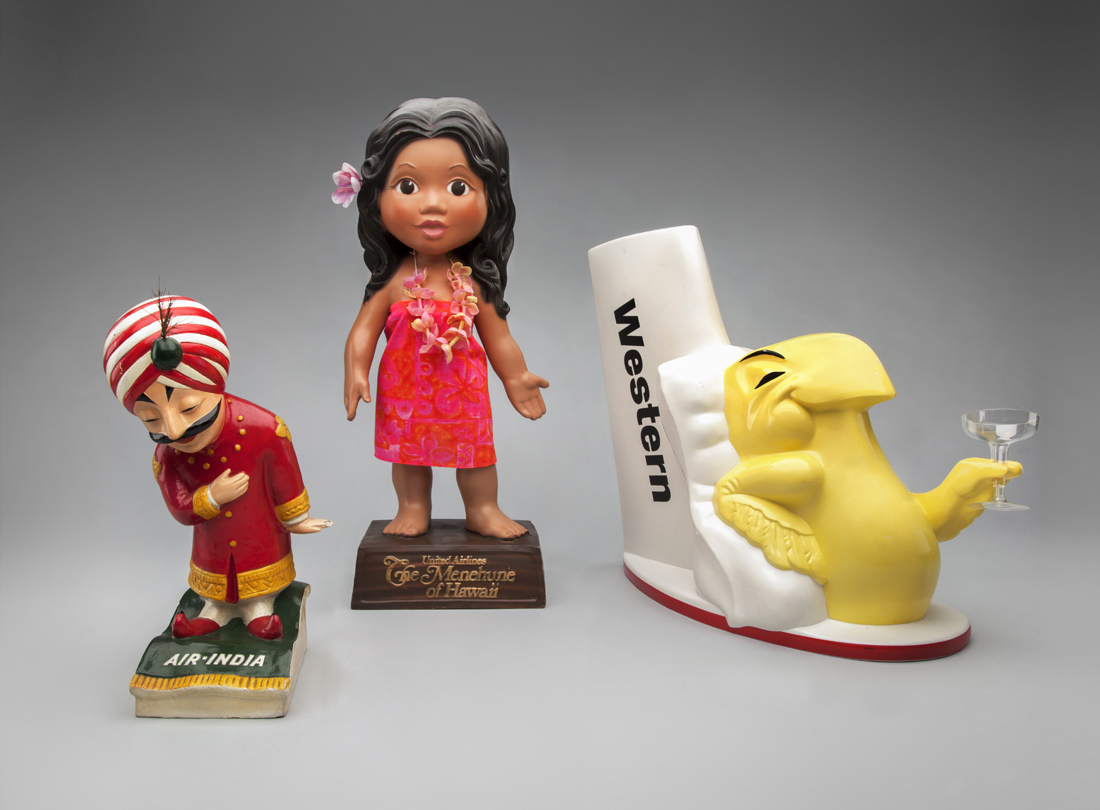
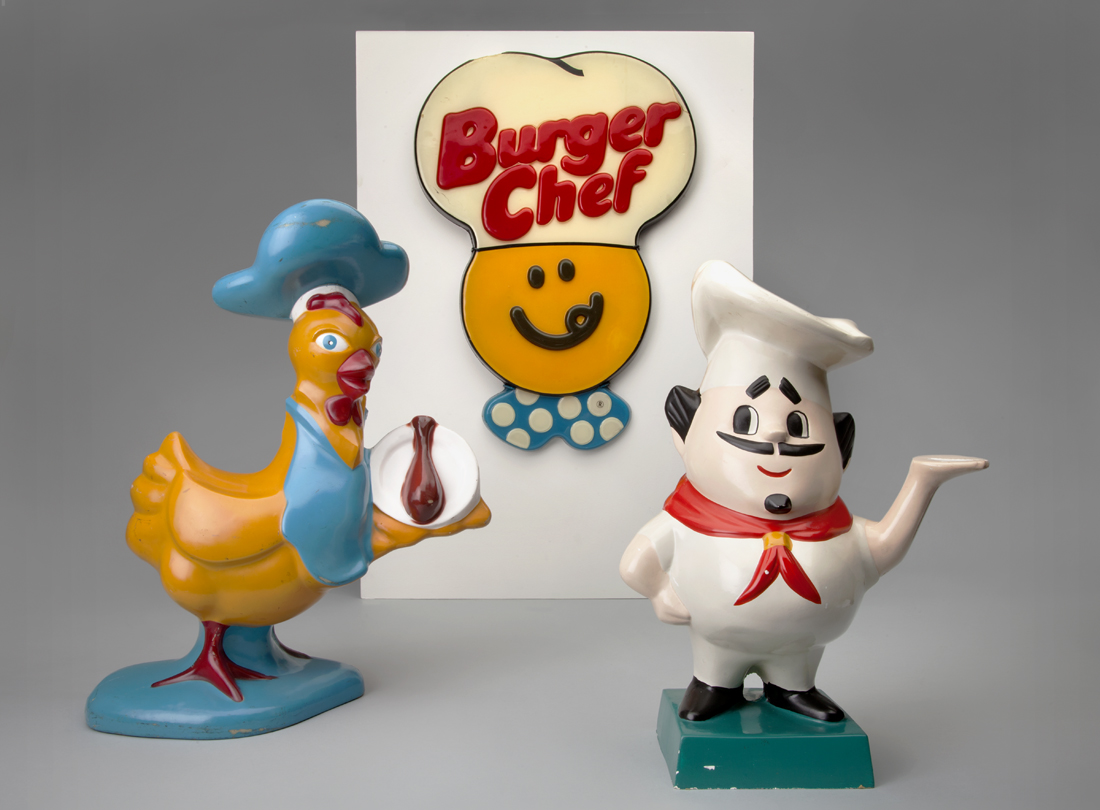
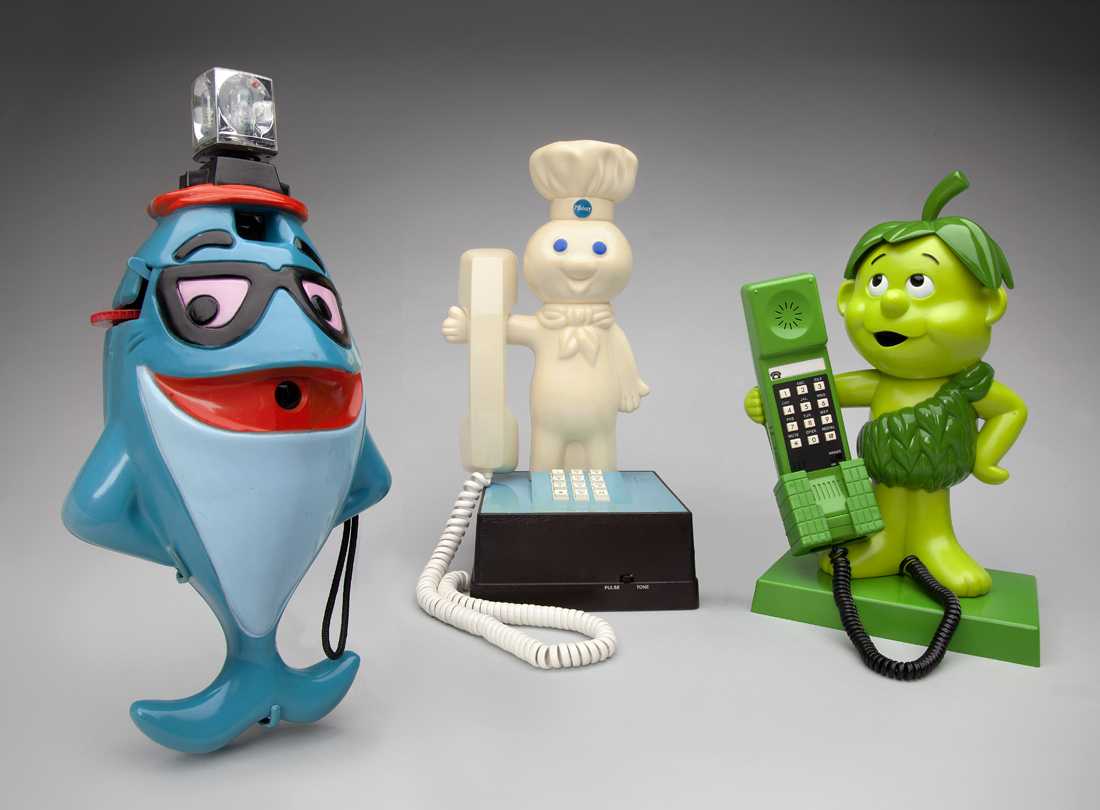
Baby boomer alert: Tony the Tiger, Charlie the Tuna, Pillsbury’s Poppin’ Fresh Doughboy and more than 300 other advertising mascots are on display at San Francisco International Airport.

SFO MASCOTS

The collection is offered by the SFO Museum and is on loan from San Francisco-based author, consultant and pop culture historian Warren Dotz. On view: advertising, promotional items and other nostalgia-inducing items for the baby boomer generation.

Here are some samples:

Presented by SFO Museum

sfo snap

Presented by SFO Museum

A World of Characters: Advertising Icons from the Warren Dotz Collection is located pre-security in the International Terminal Main Hall Departures Lobby at San Francisco International Airport through January 4, 2015.

Presented by SFO Museum

Travel Tidbits: guns, billboards and ugly sweaters

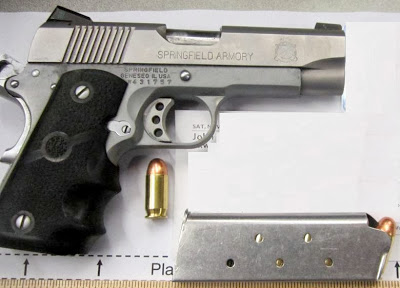
Guns at airports

PIT Firearm

Courtesy TSA

The TSA’s Week in Review is always a fascinating and somewhat frightening read.

In the latest issue, for example, we learned that 28 firearms were found at airport checkpoints nationwide this week – a tally that is not that unusual.

Of those 28 firearms, 25 were loaded and eight had rounds chambered. And among the loaded firearms was one discovered strapped to the ankle of a passenger at Pittsburgh International Airport (PIT).

I wonder if that passenger gave the excuse most people do when found with firearms at airports: “Oops, I forgot that was there.”

British Airways billboards: how do they do that?


British Airways
is rolling out video billboards that show children pointing to the sky whenever a British Airlines plane flies by. The airline says there’s some sort of “digital “wizardry” involved that allows the billboards to “know” the flight number and city a plane is arriving from and display it on the screen.

The first billboard was installed in Chiswick, a suburb west of London. Bustling Picadilly Circus gets one as well.

Ugly Sweaters

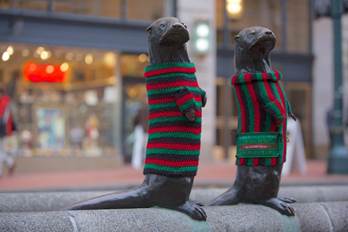
And if you’re headed to Portland, Oregon this season – perhaps to the presentation about my new book Hidden Treasures: What Museums Can’t or Won’t Show You on December 6 at St. Johns Booksellers -then keep an eye out for downtown sculptures that will be “yarn bombed” by local fiber artists.

Portland ugly sweater

More than a dozen statues are scheduled to get yarn bombed this season as the city goes a little knit-crazy with sweater -themed events and ugly sweater promotions at several hotels.

At the Mark Spencer, for example, any guest wearing an ugly sweater at check-in will automatically receive a free room upgrade. And at the Heathman Hotel, ugly sweaters will be issued to all dogs checking in with their people.

More details about visiting Portland here.

Roaming Gnome vs Charlie the Tuna & others

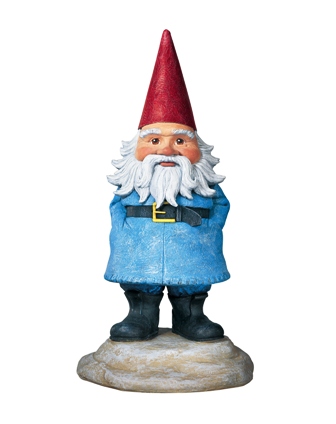
When a deal between Expedia and Travelocity was announced a few weeks back I worried about what would happen to the Roaming Gnome.

gnome

In an interview shortly after the deal was made, Travelocity CEO Carl Sparks told me the gnome would definitely be sticking around.

But, as we all know, bosses make promises they don’t always keep.

So the Roaming Gnome is likely looking for ways to spice up his resume.

One way he may do that is by winning a spot on the Madison Avenue Advertising Walk of Fame. Voting for this year’s inductees is open till September 20th and the gnome’s competition includes the likes of Charlie the Tuna, the E-Trade Baby, Mr. Clean and Smokey Bear.

See the full list here and cast your vote.

How real ‘Mad Men’ invented the sex-kitten stewardess

The 6th season of AMC’s Mad Men kicks off Sunday, April 7 with a two hour episode that will likely transport viewers back to the clothes, cocktails, cigarettes and cultural shifts that were taking place in the late 1960s.

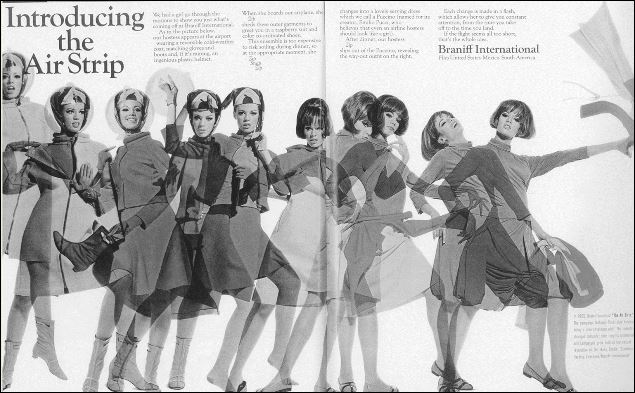
AIR STRIP

The series has occasionally portrayed the glamor and excitement of air travel and the seemingly wild and carefree lives led by that era’s female flight attendants. But, according to a new book about the history of airline stewardesses, it was men – and some women – at Mad Men-like advertising agencies that invented the image of the sexy stewardess in the first place.

In The Jet Sex: Airline Stewardesses and the Making of an American Icon journalist and historian Victoria Vantoch writes that in the mid-1960s, advertising firms trying to “sex up” the stuffy reputation of early airlines began by replacing ads portraying female flight attendants as helpful, girl next door types with images of “beguiling new stewardesses” promising coffee, tea and more.
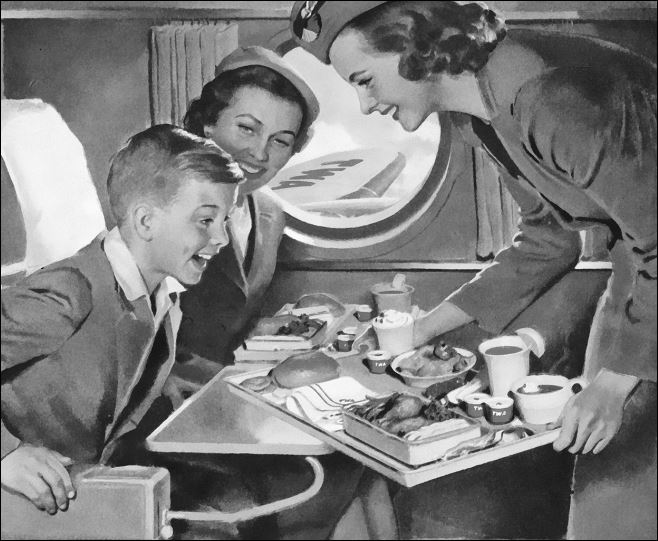
Stewardess vintage

Here’s an excerpt from my interview with Vantoch about what she learned from poring over thousands of airline print ads, interviewing stewardesses and advertising executives and reading through internal agency papers related to early airline advertising campaigns.

Before Mad Men advertising agencies got involved with the airline industry, how were stewardesses portrayed and promoted?

“In the 1940s and 1950s, the stewardess was popularly imagined as a paragon of virginity, wholesomeness and domesticity. Airlines cultivated the airline stewardess image carefully. She was the consummate homemaker: an expert at pampering men, serving casserole and looking pretty.”

How did the ‘in-flight’ image of stewardesses in the 1950s compare to their real life experiences?

“There was a huge gulf between gender ideals and real women’s lives in mid-century America. In a way, the stewardess icon resolved that deep chasm between real life working women and the fantasy of the full-time happy housewife. Stewardesses appeared to be these quintessential 1950s housewives, yet there were simultaneously ambitious, independent career women who traveled far from home.”

What happened to that wholesomeness when Mad Men advertising firms got involved in the 1960s?

“During the 1960s, advertising agencies were trying to make airlines seem more hip and cool, so they would appeal to the emerging youth market. These ad agency executives knew that the youth counterculture and the sexual revolution were spreading across American culture and they knew it was becoming important to resonate with these new cultural mores.”

And how did they go about transforming the stewardess image from wholesome, capable and virginal into something else?

“To appeal to the nation’s new 1960s mores, these ad agencies cultivated a hipper, sexy stewardess dressed in trendy mini-dresses and uniforms that were also more revealing. The first airline to really create the sexy stewardess was Braniff. Advertising pioneer Mary Wells took over the Braniff airlines advertising and rolled out a campaign called the “Air Strip,” featuring stewardesses stripping off layers of their uniforms.”

That certainly would draw attention to the in-flight safety announcement. What did other airlines do?

“Other airlines followed suit: airline ads began featuring stewardesses with teased hair, lying down on airplane seats and looking seductively at the viewer. TWA unveiled paper dress uniforms for their stewardesses, which ripped easily in flight. Pan Am kept hemlines lowest longest, but eventually they raised stewardess uniform hemlines as well.”

It seems like all that sex-kitten stuff would appeal to men. But weren’t women flying as passengers during this time as well?

“It wasn’t simply about selling air travel to businessmen; it was about selling air travel to the middle-class, including women, who wanted to be young, hip, and stylish.”

And how did the sex-kitten image of flight attendants compare to their real-life experiences?

“Real stewardesses did not passively accept this new image and had been expressing, protesting, and legally fighting sex discrimination in the workplace long before the 1970s women’s movement gave a language and context for their complaints. In fact, stewardesses won some of the first legal victories for women in the workforce and beat the tobacco industry with the first ban against smoking in the workplace.”

(Photos courtesy Victoria Vantoch)

My interview with Victoria Vantoch – “How real life ‘Mad Men’ invented the sex-kitten stewardess” first appeared on NBCNews.com Travel

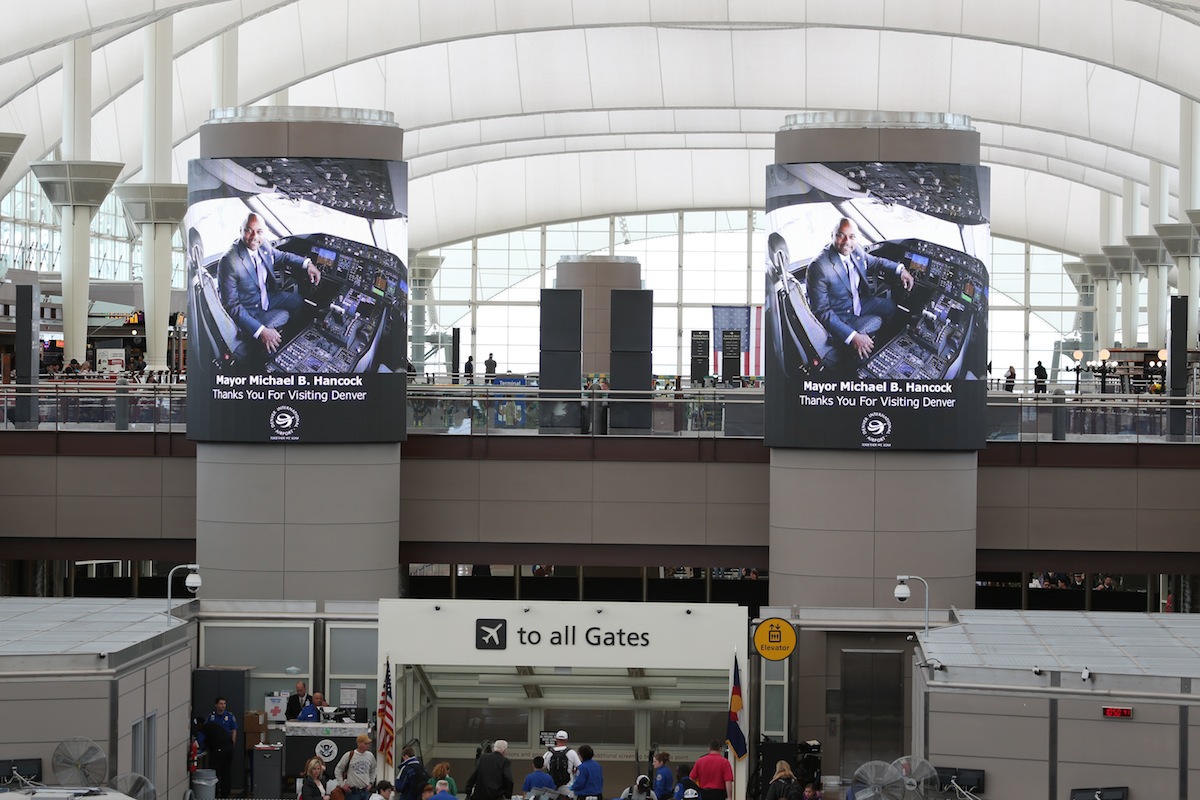
No missing the ads at Denver Int’l Airport

DEN MAYOR VIDEO TOWER

From here on there will be no missing the advertising at Denver International Airport.

On Wednesday, April 3, the airport unveiled four, 26-foot diagonal digital video towers from Clear Channel in the Jeppesen Terminal. For now, these are the largest such displays at any airport in the country.  

The airport hopes to reap $95 million in advertising from the video towers over the next ten years.
Airport officials say that non-airline revenue will ultimately benefit travelers because it lowers the fees the airport will have to charge airlines and some of the savings may be passed along to travelers in the form increased flight service and lower fares.

In addition to the four giant LED video towers, the plan is to install more big (but not AS big) LCD screens throughout the airport.

Here’s a video that shows what you’ll see.

Advertising & airport checkpoint bins

For my At the Airport column on USATODAY.com this month, I took a look at a program that puts advertising inside the airport checkpoint bins at more than two dozen airports – and how that just may help airports – and the TSA – make the checkpoint experience just a tiny bit better.

Next time you’re inching your way through the line at airport security checkpoint, take a look around.

Do the plastic bins where people plop their laptops, carry-on bags and slip-off shoes look worn and industrial gray or do they look crisp, white and new?

At the majority of the more than 400 U.S. airports, the checkpoints are stocked with those generic, government-issued gray bins. They’re boring, yes, but they do what the TSA needs them to do: they contain your stuff as it sits on the belt that passes through the x-ray machine.

But the checkpoints at more than two dozen airports have those crisp, white bins. In those airports the bins do not only what the TSA needs them to do, they also save the TSA time and money. And because there are advertisements inside these bins, they generate income for the airports.

Not bad for a bunch of recyclable plastic.

Post-9/11 need

The advertisement-bearing bins are the brainchild of Joe Ambrefe, CEO of Security Point Media (SPM) who came up with the idea not long after 9/11, while standing in a long line at an airport security checkpoint.

He realized everyone had to grab a bin and that an advertisement inside each bin was a sure-fire way for a company to reach the desirable demographic of business and leisure travelers.

Ambrefe worked up a plan to provide free bins (and carts to move those bins around) in exchange for the right to sell advertisements on the bins. He chose white bins because “color is an emotive issue and white is a happier color than industrial gray.” He also promised to replace the bins every 90 days with brand new units so that “the components are opening day fresh all the time.”

Testing began in 2007 and now the Bin Advertising Program is in operation Orlando, San Diego, Seattle-Tacoma, JFK, LaGuardia and 21 other airports nationwide and is approved by the Transportation Security Administration (TSA) for all airports.

The TSA likes the program because it saves the agency money: the free bins represent an overall savings of between $200,000 and $700,000 on the costs of replacing bins. And TSA spokesperson Greg Soule said the program also “reduced injuries associated with lifting bins and improved durability and aesthetics of the checkpoint equipment.”

Airports like the program because it’s generates a bit of extra money and helps improve the checkpoint experience for passengers.

At Los Angeles International Airport, one of the program’s first test sites, spokesperson Nancy Castles says ad revenues helped purchase “the long tables, seating, floor mats, wheeled bin carriers, stanchions, and other equipment that helps streamline the TSA passenger security screening process.” The airport also gets to place its own advertising in some of the bins and is currently promoting its LAX FlyAway bus service.

At Nashville International, an early test airport which officially signed up with the program in 2010, spokesperson Emily Richard said, “We have experienced significant and consistent improvement of the appearance of the checkpoint since SPM started managing the process.” She added that year-to-date income from the program is $7,500.

And in Houston, where the Hobby and George Bush Intercontinental airports joined the program in June, Houston Airport System’s concessions manager Randy Goodman described the benefits as “bright new bins and a streamlined process,” and a share of the advertising income that’s should net the airport about $26,000 for the first six months.”

Even better bins?

Ambrefe hopes to expand the bin advertising program to other airports and continues to tweak the system. He said that while the company has not considered providing separate bins for shoes –a suggestion put forth by some groups concerned about checkpoint health risks – “antimicrobial products for use at the checkpoints are in research.”

In the meantime, both Ambrefe and the TSA might make note of the checkpoint procedures in place at Canada’s Prince Rupert Airport, in northern British Columbia. The airport has color-coded bins for boots and shoes and, for the past 18 years, the security team has cleaned all the bins after each of the six daily flights.

“It’s nice to know that when you lay down your suit jacket or coat that the bin has not previously contained any dirty boots or other contaminated item,” said airport manager Richard Reed.

“The bins are cleaned to protect the health of the screening agents and the traveling public,” said team leader Virginia Toro. “We treat the checkpoint as we do our home: clean is the rule of the day.”

Here are the 26 airports currently in the TSA-approved Bin Advertising Program
Source: TSA

1. Jacksonville International Airport, Jacksonville, Florida
2. John Wayne-Orange County Airport, Santa Ana, California
3. Lafayette Regional Airport, Lafayette, Louisiana
4. Los Angeles International Airport, Los Angeles, California
5. Lovell Field Airport, Chattanooga, Tennessee
6. McGhee Tyson Airport, Knoxville, Tennessee
7. Nashville International Airport, Nashville, Tennessee
8. Ontario International Airport, Ontario, California
9. Reno/Tahoe International Airport, Reno, Nevada
10. Richmond International Airport, Richmond, Virginia
11. Seattle-Tacoma International Airport, Seattle, Washington
12. Tulsa International Airport, Tulsa, Oklahoma
13. Wichita Mid-Continent Airport, Wichita, Kansas
14. Charlotte Douglas International Airport, Charlotte, North Carolina
15. Denver International Airport, Denver, Colorado
16. Newark Liberty International Airport, Newark, New Jersey
17. John F. Kennedy International Airport, Queens, New York
18. LaGuardia Airport, Queens, New York
19. Orlando International Airport, Orland, Florida
20. Chicago Midway International Airport, Chicago, Illinois
21. Chicago O’Hare International Airport, Chicago, Illinois
22. San Diego International Airport, San Diego, CA
23. McGhee Tyson Airport, Louisville, Tennessee
24. Houston Intercontinental
25. Houston Hobby
26. Miami International Airport