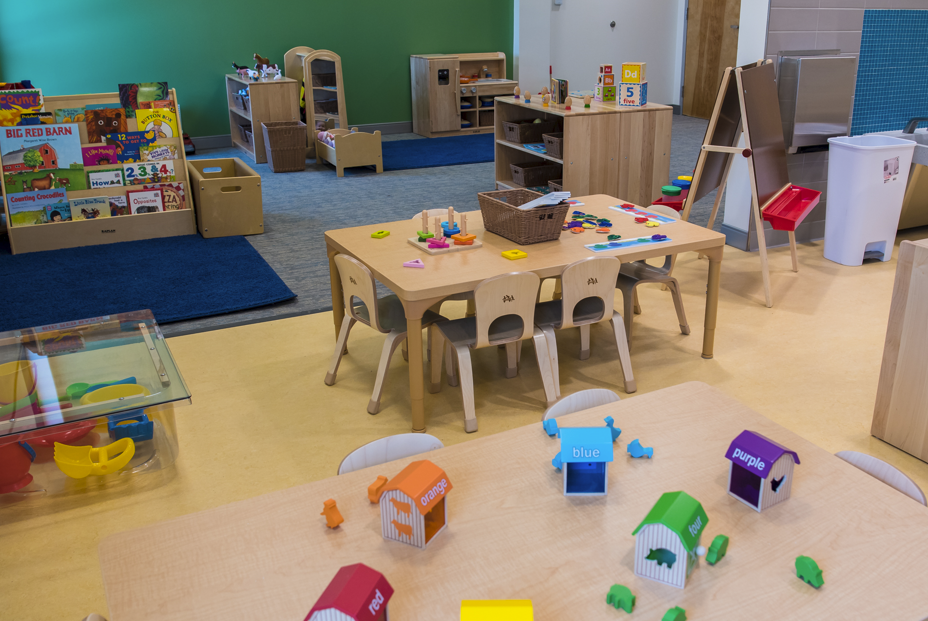
Pittsburgh International Airport

Welcoming back, Calder, to PIT Airport

[This is a slightly different version of a story we wrote for the Pittsburgh International Airport’s Blue Sky News]

Check out the Calder sculpture at PIT Airport

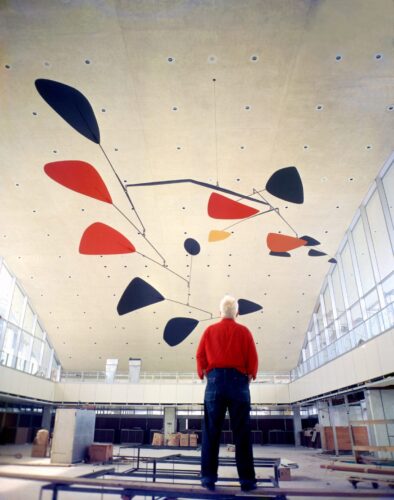
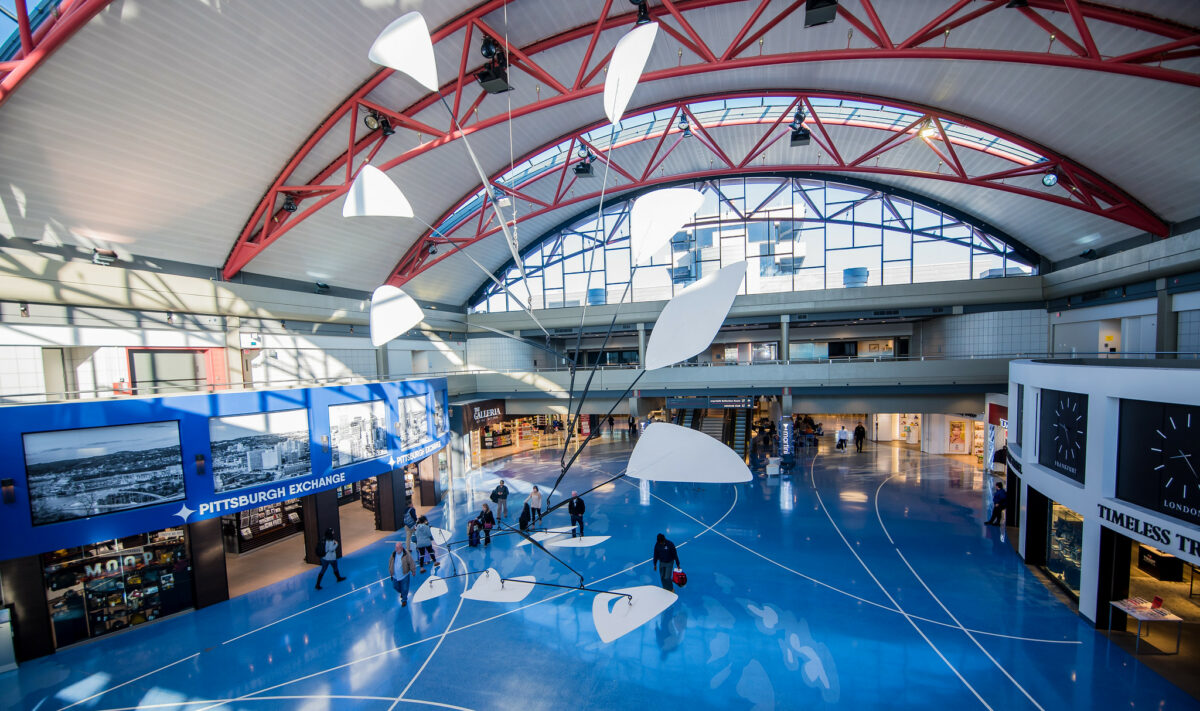
It is black and white, weighs 600 pounds and is 28 feet long and equally wide.

And it will be impossible to miss it at Pittsburgh International Airport’s new landside terminal.

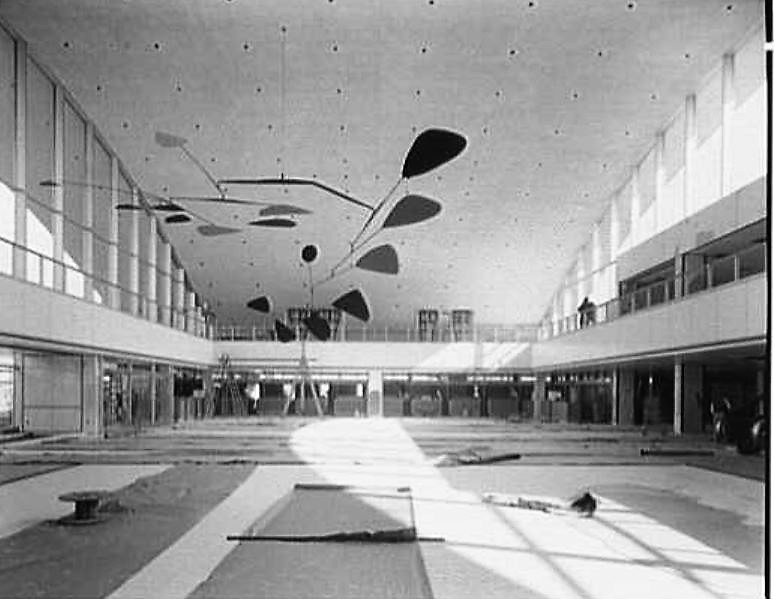
“Pittsburgh,” the kinetic mobile by famed artist Alexander Calder that has dangled from ceilings in the city’s airport terminals, on and off, for almost 70 years, has been reinstalled in the brand-new terminal’s atrium space to serve as both a gently waving welcome and farewell for all passengers and pre-security guests.

First installed in 1959 over the rotunda of the Greaterer Pittsburgh Airport terminal that opened in 1952, the mobile spent some time at the Carnegie Museum of Art before moving to the current PIT terminal in 1992.

As such, the sculpture has been part of the airport’s art program since before the airport even had much of an art program, said Keny Marshall, PIT’s Manager of Arts and Culture.

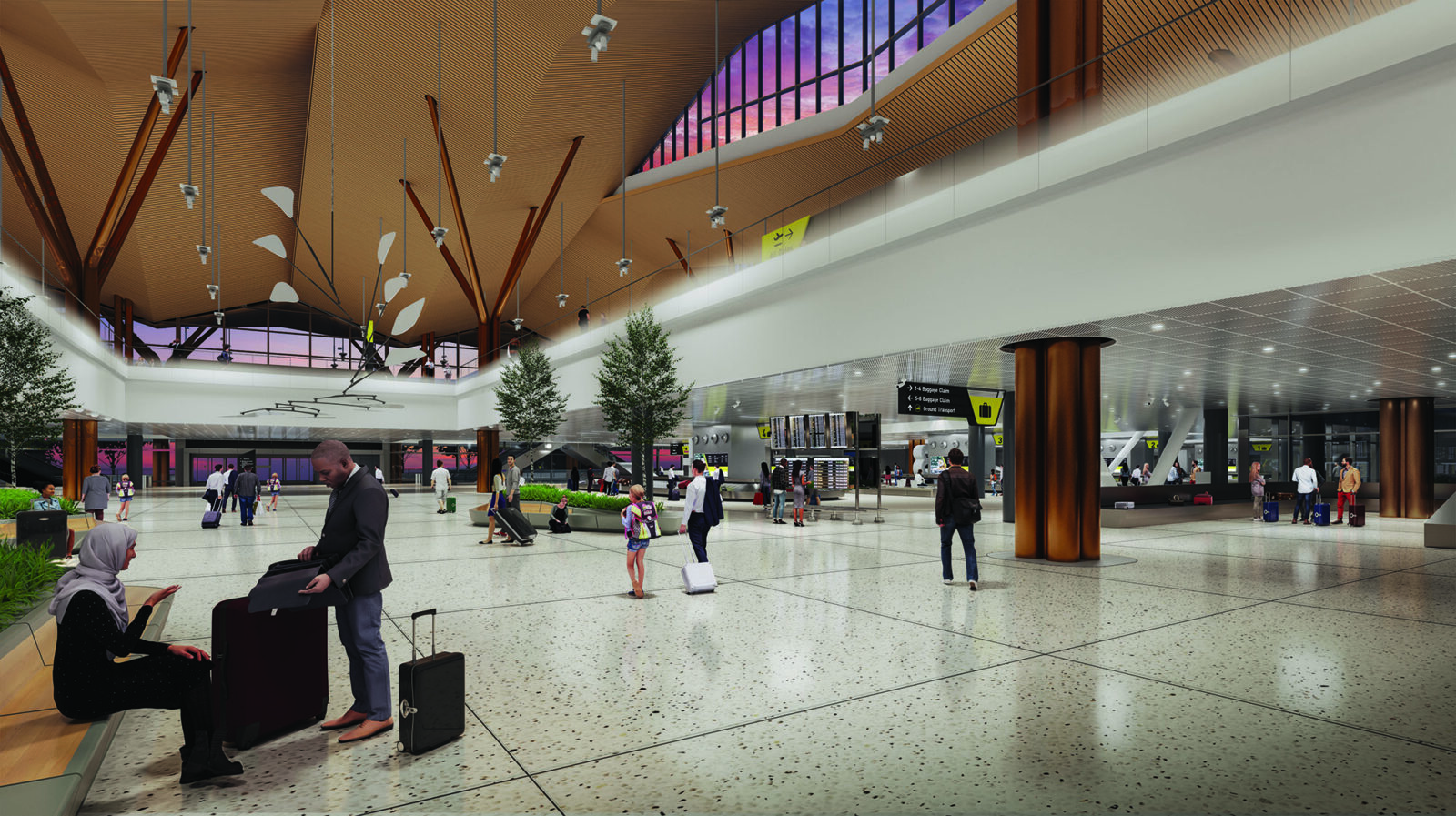
“People just expect to see the Calder at the airport,” said Marshall. And while the new landside terminal was not designed around the sculpture, its “place of prominence” was determined in collaboration with the architects – Gensler + HDR, in association with luis vidal + architects – to highlight the piece and to give the public a better view of it, he said.

PIT Calder Mobile

“Pittsburgh” is made of black steel rods and white aluminum paddles and is balanced so that elements move with just the slightest breeze to allow the activation of the mobile. The piece has been in storage for the past two years in preparation for its move to the new terminal.

In its previous location above PIT’s post-security Airside Center Core, the Calder mobile was in “an architecturally cluttered space” where few passengers stopped to take time to look at it, said Alex Taylor, an associate professor in the Department of History of Art and Architecture at the University of Pittsburgh who has studied Calder’s work extensively.

“When I’d go to the airport, I would stop with my carry-on to watch the work for as many minutes as I could spare before I had to get to the gate,” said Taylor, “But it always felt like I was the only one.”

Carol Brown would also make sure to visit the Calder during her trips through the modern-day terminal. The former county parks director was instrumental in getting the sculpture restored when it was hung incorrectly at the old terminal with its metal sections painted first yellow and green (Allegheny County’s colors) and then pink. Once it was restored, Brown advocated to have it put in the then-new 1992 terminal.

“I would always stop to say ‘Hi, Calder,’ when I went through the terminal. And I am looking forward to being able to say that again in the new terminal,” said Brown.

That will be easy to do. In the new landside terminal, the mobile will hang in the large open atrium space with an overlook offering multiple viewing angles, said Marshall.

Experts from Ohio-based McKay Lodge Art Conservation Laboratory, the company that took the Calder down from its previous spot and packed it for storage, will be on hand to unpack the sculpture and put it back up.

It will be an unusual challenge. A special lift is needed to attach the sculpture to the new terminal’s ceiling, which is almost 80 feet high.

And luckily, PIT airport owns a special piece of machinery – the Teupen Leo 26 aerial lift –  that can easily handle the task, said Renee Piechocki, a longtime public art consultant for PIT.

And because each piece of the sculpture is carefully cantilevered off the next, “as soon as you add a piece, everything changes. Only once the sculpture is fully assembled does it gracefully balance in the space,” said Marshall.

When the new terminal opens sometime this October, passengers and the public will be able to see the sculpture from eye level or above on the pre-security departure level of the new terminal.

On the arrivals level, one floor below, people will be able to look up at the sculpture and walk beneath it, explained Marshall.

What other airports have Calder sculptures?

(Courtesy Calder Foundation, New York / Artists Rights Society )

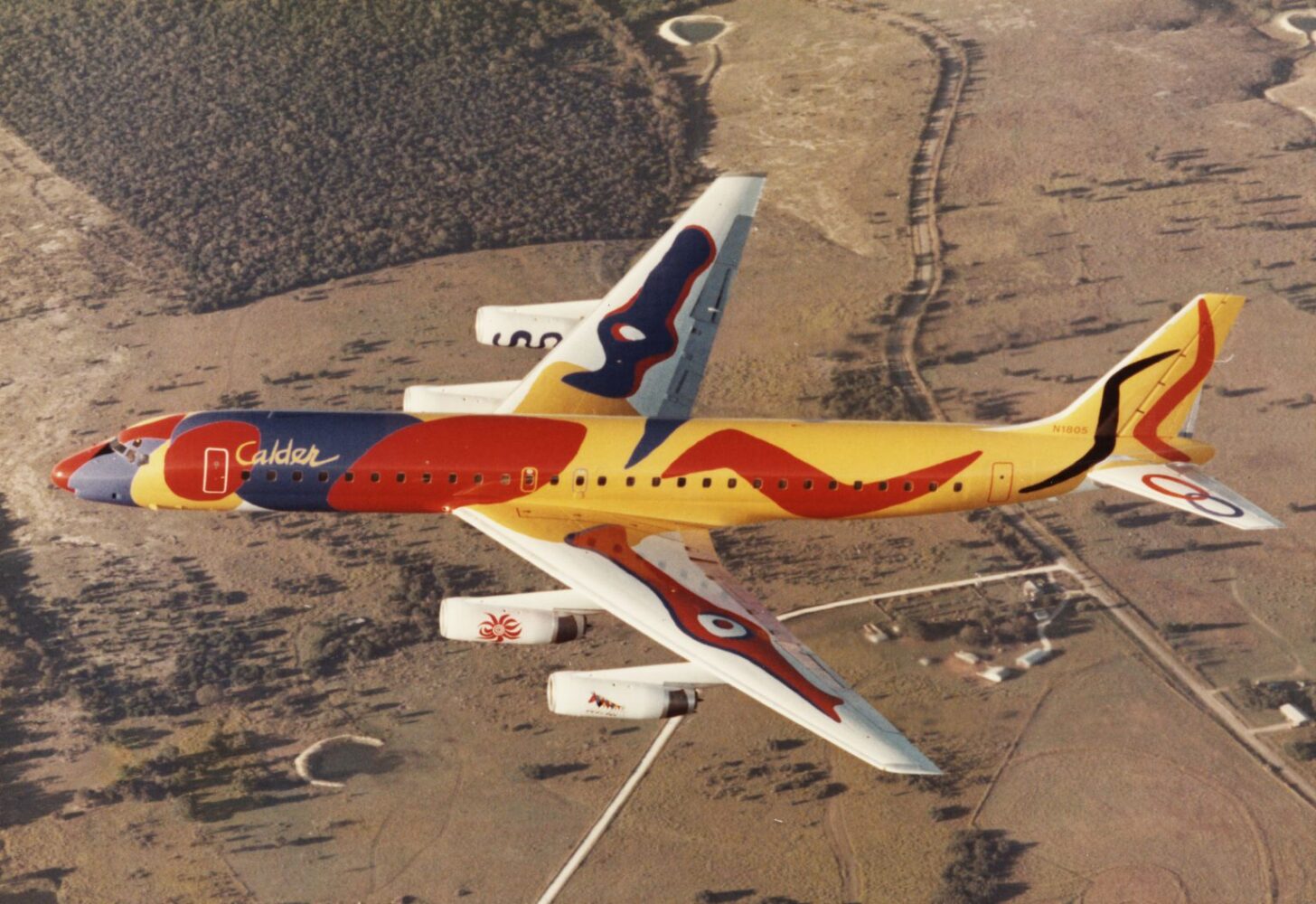
Other airports have, or once had, Calder mobiles.

Among them is the artist’s 45-foot-long mobile titled “.125” (above) that currently hangs in the Departure Hall of Terminal 4 at John F. Kennedy International Airport.

A Calder mobile named “Brass in the Sky,” once hung in Marshall Field & Co.’s Cloud Room Restaurant at Chicago’s Midway Airport.

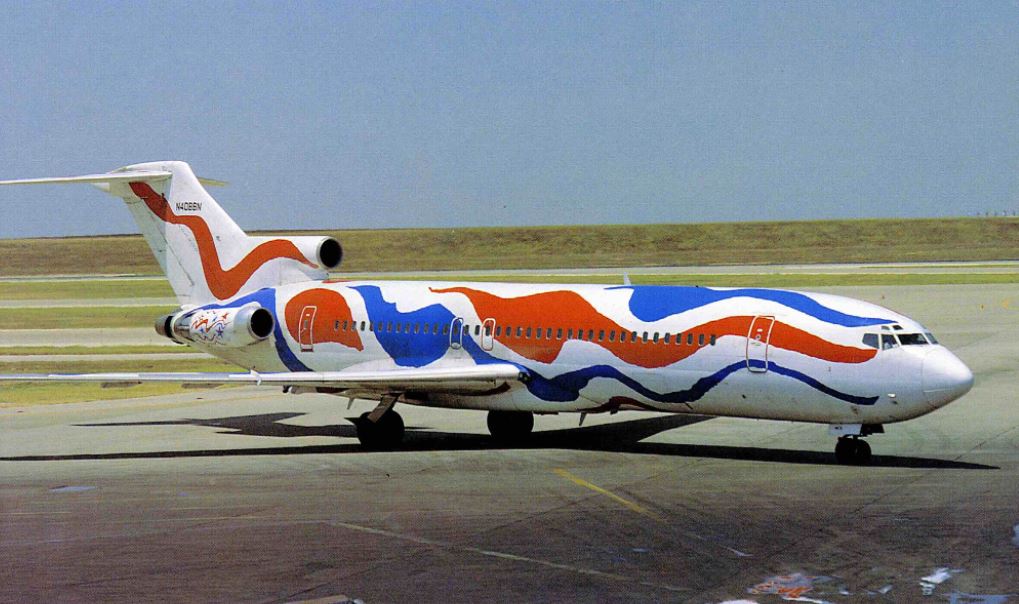
And a 40-foot-wide Calder work titled ‘Red, Black and Blue” made its way from Dallas Love Field (DAL) to Dallas Fort Worth International Airport (DFW) and to Milwaukee Mitchell International Airport (MKE) before finally landing at the Milwaukee Art Museum.

Valued now at about $12 million, PIT’s Calder mobile may be the airport’s most valuable and well-known work in a growing art collection.

“But you don’t need an art degree to understand why it is the centerpiece of the new terminal,” said Piechocki.

Like the multi-tiered sculpture, Piechocki imagines there will be multiple layers of responses to the mobile in its new space.

For those already familiar with the sculpture from the existing terminal, she hopes the reaction is “Wow, they finally gave the Calder the place it deserved. It looks amazing.”

For someone who has never been to Pittsburgh and who knows art, the reaction might be, “Oh my god! Is that a Calder?”

And for someone who is just a little grumpy and stressed out at the airport who might not know anything about art? Piechocki hopes they might pass by the sculpture and “be subconsciously a little less stressed out because they’re looking at a beautiful thing moving through the air.”

Here’s a snap of PIT’s Calder sculpture from the recent install. We can’t wait to see it in person!

(All photos courtesy Pittsburgh International Airport, except where noted)

Tiny tour of Pittsburgh International Airport’s new terminal

Pretty much everyone who flies to or from Pittsburgh, PA is looking forward to the opening of the new landside terminal at Pittsburgh International Airport (PIT).

This $1.5 billion project is about 80% complete and will wrap up later this year with an opening date set for fall.

The Stuck at the Airport team stopped by for a hard hat tour to see how things were going.

Here’s a tiny tour of Pittsburgh International Airport’s new landside terminal, in progress.

Travel tidbits from airports near you

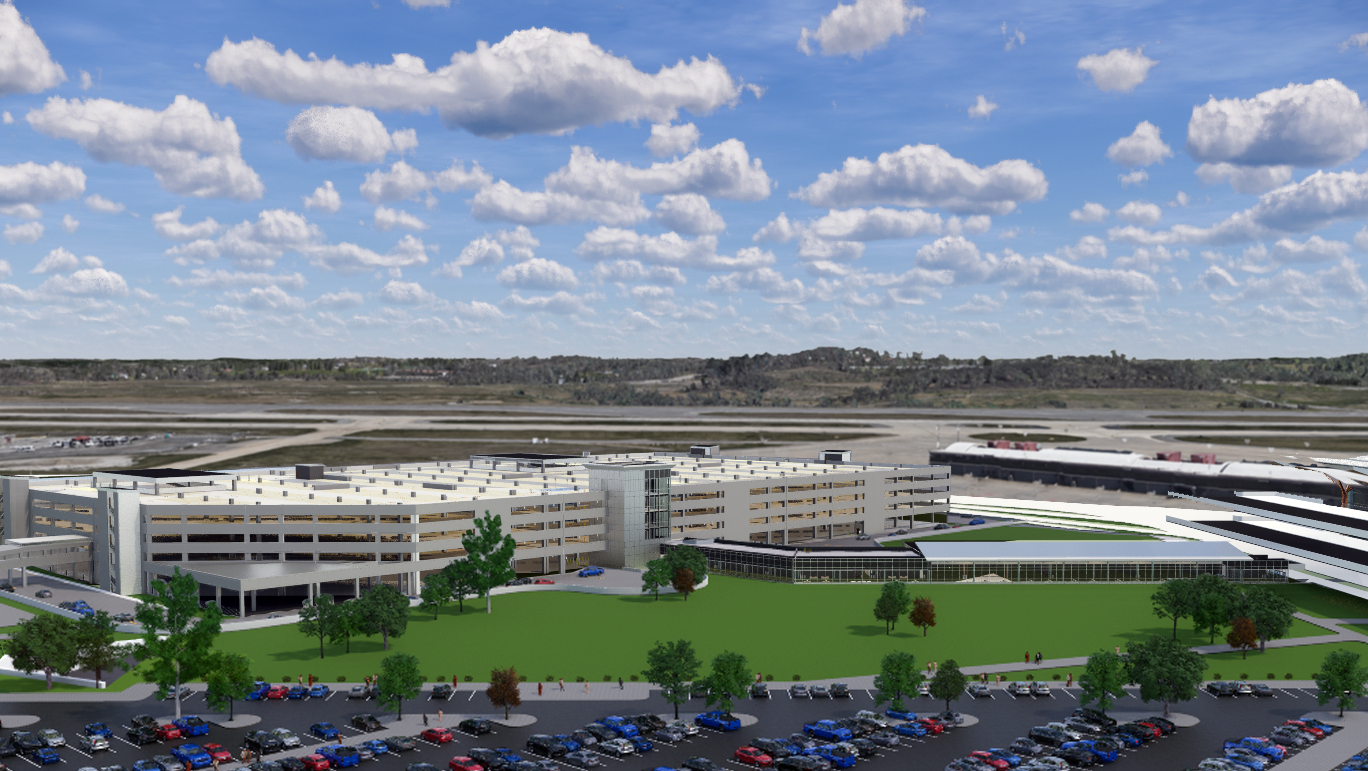
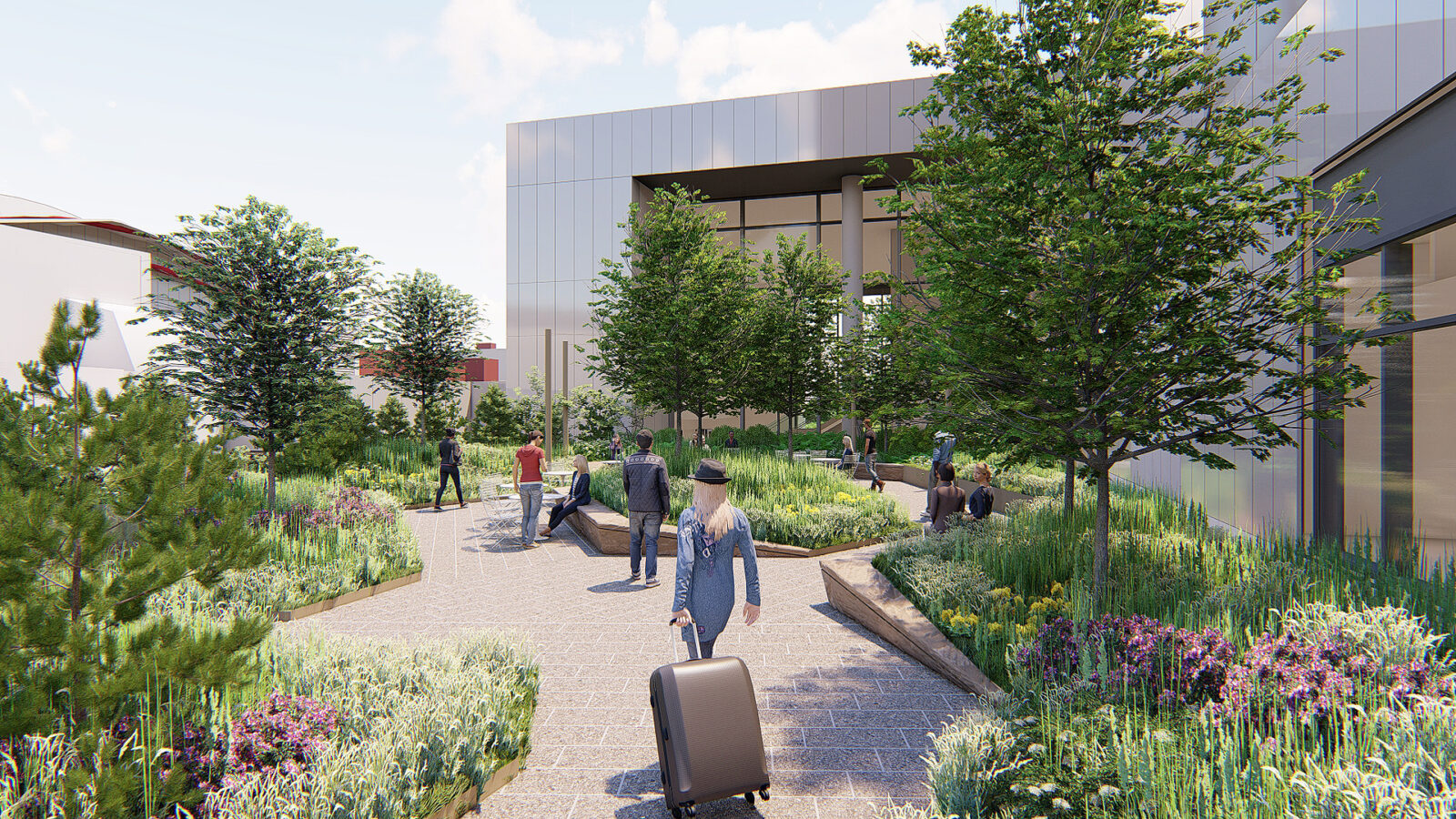
Pittsburgh Int’l Airport’s new terminal is almost done

(Image courtesy Gensler)

Later this week, we’ll be doing a hard hat tour of Pittsburgh International Airport’s new terminal, visiting the airport’s in-terminal day care center (yes, they have one!) and checking in on some of our favorite art pieces at PIT.

Stay tuned for pics.

Fresh art at Seattle-Tacoma International Airport

SEA is the home base airport for the Stuck at the Airport team, and one thing we love about the airport is all the art. It’s wonderful and, often, reassuring to see favorite pieces before or after a flight.

And it’s always a treat to spot new art being added to the collection.

It’s not crazy to celebrate an anniversary at an airport

Our tradition of celebrating milestone anniversaries at new or cool airport hotels, such as the Hilton with a rooftop lounge that opened at Nashville International Airport not too long ago, made it into this Washington Post article about airport hotels.

This article is a perfect match for a story we wrote back in 2018 about the first airport hotels.

Airport hotels are no longer dominated by the staid, cheap, bed-for-a-night abodes that were standard for so many decades. New accommodations hark back to the luxury of early aviation, featuring top-notch amenities enjoyable by all. My latest in the @washingtonpost.com.

Edward Russell (@byerussell.com) 2025-04-22T13:06:28.199Z

Travel Tidbits from an airport near you

New artwork to greet passengers at Salt Lake City Int’l Airport

Salt Lake City International Airport (SLC) already has several large-scale artworks by artist Gordon Huether, including the 400-foot Canyon (above).

Coming soon: the completion of his 90-foot outdoor art piece echoing the mountain peaks for which Utah is famous.

SFO Airport is celebrating Dia de Los Muertos

San Fransisco International Airport (SFO) is celebrating Dia de los Muertos (the Day of the Dead) with an altar, a mural, and live cultural performances through November 7 in Harvey Milk Terminal 1 and Terminal 2.

In Harvey Milk Terminal 1, look for the “Tree of Life” altar created in partnership with the Mission Center for Cultural Arts, and feel free to add the names of your loved ones to the altar.

In Terminal 2, artist Adrian Arias will paint a mural titled “Ancestral Hummingbird with Moon,” influenced by his Peruvian background.

Pittsburgh International Airport’s new terminal progressing nicely

These airports are adding childcare centers

Airports wooing employees with onsite childcare

(Our story about childcare centers opening at airports first appeared on NBC News)

Trudi Shertzer can’t wait to bring her 8-month-old to work every day.

An operations duty manager at Pittsburgh International Airport, she is counting the days until she can drop off her son at a 61-slot child care center opening there next month — the only such facility housed in a U.S. airport terminal.

“I’m just waiting for them to give us the list of stuff I need to start packing up for my son Hunter,” said Shertzer, whose husband, Ben, works as a wildlife manager at the airport. “This will be so convenient. With the facility right here, we’ll be able to pop in and check on him, which will give us peace of mind.”

While the airport authority’s 475 employees get first dibs on enrollment, the child care center is also open to kids of other staffers at PIT’s 6,000-person campus, including concessionaires, cleaners and construction workers.

The Pittsburgh facility comes as the airline industry continues its hiring push to meet resurgent travel demand in a still-tight labor market.
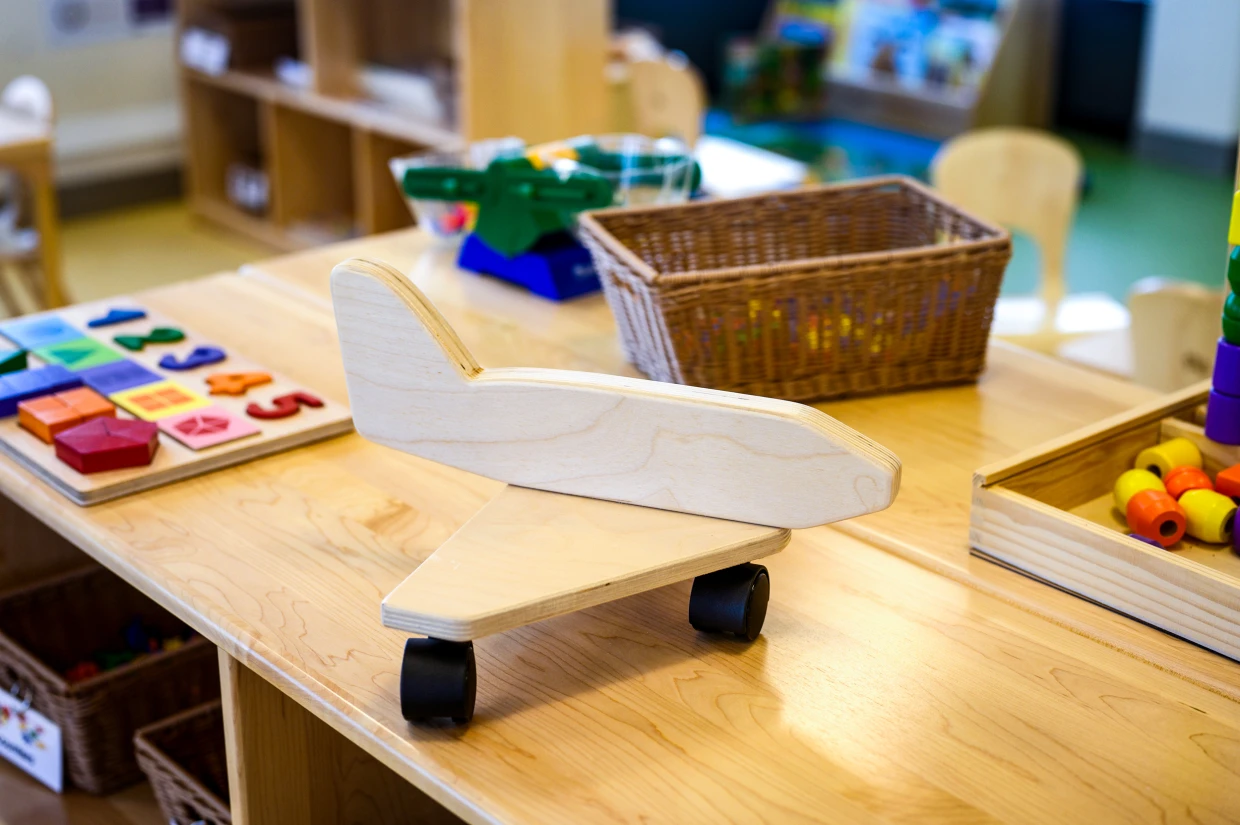
(PIT Airport day care. Courtesy NBC News)

At least three other U.S. airports are working on new child care plans of their own. They will join the growing ranks of employees trying to expand access to a service that remains a costly barrier for many caregivers in their prime working years.
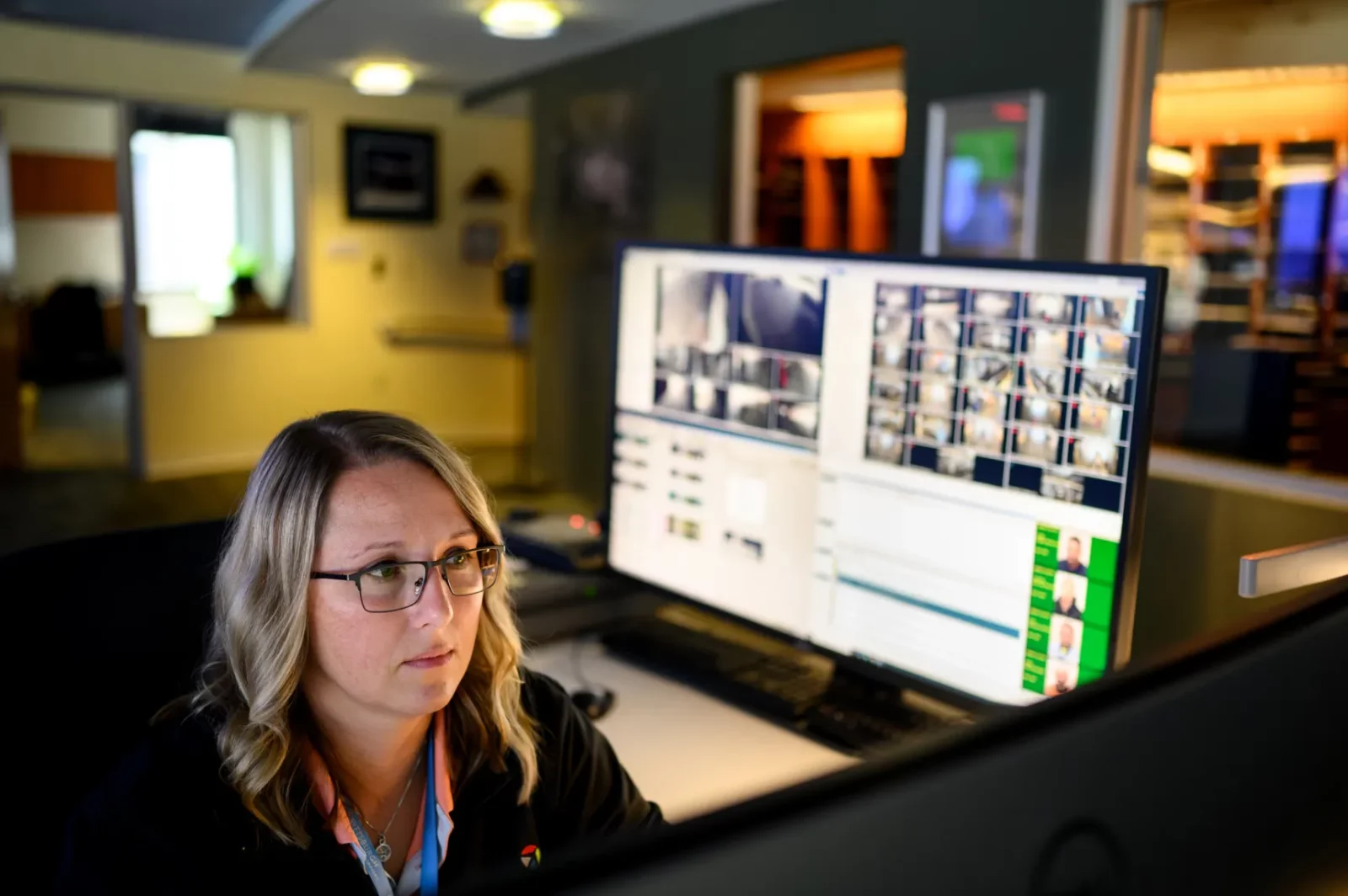
(Trudi Shertzer at PIT Airport, courtesy NBC News)

Shertzer said a babysitter has been looking after Hunter while she and her husband are at work, and enrolling him in the on-site center will offer “significant savings” to the family’s bottom line.

Allegheny County Airport Authority, with operates PIT, has set the facility’s tuition at about 10% below area market rates and made sure it qualifies for state subsidies, CEO Christina Cassotis said. The hope is that employees in lower-paying, hard-to-fill jobs like those at the airport’s food, beverage or retail shops will also be able to enroll their children.

“We are trying to build in ‘sticky’ and foundational benefits so that people feel like we’re investing in them as people,” she said, “as opposed to just someone needed to fill a job.”

The center, operated by the national daycare company La Petite Academy, will have its own entrance in a surplus part of a terminal once used by US Airways. Hours will initially be weekdays from 6:30 a.m. to 6:30 p.m., but Cassotis eventually wants it operating 24/7 to accommodate later shifts.

“Child care has always been a challenge for working parents,” said Annie Russo, chief political and congressional strategy officer for Airports Council International-North America. But she said airports present an added challenge because many are far from urban centers and services.

“Having child care centers on or near airport property could solve that logistical problem for working parents and help airports recruit and retain employees, especially women,” she said.

A survey this spring of 10,000 U.S. mothers by well-being brand Motherly found 43% of women who changed or left jobs over the prior year cited staying at home with children or a lack of child care for their decision. Fifty-two percent of at-home moms said it would take affordable child care to lure them back.

Many caregivers have already returned to the workforce since the pandemic, as competition for labor drove up wages and inflation squeezed household finances over the past year. After Covid-19 disrupted child care and schooling for more than two-thirds of U.S. parents, the labor force participation rate for mothers with young children snapped back to pre-pandemic levels in 2022.

But child care issues have remained enough of a workforce headwind to draw attention from the Biden administration, which issued over 50 directives to federal agencies in April aimed at reducing costs and improving access. In a visit to PIT this month, first lady Jill Biden praised on-site child care as allowing workers to “pursue the careers they want without having to worry about finding care for their kids.”

Some airport directors had discussed expanding their child care offerings before the pandemic, but “it has now become a larger focus,” said ACI-NA’s Russo.

Phoenix Sky Harbor International Airport, which in the 1960s offered an in-terminal nursery so parents could dine or shop kid-free before boarding flights, is now in the final design phase of a child care facility for employees.

“Businesses at Sky Harbor continue to have challenges hiring and retaining staff,” said Matthew Heil, deputy aviation director for the city of Phoenix. Developing on-site child care, coupled with a $4 million pool of city and federal funds to help workers find care locally, “allows us to support those people with children in a direct way,” he said.

Denver International Airport is currently conducting a child care needs assessment, Deputy Chief of Staff Andrea Albo said. Cincinnati/Northern Kentucky International Airport, which is home to cargo hubs for DHL and Amazon, is looking into developing on-site or nearby child care facilities, too.

“When my children were young, I was blessed to have stable, safe, dependable child care, and I know what a difference it can make,” airport CEO Candace McGraw said. “I’d like to see that happen at CVG.”

KinderCare said several major carriers, including American Airlines, JetBlue and Southwest Airlines, provide tuition credits at its facilities. Delta Air Lines said it offers up to 25 days a year of subsidized child care for situations like school closures and family emergencies. But many airport workers have few such benefits, and while some U.S. airports have experimented with child care services for decades, only a handful of programs still exist.

Miami International Airport opened a child care center near its main terminal in 1987 with room for more than 100 employees’ children, but it closed in the early 2000s. There are no plans to bring it back, partly owing to space constraints, a spokesman said. Boston Logan International Airport and New York City’s John F. Kennedy International Airport had similar programs at earlier periods, but spokespeople said there are no plans to reintroduce them.

San Francisco International Airport and Los Angeles International Airport still support nearby child care centers for employees’ kids.

Since 1993, SFO has been subsidizing extended-hour child care at a Palcare-run center in a county-owned building about 3½ miles from the airport; 36 of its roughly 110 slots are filled by children of SFO staffers. The current $7 million five-year agreement provides tuition subsidies for the kids of low- and middle-income airport workers, plus two meals per day for all enrollees. It also includes additional funds to handle enrollment growth.

Last October, the operator of LAX reopened the First Flight Child Development Center, which offers child care at discounted rates to on-site workers, after a pandemic closure. First opened in 1998, the center is located a few blocks north of the airport and run by La Petite Academy, which will also manage PIT’s.

Sean Sondreal, chief business development officer of the Learning Care Group, La Petite’s parent company, said, “We hope to work with many more air transportation organizations to plan and execute on their vision for creating greater opportunities for an ever-evolving workforce.”

First Flight — whose subsidized rates range from $240 to $404 a week for LAX workers’ kids — is “a great recruitment tool,” said Becca Doten, chief airport affairs officer for Los Angeles World Airports, whose child has attended it.

“Many people are re-evaluating what they want from their workplaces and, post-pandemic, seeking better work-life balance,” Doten said. “As they choose new places to work, we know how important it is that we can offer a safe place for their children.”

Kristen Owens, a consultant for a project management contractor at LAX, has been bringing her son, Jack, 1, to First Flight since he was 4 months old.

“This day care costs a little more than half of what other daycares in the area are asking,” she said. “If I was not an employee of the airport and had to go to a different center, it would be so much more expensive and so much less convenient.”

Owens added, “This is definitely a benefit that makes me want to stay.