Want to go to Hawaii? One more airline is now flying there from the west coast.
Southwest Airlines announced it will start flying between Hawaii and the mainland on March 17, 2019, with an inaugural flight from Oakland International Airport (OAK) to Honolulu’s Daniel K. Inouye International Airport (HNL).
On April 7, Southwest will start service from Oakland International Airport to Kahului Airport (OGG).
In May, Southwest will start service from Norman Mineta San Jose International Airport (SJC) to Honolulu on May 5 and to Kahului on May 26.
Southwest is also adding interisland service and will fly roundtrip between Honolulu and Kahului four times daily beginning April 28 and four times daily between Honolulu and Ellison Onizuka International Airport at Keahole (KOA) on Hawaii Island.
Still to come: details about the schedule for Southwest’s flights from San Diego and Sacramento, and for flights that will serve Lihue, on Kauai.
Sale prices for the announced flights were offered – and sold out within minutes – on Monday, but poke around and you may still find some great deals on Southwest’s flights to Hawaii.
No doubt other carriers, such as Hawaiian Airlines, Alaska, United, American, and Delta, that fly to Hawaii from gateways across the U.S. may kick off sales and special promotions of their own in the coming days.
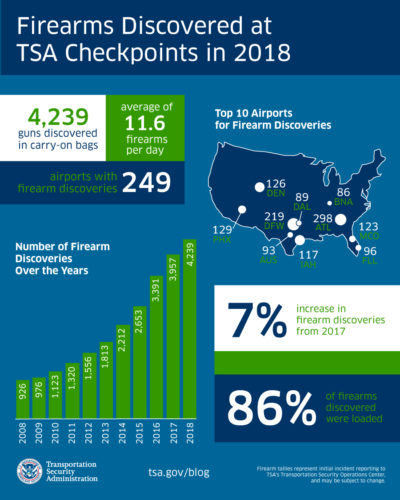
TSA’s Year in Review came out today with the (still somewhat unofficial) final stats on the number of guns TSA officers found in carry-on bags at airport checkpoints last year.
The total for 2018 is a record-setting 4,239 firearms found in carry-on bags at 249 of the more than 400 TSA-controlled airport checkpoints around the country.
That’s up more than 7 percent from the 3,957 firearms TSA officers found in carry-on bags in 2017.
And that averages out to 81.6 firearms a week and 11.6 firearms a day.
The break-down gets more alarming when we look at the stats on the number of guns found to be loaded.
Of the 4,239 firearms found last year, more than 86% (3,656) were loaded (another record) and almost 34% (1,432) of the firearms found had a round chambered.
Why do so many passengers show up at airports with guns?
“I think the biggest reason is that people go buy these things and then completely forget they have them, which is dangerous in its own right,” said aviation security expert Jeff Price, the owner of Leading Edge Strategies, “I imagine when they get the gun, at first they are always aware of it because they feel safer. Then, after a period of time, it works its way to the bottom of the bag and next thing that happens is its discovered at a screening checkpoint.”
Price also suspects that because more people are carrying guns these days and carry those guns in purses and laptops, they are aware they have the guns, “But in the hustle and confusion of preparing for a trip, they forget to take the gun out. “
TSA’s Year in Review also lists the top 10 airports for firearm discoveries in 2018.
Hartsfield-Jackson Atlanta International Airport (ATL) the Top 10 list with 298 firearms found. (253 loaded.) That’s an increase of 53 compared to 2017.
ATL also set the record for the airport with the most firearms discovered in one month: In August 2018, 32 firearms were found at ATL checkpoints.
Here’s the rest of TSA’s Top 10 list of airports for firearms discoveries in 2018:
Dallas/Fort Worth International Airport (DFW): 219 (193 loaded)
Phoenix Sky Harbor International Airport (PHX): 129 (120 loaded)
Denver International Airport (DEN): 126 (95 loaded)
Orlando
International Airport (MCO): 123 (112 loaded)
George
Bush Intercontinental Airport (IAH): 117 (115 loaded). Some good news here: this
is a decrease of 25 compared to 2017.
Fort
Lauderdale-Hollywood International Airport (FLL): 96 (80 loaded)
Austin-Bergstrom
International Airport (AUS): 93 (76 loaded)
Dallas
Love Field Airport (DAL): 89 (83 loaded)
Nashville
International Airport (BNA): 86 (80 loaded)
In a year when TSA also screened a record number of travelers (813.8 million; a 5.5 percent increase over 2017), the agency’s officers also found a wide variety of prohibited items and ‘artfully concealed’ objects other than firearms in carry-on bags, including inert grenades, a bottle of lighter fluid, fireworks and knife combs.
TSA’s week in review also notes the loss in 2018 of Curtis “Blogger Bob” Burns, the charmingly corny TSA employee who chronicled the agency’s odd finds on the TSA blog, on Twitter and on Instagram. Burns is featured in quirky videos highlighting TSA Top 10 Most Unusual Finds in 2016 and in 2017.
TSA’s Year in Review promises that a video highlighting 2018’s most unusual finds will be released soon.
Earlier this month, more than 200 ‘fake’ passengers showed
up at Seattle-Tacoma International Airport.
They weren’t working a scam. And they weren’t there to
protest anything.
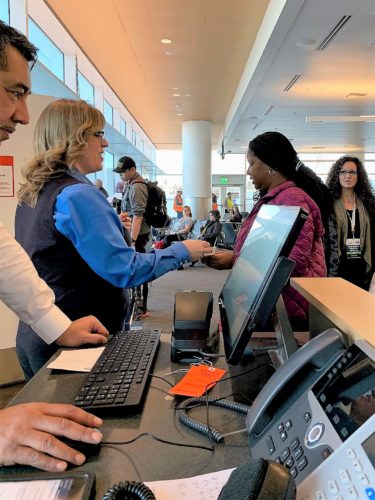
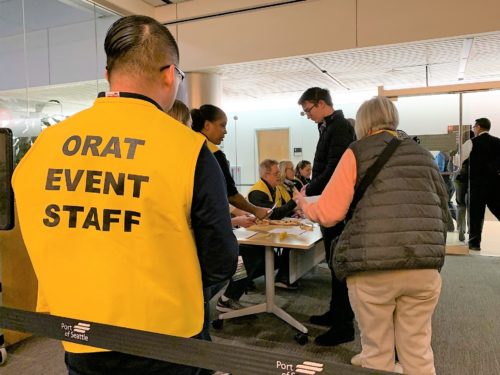
Instead, they were there volunteering to help Sea-Tac airport
test the operational readiness of a satellite terminal undergoing its first
major expansion and modernization in 45 years.
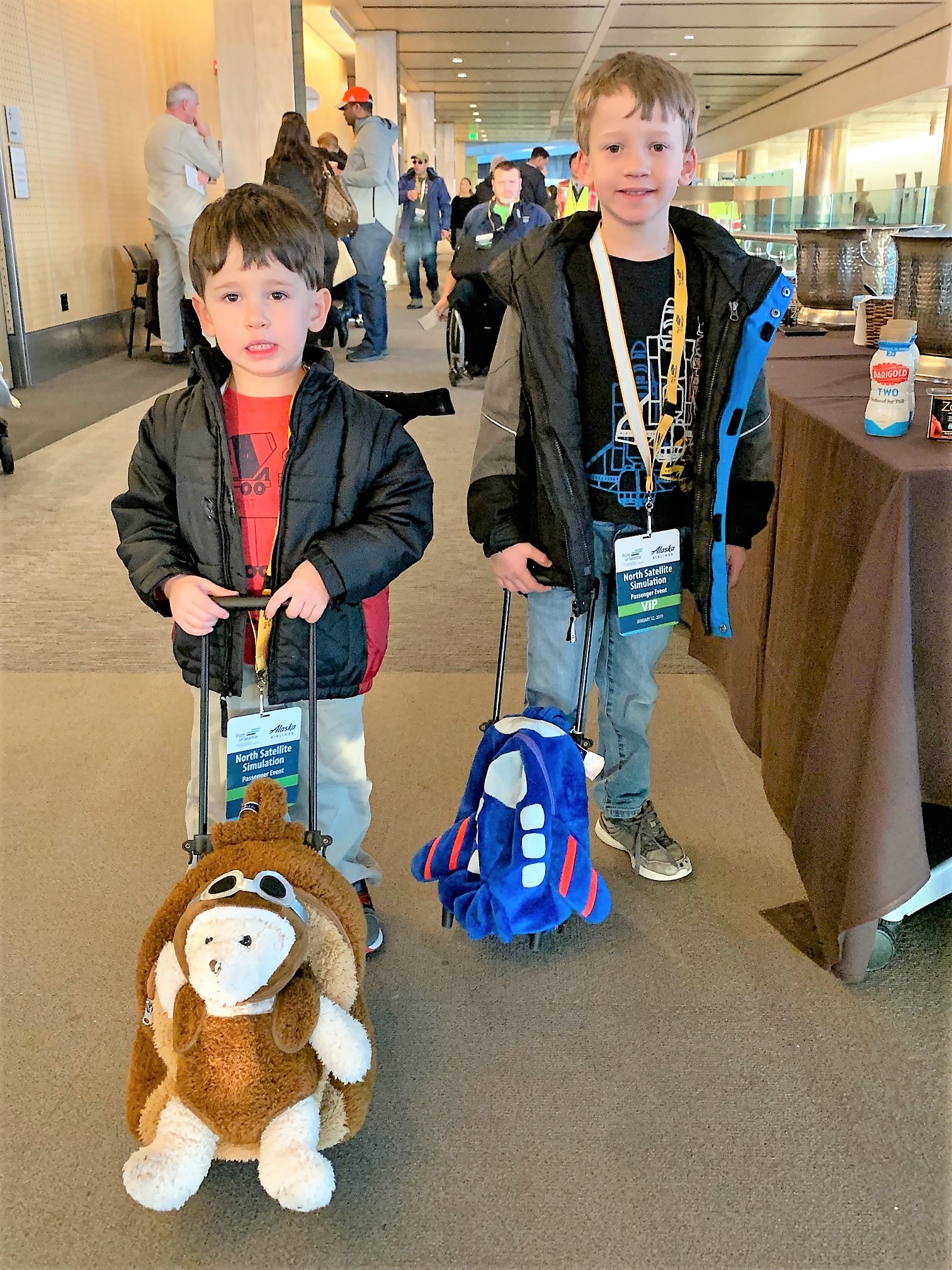
Happy to be spending their Saturday morning at the airport, 3-year-old
Ari Weinstein and his 6-year-old brother, Micah, were toting tiny rolling
suitcases for the day’s pretend flight.
“We thought it would be fun to check-out the new airport
addition and see how easy it was for kids,” said the boys’ dad, Ben Weinstein,
a Boeing engineer, “I’m also curious to see how the latest airport design works
with new airplanes.”
72-year-old Vicki Lockwood and her 93-year-old mom, Ruby
Griffin, had signed up to be testers too.
“I wanted to see what was happening so I can tell my friends
at the senior center what it’s all about,” said Griffin.
Travel agent Rufo Calvo volunteered as a tester so he could
get an early look at the new terminal area and tell his clients what to expect.
And Toffee Coleman, who travels four or times a month for her job in marketing
and sales, was curious to find out what the expanded terminal would offer for business
travelers. “I hope it measures up to the central terminal in terms of ease of
use, amenities and accessibility,” she said.
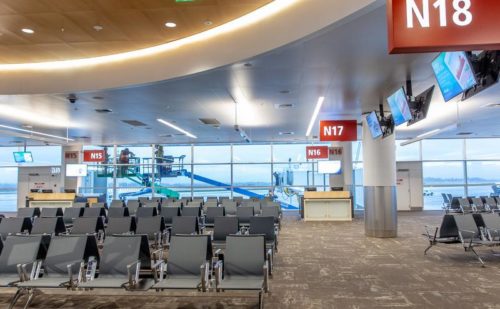
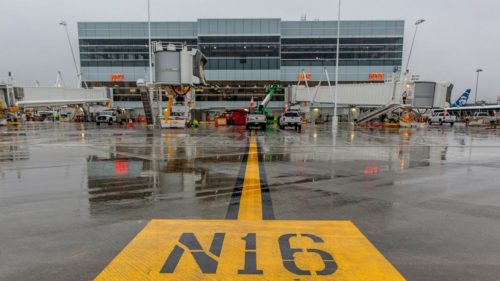
Opening day for the first phase of Sea-Tac airport’s
expanded North Satellite was less than two weeks away. The bathrooms, drinking
fountains, food concessions and visual paging systems weren’t quite ready, but this
“passenger-flow simulation” was testing the journey between the main terminal
and the expanded satellite as well as the process of boarding and deplaning a
flight at one of the new gates.
“We’ll also be asking the volunteers if the temperature in
the terminal is comfortable and if they can hear the overhead announcements
clearly,” said Charles Goedken, Sea-Tac’s senior manager for Operational
Readiness, Activation and Transition, or ORAT, which is the system of best
practices many airports use from the design stage forward to make sure a new
airport or new terminal is ready for opening day.
“What you try to do is to start working early with the planning and construction team so that when the airport or the facility is open everyone knows what to do,” said Lance Lyttle, the managing director of Sea-Tac Airport, “You don’t want to find issues on opening day; you want to find them before opening day.”
Lyttle was with Hartsfield-Jackson Atlanta International Airport and Houston’s William P. Hobby Airport when each opened new terminals and says no airport wants to relive the opening glitches experienced by Heathrow and Denver airports.
In the early 1990s, the high-profile failure of an
expensive, computerized baggage-handling system delayed the opening of Denver
International Airport by 16 months and increased the construction budget by
millions of dollars.
After that, “DEN returned to manual baggage systems,” said
Denver International Airport spokeswoman Alex Renteria.
In 2008, the grand opening of Terminal 5 at Heathrow Airport’s
turned to mush thanks to a cascading series of staffing and baggage-handling
problems that forced British Airways to suspend luggage check-in and cancel more
than 200 flights over four days. Thousands of passengers missed their flights and
more than 15,000 pieces of luggage were delayed.
“If you have a failed opening of a facility it lives as part of your reputation forever,” said Sea-Tac Airport’s Lance Lyttle, “People use it as an example. And not in a good way. Heathrow underestimated the value of ORAT. But the next time [the opening of Terminal 2, in 2014] they went overboard and got it right.”
New terminals and terminal upgrade projects are underway at
all three New York-area airports and at airports in Istanbul, Singapore, Salt
Lake City, San Francisco, New Orleans, Pittsburgh and many other cities and
testing is key to those projects.
At Turkey’s new international in Istanbul, which is expected
to be fully open by March, 2019, the ORAT (Operational Readiness, Activation
and Transition) team reported for duty more than 20 months ago.
“More
than 60,000 airport community staff have gone thru a familiarization and
training program,” said Stephan Schwolgin, Istanbul Airport’s ORAT project
manager, “More than 175 trials have been conducted with nearly 10.000 fake
passengers and 7 real aircraft.”
The
experience of unbiased, fake passengers is valuable for gathering feedback on
everything from wayfinding and flight information display systems to walking
distances and the availability of power sockets, said Schwolgin.
On February 6 Finland’s Helsinki Airport will hold a test
day with more than 200 fake passengers at the airport’s new central plaza,
called Aukio, which will serve both departing and arriving passengers.
“We will test the functionality of
services and passenger paths, especially the state-of-the-art security check
with a full body scanner,” said Joni Sundelin, Helsinki Airport’s executive
director, “The trial day includes testing not only of the passenger flow,
signage, restaurants and bathroom facilities, but also services and processes
for passengers with reduced mobility.”
During a previous test of a
different part of the airport, “There was a funny
issue with the toilets,” said Sundelin. “Test passengers were wearing brightly
colored vest and when the testers entered the bathroom all the automatic water
taps with motion sensors activated. Apparently the sensors were so sensitive
they recognized the bright yellow and orange vests moving even from the
distance,” said Sundelin.
When testing with fake passengers for San Francisco International Airport’s Boarding Area E, “We learned there was some signage too small or not universal enough,” said Kristi Hogan, Associate Vice President, Transportation for engineering firm AECOM, “No one could find the yoga room.”
For a passenger-flow simulation scheduled for
June 6 in advance of the July opening of 9 new gates at SFO’s Terminal 1,
volunteers of all ages and abilities will be asked to test the terminal signage;
flush toilets and use faucets and automatic hand dryers in the bathrooms; locate
flight display boards; test the Wi-Fi and make phone calls on their cell
phones.
“We’ll have some fake passengers arrive on the
BART train and have others get dropped off at the curb,” said Hogan, “And we’ll
also ask them to become arriving passengers and make their way to baggage
claim, to taxis or to BART.
Trials and simulations will also soon be
underway in advance of the scheduled May 15 opening of the new terminal at Louis
Armstrong New Orleans International Airport (MSY)
“These simulations will test everything from
parking, ticket counters, security checkpoints, flight monitors, restrooms,
gates, concessions, emergency exits, lost and found, and ground transportation,”
said MSY spokeswoman Erin Burns.
Emergency response systems, baggage systems,
PA systems and everything on the facility maintenance side will also get
tested, said Burns, including simultaneous toilet flushes & sink use, seating,
power access and severe weather operations.
Employees and fake passengers will performed many
of these tests but, with perhaps the Denver and Heathrow terminal debacles in
mind, Burns said data on how MSY passengers might experience the facility will
also be gathered during sneak peaks events held in the terminal right up to the
official opening.
Funding for all parts of the US government has been reinstated – for three weeks – and TSA, FAA, CBP and other federal employees who have been required to work – without pay – are now expecting paychecks and back pay.
But life for many of these people has been disrupted. And paychecks may not arrive until February 1, or later. That means many airports will continue collecting and distributing community donations of foods and gift cards to these workers.
Seattle-Tacoma Internatoinal Airport will continue collecting donations through Friday, February 1. Here’s the list of what has been donated over the past two weeks:
7,000 diapers
650 donuts
10 crates of fresh fruit
Thousands of dollars-worth of gift cards
Three weeks-worth of hot meals
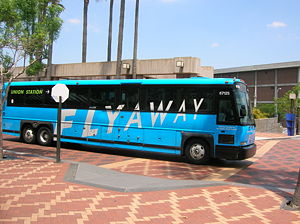
At Los Angles International Airport, workers will continue to receive free rides on the FlyAway bus and waived or deferred parking fees until paychecks start flowing.
Last Thursday, Los Angeles Mayor Eric Garcetti said he directed the L.A. Department of Water and Power as well as the city’s Bureau of Sanitation to offer assistance and payment plans for water, power, sewer and trash services. That includes plans that spread payments out over an additional three to four months.
Other airports will continue their support efforts as well.
The food pantry for federal employees set up at #PHLairport is staying open until Wednesday. Donations are no longer being accepted. A huge THANK YOU to the entire community for your generosity in stocking our food pantry for our federal friends ❤️👍👏https://t.co/6yZcGwcLa1
And on Friday, United Airlines announced a donation of $1 million to Feeding America’s Shutdown Response Fund to support the food banks providing food for families of federal workers who need assistance following their loss of income.
“Even with [Friday’s] announcement, there is continued need among federal employees, in addition to the important programs that Feeding America administers,” said United CEO Oscar Munoz, “We continue to urge our leaders to work in a bipartisan way over the coming weeks to ensure long-term certainty on which our industry and the overall economy depends.”
As the partial government shutdown slogs on, the Transportation Security Administration says an increasing number of its officers are facing financial difficulties and not showing up for work.
That’s causing longer wait times at some major airports around the country. It’s also forcing some airports to close some checkpoints.
Checkpoint A was closed at Baltimore-Washington International Airport.
And the security checkpoint in Terminal B continues to be shut down at George Bush Intercontinental Airport in Houston.
The Terminal B security checkpoint & ticketing lobby remain closed until further notice. Passengers w/ flights departing from Terminal B must check in at Terminals C or E. Please arrive with plenty of time to adjust for the change. For updates go to https://t.co/UUHXlEtUIi
TSA officers, air traffic controllers and other federal workers who have been showing up for work at airport may not be getting paychecks, but across the country, they are getting lots of love, food and assistance from airlines, airports, restaurants, community groups and the general public. Here’s a slightly updated version of the story I filed this weekend for CNBC.
More neighbors helping #TSA! Thanks for dropping off gift cards for our dedicated agents working without pay during the #shutdown. We still need more cards to help every agent buy gas and groceries. You may drop-off at our info. desk, near TSA. #ThankYou#LittleRockCarespic.twitter.com/YQuNXF3wJr
At Bellingham
International Airport in Washington, about 20 miles from the Canadian border,
budget airline Allegiant Air provided pizza for TSA workers on Thursday.
In Las Vegas,
Nevada Governor Steve Sisolak not only visited with TSA workers at McCarran
International Airport to express his appreciation for their service and
commitment to the airport and to the community, he followed up by having hot
pizzas delivered.
— Harry Reid International Airport (@LASairport) January 17, 2019
These, and many
other pizza thank-yous, are coming on the heels of last week’s gesture of
goodwill from Canadian air traffic controllers who sent more than 300 pizzas to
their counterparts in more than 40 airports in the United States. Air traffic
controllers in the Canadian city of Edmonton got the (dough) ball rolling.
Of course, TSA
and FAA employees working without paychecks can’t live by pizza alone.
At Seattle Tacoma
International Airport, donations of non-perishable food and gifts cards are
being collected and distributed daily.
You may bring non-perishable food and gift cards from 7:30AM-5:00PM to a donation area outside the Sea-Tac Conference Center reception area, on the south end of the airport’s mezzanine level. We will distribute items daily. Cash and checks are prohibited. pic.twitter.com/vzZjE927Ty
Seattle-based Washington
Federal is offering interest-free, 90-day
loans, with no
loan fees or application fees, to TSA, FAA and other federal workers waiting
for paychecks in eight western states, including Washington, Oregon, Idaho,
Utah, Nevada, Arizona, Texas and New Mexico.
“We are
proud to step in and help our hard-working neighbors get through this uncertain
time and support their financial needs,” said Washington Federal President and
Chief Executive Officer Brent J. Beardall in
a statement, “We
hope other financial institutions will do the same.”
And in San Jose,
California, the City Council this week endorsed Mayor Sam Liccardo’s proposal
to set up a no-interest short-term loan program for many of the 500 federal
employees who have been working at Mineta San Jose International Airport
without pay.
The program, which
may be funded through airport revenues and administered in partnership with one
or more financial institutions, proposes loans equal to monthly take-home pay
for FAA air traffic controllers, TSA workers and officers working for Customs
and Border Protection (CBP).
“We are going to do everything in our power to keep political dysfunction
in Washington from creating service disruptions or safety issues here in San
Jose,” said Liccardo. “Mineta San Jose International Airport is vital to our
local economy and we need our highly-skilled and trained federal workers there
to keep it running smoothly. That’s why we are exploring tools, like these
local bridge loans, to help keep these essential workers on the job.”
Meanwhile, across the country, airports continue to gather
and distribute donations for federal employees affected by the partial
government shutdown.
At Orlando International Airport, there has been
overwhelming response to a donation drive headed up by the Airline Management
Council. On Thursday the airline tweeted a short video of a room with tables
piled high with everything from donated diapers to toilet paper and canned
goods.
Over the last two days, employees & the public came together to help support our Airline Management Council's donation drive at MCO. These goods are being made available to airport federal employees affected by the partial shutdown. We thank them for their dedication & hard work. pic.twitter.com/DBlh4T88gr
As the shutdown
continues, airlines, airport concessionaires and other groups are stepping up
with donations, discounts and support.
“Today we were
able to help surprise the Sunport’s @TSA with gift cards to local grocery stores and lots of goodies
to fill their break room for a few days – all thanks to the wonderful folks
with Indivisible Nob Hill and Resist Tyranny Tuesdays,” Albuquerque
International Sunport tweeted, along with photos.
Today we were able to help coordinate a surprise for the Sunport's @TSA thanks to the wonderful folks with Indivisible Nob Hill and Resist Tyranny Tuesdays! The community came together to donate gift cards to local grocery stores and lots of goodies to fill the break room! pic.twitter.com/xcilI956ph
And on Thursday,
“It was our turn,” St. Louis Lambert International Airport, said in a tweet,
“The #stlairport and @HMSHost provided lunches to all @TSA officers this
morning and afternoon. We appreciate your huSTLe and dedication. #ThankyouTSA.”https://twitter.com/flystl/status/1086018922267193344
Here’s to safe travels – and lots of adventures – in the New Year.
Before we turn the page, here are some links to some of the airport and travel-related stories I had fun working on this past year.
With more states legalizing pot in 2018, I tackled the topic of flying with marijuana.
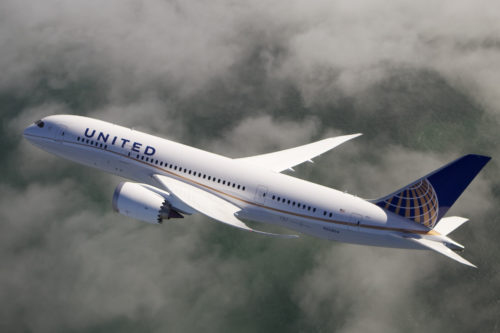
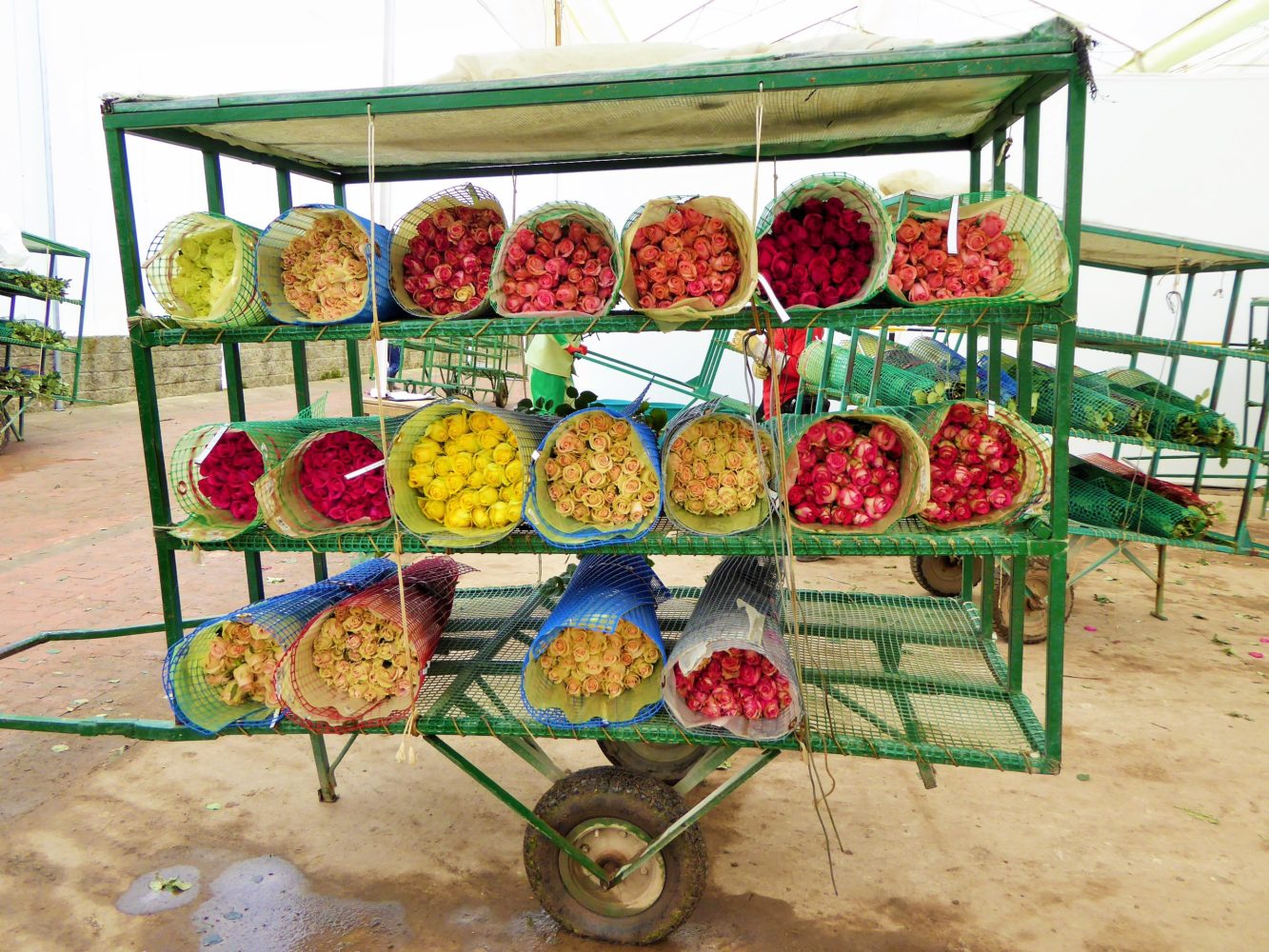
With United Airlines, I traveled to Bogota, Columbia to follow Mother’s Day Roses from the farm, onto the airplane and through customs at George Bush Interncontinental Airport.
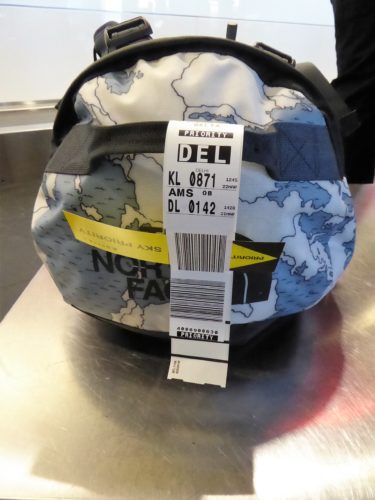
I spent a day at Seattle-Tacoma International Airport following the journey a checked bag takes once it is checked in at the counter.
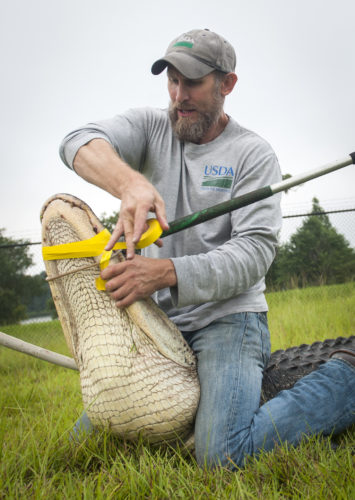
And I visited Portland International Airport and talked with airports around the country for a story on the uninvited wildlife – from worms to whales – that shows up at airport, and what airport wilfdife teams do to keep animals away.
Courtesy USDA Wildlife ServicesCourtesy Port of Portland
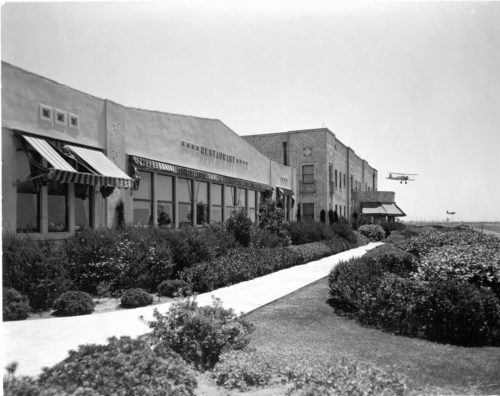
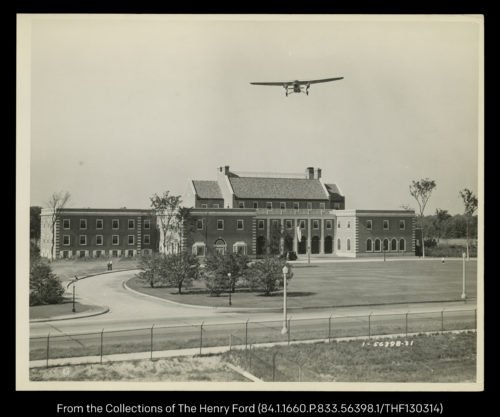
I also tracked down the first airport hotel and put together a short history of airport hotels.
Restaurant that once served the Oakland Airport Inn. Courtesy Port of Oakland
Suggestions for topics to tackle in the 2019 always welcome!
If you travel you’re going to end up spending a lot of time in airports.
And if you spend a lot of time in airports, you’re going to spend a lot of time sitting around.
And once you’re done with that, you’ll hopefully start taking a look around at the shops, the restaurants, the views out the window and the often truly creative amenities designed to make your dwell time more enjoyable – or at least a bit less unbearable.
For my USA TODAY column, called “At the Airport“, I do a round-up of the best amenities rolled out by airports each year.
For 2017, celebrated perks included the 24-hour ‘microcinema’ at Portland International Airport, Pittsburgh International Airport’s introduction of “MyPITpass,” which allows the non-flying public to visit the secure side of the airport, and the opening of ROAM Fitness, an in-airport gym at Baltimore-Washington International Airport.
The 2018 list of “Best Airport Amenities” is full of fresh new amenities and creative bonus activities.
Here are some of the best. Drop a note if I missed one of your favorites:
Go with the glow
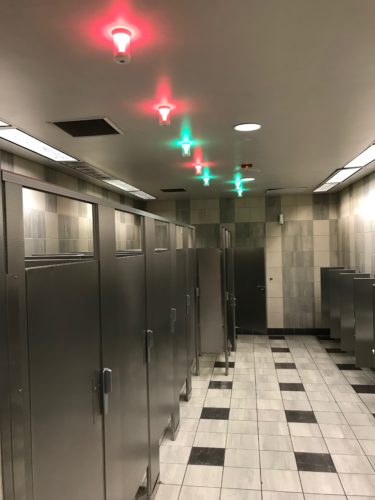
Airport restroom lines get long when users can’t tell which stalls are empty.
To solve that problem, in April, Los Angeles International Airport debuted a pilot program in one set of Terminal 4 restrooms using Tooshlights’ smart latches on stall doors. When a door is closed, a light over the stall turns red; when the latch is open, the light turns green. The latches are paired with the Infax smart restroom technology, which tracks usage and real-time feedback to improve restroom cleaning schedules.
In July, a set of restrooms at ATL got smart
technology in a set of loos too.
See
ya’ later alligator
The list of airports welcoming therapy dogs into the terminals keeps expanding. In 2017 Denver International Airport for upping the ante by adding Xeli the cat to its Canine Airport Therapy Squad known as CATS. This year Louis Armstrong New Orleans International Airport raised the bar by scheduling weekly visits with baby alligators. What’s next?
Start the vacation at the
airport
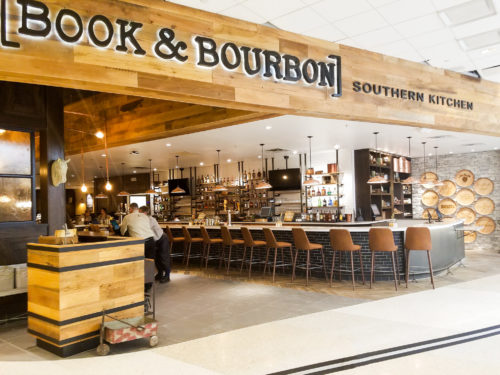
Airports say they’re the front doors to their cities. Louisville International Airport takes that to heart with HMSHost’s new Book & Bourbon Southern Kitchen, which features more than 85 bourbons and qualifies as an official stop on Kentucky’s Urban Bourbon Trail.
Travelers can pick up a trail passport and get their first stamp before they leave the airport or top off their stamps on the way home.
This year HMSHost also opened the Whiskey River restaurant and bar at Raleigh-Durham International
Airport, offering music six days a week, a wall covered in belt
buckles and a selfie-friendly stationary bull.
New ways to work & play at
DFW Airport
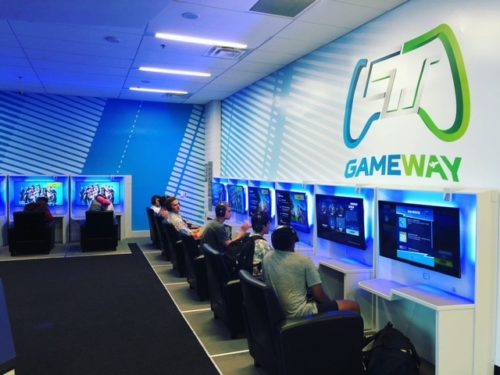
In July, two Gameway video game
entertainment lounges opened at Dallas-Fort Worth International Airport, by Gates B42 and E16. Each of the 36
gaming stations is equipped with a leather chair, an Xbox One loaded with 19
games, a 43” TV, noise cancelling headphones, charging ports and space to store
luggage.
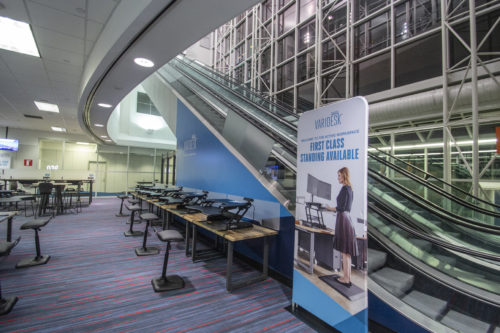
For those who need to get work instead of play, Varidesk just launched a free, staffed co-working space at DFW (by Gate C12) with a conference table for meetings and 24 workstations outfitted with power hubs and adjustable standing desks.
Hungry gate huggers have more
options
This year OTG expanded the gate areas where passengers use iPads to
order food and drinks and At Your Gate joined Airport
Sherpa in offering food delivery to passengers anywhere in the
airports they serve. Airport Sherpa is still only at BWI Airport, but during 2018
At Your Gate
began running food and drink orders to gates at both San Diego International
and Newark Liberty International Airports.
Early bag drop service at Denver
International Airport
Self-service bag check offers convenience at the check-in counter, but in May remote bag drop off service was introduced at the car rental center at Tampa International Airport.
Denver International Airport introduced the service in November and now allows travelers to drop their bags off at shuttle parking lots and the airport transit center. The drop off service is free, but airline bag fees still apply.
Free drop off service is available to DEN passengers arriving at least 90 minutes before their flights and traveling domestically on Southwest, United, Delta and American Airlines. At DEN’s Pikes Peak and Mt. Ebert shuttle parking lots, personnel greet arriving cars, remove luggage from the car, check in passengers and print out boarding passes. Then passengers park and jump on the shuttle to the terminal.
Phoenix Sky Harbor began offering a similar early bag
drop service back in 2013, eventually extending it to the rental car center,
but discontinued the program last year.
Getting to the gate without a
ticket
In what we hope may signify a trend, Seattle-Tacoma International Airport ran a pilot program to allow the non-flying public to go beyond the security checkpoints.
The SEA Visitor Pass pilot program worked much like the year-round, TSA-sanctioned “myPITpass” program that Pittsburgh International Airport debuted last year. At SEA, access hours were limited and visitors had to apply for a pass and go through the security checkpoint just like regular passengers. But once “in” the pass holders could shop, dine, check out the art and entertainment, accompany a loved one to the gate, or be there waiting when they get home.
Can’t miss airport art
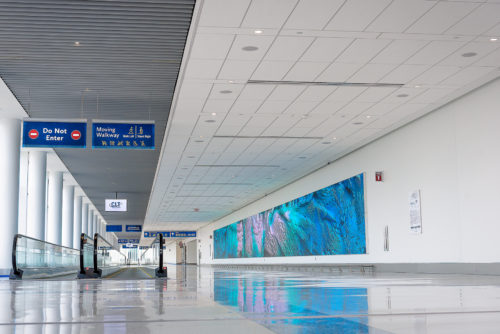
The new Concourse A expansion at Charlotte Douglas
International Airport is home to “Interconnected,” a giant digital
artwork made up of three hi-definition LED media walls measuring over 2,000
square feet. The largest public artwork of its kind in the country, the media
walls display constantly changing abstract images derived from airport
operations data, including flight arrivals and departures, baggage handling and
ground transportation.
Bonus activities and great ideas
Once again, our list of special events, pop-ups and cool ideas is long.
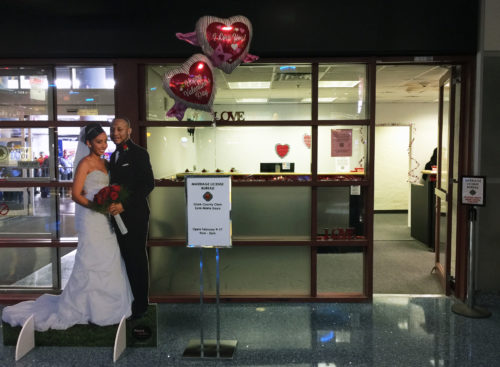
In February, just in time for Valentine’s Day, a
pop-up license bureau opened in the baggage claim at McCarran International
Airport in Las Vegas to help lovebirds streamline the process of
getting married in Sin City. Couples couldn’t get married at the airport but
picking up the license at the airport meant they could skip stopping at longer
line at the clerk’s office in town.
This year New York’s LaGuardia Airport and Pittsburgh
International Airport each welcomed their first artists-in-residence.
PIT airport also introduced a 6-month pop-up of the do-it-yourself paint studio
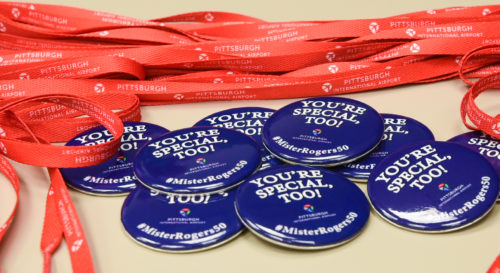
called Paint Monkey. And in March, to mark what would have been Fred Rogers’ 90th
birthday and the issuing of a Mister Rogers Forever stamp, PIT Airport held an
event that included red cardigan-wearing employees, complimentary red shoelaces
and “You’re special, too” buttons, and a ‘Mister Rogers’ Neighborhood’ memory
board.
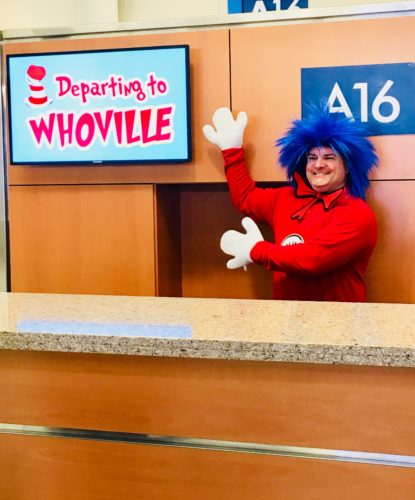
Also in March, San Antonio International Airport
marked Dr. Seuss Day with an event that included airport and airline employees
and passengers reading Dr. Seuss books to children.
On April 1, Minneapolis-St. Paul International Airport raised eyebrows,
and dashed some travelers’ hopes, with the April Fool’s Day announcement of an
aircraft viewing area with an outdoor pool.
We're excited to announce our new aircraft viewing area with an outdoor pool! Tickets for entry will be available later this year. Check out https://t.co/qYS9EZv0f7 for more information. pic.twitter.com/rKqwuYdiuL
In August, Philadelphia
International Airport installed a short story dispenser in the
airport’s Virtual Library in the D/E Connector. Kiosks users press a button to
request a print-out (on eco-friendly paper) of a fiction story that can be read
in one, three or five minutes.
And we’re happy to report that Denver International Airport continues to make good use of the outdoor plaza between the terminal and the Westin hotel. A pop-up park, complete with native Colorado trees and plants, showed up in July, the “Beer Flights” beer garden returned in September (to coincide with worldwide Oktoberfest celebrations) and a free ice-skating rink, with free skate rentals, is open now through January 6, 2019.
Here’s to a great 2019 filled with even more cool airport amenities!
Flying somewhere this Thanksgiving? Here are tips to keep sane.
A lot of turkey wishbones – and travel records – are set to be broken during the Thanksgiving holiday this year.
AAA expects 54.3 million Americans will travel 50 miles or more away from home over the holiday, a 4.8 percent increase over last year and the highest Thanksgiving travel volume since 2005.
For the 48.5 million Americans expected to travel by car over the holiday, the best advice is: leave early. INRIX, a global mobility analytics company, predicts that in the country’s most congested cities the Thanksgiving drive over the river and through the woods to grandmother’s house could take four times longer than it might on a ‘normal’ travel day.
Traffic at airports and in the skies will break records as well.
For the holiday period, which officially begins Wednesday, November 21 and runs through Sunday, November 25, the Transportation Security Administration expects to screen 25 million people at U.S. airports, a 7 percent increase over last year.
Looking a bit broader at the 12-day Thanksgiving air travel period already underway, Airlines for America (the airline trade organization) predicts a record 30.6 million passengers will fly on U.S. airlines.
That’s up from the estimated 29 million passengers who flew during Thanksgiving last year.
Flying over Thanksgiving? Travel tips for the airport
As with driving or going anywhere over the holiday, the key advice for flying is: leave for the airport early.
That not only helps reduce stress, but builds in extra time for all those things that can go wrong, such as discovering your favorite airport parking lot is already filled up or there’s a hiccup with your airline ticket.
Transportation Security Administration officials say new screening technologies, coupled with an additional 80 passenger screening canine teams and more than 1,200 TSA officers will help with the increased volume of passengers at airport security checkpoints this year. But there may still be long, slow-moving lines at many airports.
To make sure you’re not the person holding up the line, take some extra time when prepping and packing to make sure your carry-on items are checkpoint-savvy.
*Dress for success: Transfer small items, such as wallets, phones and keys, from your pockets to your carry-on before you get to the checkpoint. Wear shoes or boots that are easy to take off and put back on.
*Download and print your boarding pass. Putting your boarding pass on your mobile phone means one less paper to keep track of. But a paper version is good back-up in case your phone loses its charge while you’re waiting on a long line, or if the checkpoint scanner can’t read the downloaded version of your pass.
*Review the rules. If you’re an infrequent traveler, find a quart-sized clear bag and take a moment to read TSA’s primer on the liquids rule.
If you’re traveling with food to eat during your journey or with a turkey or something else destined for the Thanksgiving table, you will likely be asked to take it out of your bag and put it in a separate bin for a ride through the x-ray machine.
TSA allows turkeys, turkey sandwiches, pies cakes and other baked goods through the checkpoints, but foodstuffs that are liquid, such as jellies and cranberry sauce, need to travel in checked bags.
Unsure if your food it a liquid or gel? TSA’s “What can I bring” tool, available on line and as an app, can help and you can send a question about a specific item to @AskTSA on Twitter.
Here are some other tools and tips that might help smooth out your Thanksgiving flying journey.
*Charge up your phone and other travel gadgets, including one or more back-up chargers, before you leave home. While airports have added more power ports, finding an empty one can still be a challenge. Show up with a power cord with extra plugs, and you’ll be a hero.
*Download the apps for your airline and all airports you’re traveling through and sign up for the alerts for each of your flights.
*Get numbers. Make a list of all the phone numbers you might need for your trip. The list should include not only your airline, but also the rental car or shuttle company you’ve booked with, your hotel, the person picking you up and the person who dropped you off (in case you left something behind). Put those numbers in your phone and on paper.
*Pack extras. Bring along snacks, a hefty amount of patience, and your sense of humor. Add a stash of ‘mad money’ to your wallet. That way, if something goes wrong despite all your planning and preparation you’ll be prepared to buy yourself or your family a stress-busting treat.
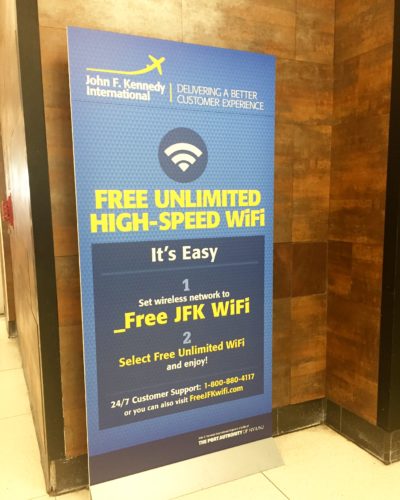
Finally! Travelers now get unlimited, free, high-speed Wi-Fi at John F. Kennedy International (JFK), Newark Liberty International (EWR), LaGuardia (LGA) and New York Stewart International (SWF) airports.
Previously, passengers were limited to 30 minutes of free Wi-Fi via Boingo.
After that, you needed to switch devices to get another free session – or pony up cash.
Now, the Port Authority of New York & New Jersey says the new high-speed Wi-Fi service offers free two-click access to Wi-Fi running a minimum of 20 megabits per second (Mbps) and up to 50 Mbps – in unlimited four-hour sessions.
“While the unprecedented rebuilding of our region’s airports is a multi-year effort, passengers shouldn’t have to wait for better Wi-Fi,” said Port Authority Executive Director Rick Cotton. “Simply put, free, reliable, high-speed Wi-Fi has become a bedrock expectation for today’s customers.”
Look for new signage about the enhanced Wi-Fi at the airport terminals and parking garages. To access the new and improved service, log on to the “Free Wi-Fi” listed in the drop-down menus at each airport (i.e. “LGA Wi-Fi,”).
The service is free, but you may need to sit through a short ad before getting your free session.
We can complain all we want about the NY cit -area airports (and now we can complain on better airport Wi-Fi), but the Port Authority seems to be trying to make improvements:
In addition to Wi-Fi, the agency notes that recently-launched mobile-friendly websites give easier access to information such as taxi wait times and lost-and-found info. There are also upgraded restroom facilities in many terminals outfittedwith real-time monitoring of bathroom conditions via customer feedback push-buttons.
Dining options are getting makeovers in many parts of the airports as well.
Longer term: There’s the $8 billion redevelopment of LaGuardia Airport, which should get its first new gates by the end of the year. Newark Liberty recently broke ground on a $2.7 billion construction of a new Terminal One to replace Terminal A, And a $13 billion plan to transform JFK was just unveiled promising two major new international terminals at the south and north ends of the airport.
When it comes to travel, there are plenty of lists that claim to rank the best (and worst) airports, airlines, hotels, loyalty programs, etc.
Some are created by experts in the field. Others are the results of surveys (some scientific, some not). And still other are created (somehow) by companies hoping to get their names mentioned in a story.
Conde Nast surveys it well-traveled readers to put together its long list of travel bests each year.