travel

Government shutdown travel ticker + Airports balk at running DHS ‘blame’ video.

Las VegasAirport

Government shutdown taking a toll on travel

Last week, the U.S. Travel Assocation ran the numbers and said that the government shutdown will cost the travel economy $1 billion a week.

As we head into the second week of shutdown, the organization has a ticker tape running to tally the ongoing losses. It’s not pretty.

Airports opt out of Department of Homeland Security ‘blame’ video

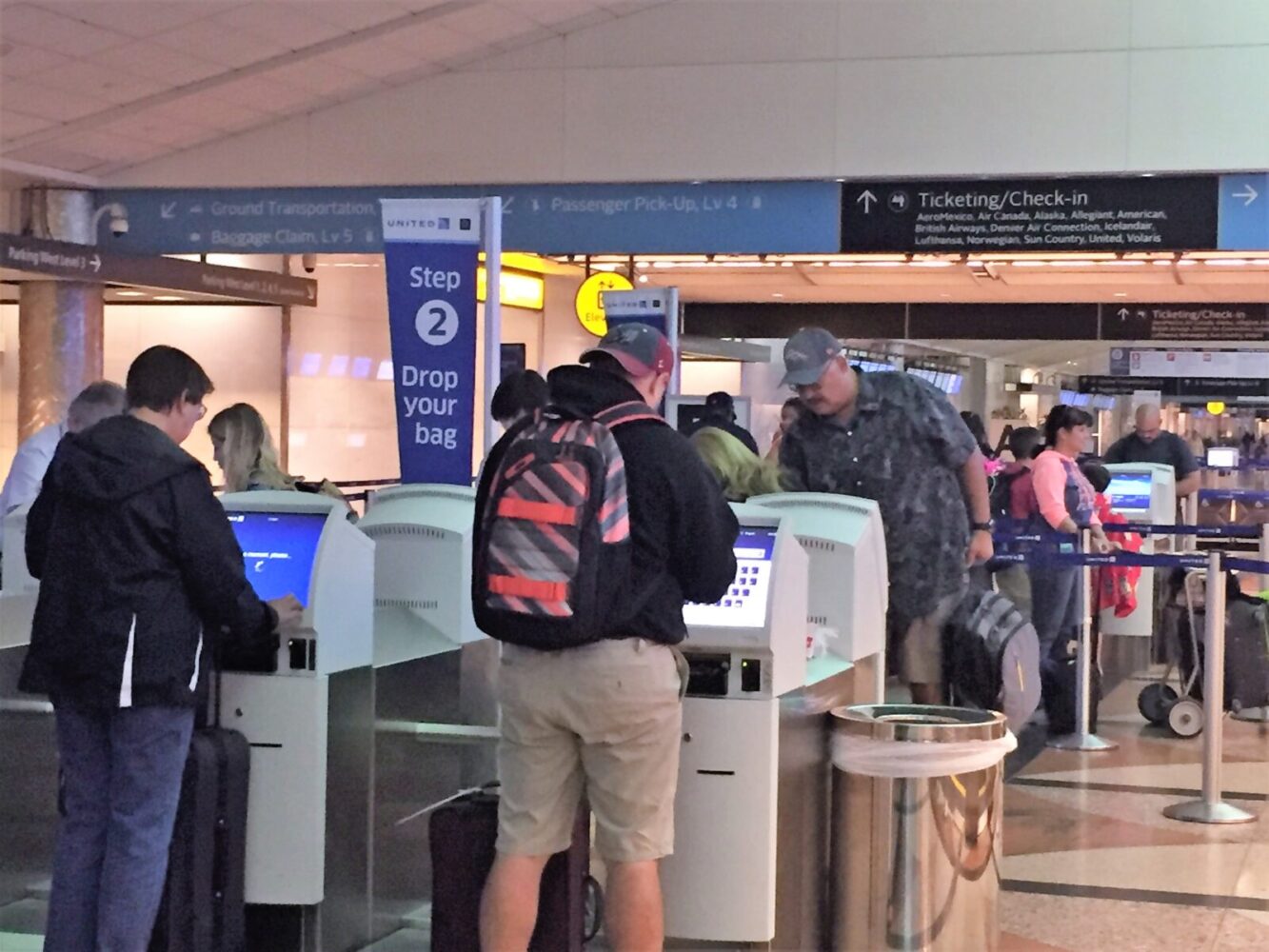
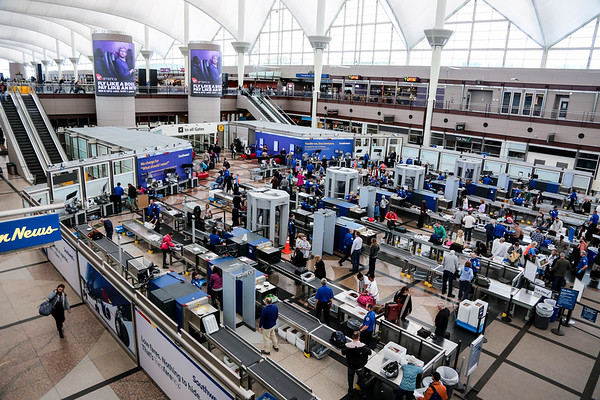
Air traffic controllers, TSA officers and Custom and Border Protection employees are required to show up for work at the nation’s airports, even though they’re not being paid during the government shutdown.

The current administration, via the Department of Homeland Security, has produced a propaganda video to be shown at airport security checkpoints featuring Homeland Security Secretary Kristi Noem claiming that “Democrats in Congress refuse to fund the federal government, and because of this, many of our operations are impacted and most of our TSA employees are working without pay.”

But airports are pushing back.

So far, we’ve learned that Portland International Airport (PDX), Seattle-Tacoma International Airport (SEA), Spokane International Airport (GEG), Buffalo Niagara International Airport (BUF), Niagara Falls International Airport (IAG), Cleveland Hopkins International Airport (CLE) and Westchester County Airport (HPN), north of New York City, won’t be airing the video.

“We believe the Hatch Act clearly prohibits use of public assets for political purposes and messaging,” a PDX spokesperson told local news outlets, adding that, Oregon law states no public employee can promote or oppose any political committee, party, or affiliation. We believe consenting to playing this video on Port assets would violate Oregon law.”

Officials at the Port of Seattle, which operates SEA, said they won’t air the video due to its “political nature.”

We suspect there will be more airports that opt out of airing the video and and will add to the list.

Extreme heat is changing travel patterns

[This is a slightly different version of a story we prepared for NBC News]

Cathy Balestriere was expecting “especially low” bookings last month at Crane’s Beach House, the boutique hotel she manages in Delray Beach, Florida. Instead, they jumped 12% from the year before.

“It feels like a miracle based on where we were sitting just a few weeks ago,” she said.

It’s not a miracle. It’s the weather.

The surge coincided with a sweltering mid-June heat wave across the Midwest and the Northeast, putting over 80 million people under heat alerts — the latest run of unseasonably extreme temperatures fueled by a global climate that is warming at a record pace.

Florida might not be the first destination that comes to mind for people looking to beat the heat, but it’s where some headed after their hometowns became just as sweltering.

This time of year, most guests at Crane’s are in-state or regional travelers, Balestriere said. But many of the last-minute bookings came from New York, New Jersey, Pennsylvania and Texas. Delray Beach has been hot, too, but visitors to the hotel “can at least enjoy the ocean breeze and access to the beach and refreshing pools,” she said.

It’s a similar story at the Lake Nona Wave Hotel in Orlando, where reservations soared 45% in the past three weeks compared with the year before, largely from the Northeast and Texas.

“We have had a couple of guests mention while they are checking in that the heat at home is unbearable,” sales and marketing director James Tattersall said.

“Snowbirds” typically head south to Florida and other balmier states in the winter and spring, creating a high season there when it’s frigid up north. But Crane’s Beach House now sees a growing opportunity in warmer months. It has already shifted its seasonal editorial calendar, Google ad strategy and newsletter messaging to capture more of the off-season demand, Balestriere said.

It’s part of a broader change that has been underway for years as tourist hot spots adapt to shifting demand tied to evolving seasonal weather.

While not every place is feeling an impact in the same way, or at all, “there is no question that we are seeing a growing preference for destinations with more comfortable summer temperatures alongside rising global temperatures,” said Jesse Neugarten, founder and CEO of Dollar Flight Club, a travel deal alert service.

From May to June, the platform had a 31% surge in flight bookings and interest from Northern cities like New York and Boston to destinations in Florida, he said, “where travelers are looking for relief from heat waves.”

Scorching weather at home is also pushing people toward cooler climes abroad. While hotel bookings in Italy — a longtime summer hot spot — are up a modest 3% since last year, “it’s Scandinavia that is having a moment,” researchers at the Virtuoso luxury travel network said in a recent report.

Bookings in the region have surged 25% since last year, with even steeper 49% and 47% increases in Iceland and Sweden, respectively. Even the Netherlands, where authorities have tried to reduce tourist volumes, is seeing 33% higher hotel demand this season, Virtuoso found. 

Some parts of the continent are getting so hot during the summer that the typical high season is getting longer, said Rebecca Masri, founder and CEO of Little Emperors, a private members luxury hotel club.

“With the weather in southern Europe staying warm, booking trends are shifting to September, October and even November,” she said, as some hotels and resorts that usually close at the end of the summer extend their operations. “These months are becoming the new peak season.”

Consumers will increasingly see those shifts reflected in pricing, said Chris Lafakis, a director at Moody’s Analytics.

“You won’t have to be rich to vacation, but it’s going to be more expensive to travel to the more favorable destinations,” he said. “Those with the means to do so will be able to, and those that don’t will unfortunately not have as many options to fall back on.” 

As airlines have added capacity, domestic and international airfares have fallen by double-digit percentages this July Fourth holiday week compared with last year’s, according to booking platform Hopper, despite record expected travel volumes. But while average hotel room rates in some cooler northern European countries have stabilized since last year’s surge, they’re climbing in popular areas — up 18% in Iceland and 47% in Norway, Virtuoso said. 

Weather-driven shifts in travel patterns will create economic winners and losers, Lafakis said. “Probably 20% to 30% of the overall damage to the economy from the heat is because of less travel tourism,” he said. As seasonal temperatures soar, would-be visitors “may go somewhere else or choose not to go at all.”

Some industry experts aren’t so worried.

During hot weather, “travelers will usually change their behavior rather than cancel a trip,” said Tiffany Townsend, a spokesperson for New York City Tourism and Conventions. “They might visit more museums and indoor attractions or do more shopping” while it’s scorching outside and schedule outdoor activities early or late in the day.

Heather Dickie, 69, a Texas-based marketing consultant, said her travel itinerary is still in flux, but she said she needs a break from the heat. “If I can get out of Dallas,” where temperatures have already hit triple digits, “Alaska is sounding good,” she said.

But she’s more likely to head about 650 miles “up the road a bit” toward Taos, New Mexico, for the relative reprieve of highs in the mid-80s. “I have friends in that area,” she said, “and am looking at late July or August for a nice, cool getaway.”

During Derby weekend, there are winners off the track

[This is a slightly different version of a story we prepared first for NBC News; photo courtesy Louisville Tourism)

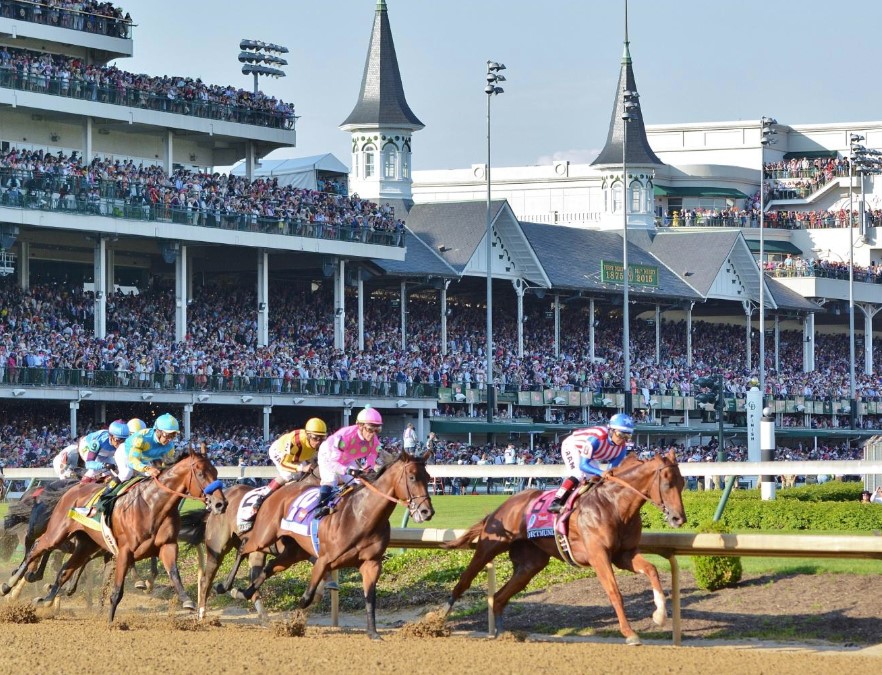
The Kentucky Derby, long known as “the most exciting two minutes in sports,” may be on its way to becoming some of the most expensive two minutes in sports.

Ticket prices for the iconic horse race have more than tripled over the past decade, from an average of $378 in 2014 to $1,254 this year on the resale market as of April 22, according to booking platfrom TicketSmarter.

That could reflect strong demand for the race’s 150th anniversary, but it’s also partly because Louisville’s Churchill Downs Racetrack has worked to lure spendier customers through its gates. The facility has shaken up its seating and poured $200 million into a renovation that debuts at this year’s Derby and upgrades such as “a new luxury equine-focused dining experience.”

“We’ve had pushback from locals about being priced out,” said Thomas Lambert, an economist who studies the equine industry at the University of Louisville’s College of Business, but he added that catering to high rollers tends to be good business across the gaming and hospitality industry.Not only are wealthier attendees more likely to gamble “a decent amount,” Lambert said, but “just to say that they have been to the Derby, they will pay extreme prices because of their disposable personal income.”

While the Downs sells one-day general admission infield tickets starting at $275, reserved seating can climb to four figures, with the most exclusive private suites going for $295,000 for multi-year bookings. Much of the reserved seating is now sold only as part of two-day all-inclusive passes for both the Kentucky Derby and the Kentucky Oaks, the sister race held the day before.

Benefits for businesses, at the track and off

So far, the premium push looks to be paying off. “Ticket sales, including throughout our new seating areas, have exceeded our expectations,” Churchill Downs CEO William Carstanjen told investors last week.

Outside the Downs, the annual flurry of business activity is chasing a less high-end Derby dollar that has been stretched by inflation.

(Courtesy Plehn’s Bakery)

Prices at Plehn’s Bakery, which turns 100 this year, are up about 5% since 2023, said co-owner Jennifer Brownlee, but there’s no premium charged during Derby Week, when business usually doubles.

“Our costs have gone up more than that, but we worry about taking too big of a jump because we’re not a necessity,” she said.

In addition to supplying the buns used by many local caterers, Plehn’s sells a slew of Derby-themed desserts — from cookies shaped like horse heads to cakes topped with little plastic horses.

In the central region of the South that includes Kentucky, inflation hit an annual rate of 4% in March, hotter than the 3.5% national average.

Wiltshire Pantry owner Susan Hershberg said price pressures in Louisville have been “brutal,” but she suspects the Downs’ expanded all-inclusive offerings have weighed on her business, too.While she used to field 400 to 500 boxed lunch orders each day during Derby Week, “this year I only have orders for several hundred boxes, and some people are taking them to Derby parties, not to the track,” she said.

Prices are staying put all the same. “The people who buy the boxed lunches are my regular customers,” Hershberg said, “and right now we’re eating the difference, because there’s only so much sticker-price shock people can handle.”

(Courtesy Pix Shoes Louisville)

Carol Hampton, who owns Pix Shoes Louisville, said her costs are up as well. She added that rival milliners buy her hats, fascinators and other accessories and sell them at a markup, but moving large volumes helps her keep prices down.

“People pick and choose what they want to do with their money,” Hampton said. “They want to look nice, they want to shine, and I help them do that. I just don’t rob them.”

She estimated 150 customers visited the 50-year-old downtown shop on Thursday alone and expects to sell over 8,000 pieces of fancy headgear by the end of the weekend.

The Derby is forecast to deliver a more than $405 million boost to the local economy, a Louisville Tourism spokesperson said. While that would be a jump from around $402 million in 2023, attendance at the race itself is still on a post-pandemic climb back toward its record of 170,000 in 2015, when that year’s eventual Triple Crown winner, American Pharoah, was running.More than 150,000 people are expected at the Downs this year, after a dozen horeses died following injuries around the 2023 Derby.

While investigators didn’t identify a single cause, the Louisville racetrack has stepped up its safety protocols amid heightened scrutiny of the sport’s practices.

Attendance at the other two legs of the Triple Crown, the Preakness Stakes in Baltimore and the Belmont Stakes in Elmont, New York, also have yet to return to pre-pandemic levels (though Belmont Park lowered its capacity cap in 2022).Lambert, the economist, chalked up some of the Derby’s resilience to its distinctive fanfare: “The equestrian lifestyle, the Southern charms, the hats, the mint juleps, etc. — it’s all turned on dramatically to get the tourists here.”

And tourists need places to park. Like many of his neighbors who live down the street from the track, 39-year-old Daniel Harvey is offering parking on his property during Derby weekend.“It’s my fourth year doing this,” said Harvey, who’s been charging $40 on Friday and Saturday “It’s fairly easy work and an opportunity to make money.” He can fit about 11 cars on his property, which he advertised on Facebook Marketplace, with discounts for booking a spot early.

Aileen Nova Jackson, who will turn 89 in a few weeks and has lived in the neighborhood for 55 years, has been at it much longer than Harvey. She has room for about 15 cars and people who come back each year. She takes reservations and cash, but no credit cards or checks.

These days Jackson lets her son do the parking while she sits in a chair collecting money and chatting with guests. She is charging $80 for cars, $100 for SUVs and $300 for buses and RVs, adding that her prices have risen this year, citing inflation.“When I started it was $2 a car,” Jackson said.

After all these years, though, she’s never been to a Derby.

What to expect for holiday travel

(This is a shortened version of a story we first wrote for NBC News)

This year’s post-pandemic travel boom is continuing into the holidays.

Nearly half (48%) of Americans plan to travel between Thanksgiving and mid-January, up from 31% last winter, a recent Deloitte survey found.

AAA expects 55.4 million travelers to venture at least 50 miles from home during the Thanksgiving period alone, a 2.3% increase from last year.

That means if you’re hitting the roads or the slopes this season, you’ll have lots of company. Here’s what to expect as you pack your bags for a winter getaway.

More affordable airfare

Airline ticket prices are falling even as more Americans intend to fly.

Deloitte found that 33% of holiday travelers plan to take a domestic flight, up from 29% last year. Despite the strong demand, airfares were more than 13% cheaper last month than at the same time a year ago, federal inflation data shows.

Smoother flights?

Airlines and aviation officials sound confident about handling the holiday crush. While major U.S. carriers — including AmericanDelta, and United — expect record passenger numbers this Thanksgiving, many are touting their readiness for the season.

Track records for flight cancellations and missing luggage have improved ahead of the holidays. About 1.7% of flights were canceled during the first eight months of this year. That’s much better than the 3.0% rate for the same eight-month period last year and 2.3% in the comparable stretch of 2019, the Department of Transportation reported.

And in August, the latest month with available data, the mishandled baggage rate dropped to 0.61% from 0.75% the month before.

A broader push to streamline and automate operations “will continue to help curb mishandling as we approach the holiday season,” said Nicole Hogg, head of baggage for SITA, an air transport IT company. But travel experts still suggest adding an AirTag or other digital tracking device to your luggage, especially during busy travel periods.

“Mother Nature will cause some number of cancellations, guaranteed,” said Scott Keyes, the founder of the airfare tracking site Going. But he noted that “cancellations caused by the airlines — the most galling for travelers — are at multiyear lows” and added that many carriers have bulked up on pilots, planes, and staff.

“The entire industry was snakebit from last year’s debacle,” Keyes said, “and airlines have adjusted their operations accordingly.”

Pricier hotel rooms

More holiday travelers plan to stay in hotels this holiday season instead of bunking with friends or family. Deloitte found that 56% plan to stay in hotels, a sharp jump from 35% in 2022.

That could push up room rates, which were already 0.8% pricier in October than the year before.

Jan Freitag, director of hospitality analytics at the commercial real-estate research company CoStar, said this season’s strong travel numbers will likely nudge Christmastime room rates above last year’s levels. In the first full week of November, they were up 4% in the U.S. from the same week a year ago, averaging $156 per night, CoStar said.

Price-conscious Christmas travelers might want to “book early to lock in lower rates, shorten their trips or trade down to a different class of service,” said Freitag, or else take their chances with last-minute reservations. Inventories will be slimmer in the eleventh hour, but hotels may still cut prices on unsold rooms.