aviation

Congrats to newly minted commercial pilot Eskil Skute

Here’s a heartwarming story

In 2013, the Stuck at the Airport team attended Aviation Geek Fest in Seattle.

The annual event was put together by the Boeing Future of Flight aviation center in Everett, WA, Airline Reporter founder David Parker Brown and Seattle’s Museum of Flight.

Among the attendees that year were Per Skute and his 12-year-old son, Eskil. They had traveled to the event from Norway.

After meeting them and hearing about their adventures, which included losing their luggage on the way over, we told Eskil that if he wrote a report about his trip, we’d post it on this site.

He did write a report. And although he was not yet fluent in English, his enthusiasm was clear as a bell. So we posted it as written, with just a few edits for length.

Here’s an excerpt:

My trip to Seattle was totally awesome!!!… We where a lot at the future of flight. We where a lot up on the roof and watched planes land and take off. We saw the Dreamlifter take off. That whas very cool:) next day we where going to the Boeing 737 factory. We where first at the Museum of Flight. I loved museum of flight. The sr-71blackbird and mig 21fishbed and more…

When we comed to the boeing factory we where taked up to a Big room with three Big tv’s. We where not allowed to take pictures inside. When i comed out to where They builded boeing 737 i where like woow. It was huge. I saw a lot of airplanes in Lines ahead. I saw sas, westjet, hainan airlines,northwest airlines and united. It was hot inside.

Becoming a commercial pilot

In 2022, we learned that Eskil had continued to follow his interest in aviation. His dad wrote to tell us Eskil was on his way to Texas to complete training to be a pilot.

And last week, a note arrived from Eskil’s dad letting us know that Eskil is now an official pilot. It said, in part:

Wanted to let you know that we (my wife and myself) had the pleasure of joining Eskil on his first flight as a real pilot for BRA in Sweden on an ATR-72. We met you when Eskil was 12 years old and already quite determined to be a pilot. It wasn’t until 3 years ago that he couldn’t let his dreams just pass.

As a parent it is extremely satisfying to watch your kids fulfill their dreams. So this has been a great day.

Just wanted to give a little thank you for your article 12 years ago that was one of the many small things that pushed him in the right direction.

We’re delighted to have been a small part of this big story.

Congratulations, Eskil! We’re very proud of you!
Will the Bomber Gas Station’s B-17 fly?

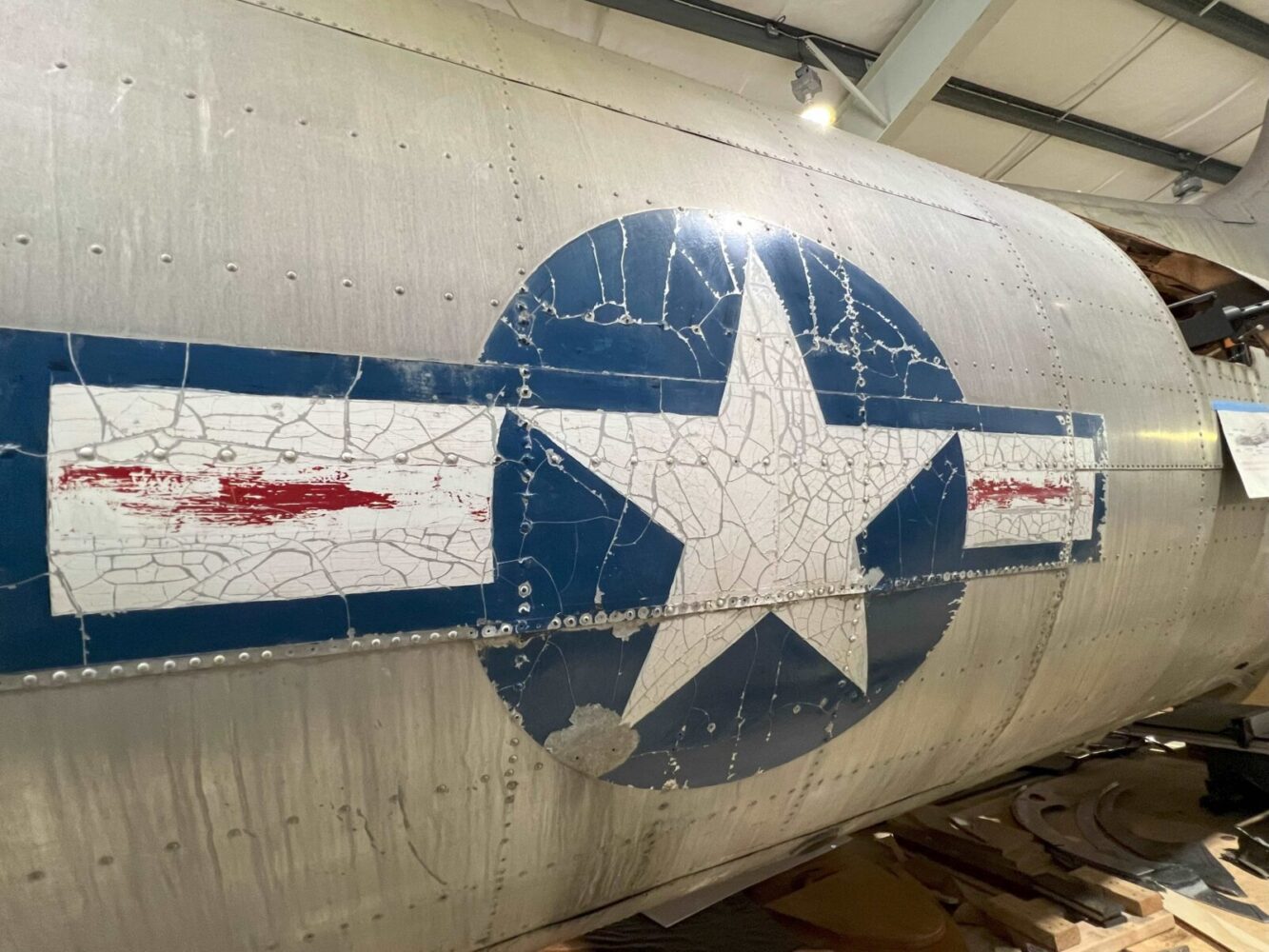
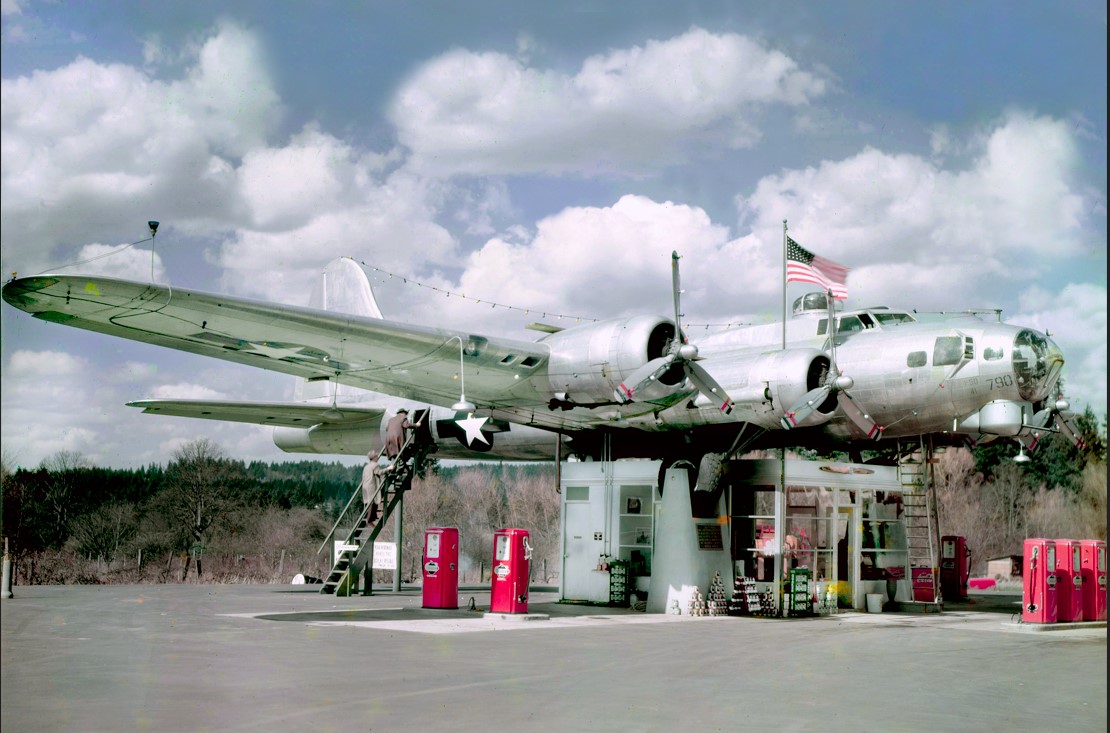
The Stuck at the Airport road trip team visited Oregon recently to check on the status of a World War II-era B-17 Flying Fortress that served for years as a roadside attraction along the highway in Milwaukie, OR, not far from Portland.

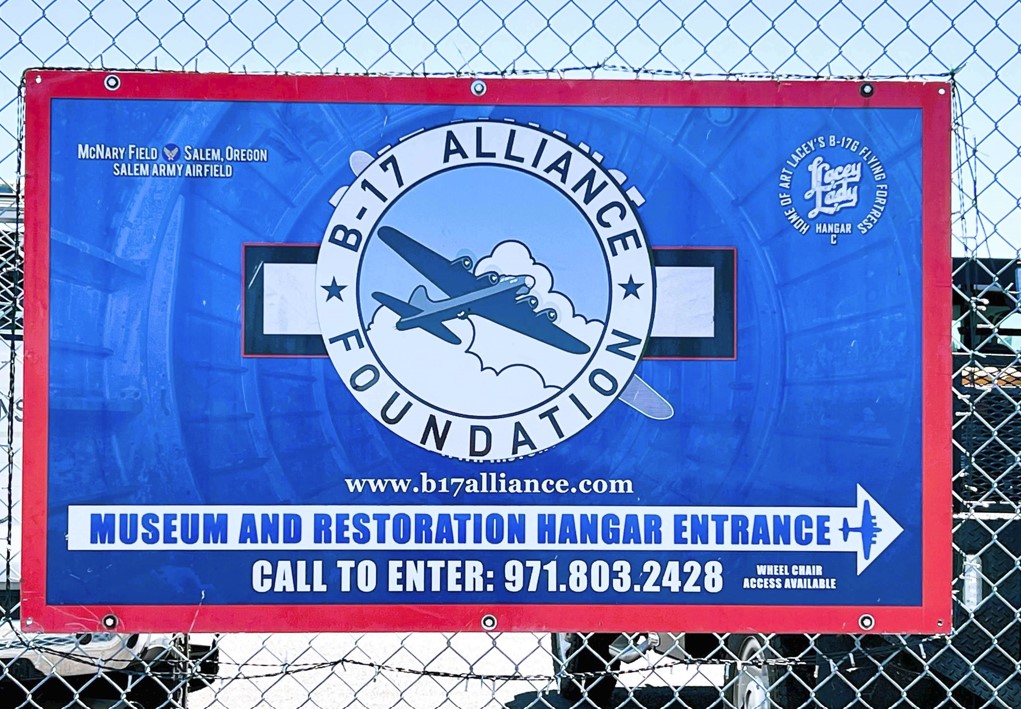
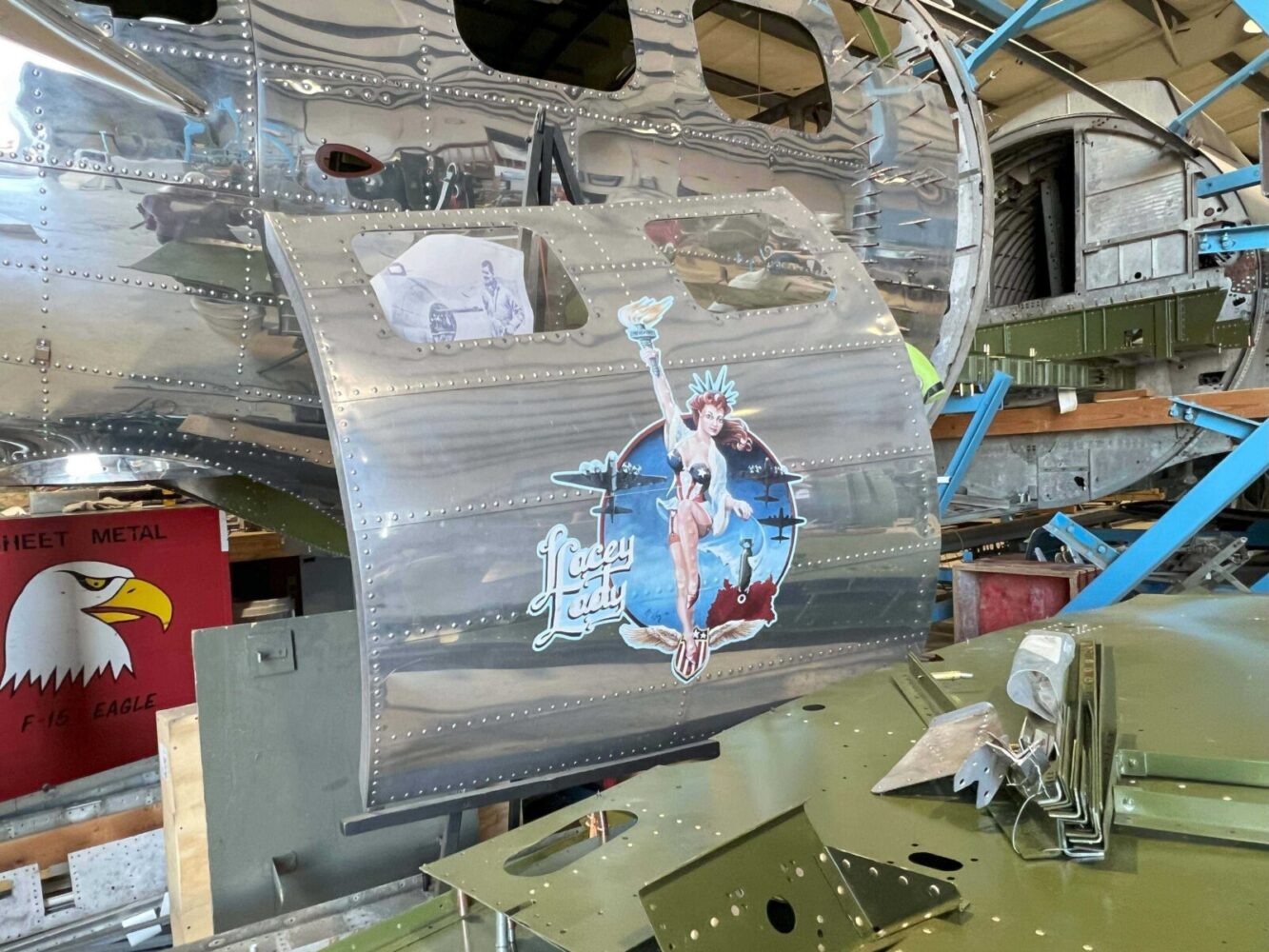
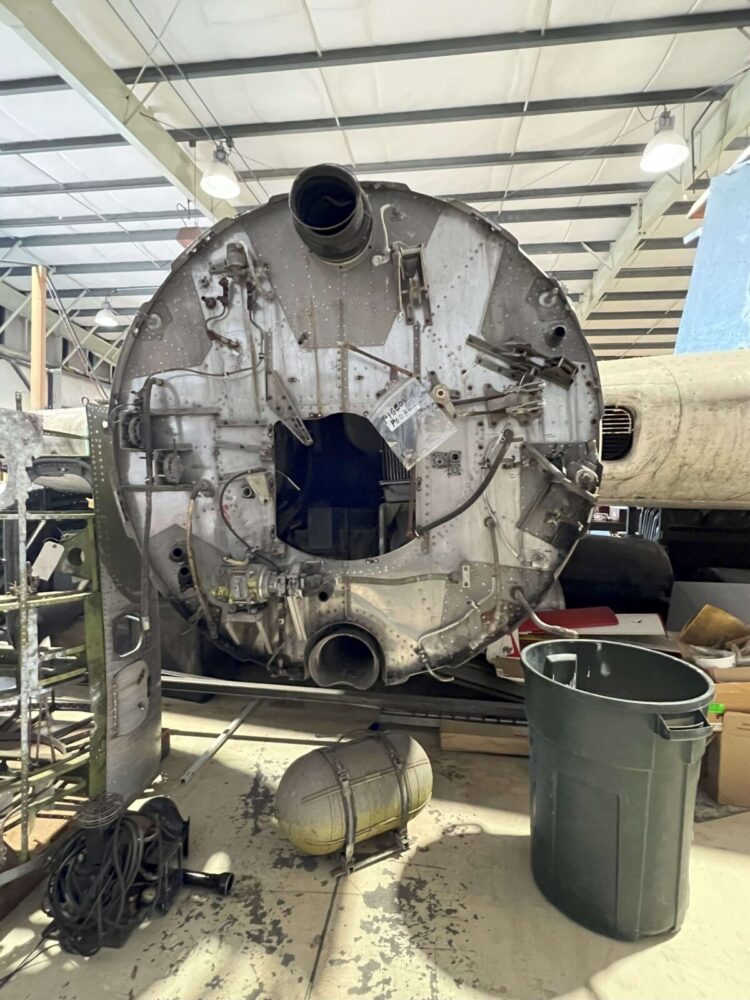
The non-profit B-17 Alliance is restoring the B-17 in Hangar “C” at Oregon’s historic McNary Field/Salem Municipal Airport and we were delighted to get a tour.

You can learn more about the project, and the history of this airplane on the B-17 Alliance Foundation’s site and in the piece we put together for The Points Guy site. But here’s a short version of the Gas Station Bomber story.

Milwaukie, Oregon gas station owner Art Lacey purchased a decommissioned B-17 bomber, one of the iconic four-engine “Flying Fortresses” used by the U.S. Army Air Force in World War II, in 1947 and used the “Lacy Lady” to turn his service station into a roadside attraction.

Into the late 1950s, motorists could climb up into the airplane for a look-around while their automobiles got filled up and serviced and then have a meal at the adjacent Bomber Restaurant.

The gas station closed in 1991 and in 2014 the B-17 Alliance moved the plane to a hangar at Salem Municipal Airport for restoration.

The group estimates that in addition to thousands of hours of volunteer time, it will take more than $6 million to get the airplane airworthy by, perhaps, 2037.

Art + Flight at Seattle’s Museum of Flight

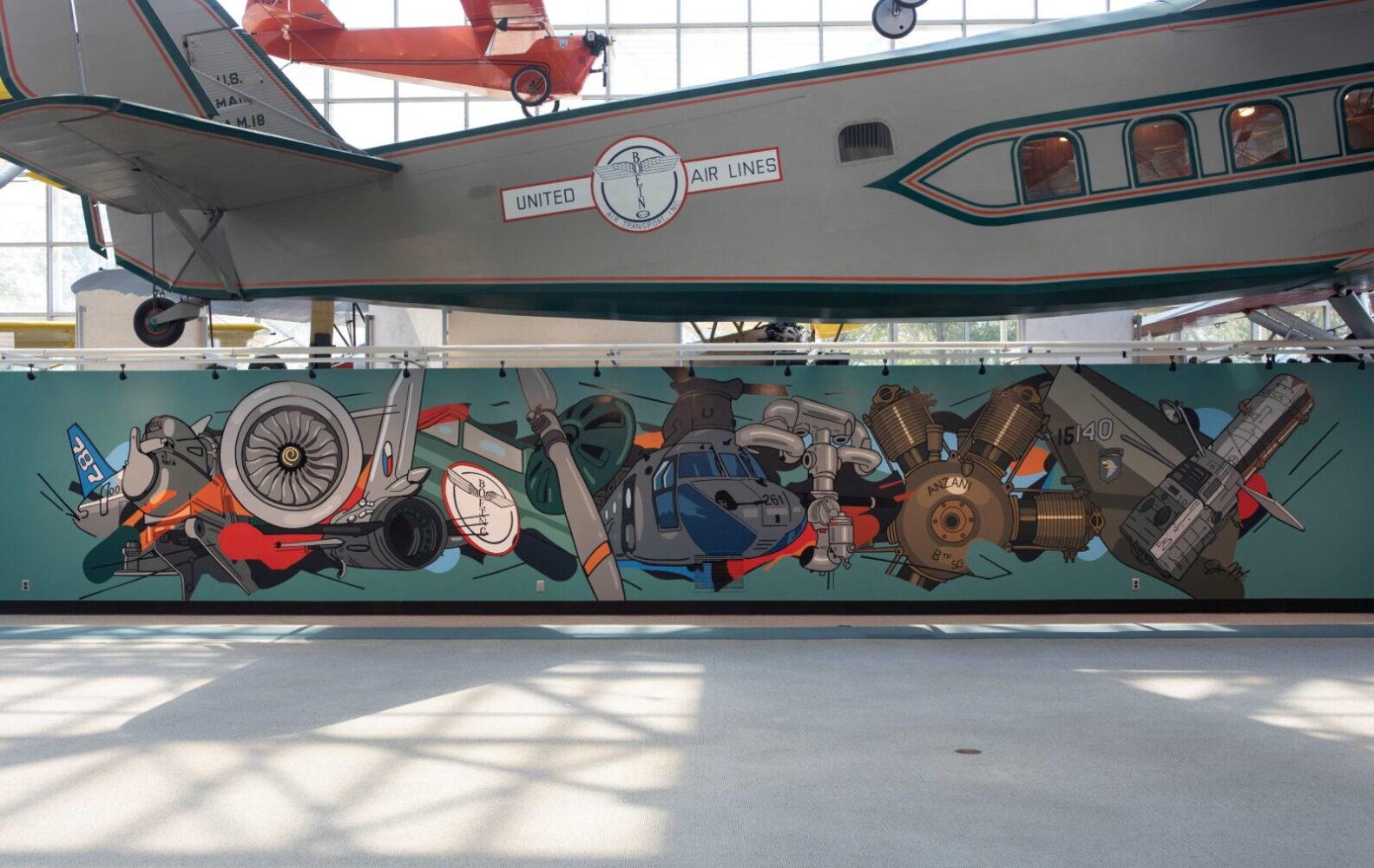
(Handpainted Mural by Joe Nix)

Seattle’s Museum of Flight is already well-known as the largest nonprofit air & space museum.

Now the sprawling aviation museum is making a bid for being well-known for commissioning and exhibiting art.

The Museum of Flight’s Art+Flight project, running through January 7, 2024, includes dozens of artworks in all mediums by over 30 artists.

Included are three newly commissioned murals and an installation drawn from the Museum’s own art collection.

Here are just a few pieces included in the show.

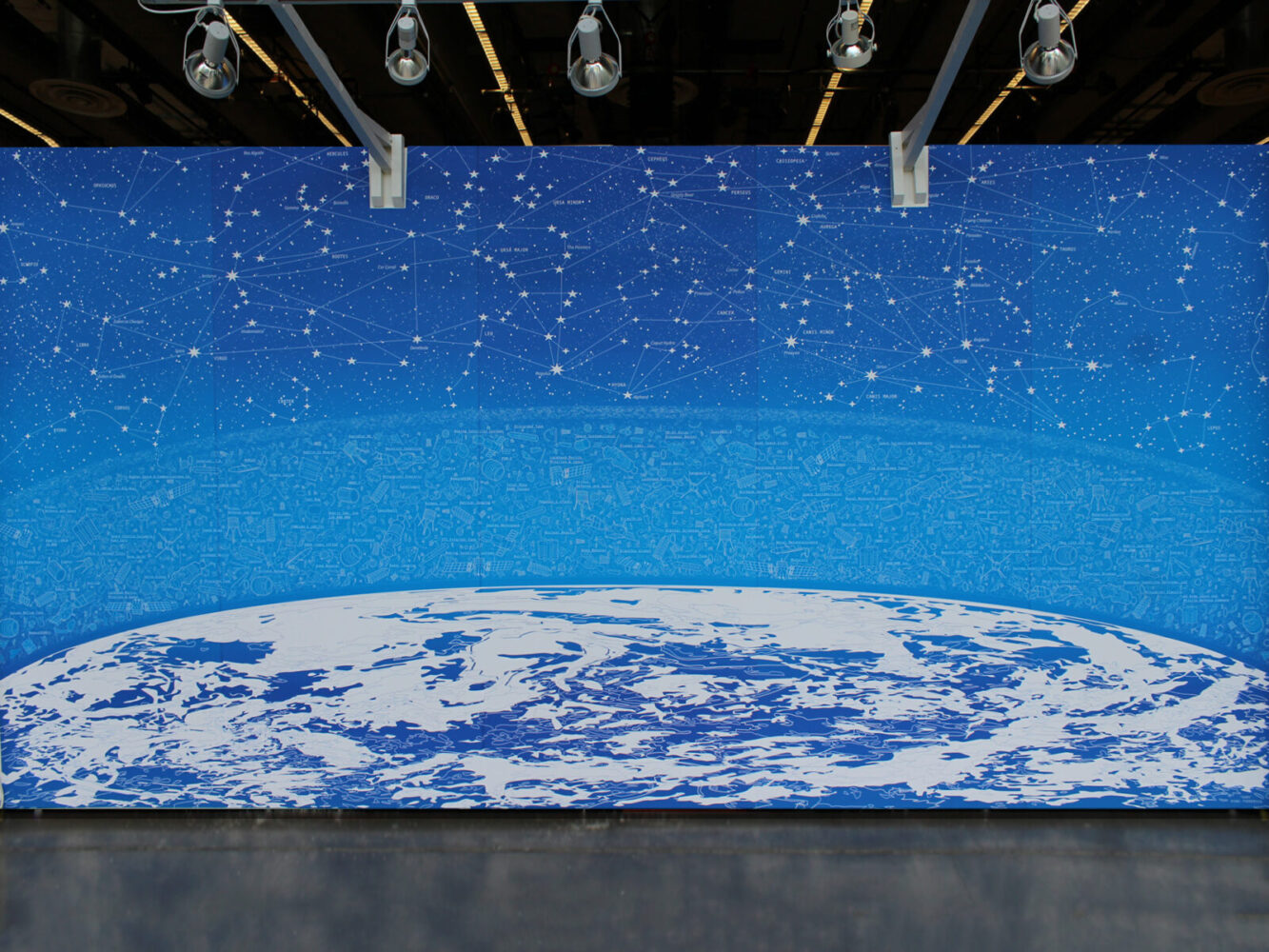
Aura (below), by RYAN! Feddersen depicts the scale of human-made space junk that orbits Earth.

Viewers are invited to try and spot 8 of the estimated 27,000-35,000 pieces of space junk currently being tracked. The list includes a camera, a glove, a pair of pliers, a spatula, a thermal blanket, a tool bag, a toothbrush, and a wrench.

Jeffrey Veregge mixes Native American traditions with contemporary techniques in his “Salish Geek” style. He has two pieces in the Juried Group Show: We Chose (Apollo Program), and Re-Entry (Space Shuttle Program).

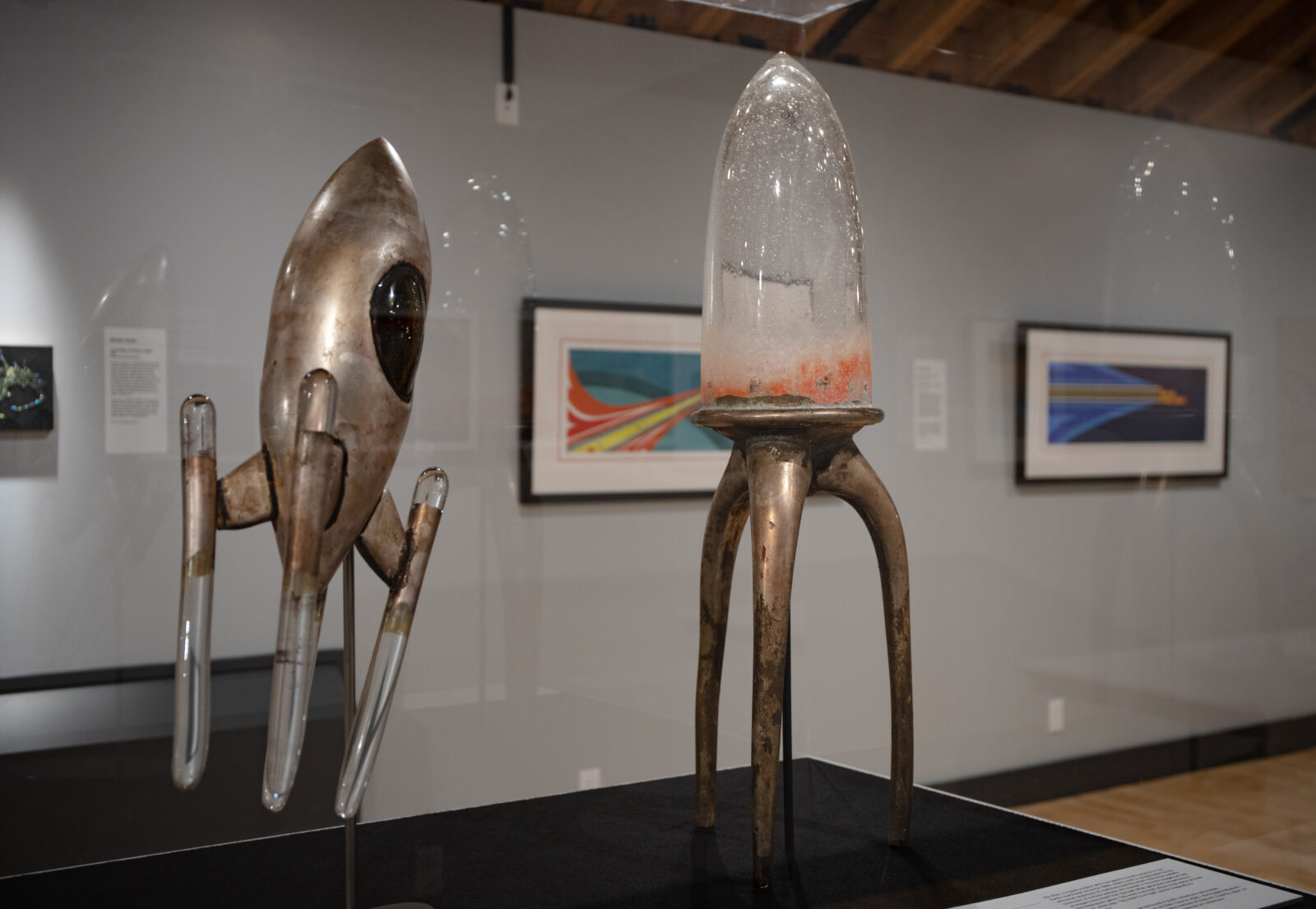
These pieces, Valenci Four and Thorania, are by glass sculptor Rik Allen.

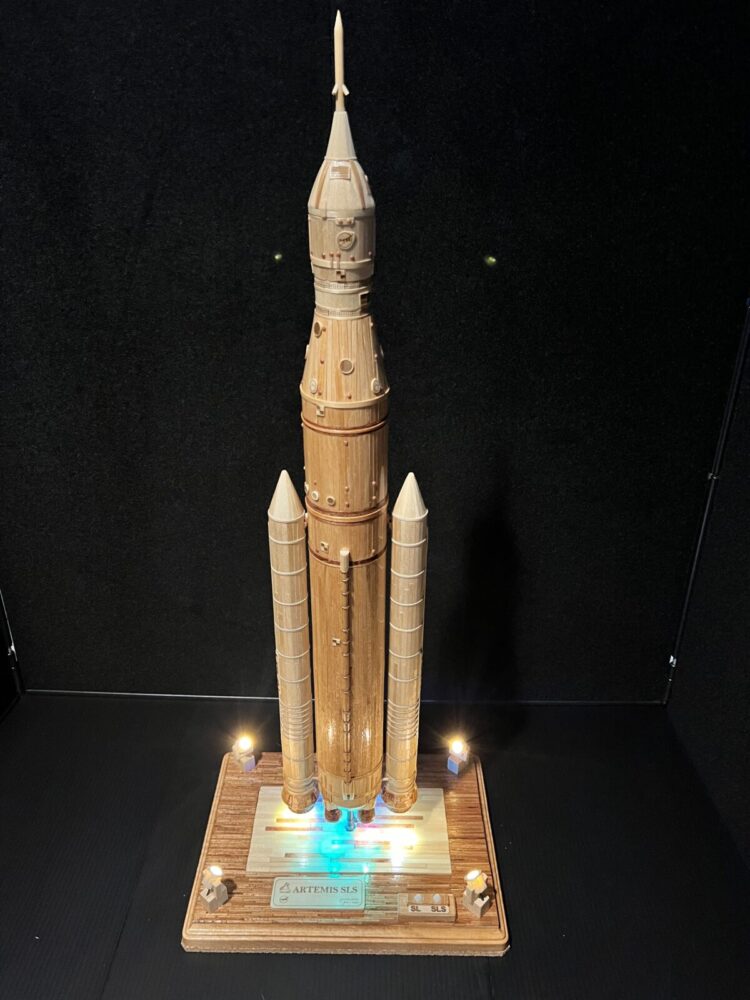
And Jhun Carpio’s Artemis SLS Rocket is made with wooden stirrers and toothpicks.

In addition to the works on display, the Museum of Flight’s Art + Flight project is hosting an artist-in-residence, and presenting arts programs, artist lectures, an interactive mural project, and plenty of other activities through January 7, 2024.

The Stuck at the Airport arts teams is heading to the exhibit this weekend, so stay tuned for more images from the show.

*All photos courtesy Museum of Flight

From the SFO Museum: Matchbooks & Air Sickness Bags

The SFO Museum at San Francisco International Airport (SFO) has more than 150,000 objects related to the history of commercial aviation and to the airline industry.

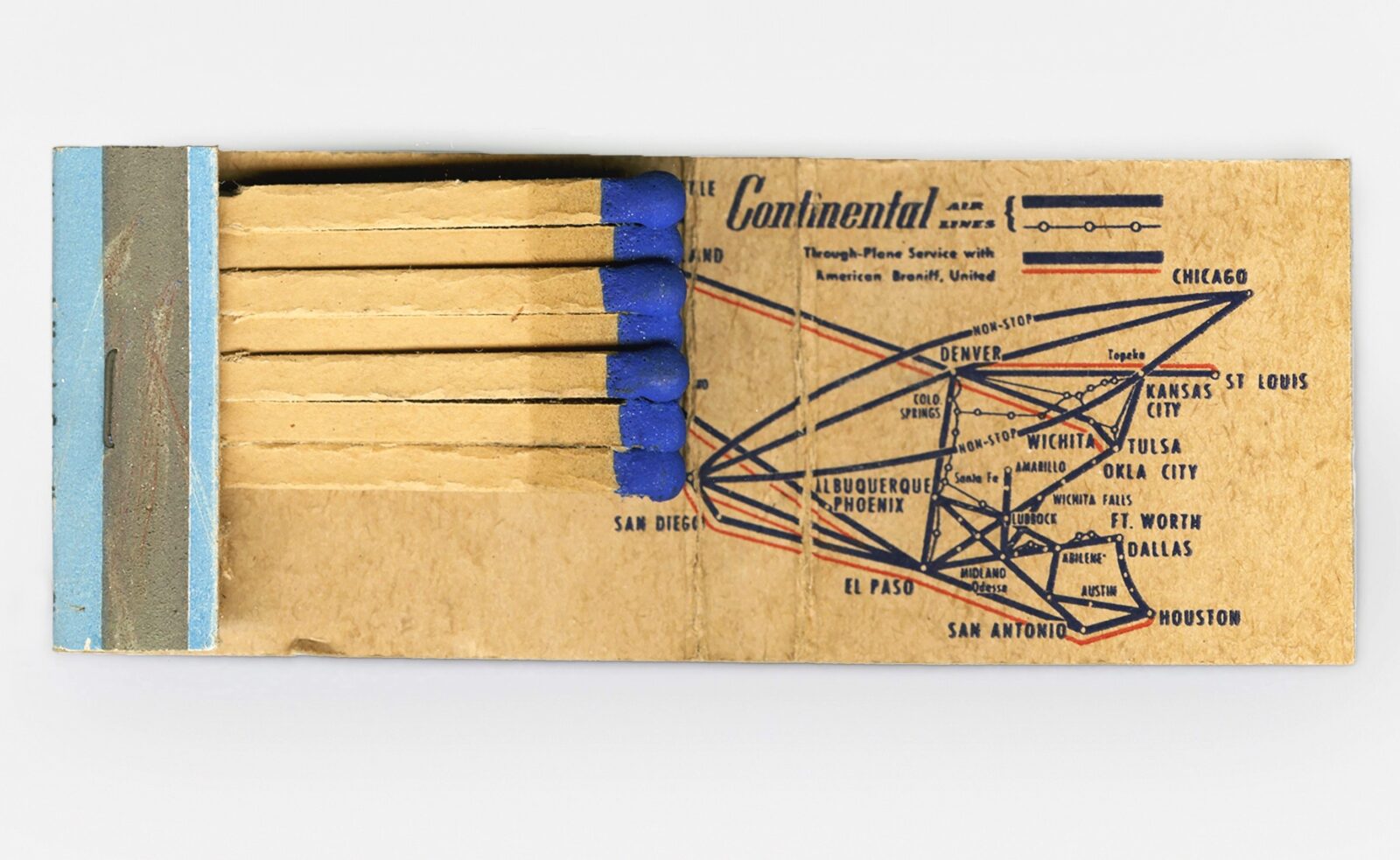
As part of its 52 Objects series this year, they’ve pulled out this matchbook showing the route map for Continental Airlines.

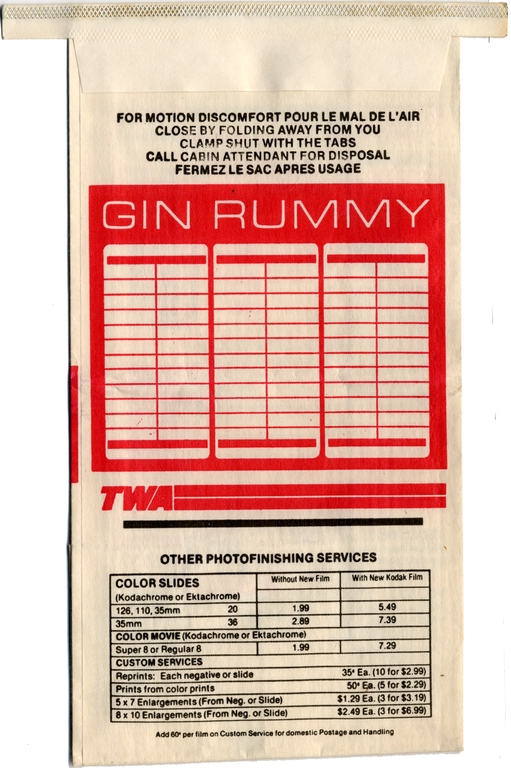
Squeezing as much as possible onto a promotional item is nothing new. A while back we found this air sickness bag in the SFO Museum database which could be used for scoring a gin rummy game and/or turning in your film for processing.

First 787 Dreamliner test plane now an attraction in Japan

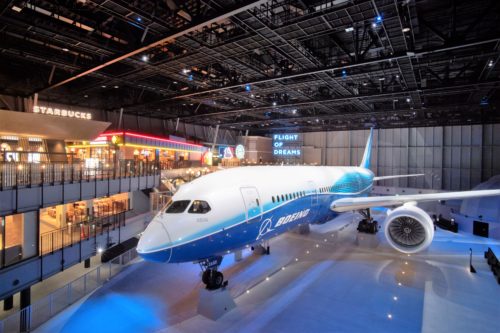
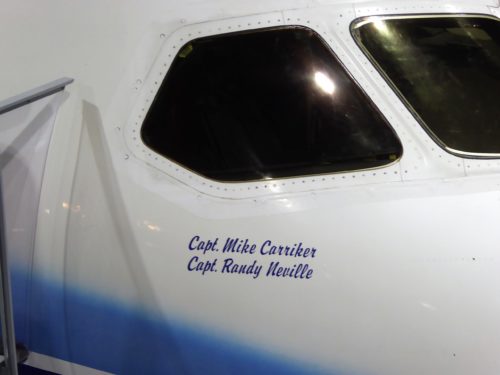
The first Boeing 787 Dreamliner test plane, which first flew December 15, 2009, is now the main attraction at an aviation theme park called Flight of Dreams that opened this week in Japan at Chubu Centrair International, an airport built on an artificial island south of Nagoya.

I had a chance to visit the attraction shortly before it opened and learn about this unique project.

Courtesy Flight of Dreams

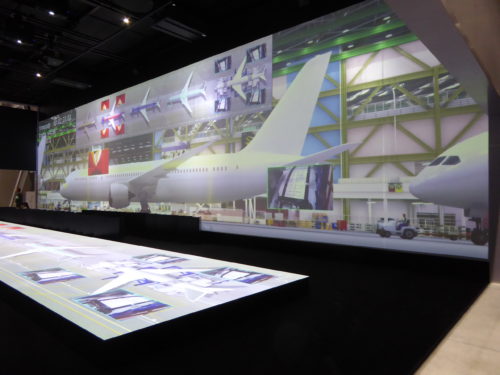
The four-story complex is built between the airport’s two terminals and welcomes visitors to a Flight Center with high-tech and hands-on aviation experiences, including a look inside the 787’s cockpit and a virtual tour of Boeing’s Everett, WA factory.

Many of Boeing’s Japanese aerospace partners are based in the Nagoya area and produce an estimated 35% of all the parts that go into the 787 aircraft.

That includes the main wing and fuselage sections, which are so big that they must travel from Centrair to Boeing’s U.S. assembly plants in Everett, WA and North Charleston, S.C. in Boeing’s 747-400 Large Cargo Freight Dreamlifters.

Boeing donated the first 787 built to Nagoya’s Centrair International Airport in 2015 to honor the role the airport and the people of the region played – and continue to play – in the Dreamliner’s development and production. And instead of just parking the aircraft on the airport grounds, Centrair decided to build a destination aviation theme-park around the plane.

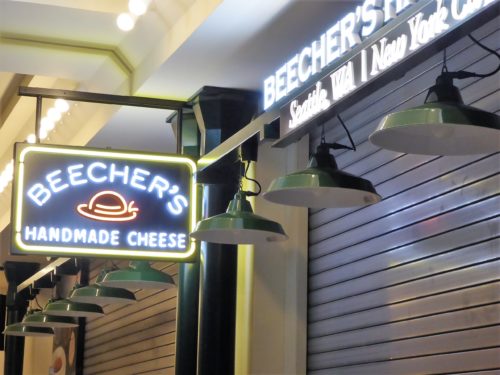
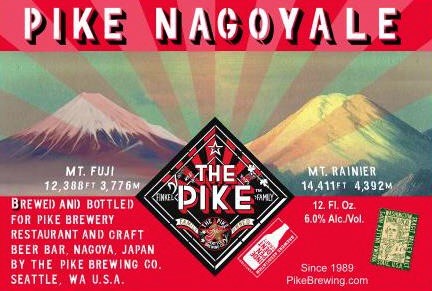
The second and third floors of the facility, dubbed Seattle Terrace, overlook the 787 and include branches of some of some of Seattle’s iconic shops and restaurants, including Starbucks (of course), Pike Brewing, Fran’s Chocolates, Beecher’s Handmade Cheese, Pike Brewing, and several others.


As with all theme parks, visitors exit through the souvenir shop, which is itself quite the attraction.

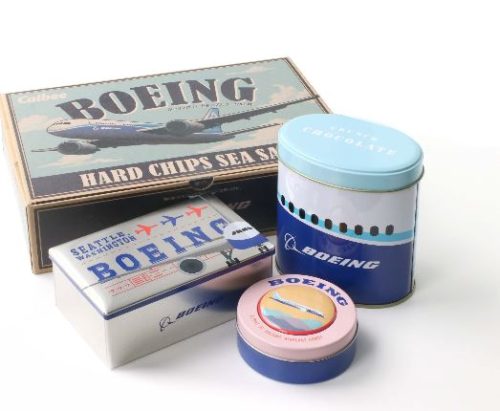
The first Boeing Store outside the United States is here and is stocked with around 500 aviation-related items, including furniture and artwork made from re-purposed airplane parts and many Boeing-branded items that will only be sold in this store.

Learn more about the attraction – and see a slide show of 29 photos in my story about the Flight of Dreams attraction on USA TODAY.

So long, Sydney: take-aways from IATA’s meeting of world’s airline execs

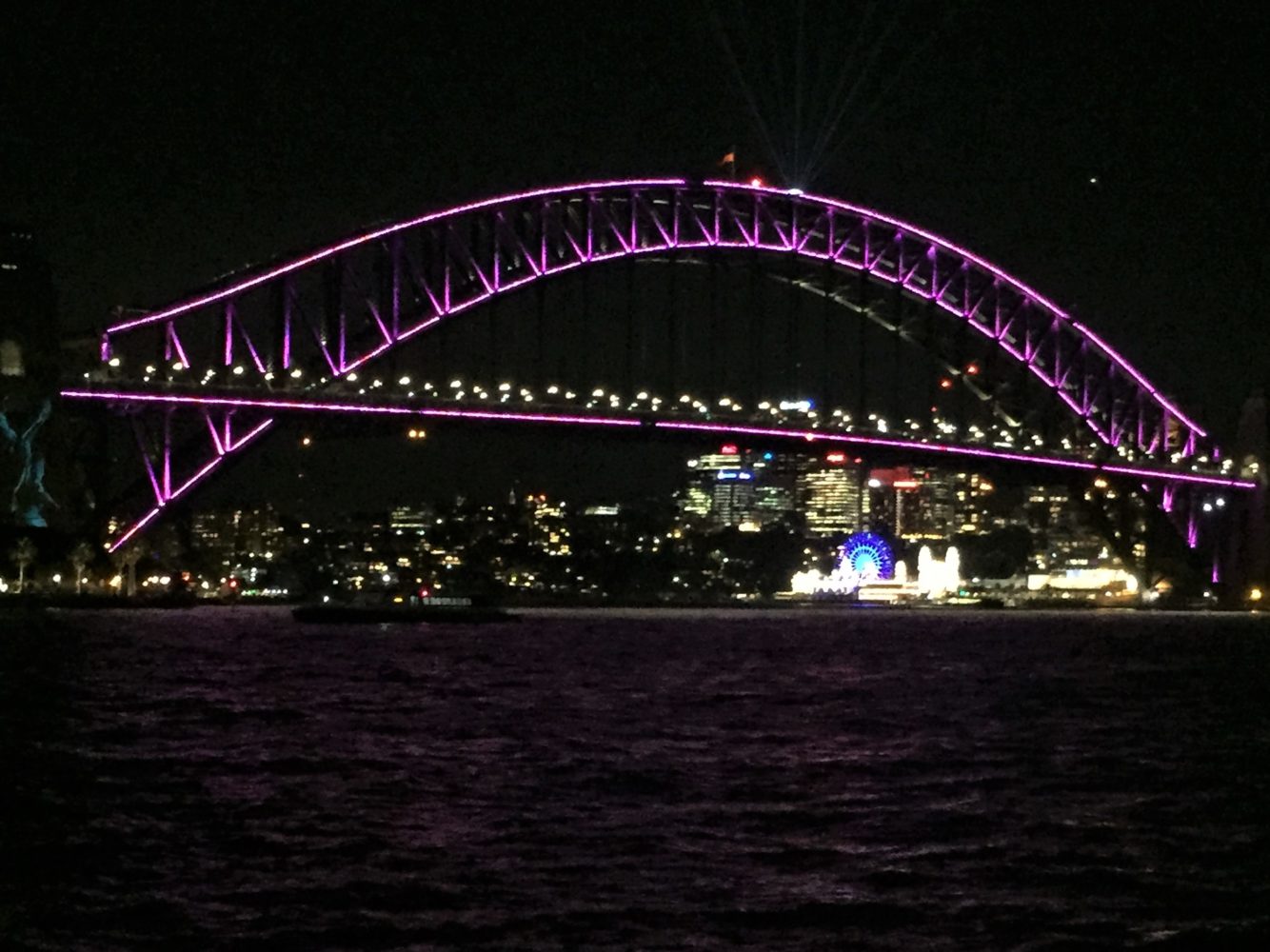
The Vivid Sydney festival – which lights up iconic buildings and structures around the city – was a great backdrop for this week’s meeting of the world’s airline executives at the World Air Transport Summit (WATS) and the annual general meeting of IATA – the International Air Transport Association.

All sorts of briefings, reports, discussions, debates and newsy announcements take place at this event each year and will generate stories that will spool out over the course of the next few weeks.

In the meantime, here are just some of the highlights from the past few days:

Courtesy IATA

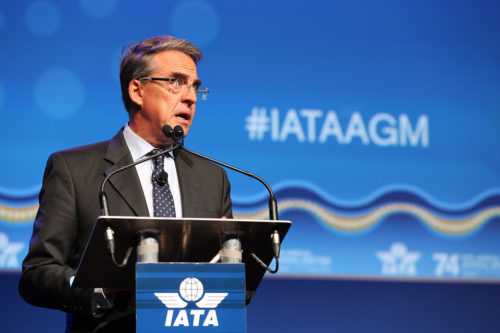
In his annual report, Alexandre de Juniac, IATA’s Director General and CEO, said that airlines are expected to achieve a collective net profit of $33.8 billion. That’s an average profit per passenger of $7.76 for the airlines, he explained, “A thin 4.1% net margin” in 2018.

Read his full report that also touched on safety, security, environmental issues and other topics here.


A bundle of 20-minute on-stage interviews were offered, on topics ranging from alternative fuels, gender equality in aviation, airport privatization and the benefits and risks of travel and tourism. Follow the links for more details from those sessions and videos of the interviews.


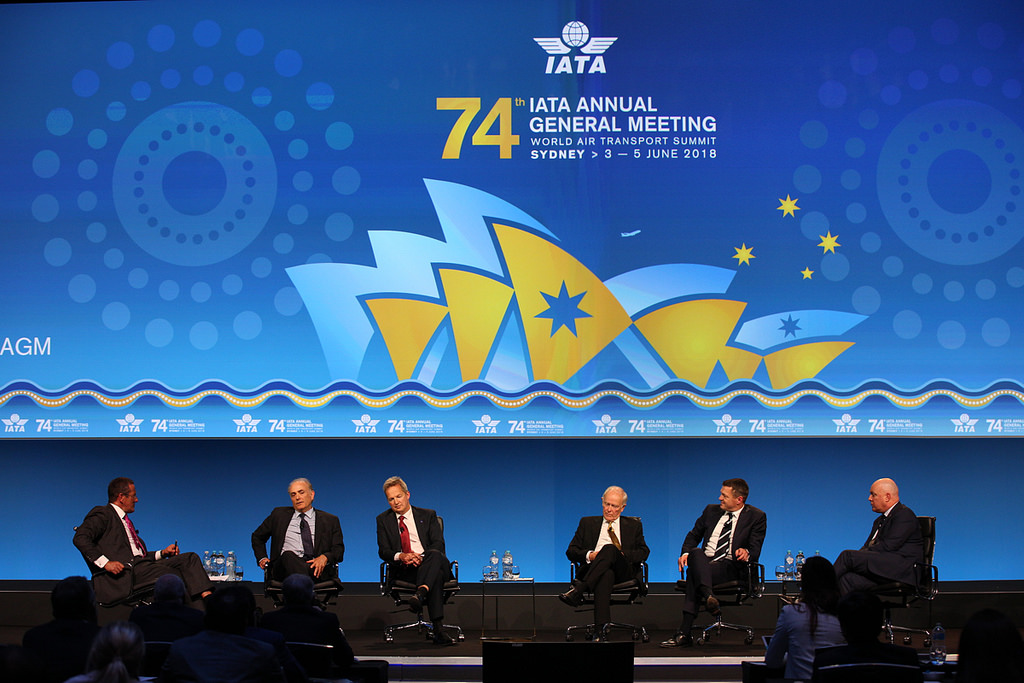
CNN’s gregarious Richard Quest was on stage with a panel of airline CEOs, including Calin Rovinsecu of Air Canada, Tim Clark of Emirates Airlines, Rupert Hogg of Cathay Pacific Airways, Pieter Elbers of KLM and Christoper Luxon of Air New Zealand.


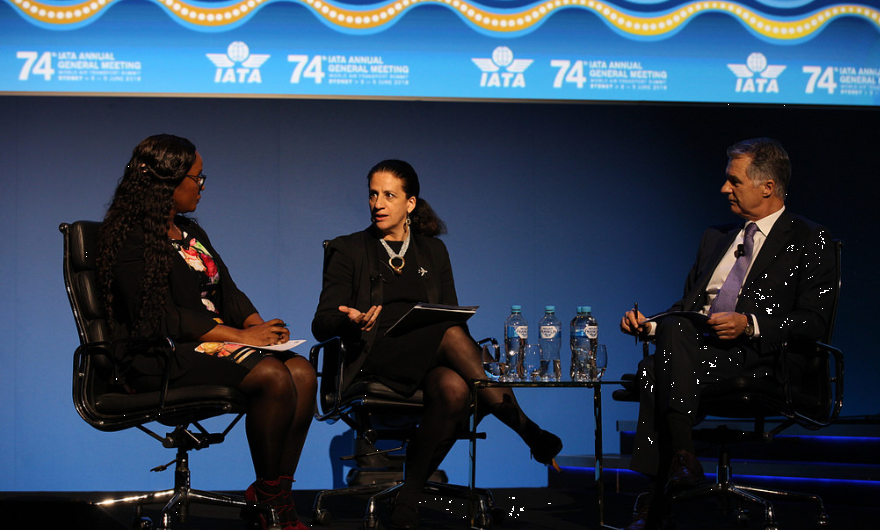
Among the notable moments was when the all-male panel was asked to address gender equality (or the lack of it) at the top echelons of aviation:

Other sessions addressed everything from some creative ways getting passengers to and from airports more efficiently to the role airlines play in human trafficking.

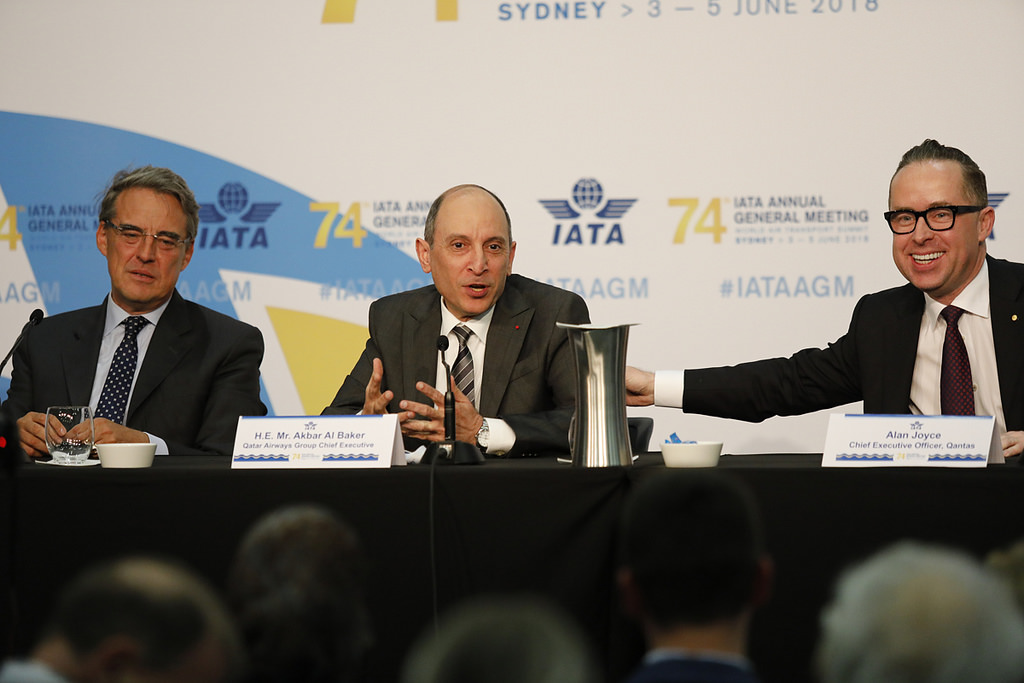
For media attendees, the meeting wrapped up with a final debriefing session with IATA CEO and Director General Alexandre de Juniac, Qatar Airways Group Chief Executive Akbar Al Baker, who will serve as chairman of the IATA Board of Governors for the next year, and Alan Joyce, CEO of the Qantas Group, which hosted the IATA AGM in Sydney.

The Qatar Airways CEO is well-known for his bravado and controversial comments, but at an event in which other CEOs expressed a committment to increasing the role of women in the upper ranks of their companies, Akbar Al Baker’s comment that of course his airline had to be run by a man, “Because it is a very challenging position” was met with disbelief.

His comment may have been a ‘joke,’ – and he did go on to mention that Qatar has women serving as pilots, as senior vice presidents and in other top-level positions – but the comment did not sit well with the group assembled (I literally jumped out of my seat!) and just underscores the fact that this sector of industry has some real homework to do.

Eclipse from the air

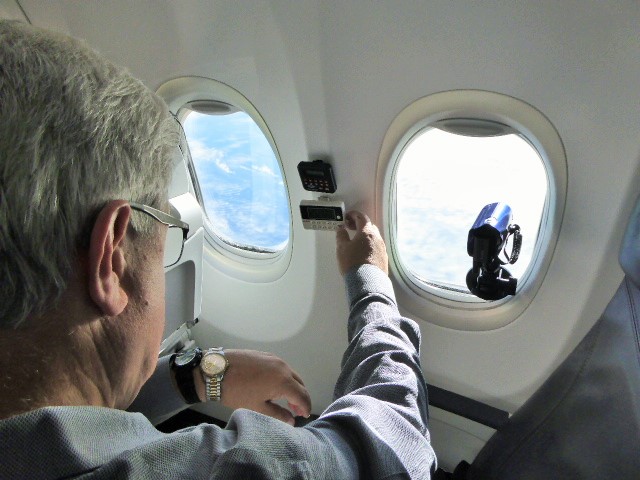
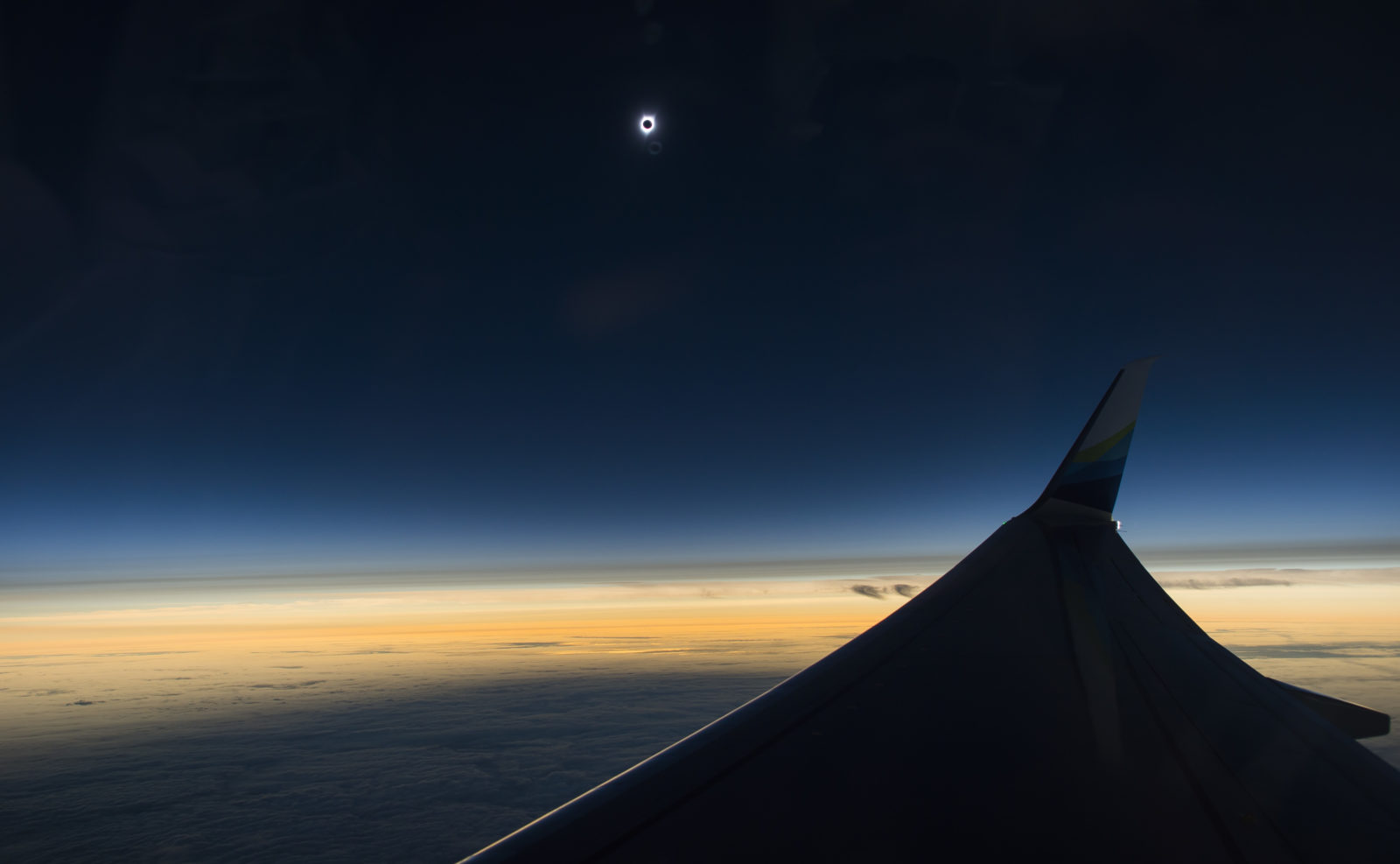
I had the great fortune to be able to join Alaska Airlines on a special flight eclipse flight that left Portland International Airport Monday morning and headed west over the Pacific Ocean to catch a glimpse of the eclipse 15 minutes before it hit land.

Alaska’s charter Flight #9671 left Oregon’s Portland International Airport before 7:30 a.m. Pacific Time and headed west for two hours out over the Pacific Ocean with an invited guest list of astronomy enthusiasts, eclipse-chasers, a NASA astronaut, and social media contest winners.

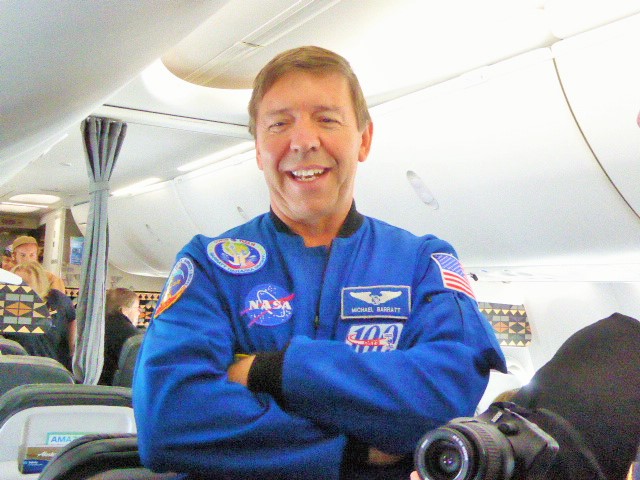
NASA Astronaut-Michael Barratt was on board

Before entering the path of totality, Alaska Airlines pilots and invited on-board experts, including Evgenya Shkolnik, an astrophysics professor at the School of Earth and Space Exploration at Arizona State University, meteorologist Joe Rao, and NASA Astronaut Michael Barratt explained to passengers technical details involved with both the eclipse and the flight and gave tips on what to look for as the plane entered the path of totality. They also gave passengers a count-down into and out of the path of totality.


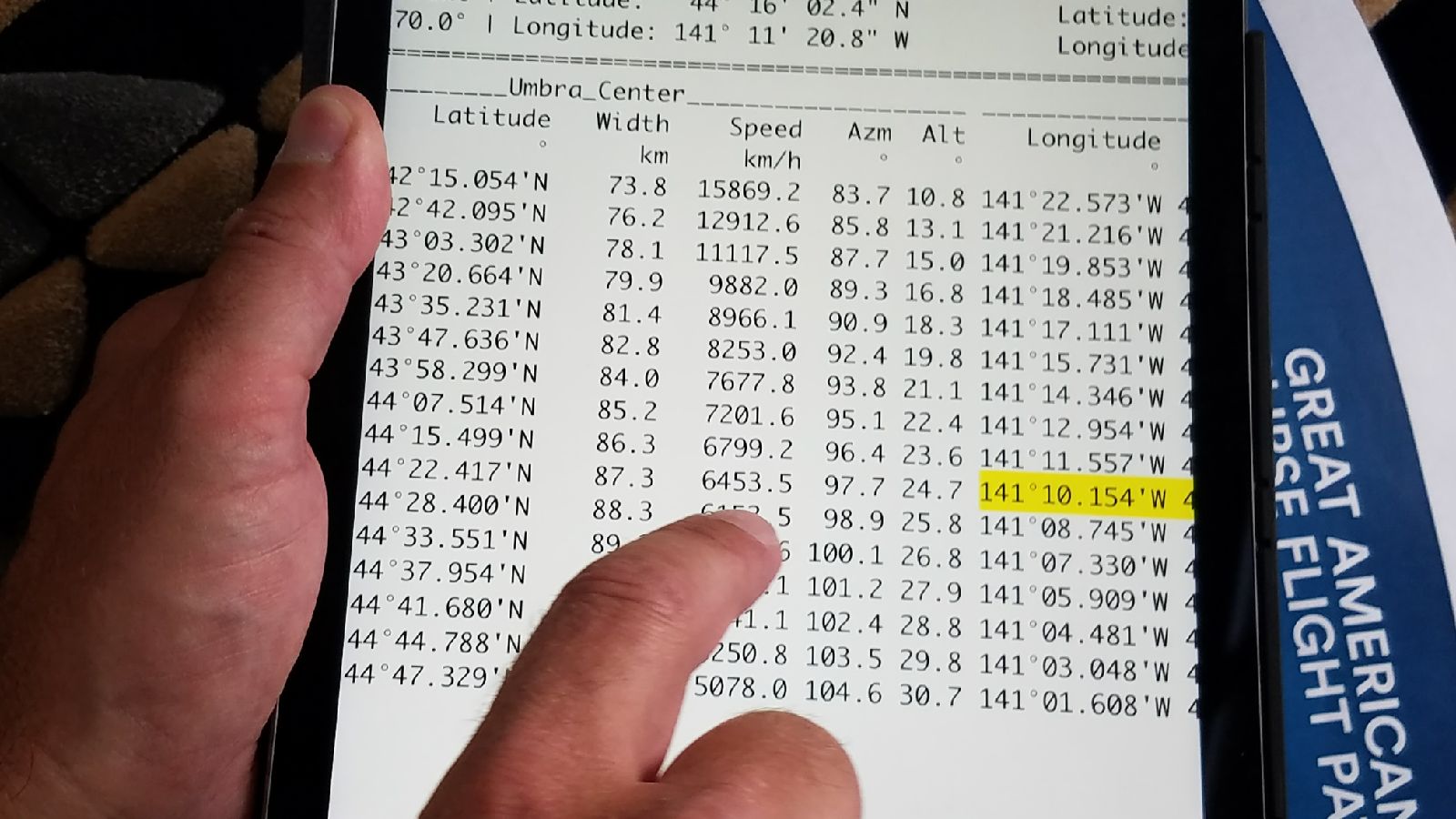
Flight plan waypoints chart – courtesy Eric Mann


Meterologist and Hayden Planetarium lecturer Joe Rao readies timers – two watches – and cameras to capture his 12th eclipse

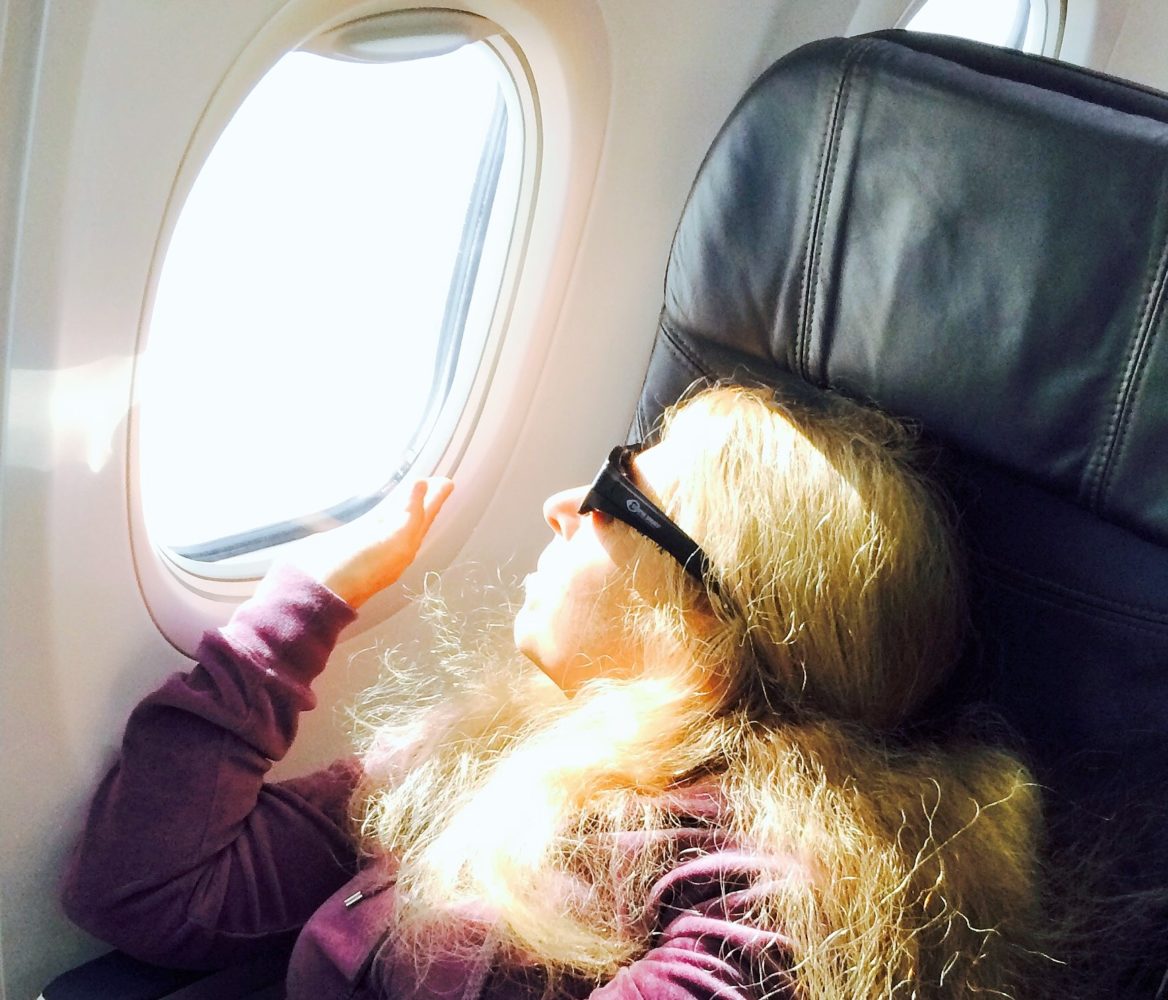
Yelps of “There it is!” “Wow! “Oh my goodness!” and “Thank-goodness this worked!” filled the cabin as the flight hit the coordinates that astronomers and pilots had so carefully plotted out beforehand. And, during the 1 minute 43 seconds of the total eclipse, many passengers seated on both the left and right side of the plane swapped seats multiple time so that everyone had a chance to see the astronomical occurrence billed as a “once in a lifetime event.”

Totality – courtesy Alaska Airlines

My full story about the eclipse day adventure is on USA TODAY, but here’s a fun short video of the Great American eclipse flight put together by Alaska Airlines.

Souvenir Sunday: Airport Tower gifts

It’s Souvenir Sunday – a day we look at some of the fun, inexpensive things you can get at airports or, today, aviation museums.

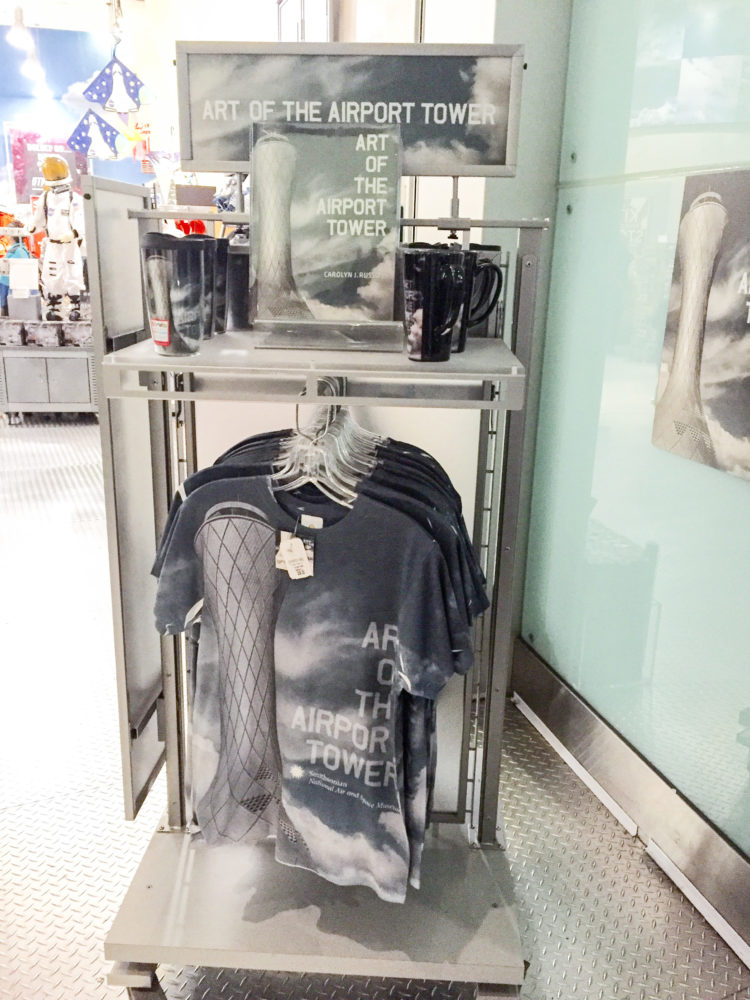
Through November, 2016, the Smithsonian Air & Space Museum is hosting an impressive exhibition of photographs by Carolyn Russo exploring the Art of the Airport Tower.

Reagan National Airport , photo by Carolyn Russo

Reagan National Airport tower, photo by Carolyn Russo

StuckatTheAirport.com reader Robert Little went to see the exhibition and enjoyed it so much he went home with some Art of the Airport Tower souvenirs – and sent along these photos for Souvenir Sunday.

(As a thank-you for participating in Souvenir Sunday, I’m sending Robert a collectible airplane model. Don’t tell him.)

Art of the airport tower souvenirs 2

Airport Tower souvenirs

There’s a nice sampling of Russo’s photos accompanying this interview I did with her for NBC online, but I’m sure seeing the images in person are far better. And, if you’re a fan of great photography and/or aviation (or know someone who is), I’d encourage you to buy the Art of the Airport Tower book.

Airport control towers as art

LaGuardia Airport

I had the great pleasure of speaking with photographer Carolyn Russo about her book Art of the Airport Tower and the companion exhibition at the Smithsonian Air & Space Museum for this story on NBC News.

The book is now on my holiday wish list and I’m planning a trip to Washington, D.C. so I can see the images on display. See you there.. .

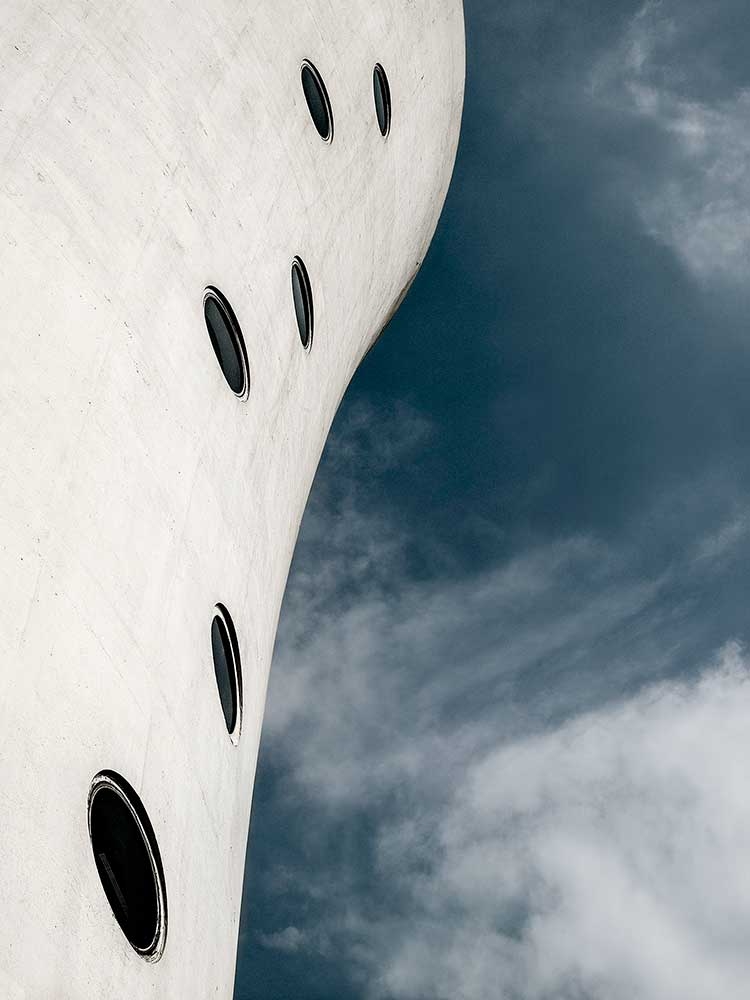
A chance glance out the window as her flight landed at New York’s LaGuardia airport in 2006 led photographer Carolyn Russo to discover beauty in an unusual place – the port-holed façade of the control tower. And it ultimately led to a new exhibit at the Smithsonian’s Air & Space Museum in Washington, D.C., and a companion book celebrating airport control towers worldwide.

“(I) saw that tower and thought, ‘Oh my god, this thing is gorgeous!” It really did look like Swiss Cheese,” said Carolyn Russo, a staff photographer and museum specialist at the Air & Space Museum.

Russo went on to photograph the LaGuardia tower, along with 84 other historical and contemporary towers in 23 countries. And she came to see the structures as “unsung heroes … non-judgmental cultural greeters” and important city landmarks.

“I want people to have a greater appreciation for an artifact in the airport landscape that is too big to put in a museum collection,” said Russo.

Reagan National Airport

Reagan National Airport

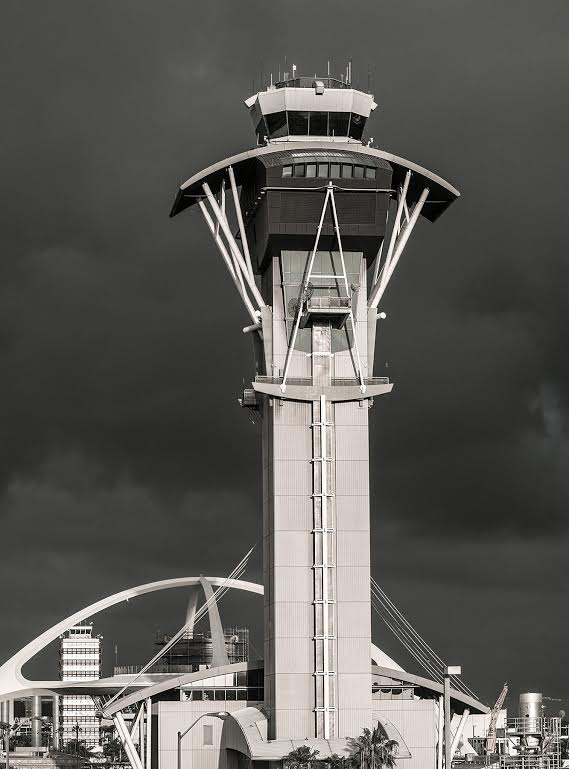
The tower at Los Angeles International Airport is one of Russo’s favorites, “because it was built specifically to be an iconic landmark that people notice.” She also delights in a tower in Abu Dhabi created to look like a crescent and, to her, a flowing robe, and the tower at Kuala Lumpur airport intended to look like a tree to blend in with the “airport in a forest” design.

LAX control tower

LAX control tower

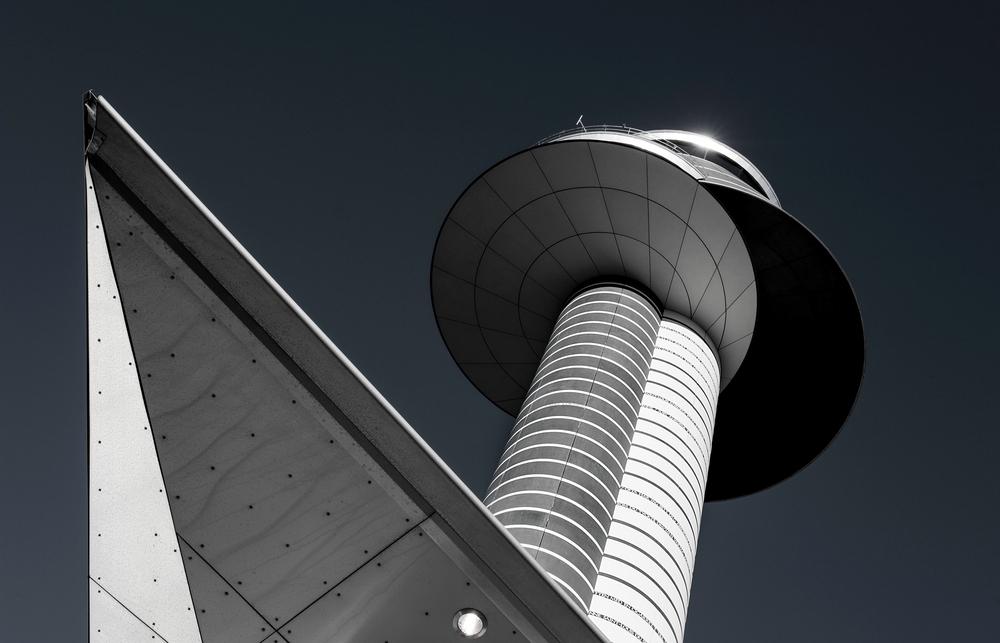
Stockholm Arlanda Airport

Stockholm Arlanda Airport

At the Stockholm-Arlanda Airport, the control tower designer put two cab-like pieces at the top meant to symbolize two ravens from Norse mythology.

“That’s also the only tower I know of where you can pay a fee and get married at the top,” says Russo. “That doesn’t happen where the controllers sit, but you get champagne, chocolate-covered strawberries and this amazing view.”

To find the perfect spot to take a control tower’s portrait, Russo worked with the Federal Aviation Administration, with airport authorities, governments and air traffic control agencies around the world.

Photos of some contemporary towers don’t look like towers at all, due to the unusual angle Russo chose, but for many historical towers, “I photographed them objectively and tried to make them timepieces left behind from another aviation era,” said Russo.

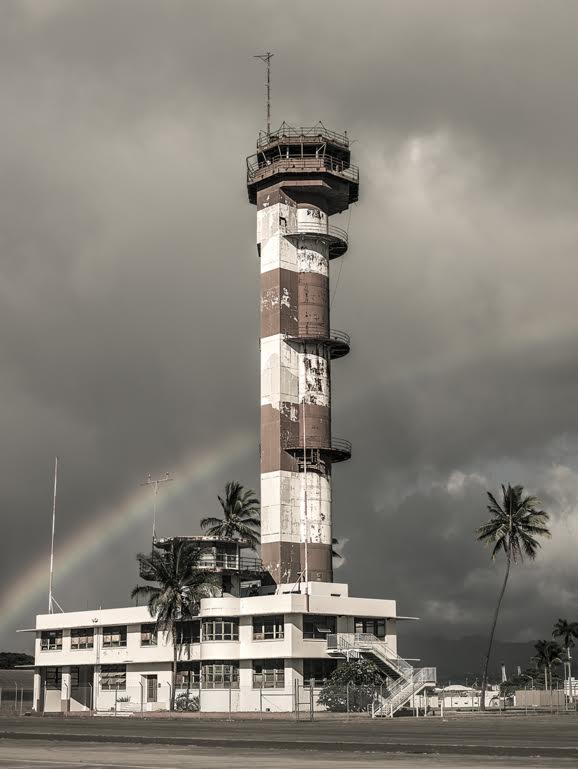
Most images are in black and white. But when photographing the Ford Island Field Control Tower, a National Historic Landmark at Pearl Harbor in Hawaii, a rainbow came out during the photo shoot, so Russo left the color in.

Russo_ Hawaii

And while Russo made sure to photograph some of the oldest airport control towers, including some now demolished or about to be, she also includes two brand new ones in Sweden that are managed by remote control.

“These are metal structures that have cameras, sound sensors and other equipment that allow the controllers to be 100s of miles away in an office with 360-degrees of LCD screens,” said Russo. “The towers aren’t beautiful, but I include them to tell the story of possibly one of the directions we will be moving with some airport traffic control.”

The exhibition “Art of the Airport Tower” opens Wednesday at the Smithsonian National Air and Space Museum in Washington, D.C., and runs through November 2016. It includes more than 50 of the 100 airport control tower images in Russo’s book of the same name.

Seattle’s Museum of Flight gets a Dreamliner

It’s still so new – but the 787 Dreamliner is already a museum piece.

On Saturday, Nov. 8, the Boeing Company will officially donate Dreamliner “Number 3” to Seattle’s Museum of Flight.

If you’re in town, you’ll be able to see the plane in the museum’s East Parking Lot all weekend and tour it from noon to 5 p.m. Saturday, and all day Sunday, Nov. 9.

The plane will then be relocated and closed to the public from Nov. 10 until the 21st while it gets prepped for permanent exhibition starting Nov. 22.

What’s the big deal about this airplane?

This 787 – ZA003 – was the third Dreamliner built. It first flew on March 14, 2010 and, in addition to its role in the flight test and certification program, Boeing flew this plane to almost two dozen countries to show it off as part of a “Dream Tour.”