Dubai-based Emirates has a reputation for swank and glamour.
And since late 2022 the carrier has been working its way through interior refurbishement of 191 A380s and Boeing 777 aircraft.
One piece of the project is adding a Premium Economy product – seats and service – to the planes.
And Emirates now has retrofitted planes with premium economy flying to and from 10 U.S. cities.
This new section has bright, cream leather seats that are 19.5 inches wide, with a pitch of up to 40 inches. There are also 6-way adjustable headrests, calf and footrests and a 13.3″ entertainment screen. Passengers are offered welcome drinks and 3-course meals served on Royal Doulton china.
Retrofitted A380s currenty operate between Dubai and four U.S. routes: NY JFK, San Francisco, Los Angeles and Houston.
The retroitted B777s currently operate on six routes: Chicago, Boston, Dallas Fort Worth, Seatte, Miami-Bogota and Newark-Athens.
The four-class Boeing 777s have six (or eight) First Class suites, 38 or 40 Business class seats in a 1-2-1 arrangement, 24 seats in Premium Economy and 256 Economy class seats.
(Courtesy Emirates)
Emirates passengers from Seattle have had the option of choosing premium economy seats since January 2025. But for a variety of reasons the local launch event was postponed until now.
While on an assignment a few months back, the Stuck at the Airport flew in Emirates’ economy cabin from Seattle to Dubai a few months ago. That was fine. But now that we’ve seen the premium economy section, the business class and – wow – the First Class suites, there’s probably no going back.
Here are some more images from the rest of the plane.
Emirates is the official airline global airline partner of the NBA – the National Basketball Association – and is the inaugural partner of the Emirates NBA Cup.
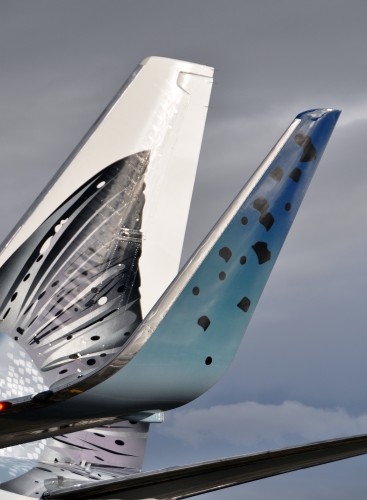
To celebrate the 2024-25 NBA season, the carrier has painted one of its A-380s with an NBA-themed livery featuring a blue fuselage with an NBA logo.
The Emirates lettering, which is usually gold, is red on this aircraft and there’s a basketball bouncing between the NBA logo and the Emirates logo.
Want to see the plan in action?
The Emirates NBA logo plane will be flying from November 1 through December 17 to 14 destinations in the US and Canada, coinciding with the schedule of the NBA Cup. In addition to the logo on the outside, there will be NBA-inspired touches inside the plane, including co-branded headrests, drinks served on specially designed coasters and courtside-themed menus.
Basketball fans will also be able to watch select Emirates NBA Cup games live on Sport24 on ice, Emirates’ inflight entertainment system.
If you’ve got access to an Emirates lounge, you’ll also be able to enjoy an NBA-themed menu in the lounge in Dubai, New York JFK, San Francisco, Los Angeles and Boston.
Basketball fans can also get a limited edition replica aircraft model sporting the newly rolled-out livery at the Emirates Official Store.
Going skiing? Save your Alaska Airlines boarding pass
If you’ve checked the rules and restrictions and feel safe flying to a ski resort this season, keep in mind that you may be able to ski for free once you arrive.
As it does each winter, Alaska Airlines is once again partnering with a variety of ski resorts to offer free ski passes on the day of arrival to travelers who show their boarding passes and IDs. Offers and deals will vary, of course, but there are offers for ski resorts in Alaska, Idaho, Montana, and Washington.
Deals with the My Emirates Pass too
Emirates is resuming many of its flights to and through its Dubai hub and just announced it will resume non-stop service to Seattle starting February 1 and to Dallas and San Francisco, starting March 2.
Flights to/from San Francisco will operate four times weekly on Emirates’ Boeing 777-300ER. Flights to/from Seattle will operate four times weekly and flights to/from Dallas will operate three times weekly.
Emirates also announced a refreshed My Emirate Pass, which offers a wide variety of discounts and deals for travelers who show their boarding pass in over 450 restaurants, leisure destinations, and retail outlets across the UAE.
Will airlines bring back more free stuff?
The Alaska Airlines ski pass and My Emirate Pass programs have been offered before but, given the times, we’re especially glad to see they’re back.
Which makes us wonder: as airlines try to win back travelers, might we see more bonus items offered with our tickets?
Soon, maybe not very soon, but soon, you will go to an airport and board a plane.
In the meantime, here are some newsy tidbits from that world.
Alaska Airlines is staying active. And a bit fishy
You may be sitting around and not getting many frequent flyer miles from flying.
But Alaska Airlines has a fun campaign that will award you some bonus miles for staying active.
The airline is buddying up with fitness app Strava to give away 250,000 miles to Mileage Plan members as part of the Miles on the Ground Challenge.
Get the app, do 360 minutes physical activity by May 30, 2020, and you will qualify to enter a drawing to win up to 100,000 miles.
Alaska Airlines also did a nice pivot with the annual fly-in of the first Copper River salmon from Alaska to Seattle.
Instead of heading to area restaurants, part of the first planeload of copper river salmon became meals for health care workers. The rest was used for a salmon dinner fundraiser that generated enough money to buy 77,000 meals for people in the community.
There is a lot of chatter about doing thermal cameras and temperature checks at airport security checkpoints and boarding gates.
But that is not a foolproof method of determining if a passenger has a case of COVID-19.
So, several airports and airlines are going beyond that and requiring passengers to either have proof of a recent negative COVID-19 test result or take a test on the spot to avoid quarantine.
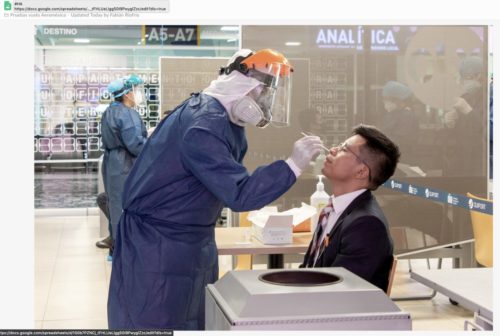
In mid-April, Dubai-based Emirates began requiring passengers departing Dubai International Airport to underdo rapid COVID-19 blood tests, with results in 10 minutes.
Anyone traveling to Austria right now is required to either have a recent medical certificate showing they are negative for COVID-19 or go into a 14-day quarantine.
The tests are not free. They cost EUR 190 (about $207), but the results come back in three to six hours and, if negative, allow the passenger to skip the quarantine.
All other arriving passengers without a health certificate are sent immediately to quarantine, according to the airport, and “must arrange for themselves to be tested by a laboratory at the quarantine location, which may involve longer waiting times.”
Iceland planning on the spot COVID-19 tests at KEF Airport
The government of Iceland expects to begin welcoming back international flight no later than June 15. And when it does, the plan is to give travelers the option of getting testing for COVID-19 on arrival at Keflavik Airport (KEF) to avoid a two-week quarantine.
But it already has stations installed for rapid COVID-19 testing of passengers.
10 temporary testing stations are set up now and were first used on May 18 to test passengers on a charter Aeromexico flight from Mexico City carrying 120 repatriating passengers.
Where is the food and produce you eat on a plane grown?
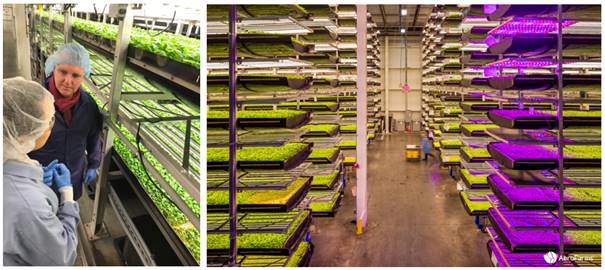
Starting in September, the answer for passengers on Singapore Airlines’ passengers leaving Newark for Singapore will be “indoors, nearby.”
Singapore Airlines is working with indoor vertical farming company
AeroFarms, which has reclaimed an abandoned steel mill in an industrial area
near Newark International Airport and transformed it into a 1-acre, indoor
vertical farm.
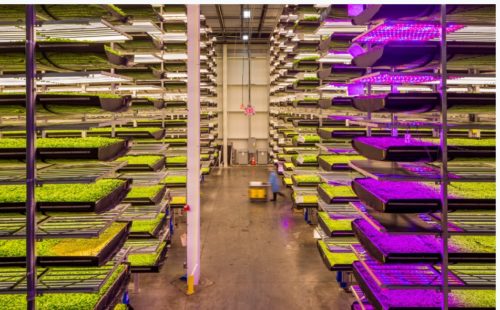
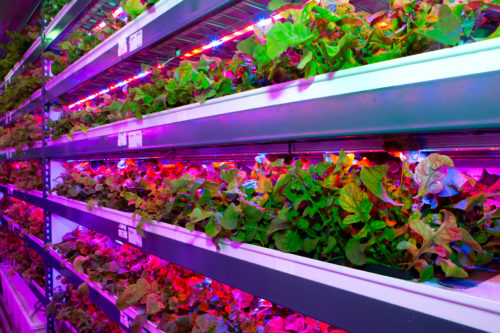
The farm, which grows produce ‘aeroponically’ without soil,
pesticides or sunlight, can produce the equivalent of 390 acres of locally
grown produce with up to 30 harvests each year and will grow a customized blend
of fresh produce for SIA’s Newark-to-Singapore flights starting in September
2019.
“Imagine boarding a plane and enjoying a salad harvested only a
few hours before takeoff — literally the world’s freshest airline food,” said
Antony McNeil, director of food and beverage for Singapore Airlines. “The
only way to get fresher greens inflight is to pick them from your own garden.”
Singapore Airlines shared examples of farm-to-flight
dished business class and premium economy class passengers might be able to
choose from on Newark to Singapore flights:
Soy Poached Chicken:Pickled Ginger Vinaigrette, Zucchini Ribbons, with Sweet Potato Roesti, Soy Beans and AeroFarms Baby Pac Choi
The Garden Green: Poached Asparagus, Broccolini, Avocado with Shaved Fennel & Flaked Hot Smoked Salmon, with AeroFarms medley of Baby Ruby Streaks,
Watercress and Arugula, with Lemon Vinaigrette
As I reported last year in a
farm-to-flight feature for USA TODAY, Singapore Airlines’ joins several
other airlines in being super creative and eco about the food served on its flights.
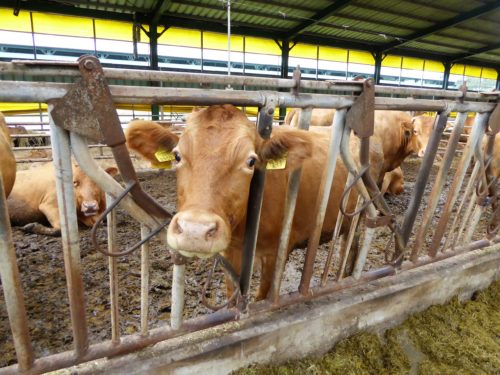
Korean Air has its own company farm.
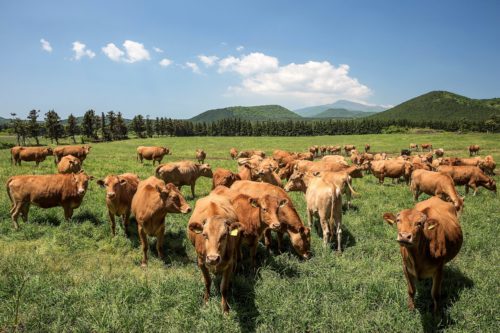
Jedong Ranch sits on 3,700 acres of South Korea’s lush Jeju
Island and has been operating since 1972, when it was purchased by the former
chairman of the airline’s parent company, the Hanjin Group.
Back then, South Korea had a beef shortage, so breeding livestock
was the first order of business. Early on, the herd was made up exclusively of
imported Angus cattle. Today the ranch is home to more than 2,200 head of prized,
grass-fed Korean native cattle known as Hanwoo.
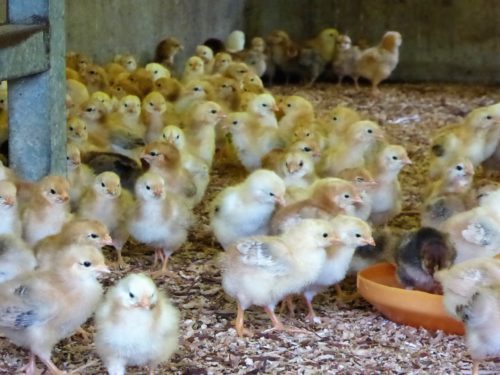
The organic, antibiotic-free meat from these animals, and
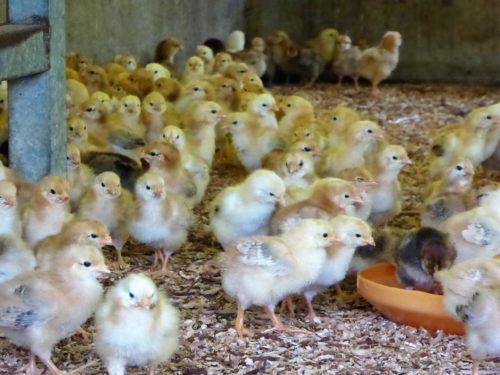
from the farm’s flock of approximately 6000 free-range chickens, is sent to Korean
Air’s flight catering kitchens in Seoul for use in meals served to first and
business-class passengers. Some of the meat and eggs from the farm are also available,
at premium prices, for purchase locally.
In addition to raising cows and chickens, the ranch’s hydroponic
greenhouse also produces more than 210 tons of fruit and vegetables, including
red peppers, cherry tomatoes and blueberries for first
and business class in-flight meals.
JetBlue’s garden at
JFK
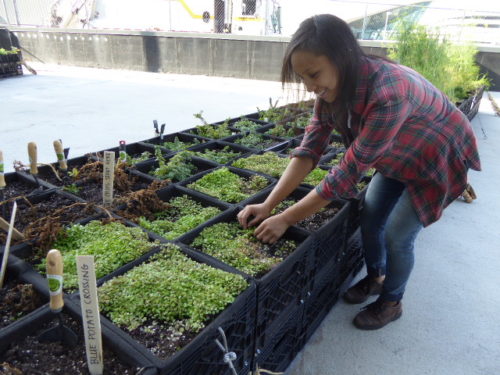
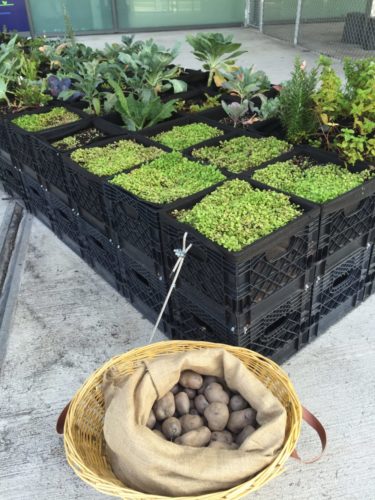
In 2015 JetBlue created a 24,000 square-foot milk-crate garden
outside Terminal 5 at New York’s John F Kennedy International Airport. Designed
to both create a welcoming green space and promote local agriculture, the
garden generates more than 2,000 pounds of blue potatoes, kale, carrots, leeks,
arugula, garlic, mint, basic and other herbs for local food banks.
Japan Air Lines agritourism
attraction
In 2010, Japan Air
Lines is scheduled to open an agritourism attraction on land near Tokyo’s Narita
International Airport. The ‘JAL Agriport’ will
offer visitors a chance to pick strawberries, harvest sweet potatoes, picnic,
or purchase fresh produce grown in the region. JAL says it also plans to use
some agriport produce in lounge menus and in-flight meals.
And Emirates
announced last year that it was joining with Crop One to build the world’s
largest vertical farming facility near the airport in Dubai to help create a supply chain of “high quality and locally-sourced
fresh vegetables, while significantly reducing our environmental footprint,”the airline said in a statement.
Airlines growing their own food? It’s a thing. Korean Air recently invited me to visit the company’s ranch in South Korea where they farm livestock, chicken, veggies, fruit and bottle their own water to serve to passengers.
Other airlines have farming projects underway as well.
I have story – with lots of photos- from my farm visit on USA TODAY’s Today in the Sky. Here are some highlights of the story.
Back in 1972, when beef was in short supply in South Korea, the then chairman of Korea Air’s parent group bought a 3,700 acre ranch on South Korea’s Jeju Island.
Imported Angus cattle got things started, but now the herd is about 2,200 Korean native cattle known as Hanwoo.
Meat from these animals, and from the farm’s flock of approximately 6000 free-range chickens, is sent to Korean Air’s flight catering kitchens in Seoul for use in meals served to first and business-class passengers.
In addition to raising cows and chickens, the ranch also produces fruit, vegetables – and bottled water – for Korean Air passengers.
The water bottling plant at the ranch has been operating for 35 years and there they make and fill cups and bottles of the airline’s branded ‘Hanjin Jeju Pure Water.’ The water is pumped from 1,070 feet underground and filtered through layers of the island’s volcanic rock.
Other airlines explore agriculture
In 2015 JetBlue debuted a large milk-crate garden outside Terminal 5 at New York’s John F Kennedy International Airport. Potatoes, vegetables and herbs grown there are donated to local food banks.
Japan Air Lines is creating a ‘you-pick’ agritourism attraction on land near Tokyo’s Narita International Airport that is scheduled to open in 2020. The carrier hopes to add food grown on that farm to in-flight and lounge menus.
And Emirates is having the world’s largest vertical farming facility built near the Dubai airport. At full production, the daily harvest from the the 130,000-square foot facility should be about three tons of pesticide-free leafy greens that will be used in many of the meals Emirates Flight Catering prepares for 105 airlines and 25 airport lounges.
It’s getting wild out there. Today Emirates shared news that it is reducing service to 5 of the 12 US cities it serves.
Emirates Statement:
Emirates can confirm that we will be reducing flights to five of the 12 US cities we currently serve. From 1 May and 23 May respectively, our Fort Lauderdale and Orlando operations will move from daily services to five a week. From 1 and 2 June respectively, our Seattle and Boston operations will move from twice-daily services, to a daily service. From 1 July, our operations to Los Angeles will move from twice-daily to a daily serve.
This is a commercial decision in response to weakened travel demand to US. The recent actions taken by the US government relating to the issuance of entry visas, heightened security vetting, and restrictions on electronic devices in aircraft cabins, have had a direct impact on consumer interest and demand for air travel into the US.
Until the start of 2017, Emirates’ operations in the US has seen healthy growth and performance, driven by customer demand for our high quality product and our international flight connections. However, over the past 3 months, we have seen a significant deterioration in the booking profiles on all our US routes, across all travel segments. Emirates has therefore responded as any profit-oriented enterprise would, and we will redeploy capacity to serve demand on other routes on our global network.
We will closely monitor the situation with the view to reinstate and grow our US flight operations as soon as viable. Emirates is committed to our US operations and will continue to serve our 12 American gateways – New York JFK, Newark, Boston, Washington DC, Chicago, Seattle, Los Angeles, San Francisco, Houston, Dallas, Fort Lauderdale, and Orlando – with 101 flight departures per week, connecting these cities to Dubai and our global network of over 150 cities.
With shower-equipped private suites on its A380 airplanes and Bulgari amenity kits and moisturizing pajamas for first class passengers on long-haul overnight flights, Dubai-based Emirates works hard to maintain a high-class image.
And they aren’t resting on their laurels.
As part of the airline’s recent ‘comforter overhaul,’ passengers flying long-haul in the First Class cabin sleep under faux sheep-skin blankets. Those flying Business Class get soft duvets.
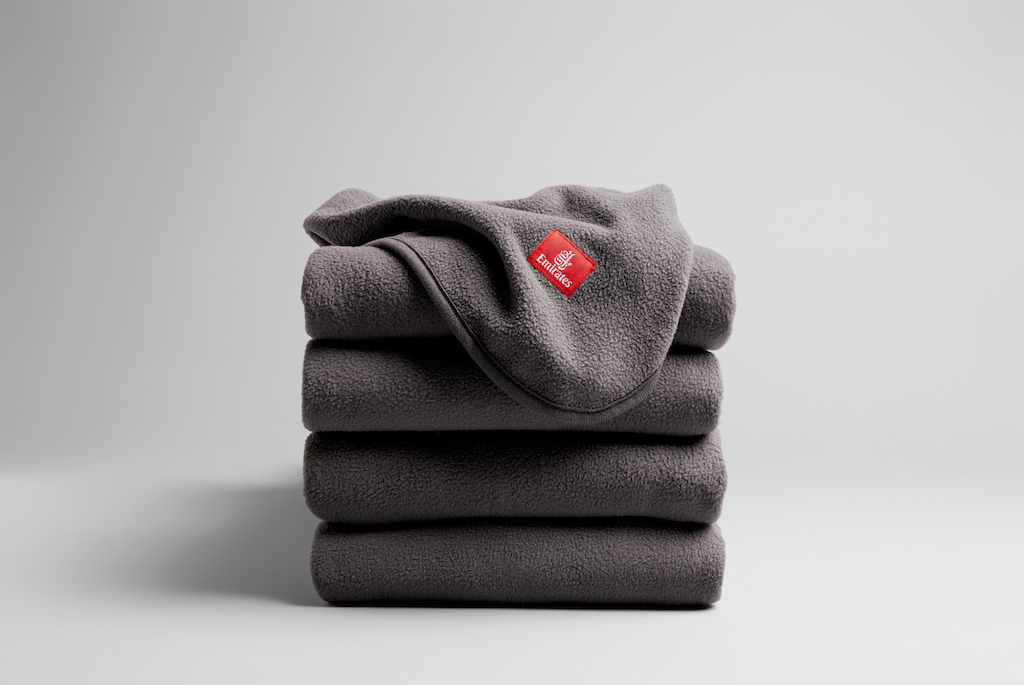
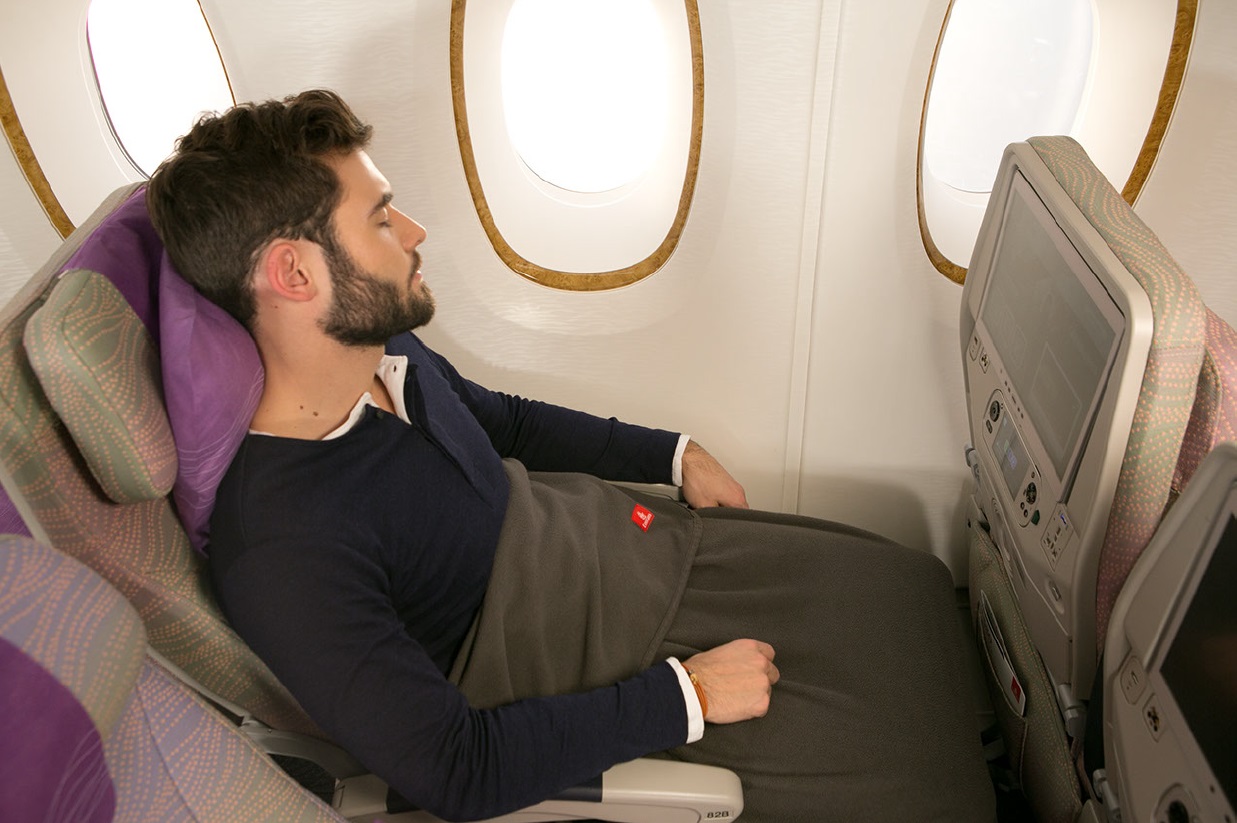
And now economy class passengers on long haul flights – who already receive amenity kits filled with useful items such as an eye mask, earplugs, toothbrush, toothpaste and socks – are able to snuggle up beneath environmentally-friendly blankets made entirely from recycled plastic bottles.
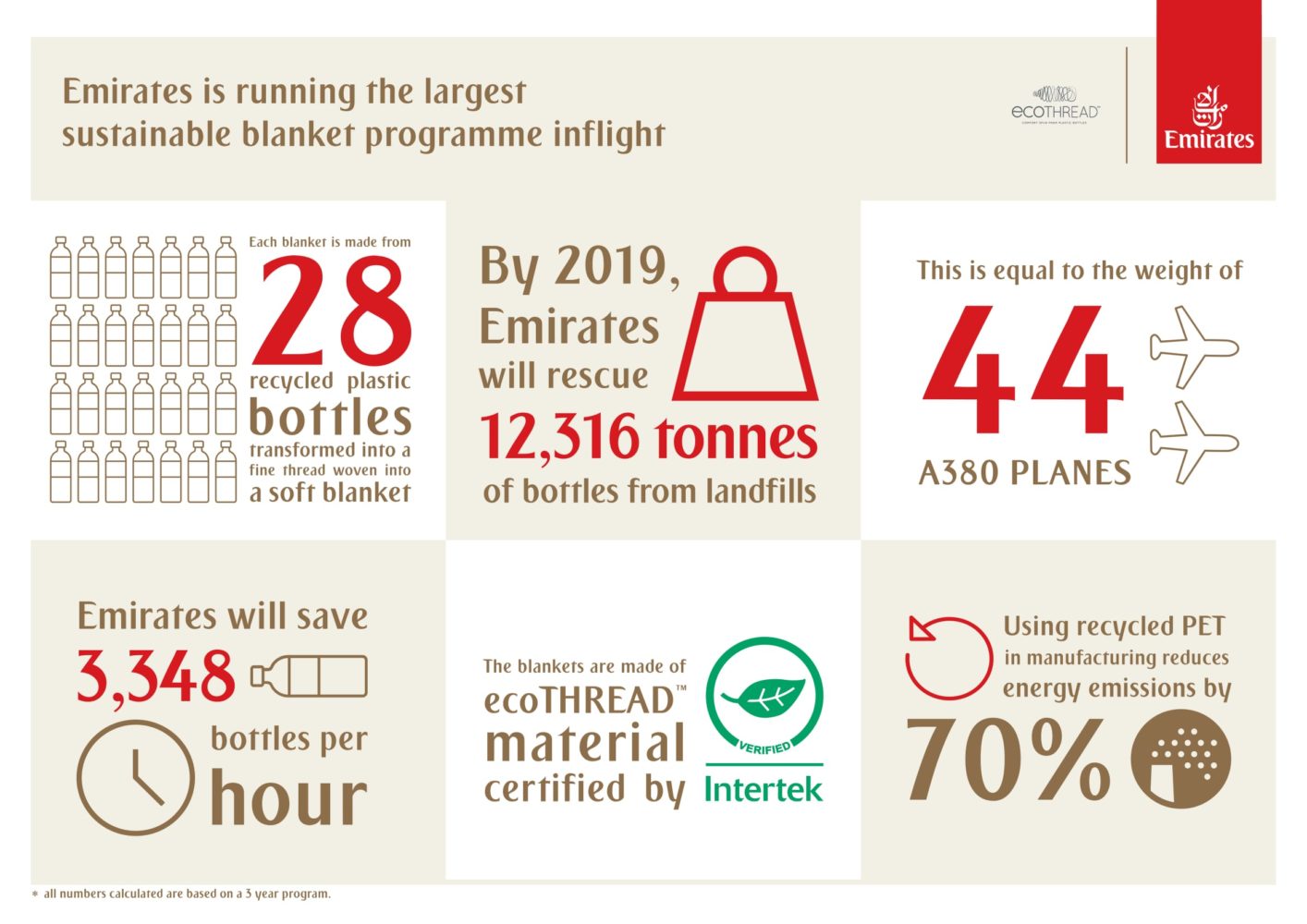
Each blanket is made from the equivalent of 28 recycled bottles that have made using the ecoTHREAD patented technology that first turns the bottles into plastic chips, then into yarn, and then into threads of polar fleece material that can be woven into soft blankets.
“I found them to be softer and warmer than the standard blankets most airlines provide,” said Carol Pucci, a travel writer who documented her recent Emirates flight from Seattle to Dubai in the economy cabin.
Like many other airlines, Emirates has sustainability program that includes collecting and recycling aluminum cans, plastic and glass bottles and paper, including magazine and newspapers, used on board.
The ecoThread blankets come to Emirates via Buzz, a company specializing in inflight products.
By adopting the ecoThread blankets for economy class, Emirates says it will reduce energy emissions and, after three years, will have diverted 88 million plastic bottles from landfills – the equivalent weight, the carrier notes, of 44 A380 aircraft.
And while Emirates now claims to have the largest sustainable blanket program in the airline industry, it is not to the first airline to carry the ecoThread blankets onboard.
That honor goes to Australian low-fare carrier Jetstar, which began using the blankets in 2015.
It’s been a big A380 week for DFW International Airport:
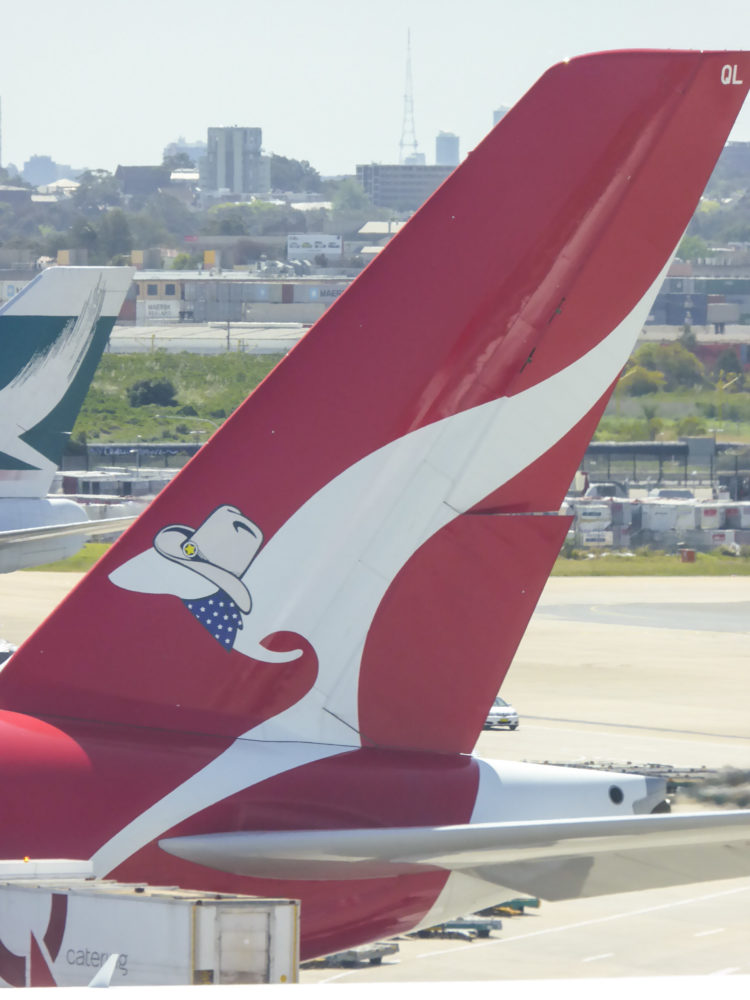
On Monday, I was pleased to be on board when Qantas began flying the world’s largest airplane – the Airbus A380 – on the world’s longest nautical route – from Sydney to Dallas/Fort Worth.
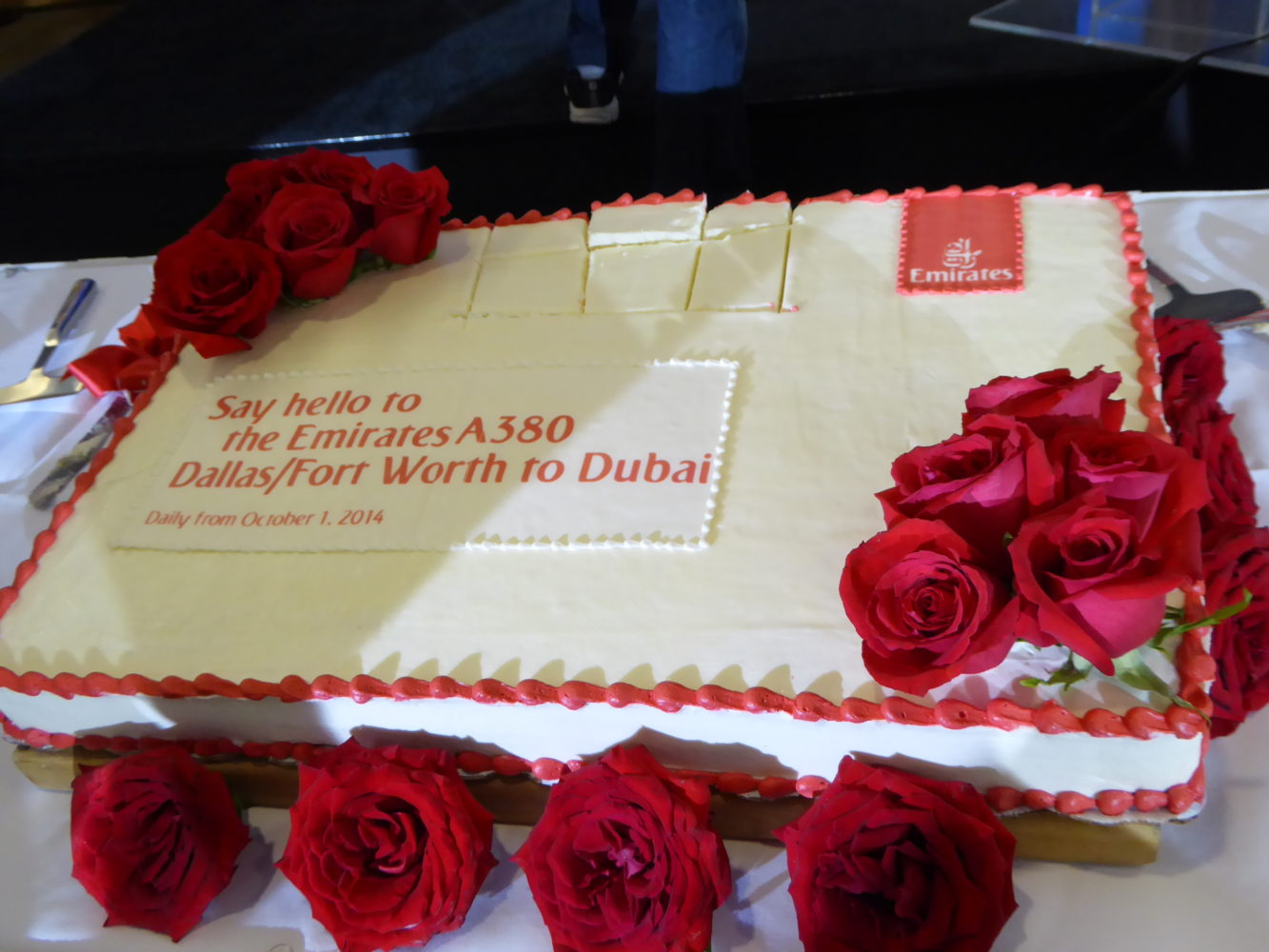
On Wednesday, DFW International Airport celebrated the arrival of another A380: this one belonging to Emirates and arriving from Dubai.
As part of the celebration on the ground, not cupcakes, but cake.
Qantas Airways has rolled out a few enhancements to its international Business service aimed at helping customers sleep better and eat better during the flight.
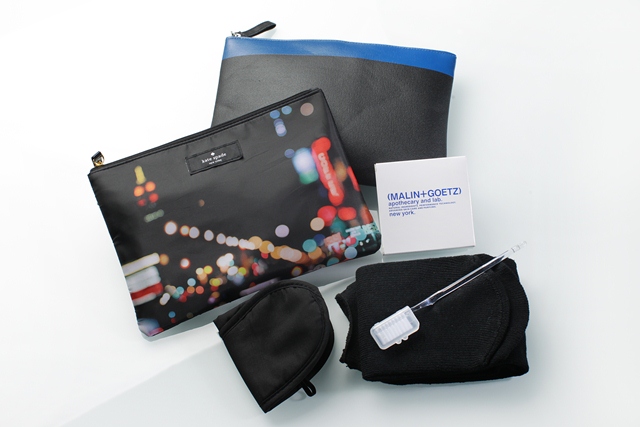
In the business class cabin, mattresses will be added to the Skybeds on international flights and duvets will be handed out instead of blankets. The airline will also be handing out Kate Spade New York and Jack Spade amenity kits that include, among other items, a biodegradable toothbrush.
The airline is also offering business class passengers a meal option called Select on Q – Eat. 72 to 24 hours before they board, passengers may choose their meals and choose when they’d like to eat them. The program was tested on the airline’s Los Angeles route and seemed to be popular, so now the option is being added to other flights beginning in mid -November.
A new after-flight amenity was recently announced as well: beginning in April 2013, business and first class passengers on flights longer than 12 hours will be able to take advantage of door-to-door car service; if the proposed partnership with Emirates gets regulatory approval.
On a hosted trip to Dubai from Seattle on Emirates a while ago, I was able to use this service to get home from the airport. After a very long flight, having a car waiting to whisk me home was not only incredibly convenient, it extended that “I’m flying business-class-and-I’m-being-treated-like-a-special-person” feeling all the way to my front door. A nice perk that I think about every time I have to make my way from the plane to the train and then to the bus in order to get home after a flight.