Stronger Public Health Protocols for Safe International Travel: Last month, the Administration implemented stronger international travel protocols, including requirements for foreign travelers to be fully vaccinated. The very day the WHO identified the new Omicron variant, the Biden Administration took immediate steps to restrict travel from the countries in the region where it was confirmed to be spreading quickly.
Strengthening global pre-departure testing protocols: Early next week, the United States will tighten pre-departure testing protocols by requiring all inbound international travelers to test within one day of departure globally, regardless of nationality or vaccination status.
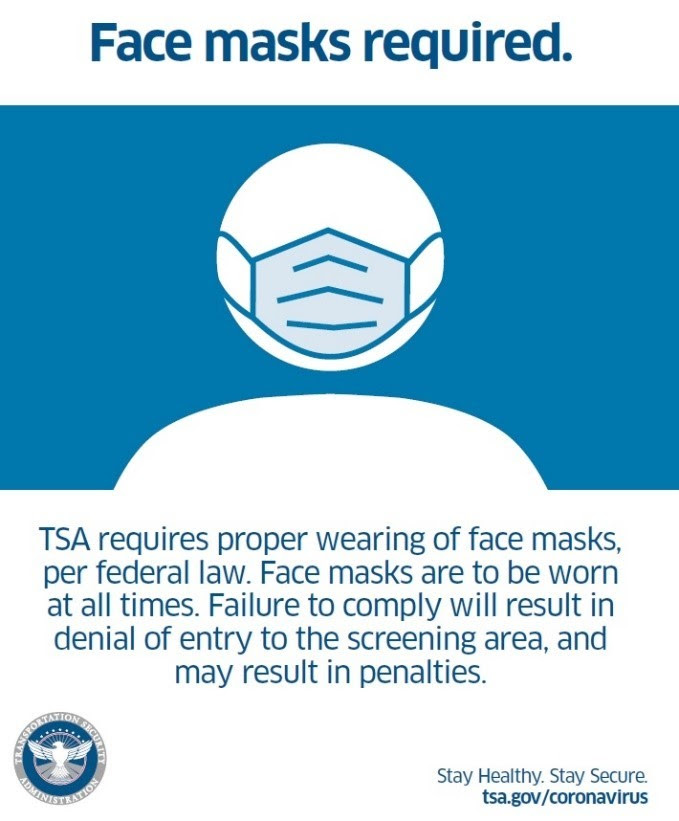
Extending the requirement to wear a mask on airplanes, rail travel, and public transportation: The Administration will continue to require masking during international or other public travel – as well as in transportation hubs such as airports or indoor bus terminals – through March 18. The Transportation Security Administration will extend its implementing orders to maintain these requirements through March 18. Fines will continue to be doubled from their initial levels for noncompliance with the masking requirements – with a minimum fine of $500 and fines of up to $3,000 for repeat offenders.
Wednesday evening, Reuters and other news outlets were reporting that on Thursday, President Joe Biden will extend through mid-March the mask mandate for travelers at airports, and on airplanes, on trains and in train stations, and on buses. The current mandate was set to expire on January 18. The mandate also covers ships, ferries, and seaports, subways and subway stations, taxis, and ride-hailing services.
Travelers who do not comply are subject to fines.
The unruly passenger trend has ⬇️ from last week, but it's still too high! Unruly Passenger # since 1/1/2021: – 5,114 unruly reports – 3,710 refusing to wear a mask reports – 973 investigation initiated – 239 cases with penalties Learn more https://t.co/ISiblzAzGipic.twitter.com/i9EcUiCota
In response to concerns about the Omicron variant of the coronavirus, the White House is also expected to announce stricter testing rules for air travelers entering or returning to the United States, including reducing the pre-flight Covid testing window to just one day prior to travel.
We’ll know more about this on Thursday, but it is likely to wreak quite the havoc with international travel plans as we head into the December holidays and the new year.
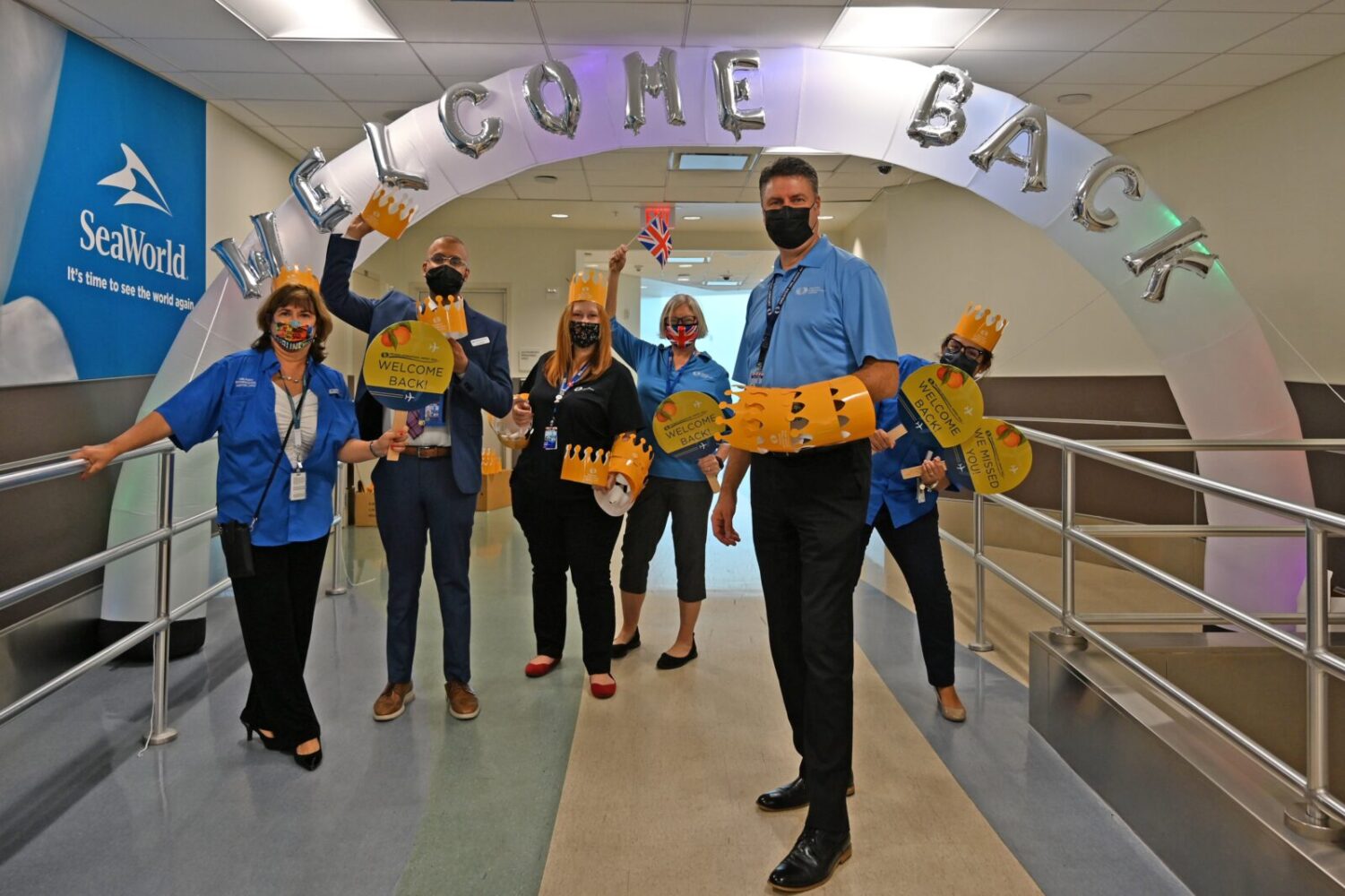
The United States began welcoming back vaccinated international travelers on November 8. Here’s how some airports around the country celebrated. (If I missed yours, please send a link and I’ll add it.)
— San Francisco International Airport (SFO) ✈️ (@flySFO) November 8, 2021
International #travel is back and we are so happy to see everyone again! We've missed all your smiling faces and can't wait to take you to new places. From all of us here, welcome back to #ATLAirport! 🤗❤️✈️ pic.twitter.com/gsdaBLSnII
Welcome back world! After nearly two years of being apart, federal restrictions on international travel ease today. LAX is ready to welcome back foreign visitors. Facilities are safe, clean and offer the latest technology to speed up entry and exit. #LAX#WelcomeToLApic.twitter.com/uTIiQhF3Ku
We’re ready to welcome more vaccinated visitors from overseas! Starting today, the federal government lifted COVID-19 travel restrictions for fully vaccinated international visitors. https://t.co/sKKkBihm3I#flySEApic.twitter.com/aQSyeGMT8J
Flights were greeted like royalty with scrummy treats, a photo booth and lots of happiness and excitement from our staff, friends and families at the airport. pic.twitter.com/PZtGFQV7oD
The detector dogs are specially trained by the Global Forensic and Justice Center (GFJC) at Florida International University (FIU) and will be on duty at an employee security checkpoint.
The two dogs in the pilot program at MIA – Cobra (a Belgian Malinois) and One Betta (a Dutch Shepherd) – have been trained to alert to the scent of COVID-19.
How do they do that? According to a statement from MIA, the virus causes metabolic changes in a person that result in the production of volatile organic compounds (VOCs). The VOCs are excreted by a person’s breath and sweat, producing a scent that trained dogs can detect.
During this test, which MIA says is the first at a US airport, if a dog indicates someone is carrying the odor of the virus, that person will be directed to get a rapid COVID test.
Robot Food Delivery at SEA Airport
More ways to get your food at Seattle-Tacoma International Airport
Seattle-Tacoma International (SEA) has joined the growing list of airports offering a mobile food ordering service.
OrderSEA works with the Grab and At Your Gate programs to offer pick-up and gate delivery options from 16 airport food outlets, with more on the way.
There is a tipping option available in the app and a small fee for delivery. And while you may not order alcoholic drinks for delivery, you may order from any participating post-security food outlet.
So if you are at the A Gates and you’d like something from the newly-opened Tundra Taqueria in the N Satellite, go ahead and order it.
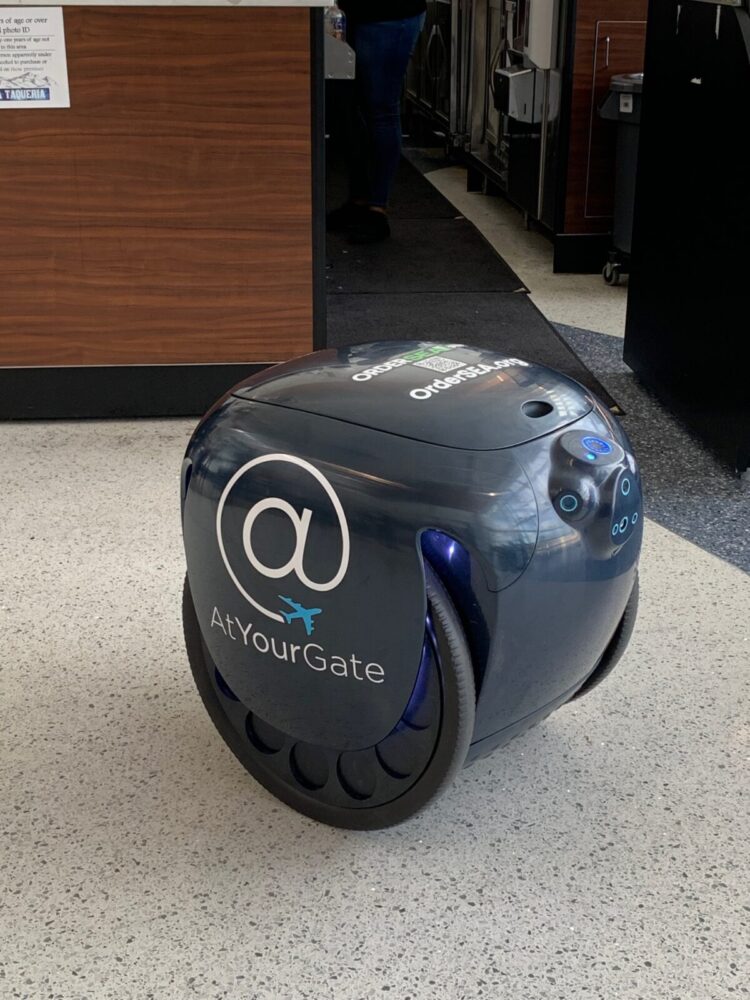
As a bonus, some travelers who order gate delivery will find the At Your Gate delivery person accompanied by this very cute Gita robot.
At Your Gate has robots helping to deliver food at several other airports, including Los Angeles International (LAX), where they have named the robot NomNom.
What’s the best part of taking a cruise around Iceland right now?
The food? The views? The waterfalls? Take your pick.
We’re fully vaccinated. But were we worried about traveling out of the country when the COVID-19 pandemic isn’t yet officially over?
You bet.
Still, when Viking Cruises sent an invite for a cruise around Iceland on the Viking Sky on one of the voyages in the “Welcome Back” collection, we said yes.
Just getting to go somewhere was an attraction of course. And there are now many researched-during-the pandemic places on our go-there-soon list.
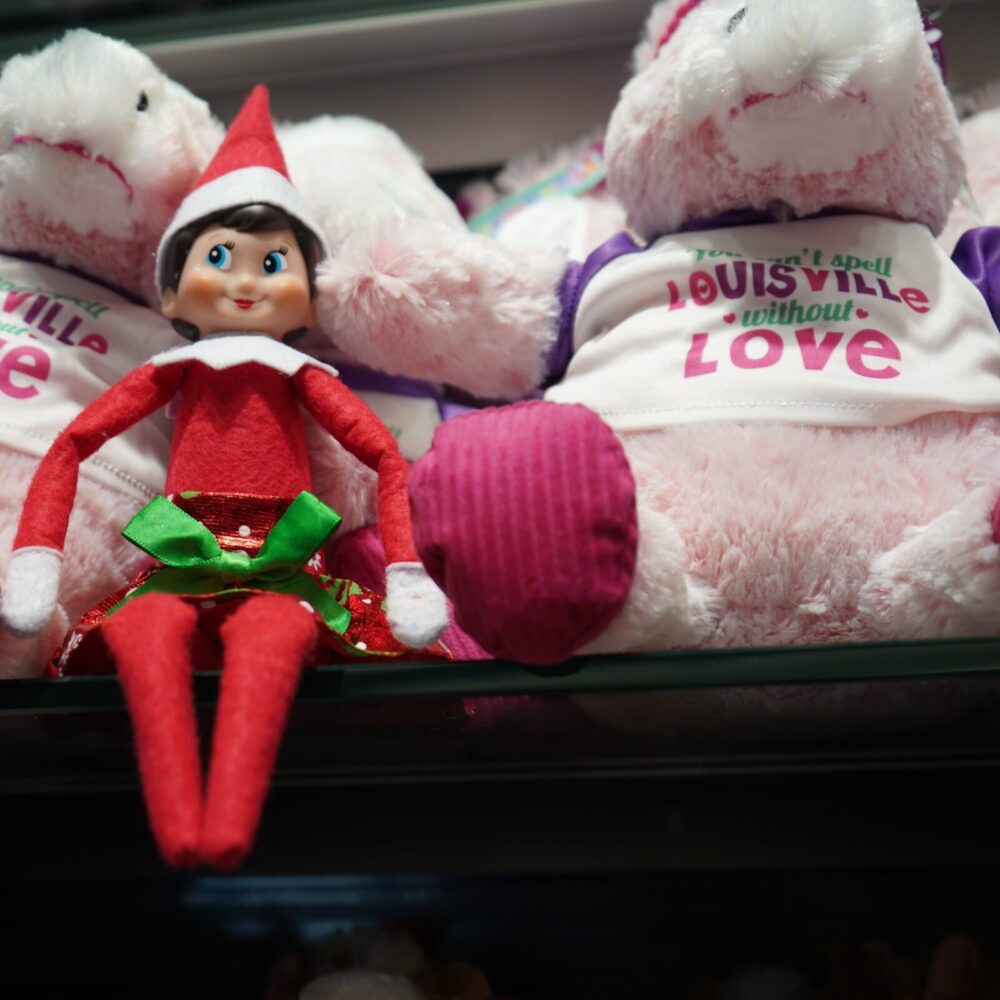
But Iceland went to the top of the list when we took a look at the cruise itinerary and contemplated all the waterfalls, fjords, and elf-anointed landscapes we’d get to visit.
Viking’s Health and Safety program and COVID-19 prevention and mitigation plans, as described, were an attraction too.
Before the cruise, passengers had to provide proof of vaccination and fill out multiple health surveys. (I was a bit late on the uptake with that and got a phone call gently reminding me to get with the program.)
And in addition to wearing masks on board and while out on excursions, we had to agree to daily temperature checks, to wear contact-tracing devices, and to take daily non-invasive PCR tests once on board.
We were assured that crew members would be wearing the contact tracing devices and be tested daily too.
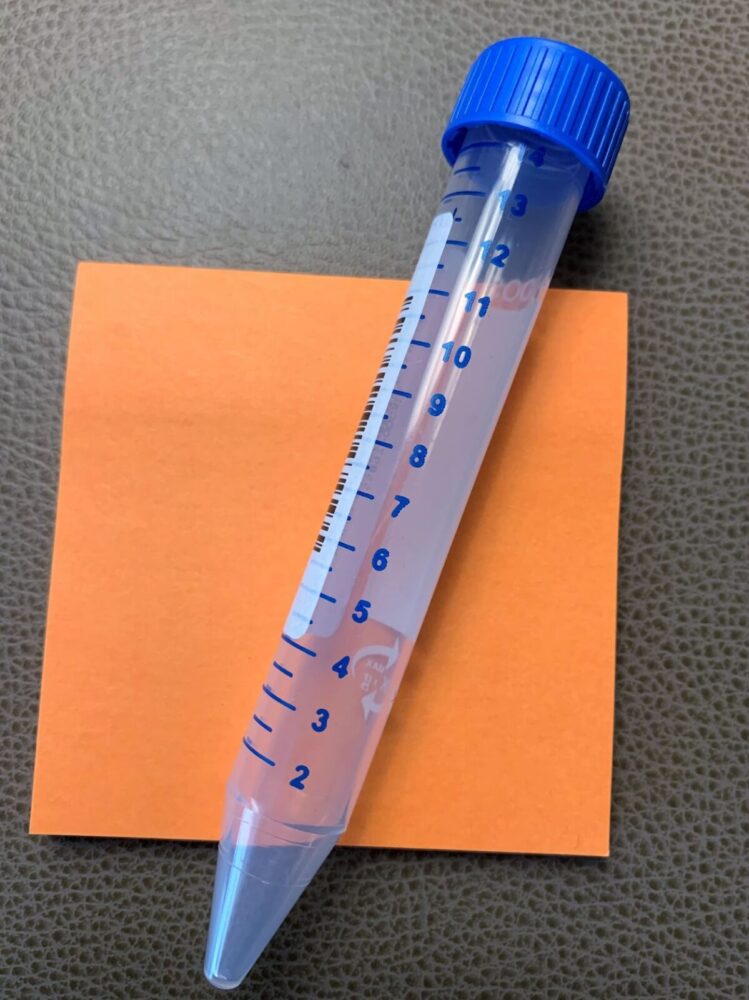
That PCR testing involves spitting into a tube left in our staterooms each night.
And to be honest, filling the tube to the required line isn’t that easy. And it is certainly not ‘cruise fun’ to be reminded by a staff member to take care of this task before leaving the cabin each day.
But it is important.
What happens to all that spit?
All the tubes get delivered daily to the onboard lab Viking has created on the ship. (Each Viking ocean ship has one now.) And the team in that lab uses highly sensitive equipment to test and evaluate all those PCR tests each day.
As we learned a few days into this cruise, this protocol works very well.
Although everyone on board is vaccinated, the lab discovered a suspected positive case of COVID_19 on board.
That fully vaccinated and asymptomatic guest was quickly re-tested and isolated in a dedicated section of the ship. The contact tracing system was activated.
We have another level of safety on board that has been protecting passengers from COVID-19: A pair of UV sanitizing robots, named R2 and D2. While passengers sleep, these efficient machines are sent into public spaces such as the fitness room and the atrium to UV-away any viruses that may be hanging about.
Still, the Icelandic authorities are making the Viking Sky skip some scheduled port visits. But because the onboard protocol is so extensive and efficient, there is no need for the rest of the passengers on board to restrict activities as we head back to Reykjavik.
There is no shortage of alcohol, sushi, or fact-filled lectures. And there are no other cases of COVID-19 discovered. (Yes, we keep spitting).
So we are all fine. It is, after all, a cruise ship filled with wonderful amenities and incredibly enthusiastic staff. There is no need to feel sorry for this merry band of cruisers.
[Update: the bars are now open. And Viking’s Chief Health Officer has arrived in Iceland to meet with officials and ensure the cruise line’s protocols are in sync with the country’s health officials and the Coast Guard. ]
As is their way, the team at Viking Cruises is keeping everyone very informed of what is happening – or not – and offering generous partial refunds (50% ) to customers, many of whom are already talking about their future cruises.
And as I move about the ship I hear disappointment, of course, but barely a grumble.
And that is why we are happy to spit on Viking Cruises.
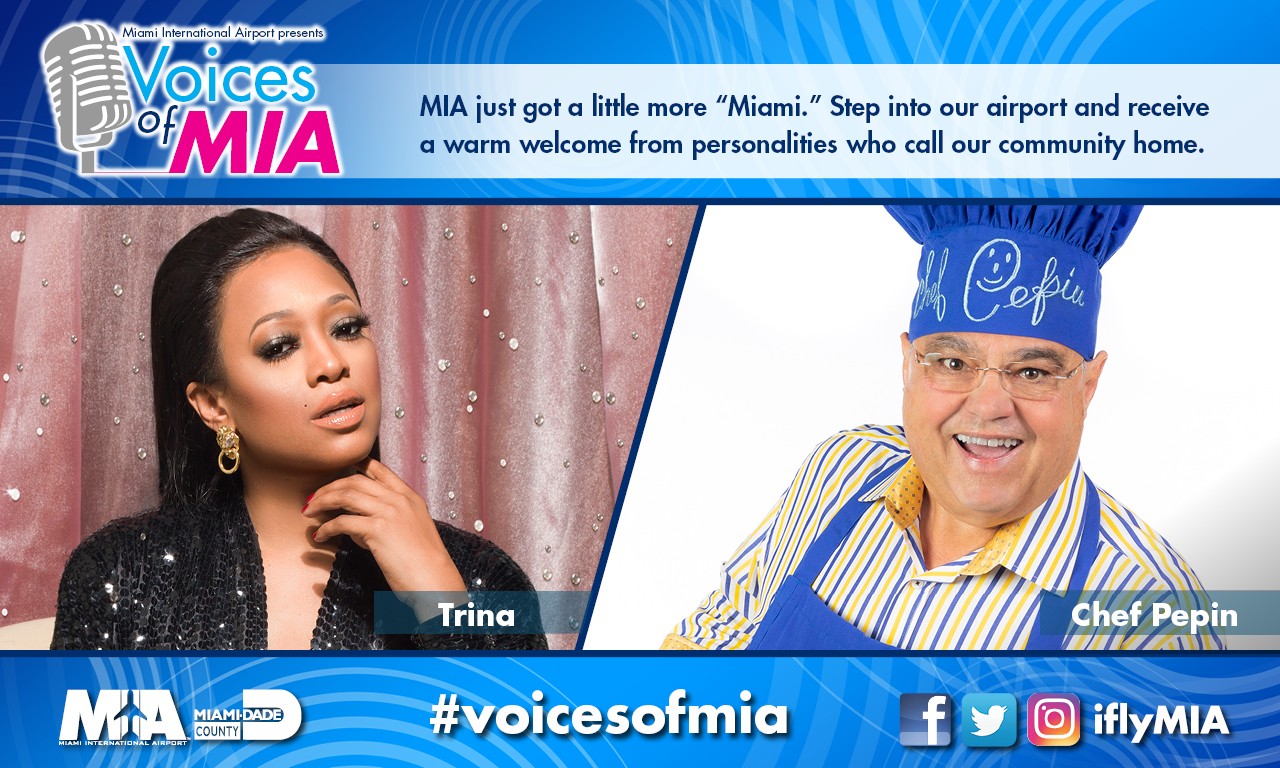
The Voices of MIA program launched in 2019 and featured the voices of local celebrities including Miami Heat stars Alonzo Mourning and Udonis Haslem, celebrity chef Adrianne Calvo, Grammy-winning producer Emilio Estefan and telenovela star Jencarlos Canela.
The refreshed 2021 series of celebrity welcome messages includes rapper and singer Flo Rida; actor, singer and composer Carlos Ponce; celebrity chef Michelle Bernstein; rapper and TV personality Trina; and celebrity chef and TV personality Chef Pepín. Listen for the messages on MIA’s address system around the clock on a rotating basis.
And if you’re traveling through Miami International Airport, or have friends or family meeting you there or dropping you off, keep in mind this is one of the airports hosting a free COVID-19 vaccination site through July 31.
#TravelAdvisory: We will be offering COVID-19 vaccinations daily from 7 am-7 pm in the International Greeter’s Lobby in CC J through July 31.
MIA’s Military Hospitality Lounge recently reopened as well.
📢 Our Military Hospitality Lounge has officially reopened! Military personnel, veterans, and their families now have one more place to rest and relax during their travels. ✈️
A COVID-19 vaccination site at Miami International Airport will be providing free one-dose Johnson & Johnson COVID-19 vaccines to all individuals 18 and older daily through June 18, from 7 a.m. to 6 p.m., except for June 8-9. Walk-ups are accepted with no appointment or pre-registration necessary.
The vaccination site is located at MIA’s Concourse D, 4th Floor Auditorium, upstairs from Door 1.
Fresh exhibits at SFO Airport, courtesy SFO Museum
United Air Lines uniform 1973 Designed by Jean Louis (1907–97)
The inaugural exhibition in the new Harvey Milk Terminal 1 gallery at SFO features bright an colorful flight attendant uniforms from the past from the 1960s to 1970s.
Braniff International Airways “727 Braniff Place Blue Pant Collection” uniform 1972 Designed by Emilio Pucci (1914–92)Braniff International Airways “Classic Collection” uniform 1968 Designed by Emilio Pucci (1914–92)
Look for Flight Patterns: Airline Uniforms from 1960-1970s post-security in SFO Terminal 1 through mid-March 2022.
SFO Museum also just launched a next exhibition titled Stoneware Stories in the pre-security area of the International Terminal on the Departures Level. This exhibition will be on view through January 23, 2022.
Pieces on exhibis include antebellum alkaline-glazed stoneware made by Thomas Chandler, David Drake, Collin Rhodes Factory, and other Edgefield District pottery manufacturers from South Carolina.
Note: I was compensated by Project Screen by Prenetics for this post. All thoughts and opinions are my own.
Thinking of traveling internationally?
Italy, France, Greece, Croatia, and Iceland are among the countries already opening their borders to vaccinated travelers. And on Friday, the EU is expected to finalize details on how all member countries will move forward to welcome vaccinated Americans.
But what if you want to travel to the UK from the US?
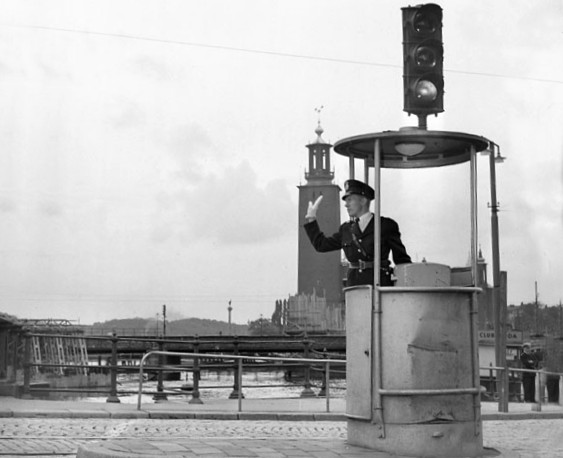
The UK is using a traffic light system for people traveling to England from outside the UK, with countries categorized on the green, amber, or red lists.
Each color has an accompanying list of rules regarding testing and quarantining.
Courtesy Project Screen by Prenetics
The US is on the Amber List – For Now
The status may change depending on a wide variety of factors, including the spread of coronavirus variants, but as of May 28, the United States is on the amber list.
Here’s what that means:
Whether or not you have been vaccinated, if you want to travel from the United States or have been in an amber country or territory in the 10 days before you arrive in England you must:
On arrival in England, travelers will need to take a COVID-19 test on or before day 2 after arrival.
No quarantine will be required if the COVID-19 test is negative.
Getting a COVID-19 test in England
Many companies offer the required COVID-19 testing in the U.K. One example is Project Screen, a Prenetics owned company that provides private PCR testing via at-home test kits and via walkup testing pods, with results returned securely online within 24 hours of the lab receiving the swab.
Costs can vary, with some airlines and travel agents offer discounts on tests. And there has been an effort to have the VAT tax removed from testing to help lower the costs.
Are you hoping to travel the England sometime soon? Let us know what your experience is with the traffic light system.
A growing wave of relaxed restrictions, along with an increasing number of vaccinated Americans, is leading to a surge in “vaxications” and other trips, after a year of pandemic-induced lockdowns.
Mothballed restaurants, hotels and attractions, canceled cruise seasons, and record low airline passenger traffic are making way for a brisk uptick in travel plans. Around half of Americans set to take a trip in the next three months, according to an analysis from the U.S. Travel Association.
“People have an 18-month supply of events, visits and vacations to catch up on,” said Michael McCall, professor of hospitality business at Michigan State University. “There is a substantial pent-up desire to travel. Families have not hugged or spent time together.”
After more than a year of closure, Disneyland looks set to open in April, along with many other theme parks. Dollywood theme park, for example, in Pigeon Forge, Tennessee, opened for the season last weekend, just in time for spring break, as is its tradition.
Live indoor music has already returned to New Orleans, although dancing inside clubs remains prohibited.
Business is brisk right now at Biloxi Shrimping Trip in Biloxi, Mississippi, which got hit hard during the pandemic. In March 2020, “we lost all our group travel clients and walk-up business for the year in just a few days,” said owner and operator Mike Moore, “But the start of 2021 has been surprisingly busy, even compared to last year. Our vessel has been operating steadily with walk-ups and the phone is starting to ring for groups visiting in the fall and also for spring of 2022.”
Urban areas are seeing visitors return, too.
“Since the beginning of February 2021, we have begun to see more travelers from outside our region,” said Rudd Schupp, chef concierge at tourist information center Visit Seattle.
While great airfare deals have lured some to Seattle from California, Utah, Montana and Texas, many visitors from the neighboring states of Oregon and Idaho “just wanted to get in the car and drive somewhere,” Rudd said.
Road trips were popular last summer, but even more people could be hitting the road this summer. Travelers in a recent TripIt survey said they will be ready to head out on a road trip as early as June in a personal car (83 percent) or in a rented car or RV (60 percent), with more than 60 percent planning to drive for Memorial Day, Fourth of July and Labor Day trips.
Many of those trips will include hotels stays, but many road trippers will stay in their RVs and in campgrounds.
Jon Gray, CEO of RVShare, a peer-to-peer RV rental marketplace, said bookings for spring break are already up by 114 percent compared to last year.
Private and public campgrounds are also seeing an uptick in reservations, with some opening earlier than usual this year. Advance reservations were already up by 150 percent as early as January at many campsites affiliated with the Jellystone Park franchise network, which has nearly 80 family campgrounds across the U.S. and Canada. Campspot, a campground reservation software system, said guests are booking longer and more frequent trips, with a nearly 300 percent increase in guests booking multiple trips.
Even the hard-hit cruise industry is hoping to salvage some of its 2021 season. While the Centers for Disease Control and Prevention lifted its no-sail order in October, the restrictions in the Framework for Conditional Sailing Order that replaced it have led most major cruise lines to voluntarily extend their sailing suspensions.
Some cruise lines have announced that when cruises return, all crew and passengers will be required to have proof of negative Covid-19 tests and vaccinations. In the meantime, “we continue to see significant interest among cruisers in returning to sea,” said Colleen McDaniel, editor-in-chief of Cruise Critic.
Based on a recent survey of our readers, 42 percent shared that they are currently looking to book a future cruise — and a majority of those are looking to sail within the next 12 months. So, though they are not yet able to sail, they’re eager to do so when the time is right,” McDaniel said.
Air travel has already picked up significantly, with the Transportation Security Administration screening the largest number of passengers last week since the pandemic hit. While the numbers are still way down compared to pre-pandemic times, traffic is rising enough to give airlines confidence to bring back many paused routes and introduce new services: Hawaiian Airlines just launched a new nonstop service from Orlando, Florida, to Honolulu; JetBlue Airways will soon begin flying between Hartford, Connecticut, and Miami; and American Airlines announced 10 new, returning and seasonal routes out of Austin, Texas.
“Airlines are seeing more people shopping for flights on their websites and they are getting more queries through travel agencies. They are seeing booking volumes build,” said Henry Harteveldt, president of Atmosphere Research Group. “Because international travel restrictions still exist between the U.S. and many countries, most of the demand is domestic or to the few countries where Americans are allowed to visit, such as Mexico and Costa Rica. But there is hope on the horizon.”
Passengers whose flights or travel plans were canceled during the pandemic are also sitting on billions of dollars of travel vouchers, many of which expire soon. “Airlines want you to use that credit, so this may be a great summer for people to get out on the road and into the skies,” Harteveldt said.
Travel experts say anyone wishing to take a trip should be exercising caution, especially in light of the CDC’s recommendation that travel be avoided where possible, even for passengers who are vaccinated.
“If you’re considering travel sometime this year, it’s more important than ever to do your due diligence ahead of any trip to ensure it is safe and enjoyable,” said Paula Twidale, senior vice president for AAA Travel.
Dreaming about travel? Us too. But how will our journeys be changed by the pandemic?
(This is a slightly different version of a story we prepared for NBC News.)
Sanitizing stations, “stand here, not there” floor stickers, and cotton swabs up the nose were not part of the travel experience before the COVID-19 pandemic.
But as travelers edge their way back into airports and hotels and onto airplanes, cruise ships, and ski slopes, they will be dealing will all that – and more.
But for how long? We asked some industry experts to tell us which new travel trends, technologies, and protocols they think will stick around.
Who will travel and what will they expect?
“Businesses are connecting with their customers virtually and leisure travelers are discovering the joys of staying local,” says Chekitan Dev, a professor at Cornell University’s School of Hotel Administration in the SC Johnson College of Business. “Many business travelers will lower their number of trips, and leisure travelers will shift from ‘hyper-global’ to ‘hyper-local’ travel for the foreseeable future.”
For well into 2021 travelers will be expected or required to wear masks and observe physical distancing. And airlines, airports, hotels, and cruise lines will be expected to continue making health, safety, and cleanliness a priority.
“People will look at a dirty rental car or bus or airport or airline cabin or hotel room and wonder, ‘Uh oh, am I putting myself at risk?’ says Henry Harteveldt, a travel industry analyst at Atmosphere Research Group. “Travelers will continue to hold travel brands’ feet to the fire to keep their facilities clean.”
Entertainment
Once we move past this pandemic “we’re going to have amnesia about some of this and likely go back doing many of the same things we used to do before,” says Devin Liddell, futures and design strategist with Seattle-based Teague global design consultancy.
Theme parks, museums, and other attractions will reopen, and Liddell says the best operators will retain systems put in place to orchestrate the flow of people. For example, “ski resorts that require reservations will likely create a better experience for everyone on the lift lines,” he says.
Hotels
Hotels will likely maintain flexible cancellation policies and keep in place the intensive protocols for cleaning guest rooms and public spaces.
But instead of housekeeping only upon request or not at all during a stay, “elective housekeeping will be more about providing guests with an easy ‘opt-out’ of housekeeping services,” says Bjorn Hanson, adjunct Professor at New York University’s Tisch Center of Hospitality.
Cruising
Most major cruise lines are maintaining – and extending – the voluntary suspensions of sailings until sometime in 2021.
When sailings resume there will be changes onboard.
“The buffet will move away from the more traditional self-serve approach toward a more crew-served style – something that lines have already said will likely be a more permanent change,” said Colleen McDaniel, Editor-in-Chief of Cruise Critic. And “changes to muster drills could also stick around beyond the pandemic. Rather than mass events that put all passengers in small spaces at once, we’ll continue to see this more self-driven.”
Airports
At airports, “the pandemic has dramatically accelerated the adoption of countless new technologies and protocols to keep people healthy and safe and streamline the entire air travel experience,” says Kevin Burke, president and CEO of Airports Council International-North America.
“Many of these changes will outlast COVID-19,” he adds.
Those technologies and protocols include sanitizing robots, restrooms that alert maintenance crews when cleaning is needed, contactless check-in, bag check and credential authentication, and the increased ability to order and pay for food or duty-free items from a mobile device and receive a contactless delivery anywhere inside the airport.
The current pandemic will change future airports as well.
“We plan to implement many public health procedures into the design of our new terminal building,” scheduled to open in 2023 said Christina Cassotis, CEO at Pittsburgh International Airport, “It will be the first post-pandemic terminal to open in the country that will be designed with these issues in mind.”
Materials in airports are going to change, too, says Luis Vidal, president and founding partner at Luis Vidal + Architects. “The use of new photocatalytic devices based on antibacterial, antiviral, and ‘autocleaning’ material, such as titanium dioxide, silver or copper, in high-use areas will become the norm.”
Airlines
(PRNewsfoto/United Airlines)
Airlines will maintain stringent cleaning and sanitizing protocols. Generous rebooking and cancelation policies may stretch out for a while. But most airlines will soon stop blocking middle seats.
Coming back soon: the full range of in-flight services, especially at the front of the plane.
“The traveling public is not happy with the bare bones on-board experience right now,” says Harteveldt of Atmosphere Research. “They understand the need for limits, but people are saying they won’t accept paying for a premium experience and getting something that is subpar.”
Vaccines, Travel Corridors, and insurance
As the COVID-19 vaccine becomes available, it may become a ‘must-have’ for travelers.
The new normal for global travel may also include digital health passports displaying a traveler’s vaccine or negative test status and, by spring, travel corridors (also known as travel bubbles) that allow travel between countries with low COVID-19 infection rates, says Fiona Ashley, VP Product & Solution Marketing SAP Concur.
While there are some great fare deals being offered right now, as demand returns, so will higher prices. And going forward, travelers will likely need to factor in the added costs of COVID-19 tests and travel insurance.
“Travel insurance may become a non-negotiable as destinations continue to require medical insurance, and travel suppliers tighten their refund policies,” said Megan Moncrief Chief Marketing Officer of travel insurance comparison site Squaremouth
“The Covid-19 pandemic highlighted the vulnerability of the global travel industry. I think travelers will be more cautious about investing in expensive trips without insurance.”
Note:I was compensated by National Car Rental for this post. All thoughts and opinions are my own.
As the holidays approach and COVID-19 concerns continue to guide every step we take outside our homes, many households are discussing, debating, and strategizing how they might take a business or leisure trip safely.
Airlines are detailing their cleaning protocols and celebrating a recent study that found the risk of exposure to COVID-19 during air travel is low. Conversely, a recent study noted that consumers deemed car rentals to be the safest mode of transportation during the COVID-19 pandemic.
To build on these studies and further reassure travelers that there’s no need to rush out on the road airlines, hotels and car rental companies are extending expiration dates on loyalty program benefits for those who must or choose to stay home. National Car Rental, for example, is extending its Emerald Club Program Free Days, previously expiring December 31, 2020, a full year, to December 31, 2021. And was the first car rental company to do so.
“Extending Emerald Club Program Free Days a full year will provide [members] with more opportunity to use the rewards that they’ve earned,” said Randal Narike, Executive Vice President, Global Mobility and Customer Experience at Enterprise Holdings. “We hope that this allows them the flexibility to rent a vehicle down the road for that much-anticipated business or leisure trip when they are comfortable and able.”
The Emerald Club is also rolling over any qualifying rentals and rental days above those needed to get the member to the next tier, giving the member a balance into the following year. Not an Emerald Club Member? You can sign up for free.
In many communities, car rental bookings are getting a boost now and into the holidays from both car owners and non-car owners who do not feel safe or comfortable using public transportation right now to travel to and from an airport. And many people feel safer being in a car by themselves now too for day trips, road trips and business travel.
The cleanliness promises and procedures car rental companies now offer make renting a car an appealing option. Staff has had time to be trained in the new systems and the programs have been road-tested.
Courtesy Port of Seattle
In preparation for my holiday road trip, I took a close look at National Car Rental’s Complete Clean Pledge, which promises that each car is washed, vacuumed and sanitized according to CDC guidelines. The system lists 20 high-touch key area that are cleaned both inside and outside of cars.
The touch points listed for cleaning caught my attention.
Some I expected. Some I had not considered or been previously concerned about, but find myself pleased to see on the list.
And some made me rush down to the garage to do a good wipe down on parts of my own car.
Here is the list:
Key/key fob
Steering wheel
Steering column
Seat belts
Center console
Door interiors
Door pockets
Door handles (interior and exterior)
Seat pockets and seat surfaces
Cupholders and cup holder compartments
Areas between seats, consoles and the seats and door