Early in the week, the inbox is full of tantalizing travel tidbits, news from destinations on our “want” list and fun events in far-off cities that tempt us to jump in the car or get on a plane.
Here’s a sampling:
JetBlue & Spirit: not gonna happen
JetBlue announced on Monday that it reached an agreement with Spirit Airlines to terminate their proposed merger agreement.
That’s a win for travelers, says Going.com’s travel expert Katy Nastro. “Even if consumers don’t fly on low-cost carriers like Spirit, they help to keep fares lower by putting pressure on the legacy carriers. Cheap flight lovers across the board can breathe a bit easier knowing competition is here to stay,” she said.
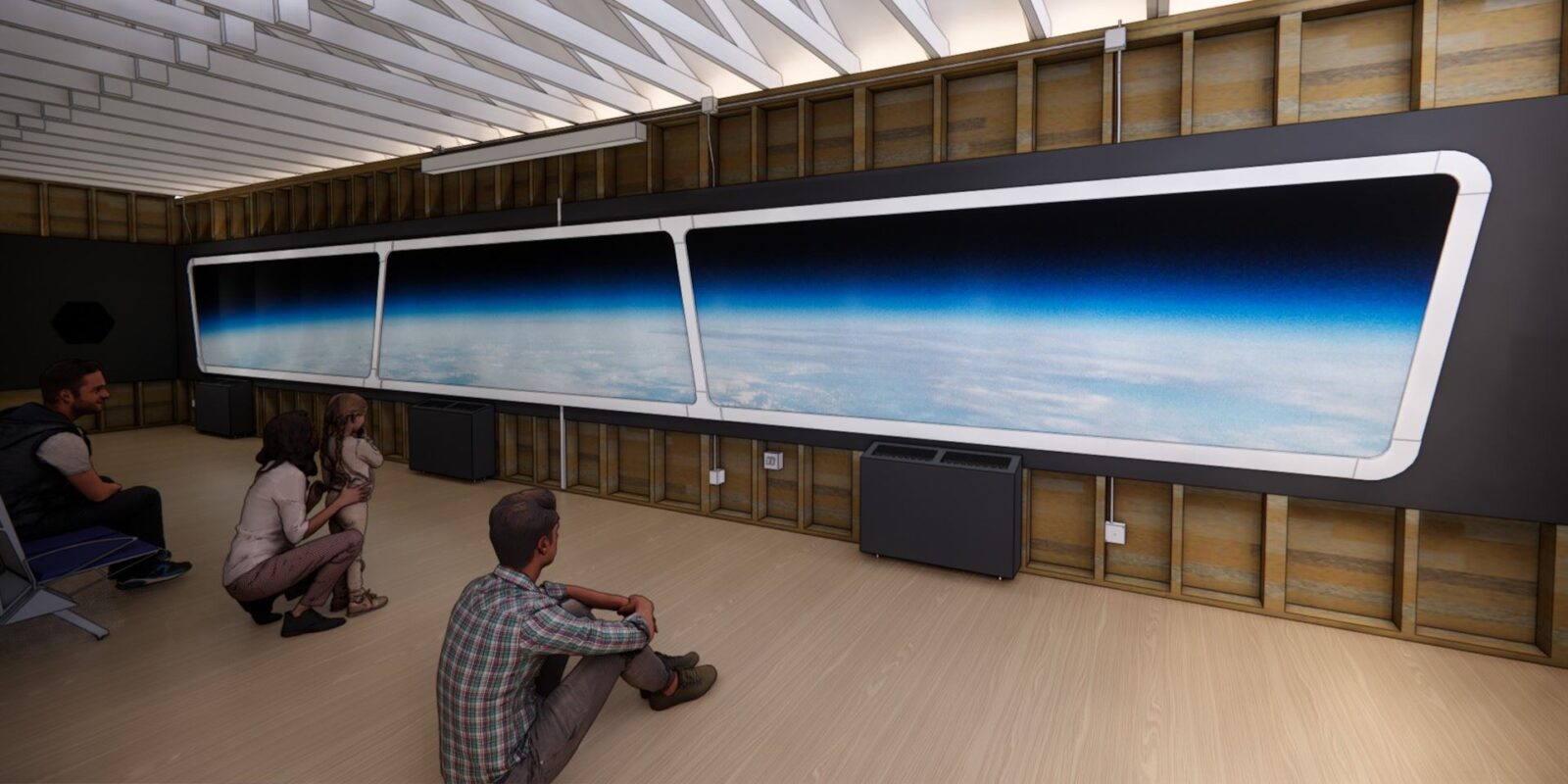
Want to live and work in space? Here’s what it may be like
(Courtesy of the Museum of Flight)
Wondering what it might be like to live, work, or vacation in space?
Seattle’s Museum of Flight is putting together an exhibit that will offer on clues.
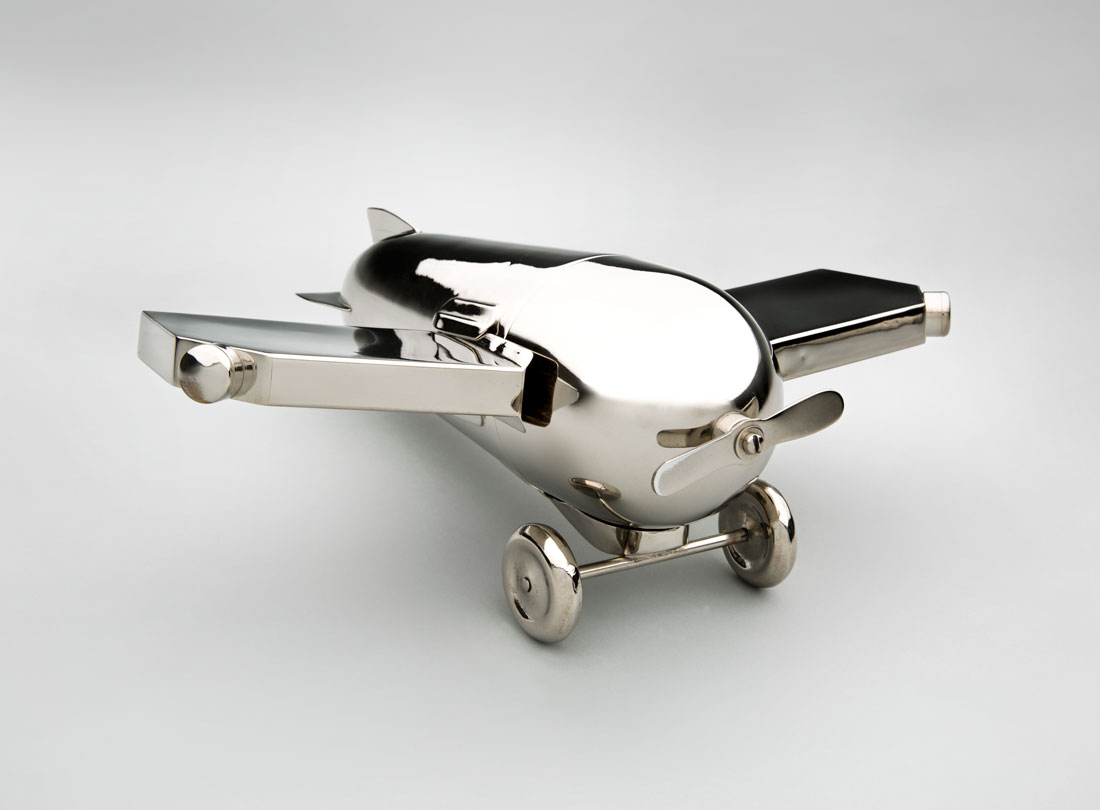
Home Beyond Earth opens June 8 and will be and will focus on space stations past, present, and future with more than fifty artifacts, models, space-flown objects, and uniforms.
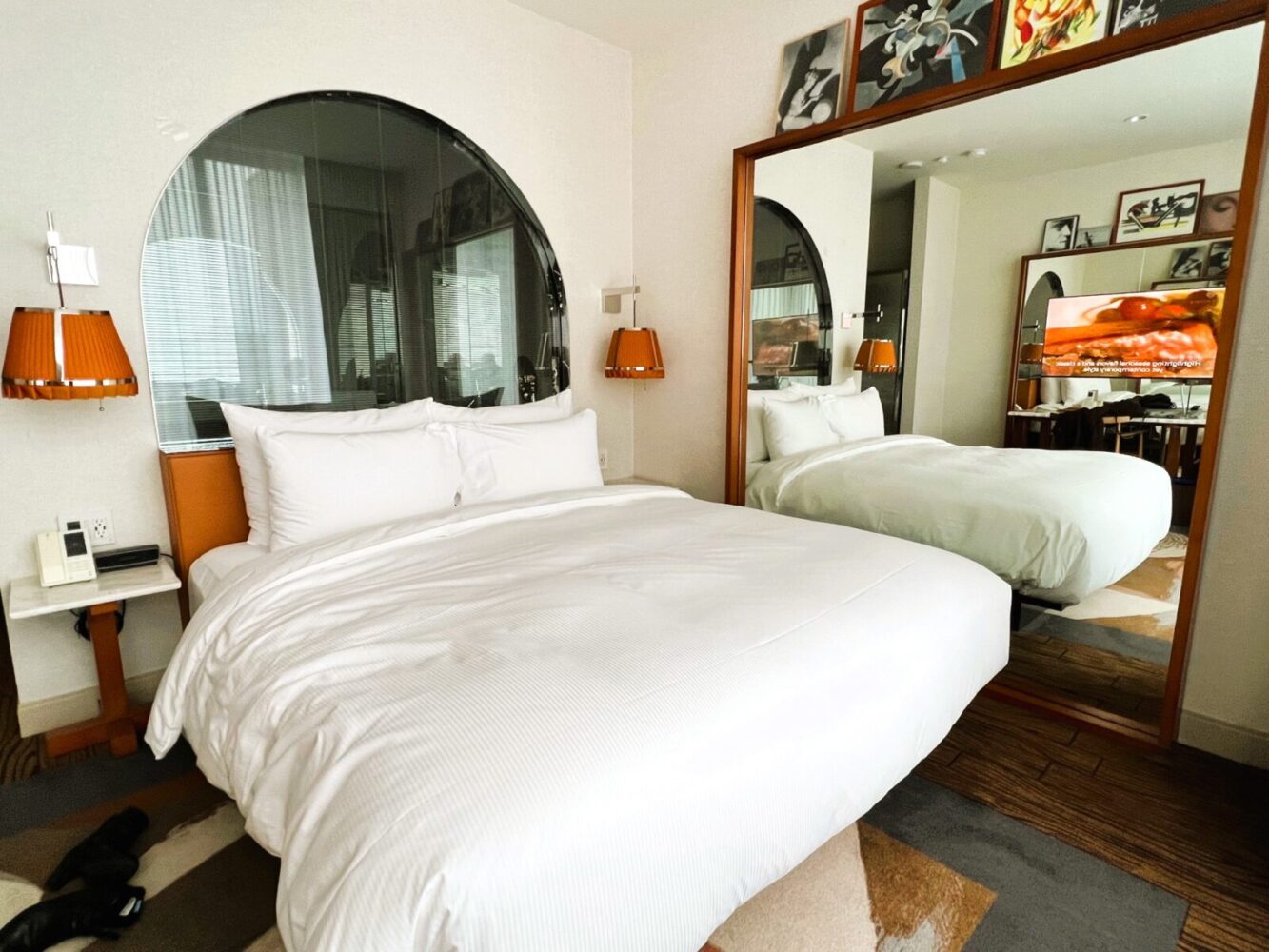
Kimpton hotels will loan you accessories.
Now that checked bag prices are up, you may be trying to lighten your load and commit to traveling only with a carry-on bag.
We’ll all for that.
And so is Kimpton.
For guests who have left key fashion accessories at home, the hotel brand now has a collection of items available for loan. At participating properties, the Forgot It? We’ve Got It! Anthropologie Accessories Collection includes bags, sunglasses, belts, necklaces, and other items guests may borrow and, if they like them, buy.
(Our travel trends story first appeared on NBC News in a slightly different form)
Consumers who got a taste of higher-end amenities during the last couple of years’ travel boom aren’t too keen to go back to basic economy.
And the travel industry doesn’t want them to.
“If revenge travel was then, emboldened travel is now,” said Erika Richter, a spokesperson for the American Society of Travel Advisors. The group sees customers taking advantage of the upgraded offerings operators are dangling.
With travel volumes still trending well ahead of pre-pandemic highs, “premium leisure travel is definitely on the rise,” said Henry Harteveldt, president of Atmosphere Research Group, which analyzes the travel industry.
At the top end of the market, the most deep-pocketed consumers are still spending heavily on high-dollar getaways and exclusive experiences. Now, airlines, hotels, and cruises are prodding passengers of less lavish means to go premium, too — in some cases revising down what counts as “luxury.”
Upgrading from basic
Caleb Cash-Tobey and his husband have been springing for larger rooms and suites than they used to. Each year, the Fort Smith, Arkansas-based couple takes one major trip as well as smaller monthly ones that they’re increasingly comfortable enhancing with extra amenities, such as evening turndown service and in-room breakfast.
“We’ve learned that we should take the experience when it is offered because some experiences are no longer available in the post-Covid world that we may have really enjoyed,” Cash-Tobey. One example: a Champagne-augmented tour of the British crown jewels that a favorite London hotel discontinued.
Kristin Winkaffe, a travel adviser with Avenue Two Travel in Columbus, Ohio, said customers are becoming “more inclined to treat themselves to experiences that they may not have considered a few years ago. They’re now prioritizing the quality of their vacations over budget constraints.”
The travel industry is happy to oblige
Both international and domestic airlines are increasing their premium cabin capacities, a pre-pandemic trend that shows no sign of letting up. Major carriers have been adding extra legroom in premium economy and expanding some business and first-class cabins, looking to nudge more flyers out of their cheapest seats and into pricier ones.
Delta Air Lines President Glen Hauenstein told investors in October that revenue from premium offerings jumped 17% from the prior year, “outperforming the main cabin by five points.” Its premium select tier for long-haul flights, situated between economy options and the upscale Delta One, was revamped in late 2022 and has performed “above expectations,” he said.
“The airlines have realized that if they price these products in the right way, they can coax enough people to trade up,” Harteveldt said. His firm found last year that 1 in 3 travelers either booked a premium option or considered one, down just slightly from 38% in 2022, “when we were still in the throes of revenge travel and when people still had more savings.”
Some consumers are shelling out on upgrades that are more about practicality than self-pampering.
“Since the pandemic, I now only book changeable airplane tickets and hotels,” said Cathy Raines of Washington, D.C. That typically adds about 15% to her bills, Raines said, but she thinks it’s worth it for the added flexibility.
Kristin Chambers, founder of the Boston-based luxury travel agency Travellustre, said many of her clients now ship their luggage ahead of arrival and book VIP services like airside pickups, expedited service at customs and immigration, or cars to hotels. “Travelers are increasingly willing to invest in aspects of their journey that will guarantee an elevated level of service,” she said.
Seattle resident Rebecca Ross and her husband have ruled out Airbnb-style accommodations without 24-hour staff. “Life is too short to be standing around with a roller bag and a double-parked car wondering how to get in. We’ve vowed that our lodging must have a front desk with a human,” she said. That sometimes means spending more but often just requires a little extra time to hunt down, she added.
A Morning Consult report in September put it bluntly: “Forget first-class seats and penthouse suits — luxury travel is about customer service.” If that means redefining what counts as premium to include things like the ability to speak to a real support agent, the researchers found consumers may welcome it all the same.
First-class flights, fancy hotel stays, and fine dining hold less appeal now than simply “feeling relaxed,” “experiencing comfort” and great service, the report said, adding that brands can find opportunity by treating the latter as high end: “The experiences that comprise ‘new luxury’ don’t require the traveler to be affluent.”
The high end gets higher
Some amenities certainly do, though, and wealthy customers are scooping them up.
Many “ultra-high-net-worth individuals” ditched first-class seats on commercial flights for private jets during the pandemic, and the habit stuck, said Doug Gollan, founder of Private Jet Card Comparisons, a buyer’s guide to these services.
“New flyers racked up record-high private flight hours in 2021 and 2022, and 95% of these newcomers have continued to fly privately,” he said — at an average cost of about $40,000 for a two-hour trip.
Lodging operators have also seen strong demand from offerings aimed at higher-dollar guests. “Booking patterns continue to overwhelmingly favor premium suites, and some categories are booked months to years in advance,” said Gebhard Rainer, the CEO of Sandals Resorts International.
The company’s newest resort, Sandals St. Vincent and the Grenadines, won’t open until March, but its beachfront butler villas that start at $1,111 per person per night, and two-story overwater units starting at $1,570 per person per night, have already sold out dates well into 2025, Rainer said.
The Westin Poinsett Hotel in Greenville, South Carolina, put together a “Home Alone” themed holiday package with prices ranging from $599 to more than $1,000 a night — over-the-top rates for the local market during what’s usually a slow holiday season there. It sold out with 93 bookings and many guests asking about reservations for next year.
“I have been in the industry for 25 years between Washington, D.C., and Greenville, and by far this was the most successful package I have ever seen,” said John Geddes, the hotel’s sales and marketing director. “Guests were spending a minimum of four to five times the amount they would generally spend.”
Tour organizations and cruise lines report much the same.
“Travelers are willing to pay more for exclusive experiences,” said Terry Dale, CEO of the United States Tour Operators Association. As a result, organizers “are curating itineraries to include personalized services and experiences with more exclusivity, going beyond the standard offerings.”
Holland America, a subsidiary of Carnival Cruise Line, is seeing more guest bookings for premium spa services like its thermal suites and hydropool, said spokesperson Bill Zucker. “Our private cabanas are selling out regularly. And our new direct luggage service, where guests can have their luggage shipped directly to and from their home, is proving to be very popular,” he said.
Lindblad Expeditions, which operates National Geographic-branded cruises, replaced its Islander I luxury yacht with the more luxurious Islander II for Galapagos voyages in 2022, raising the average fare by 45%.
“Some nail-biting ensued,” said Lindblad Chief Commercial Officer Noah Brodsky, but the Islander II is already 78% booked for this year. That’s well ahead of historical trends, he said, “and an indication of the uptick in premiumization.”
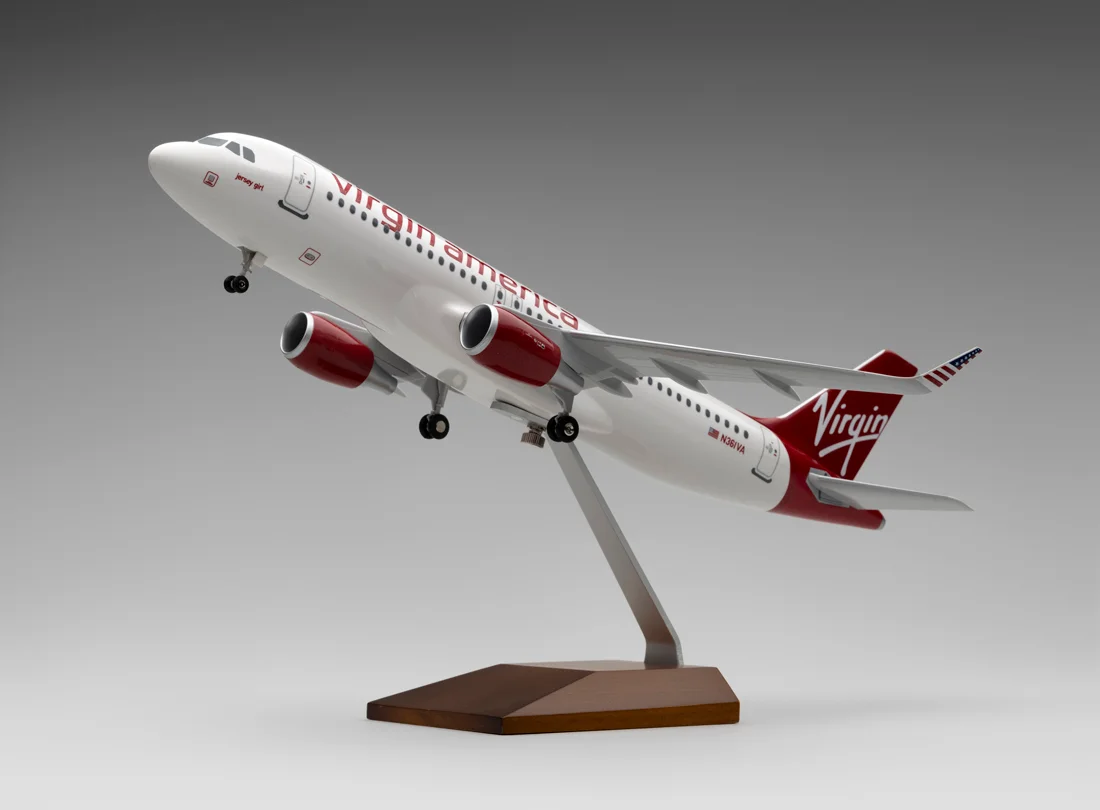
The carrier began operating in 2007 and became a passenger favorite thanks to leather seats, cool cabin mood lighting, premium entertainment systems, a super-catchy award-winning safety video (see below), and its high-energy flight and ground crews dressed in hip, casual uniforms.
Virgin America’s planes had cool names, such as Jefferson Airplane, Legally High, and Let There Flight. And when new routes were kicked off, Richard Branson would often show up
The airline ceased operations in 2018 following its acquisition by Alaska Airlines. But the airline lives on in the collection of the SFO Museum at San Fransisco International Airport (SFO).
A new exhibition at SFO, titled VX Forever: The Legacy of Virgin America includes flight and ground crew uniforms and accessories, inflight service items, promotional material, seats, photographs, and ephemera.
Look for the free Virgin America exhibit pre-security in the Aviation Museum and Library in the International Terminal of San Francisco International Airport through November 17, 2024.
(This is a shortened version of a story we first wrote for NBC News)
This year’s post-pandemic travel boom is continuing into the holidays.
Nearly half (48%) of Americans plan to travel between Thanksgiving and mid-January, up from 31% last winter, a recent Deloitte survey found.
AAA expects 55.4 million travelers to venture at least 50 miles from home during the Thanksgiving period alone, a 2.3% increase from last year.
That means if you’re hitting the roads or the slopes this season, you’ll have lots of company. Here’s what to expect as you pack your bags for a winter getaway.
More affordable airfare
Airline ticket prices are falling even as more Americans intend to fly.
Deloitte found that 33% of holiday travelers plan to take a domestic flight, up from 29% last year. Despite the strong demand, airfares were more than 13% cheaper last month than at the same time a year ago, federal inflation data shows.
Smoother flights?
Airlines and aviation officials sound confident about handling the holiday crush. While major U.S. carriers — including American, Delta, and United — expect record passenger numbers this Thanksgiving, many are touting their readiness for the season.
Track records for flight cancellations and missing luggage have improved ahead of the holidays. About 1.7% of flights were canceled during the first eight months of this year. That’s much better than the 3.0% rate for the same eight-month period last year and 2.3% in the comparable stretch of 2019, the Department of Transportation reported.
And in August, the latest month with available data, the mishandled baggage rate dropped to 0.61% from 0.75% the month before.
A broader push to streamline and automate operations “will continue to help curb mishandling as we approach the holiday season,” said Nicole Hogg, head of baggage for SITA, an air transport IT company. But travel experts still suggest adding an AirTag or other digital tracking device to your luggage, especially during busy travel periods.
“Mother Nature will cause some number of cancellations, guaranteed,” said Scott Keyes, the founder of the airfare tracking site Going. But he noted that “cancellations caused by the airlines — the most galling for travelers — are at multiyear lows” and added that many carriers have bulked up on pilots, planes, and staff.
“The entire industry was snakebit from last year’s debacle,” Keyes said, “and airlines have adjusted their operations accordingly.”
Pricier hotel rooms
More holiday travelers plan to stay in hotels this holiday season instead of bunking with friends or family. Deloitte found that 56% plan to stay in hotels, a sharp jump from 35% in 2022.
Jan Freitag, director of hospitality analytics at the commercial real-estate research company CoStar, said this season’s strong travel numbers will likely nudge Christmastime room rates above last year’s levels. In the first full week of November, they were up 4% in the U.S. from the same week a year ago, averaging $156 per night, CoStar said.
Price-conscious Christmas travelers might want to “book early to lock in lower rates, shorten their trips or trade down to a different class of service,” said Freitag, or else take their chances with last-minute reservations. Inventories will be slimmer in the eleventh hour, but hotels may still cut prices on unsold rooms.
The news about the wildfires on the Island of Maui is heartbreaking and frightening.
As of Thursday evening, officials were reporting that the wildfires had killed at least 54 people, with the number expected to rise.
Figuring out how many buildings, trees and other parts of the landscape have been burned is difficiult. But satellite images such as the ‘before’ and ‘after’ image of the historic town of Lahaina shared by Maxar Technologies are offering devastasting images.
Deadly wildfires have engulfed the town of #Lahaina on the Hawaiian island of #Maui where the governor has issued an emergency proclamation. Seen here is the Lahaina Square Shopping Center area. Before image: June 25, 2023, after image: August 9, 2023. pic.twitter.com/NVrso87rMb
The Hawaii Tourism Authority is telling tourists and visitors who are in Maui to leave. Those with trips planned are being asked to cancel or postpone.
“In the days and weeks ahead, our collective resources and attention must be focused on the recovery of residents and communities that were forced to evacuate their homes and businesses, ” the authority said on it website. “Visitors who have travel plans to visit Maui in the coming weeks are encouraged to consider rescheduling their travel plans for a later time.”
Airlines, others helping out
“The images of Lāhainā burning – enveloped in an impenetrable cloud of black smoke – have been difficult to witness. Our hearts are with our community members, employees and all those devastated by the Maui fires,” Hawaiian Airlines said in a statement, “As Hawaiʻi’s hometown carrier, we pledge to support disaster response efforts until the demanding work of recovery is complete.”
The airline is adding flights to support evacuation efforts, capping ticket prices between Kahului, Maui (OGG) and Honolulu at $19 until August 11, and offering a travel waiver for passengers with tickets to or from OGG through the end of the month.
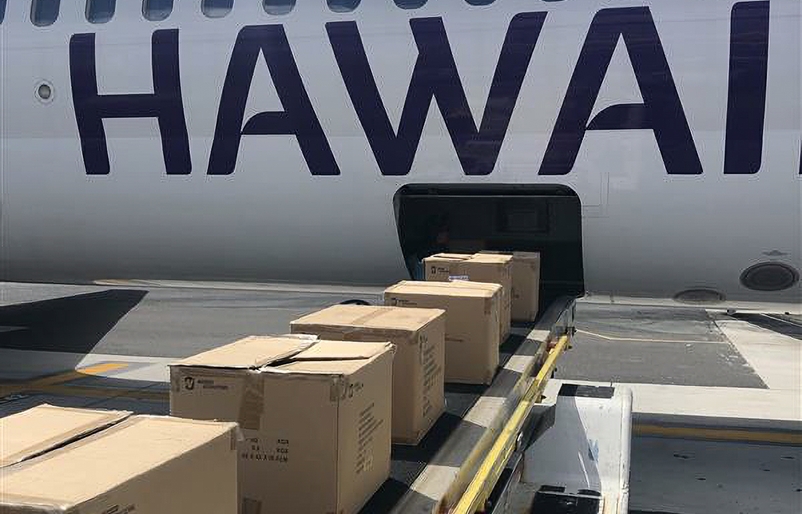
The airline is also carrying essential cargo such as medical supplies to Maui and donating catering items, amenity kits, mattress pads, pillows and other supplies for evacuees arriving at Kahului Airport.
Other airlines are helping out with evaucation flight and travel waivers too.
Alaska Airlines flew a rescue flight to Maui with relief supplies for local residents – everything from water and food to pillow, blankets, baby formula and diapers. The Seattle-based airline is also helping ot evacute travelers to Seattle and is adding additional rescue flights.
Today, we flew a rescue flight to Maui filled with relief supplies for residents impacted by the devastating wildfires. Our aircraft will bring guests back to SEA tomorrow & more flights are planned. Read about how we're caring for Maui & how you can help: https://t.co/zSsKX5EZ42
If you’ve got airline miles to spare, you can also donate those.
Here is a link to the Donate Miles to Charity page for Hawaiian Airlines, which lists the American Red Cross of Hawaii, the Blood Bank of Hawaii, and the Hawaii Humane Society among the beneficiaries.
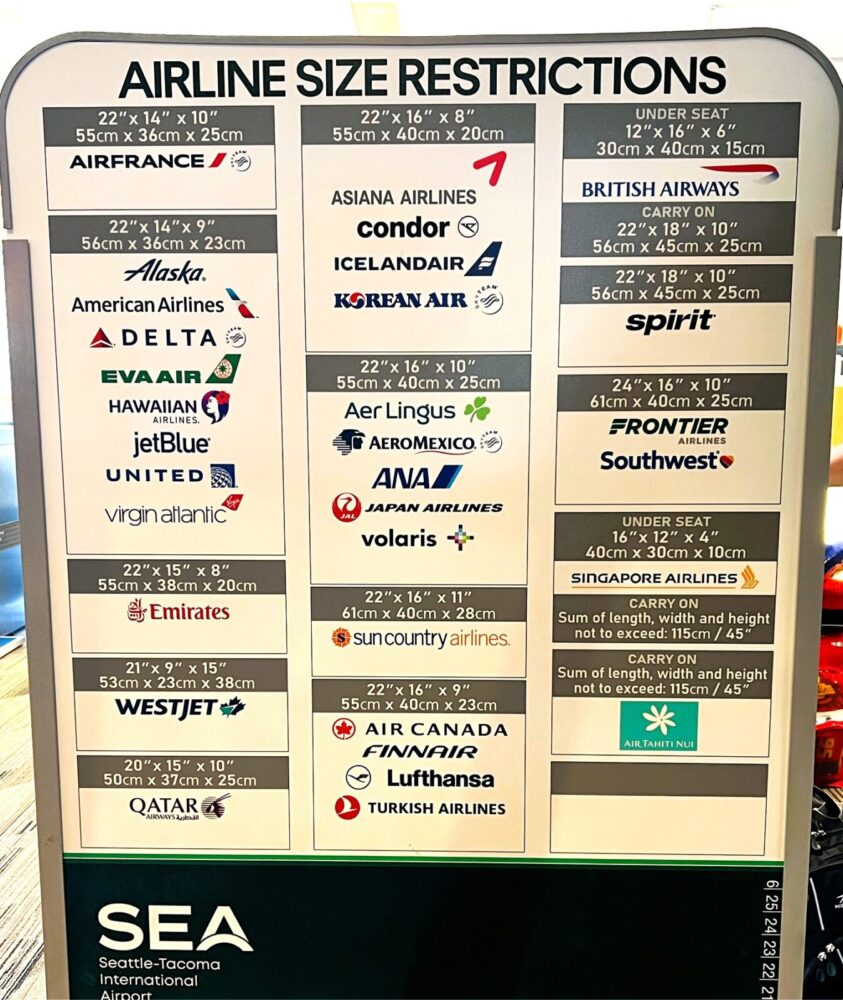
No doubt, there’s something that looks like this at your airport too.
The chart lists the maximum dimensions – including handles and wheels – of the under-seat and carry-on bags for each airline that flies out of this airport.
And the chart is so busy because the maximum measurement for each airline can be a wee bit different.
Fly on Alaska Airlines, United Airlines, or Virgin Atlantic, and the carry-on bag limit is 22 inches X 14″ inches by 9 inches. Board a Finnair, Lufthansa, or Turkish Airline flight and, according to this chart, your bag must not exceed 22 inches X 16 inches X 9 inches.
What happens if your bag exceeds the maximum size dimensions allowed by your airline?
Often nothing.
But if gate agents for what is sure to be a full flight start measuring bags, or when push comes to shove when there’s no more room in the overhead bins for everyone’s bag, the suitcase that’s an inch or two over the official measurement will likely be the one that gate agents declare needs to be checked.
Often at the passenger’s expense.
Avoid being ‘that person’ by checking your airline’s size restrictions for carry-on bags and measuring yours before you leave home. If your bag just meets the guidelines or, better yet, is a wee bit smaller, jot down your measurements in case you’re challenged.
Tucking a tiny retractable or foldable cloth ruler in your pocket wouldn’t hurt either.
And while you’re at it. Check to see if there are weight restrictions for carry-on bags too.
Have you had a carry-on bag rejected because it was a wee too big? Tell us the story.
The Stuck at the Airport team is in Istanbul this week for the annual general meeting of the International Air Transport Association (IATA) and the World Air Transport Summit.
CEO & representatives from more than 300 airlines are here, along with government officials, equipment suppliers, and all manner of other aviation world players. And the agenda includes not only assessing how the industry is doing now, post-COVID-19, but how it’s going to handle itself going forward.
Unruly Passengers – Still A Growing Problem
The annual report on the number of unruly passenger incidents worldwide always gets our attention.
And this year’s report is both surprising and alarming.
We thought that the incidences of unruly passengers would have dropped when the airline mask mandates did.
But according to IATA data, the number of reported unruly passenger incidents worldwide actually increased in 2022 compared to 2021.
The latest figures show that there was one unruly incident reported for every 568 flights in 2022.
That’s up from one per 835 flights in 2021.
The most common categories of incidents in 2022 were non-compliance, verbal abuse, and intoxication.
In 2022, non-compliance incidents were up about 37% over 2021.
What’s considered non-compliance? Infractions such as smoking, refusing to fasten a seatbelt, failing to store baggage when told to, or consuming your own alcohol on board an airplane.
Physical abuse incidents are also on the rise. While IATA says physical abuse incidents are rare, they’re nevertheless up 61% over 2021, occurring once every 17,200 flights.
What is the airline industry doing about unruly passengers?
Mandatory pre-flight refresh classes in onboard etiquette aren’t on the table quite yet. (Although we like that idea.) But the airline industry has some strategies it is working on to address the unruly passenger issue.
Those strategies include:
*Getting more countries to ratify the Montreal Protocol 2014, which gives governments the necessary legal authority to prosecute unruly passengers no matter their state of origin;
*Training more crew members on how to de-escalate incidents on the planes;
*And asking airports, airport bars and restaurants, and duty-free shops to help spread the word on the consequences of unruly behavior on airplanes.
The frequency of unruly passenger incidents has gone ⬆️ significantly in 2022 vs 2021 despite the relaxation of measures such as the removal of 😷 on most ✈️.
It’s officially “United Airlines Day” in Denver today in honor of the carrier’s announcement of a big expansion in flights, routes, and lounges at Denver International Airport (DEN).
The Chicago-based airline is adding 35 flights, six new routes, a dozen new gates, and – get this – three clubs, including one that will be the carrier’s largest.
Starting this summer, United says it will also be doubling the total number of early morning departures and late evening arrivals in and out of Denver.
The airline is adding new non-stops to six destinations including four not served by any other Denver airline: Dayton, OH; Greensboro, NC; Lexington, KY and San Juan, Puerto Rico.
United says it will fly new 737 MAX aircraft non-stop to San Juan, Puerto Rico, beginning October 29, and Montego Bay, Jamaica, beginning November 4.
In addition to the new routes, United plans to use its new MAX aircraft to increase service to popular destinations like Miami, Austin, Boston, and Atlanta. And the airline plans to will use Embraer 175 aircraft to connect Denver with Asheville, NC; Dayton, OH; Greensboro, NC and Lexington, KY, starting on September 29.
Infrastructure-wise, United will have 12 new gates opening in the A and B concourses by the middle of 2024, making an overall total of 90 gates for United at DEN.
And, just in time for summer travel, United will open a new club on the A Concourse and reopen its first of two revamped clubs on the B Concourse. That B Concourse club will be the largest United club in the world.
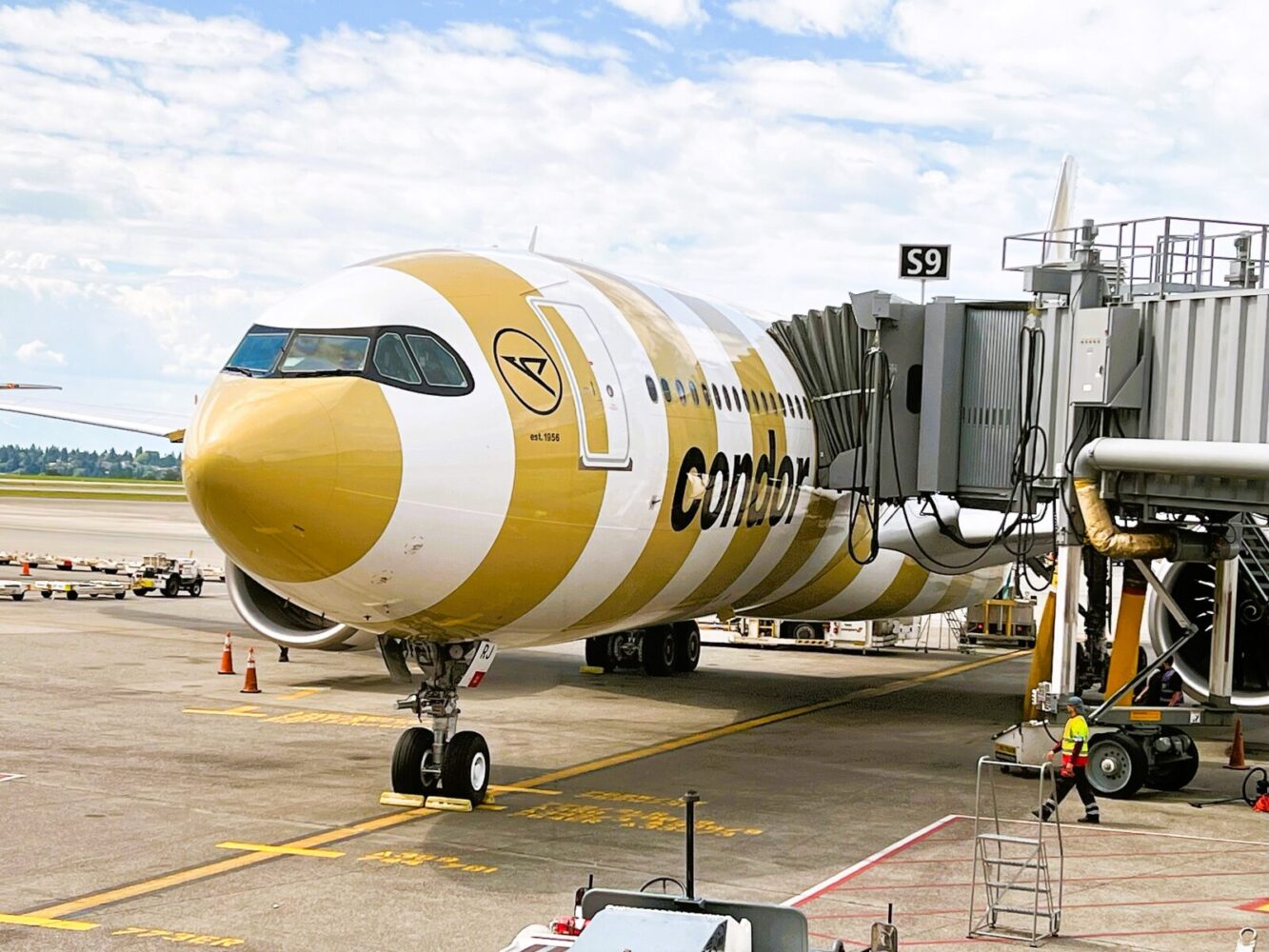
Stuck at the Airport joined Condor Airlines on a flight from Seattle Tacoma International Airport (SEA) to Frankfurt Airport (FRA) to celebrate the fact that the airline’s new Airbus A330neo aircraft – sporting the airline’s new striped livery – is operating on this route.
The German leisure carrier will soon have a fleet of all-new efficient, environmentally friendly Airbus A330-900neos serving all its long-haul North American destinations. And the inside of the planes, especially the business class cabin, is getting well-deserved raves.
We loved our business class seat, of course, but also the fact that the striped theme shows up in many places – but not too many places – inside the plane, from the slippers, the eye mask & the blankets in business class to the lavatories, air sickness bags, and even a special beer.
Seeking stripes? Condor’s new Airbus A330neos they’re currently being phased in on flights to/from Seattle (SEA), San Francisco (SFO), Los Angeles (LAX), New York (JFK), Las Vegas (LAS) and Toronto (YYZ).
Next summer, you’ll see Condor’s striped livery showing up also in Phoenix, Portland, Baltimore (BWI), Boston, Minneapolis, Anchorage (ANC), Fairbanks (FAI), Vancouver (YVR), and Edmonton (YEG).
The American Customer Satisfaction Index just released its 2023 Travel Study, which ranks airlines, hotels, car rentals, and online travel agencies on customer satisfaction.
For this report, more than 10,500 customers were interviewed via email over the past year and asked to evaluate their recent experiences with a wide variety of travel companies.
Airlines
Alaska Airlines gets the best ranking, rising 8% to an ACSI score of 81 (on a scale of 100).
American and Southwest Airlines each rose 1%, to an ASCI score of 78. United Airlines stayed steady with a 77 score, but scores dipped a bit for Delta Air Lines and Jet Blue.
As you can see from the chart below, airlines, car rental companies, and online travel agencies each made 1% gains in overall customer satisfaction, but satisfaction rose 6% for hotels in general.