Flights

U.S. government opens, but flights not yet 100%

Will air traffic be ‘normal’ now that the government shutdown is over? Not quite yet…

The longest government shutdown is officially over. But the hassle it created for air travelers is not.

The U.S. Department of Transportation and the Federal Aviation Administration (FAA) didn’t end the current flight reductions, which were set to go to 8% on Thursday and to 10% on Friday.

Instead, there’s a new emergency order freezing the mandated flight reductions at the current 6% level while the FAA figures out what’s next.

“If the FAA safety team determines the trend lines are moving in the right direction, we’ll put forward a path to resume normal operations,” said U.S. Transportation Secretary Sean P. Duffy.

The 40 affected airports where flight reductions have been mandated remains the same (see below). But cancellations and delays continue to ripple through the entire system.

Early Thursday morning (1 am EST) Flightaware.com was reporting close to 1000 canceled flights within, into or out of the U.S. and about 400 delays for the day.

And getting back to normal won’t be all that easy. Or smooth. Even when the flights reductions are completely lifted.

“Airlines cannot flip a switch and resume normal operations immediately after a vote,” aviation industry group, Airlines for America, noted in a statement shortly before the government shutdown votes were completed, “There will be residual effects for days.”

“High impact” airports with mandated flight reductions

ANC – Ted Stevens Anchorage International Airport  
ATL – Hartsfield-Jackson Atlanta International Airport 
BOS – Boston Logan International Airport  
BWI – Baltimore/Washington International Airport  
CLT – Charlotte Douglas International Airport  
CVG – Cincinnati/Northern Kentucky International Airport  
DAL – Dallas Love Field  
DCA – Ronald Reagan Washington National Airport  
DEN – Denver International Airport  
DFW – Dallas/Fort Worth International Airport  
DTW – Detroit Metropolitan Wayne County Airport  
EWR – Newark Liberty International Airport  
FLL – Fort Lauderdale/Hollywood International Airport  
HNL – Honolulu International Airport  
HOU – William P. Hobby Airport  
IAD – Washington Dulles International Airport  
IAH – George Bush Houston Intercontinental Airport  
IND – Indianapolis International Airport  
JFK – New York John F. Kennedy International Airport  
LAS – Las Vegas McCarran International Airport  
LAX – Los Angeles International Airport  
LGA – New York LaGuardia Airport  
MCO – Orlando International Airport  
MDW – Chicago Midway International Airport  
MEM – Memphis International Airport  
MIA – Miami International Airport  
MSP – Minneapolis–St. Paul International Airport  
OAK – Oakland International Airport  
ONT – Ontario International Airport  
ORD – Chicago O’Hare International Airport  
PDX – Portland International Airport  
PHL – Philadelphia International Airport  
PHX – Phoenix Sky Harbor International Airport  
SAN – San Diego International Airport  
SDF – Louisville International Airport  
SEA – Seattle–Tacoma International Airport  
SFO – San Francisco International Airport  
SLC – Salt Lake City International Airport  
TEB – Teterboro Airport  
TPA – Tampa International Airport  
 

Avoiding Newark Airport

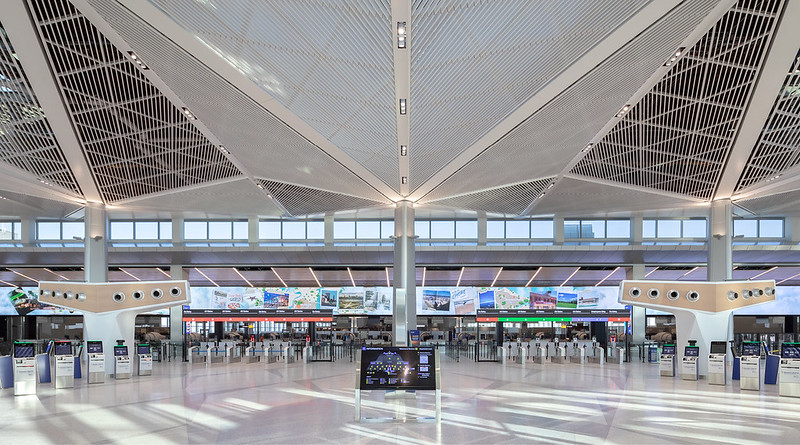
Like much of the country, we’ve held our breath, cringed and worried as distressing and disturbing news has rolled out from Newark Liberty International Airport (EWR) about serious and ongoing delays and cancelations.

It’s been so bad that United Airlines decided to cut 35 daily flights at Newark due to concerns over the shortage of air traffic controllers, faulty technology, safety and delays.

The technology failures are especially frightening.

On April 28, it was widely reported, that for at least 90 seconds air traffic controllers lost all communication with airplanes heading for Newark Airport.

It turns out that wasn’t the first time. According to this NBC News story, controllers lost radio contact with pilots flying into EWR at least eight or nine times in recent months.

Airlines offering change options to avoid Newark

Some airlines are offering to waive change fees to help travelers deal with the Newark challenges.

In some cases, you have the option to change airports.

Here are some of the offers, as of Wednesday, May 7. If you’re planning to fly to, from or through EWR, be sure to check for updates.

American Airlines

Jet Blue

United Airlines

Singapore Airlines now flies non stop to Singapore from Seattle

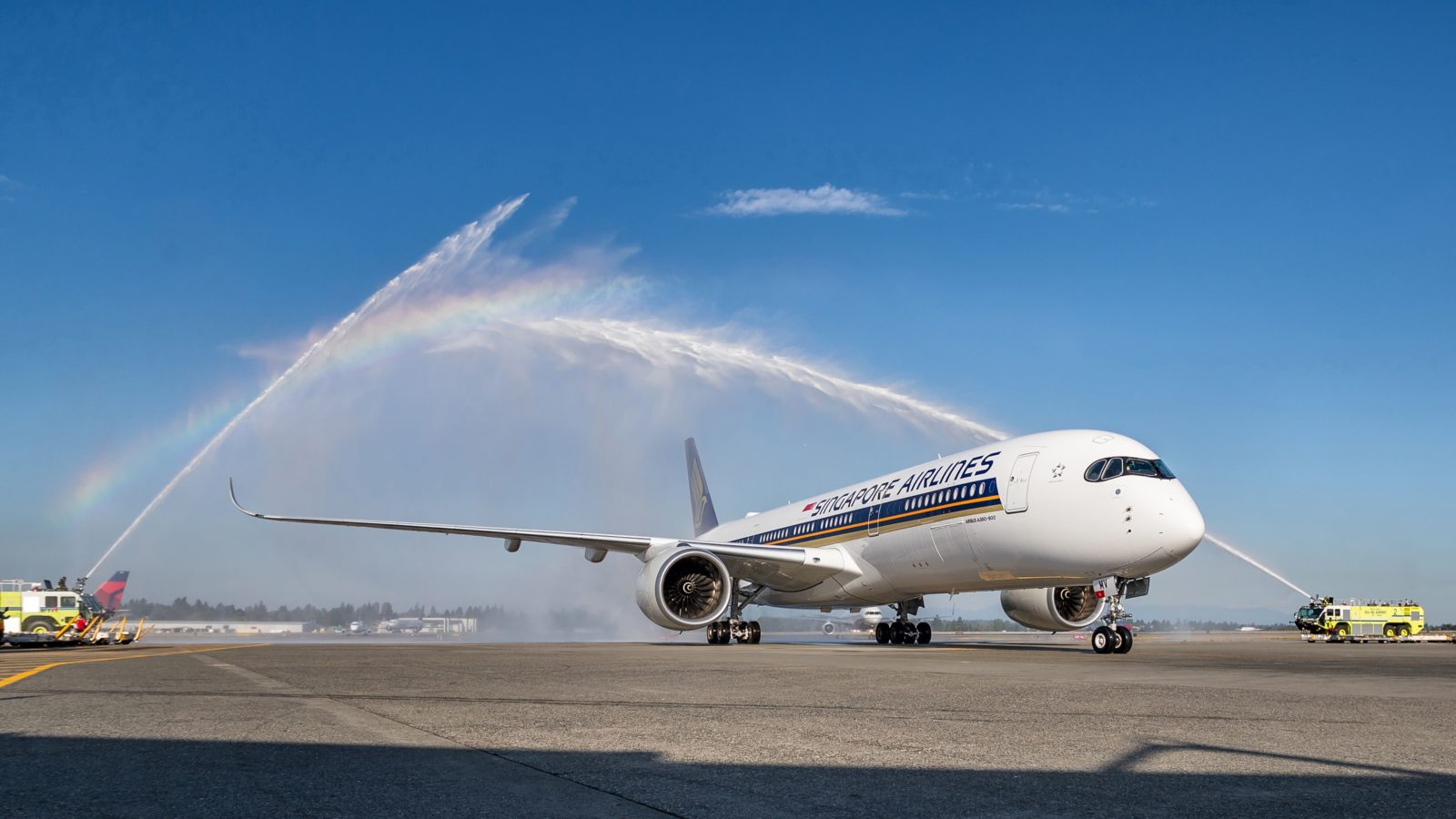
On Tuesday, Singapore Airlines (a codeshare partner of Alaska Airlines) celebrated the inaugural non-stop flight between Seattle Tacoma International Airport (SEA) and Singapore’s Changi Airport (SIN) with a lion dance and ribbon cutting at the gate and a water canon salute.

Seattle now becomes the fourth U.S. city to boast non-stop service to Singapore, joining Los Angeles, Newark and San Francisco.

During September, the flight will between Seattle and Singapore three times a week and expand to four flights a week in October.

The new SEA – SIN Singapore Airlines flight is the first-ever nonstop flight from SEA Airport to Southeast Asia. And, at 15-hours and 50-minutes, it is now also the longest longest nonstop flight from SEA airport.

The new flight is also the inspiration for a cool music video.

Singapore Airlines commissioned Seattle-based producer and musician Chong the Nomad to use an A350-900 aircraft – the same type being used for the SIA-SIN flight – as her musical instrument.

It is already a big hit!

Alaska Airlines adds 40 west coast flights for CES 2019

Alaska Airlines joins the list of airlines adding extra flights to Las Vegas for CES 2019, the big electronics show.

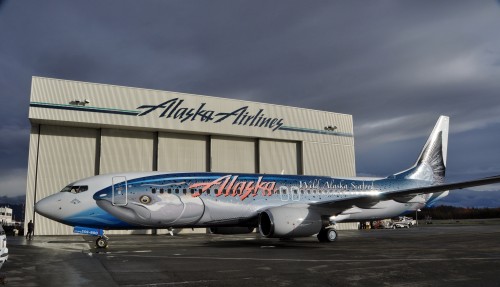
Alaska Airlines plane

Alaska Airlines is adding 40 additional flights to Las Vegas from west coast tech hubs in Seattle, San Francisco, Los Angeles and San Jose for people traveling to CES 2019 (the Consumer Electronics Show) next year.

The extra flights are scheduled from January 7 to January 12 and represent approximately 6,000 additional seats to and from these cities for that week.

While hotels will be very full and hotel room rates may will surely spike during the CES 2019 week, you don’t need to be attending the show to take advantage of these extra flights to and from Las Vegas.

But since these flights just got loaded into Alaska’s system, you might want to book them soon.

Other airlines are adding temporary flights for these days as well. American Airlines and Japan Airlines recently announces extra CES flights between Tokyo and Las Vegas.  Delta Air Lines, which has added CES flighs in the past, will likely announce this year’s batch shortly.

Heading to Las Vegas for CES 2019 or some other event? Be sure to make some time to visit the Neon Museum.

The museum tells the history of Las Vegas through classic, cast-off neon signs and is a great place to visit in the evening when many signs are lit.

Neon Museum Las Vegas

Neon Museum Las Vegas

Southwest Airlines nixes peanuts starting August 1

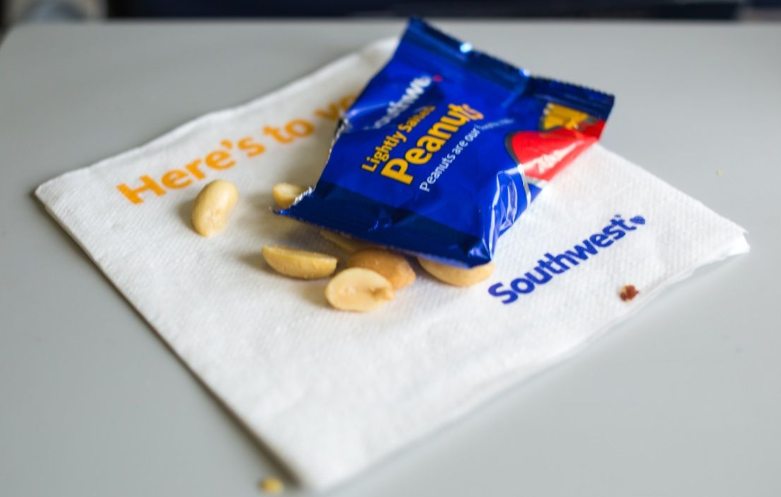
Giving way to the concerns of passengers who have peanut allergies, Southwest Airlines has announced that, as of August 1, it will stop serving those tiny little packets of peanuts during flights.
“Peanuts forever will be part of Southwest’s history and DNA,” the airline said in a statement, “However, to ensure the best on-board experience for everyone, especially for customers with peanut-related allergies, we’ve made the difficult decision to discontinue serving peanuts on all flights beginning August 1.”
On its website, Southwest has told passengers with peanut allergies that if they made a note in their reservation, an effort would be made to make sure no peanuts would be served on their flights. But that didn’t always work out.
Other airlines stopped serving peanuts long ago, but for Southwest peanuts are part of the company’s branding. The airline is often “nuts” about this or that and has a quarterly newsletter called “In a Nutshell.”
Starting next month, the airline hopes passengers will pleased with the pretzels that continue to be served on flights, along with the other free snacks distributed on longer flights.

“Our ultimate goal is to create an environment where all customers—including those with peanut-related allergies—feel safe and welcome on every Southwest flight,” Southwest said in its statement.

Qantas surveying passengers about sleeping bunks and exercise zones

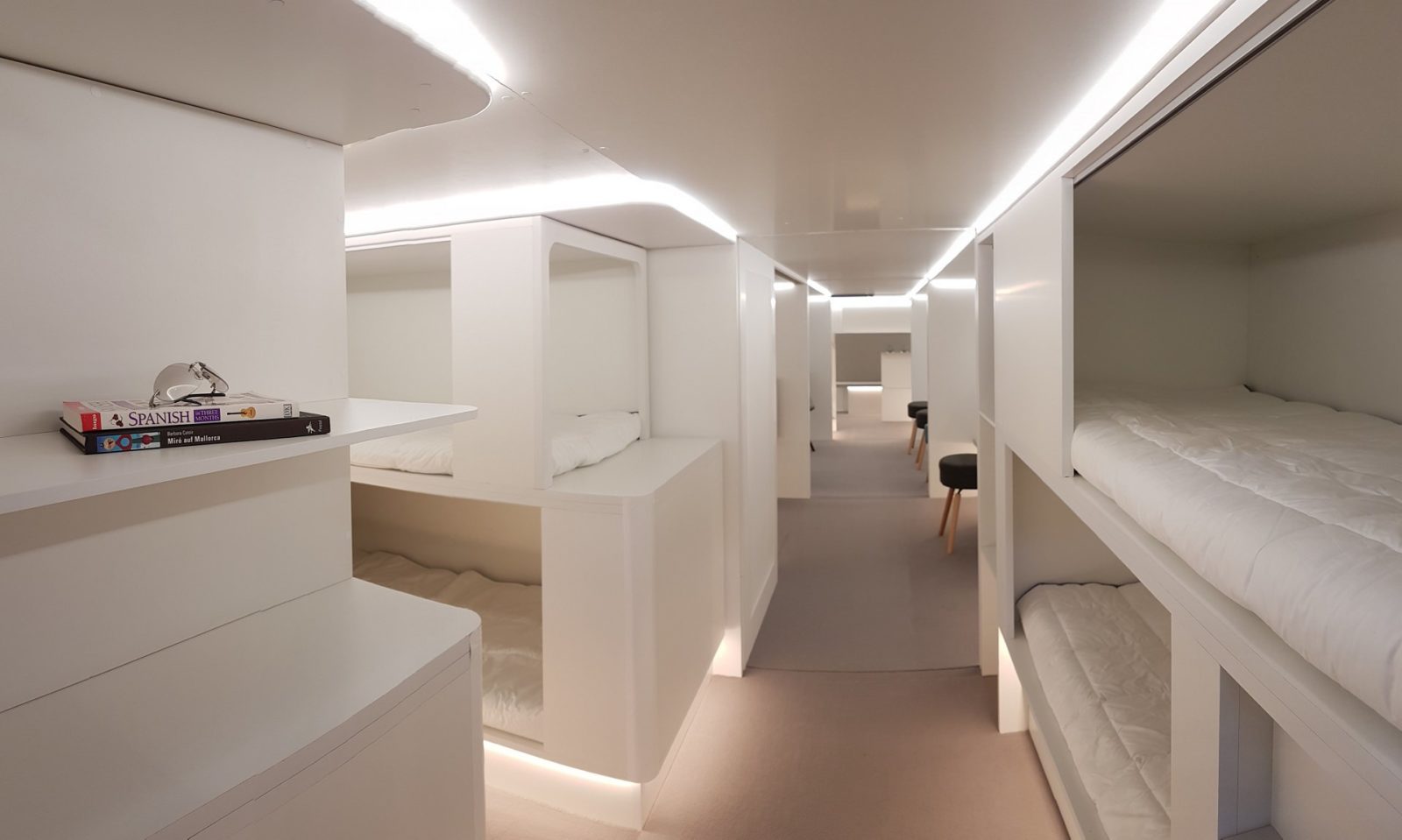
You may remember the recent buzz about the design Airbus floated for putting sleeping berths in the cargo hold of an airplane as a way for economy class passengers to get some real rest during a long haul flight.

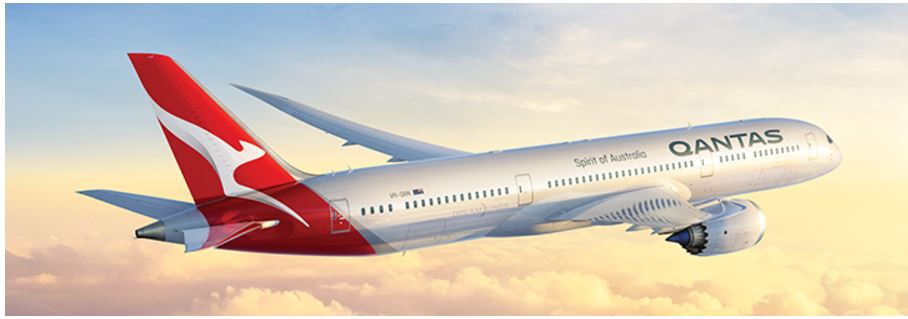
Qantas, which has challenged both Airbus and Boeing to build a plane it can use for ultra-long haul  flights from the east coast of Australia to London and New York, likes that idea and has it on a list of ‘blue sky’ features included in a survey the airline is sending out to about 12,000 of its frequent flyers.

The survey is part of the airline’s “Project Sunrise” research into ultra-long haul flying and on the Qantas list are such “Would you like?” features as:

  • A stretch/exercise zone on board
  • A communal bar, dining or self-service café zone
  • A work & study section including work stations
  • “Change and refresh” stations
  • A creche

A creche? To me that describes Christmas nativity scenes, which seemed like an odd item to include on a long-haul flight. But when I looked up that word I discovered creche is also a British word for a nursery, or day care center.

And on a long-haul flight – and even many short ones – I think most any traveler would vote for that!


Fun new flights!

Three new flights kicked off over the weekend that I wish I’d been on!


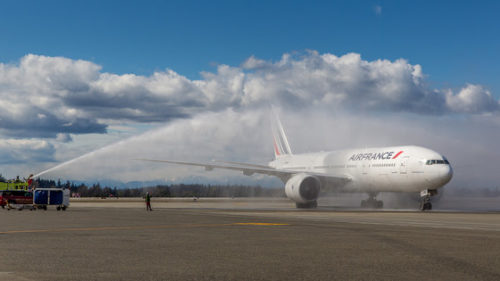
Air France began nonstop service to Paris from Seattle-Tacoma International Airport on Sunday, March 25.

The service adds to Delta’s flights between SEA and CDG and kicks off with three times a week service (Wednesdays, Fridays and Sundays) on a Boeing 777-200 and increases to five times a week (adding Mondays and Tuesdays) during the summer season.

Air France first served Sea-Tac between 2007-2012, when that route was given taken over by Delta.

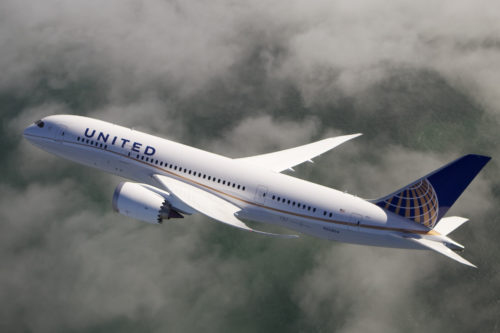
On Saturday, March 24, United Airlines kicked off seasonal nonstop daily service on a 787-8 Dreamliner between Denver and London Heathrow (LHR).

And over the weekend Qantas completed the inaugural – historic – flight for direct service between Perth, Australia and London. The 787-9 Dreamliner made the journey in ‘just’ 17 hours and 14 minutes.


JetBlue starts Mint service between Seattle and Boston

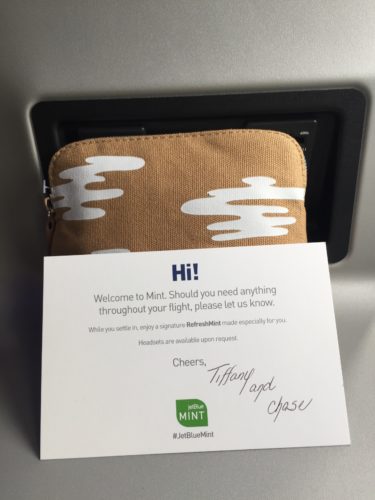
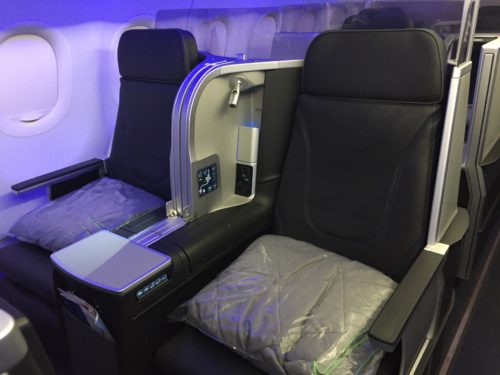
This week JetBlue kicks off its “Mint” preimium service on updated Airbus A321 planes flying between Seattle and Boston, offering passengers who purchase the upgraded fares lie-flat beds, plated tapas-style meal selections, Molly Moon ice-cream and other welcome amenities.

I rode along on the first flight out of Seattle. Here are some pics from the trip.

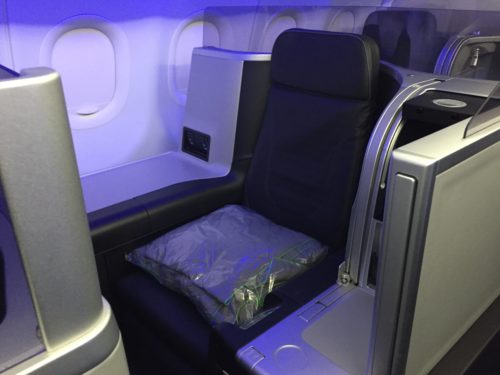
Mint cabin seating is set up with either single suites or side-by-side seating.

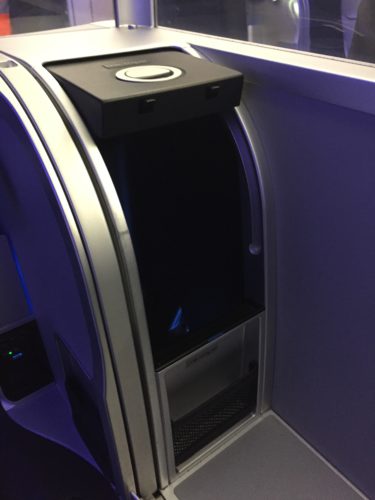
The single Mint suites have an extra-large storage cabinet for belongings you want to keep near by.

In addition to complimentary alcoholic drinks and a seletion of tapas-sized dishes, Mint service out of Seattle includes ice-cream made by local favorite, Molly Moon.

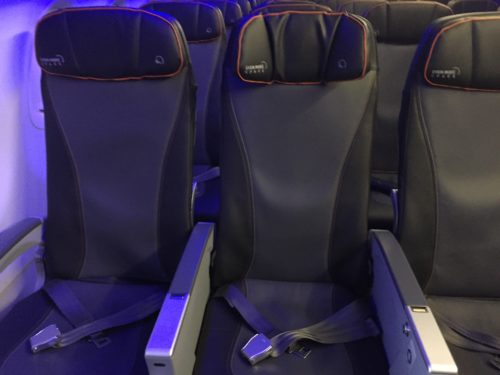
Economy class seating features upgraded seats with adjustable headrests and larger in-flight entertainment screens.

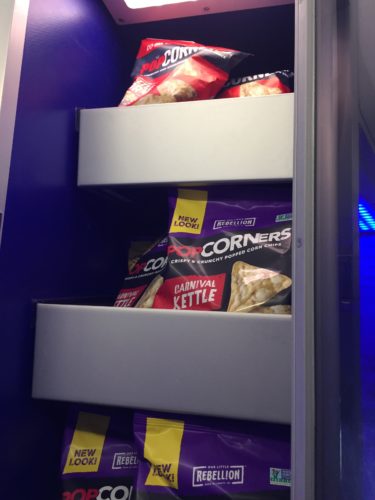
And for those who get hungry during the flight, there’s a serve-yourself pantry with plenty of complimentary snacks and soft drinks.

Not flying between Seattle and Boston? JetBlue will offer its Mint service from Seattle to NY’s JFK starting in mid-April.

Virgin Atlantic’s heart-shaped flight

While I was hanging out at Heathrow Airport on Valentine’s Day waiting for my Virgin Atlantic flight to Seattle, there were lots of lovebirds getting their photos taken with a big heart frame.

Meanwhile, across town, Virgin Atlantic flight VS850P set out from London Gatwick Airport and mapped a heart shape in the sky as part of a training flight.

Pass the mustard: Qantas uses mustard seeds to power a flight

Airlines have been testing a variety of aviation biofuels made from everything from sugar and used cooking oil to corn and forest wastes to replace some of the traditoinal jet fuel on airplanes and reduce carbon emissions.

On Sunday, Qantas gave it a try, flying its Dreaminliner 787-9 on the world’s first dedicated biofuel flight between the United States and Australia.

The 15-hour trans-Pacific flight from Los Angeles to Melbourne used about 54,000 pounds of blended biofuel made from Brassica Carinata, a non-food, industrial type of mustard seed developed by a Canadian-based agricultural-technology company.

The ten percent biofuel blend delivered a seven percent reduction in emissions on this route compared to normal operations.

Carinata is a promising biofuel source, says Qantas, because it needs no speical production or processing techniques, is water efficient and is a good crop to grow in the Australian climate, either in fallow areas where food crops don’t thrive or in between regalar crop cycles to improve soil quality.

Expect more biofuel flights to and from Australia in the future. In 2017, Qantas announced a project to work with Australian farmers to grow the country’s first commercial aviation biofuel seed crop by 2020.

This wasn’t the first biofuel flight for Qantas. In 2012 Qantas and Jetstar operated Australia’s first biofuel trial flights using biofuel that included used cooking oil.