history

New book filled with marvelous maps

If you’re a serious traveler, you likely love maps.

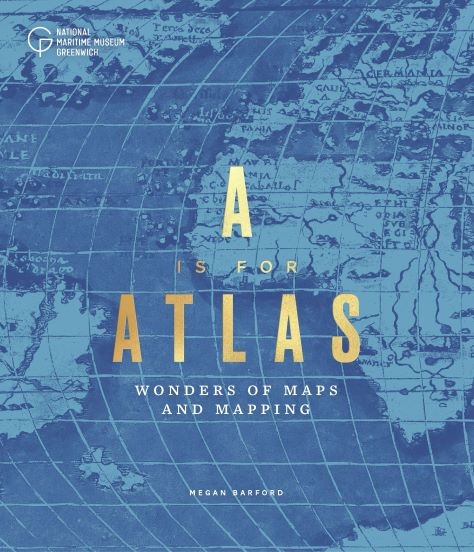
And if you love maps, you’ll love the maps in a new book from the National Maritime Museum in Greenwich, England that celebrates the art of atlases with a look inside the museum’s collection of maps, globes, and map-related ephemera.

A is for Atlas: Wonders of Maps and Mapping, is a highly illustrated celebration of cartography from the thirteenth century to today.
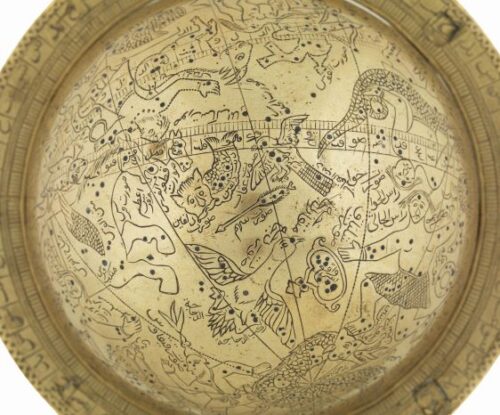
Celestial globe, unknown maker, first half of the 17th century

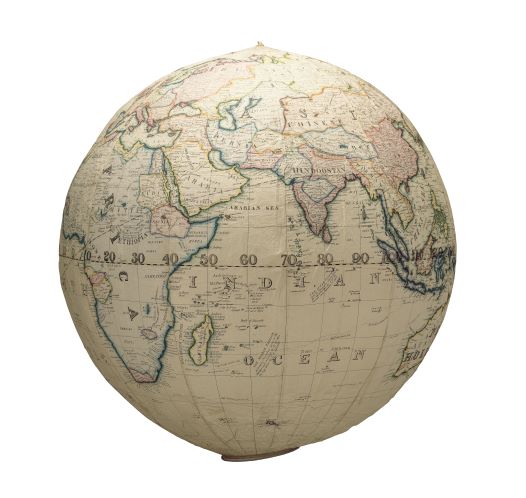
The book draws on the museum’s collection of more than 40,000 maps, charts, globes, and atlases, including a sixteenth-century map of the world replacing the face of a jester, a nineteenth-century inflatable globe, and a twentieth-century waterproof map that saved lives during the Second World War.
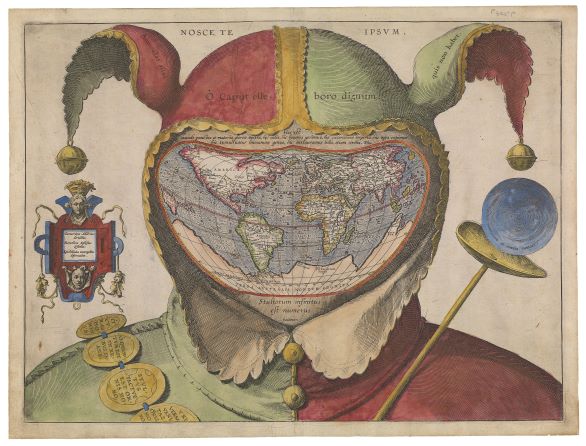
Fool’s Head World Map, by unknown artist, around 1590
 
Inflatable Globe, George Pocock, 1830

The oldest object in the book is a manuscript map of Mesopotamia by Abu Ishaq Ibrahim ibn Muhammad al-Farisi al-Istakhri, dated before 1282. Mountain ranges are illustrated in a deep red with floral and geometric patterns, while the rivers Tigris and Euphrates flow across the page in a majestic blue.
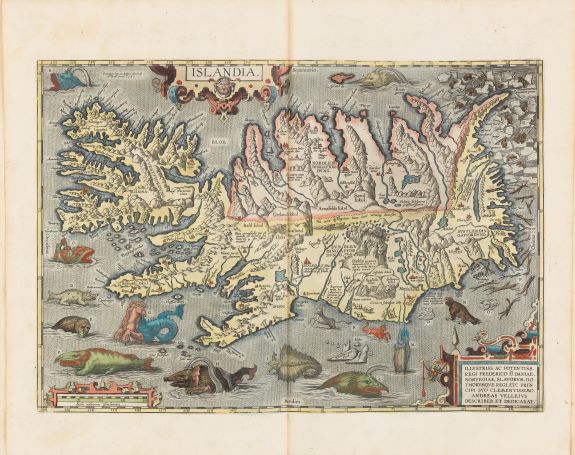
Islandia, Abraham Ortelius and Anders Vedel, 1585

The most recent object is a football globe made for Mark Wallinger’s First World War centenary artwork, One World by Mark Wallinger. This 2018 football is a photographic representation of the Earth as seen from satellite imagery. This globe was commissioned to mark the centenary of the First World War, commemorating the ‘Christmas Day ceasefires’ that took place on the Western Front in 1914.

One World, Mark Wallinger, 2018

Rather than approach the collection chronologically, A is for Atlas draws on the collection in twenty-six themes, including ‘commemoration’, ‘manuscript’, ‘sea monsters’ and ‘treasure’.

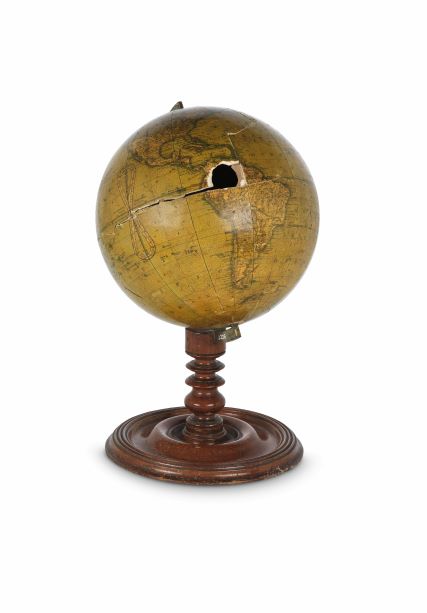
The book also shows the results of an investigation into a nineteenth-century globe. An endoscope was fed through a hole in a Newton & Son terrestrial table globe from 1842, offering Dr Barford an unusual view – the inside of a globe. The investigation revealed proof pages from various books of the Bible lining the inside and supporting the papier-mâché hemispheres.
All photos courtesy National Maritime Museum, England
Museum Monday highlights from Viking.TV

Courtesy Kon-Tiki Museum

We’re setting off for Iceland in a few weeks to join Viking for one of their Welcome Back cruises. So we have been poking around the company’s website.

One impressive resource there for the general public is Viking.TV. It was created in response to the pandemic and this channel is chock full of videos about art, culture, history, food, music, architecture, and destinations around the world.

Our favorite feature is Museum Monday. Stop in and you’ll see that there are now more than 60 videos about museums and collections. including some wonderful behind the scene tours.

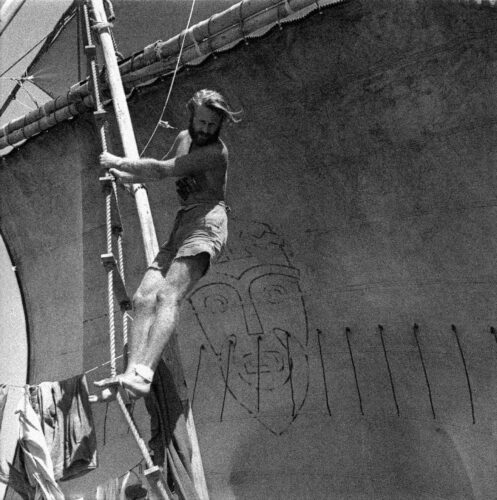
You’ll find your own favorites, but here are a few of the videos that captured our attention and our imagination this week. We started with a visit to the Kon-Tiki Museum in Oslo, Norway, home to Thor Heyerdahl’s original Kon-Tiki raft and the papyrus boat Ra II.

We also went down a rabbit hole at London’s British Museum learning about how prepared the museum for lockdown and toured the collection of the Alaskan objects at the Sainsbury Centre in Norwich, England.

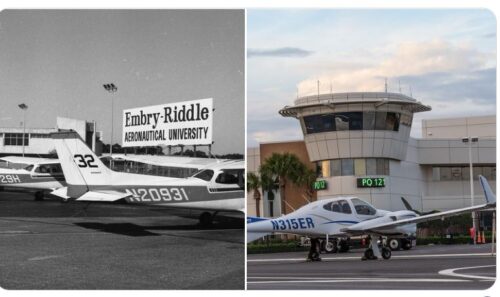
More airports embrace the “How it started” meme

Our first post sharing examples of how airports are embracing the “How it Started Twitter meme got so long that we’ve started a new post.

Please let us know if you find new responses that should be added. We’ll add them as we find them.

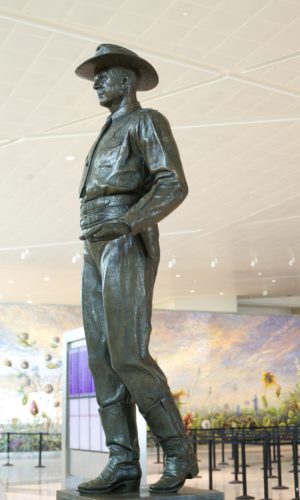
Texas Ranger statue removed from Dallas Love Field

Courtesy Dallas Love Field

Statues are toppling and being taken down around the country because the historical figures they portray had a role in the oppression of others.

Included in this movement is the removal of the iconic Texas Ranger statue from the main lobby at Dallas Love Field Airport.

The 12-foot-tall bronze statue has been on display at the airport on and off since 1963 but was taken down in early June.

City officials decided to remove the statue. Their decision was prompted by published excerpts from a new book documenting the history of the Texas Rangers law enforcement agency and its connections to brutality and racism, the Dallas News reported.

In his book “Cult of Glory: The Bold and Brutal History of the Texas Rangers“, and in an article published in D Magazine, Doug J. Swanson explains how during almost 200 years of patrolling Texas, many Texas Rangers “performed countless acts of bravery and heroism.”

But, Swanson says, some Texas Rangers were also responsible for “terrifying atrocities, including massacres on the Texas-Mexico border.”

The Texas Ranger statue that was at Dallas Love Field turned out to be especially problematic.

Sgt. E.J. “Jay” Banks, the Texas Ranger who served as the model for the statue at Dallas Love Field, was the commanding Ranger on the scene in 1956 when attempts were made to integrate the high school in Mansfield, near Dallas.

“But unlike state police in other Southern racial hotspots, the Rangers in Mansfield did not escort black students past howling mobs of white supremacists. They had been sent instead to keep the black children out of a white school,” Swanson writes, “A wire service photo showed [Banks] casually leaning against a tree outside Mansfield High. To his left, above the school’s entrance, was a dummy in blackface, hanging from a noose.”

What will happen to the statue – the spot it once filled at Dallas Love Field Airport?

According to an airport spokesman, “It has been placed into storage and the City of Dallas Office of Arts and Culture will lead the conversations and decisions as to what will happen to it next. There is no plan at this time to place anything else in that space.”

Chill like Amelia Earhart

It’s been a tough few weeks for a lot of us. And there are more tough weeks on the way.

We’re being told to stay home, keep our distance from others and stay away from airports and airplanes.

Yet, we’re being encouraged to stay busy.

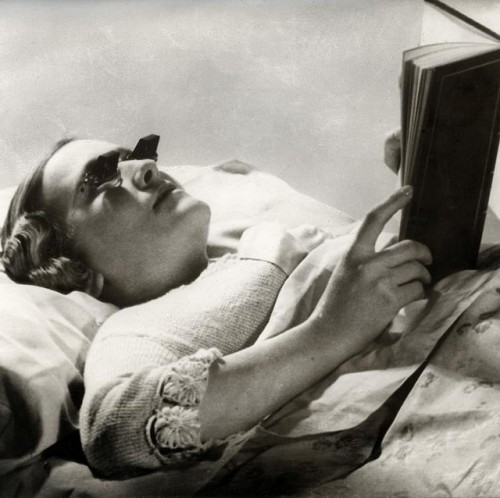
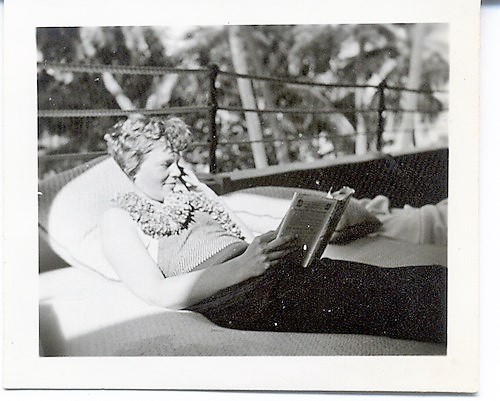
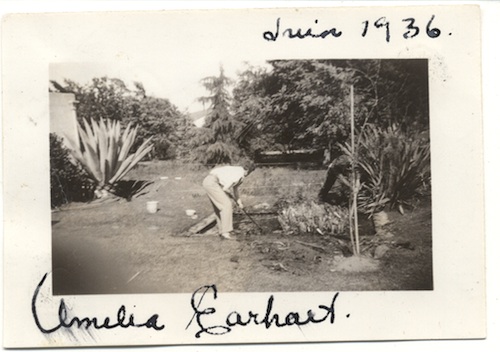
So today we’re sharing two great “be chill” photos we found in the collection of the International Women’s Air & Space Museum in Cleveland, Ohio.

The photos are from a collection focusing on Amelia Earhart.

One shows her relaxing and reading a book.

The other shows Amelia in her garden.

If Amelia Earhart can take a break, I guess we can too.

Stay safe!

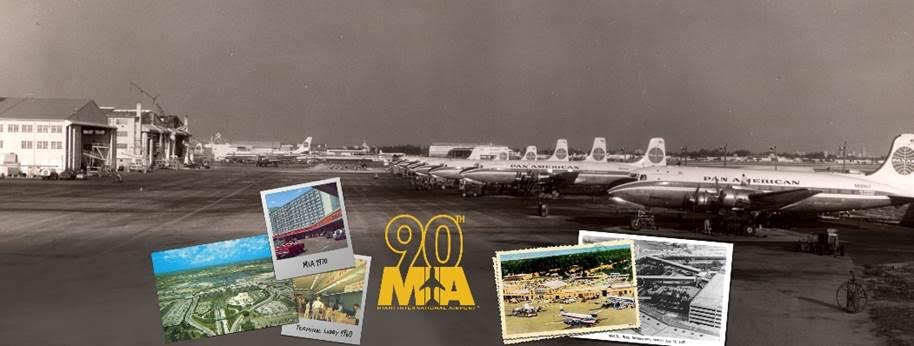
Happy 90th Birthday, Miami Int’l Airport

Miami International Airport is celebrating it 90th birthday.

To honor the 90th anniversary of Miami International, the airport opened an art exhibit titled MIA: A Hub for History, featuring airport memorabilia from the last nine decades.

Developed in partnership with the History Miami Museum and the Wolfson Archives,  the exhibit features vintage photographs, posters, uniforms and videos of celebrity MIA arrivals from the airport’s first flight on 15 September 1928 up to the present.

Here are some tweets from the day.

https://twitter.com/WolfsonArchives/status/1040616749224407040

https://twitter.com/WolfsonArchives/status/1040994401986723845

https://twitter.com/WolfsonArchives/status/1040979300797693957

Magna Carta exhibit at MSP Airport

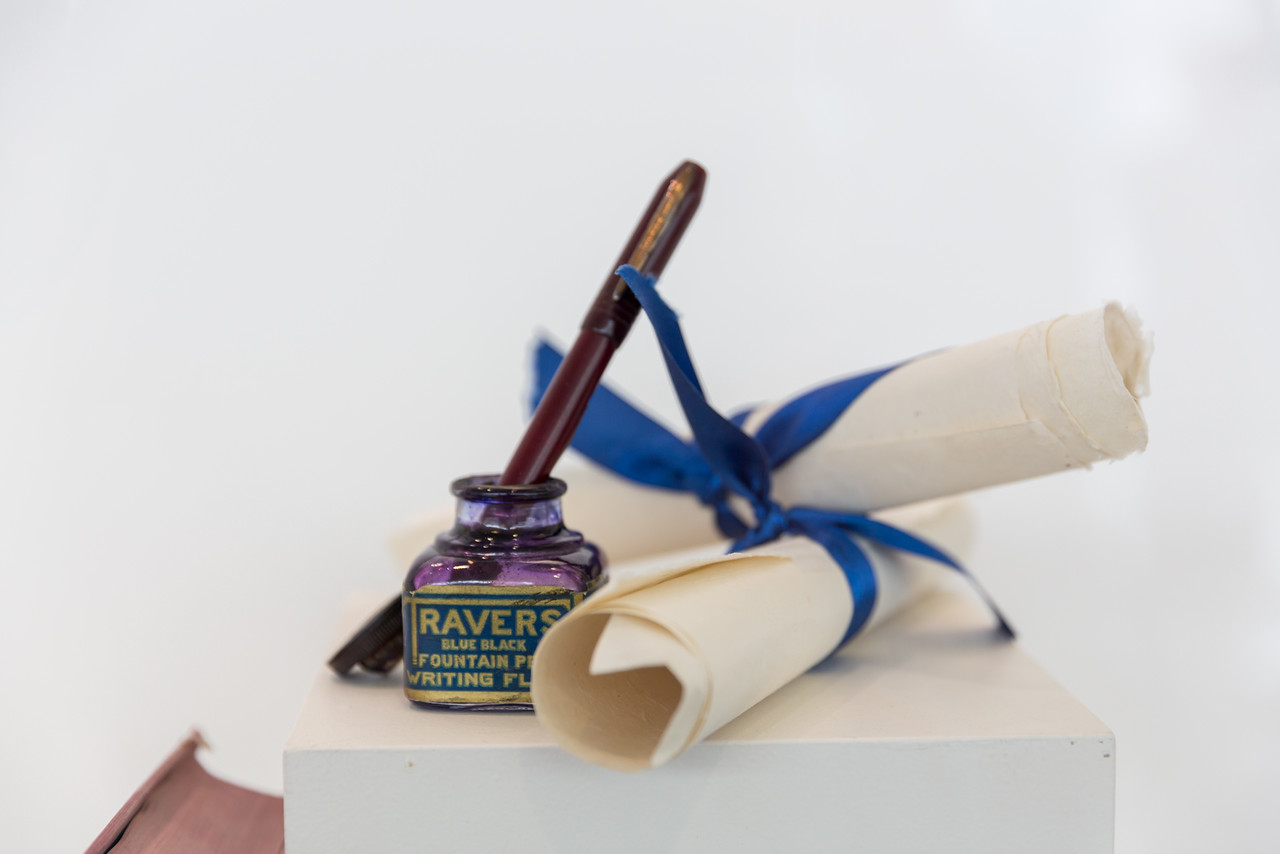
Ink & Scrolls representative of tools used before the printing press. Photo by Craig Madsen, Thomson Reuters

A new exhibit celebrating the 800th anniversary of the Magna Carta, titled Magna Carta to Minnesota: the Rule of Law, is on view between Gate C6 to 11 in Concourse C at the Minneapolis-St. Paul International Airport.

“Celebrating the 800th anniversary of the charter is important because its central to how we live our lives,” said Robyn Robinson, Arts and Culture Director of the MSP Airport Foundation, “Americans are fervent about our personal freedoms and civil rights, now more than ever. The exhibit shows us the basics of where and how those rights originated.”

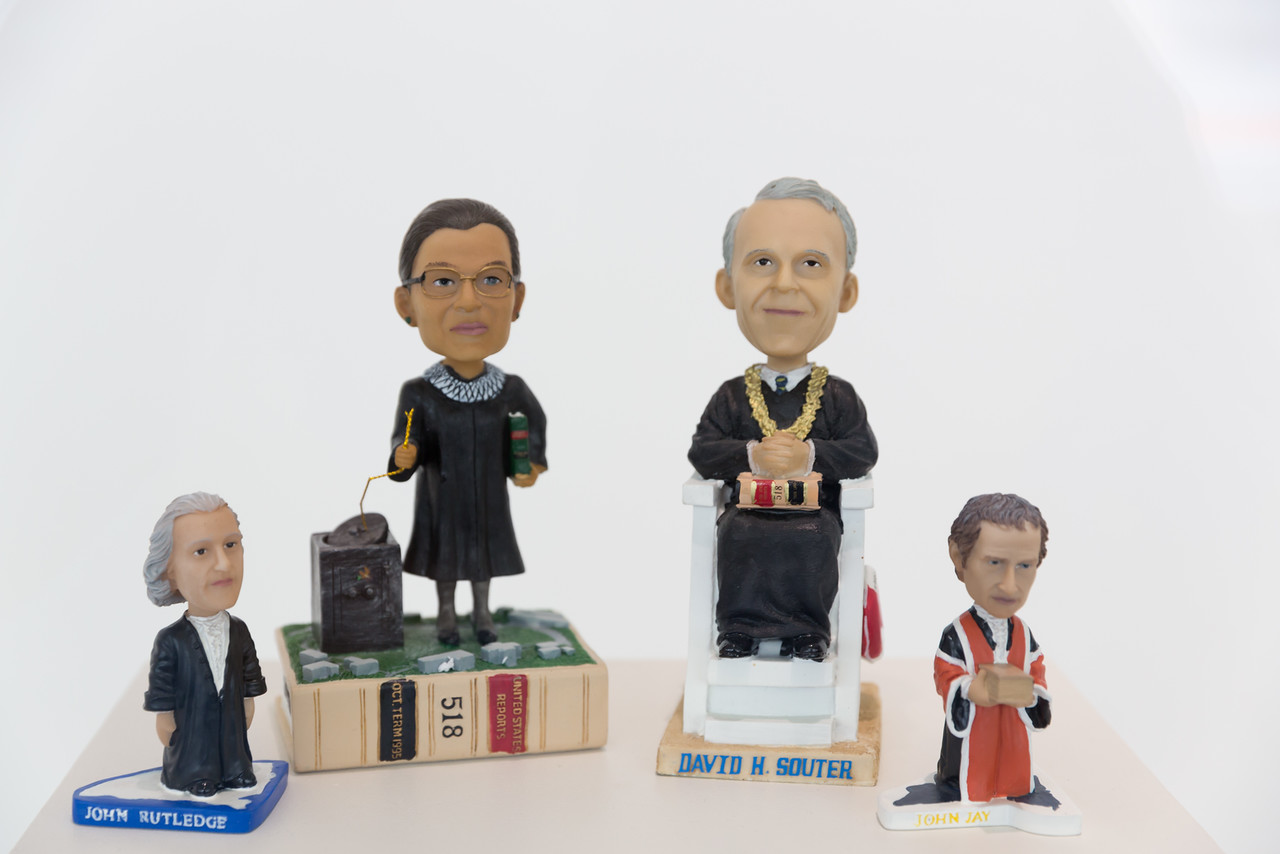
U. S. Supreme Court Bobbleheads: Justice John Rutledge, Justice Ruth Bader Ginsburg, Justice David H. Souter and Justice John Jay (1st Supreme Court Justice). Photo by Craig Madsen, Thomson Reuters

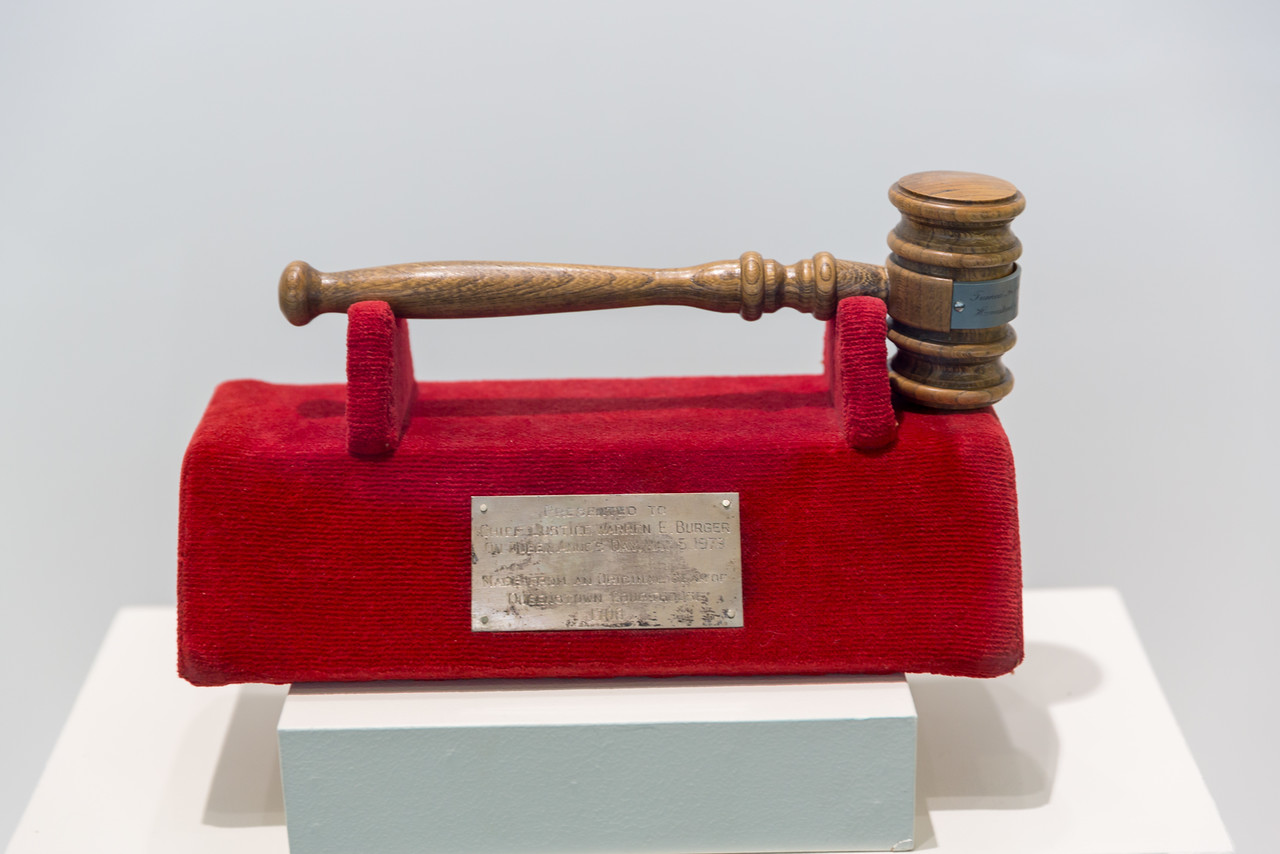
The exhibit, on view through mid-November 2015, includes more than 100 items, ranging from a a painting by U.S. Supreme Court Chief Justice Warren Burger to bobble-heads of Supreme Court justices.

Gavel on presentation stand presented to U.S. Supreme Court Chief Justice Warren Burger. The pewter band on the gavel reads: “Turned in 1978 from an elm planted on the homestead of John Jay…CA: 1800.” Affixed to the stand is a sterling silver plate with the inscription. “Presented to Chief Justice Warren E. Burger on Queen Anne’s Day, May 5, 1979.” Photo by Craig Madsen, Thomson Reuters

The exhibit is presented by the airport and locally-based Thomson Reuters.

All photos by Craig Madsen, Thomson Reuters.

Aviation exhibit at Lambert-St. Louis Int’l Airport

Lambert aviation exhibit

What better place to see artifacts from aviation history than in an airport?

Lambert-St. Louis International Airport is hosting a new exhibition in Terminal 1 featuring items on loan from the Greater St. Louis Air and Space Museum.

On displays: pristine aviation instruments, flight attendant and pilot uniforms, posters and other aviation-related memorabilia, much of it highlighting Lambert’s own history.

Look for an old Ozark Airlines sign, samples of boarding passes from carriers past and present and a lot of items from the golden years of TWA, which once had a hub here. There are also items related to the military here, including an ejection seat from a fighter jet.

lambert

Museum Monday: Hawaii by Air exhibit

Hawaii by Air

Courtesy National Air and Space Museum, Smithsonian Institution

Dreaming of a trip to Hawaii?

So, evidently, are the curators at the Smithsonian’s National Air and Space Museum in Washington, D.C.

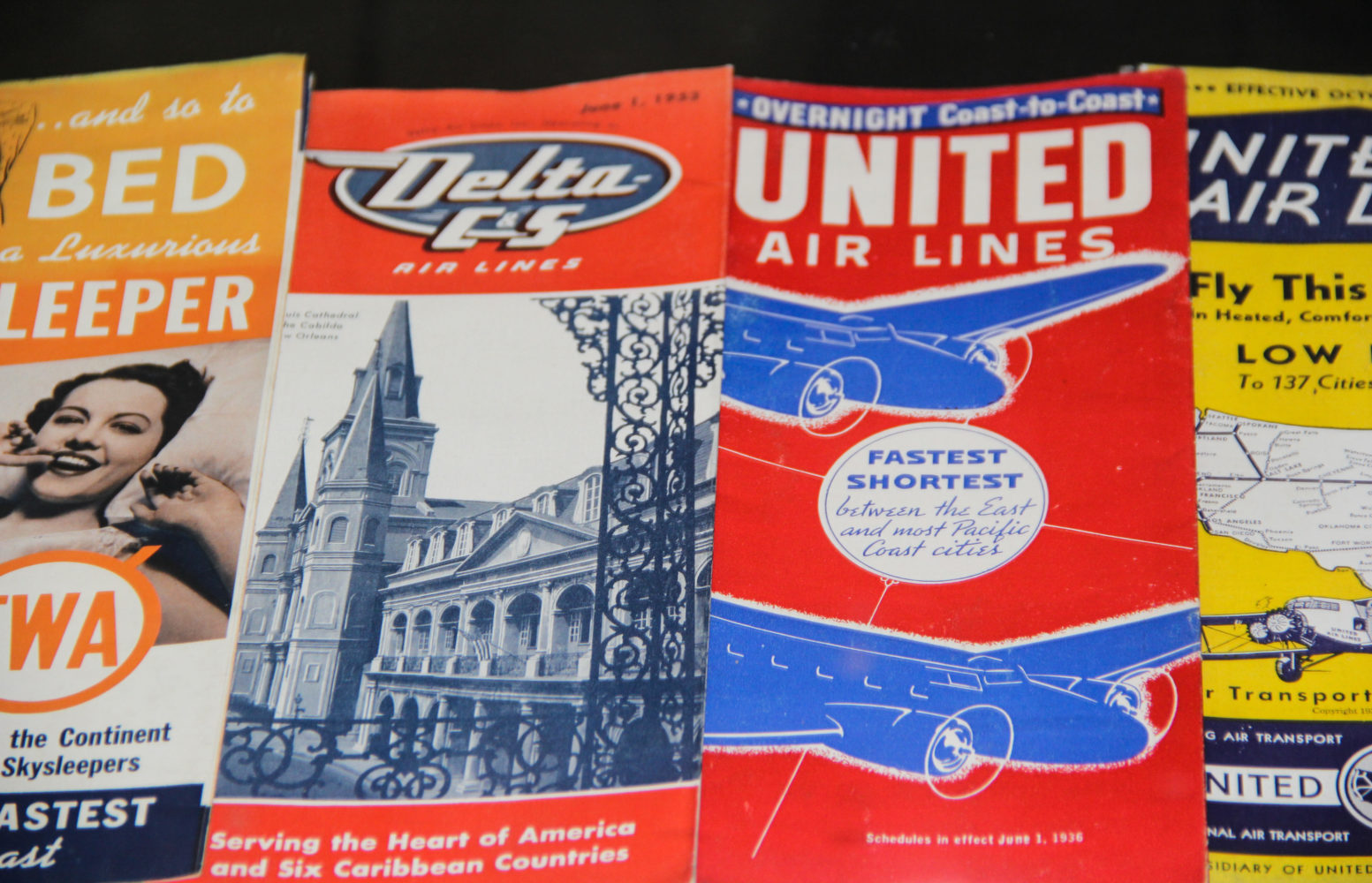
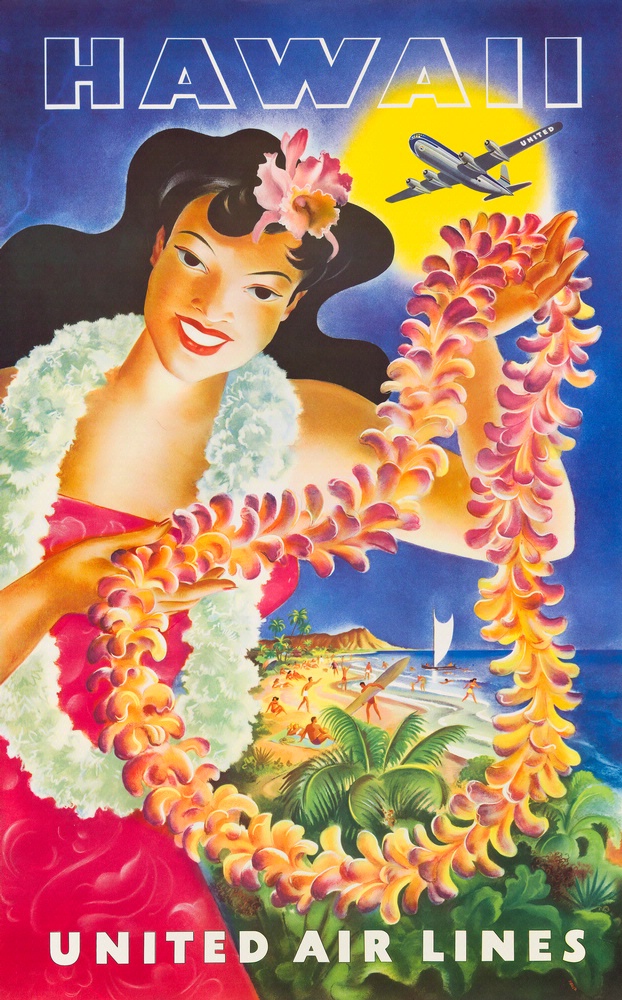
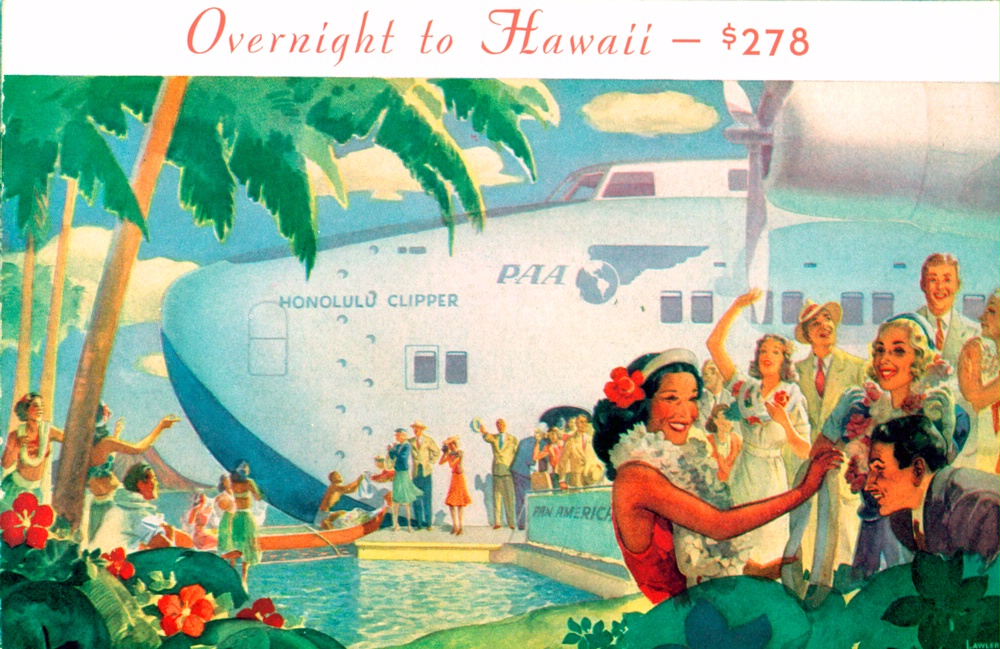
They’ve put together “Hawaii by Air,” an exhibition featuring Hawaiian travel posters, photographs and ephemera that explores how air travel to Hawaii developed and grew, how the travel experience evolved along with the airplane and how air travel changed Hawaii.

Also on display: airplane models, airline uniform badges, historic film footage, a high-resolution satellite image of the islands, broadcasts from a vintage Hawaiian radio show and live Hawaiian plants.

pan am brochure

National Air and Space Museum, Smithsonian Institution

Hawaii, exhibition notes remind us, is one of the most remote places on Earth. It got its first air service in 1935 and, by 1936 Pan American Airways was delivering passengers on its famous flying clipper ships.

From the exhibition notes:

“Flying to Hawaii was luxurious but expensive; most people still traveled by ocean liner. That changed after World War II, when new propeller-driven airliners and then jets made travel to this remote destination much more common, comfortable and affordable. Hawaii experienced a tourism boom that exceeded all expectations.”

The exhibit runs through July 2015.

Continental Hawaii

National Air and Space Museum, Smithsonian Institution

A fun review of my Hidden Treasures book

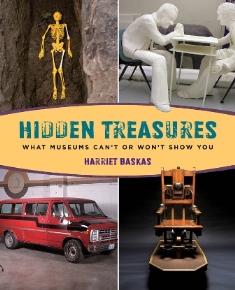
Mary Ann Gwinn, the book editor for the Seattle Times, warned me that the story she was writing about my book – Hidden Treasures: What Museums Can’t or Won’t Show You–  was scheduled to run in the paper today, when everyone’s attention might be on the Seahawks Super Bowl win.
Hidden Treasures cover small

So I was pleased the story actually showed up on-line Saturday, along with a slide-show of some of the treasures featured in the book and a mention of my February 12th appearance at Seattle’s University Bookstore ( 7 pm) – an official Humanities Washington event.

Here’s an excerpt from Gwinn’s story:

“Everybody has something they just can’t find out enough about, even if they can’t explain why. For Harriet Baskas, that thing is museums. Not the mammoth, marble-lined kind (though those have their moments) but the museums of the backwaters, byways and small towns of America, the repositories of a community’s heritage.

The word “heritage” is a big tent. We might be talking about John Dillinger’s gun (the Dayton History museum, Dayton, Ohio). Or a quilt pieced from Ku Klux Klan headgear, stitched together by a Puyallup housewife (Yakima Valley Museum, Yakima, Wash.).

Washington_Orcas_Banditbook_small

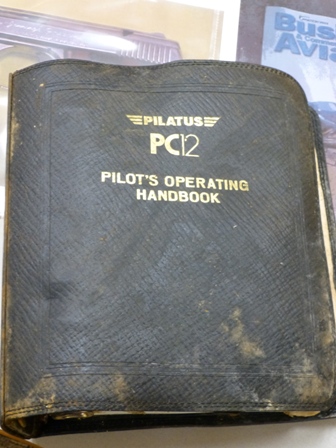
Or a pilot’s manual used by Orcas Island’s “Barefoot Bandit,” Colton Harris Moore (Orcas Island Historical Museum, Eastsound, Wash.) when he taught himself to fly. Or the gravestones of Perry Edward Smith and Richard Eugene Hickock, the killers of the Clutter family, made famous by Truman Capote’s book “In Cold Blood” (Kansas Museum of History, Topeka).

These are items that are considered too expensive, too dangerous, too charged with emotion or simply too weird for museums to exhibit, as Seattle author Baskas amply demonstrates in her new book, “Hidden Treasures: What Museums Can’t or Won’t Show You” (Globe Pequot Press, $19.95). “Most museums will say that they don’t show things because they are too fragile or they don’t have room. I was after all the other reasons,” says Baskas, author of six previous books on museums.

Here’s a link the Q&A Gwinn put together from our chat.