history

Celebrating the centennial of the first around the world flight

On April 6, 1924, four U.S. Army planes, each with two crewmembers, took off from what was then Sand Point Airfield in Seattle.

Their goal was to complete the first circumnavigation of the globe by air.

The four planes were Douglas World Cruisers and they were named Seattle, Chicago, Boston, and New Orleans.

Due to weight restrictions, no more than 300 pounds of supplies could be loaded into each open-cockpit plane. And that meant that some otherwise standard equipment, such as parachutes and life preservers, got left behind.

Although each member of the World Flight carried a stuffed monkey as a mascot.

This monkey was named “Maggie” and flew on the Boston plane. (Image courtesy National Air and Space Museum).

The journey was far from easy. On their way around the world, the team encountered freezing temperatures, typhoons, mechanical breakdowns, crashes, and other obstacles.

But, despite losing two of the original four planes, on September 28, 1924, the Chicago, the New Orleans, plus the Boston II (a replacement) landed back at Sand Point.

The journey had taken 175 days, the crew had made 74 stops, and the team had covered about 27,550 miles.

Today, that first flight around the world is marked with a concrete pillar on a small island at the entrance of the former Naval Air Station where the planes took off.

At the top of the pillar is a large pair of bird wings. At the bottom, a plaque with the dates of the flight and the names of the crewmen and their planes.

This week Seattle is marking the 100th anniversary of the first successful round-the-world flight with celebrations at the Museum of Flight and at Magnuson Park, the site of the former Sand Point Airfield.

From September 26 to 29, more an a dozen aircraft representing decades of around-the-world record flights will be on view in the parking lot of Seattle’s Museum of Flight. Inside the museum, there will be flight lectures and films.

A full schedule for the museum events is online.

Over at Magnuson Park, there’s an afternoon of free commemoration events scheduled for September 28th.

Here’s a video about the first round-the-world flight from the National Archives.

And here’s a video about the around-the-world flight aimed at a very young audience, courtesy of the Smithsonian National Air & Space Museum.
Aviation lore & more at St. Petersburg Museum of History

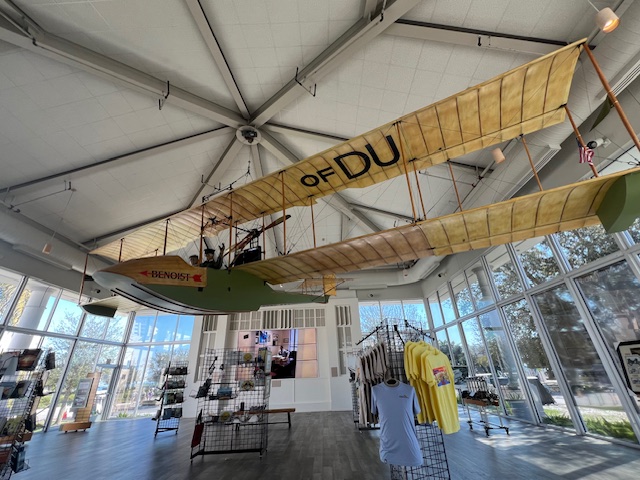
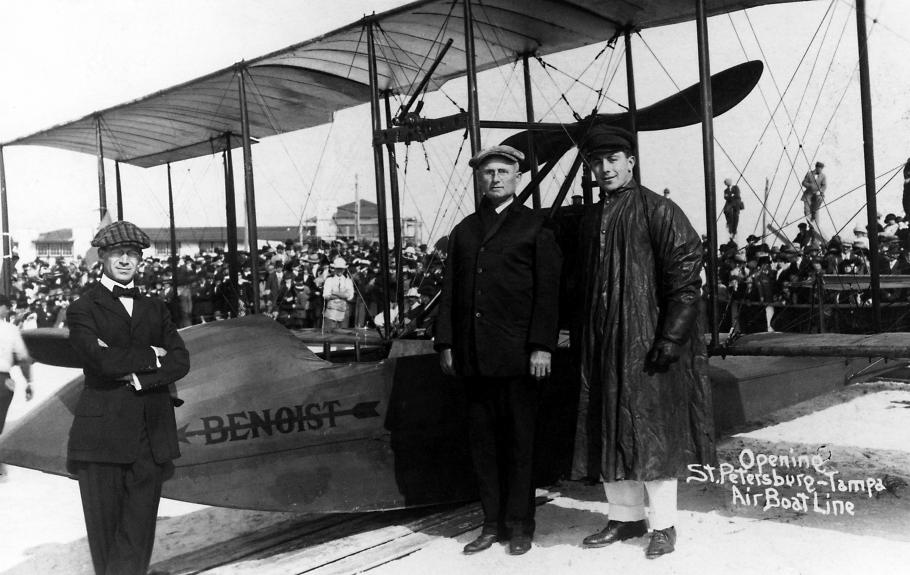
In Florida, the St. Petersburg Museum of History displays a replica of the Benoist XIV airboat used for the first scheduled airline service, which operated nearby.

On January 1, 1914, the St. Petersburg-Tampa Airboat Line began flying across Tampa Bay.

The flight covered 18 miles and 23 minutes. That journey was 11 hours faster than making the trip between St. Petersburg and Tampa by rail.

(Courtesy Smithsonian Institution)

That plane is just one of the treasures we spotted at the museum when we visited. The museum is home to the largest collection of signed baseballs: 5,036 and still growing; a great exhibit about the artists known as the “Florida Highwaymen,” a 3,000-year-old Egyptian mummy, artifacts from Webb’s City – a local roadside attraction – and much more.

Digging into the history of Dallas Fort Worth International Airport

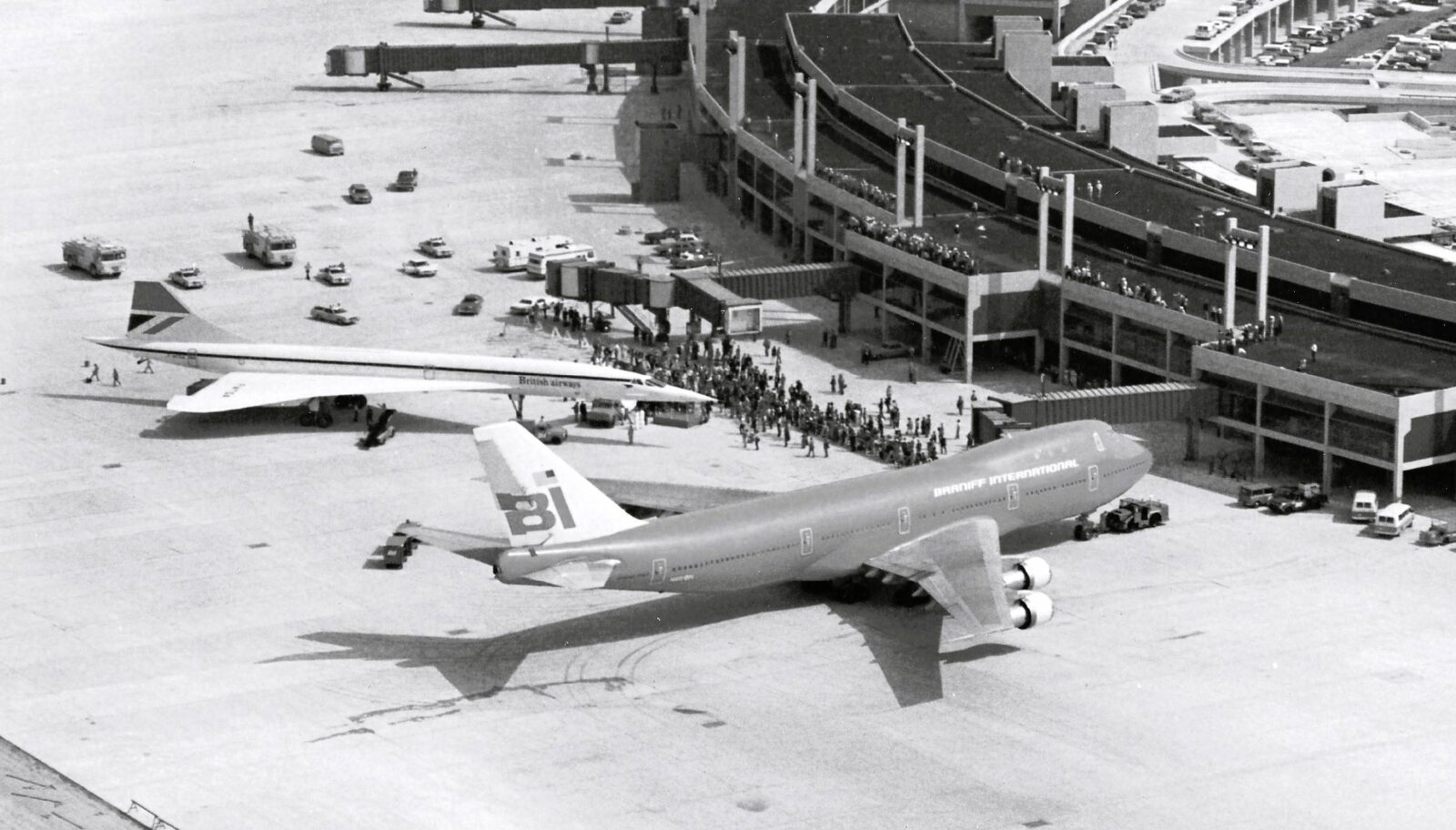
(The Concorde visits DFW Airport – courtesy Frontiers of Flight Museum)

Dallas Fort Worth International Airport (DFW) turns 50 in January 2024 and the Stuck at the Airport team has been doing a little digging into the airport’s history.

We’ll be back with more finds, but we wanted to share this short video we found presented by the former director of the DFW Records Department. The video shows some treasures in the Dallas Fort Worth International Airport archives, including the pre-computer drafting tools used to design the airport and the dinosaur bones found onsite.

John Wayne Airport marks a milestone

John Wayne Airport (SNA) is celebrating a century of flight in Orange County, California with an exhibition and a history timeline.

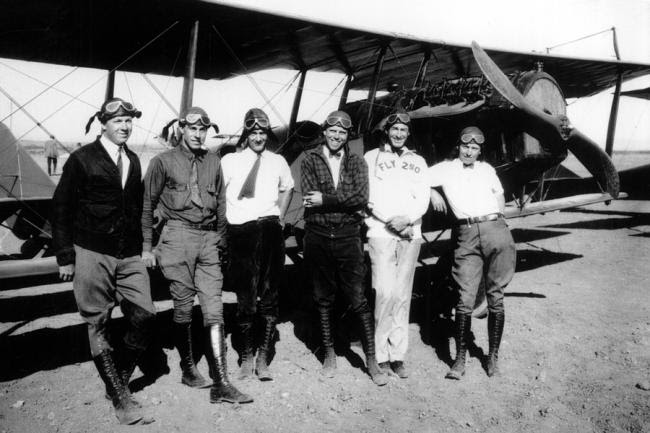
The airport traces its history back to 1923, when aviation pioneer Eddie Martin founded a flying school and Martin Aviation, one of the nation’s oldest aviation firms.

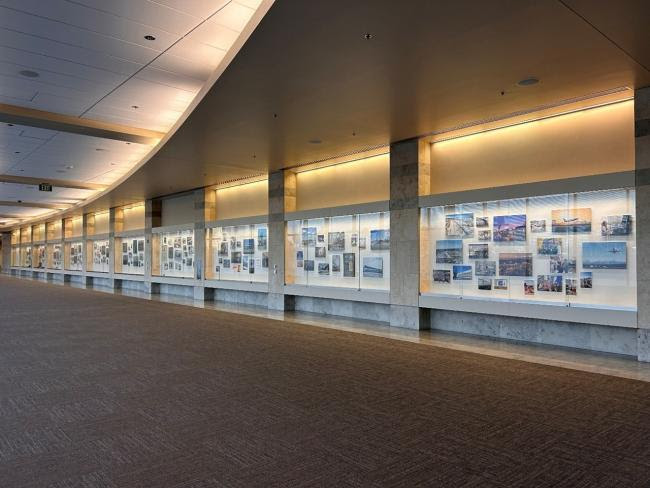
To celebrate the one-century mark, the John Wayne Airport Arts Program has created an exhibition showcasing the history of flight in Orange County from the airfield’s inception to the present-day airport.

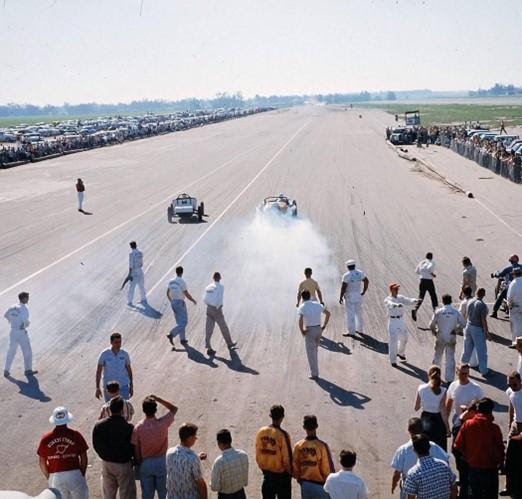
Included are images and information from the 1950s, when the airfield played host to drag racers and souped-up custom cars.

The exhibition will be on view at John Wayne Airport through January 2024, pre-security on the upper Departure Level in the walkway Gallery between Terminals B and C.

(All photos courtesy John Wayne Airport)

Will the Bomber Gas Station’s B-17 fly?

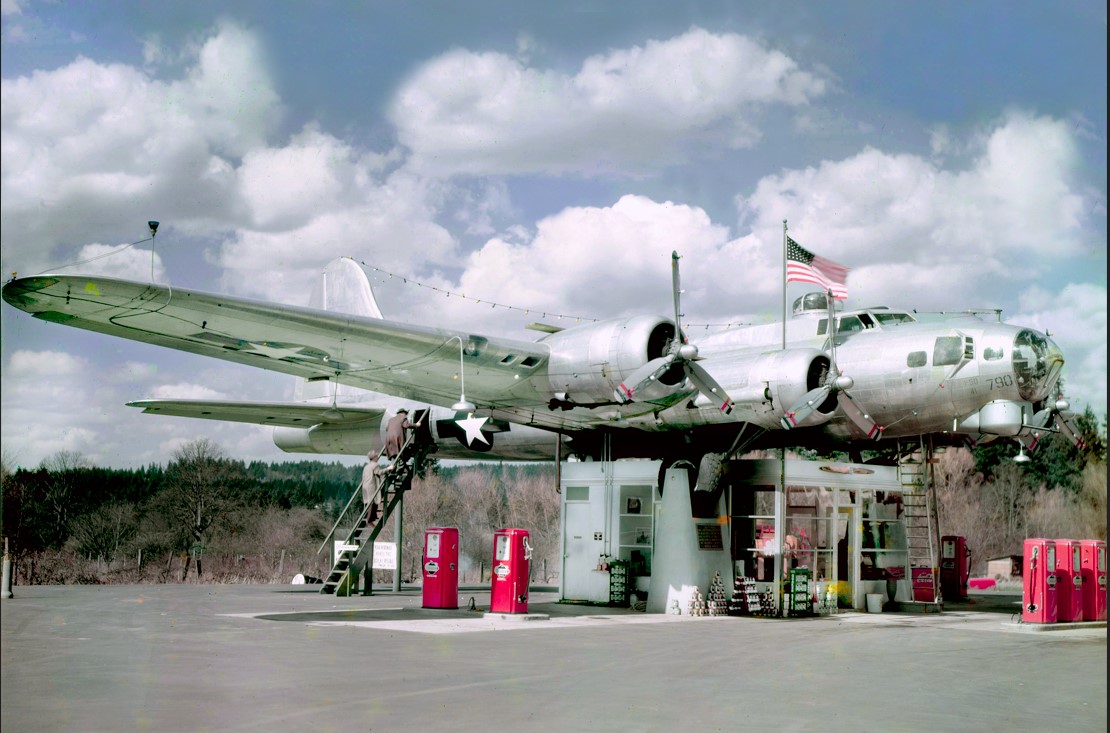
The Stuck at the Airport road trip team visited Oregon recently to check on the status of a World War II-era B-17 Flying Fortress that served for years as a roadside attraction along the highway in Milwaukie, OR, not far from Portland.

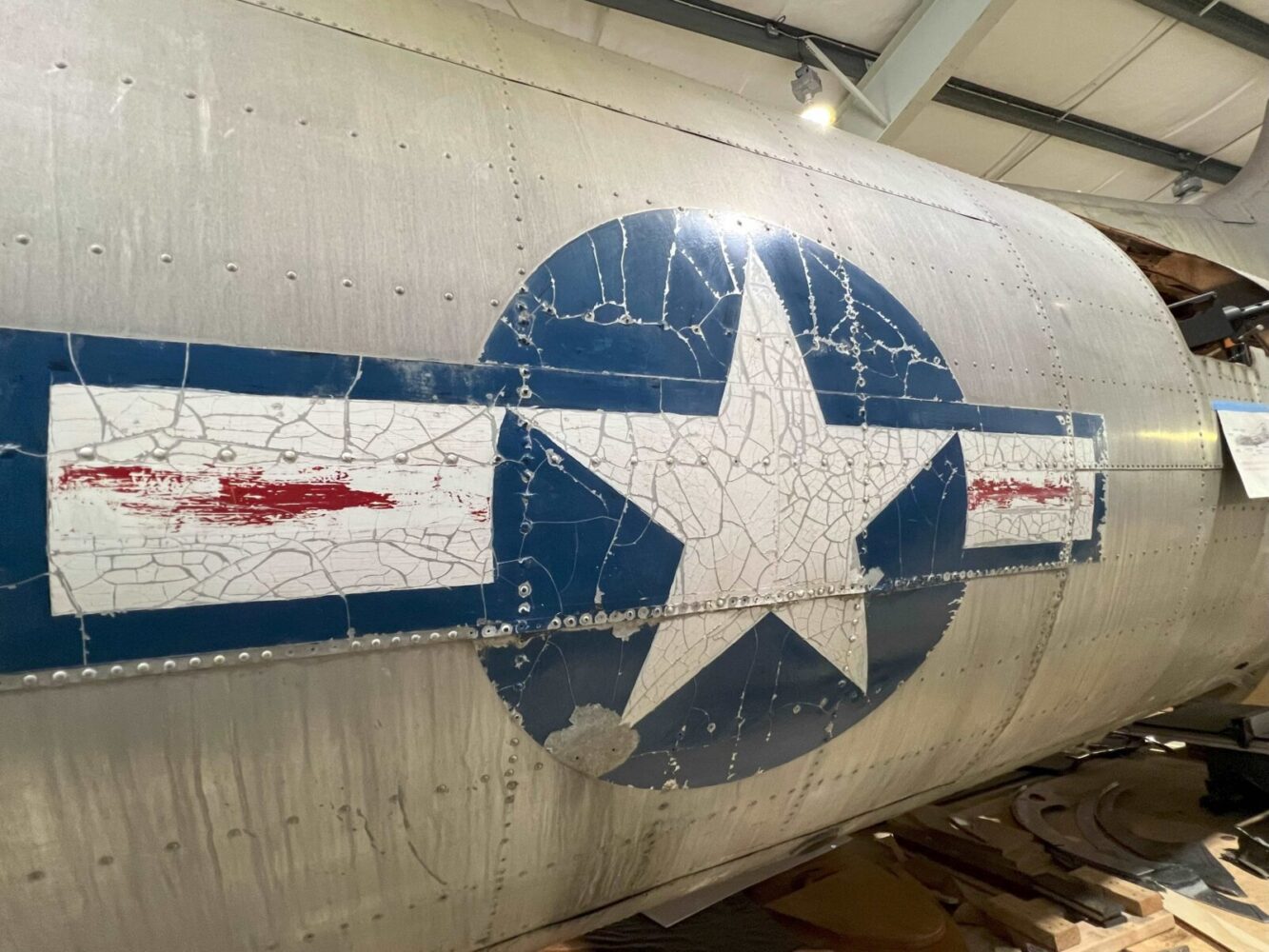
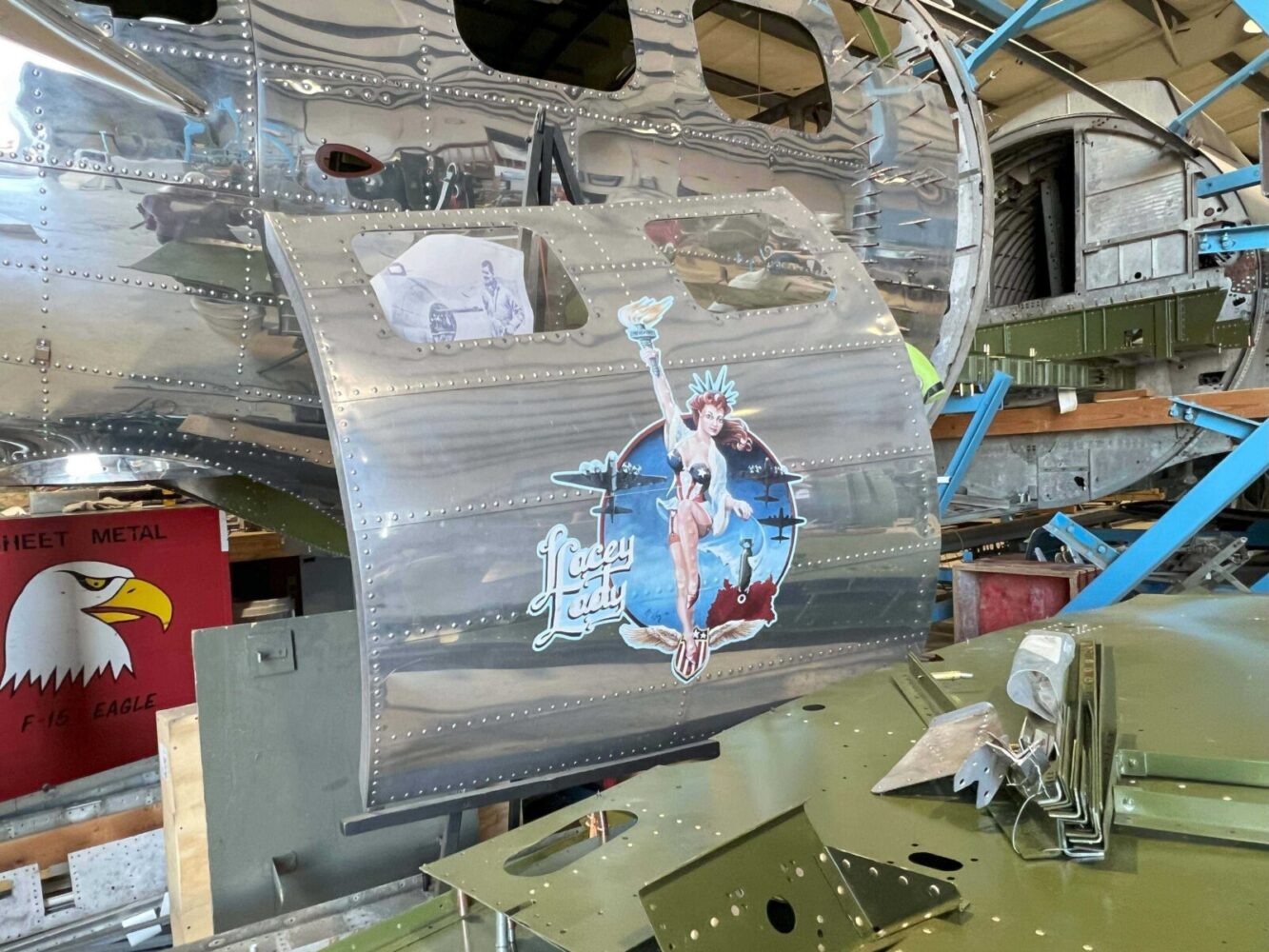
The non-profit B-17 Alliance is restoring the B-17 in Hangar “C” at Oregon’s historic McNary Field/Salem Municipal Airport and we were delighted to get a tour.

You can learn more about the project, and the history of this airplane on the B-17 Alliance Foundation’s site and in the piece we put together for The Points Guy site. But here’s a short version of the Gas Station Bomber story.

Milwaukie, Oregon gas station owner Art Lacey purchased a decommissioned B-17 bomber, one of the iconic four-engine “Flying Fortresses” used by the U.S. Army Air Force in World War II, in 1947 and used the “Lacy Lady” to turn his service station into a roadside attraction.

Into the late 1950s, motorists could climb up into the airplane for a look-around while their automobiles got filled up and serviced and then have a meal at the adjacent Bomber Restaurant.

The gas station closed in 1991 and in 2014 the B-17 Alliance moved the plane to a hangar at Salem Municipal Airport for restoration.

The group estimates that in addition to thousands of hours of volunteer time, it will take more than $6 million to get the airplane airworthy by, perhaps, 2037.

From the SFO Museum: Matchbooks & Air Sickness Bags

The SFO Museum at San Francisco International Airport (SFO) has more than 150,000 objects related to the history of commercial aviation and to the airline industry.

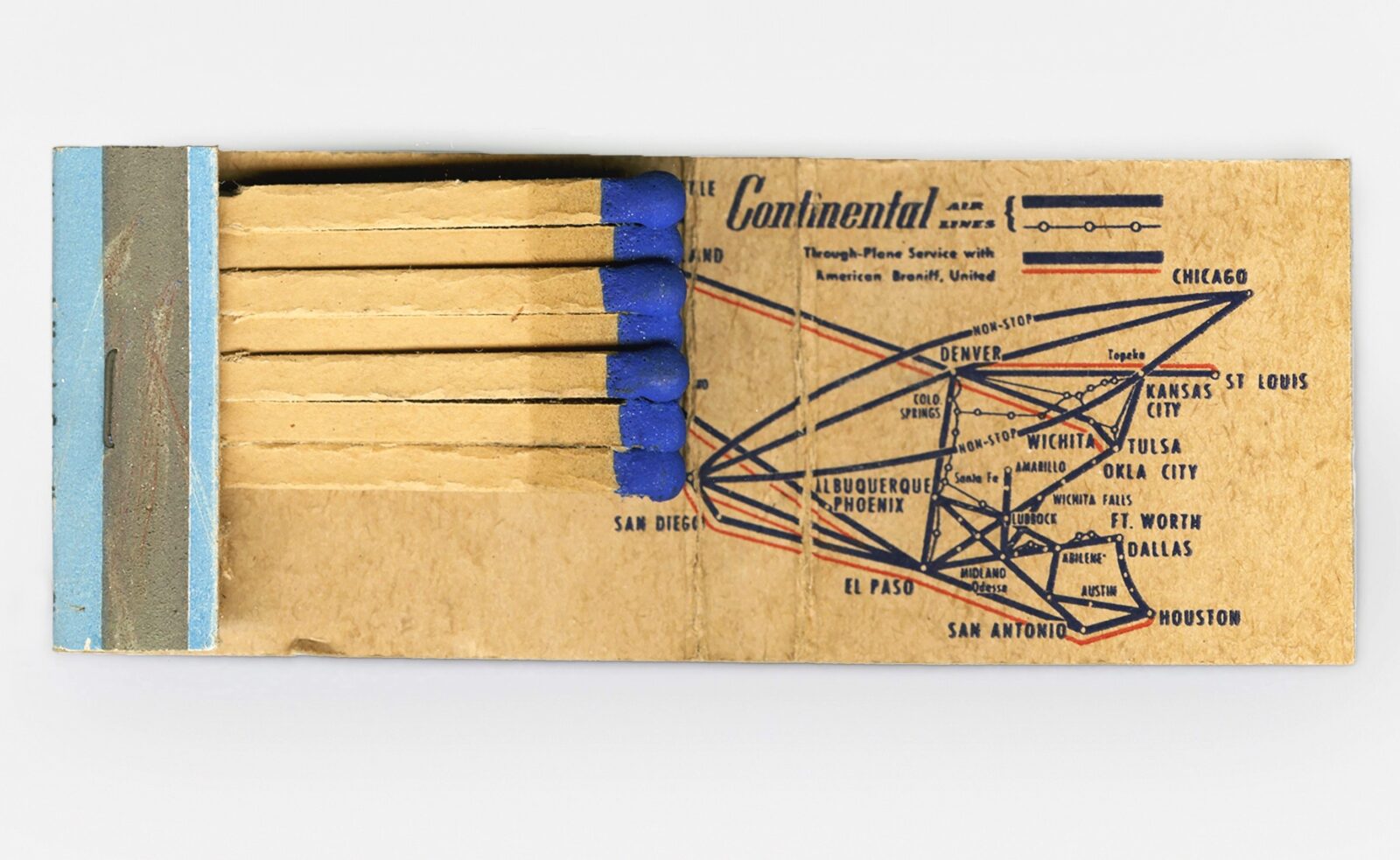
As part of its 52 Objects series this year, they’ve pulled out this matchbook showing the route map for Continental Airlines.

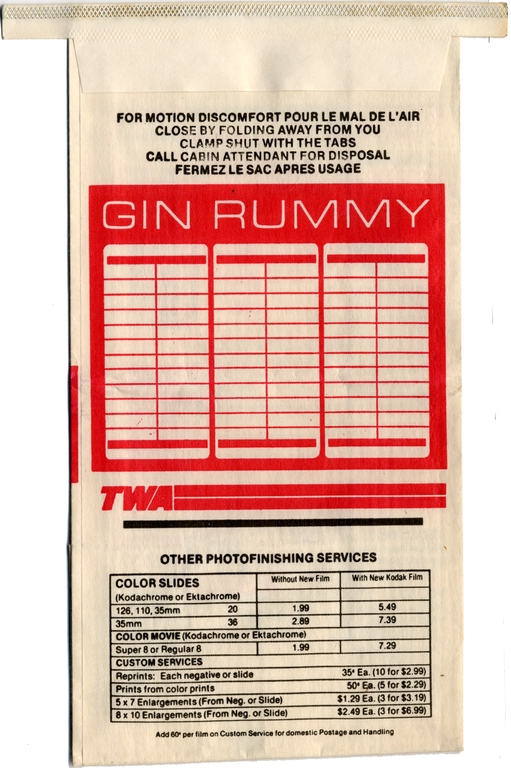
Squeezing as much as possible onto a promotional item is nothing new. A while back we found this air sickness bag in the SFO Museum database which could be used for scoring a gin rummy game and/or turning in your film for processing.

Aviation History exhibit at Phoenix Sky Harbor International Airport

November is Aviation History Month. And that means it’s a good time to look at aviation history displays at airports around the country.

First stop: Phoenix Sky Harbor International Airport (PHX). There, the Phoenix Airport Museum presents numerous history displays. And exhibits are pre-security. Even better, the airport museum has a new Aviation History Guide chock full of information about the exhibits.

The guide is accessible via QR codes by the displays or online.

Gary Martelli, the manager/curator of the Phoenix Airport Museum was kind enough to send these images, along with descriptions.

American Airlines & PHX

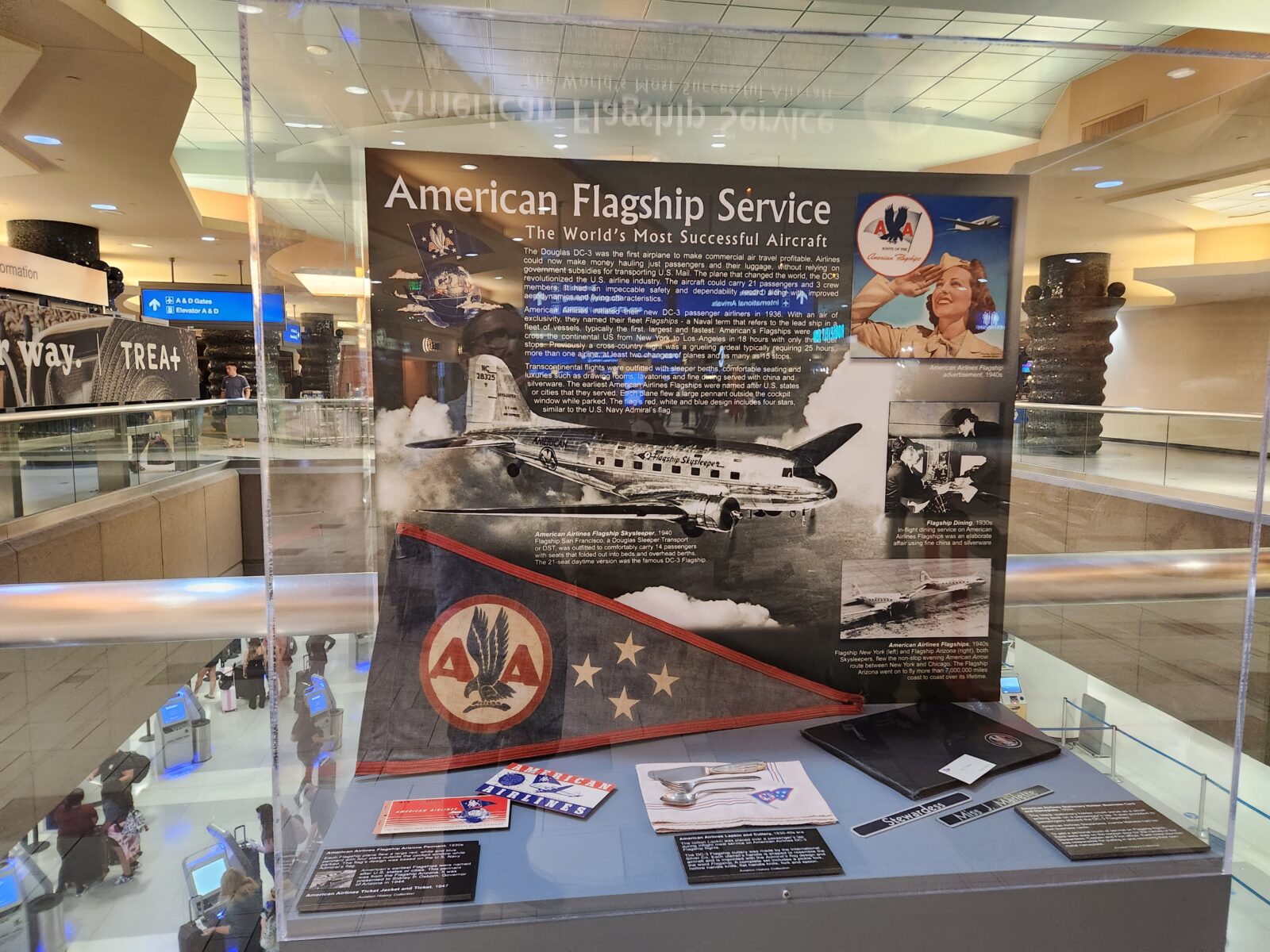
The World’s Largest Airline exhibition is at Terminal 4, level and looks at American Airlines’ long association with PHX. Look for fun facts, historic images, and rare objects like a ‘Flagship’ pennant that traveled millions of miles across America in the 1930s and 1940s.

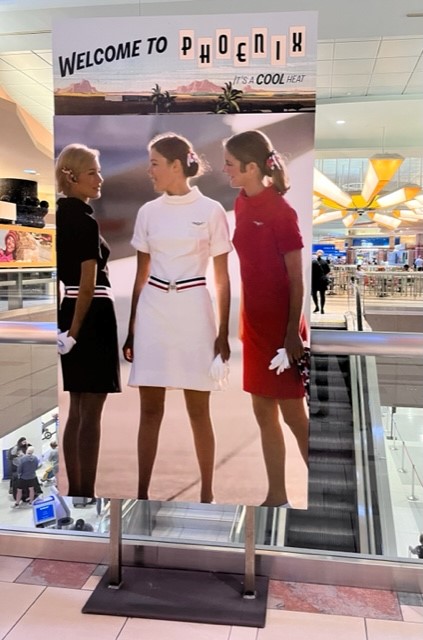
You can also take a selfie with a life-size image of 1960s flight attendants dressed in their modern red, white and blue American Beauty uniforms.

Fly-In Weddings Were Once a Thing at PHX


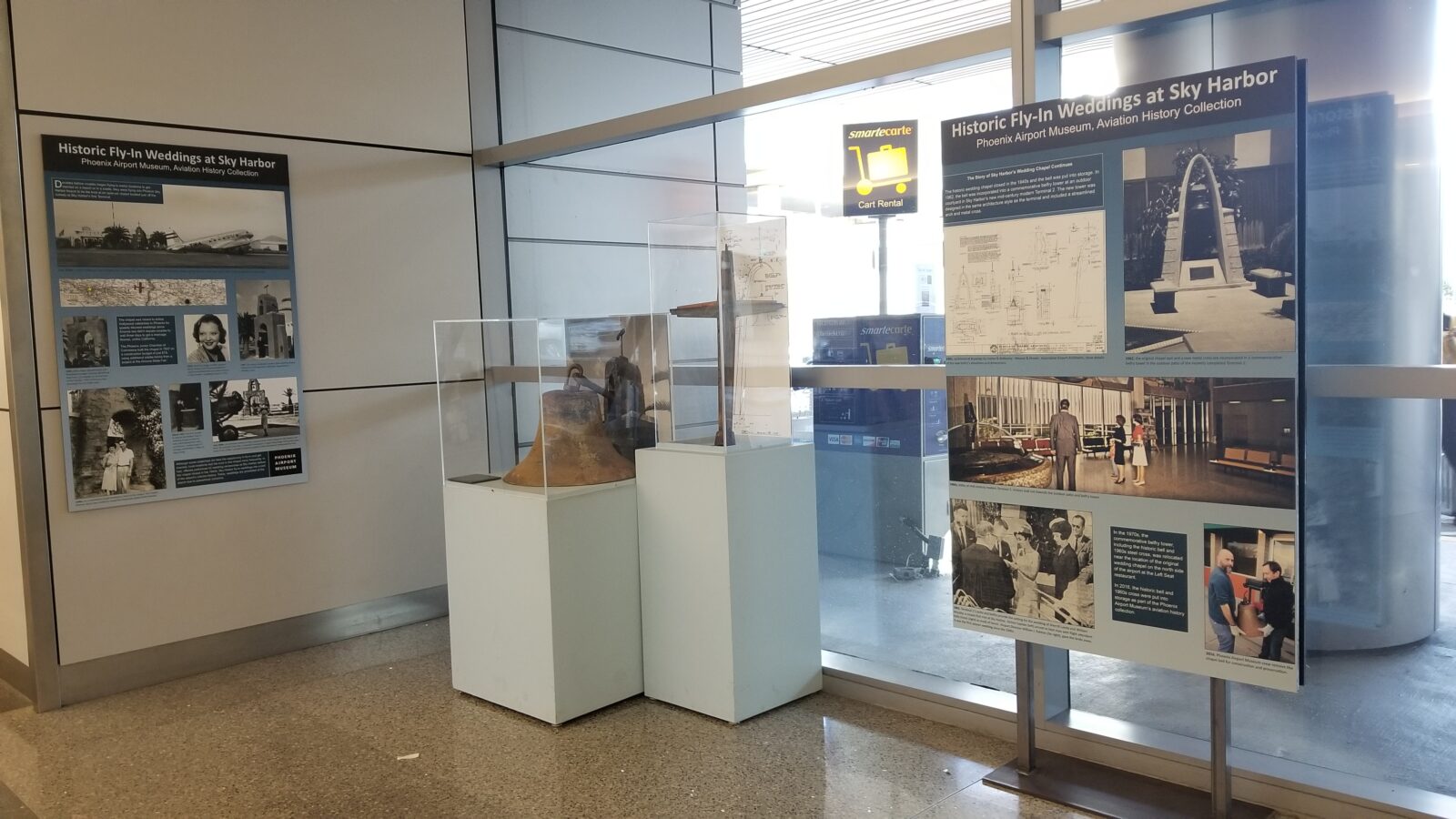
The Fly-In Weddings exhibition at Terminal 3, level 1 tells the story of the time when couples could fly into Sky Harbor to get married at an adobe mission-style chapel located right off the runway. The chapel was available for “aerial elopers” for a short time in the 1930s and 1940s. And on display are historic images and the original 200-year-old chapel bell.

World War 1 Fighter Plane


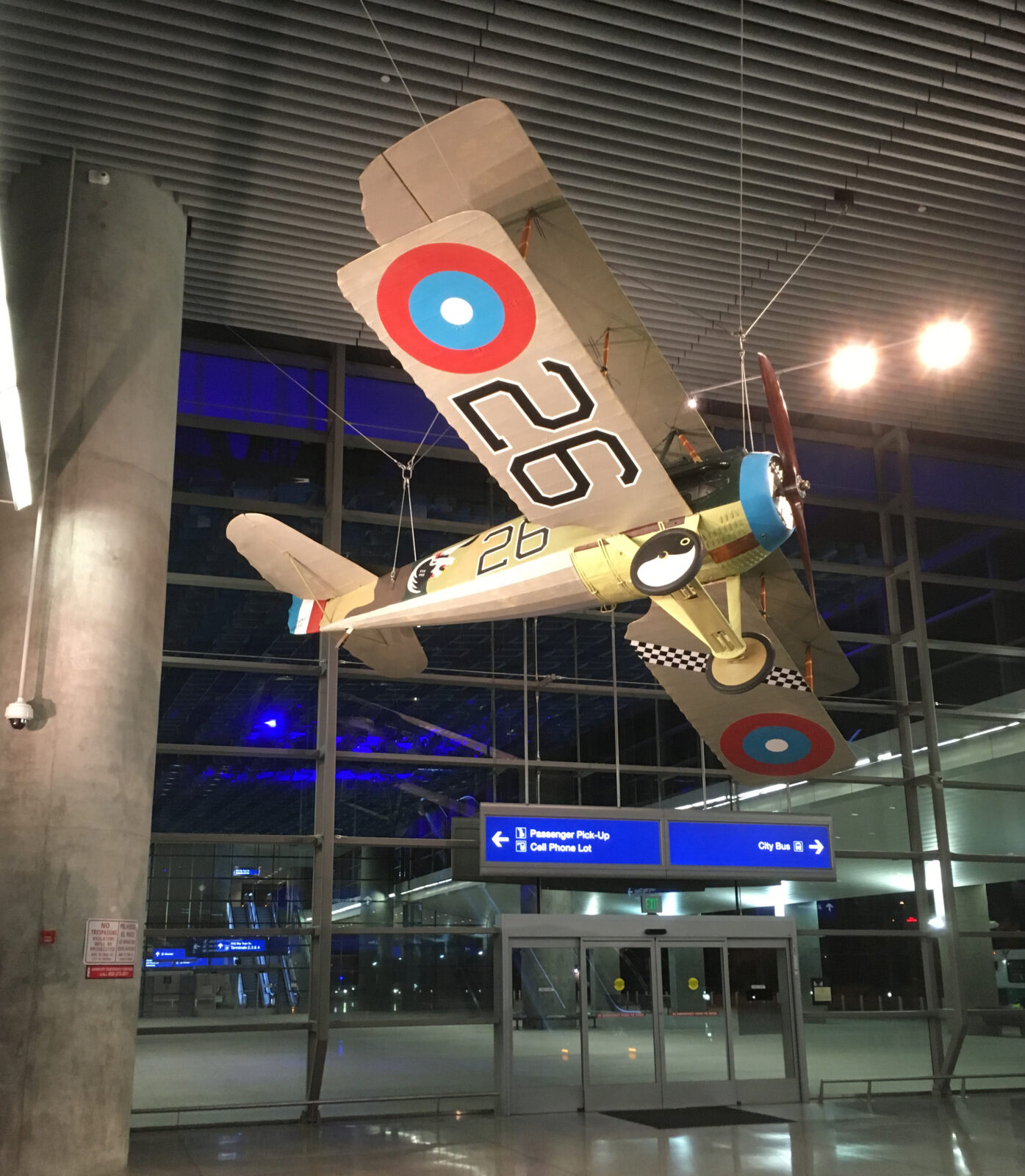
At the airport’s PHX Sky Train 44th Street Station you can look up and see one of the world’s few remaining original World War I fighter planes – the SPAD XIII. The biplane is suspended from the ceiling inside the station and is painted in the colors of the aircraft flown by Arizona’s own flying ace, Lt. Frank Luke, Jr.

Airports, airlines, and the world remember 9/11

We thought we would gather up all the 9/11 anniversary remembrance tweets from airlines, airports, aviation agencies, organizations, and unions, but we’re sure we missed a lot.

Let us know if we missed yours and we’ll add it to the list.

https://twitter.com/FlyFrontier/status/1568977933817073665?s=20&t=i2Yd27ryC6NbrsfFu_ECgw

For National Book Lovers Day: our new book

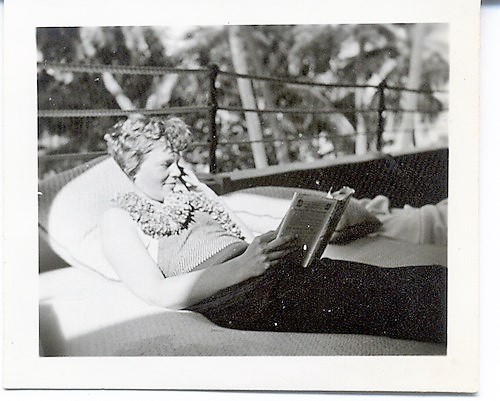
Amelia Earhart Reading,” International Women’s Air & Space Museum,

August 9 was National Book Lovers Day and we celebrated by visiting some of the places in Seattle that are featured in our new book, 111 Places in Seattle That You Must Not Miss, which begins shipping today.

The book is part of the international 111 Places series, which offers locals and experienced travelers guides to hidden treasures, overlooked gems, and charming curious places in great cities.

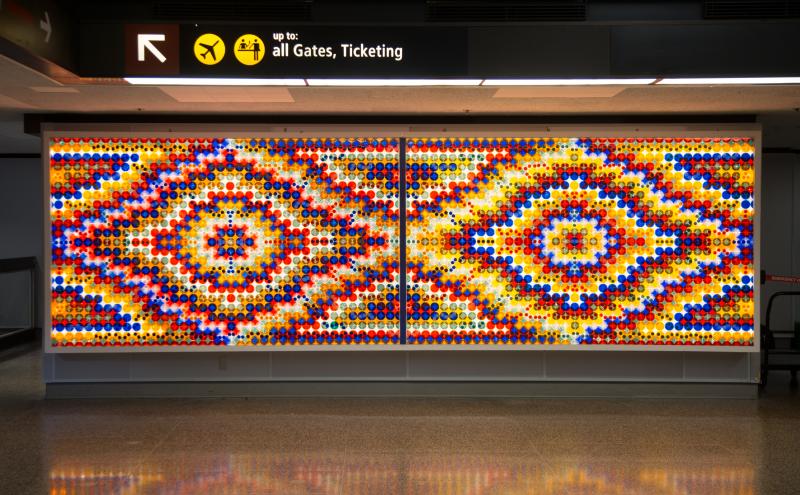
For the Seattle guide, I’m pointing readers to many airport and aviation-related items around town, including the art collections at both Seattle-Tacoma International Airport (SEA) and King County International Airport – Boeing Field (BFI).

Richard Elliot’s ‘Eyes on the World’ at SEA
Brad Miller’s “30,000 Feet” Photo by Joe Freemans Courtesy 4Culture

The Museum of Flight is represented in the book, with the story of the Taylor Aerocar, an early flying car that worked.

Taylor Aerocar III, one wing folded back for ground travel, one wing attached for flight.

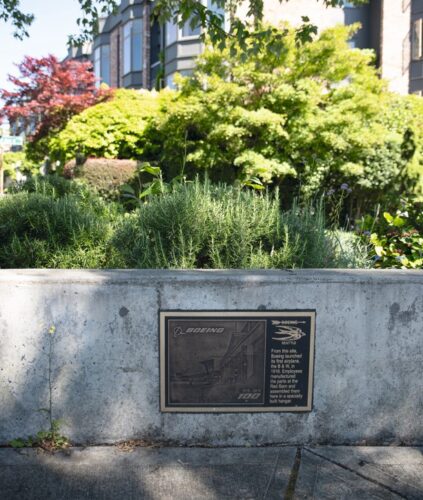
And we also point people to the tiny pocket park on the shores of Lake Union where they’ll find a plaque marking the spot where the first Boeing plane took off.

The plaque reads “From this site, Boeing launched it first airplane, the B&W, in 1916.”

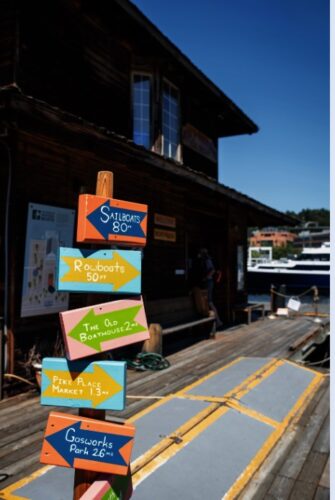
Of course, there are plenty of other non-aviation sites in the book, including the Giant Shoe Museum, the world’s greenest commercial building, a haunted staircase, the Rubber Chicken Museum, a shop where you can buy personalized magic wands, the place where you can rent a rowboat for free, and lots more.

We hope you’ll get a copy of 111 Places in Seattle That You Must Not Miss from your favorite bookseller.

Out & About in Arundel, England

Stuck at the Airport is out and about in the English countryside for a few days with Gary Gatwick, the mascot for London’s Gatwick Airport.

Arundel, in West Sussex, is an easy one-hour train ride from Gatwick Airport. The town looks like one of those storybook English towns we sometimes see on TV travel shows, castle and all.

Arundel offers charming B&Bs such as the House Arundel, as well as charming coffee shops, antique stores, and traditional English country pubs, such as the one we visited in The Swan Hotel.

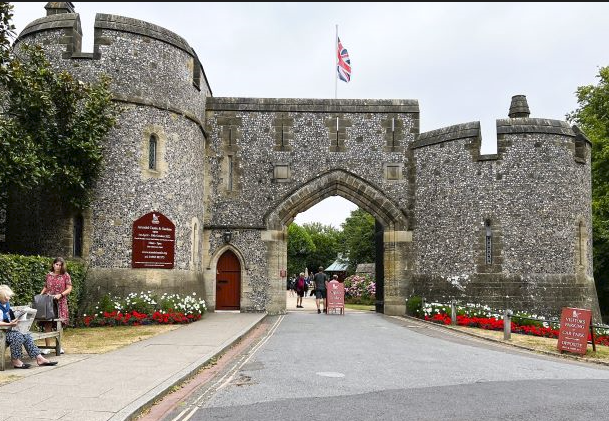
Among the main attractions here are the Arundel Museum and the medieval Arundel Castle.

Collections at the Arundel Museum include pre-historic flint tools found in early settlements around the town, Roman floor tiles found at the site of a luxurious Roman villa, and the large WWII air raid siren that once sat on the roof of the Town Hall.

It’s a good idea to stop in at the museum to learn about the history of the town and get your bearings before heading up to the castle.

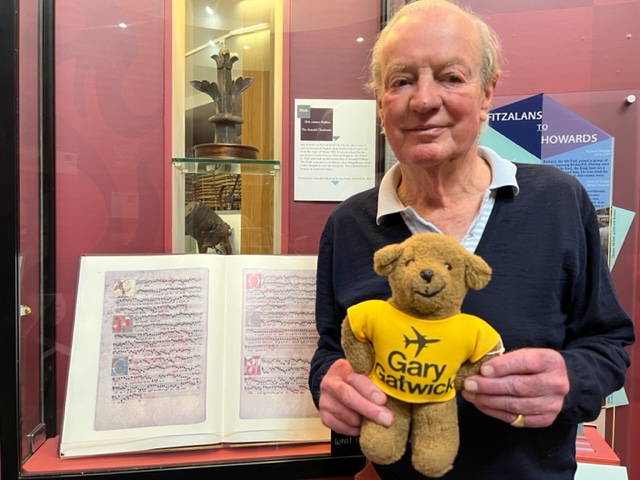
If you’re lucky, local history expert John Barkshire might be around to take you around the museum and point out his favorite objects. His family has been in Arundel since the early 1800s and we were honored to have him pose for a photo with Gary Gatwick while standing next to an exhibit about a rare illuminated church choir book from Arundel.

Arundel Castle

In a country that seems to be chock full of castles, the Arundel Castle stands out because it is so well-preserved and cared for. And because it is one of the longest inhabited castles in the United Kingdom.

First built at the end of the 11th century, it has been restored and rebuilt over the years and is currently the home to the Duke and Duchess of Norfolk and their children.

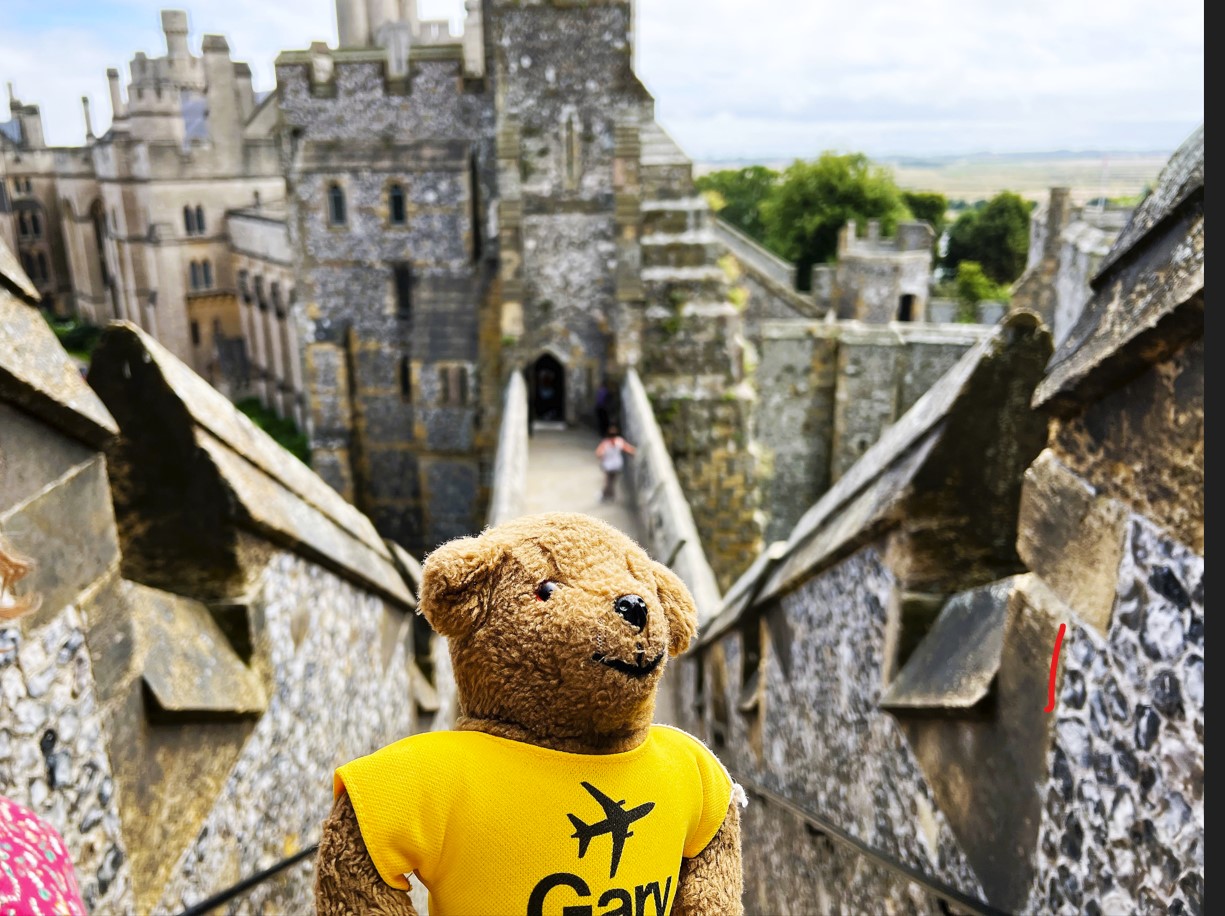
Before you visit, you can read all about the history of the castle here. When you do visit, be sure to wear sturdy shoes. That way you’ll be able to comfortably make your way through the hallways, bedrooms, staterooms, library, magnificent gardens, and up the narrow stone steps to the Keep. And there you’ll be rewarded with great views and, like Gary Gatwick, perhaps have an encounter with one of the knowledgable, in-character guides.