Travel tips

Happy with all that business travel? Most say they are.

There’s no shortage of surveys out there slicing and dicing the habits and experiences of business travelers.

I read them all in search of trends, ideas and occasional surprising statistics and found examples of each in the new National Car Rental State of Business Travel Survey.

Happy Travelers?

In general, most business travelers surveyed (92 percent) said they were satisfied with their quality of life when traveling for business. Eighty-nine percent said they were also comfortable with amount of business travel they do.

That’s a good thing, because 90 percent of business travelers reported that they planned to travel at least the same amount or more in 2018.

What gets done on the road? 

I could identify with some of the survey stats about how much productive work, sleep and quality “me” time takes place during business trips. Perhaps you will, too.

According to the survey, just a smidge over half of business travelers (51 percent) reported that they were calmer when traveling for business compared to their everyday lives, but they also reported exercising less, sleeping less and eating less healthy when away from home on a business trip.

Most business travelers surveyed (57 percent) also claimed to work more hours and to be able to focus better (48 percent) when on the road.

What about down time during business trips?

Your co-workers, and family members at home, might think your business trip is – or should be – all business. But everyone needs some down time, and here the results of the survey were somewhat surprising.

While most (80 percent) of business travelers said they take time for fun/personal activities while on a business trip, 38 percent said telling their bosses about that down time was a “no go”; 40 percent said they avoided telling co-workers about any fun they had on a business trip and 31 percent advised against telling spouses or significant others about any non-work fun during a business trip.

Mixing business and fun

I’m confident folks at home, co-workers and even bosses wouldn’t begrudge business travelers a bit of time exploring a new city and I’m surprised at the “no go” and “don’t tell” statistics in the survey.

It’s possible to squeeze in some fun on a business trip – and here are a few ways to make that happen:

Commit

Become a tourist while traveling on business by adding an extra day to the front or back of your trip to explore a new city. Make sure you use that time wisely by buying a ticket to a play, museum exhibition or city tour before your business trip starts.

Dip into a neighborhood

If you don’t have official extra time in a city, try to take at least one meeting at a coffee shop or restaurant recommended by a local. Walk or drive to that meeting by taking the long (but safe) route around.

Don’t return that rental car too early 

If, like some respondents to State of Business Travel Survey claim, you can focus well on a business trip and you get your work done early, don’t head straight for the airport.

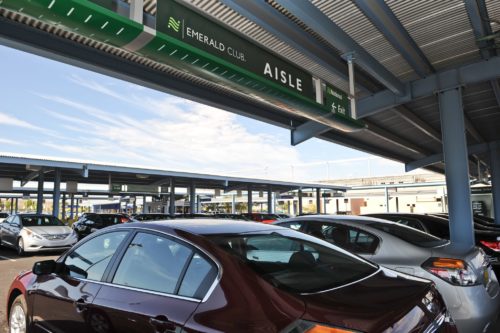
Use the extra hours on your car rental and the “Drop & Go” perk you get from being a member of loyalty programs such as National Car Rental’s Emerald Club to visit an attraction nearby the airport. For some ideas, see my previous post, “Heading to the airport? Hold onto that rental car.”

Have some tips balancing work and fun on a business trip? Please share those in the comments section below.

FYI:The National Car Rental State of Business Travel Survey was conducted from December 4-11, 2017, among 1,000 U.S. frequent business travelers in Research Now’s Business Travelers’ database.

While I was compensated by National Car Rental for this post, all thoughts and opinions shared here are totally my own.


Where to fly in 2018

My year-end story for CNBC was a look forward at places to go in 2018. Here’s a slightly different version of that story.

A great year-end tradition is sitting down with a map and a glass of wine and reviewing the places you have been in the past year and setting out a wish list for where to go when the calendar resets.

The possibilities of where to go next can seem endless – and expensive – but travel experts have loads of suggested destinations and plenty of tips to get you started on next year’s journeys.

  Winning historic US Main Streets

 Eleven cities and towns around the United States are sharing more than $1.5 million in preservation grant funds recently awarded by American Express and the National Trust for Historic Preservation to preserve unique features of downtown districts large and small.

Head to Casa Grande, AZ to see how the vintage neon sign park is coming along; how renovation is progressing on the historic Formosa Cafe (once a haunt of Hollywood celebrities and organized crime figures) along Route 66 in West Hollywood, CA; and if the recently reopened 1913 Woodward Theater in Cincinnati’s Over-the-Rhine neighborhood has reconstructed the building’s historic marquee. See the full list of Main Street winners here.

Party in Paris

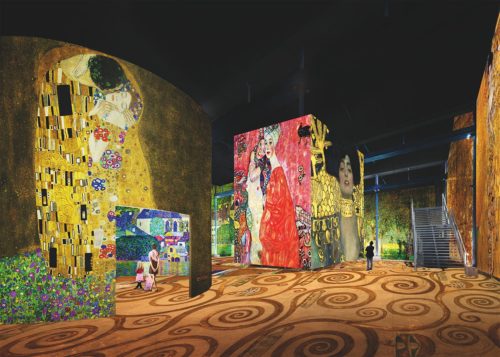
 During 2018, Paris will host the 10th edition of the Gay Games in August and the iconic Ryder Cup gold tournament in September. March brings the opening of Lafayette Anticipations, a public gathering place in the heart of the Marais that will present a wide variety of events and works of contemporary art, design and fashion. And L’Atelier des Lumières, an immersive digital museum of fine art located in a former iron foundry, is set to open in April with work by major artists projected on the facility’s 26-foot-high walls.

(Takashi Murakami, Kelin’s Pot A, courtesy The Modern Art Museum of Fort Worth)

Frolic in Fort Worth

Visitors to Fort Worth get an authentic taste of the Old West twice daily, when Texas cowhands drive a herd of Texas longhorns down Exchange Avenue in in the Stockyards National Historic District. For a taste of Texas-made whiskey and bourbon, visitors can now head to southeast Fort Worth, which is home to Firestone & Robertson Distilling Co.’s new Whiskey Ranch complex. The 112-acre “whiskey wonderland,” thought to be the largest whiskey distillery west of the Mississippi, also has a tavern and a historic 18-hole golf course on site.

In the city’s cultural district, the Modern Art Museum of Fort Worth will host a Takashi Murakami retrospective titled “The Octopus Eats Its Own Leg,” from June 10 through September 16. The exhibition will feature 50 works by Murakami, who is known for his collaborations with pop icon Kanye West and fashion house Louis Vuitton.

Celebrate the Erie Canal

In New York State, a multi-year celebration marking the bicentennial of the construction of the Erie Canal is underway in cities, towns and villages throughout the Canal corridor, which includes major cities such as Buffalo, Rochester, Syracuse and Albany.

To celebrate the bicentennial of the completion of the Erie Canal, as well as the 150th anniversary of glassmaking coming to the city of Corning, in May 2018 the Corning Museum of Glass will launch GlassBarge, a canal barge outfitted with glassmaking equipment. The floating glass studio will make a four-month journey from Brooklyn to Buffalo, traveling north on the Hudson River and then westward on the Erie Canal from Albany to Buffalo, making stops in towns and cities along the way to offer free glassblowing demonstrations.

New York’s Finger Lakes region, which reaches from Rochester to Syracuse, has also expanded its Craft Your Adventure Beverage Trail  to include 29 different stops for craft beer, hard ciders and spirits throughout the region.

Be wowed in World Record spots

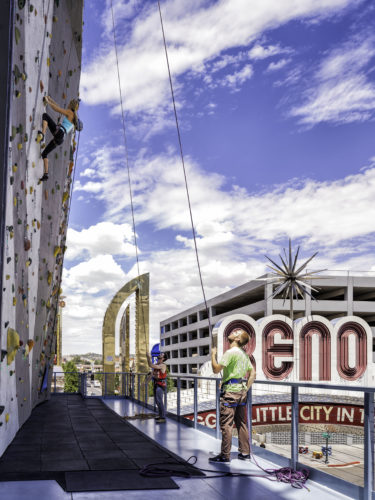
World’s Tallest Outdoor Rock Climbing Wall_ courtesy Whitney Peak Hotel

 A 19 percent year-over-year increase in domestic bookings suggests to American Express Travel that in 2018 many Americans will be seeking adventures and unique experiences close to home.

That includes visits to World Record hot spots in the U.S. such as the World’s Tallest Outdoor Rock-Climbing Wall in Reno, NV; Bowling Green, KY’s Mammoth Cave National Park, which is home to the world’s longest known cave system; the World’s Largest Living Tree – a giant sequoia named General Sherman – in California’s Sequoia National Park; and the volcanic-formed Crater Lake, OR which, at 1,943 feet, is America’s deepest lake.

Lots more options – and lots more lists

Overview of Paine River and snow-capped Paine Massif in Chile. Photo by Matt Munro.

The editors at a variety of travel sites and publications share extensive lists of hot destinations and editors’ top picks each year. National Geographic offers lots of “Why Go Now” reasons to visit far-flung cities ranging from Harar, Ethiopia and Tbilisi, Georgia to Oaxaca, Mexico and Sydney, Australia in 2018.

And for their Best in Travel 2018 suggestions, the editors at Lonely Planet have put together multiple lists, including the Top 10 Countries, with Chile, South Korea and Portugal at the top the list, and their Top 10 Cities, topped by Seville, Spain and Detroit, Michigan, which is bouncing back after years of decline.


Thanksgiving travel forecast: challenging for fliers

[My story about Thanksgiving travel first appeared on Today.com]

Whether your family will make its way over rivers and through woods or race across town to catch a plane, traveling during the Thanksgiving holiday can be hectic and stressful.

That will certainly be the case this year, as a record 28.5 million holiday travelers are expected to fly on U.S. airlines, an increase of 3 percent over Thanksgiving 2016, according to airline trade group Airlines for America.

A4A pegs the increase to a strong economy and low airfares. But while airlines are adding seats to accommodate the spike in demand, crowded airports, full airplanes and bad weather can easily turn the holiday weekend into a travel turkey.

The data teams at Google Flights and Reward Expert confirm that the busiest days to fly over this holiday will be (no surprise) Friday, November 17 and Wednesday, November 22 – before the official holiday – and Sunday, November 26, when everyone tries to make their way home.

Google Flights expects airports in 10 cities – New York City, Boston, Chicago, Orlando, Fort Lauderdale, Miami, San Francisco, Los Angeles, Las Vegas and Honolulu – to be the busiest this holiday, while Reward Expert crunched Department of Transportation data from the past five years to predict which airports might give Thanksgiving travelers the most problems this  year.

While the Honolulu, Atlanta, Charlotte Douglas, Southwest Florida and Salt Lake City airports had the best on-time performance during Thanksgiving over the past five years, if you’re traveling through Sacramento, Houston Hobby, Oakland, Newark Liberty or San Francisco airports this year, the statistics says you’re likely to encounter delays.

Here are some tips that might make traveling during this holiday a bit smoother.

  1. Breeze through airport security

Some airport websites now have tools that report wait times at their security checkpoints, but assume lines will be longer than usual. Your best defense: get a good night’s rest and head for the airport extra early.

And keep in mind: If you haven’t yet signed up for TSA PreCheck you may still have access to some form of expedited lanes screening if you are 75 or older, 12 years or younger, in the military or a disability or medical condition.

  1. Pack for success

Thanksgiving is more about family (and eating) than showing off the latest fashions, so lighten up what you bring along and try traveling with just a carry-on.

Flying with food? Turkey (cooked or frozen) is permitted in carry-on and checked bags but check with your airline if brining a live turkey. Cakes, pies, bread, fruits and vegetables are also permitted in carry-ons, but gravy (a liquid) is not. TSA’s “Can I bring..?” tool can offer advice on other items you may want to bring along.

  1. Bring an emergency kit

Flares aren’t necessary (or allowed) in your carry-on bag, but a kit with some emergency supplies in case of a delay are advised.

Bring snacks (good options include fresh or dried fruit, nuts, energy bars and sandwiches), a refillable water bottle, charged gadgets and rechargers, books and magazines, toys for your kids and a print-out of the reservation information and phone numbers for your airline, car rental company, hotel and the friends or family members who have volunteered to pick you up.

Stash some “mad money.” If a delay gets especially infuriating you can use that cash to buy you and your traveling companions a massage, a fancy cocktail, chocolate or some other frivolous, stress-busting treat.

  1. Delights in the delays

Most people would rather get to their holiday destinations as soon as possible. But those who end up spending extra time waiting for their flights will find many airports offering holiday entertainment and many airport restaurants serving special Thanksgiving-themed dishes and full meals. And in dozens of airports there will be teams of therapy dogs and their trainers on duty to help calm jittery nerves.

Hate customs lines? Get the Mobile Passport Control app

It’s not a secret. It’s free. And it can saves hours of time for travelers entering the United States after a long international flight.

Yet, so few people have downloaded and use the Mobile Passport Control app provided by the US Customs and Border Protection that you’ll feel like you’re getting away with something when you use it to breeze through the line ahead of everyone else – often ahead of even those who have paid for and are trying to use the Global Entry machines – at more than 20 airports and one sea port of entry, including:

  •     Hartsfield-Jackson Atlanta International Airport (ATL)
  •     Baltimore/Washington International Thurgood Marshall Airport (BWI)
  •     Boston Logan International Airport (BOS)
  •     Chicago O’Hare International Airport (ORD)
  •     Dallas/Fort Worth International Airport (DFW)
  •     Denver International Airport (DEN)
  •     Fort Lauderdale-Hollywood International Airport (FLL)
  •     Houston George Bush Intercontinental Airport (IAH)
  •     William P. Hobby Houston International Airport (HOU)
  •      Los Angeles International Airport (Terminals 4, 7 and TBIT)
  •     Miami International Airport (MIA)
  •     Minneapolis-Saint Paul International Airport (MSP)
  •     John F. Kennedy International Airport (JFK)
  •     Newark Liberty International Airport (EWR)
  •     Orlando International Airport (MCO)
  •     Raleigh-Durham International Airport (RDU)
  •     Sacramento International Airport (SMF)
  •     San Francisco International Airport (SFO)
  •     San Jose International Airport (SJC)
  •     Seattle Sea-Tac Airport (SEA)
  •     Tampa International Airport (TPA)
  •     Washington Dulles International Airport (IAD)
  •     Port Everglades (PEV)

U.S. citizens and Canadian visitors can use the app, which can be downloaded from the Google Play Store and Apple App Store – and is now part of the Miami International Airport app.

Once you download the app you create a profile with your passport info and some other data and then, right before you land, you simply open the app and fill in some details about your current flight and answer the standard questions about whether or not you’re carrying more than $10,000 in cash or have been hanging about farm animals.

When your flight lands and you’ve taken your phone out of airport mode, you can submit your answers through the app and then just show the QR code that pops up to the customs officer as you sashay out of the arrivals area – past all those other people standing in line.


Hotels getting hacked + CDC Zika virus alert

sleeping on airplanes

Two stories I worked on for NBC News this week are tied to news about extra precautions travelers need to take while on the road.

For a story about hotels where data breaches and data-stealing malware have put guests’ credit card and other important information at risk, I talked to data security experts and checked up on what major chains, including Hyatt, Hilton , Starwood, Mandarin Oriental, Trump and others were doing to find and put a stop to the hacking.

Two babies

And in this story about the CDC’s travel alert about the Zika virus, I explored just the beginnings of the toll the tourism industry may take from advisories urging pregnant women and those hoping to be pregnant to take avoid traveling to areas of Latin America and The Caribbean where the virus has been spreading.

Health officials aren’t yet sure why, but believe the Zika virus can cause a catastrophic birth defect called microcephaly.

Tips for stress-free holiday travel

Thanksgiving postcard turkey


During the holidays, fog, snow, extreme weather, long lines at security checkpoints and other challenges may conspire to leave you stuck at the airport longer than you planned – or ever imagined.

No need to let a delay ruin your trip. Here are some tips to help time fly by.

Get ready for battle

The best offense is a good defense and this applies all the more when traveling during the holidays. Try to get a good night’s sleep before your flight so you arrive at the airport on-time, well-rested and ready for anything. Pack snacks, a little “mad money” and your good humor.

Make technology your co-pilot

Sign up for airline flight alerts and have them sent by phone, email and/or text message. More than one delivery method can’t hurt. On Twitter, “follow” your airline and all airports on your itinerary. Increasingly, Twitter is where news, updates and alerts appear first.

Re-confirm your flight online and get a boarding pass 24 hours before your flight. Mobile boarding passes are great, but print a paper copy just in case.

Checkpoint savvy

Prepare for the security checkpoint “experience” by making sure you and your carry-on are TSA-ready. Review the prohibited items list at TSA.gov, see if you qualify for TSA PreCheck and remember there are now rules that expedite the checkpoint passage for kids 12 and younger and adults 75 and older.

Access the amenities

Many airports now have their own apps and robust websites to guide you to upscale shops, fine-dining restaurants and bars offering everything from wine and tequila flights to massages.

During the holidays, airports often offer entertainment by carolers and musical groups, There may be photo ops with Santa and his elves, complimentary gift-wrapping, and free candy canes or other treats. Retail shops at the airport may also offer special discounts. Travelers should check the airport’s website in advance to see what they may be able to take advantage of.

Here are some other ways to make good use of your time stuck at the airport:

  • Get Cultured: These days, temporary and permanent art exhibits are found at almost every airport. There’s often a brochure to guide you, but sometimes you simply have to look around.
  • Stay Healthy: Medical clinics at O’Hare in Chicago, Hartsfield Atlanta and other airports offer flu shots for those on the go.
  • Stretch: San Francisco and Dallas-Fort Worth International airports have special spaces set aside for yoga, with loaner mats included.
  • Burn Calories: Bring you own pedometer or look for the mileage markings on walking paths inside airports in Indianapolis, Atlanta, Minneapolis-St.Paul, Baltimore, New Orleans and elsewhere. And don’t forget your sneakers.

(My story: Stree-Free Holiday Travel Starts at the Airport first appeared on Travel Guard)


Tidbits for travelers: tips and useful tools


It’s hard to stay up to date on all the changes you might encounter at airports and on airplanes these days.

Cheat sheets come in handy.

In a blog post titled “Expedited airport security: We all want it but how do we get it?,” GateGuru put together a good run-down on how to get qualified to use the TSA’s expedited security lines at airports.

The take-away: you can pay to join some programs; you must qualify for others, but if you get ‘in’ you’ll save some time and hassle at many – but not all – airports.

And in a column “Handy Tips From Those in the Know,” in the New York Times, Joe Sharkey shares some great travel tips from expert travelers.

The take-away: In addition to reminding us to steer clear of the Cinnabons and to always wear clean underwear to the airport because “You never know when you’re going to get strip-searched,” Sharkey includes a travel tip from Christopher Schaberg, whose book “The Textual Life of Airports: Reading the Culture of Flight” (Continuum, 2011), is sitting here on my desk. “Pay attention not only to public art in airports, but also to your own place within, no matter how grim or humble a concourse might seem,” said Schaberg. “Think of your time spent in the airport as an art walk of sorts. You are actually part of a giant, living art piece, the architectural matrix and social swirl that we recognize as airport life.”

Sharkey didn’t ask for a travel tip from me, but if he had I would have told him: When you’re stuck at the airport, don’t just sit there, poke around. That’s how I found some wonderful art and history exhibits, my favorite skirt and shops selling everything from used books to locally-crafted treasures. And: don’t forget to look out the window.

Sleeping on airplanes

Some people have no trouble falling asleep on airplanes.

“They sit down, close the window shade and immediately go to sleep. It doesn’t look like they need any help at all,” said Carol Landis, a professor at the University of Washington in Seattle who researches sleep and the health consequences of disturbed sleep.

Others just stay awake on airplanes no matter what. “Maybe it’s because of an underlying anxiety about the reason for the trip, or about flying, or because they’re trying to sleep sitting up rather than lying down,” said Landis.

But squeezing in even a short in-flight cat nap can make a big difference in your trip. “You’ll feel like a new person when you wake up,” said Sara C. Mednick, author of “Take a Nap! Change Your Life” and an assistant professor of psychology at the University of California, Riverside. “All studies show the more you sleep, the better.”

But how can you catch those 40 winks while squeezed in a metal tube going more than 400 mph?

Landis and Mednick agree on the basics.

“Don’t drink caffeinated coffee, tea, soda or eat chocolate or anything else with caffeine for six to eight hours before a flight and during it,” said Landis. Bring along earplugs and an eyeshade to block out light and sound. And pack a pillow and a blanket. “Your body temperature drops when you sleep,” said Mednick, “so being sufficiently warm is important.”

Thinking of taking a sleeping pill? Think twice. “We usually discourage sleeping medications,” said Dr. Flavia Consens, an associate professor at the University of Washington in the departments of neurology and anesthesiology and pain medicine who is a specialist in sleep medicine. “There’s less oxygen while you’re flying, and these medications lessen your drive to breathe. There’s also a concern that when travelers take these pills they don’t move around, and on a long flight, that increases the chances of DVT or deep vein thrombosis,” the formation of blood clots known sometimes as economy class syndrome.

To help passengers snooze, some airlines offer a variety of onboard sleep aids, including mood lighting, “do not disturb” stickers and other amenities.

“Right now the industry standard in long-haul business class is seats that can be turned into horizontal beds,” said Raymond Kollau, founder of airlinetrends.com. “And for some economy class fliers, Air New Zealand offers the ‘Skycouch,’ which is three standard economy seats which can be changed into a single horizontal space.”

On late night departures, All Nippon Airways (ANA) hands out ‘Sleep Support Kits’ that include aromatherapy cards (‘Relax’ and ‘Refresh’) that emit a lavender or an ‘ANA Original Aroma’ scent when a small button is pressed. “And British Airways offers sleep advice podcasts from sleep expert Chris Idzikowski, aka Dr. Sleep, on its in-flight entertainment system and on its website,” said Kollau.
advertisement

Podcasts and other audio programs that may help you sleep might soon be a regular feature on other airline entertainment systems as well. At the recent Airline Passenger Experience Association conference in Seattle, IFE Services announced that it is now the exclusive seller of the pzizz sleep system to airlines. The software application creates audio soundtracks that promise to either induce a power nap of between 10 and 90 minutes or a deep sleep of up to 10 hours.

If the program is offered for free, it can’t hurt to give it a try, but sleep experts say you’d be better off spending your money on an upgrade instead of a pre-recorded program.

“There’s no research that shows these special programs work,” said Mednick. “There’s music you learn to listen to that might help you sleep, but there’s no music that’s a sleep inducer.”

Instead, Mednick suggests bringing some of your sleep rituals from home with you onto the airplane. “Brush your teeth, change your clothes, and get into something that resembles pajamas. We are creatures of habit, so if you can create or simulate the sleep habits you have at home, the more your body will respond.”

(This originally appeared on msnbc.com Travel’s Overhead Bin)

Zombies happen. Pack a travel emergency ‘go kit.’

Tsunami Museum

From the Pacific Tsunami Museum in Hilo, Hawaii

If you happened to be on the road – in a hotel, a convention center or, of course, in an airport – when some sort of disaster strikes, would you know what to do? And would you have the right tools and supplies with you so that you could do what you needed to do?

I wasn’t confident I would.

But after talking with experts and savvy travelers about the ideal contents of an emergency ‘go kit’ for this story on msnbc.com – Disasters prompt world travelers to be prepared – I’m feeling more confident about dealing with everything from tsunamis to zombies when I’m on the road.

Here’s the story:

When an 8.8-magnitude earthquake struck Chile at around 3:30 a.m. in February 2010, Seattle-based wine importer Ryan Sytsma was asleep in a Sheraton hotel somewhere between the airport and downtown Santiago.

Once he realized it wasn’t a train shaking the room, Sytsma jumped out of bed and stood in the bathroom doorway.

“It kept getting worse,” he said. “Soon the electrical outlets started throwing sparks, anything unsecured was falling over and smoke filled the room. I could only see flashes of light, hear explosions like bombs and smell smoke that was a mix of drywall dust, burning plastic and melting rubber.”

Sytsma survived the three-minute temblor unscathed and raced out of his hotel room with his passport, cash, shoes and his small suitcase, which was already packed and near the door.

Those items, and the extra shirts and dozen Power Bars packed in the suitcase, helped ease the post-earthquake experience a bit for Sytsma and the people he ended up with. And now Sytsma makes sure to pack for every trip with disaster preparedness in mind.

Good idea, say the experts. A well-stocked emergency “go kit” can arm a traveler with tools that may help keep a bad travel situation from turning into a full-blown disaster.

“Given the recent events in Japan, Egypt and other places that appeared as low to insignificant on the risk map last year, a lot of people are rethinking their preparedness,” said Alex Puig, regional security director for International SOS, a global medical and security assistance company. “We’re not asking people to go above and beyond what common sense dictates. But anything can happen, and preparation is the most important thing you can do.”

Be prepared
Snow, rain or even a computer glitch, as Alaska/Horizon passengers learned this past weekend, may delay your plane for hours or days. You may get stung by a jellyfish, mugged by thug or knocked unconscious by a falling coconut. Then there are earthquakes, floods, tornadoes, hurricanes, pandemics or political upheaval to deal with.

Of course, many travelers will never experience an emergency while on the road. And danger can also find you close to home.

But for those who want to be prepared, what should go in an emergency kit?

“A good police whistle, two glow sticks, a small roll of wide adhesive tape to prevent hotel doors from closing, and $100 in local currency in small denominations,” said Noel Koch, senior director of travel intelligence for the travel risk management company NC4.

Koch considers a smartphone, with a reliable service provider, essential as well. “In the case of Japan, a smartphone would have given the traveler the ability to get information on how to book a flight out of Tokyo,” he said. “In the case of Egypt, travelers could have gotten information via Twitter to find out what was happening with the protests.”

Medications, both prescribed and over-the-counter, belong in your kit as well. “Take enough for your trip and an extra supply in case you get delayed or stuck someplace for a certain length of time,” said Myles Druckman, vice-president of medical services for International SOS. “You can’t assume you’ll be able to find the same medications you have at home. And some over-the-counter medicines may be prepared or branded differently than you’re used to at home.”

Puig adds that you go should always have items that allow you to travel and communicate. That includes a copy of your passport (with another copy saved in e-mail or another electronically accessible way), a cell phone you know will work in any country you’re visiting and a calling card to use if your cell phone dies or is stolen. “None of that really requires a lot of extra effort,” he said.

Make room for these items
Beyond the basics, you may want to add some of these items to your “go kit.”

Beth Whitman, founder of Wanderlust and Lipstick, used to carry a water purifier only on her international trips. “Now I won’t leave home without it even to a destination with drinkable tap water because I realize it would be perfect if water supplies were compromised,” said Whitman.

When she travels to West Africa, nature writer Susan McGrath takes a folding mosquito tent and beeswax earplugs in case she finds herself in a village with a community loudspeaker that plays bad pop music 24/7. She also always takes along a headlamp. “I did get stranded in Nigeria during a countrywide shut down and lived briefly in the Lagos Hilton on my emergency kit,” said McGrath. “And when the power went off in the very crowded airport at 11 p.m., I was pretty well equipped not to panic.”

When WanderingEducators.com publisher Jessica Voights travels with her wheelchair, her “go kit” includes the phone number and address of a mobility organization or store that can help in case of an emergency and/or equipment failure, extra batteries, adapters and converters for medical devices, extra copies of prescriptions “and letters from doctors explaining my medical conditions and equipment needs.”

And Suzanne Rowan Kelleher, editor of WeJustGotBack.com, keeps a few quart- and gallon-size Ziploc bags in her “go kit” as well as “phone numbers and policy numbers for my car and health insurance, customer service numbers for credit cards and contact numbers for my family’s doctors and pediatrician.”

Pre-packed kits and emergency quarters
At minimus.biz, which sells a wide variety of travel and trial-size items, miniature rolls of duct tape, individual packets of water purifier and glow sticks are listed under the “Survival” tab. Pre-packaged “personal care” kits filled with three days’ worth of water, food and other basics supplies are there, too. Company co-founder Paul Shrater said that since the Japanese disaster, he’s gotten a lot of inquiries from companies and agencies seeking to stock up on those emergency kits but few calls from vacationers seeking to create their own travel-versions of the kits.

“If you really stock it correctly and think of all the things you really need, you start getting up there in terms of weight and size,” said Shrater.

That’s why Puig of International SOS urges worried travelers to sit down and make a plan. “Do an analysis of who you are, how you travel and what the risks are in the country you’ll be traveling to,” Puig said. “Ask yourself how well prepared you’d be if you were in Cairo when the demonstrations broke out or in Japan after the earthquake. What are the things you’d need to have to be prepared?”

Mitch Ahern of technology consulting firm Cantina is prepared. He carries a roll of quarters in his travel emergency kit for late nights at airports or trade show set-ups when dinner may come from a vending machine. Ahern said the quarters have a dual purpose. “I have it on excellent authority that a roll of quarters in a sock makes an excellent zombie-stopper when applied with force to the head!”
Do shrunken heads snore? Sleepovers at museums & attractions

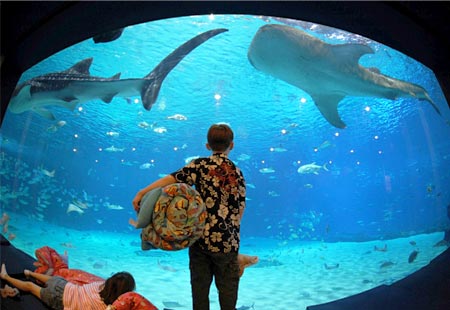
If you’re curious about what happens in museums, zoos, aquariums and offbeat attractions after hours you’re in luck.  For a slide show on Bing Travel – Critter Campouts – I found plenty of places where you can camp with critters, sleep with fishes and dream with dinosaurs.

(Courtesy Georgia Aquarium)

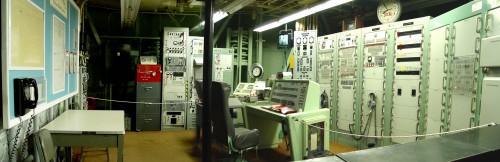
Since then, I’ve found even more. For example, it turns out you and your friends can spend the night at the Titan Missle Museum in Sahuarita, Arizona.

(Courtesy Arizona Aerospace Foundation)

For the Bing Critter Campouts show, I was able to squeeze in 11 sleepover sites.  Some of them are just for kids. A few set aside a few nights for adults-only overnights. But most are open to families, making them an unusual alternative to at least one night in a hotel during a vacation.

Here are just two of my favorites:

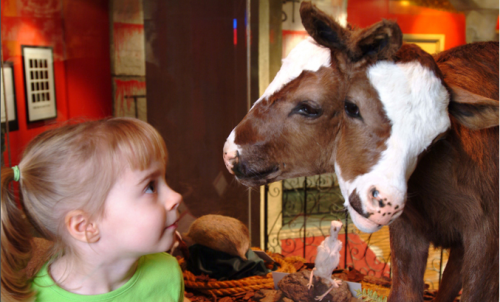
Do shrunken heads snore? Do two-headed taxidermy cows moo in their sleep?

Brave souls can find out during a night inside Ripley’s Believe it or Not! Extreme Sleepover at the Times Square Odditorium in New York or at the Bedtime with the Bizarre overnights at Ripley’s outlets in Williamsburg, VA, Gatlinburg, TN, Grand Prairie, TX and several other locations. Make it to morning and you’ll get to take home a “Survivor” certificate.

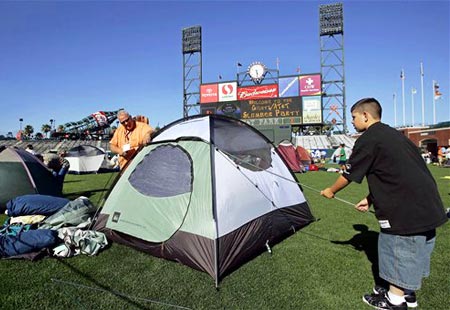
And on June 30th, after the San Francisco Giants play the LA Dodgers at AT&T Park, 400 fans will get to race into the outfield to pitch tents for the 8th annual San Francisco Giants Slumber Party.

Evening activities include baseball, of course, as well as movies, peanuts, popcorn and pizza, games, goody bags, photos on the field and a chance to get autographs from former baseball stars.

For more surprising sleepovers, see my Critter Campouts slide show on Bing Travel.