Hotels

Extreme heat is changing travel patterns

[This is a slightly different version of a story we prepared for NBC News]

Cathy Balestriere was expecting “especially low” bookings last month at Crane’s Beach House, the boutique hotel she manages in Delray Beach, Florida. Instead, they jumped 12% from the year before.

“It feels like a miracle based on where we were sitting just a few weeks ago,” she said.

It’s not a miracle. It’s the weather.

The surge coincided with a sweltering mid-June heat wave across the Midwest and the Northeast, putting over 80 million people under heat alerts — the latest run of unseasonably extreme temperatures fueled by a global climate that is warming at a record pace.

Florida might not be the first destination that comes to mind for people looking to beat the heat, but it’s where some headed after their hometowns became just as sweltering.

This time of year, most guests at Crane’s are in-state or regional travelers, Balestriere said. But many of the last-minute bookings came from New York, New Jersey, Pennsylvania and Texas. Delray Beach has been hot, too, but visitors to the hotel “can at least enjoy the ocean breeze and access to the beach and refreshing pools,” she said.

It’s a similar story at the Lake Nona Wave Hotel in Orlando, where reservations soared 45% in the past three weeks compared with the year before, largely from the Northeast and Texas.

“We have had a couple of guests mention while they are checking in that the heat at home is unbearable,” sales and marketing director James Tattersall said.

“Snowbirds” typically head south to Florida and other balmier states in the winter and spring, creating a high season there when it’s frigid up north. But Crane’s Beach House now sees a growing opportunity in warmer months. It has already shifted its seasonal editorial calendar, Google ad strategy and newsletter messaging to capture more of the off-season demand, Balestriere said.

It’s part of a broader change that has been underway for years as tourist hot spots adapt to shifting demand tied to evolving seasonal weather.

While not every place is feeling an impact in the same way, or at all, “there is no question that we are seeing a growing preference for destinations with more comfortable summer temperatures alongside rising global temperatures,” said Jesse Neugarten, founder and CEO of Dollar Flight Club, a travel deal alert service.

From May to June, the platform had a 31% surge in flight bookings and interest from Northern cities like New York and Boston to destinations in Florida, he said, “where travelers are looking for relief from heat waves.”

Scorching weather at home is also pushing people toward cooler climes abroad. While hotel bookings in Italy — a longtime summer hot spot — are up a modest 3% since last year, “it’s Scandinavia that is having a moment,” researchers at the Virtuoso luxury travel network said in a recent report.

Bookings in the region have surged 25% since last year, with even steeper 49% and 47% increases in Iceland and Sweden, respectively. Even the Netherlands, where authorities have tried to reduce tourist volumes, is seeing 33% higher hotel demand this season, Virtuoso found. 

Some parts of the continent are getting so hot during the summer that the typical high season is getting longer, said Rebecca Masri, founder and CEO of Little Emperors, a private members luxury hotel club.

“With the weather in southern Europe staying warm, booking trends are shifting to September, October and even November,” she said, as some hotels and resorts that usually close at the end of the summer extend their operations. “These months are becoming the new peak season.”

Consumers will increasingly see those shifts reflected in pricing, said Chris Lafakis, a director at Moody’s Analytics.

“You won’t have to be rich to vacation, but it’s going to be more expensive to travel to the more favorable destinations,” he said. “Those with the means to do so will be able to, and those that don’t will unfortunately not have as many options to fall back on.” 

As airlines have added capacity, domestic and international airfares have fallen by double-digit percentages this July Fourth holiday week compared with last year’s, according to booking platform Hopper, despite record expected travel volumes. But while average hotel room rates in some cooler northern European countries have stabilized since last year’s surge, they’re climbing in popular areas — up 18% in Iceland and 47% in Norway, Virtuoso said. 

Weather-driven shifts in travel patterns will create economic winners and losers, Lafakis said. “Probably 20% to 30% of the overall damage to the economy from the heat is because of less travel tourism,” he said. As seasonal temperatures soar, would-be visitors “may go somewhere else or choose not to go at all.”

Some industry experts aren’t so worried.

During hot weather, “travelers will usually change their behavior rather than cancel a trip,” said Tiffany Townsend, a spokesperson for New York City Tourism and Conventions. “They might visit more museums and indoor attractions or do more shopping” while it’s scorching outside and schedule outdoor activities early or late in the day.

Heather Dickie, 69, a Texas-based marketing consultant, said her travel itinerary is still in flux, but she said she needs a break from the heat. “If I can get out of Dallas,” where temperatures have already hit triple digits, “Alaska is sounding good,” she said.

But she’s more likely to head about 650 miles “up the road a bit” toward Taos, New Mexico, for the relative reprieve of highs in the mid-80s. “I have friends in that area,” she said, “and am looking at late July or August for a nice, cool getaway.”

More travelers are booking ‘up.’ Are you?

(Our travel trends story first appeared on NBC News in a slightly different form)

Consumers who got a taste of higher-end amenities during the last couple of years’ travel boom aren’t too keen to go back to basic economy.

And the travel industry doesn’t want them to.

“If revenge travel was then, emboldened travel is now,” said Erika Richter, a spokesperson for the American Society of Travel Advisors. The group sees customers taking advantage of the upgraded offerings operators are dangling.

With travel volumes still trending well ahead of pre-pandemic highs, “premium leisure travel is definitely on the rise,” said Henry Harteveldt, president of Atmosphere Research Group, which analyzes the travel industry.

At the top end of the market, the most deep-pocketed consumers are still spending heavily on high-dollar getaways and exclusive experiences. Now, airlines, hotels, and cruises are prodding passengers of less lavish means to go premium, too — in some cases revising down what counts as “luxury.”

Upgrading from basic

Caleb Cash-Tobey and his husband have been springing for larger rooms and suites than they used to. Each year, the Fort Smith, Arkansas-based couple takes one major trip as well as smaller monthly ones that they’re increasingly comfortable enhancing with extra amenities, such as evening turndown service and in-room breakfast.

“We’ve learned that we should take the experience when it is offered because some experiences are no longer available in the post-Covid world that we may have really enjoyed,” Cash-Tobey. One example: a Champagne-augmented tour of the British crown jewels that a favorite London hotel discontinued.

Kristin Winkaffe, a travel adviser with Avenue Two Travel in Columbus, Ohio, said customers are becoming “more inclined to treat themselves to experiences that they may not have considered a few years ago. They’re now prioritizing the quality of their vacations over budget constraints.”

The travel industry is happy to oblige

Both international and domestic airlines are increasing their premium cabin capacities, a pre-pandemic trend that shows no sign of letting up. Major carriers have been adding extra legroom in premium economy and expanding some business and first-class cabins, looking to nudge more flyers out of their cheapest seats and into pricier ones.

Delta Air Lines President Glen Hauenstein told investors in October that revenue from premium offerings jumped 17% from the prior year, “outperforming the main cabin by five points.” Its premium select tier for long-haul flights, situated between economy options and the upscale Delta One, was revamped in late 2022 and has performed “above expectations,” he said.

“The airlines have realized that if they price these products in the right way, they can coax enough people to trade up,” Harteveldt said. His firm found last year that 1 in 3 travelers either booked a premium option or considered one, down just slightly from 38% in 2022, “when we were still in the throes of revenge travel and when people still had more savings.”

Some consumers are shelling out on upgrades that are more about practicality than self-pampering.

“Since the pandemic, I now only book changeable airplane tickets and hotels,” said Cathy Raines of Washington, D.C. That typically adds about 15% to her bills, Raines said, but she thinks it’s worth it for the added flexibility.

Kristin Chambers, founder of the Boston-based luxury travel agency Travellustre, said many of her clients now ship their luggage ahead of arrival and book VIP services like airside pickups, expedited service at customs and immigration, or cars to hotels. “Travelers are increasingly willing to invest in aspects of their journey that will guarantee an elevated level of service,” she said.

Suitcase kids

Seattle resident Rebecca Ross and her husband have ruled out Airbnb-style accommodations without 24-hour staff. “Life is too short to be standing around with a roller bag and a double-parked car wondering how to get in. We’ve vowed that our lodging must have a front desk with a human,” she said. That sometimes means spending more but often just requires a little extra time to hunt down, she added.

Morning Consult report in September put it bluntly: “Forget first-class seats and penthouse suits — luxury travel is about customer service.” If that means redefining what counts as premium to include things like the ability to speak to a real support agent, the researchers found consumers may welcome it all the same.

First-class flights, fancy hotel stays, and fine dining hold less appeal now than simply “feeling relaxed,” “experiencing comfort” and great service, the report said, adding that brands can find opportunity by treating the latter as high end: “The experiences that comprise ‘new luxury’ don’t require the traveler to be affluent.”

The high end gets higher

Some amenities certainly do, though, and wealthy customers are scooping them up.

Many “ultra-high-net-worth individuals” ditched first-class seats on commercial flights for private jets during the pandemic, and the habit stuck, said Doug Gollan, founder of Private Jet Card Comparisons, a buyer’s guide to these services.

“New flyers racked up record-high private flight hours in 2021 and 2022, and 95% of these newcomers have continued to fly privately,” he said — at an average cost of about $40,000 for a two-hour trip.

Lodging operators have also seen strong demand from offerings aimed at higher-dollar guests. “Booking patterns continue to overwhelmingly favor premium suites, and some categories are booked months to years in advance,” said Gebhard Rainer, the CEO of Sandals Resorts International.

The company’s newest resort, Sandals St. Vincent and the Grenadines, won’t open until March, but its beachfront butler villas that start at $1,111 per person per night, and two-story overwater units starting at $1,570 per person per night, have already sold out dates well into 2025, Rainer said.

The Westin Poinsett Hotel in Greenville, South Carolina, put together a “Home Alone” themed holiday package with prices ranging from $599 to more than $1,000 a night — over-the-top rates for the local market during what’s usually a slow holiday season there. It sold out with 93 bookings and many guests asking about reservations for next year.

“I have been in the industry for 25 years between Washington, D.C., and Greenville, and by far this was the most successful package I have ever seen,” said John Geddes, the hotel’s sales and marketing director. “Guests were spending a minimum of four to five times the amount they would generally spend.”

Tour organizations and cruise lines report much the same.

“Travelers are willing to pay more for exclusive experiences,” said Terry Dale, CEO of the United States Tour Operators Association. As a result, organizers “are curating itineraries to include personalized services and experiences with more exclusivity, going beyond the standard offerings.”

Holland America, a subsidiary of Carnival Cruise Line, is seeing more guest bookings for premium spa services like its thermal suites and hydropool, said spokesperson Bill Zucker. “Our private cabanas are selling out regularly. And our new direct luggage service, where guests can have their luggage shipped directly to and from their home, is proving to be very popular,” he said.

Lindblad Expeditions, which operates National Geographic-branded cruises, replaced its Islander I luxury yacht with the more luxurious Islander II for Galapagos voyages in 2022, raising the average fare by 45%.

“Some nail-biting ensued,” said Lindblad Chief Commercial Officer Noah Brodsky, but the Islander II is already 78% booked for this year. That’s well ahead of historical trends, he said, “and an indication of the uptick in premiumization.”

Shop for Black Friday/Cyber Monday Travel Deals

(Courtesy Provincial Archives of Alberta, via Flickr Commons)

It’s that time of year again.

Thanksgiving, with all the food and travel that’s associated with it. And Black Friday/Cyber Monday/Buy Stuff ads galore.

Here at Stuck at The Airport, the shopping team is a bit overwhelmed with all the travel deals and alleged travel deals in our inbox. But we’ve pulled out some offers that look enticing and a few we’re going to try to nab ourselves.

Here are a few to get you started. And here’s to a safe Thanksgiving travel week. Let us know what you spot in the airports along your journey.

DEAL TO CHECK OUT

HOTELS

Red Roof is once again offering a week-long Black Friday flash sale, starting on Monday, November 20. 

Travelers who make a reservation at any Red Roof Inn®, Red Roof PLUS+, HomeTowne Studios by Red Roof, or The Red Collection property from November 20 through November 28, 2023, and stay between November 20, 2023, through February 29, 2024, will save 20% off their stay. Sale details on www.redroof.com now.

Aqua-Aston Hospitality, which manages 25+ hotels and resorts across the Hawaiian Islands is offering 20% off at Aqua-Aston Hospitality’s properties on Oahu, Kauai, Maui and Hawaii Island. Sale dates: November 21 — 28, 2023. Stay dates: November 21, 2023 — December 20, 2024. Book online at aquaaston.com during the booking window, use code CYBERSALE

For Black Friday and Cyber Monday, Rosewood Hotels & Resorts will be offering a 30% off best available rate promotion valid for bookings made from Friday, November 24 at 12:01 a.m. EST through Tuesday, November 28th at 11:59 p.m. EST for stays through June 30th, 2024. The promo code will be: CYBER23. 

Heading to Portland, Oregon?  One our favorite hotels, The Nines, is celebrating its 15th anniversary with a $299 deal. Each Sunday from now through January 2024, the Nines will offer $299 bookings: $99 for the room and $200 Food and Beverage credit to be used at the hotel’s, on-site restaurants, Urban Farmer and Departure. (They’ll also add a $30  ‘destination fee,’ but it’s still a great deal). Book here.

Most of the YOTEL properties around the world are participating in a Black Friday sales that offers 40% off stays booked by December 3 for stays through September 2024. Book here.  YOTELS not participating: YOTEL San Francisco, YOTELIAR London Gatwick, YOTELAIR Istanbul Airport (airside), YOTELAIR Paris Charles de Gaulle, and YOTEL AIR Amsterdam Schiphol. Blackout dates apply.

CARS, CARS, CARS

As we head into one of the busiest travel seasons, Hertz, Thrifty and Dollar are promising discounts on all vehicles for Black Friday and Cyber Monday (Details: Hertz (30%), Dollar (20%), Thrifty (15%).

AIRLINES

Air Tahiti Nui is celebrating its 25th anniversary this month and offering its first-ever Tiare Pass. 250 passes that cost $1525 each will be available during a 25-hour flash, November 25 from 9 a.m. PST to November 26 at 10 a.m. PST.

The $1,525 price includes a round-trip from the US to each destination the airline serves and is valid for travel between December 1, 2023, and December 1, 2024 (included: one checked bag, onboard meal, and all taxes and fees.) The airline has flights that depart from Los Angeles (LAX) and Seattle (SEA) and flies Paris, Tahiti, Tokyo, and New Zealand.

NOTE: The Air Tahiti Nui sale is only bookable by calling the airline’s reservation team directly during the sale period. Find that phone # here.

LUGGAGE

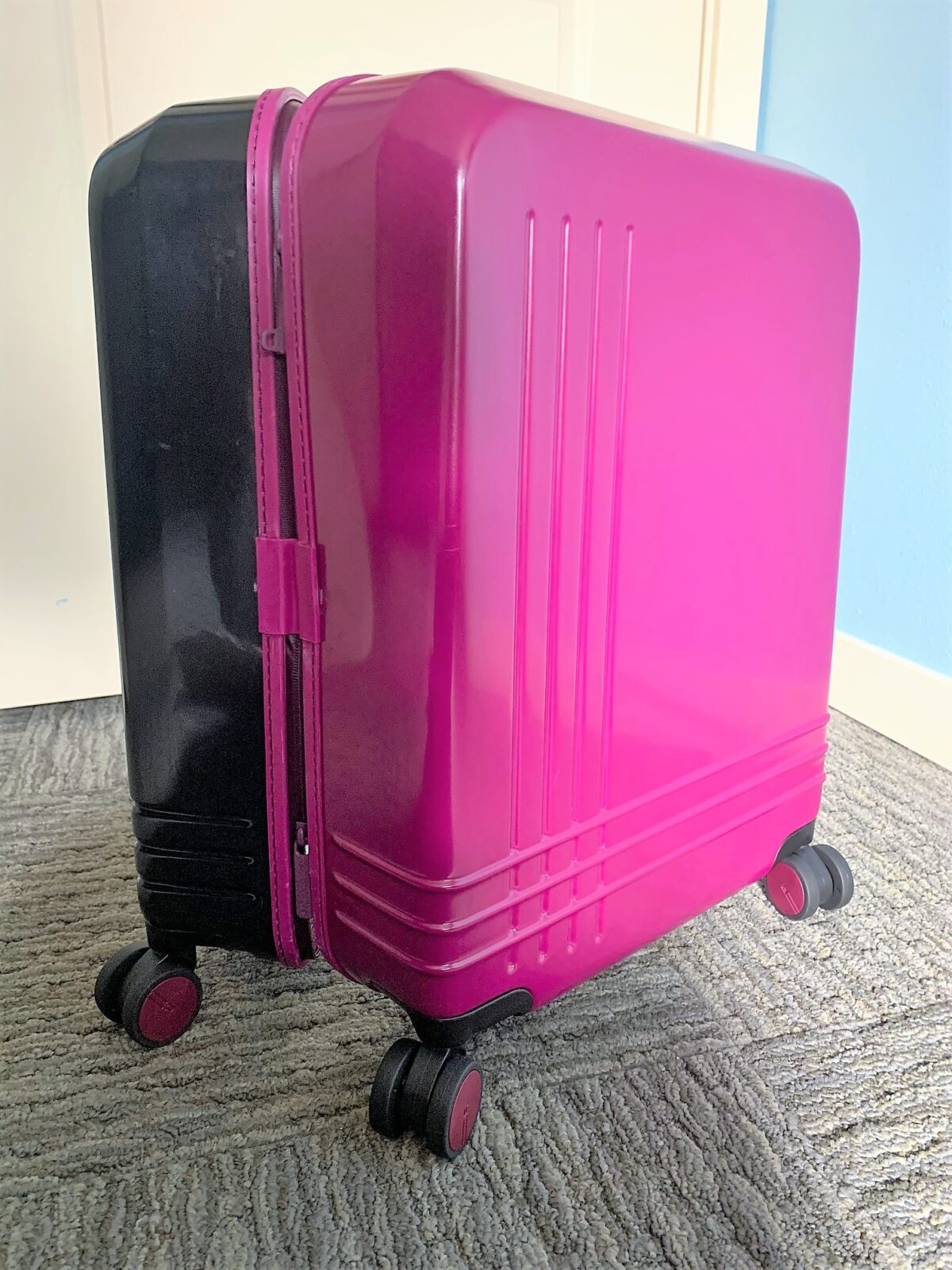
ROAM is offering $100 off its fun, customizable hard-side luggage from now through November 27. Build your discounted ROAM luggage deal here.

We’ll keep sifting the emails for more travel deals for Black Friday/Cyber Monday.

Cool places & events to add to your ‘go’ list

Kentucky’s new GLASS National Art Museum

The Stuck at the Airport art team is based in Seattle, which is home to world-renowned glass artist Dale Chihuly, the Chihuly Garden and Glass attraction, the Refact Glass Festival, and a bubbling glass art community. Down the road, in Tacoma, WA, there’s an entire Museum of Glass.

But we’re putting the newly opened GLASS National Art Museum, in Danville, Kentucky on our ‘go’ list. The just-opened museum is built around the collection of Stephen Rolfe Powell, an artist known as a hot glass master of color who died in 2019. He was highly regarded in the international glass world and his glass sculptures are in the collections of major art museums. He was also a professor at Danville, Kentucky’s Centre College for more than 35 years, where he founded a glass program.

The Art Center of the Bluegrass, a multipurpose space in Danville, acquired Powell’s collection and is displaying it along with works by other prominent glass artists. 

Find the Glass National National Art Museum at 408 West Main Street, Danville, KY. Hours: Tuesday – Friday 10:30 am – 6:30 pm. Admission: free.

(Photos courtesy GLASS National Art Museum).

Circus dinner theater: Teatro Zinzanni at Lotte Hotel Seattle

(Elena Gatilova in Teatro ZinZanni Residency at Lotte Hotel Seattle. Photo by Nate Watters)

Love, Chaos & Dinner. And maybe an overnight stay.

If you live in or near Seattle or are looking for a reason to head that way this holiday season or sometime before the end of March 2024, the rollicking theatrical cirque experience that is Teatro Zinzanni is a must-do.

The sumptuous dinner show is wacky and, at times, a wee bit racy. And there’s a stellar cast that leans into some tried and true vaudeville traditions while offering a steady stream of impressive and often heart-stopping acrobatics and funny stuff performed on and above the stage and, sometimes, in the audience.

There’s a storyline to the evening, but with all the singing, the shtick, and the ‘how can they do that?! feats on the trapeze and elsewhere – that won’t matter.

This is Teatro Zinzanni’s 25 anniversary and over the years the company’s giant cabaret tent has been in residence in several locations in and around Seattle.

This season, Teatro Zinzanni is in residence in the Grand Ballroom of the Sanctuary at Lotte Hotel Seattle so there’s no room for the entire tent.

But the mirrored walls, the wooden booths, the in-the-round seating, and the elevated live orchestra Teatro Zinzanni fans have come to expect are all here. And it’s clear that the Sanctuary, formerly the oldest church in downtown Seattle, is a perfect venue thanks to lots of stained glass, a 58-foot-high domed ceiling, and plenty of history.

Sleepover after the show

Lotte Hotel Seattle is one of the newer, high-end hotels in Seattle and an overnight here is a great pairing with an evening at Teatro Zinzanni.

Designed by industrial French designer Phillipe Starck, the hotel has 189 rooms, a spa, plenty of meeting space, great views over the city, the waterfront, and Elliott Bay, plus a cocktail lounge and restaurant on the top floor with a very reasonably priced Happy Hour.

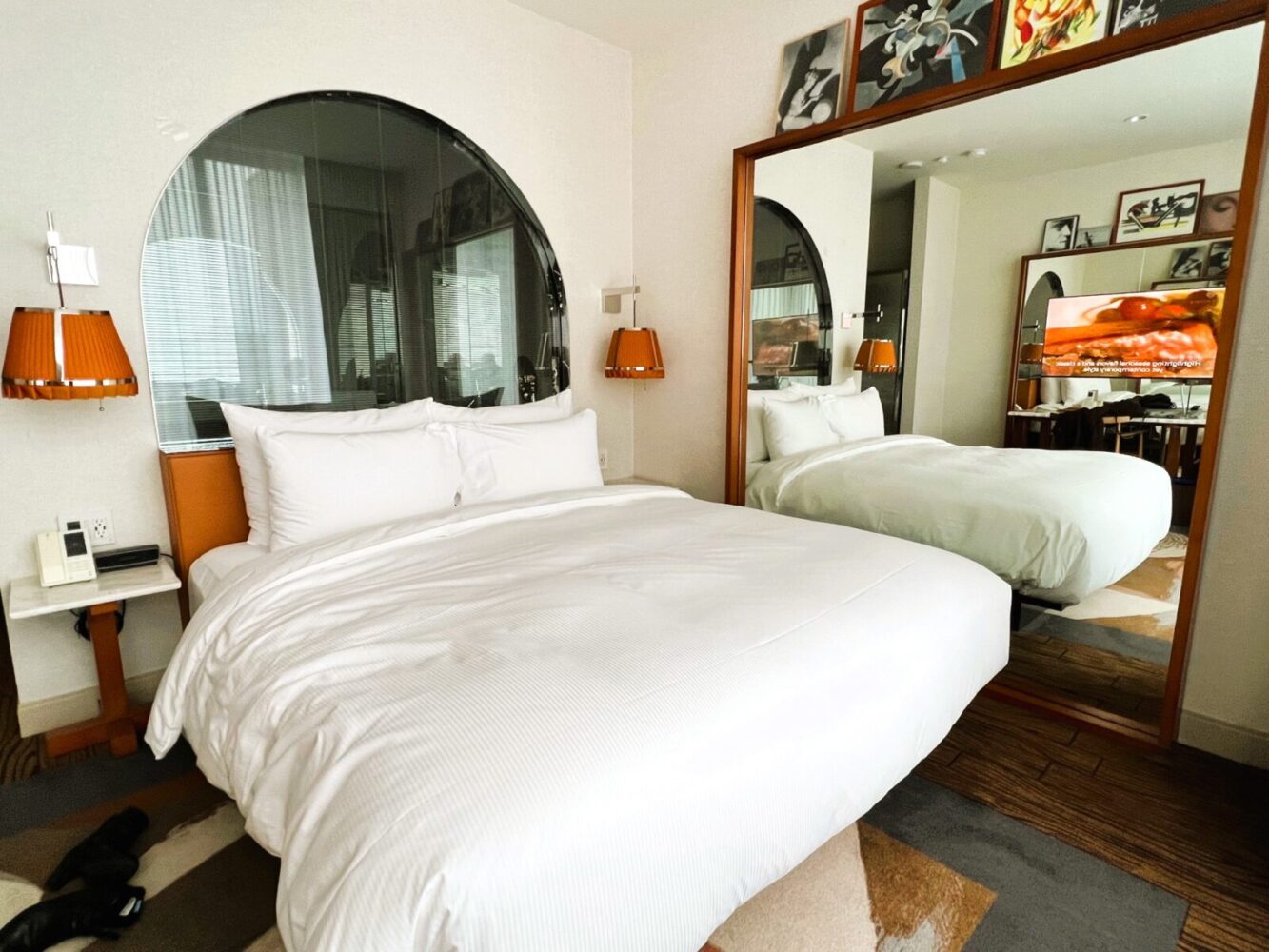
The guestrooms have floor-to-ceiling windows, large mirrors, fun art, spacious bathrooms clad in travertine stone, and a cozy decor that takes inspiration from Pacific Northwest forests.

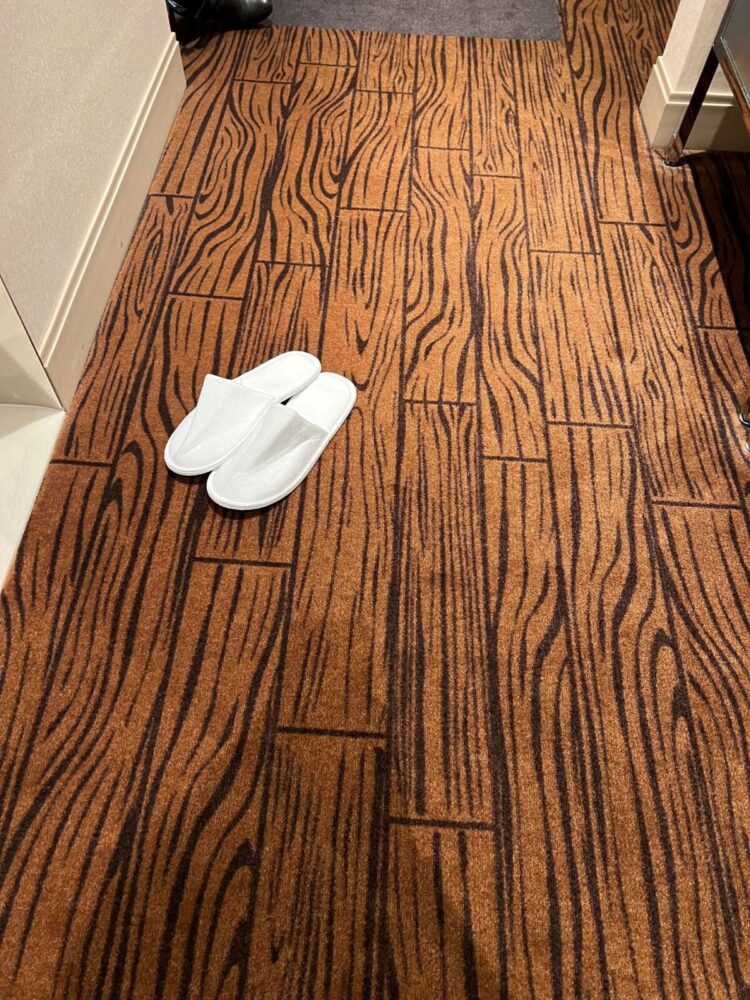
We spotted a lot of fun wood (real and referenced) throughout the hotel, from the front desk made out of a log from a 3,000-year-old Sequoia tree to the ‘wood’ carpeting in the hallways and in the rooms.

They’ve even got a discount package for anyone attending a Teatro Zinzanni show.

Travel tidbits from here and there

File under: Hotels we hope to visit

A bourbon-themed hotel? Yes.

File under: How we wish we could fly

We’re looking at the moon

Heading to Las Vegas? Visit this airport museum

Learn the real story behind Denver Airport’s Mustang

Hotel Amenity of the Week

The Stuck at The Airport team is still relearning some of its post-pandemic packing skills.

And we’ve called down or showed up at several of our hotel front desks asking for toothpaste, combs, and other items we’ve forgotten to replace in our travel kits.

We’ve also been forgetting to pack belts, sunglasses, and other accessories. So this new complimentary program from Kimpton Hotels & Restaurants (part of IHG Hotels & Resorts) caught our attention.

Through a partnership with lifestyle retailer Anthropologie, beginning August 1 select Kimpton properties will offer guests the opportunity to borrow from a selection of stylish and seasonally-appropriate accessories kept at the front desk.

The accessories in the Forgot It? We’ve Got It! program will change with the season and right now includes several styles of sunglasses, handbags, and belts. Better yet, if you love what you borrow, you can buy that accessory on a special Kimpton/Anthropologie shopping site.

Smart right?

So we’re declaring this a top nomination for “Hotel Amenity of the Week.”

Have a hotel or airport amenity you’d like to nominate? Leave a note in the comment section below.

T.

Are consumers happy with the travel industry?

The American Customer Satisfaction Index just released its 2023 Travel Study, which ranks airlines, hotels, car rentals, and online travel agencies on customer satisfaction. 

For this report, more than 10,500 customers were interviewed via email over the past year and asked to evaluate their recent experiences with a wide variety of travel companies.

Airlines

Alaska Airlines gets the best ranking, rising 8% to an ACSI score of 81 (on a scale of 100).

American and Southwest Airlines each rose 1%, to an ASCI score of 78. United Airlines stayed steady with a 77 score, but scores dipped a bit for Delta Air Lines and Jet Blue.

As you can see from the chart below, airlines, car rental companies, and online travel agencies each made 1% gains in overall customer satisfaction, but satisfaction rose 6% for hotels in general.

Hotel ‘bed taxes’ are here to stay.

(This is a story we first wrote for NBC News)

Ever check out of a hotel and notice a “transient occupancy tax” on your bill?

Unfortunately for your wallet, the Biden administration’s crackdown on “junk fees” won’t do anything about it.

But unlike some of the add-ons hoteliers and booking sites charge, this common type of tax doesn’t pad corporate margins, and the projects it funds are evolving in step with the post-pandemic tourist economy.

These levies — often known generically as “bed taxes,” though they go by many names — are imposed by state, county and local governments or tourism improvement districts.

They can drive up the cost of an overnight stay at hotels, motels, bed and breakfasts, campgrounds, and short-term rentals like Airbnbs, sometimes by up to 20%.

The jurisdictions typically decide how to allocate the revenue these taxes pull in. Sometimes they supplement governments’ operating budgets; other times they’re used to finance tourism campaigns, build convention centers, support cultural programs, or hire beach lifeguards.

New Uses For Hotel Bed Taxes

But in Estes Park, Colorado, bed taxes are now subsidizing housing and childcare costs for local workers.

The mountain community, known as a base camp for adventures in Rocky Mountain National Park, voted for that move after a law Colorado enacted in March 2022 began allowing cities and counties to use hotel tax proceeds to cover housing and child care for the tourism-related workforce

In Estes Park, the decision came after advocates flagged a proliferation of second homes and short-term rentals that they said had strained affordability in the area.

Last November, the city raised its hotel bed tax to 5.5%, up from 2%, and earmarked funds from the increase — an estimated $5.3 million in 2023 — for the housing and child care initiatives, said Kara Franker, the CEO of Visit Estes Park, a local tourism group. That beefed-up bed tax now combines with town, county and state sales tax to add a cumulative 14.2% onto the cost of a nightly stay in the city, she said, helping to fund a range of public services alongside the new workforce-related initiatives.

According to Colorado tourism officials, at least 17 municipalities have imposed a new bed tax or modified an existing one over the past year, many of them putting the revenue toward new types of projects.

Similar moves are happening in tourism-heavy areas across the U.S., said John Lambeth, CEO of travel consultancy Civitas, reflecting a more expansive approach that is “more about stewardship of the destination and giving back to the community.”

Jack Johnson, chief advocacy officer for the travel industry group Destinations International, said the disruptions of the pandemic have motivated some communities to consider whether broader social and economic policies “can be tied to travel in tourism, either directly or indirectly, and therefore paid for out of the bed tax.”

Hotel taxes were first adopted in the U.S. by New York City in 1946, became commonplace nationally by the 1970s, and are what guests typically see itemized on their hotel bills today, said Elizabeth Strom, an associate professor at the University of South Florida’s school of public affairs. Public officials have long loved bed taxes because they generate easy-to-raise income from out-of-towners, not local voters.

“Every state either has such a tax at the state level or permits such a tax at the local level or both,” Strom said.

The newer breed of bed tax experiments, like those in Colorado, are being driven as much by windfalls from rebounding travel demand as by evolving civic attitudes.

Tourism revenues dipped sharply during the pandemic, but in 2023, hotel-generated state and local tax revenue — which includes bed taxes along with the other levies lodging operators contribute to government entities — is expected to reach $46.71 billion nationwide, up 13.6% from 2019, according to a study by the American Hotel and Lodging Association and Oxford Economics.

Bed taxes already account for nearly half of the hotel-generated taxes in the U.S., the AHLA said, and it expects bed taxes this year will likely exceed the $19 billion they generated in 2019.

In Florida, which has been hit by multiple hurricanes that affect beaches and islands, Broward, Collier, Lee and other counties are applying tourism revenues to rebuild and protect those travel assets, Johnson said. Bed taxes now contribute financing for dune restoration, shoreline stabilization, erosion control, and other coastal management activities, he said.

The shift has raised some concerns from the hospitality industry.

“In general, the more taxes states and cities levy on hotels, the more of a competitive disadvantage they create for local businesses, as potential hotel guests may seek out other destinations with lower tax burdens,” AHLA CEO Chip Rogers said.

As for the industry-imposed fees the Biden administration is scrutinizing, AHLA spokesperson Curt Cashour said that only 6% of hotels nationwide charge “a mandatory resort, destination or amenity fee, at an average of $26 per night,” adding that they “directly support hotel operations” like staff wages and benefits.

Cashour said the AHLA is continuing to work with authorities “to ensure that the same standards for fee display apply across the lodging booking ecosystem” so guests aren’t caught off guard.

Bed taxes may send extremely cost-conscious leisure and business travelers to lower-taxed destinations, Strom said, “but if you are a unique location, I don’t think an extra few dollars a night in taxes matters.”

“If people want to see the Space Needle,” she added, “they aren’t comparing the cost of rooms in Seattle to the cost of rooms in Portland.”

Some top tourist destinations say they aren’t worried about turning away tourists at the moment.

Hawaii, for example, is seeing a strong post-pandemic tourism recovery, even though its 13.3% state and county transient accommodation taxes combine with 4.5% excise taxes to add close to 18% to nightly hotel bills. State revenue forecasters expect Hawaii’s bed tax alone to bring in more than $785 million this year, up from $645 million last year.

Since drawing more tourists isn’t the main challenge, said Ilihia Gionson, a public affairs officer with the Hawaii Tourism Authority, the agency is using some of the funds it gets from hotel taxes to try to influence what types of visitors it attracts.

“The wheels were turning before the pandemic and accelerated during the pandemic,” he said. “We want visitors that align with our economic and community goals — who will shop at local businesses, eat in local restaurants, participate in ‘voluntourism’ and be mindful of their economic impact. So, it’s less about, ‘Come here,’ and more about, ‘Here’s who we are and what we’re about.’”

Keys for Trees

San Luis Obispo, along California’s Central Coast, is also earmarking some of its hotel tax income for projects that authorities hope will benefit the community.

Its existing transient occupancy tax supports the city’s general fund. But last year a new “Keys for Trees” program began setting aside some proceeds from the city’s tourism assessment tax — another government surcharge on hotel bills — to help plant 10,000 trees by 2035 as San Luis Obispo pursues its carbon neutral goals, said Tourism Manager Molly Cano.

The city’s business improvement district raised $1.6 million from this assessment pre-pandemic and $2.1 million in fiscal 2022, Cano said. Previously, all these funds were used to market San Luis Obispo to visitors. But now 1% of that revenue is steered toward the new program, with some $17,000 reserved for planting 35 trees this fiscal year.

“There’s no extra step to take,” Cano said, “and we think visitors will enjoy knowing that just by booking an overnight stay, they are helping to preserve the beauty of our community.”

It’s not just winter weather. Many holiday travelers also face poor service.

This is a story we wrote for NBC News

Holiday Travelers face bad weather and bad service

A frigid arctic blast is threatening to derail holiday travel this week. But even those who reach their destinations on time may have reason to grumble: Some will have to make their own hotel beds, wipe their own in-flight tray tables and wait in lines at airport lounges — or pay more for a smoother experience.

While travel demand is roaring back, many hotels, airlines, cruise operators and airports are still racing to hire and train workers. Some companies are tightening access to perks and amenities, in a few cases by raising prices. That means the level of customer service will likely take a hit, industry experts say.

Nearly 113 million Americans are forecast to take to the roads and skies between Dec. 23 and Jan. 2, according to AAA, up 3.6 million from last year and just shy of pre-pandemic numbers. But employment levels in the leisure and hospitality sector are still 5.8% lower than in February 2020, when the industry employed around 980,000 more people than it did last month, federal data shows.

“Everyone is jumping back onto the travel wagon again, but in some cases, these wagon wheels may still be a bit wobbly,” said Corey Green, a travel adviser with AAA in Wilmington, Delaware.

Flying?

The good news: While holiday airfares remain high, ticket prices are inching down and the labor crunch is easing.

“After a summer with numerous problems with flight delays and cancellations, U.S. airlines have been successful in hiring a lot more pilots and flight attendants, and getting them trained,” said Henry Harteveldt, a travel industry analyst at Atmosphere Research Group. “They’ve also been hiring people to work at airports, reservation offices and elsewhere. So I anticipate that from the airline side, we’ll have a good Christmas and New Year’s season.”

What to expect at airports

But some fliers say the customer experience remains rocky.

“Since summer, when I’ve flown between the U.S. and the U.K., lounges have been so packed that it is sometimes impossible to find a seat,” said Rachel Franklin, a geography professor based in the United Kingdom. She added that she’s seen “used dishes accumulate in teetering piles on tables, so you can’t sit there either.”

To address overcrowding, some airlines are tightening lounge access and limiting or eliminating day passes.

Starting Jan. 1, Delta Air Lines’ Sky Club memberships will be available only to “Silver Medallion” and other elite-level fliers, and fees are going up. By Feb. 2, members traveling in basic economy will be cut off from lounges unless they pay with certain cards.

Alaska Airlines will also raise lounge membership fees starting next year. And beginning Feb. 15, the carrier will grant complimentary lounge access only to passengers with certain long-distance, first-class tickets.

Delta, which expects its 2023 earnings to nearly double thanks to strong demand, pointed to an earlier statement by Dwight James, senior vice president, customer engagement and loyalty: “While we’re thrilled to see so many customers enjoy the fruits of our teams’ hard work, our goal now is to balance the popularity of the Clubs with the premium service and atmosphere for which they were designed — and that our guests deserve.”

Seattle-based Alaska said its lounges “have become so popular during certain times of the day, we’re making adjustments to our complimentary First Class access policy to allow for a bit more elbow room.”

For now, Harteveldt said, “you don’t want to plunk money out in advance for a lounge pass only to be told, ‘Sorry, we’re not accepting them.’ Instead, wait to buy a lounge pass until you’re at the airport and are confident you will be able to enter.”

Many airport employees say they’re overworked and their teams are understaffed, making it hard to maintain quality service for so many passengers.

Earlier this month, Service Employees International Union members working as baggage handlers, cabin cleaners, ramp agents, wheelchair attendants and janitors demonstrated at 15 U.S. airports, calling for higher pay and better conditions. “We’re so short-staffed, they make it almost impossible for you to take a sick day,” Omar Rodriguez, a ramp agent and cabin cleaner for contractor Swissport USA at New York City’s LaGuardia Airport, said in a union statement. “We get blamed for delays, but we’re only given a few minutes to clean and don’t have enough people to do the work.”

Swissport said it “denies any unfair labor practices” and “fully complies with applicable regulations and provides competitive wages and benefits.”

Inside terminals, concessions operators are also struggling to hire and keep staff at shops, restaurants and bars. So passengers should be prepared for longer lines, limited operating hours and some commercial spaces that have yet to reopen.

Checking into a hotel?

Hotel guests may also find some service reductions still in place.

Many properties that suspended daily housekeeping to maintain social distancing have been slow to restore that amenity, said Jan Freitag, the national director of hospitality analytics for CoStar Group, a commercial real estate research firm. “They say, ‘Of course, we’re here if you need a towel or something,’ but they will not automatically clean your room.”

Some labor groups say hotel operators are taking advantage of pandemic policies to make long-term cost cuts, and they encourage guests to demand housekeeping during their stays — especially since many are now costlier. Room rates were up 15% in November this year over November 2019, according to Freitag. “That’s just the national average,” he said. “If you are in a 4- or 5-star property or resort, you are paying much higher rates, in some instances 30% more than in 2019.”

At most 2- and 3-star properties, he said, guests generally must request housekeeping, and while pricier rooms are more likely to include it, “some high-end properties may not have enough staff to offer housekeeping either.”

There are currently more than 100, 000 open hotel jobs nationwide, including nearly 20,000 housekeeping roles, according to the American Hotel and Lodging Association. “Recruiting workers continues to be the top challenge for many hoteliers,” said Chip Rogers, the trade group’s CEO.

Going on a holiday cruise?

One potential bright spot can be found at sea: During the summer, several cruise lines had to cancel voyages due to staffing shortages, but major disruptions have been largely resolved.

“It’s highly unlikely your holiday cruise will be canceled due to lack of staffing,” said Colleen McDaniel, editor-in-chief of Cruise Critic, a travel site run by Tripadvisor. “But just like so many other industries, you might notice some staffing or supply chain-related effects onboard.”

That could affect service quality a bit. Many cruise lines are adding fresh staff en masse, and a lot of those crew members are new to the industry, she said, “so training is ongoing and is critical to the onboard experience.”

Bottom line

Passengers across the board should “be prepared to pay a little more than usual if you want the vacation of your dreams,” Green said. Or be flexible with timing to avoid the busiest periods most prone to service snags.

“This year, I moved my annual holiday travel to earlier in December,” said Abby Rhinehart, an educational researcher in Tucson, Arizona. “It was a little strange to celebrate so early in the month, but I think it was worth it to avoid all the stress.”

Prices up, service & satisfaction down at hotels

We’re writing this post from a hotel where we’re paying more than we’d planned to and getting way less comfort and service than we expect.

And that seems to be the travel experience many others are having in this easing-out-of-the-pandemic season.

According to the recent J.D. Power 2022 North America Hotel Guest Satisfaction Index Study, while demand for hotel rooms is on the rise, and prices for hotel rooms are way up, there is no improvement in amenities or service.

The study found that overall hotel guest satisfaction declines 8 points – on a 1,000-point scale – from 2021, driven primarily by dissatisfaction with cost and fees, and guest rooms.

“During the period of the study—June 2021 through May 2022—the average daily rate for branded hotels has risen 34.8%,” said Andrea Stokes, hospitality practice lead at J.D. Power. “Many hotel owners and operators are using this post-pandemic surge in travel to get back on a steady financial footing, yet they held back on investing in upgrades and improvements during the pandemic.

Here are some other findings from the 2022 study:

Does that sound like what you’re experiencing with your recent hotel stays?

• The single biggest factor driving the decline in overall satisfaction is hotel cost and fees.
• While hotels still get relatively high satisfaction scores for guest room cleanliness, scores for décor and furnishings, in-room amenities, and quality of bathrooms have declined from a year ago.
• More guests are paying for internet access.
• Fewer staff interactions: frontline hotel staff are spread thinner this year due to the industry labor shortage.

Image courtesy Joel Ross – Room 28

Where to stay?

Hoping to stack the deck in terms of satisfaction with your next hotel stay?

Here are the hotel brands that rank highest in the J.D. Power study for guest satisfaction in their respective segments:

Luxury: The Ritz-Carlton (885) (for a second consecutive year)
Upper Upscale: Hard Rock Hotels (883) (for a second consecutive year)
Upscale: Hilton Garden Inn (868)

Upscale Extended Stay: Hyatt House (857)
Upper Midscale: Drury Hotels (877) (for the 17th consecutive year)

Upper Midscale/Midscale Extended Stay: Sonesta Simply Suites (852)
Midscale: Wingate by Wyndham (849)
Economy: WoodSpring Suites (798)