emotional support animals

Travel Tidbits: Testing, Festivals, and More

COVID-19 testing required for international travel – and maybe domestic travel too.

The Centers for Disease Control and Prevention now requires that all travelers flying to the United States from abroad show proof of a negative COVID-19 test before boarding their flight.

The new rule went into effect on January 26. And in addition to the pre-flight test, CDC is also recommending that anyone arriving in the U.S. be tested 3-5 days after travel and stay home to self-quarantine for 7 days after travel. Or self-quarantine for 10 days if they don’t get a test.

Airlines, hotels, and airports are rushing to help travelers comply with this new travel requirement.

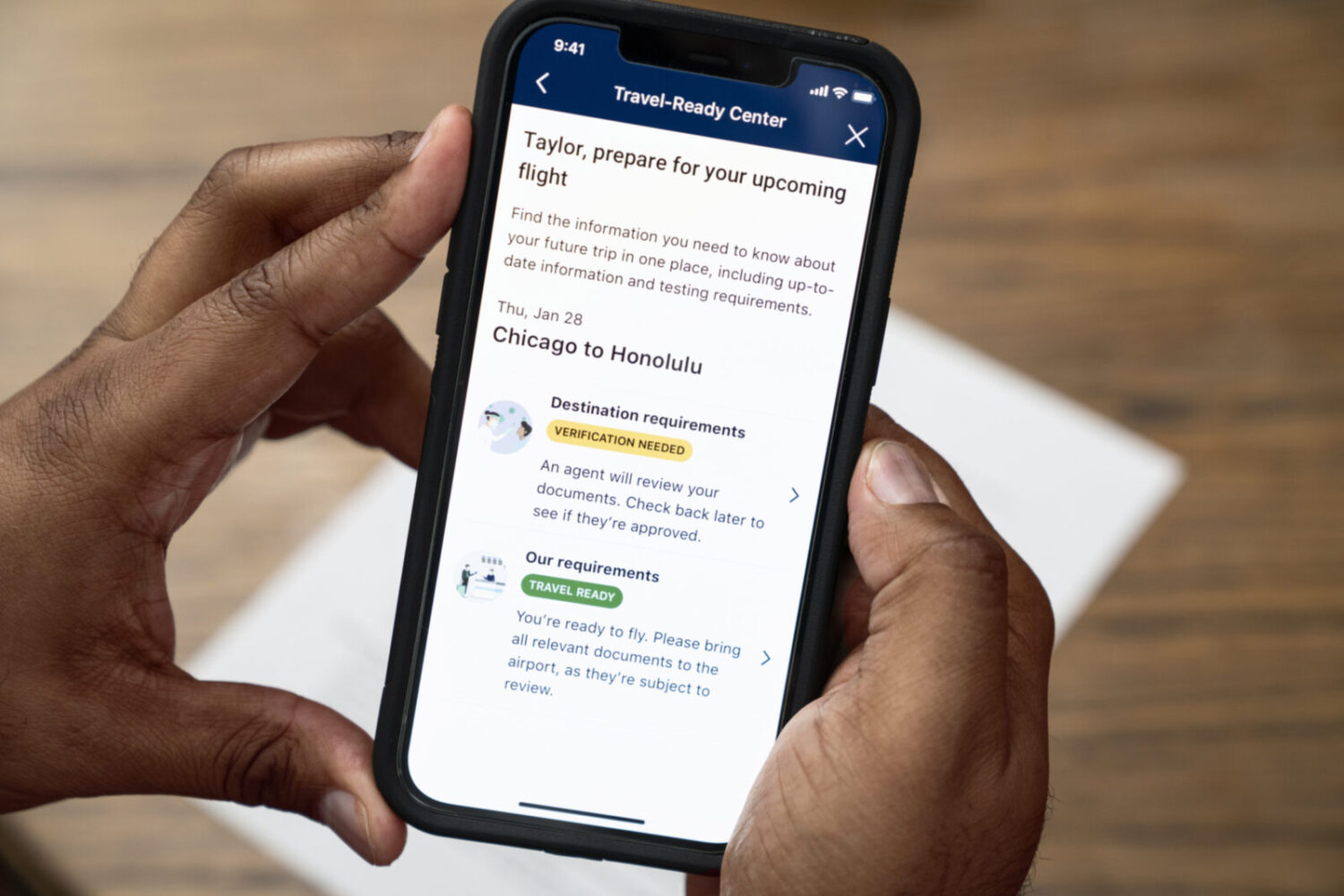
United Airlines, for example, rolled out is “Travel-Ready Center.” This digital site lets passengers review COVID-19 entry requirements, find local testing sites, and upload required testing and vaccination records for both international and domestic travel.

The new ruling is quite rigorous for international travel. And on Tuesday it was reported that the Biden administration is “actively looking” at expanding mandatory COVID-19 testing to travelers on U.S. domestic flights.

We’ll see if that extra layer of testing become reality. But in the meantime, if you do plan to travel soon it will be good to brush up on the current rulings.

Another airline bans emotional support animals

Southwest Airlines announced that as of March 1, 2021 emotional support animals will be banned from flights.

Starting that day, Southwest will only accept dogs that are trained service animals. The airline will still allow pets to fly in the cabin, but only if they are vaccinated domestic cats or dogs in an appropriate pet carrier. And if they have a ticket. Fares are $95 each way per pet carrier.

Southwest joins all other major airlines in making this ruling. Alaska Airlines, Delta Air Lines, American Airlines, Frontier, JetBlue, Hawaiian Airlines, and United Airlines have already put their “no emotional support animals” policy in force.

Festivals rebooked for real

Dare we hope?

While many annual events around the country and the world are being postponed or canceled for yet another year, some are going forward.

In New Orleans, the Jazz & Heritage Festival that was canceled last spring is now scheduled for October 8-17. And the French Quarter Festival is now planned to take place September 30-October 3.

New rules for service and emotional support animals on airplanes now in effect

The U.S. Department of Transportation’s new rules regarding service animals and emotional support animals on airplanes goes into effect January 11, 2021.

You can read all the details here, but here are some key points to keep in mind if you’re planning on flying on a commercial flight with a service animal, emotional support animal, or pet.

The new rules define a service animal as “a dog that is individually trained to do work or perform tasks for the benefit of a person with a disability.”

If you are planning on flying with service dog, you will be required to submit a standardized federal form to your airline attesting to the health and training of the animal and comply with other rules.

The big change is that DOT no longer considers emotional support animals to be service animals and has given airlines permission to stop giving those animals free rides.

To no surprise, many airlines are rolling out “no emotional support animals” policies. Alaska Airlines, American Airlines, Delta Air Lines, Frontier, Hawaiian Airlines, JetBlue, and United Airlines have already posted policies or issued statements stating that emotional support animals, be they pigs, dogs, birds, or possums, will no longer be allowed on flights after January 11. We expect other airlines to follow suit.

Pets still good to go. For a fee

Of course, airlines are happy to take pets on flights if they meet the requirements and have a paid ticket. Here are the current fees for buying a ticket for a pet to fly in the cabin on a domestic flight.

Alaska Airlines: $100 each way in the cabin; Pets allowed in the passenger cabin are dogs, cats, rabbits, and household birds.

American Airlines: $125 each way.

Delta Air Lines: $125 each way. Pets allowed: small dogs, cats, and household birds.

Frontier: $99 each way. Pets allowed: dogs, cats, rabbits, guinea pigs, hamsters, and small household birds.

Hawaiian Airlines: $35 within Hawaii; $125 between Hawaii and mainland. Pets allowed: cats and dogs.

JetBlue: $125 each way.

Southwest: $95 each way. Pets allowed: small cats and dogs.

United Airlines: $125. Pets allowed: cats and dogs.

Temple cats – 19th to early 20th century

Alaska Airlines to give emotional support animals the boot

Back on the leash

The U.S. Department of Transportation (DOT) has ruled that airlines no longer have to make the same accommodations for emotional support animals as they do for trained service dogs.

So it was just a matter of time before airlines starting to change their policies.

And now the changes have begun.

“This regulatory change is welcome news,” said Ray Prentice, director of customer advocacy at Alaska Airlines, in a statement. “It will help us reduce disturbances on board while continuing to accommodate our guests traveling with qualified service animals,”

Alaska Airlines is the first to take action. Starting January 11, 2021, the airline will only allow trained service dogs to travel for free in the cabin.

Under the revised policy, Alaska will only accept two service dogs per guest in the cabin, including psychiatric service dogs. Anyone flying with service dogs will have to complete a DOT form attesting that their animal is a legitimate service dog, is trained and vaccinated, and will behave during the flight.

Emotional support animals, whether they be pigs, monkeys, hamsters, lizards, or miniature horses, will no longer be allowed in the cabin.

Pets, including dogs, cats, rabbits, and household birds, can still fly, but they must be ticketed, at $100 each way. And passengers who bring pets onboard must keep them in a carrier, which counts towards the carry-on bag allotment.

So no more emotional support animals taking up a seat or a tray table. Or getting under you feet.

P

Remember the emotional-support chicken?

Last year about this time, there was quite a stir about airlines tightening up their rules about the definition of emotional support animals.

Delta Air Lines got the ball rolling by issuing a new policy banning service and support animals under four months of age regardless of flight length. The new policy also banned emotional support animals of any age on flights longer than eight hours.

Other airlines followed Delta’s lead.

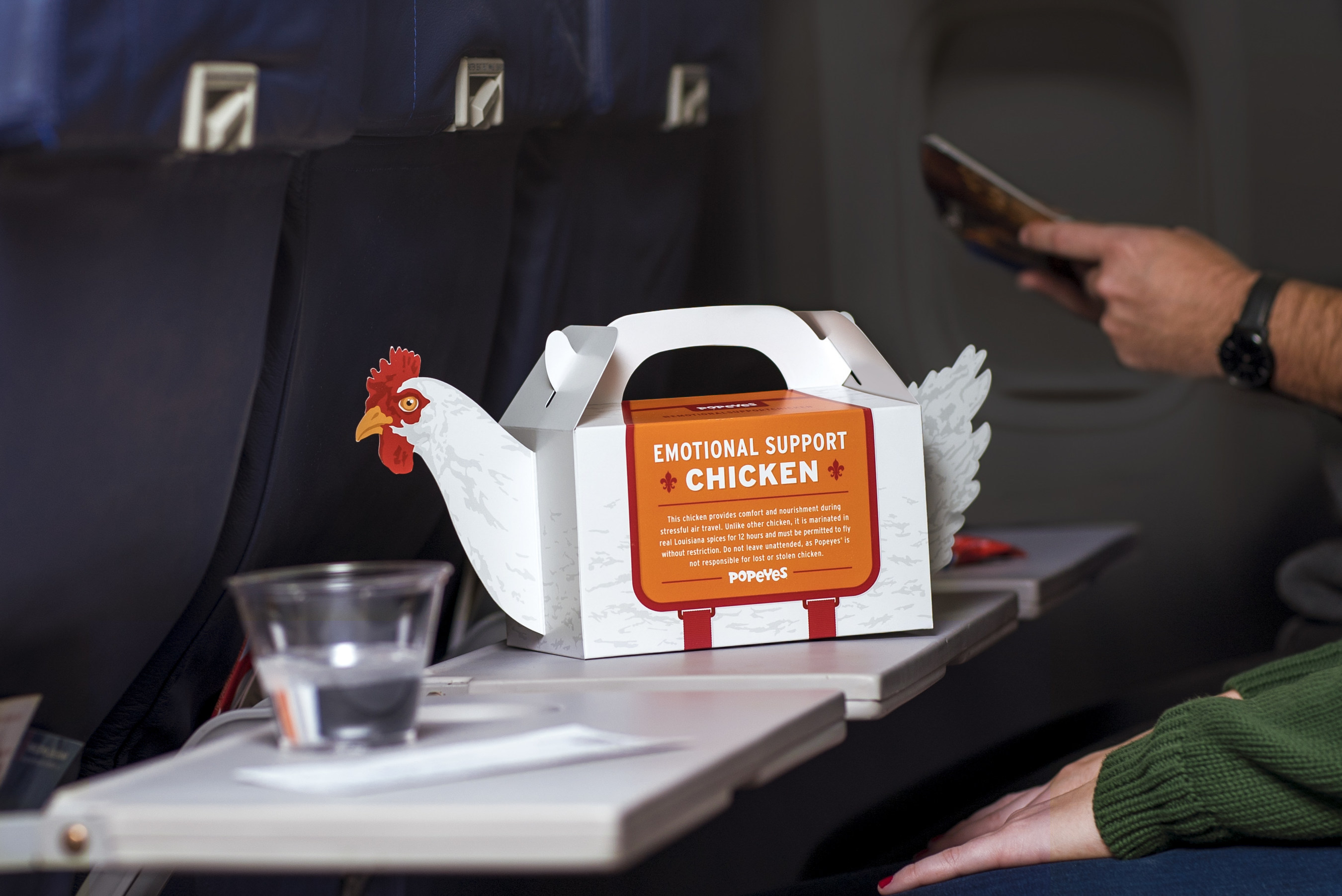
Then, right as the Christmas travel rush kicks, Popeye’s at Philadelphia International Airport (PHL) shares news of a meal on its menu being served in a chicken-shaped box.

The box was labeled as an “emotional support chicken.”

The cocky campaign was a nod to news stories about the wide variety of animals, including peacocks, pigs, monkeys and spiders that try to take onboard for free.

 “We appreciate how comforting emotional support animals are and wanted to create our own version,” said Hope Diaz, CMO of Popeyes Louisiana Kitchen, “The good news is that our emotional support chicken is permitted to fly without any restrictions – one less worry for busy travelers!”

Should they bring that emotional support chicken (in a box) back?

Tampa Int’l latest airport to tighten leash on pets

Last year, Portland International Airport and several other airports followed the lead of airlines in tightening the leash on what consitutes an ’emotional support’ animal and the expected and acceptable behavior of pets in the terminals.

The move came in response to increase incidents of aggressive pets and, in some cases, of pets biting and attacking passengers and employees in airports.

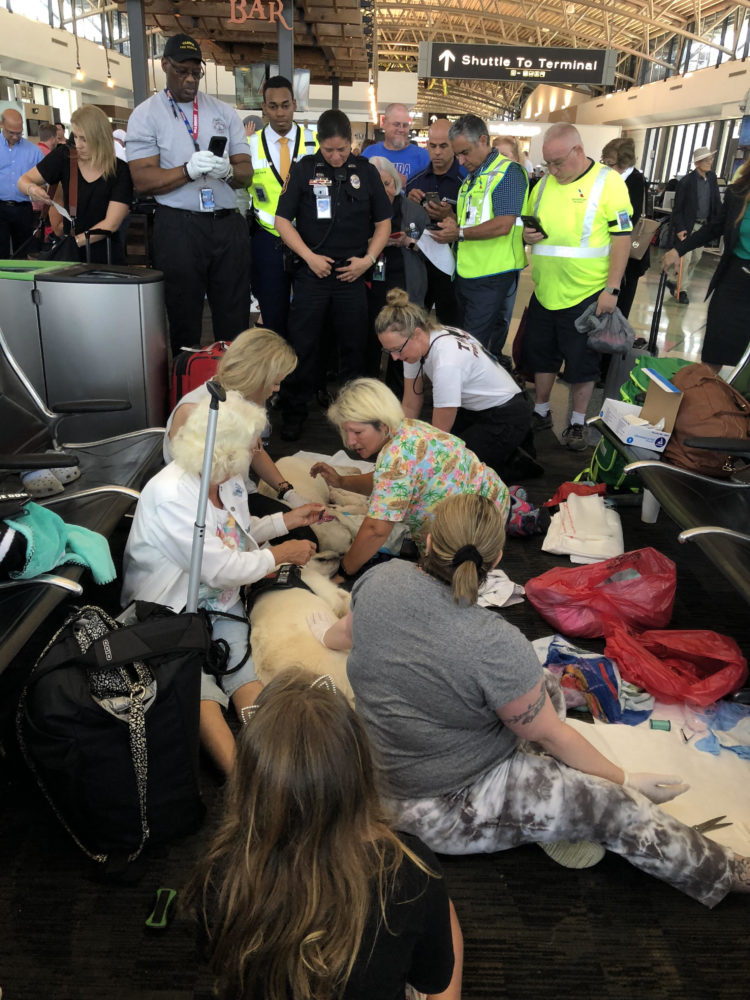
Now Tampa International Airport (TPA), which last May was in the news when a dog traveling as an emotional support animal gave birth to puppies in the terminal, has joined the herd in stepping up its enforcement of restricting non-service animals at the airport.

The aim of TPA’s new policy is reducing injuries to pets and people as well as enhancing cleanliness and sanitation at the airport.

Starting this week, TPA will begin educating pet owners about the airport policy which, it notes, has been in place for decades but loosely enforced.

The policy states that traveling non-service animals (i.e. pets) must be properly confined in a pet carrier or controlled on a leash when they are in the airport.

In addition, pets that are not traveling, such as those greeting arriving passengers in the Main Terminal, are not allowed at TPA.

At the end of March, pet owners who are not following the rules will receive warnings and there could be citations for non-compliant guests.

LIke other airport, TPA is experiencing record passenger growth and a record numbers of animals in the terminals. And TPA paramedics, police and maintenance staff are responding to an increased number of injuries to people and pets and cleaning up hundreds of pet ‘accidents.’

TPA’s policy enforcement was endorsed by the Humane Society of Tampa Bay, which says the policy is a necessary measure to reduce animal incidents such as paw injuries on escalators.

What do you think of this trend? Do you bring your pet to the airport? Have you seen witnessed pets misbehaving at airports?

A pet traveling as an emotional support animal gave birth to puppies last year at Tampa International Airport.

Will this emotional support chicken fly?

Misbehaving emotional support animals on airplanes ruffle lots of feathers lately and have caused carriers to tighten up their rules.

But the emotional support chicken that Popeyes let fly at its Philadelphia International Airport location (in Terminal C) is designed to get laughs and to fill stomachs.

P

On Tuesday, Popeyes rolled out a special fried chicken meal (a 3-piece tender combo) that comes packaged inside a cardboard carrier that is shaped like a chicken.

On the box is a label that identifies the container as an “Emotional Support Chicken.”

The cocky campaign is a nod to the wide variety of animals – including peacocks, pigs,monkeys and spiders – that passengers try to insist must fly in the cabin for free because they are providing important emotional support for their owners.  

Popeyes is going for giggles with this emotional support chicken, introduced just in time for the stressful holiday travel period.

 “We appreciate how comforting emotional support animals are and wanted to create our own version,” said Hope Diaz, CMO of Popeyes Louisiana Kitchen, “The good news is that our emotional support chicken is permitted to fly without any restrictions – one less worry for busy travelers!”

Stuck at the Airport is declaring Popeyes’ emotional support chicken a top contender for the airport amenity of the week. 

Delta tightens leash on emotional support animals- again.

Delta Air Lines is issuing a new round of rules for service and support animals . 

Don’t be surprised if these rules are adopted soon by other airlines. 

Delta’s new policy goes into effect December 18. Under the new rules, service and support animals under four months of age will be banned from any Delta flight.

Delta will also no longer allow emotional support animals – of any age – to be booked on flights longer than eight hours.

If you purchased a ticket before December 18th and have requested to travel with an emotional support animal, Delta will still allow you and your emotional support animal to travel.

Come February 1, 2019, however, emotional support animals will not be accepted on flights longer than eight hours, regardless of booking date.  

“These updates support Delta’s commitment to safety and also protect the rights of customers with documented needs, such as veterans with disabilities, to travel with trained service and support animals, ” said John Laughter, Senior Vice President – Corporate Safety, Security and Compliance.

Delta said the updated policy comes on the heels of an 84 percent increase in reported incidents involving service and support animals from 2016-2017. 

Those incidents include urination/defecation, biting and an attack by a 70-pound dog. Delta also notes that its updated support and service animal age requirement aligns with the vaccination policy of the CDC and the eight-hour flight limit for emotional support animals is consistent with principles outlined in the U.S. Department of Transportation’s Air Carrier Access Act.

The full policy, including rules about what kind of animals can be considered service or emotional support animals, is on the Delta website

The new rules don’t apply to animals traveling in the cabin inside closed carriers as pets on paid tickets. 

Southwest Airlines tighens rules on emotional support animals

Southwest Airlines is the latest airline to tighten its policies on passengers traveling with trained service and emotional support animals.

The new rules go in to effect Monday, September 17, 2018.

Under Southwest Airlines’ new rules, each customer will only be able to travel with one emotional support animal (or ESA) and ESAs will be limited to only cats and dogs.

During travel, the airline will always require each ESA to be kept in its carrier or be kept on a leash.

Customers traveling with ESAs will continue to be required to present a complete, current letter from a medical doctor or licensed mental health professional on the day of departure.

As part of these new policies, Southwest is also recognizing fully-trained psychiatric support animals (PSAs) as trained service animals.

The airline said it informally accepted PSAs as trained service animals in the past. Now the airline will formally accept this type of service animal. PSAs are animals that are specially trained to perform a task or work for a person with a mental health-related disability. To travel with these animals, the airline will require only a credible verbal assurance.

When it comes to traditional trained service animals, Southwest says it is going to adopt the DOT guidelines and accept only dogs, cats, and miniature horses.

“For the health and safety of our Customers and Employees, unusual or exotic animals will not be accepted,” the airline said in a statement and, “As is the case today, the Customer with the disability must be able to provide credible verbal assurance that the animal is a trained service animal.”

“We welcome emotional support and trained service animals that provide needed assistance to our Customers,” said Steve Goldberg, Southwest’s Senior Vice President of Operations and Hospitality said in statement, “However, we want to make sure our guidelines are clear and easy to understand while providing Customers and Employees a comfortable and safe experience.”

Southwest’s new rule announcement comes affter Alaska, American, Delta, JetBlue, and United have also updated their policies.

What do you think of the new rules? Fair?

Airports tightening the leash on animals in terminals

Thinking of taking dog your pet or emotional support animal with you on your next flight? Be sure to check the airline -and the airport – rule books on that. As I describe in my ‘At the Airport’ column this month for USA TODAY, airports are following the lead of airlines and making new and more restricted rules for animals in the terminals.  Below is a slightly edited version of that column.

Reno-Tahoe International Airport pet relief area

There were plenty of “Aw, that’s so cute” social media posts last month when Eleanor Rigby, one of two service dog vest-wearing golden retrievers accompanying a passenger to Philadelphia on American Airlines, went into labor and gave birth to eight puppies in a gate area at Tampa International Airport.

(Courtesy TPA Airport)

No one was charmed, however, by the report a passenger at Los Angeles International Airport posted last February about a woman who replied “They have people for that” when asked if she planned to clean up after her dog did its ‘business’ on the airport floor.

Yet both stories are examples of a wide range of animal-related incidents that are forcing airports to expend extra resources and causing them to rethink policies governing animals in the terminals.

In the Tampa airport puppy case, cute became controversy when animal rights advocates and people with certified service animals began questioning if the vested dogs were legitimate service animals and asking why a very pregnant dog – be it a certified service animal, emotional support animal or pet – had been allowed to fly so close to its due date.

TPA officials point out that airports have no say over the animals that airlines allow on board.

“We were just there to help with the situation and are happy the puppies were delivered safely,” said TPA spokeswoman Emily Nipps.

Tampa International Airport hasn’t yet tallied up its exact costs for having paramedics, operations, communications and maintenance staff spend several hours attending to Eleanor Rigby and her new puppies during the airport delivery, “But having paramedics assisting a dog in labor could have potentially impacted a medical emergency on another side of the airport,” said Nipps.

Cleaning up: the rules and the messes 

As had been widely reported, airlines have seen a sharp rise in the number of animals traveling on planes. Some are ticketed pets, but many are pets that have been flying for free thanks to loopholes in rules governing the transport of emotional or psychiatric support animals.

American Airlines reported a 40% increase in the number of service and emotional support animals on flights between 2016 and 2017. United Airlines cited a 75% increase year over year.

Like airlines, airports have had to make accommodations for all the extra animals and, like airlines, airports have been logging increased instances of pets and emotional support animals that are untrained, unruly and dangerous to others in the terminals.

“We find them making messes on the airport carpet, interfering with the airport’s working dogs and, on occasion, biting other dogs or passengers,” said Kama Simonds, spokeswoman for Portland International Airport.

Last December, a 5-year old girl ended up in the hospital after being bit in the face by an uncrated dog waiting for a flight with its owner at Portland International Airport. And a local TV station filming for a report on dog issues at PDX caught a schnauzer in the act of peeing on the airport’s brand new $13 million carpet.

Many airports hope revised policies for flying with emotional support animals recently rolled out by American Airlines, Alaska Airlines, Delta, JetBlue, United and others will cut down on the number of animals in airport terminals.

“The way we see it, if the airlines put more specific and stricter guidelines in place to manage the issue, it will take care of the problem in the airport too,” said TPA’s Emily Nipps, “So we support the airlines in tightening up the policies.”

For its part, Airports Council International-North America, the membership organization which represents and advises most U.S. airports, is urging the Department of Transportation to clarify its rules.

Currently, there’s confusion for both passengers and airports because airlines are covered by the Air Carrier Access Act, which recognizes emotional support animals, while airports are covered by a different act, the Americans with Disabilities Act, which does not recognize emotional support animals.

“We want DOT to clearly articulate that airports are within their rights under the Americans with Disabilities Act to require anyone bringing an emotional support animal through an airport terminal to house those animals in carriers, so they don’t interfere with other passengers, employees, staff or other animals including service animals and TSA and police canine units,” said Thomas Devine, ACI-NA’s general counsel.

DOT is currently taking comments through July 9 on proposed rulemaking related to traveling by air with service animals and ACI-NA will join the public and other industry groups in filing comments.

But at least one airport is not waiting for DOT to get around to making its final ruling.

After consulting with other airports, including San Francisco International, Detroit Metropolitan and Fairbanks International Airport, Portland International Airport plans to issue new rules aimed at clearly defining the different categories of traveling animals—pets, emotional support animals and service animals—and clarifying how the airport expects travelers to care for these animals while in the terminal.

“We see many people bring their pets when meeting and greeting people in the terminal. That’s a no-no,” said PDX spokesperson Kama Simonds, “Pets should not be at the airport unless they are traveling or being shipped.”

The new PDX rules will remind travelers that, like pets, the airport requires emotional support animals heading for airplanes to be in carriers while in the terminal. If too large for a carrier, those emotional support animals must be kept on short leashes.

And if a traveler’s animal urinates or defecates on the floor at PDX, the new rules will require an owner to remain at the site until someone from the janitorial staff arrives.

During July, airport operations staff at PDX will start spreading the word about the new rules. Come August, though, warnings and citations for bad dogs could be issued, with possible fines of up to $250.

Blame the peacock: United Airlines’ new rules for emotional support animals.

Just days after refusing to let a woman fly with what she claimed is her emotional support peacock, United Airlines has issued notice that, starting March 1, there will be new rules for bringing emotional support animals onboard.

United’s policy for those traveling with service animals (guide dogs and other animals trained to perform assistive tasks) currently does not require advance notice or documentation and is not changing.

The new rules will apply to emotional support animals.

Right now, customers with emotional support animals are required to give United’s Accessibility Desk 48-hours’ notice AND a letter from a mental health professional.

Starting March 1, in addition to 48-hour notice and an enhanced letter from a mental health professional, the airline will require anyone traveling with an emotional support animal to also provide additional documentation including:

  • The customer must provide confirmation that the animal has been trained to behave properly in a public setting and acknowledge responsibility for the animal’s behavior.
  • The customer must also provide a health and vaccination form signed by the animal’s veterinarian. The veterinarian must also affirm that there is no reason to believe that the animal will pose a direct threat to the health and safety of others on the aircraft or cause a significant disruption in service.

Today United also reminded travelers that  hedgehogs, ferrets, insects, rodents, snakes, spiders, reptiles, sugar gliders, non-household birds, exotic animals and animals not properly cleaned or those that are really smelly are not allowed in airplane cabins.

“Year-over-year, we have seen a 75 percent increase in customers bringing emotional support animals onboard and as a result have experienced a significant increase in onboard incidents involving these animals,” United said in a statement. “We understand that other carriers are seeing similar trends. The Department of Transportation’s rules regarding emotional support animals are not working as they were intended to, prompting us to change our approach in order to ensure a safe and pleasant travel experience for all of our customers.”

The Association of Flight Attendants-CWA (AFA) said in a statement that is it thrilled with United Airlines’ announcement:

“United has taken a very thoughtful, responsible approach to this issue. The airline’s increased requirements for emotional support animals will reduce fraud and protect the legitimate need of animal assistance for passengers with disabilities and veterans,” said Sara Nelson, international president of AFA. “This is about maintaining safety, health and security for passengers and crew, while ensuring accessibility for those who need it.”

Delta Air Lines recently announced that, starting March 1,  it will be changing its rules for passengers flying with service dogs or emotional support animals.

Expect other airlines, including American Airlines, to update their rules on flying with service animals and emotional support or ‘comfort’ animals soon.