business travel

Anti-abortion & anti-LBGTQ laws are complicating business travel

(This is an abbreviated version of a story we reported for NBC News)

First came COVID. Now abortion bans and anti-LGBTQ laws are complicating business travel.

Business travel is clawing its way back to 2019 levels as COVID-19 concerns largely recede. But as tighter abortion restrictions and anti-LGBTQ laws proliferate, some employers and event organizers are weighing a new set of threats to employees’ safety outside the office.

Dozens of states have slashed abortion access since the Supreme Court overturned Roe v. Wade, and more than 180 bills restricting LGBTQ rights are advancing in statehouses nationwide. Many such moves have drawn criticism on political and civil rights grounds, with companies and event organizers threatening state boycotts akin to the one that led North Carolina to scrap its 2016 anti-transgender bathroom law.

But lately, conservative “anti-woke” messaging has made many companies more hesitant to publicly ally themselves with progressive causes. Some are now taking a quieter approach to mitigating risks, business travel planners and human resources experts say.

“We think critically about who we are sending where and ask employees if they’re comfortable going to a state that has demonstrated they are not inclusive towards people with certain identities,” said Cierra Gross, CEO of Caged Bird HR, a consultancy firm. “We could be putting someone’s physical and psychological safety on the line in some of these states.”

While civil rights groups (and the Canadian government) have issued advisories warning of risks from the legislation, some travel industry groups and local advocates have pushed back against boycotts, arguing they hurt hospitality workers and minority business owners and rarely change policies.

In fact, last month, California lawmakers voted to repeal a ban on state workers using public funds to travel to 26 states with anti-LGBTQ policies, replacing it with a public awareness campaign.

In an April survey, the expense platform SAP Concur found that 82% of LGBTQ+ business travelers had changed accommodations at least once in the past 12 months because they felt unsafe, compared with 70% of U.S. business travelers overall and 53% of those globally.

For many workers, these concerns are nothing new — many have long had to be extra mindful of their safety with little to no employer support. For companies and travel managers, though, there’s now a growing “sense of importance and urgency” to revisit their policies, said Charlie Sultan, president of Concur Travel.

The last time that happened on a broad scale was when COVID-19 hit, pushing businesses to review the policies supporting what’s known as their “duty of care” to keep employees safe on the job.

While most businesses now have protocols to handle COVID-19 exposures, some are just starting to wrestle with other scenarios: What if a pregnant employee has a medical emergency while traveling in an anti-abortion state? Or if trans employee faces a confrontation someplace without public accommodation protections for gender identity?

Lauren Winans, CEO of Next Level Benefits, an HR consultancy firm, said some of her corporate clients have started maintaining lists of potentially problematic destinations for workers to visit. Others are adopting no-retaliation policies “that allow employees to express concerns, establish boundaries or refuse travel” to certain areas, she said.

The construction bidding platform PlanHub is “thoroughly assessing potential risks tied to the legal and political landscape in various regions,” said Kimberly Rogan, the company’s chief of staff and head of people operations. “We’ve refined our guidelines to inform employees about these factors better and to provide clear instructions on how to navigate them.”

These efforts coincide with a broader post-pandemic focus on mental and physical health and safety, said Daniel Beauchamp, head of global business consulting for Europe, the Middle East and Africa at American Express Global Business Travel.

As those concerns become the “front and center of corporate consciousness,” some U.S. and international employers are taking “a more nuanced” approach to their duty of care, he said.

But HR professionals say few of the businesses taking these steps are broadcasting them publicly, and the shift is far from universal.

Certain areas say they’re seeing pullback due to the new laws even as business travel rebounds.

Between May — the month Florida Republican Gov. Ron DeSantis expanded what critics termed a “Don’t Say Gay” law — and mid-September, more than 17 groups cited “current Florida politics” and safety as reasons for not booking conventions in Greater Fort Lauderdale and Broward County, despite a local reputation for inclusiveness, according to the Visit Lauderdale tourism group.

That list includes the National Sales Network, the American Specialty Toy Retailing Association, the University of Southern Mississippi and others, said Visit Lauderdale CEO Stacy Ritter. She estimated the community has lost out on more than $98 million in revenue.

“This is not an economic issue where you can offer a group more money to help underwrite their conference,” said Ritter. If people feel unwelcome in the state, she said, “there’s very little you can do.”

Travel Tidbits from Here and There

As another month of being grounded kicks in, here are some travel tidbits that got our attention.

Delta Air Lines’ “No Mask- No Fly” list is growing

If the rule is “Wear a mask when you’re on the plan,” then we’re all for passengers being put on no-fly lists if they don’t comply.

Delta Air Lines says it now has about 130 people on its “no mask – no-fly” list.

Miss airline food? This company will sell you some

Tamam Kitchen, which provides in-flight meals for Israel’s El Al airlines, Turkish Airlines and some other international carriers that fly out of Tel Aviv, is selling its meals to people on the ground.

The Future of Business Travel

We found some interesting insights about what business travel might look like in the future in a new global survey from SAP Concur, a company that tracks business expenses for companies.

96% of business travelers surveyed expect their employer to make critical changes when travel resumes.

Those changes include mandatory personal health screenings for traveling employees (39%), limiting business travel to only the most business-critical trips (39%), and easier access to PPE like gloves or facemasks (33%).

What is the plan if employers do not make changes?

65% of respondents intend to act if their employer does not make these changes:

Nearly one in five (18%) plan to look for a new role inside or outside the company that does not require travel. That number is higher in the U.S., where nearly one in four (23%) plan to consider new roles that do not require travel if their concerns are not addressed.

Where do you stand on these questions?

Cities strive to out-sanitize each other in a bid for tourist dollars

(This is an ever so slightly different version of my story that posted on NBC News).

Would a “clean city” pledge get you to plan a trip?

We’re into what by all rights should be a busy summer travel season. But many states are hitting the breaks on reopening plans due to record spikes in COVID-19 cases.

Yet in many parts of the country, beaches and bars are filling up, hotel occupancy rates are rising and attractions such as zoos, aquariums and museums are welcoming back visitors.

Disney World Resort’s phased opening plans in Florida are on track, even though Disneyland’s plans in California are delayed.  

The push to reopen is being fueled in part by businesses starving for customers and cash flow. But also by a cooped up public cautiously optimistic about making travel plans and hoping for a slowdown in the spread of COVID-19.

Communities that for months have been asking guests to stay away are now scrambling for ways to get business and leisure travelers to come back.

Campaigns to get tourists back

Now, branded campaigns declaring a destination clean, safe, and sanitized are trending.

“Tourism has taken a serious blow and destinations are doing whatever they can to restore consumer confidence,” says Misty Belles, a managing director with the Virtuoso travel agency network. “We know that concerns over contracting the virus are one of the key barriers to getting people comfortable with traveling again, so cities across the country are touting their enhanced cleaning protocols to quell those fears,” she adds.

In Ohio, window decals and website badges in Columbus are a sign that businesses have signed the “Live Forward” pledge to make the health and safety of patrons a priority.

“To meet this obligation, we’ve established additional protection measures and trained our team in enhanced best practices for safety and sanitation,” says David Miller, President and CEO of Cameron Mitchell Restaurants.

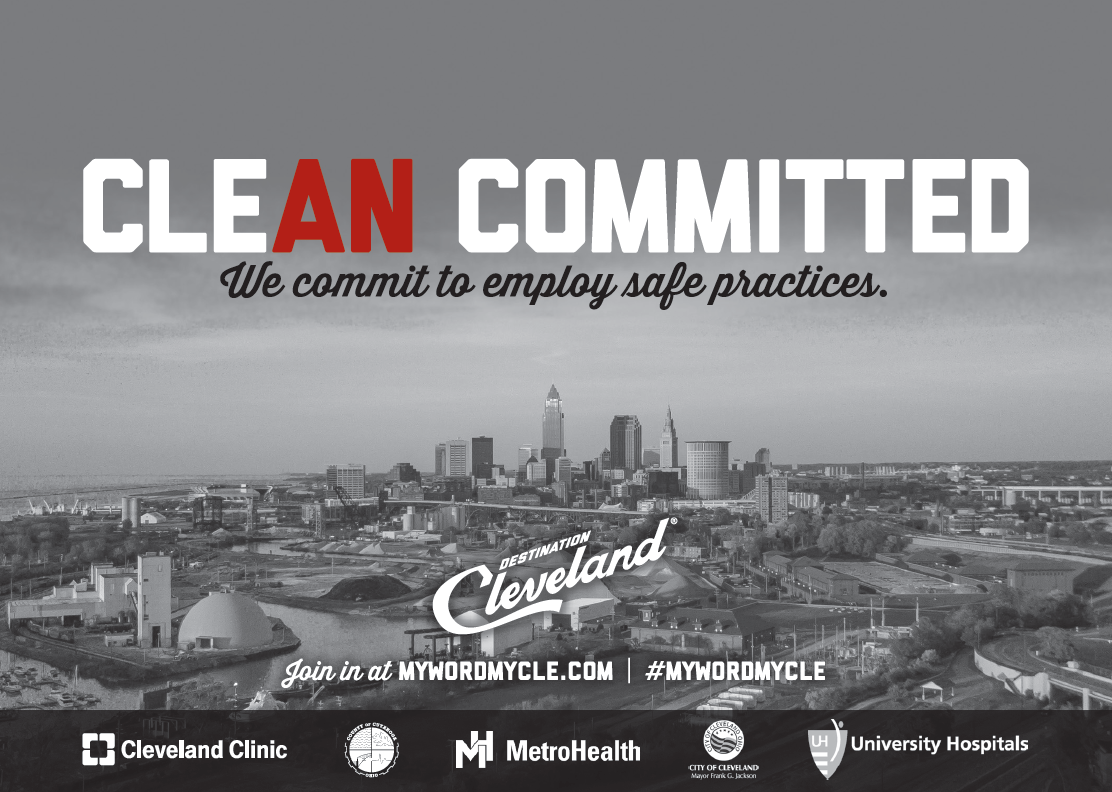
Cleveland’s Clean Committed campaign provides participating businesses with safety kits, guidelines, and materials to help make sure the city is ready for the return of visitors.

In Rochester, Minnesota (home of the Mayo Clinic), businesses in the Rochester Ready program are also implementing protocols in physical distancing, masking, cleaning, sanitizing and building ventilation.

Nashville’s Good to Go program is one of many with searchable databases of businesses that have vowed to adhere to coronavirus guidelines.

States are getting into the act as well. For example, Indiana has a Hoosier Hospitality Promise and the Count on Me NC public health initiative program stretches across North Carolina.

The list of vacation spots with clean campaigns is long and getting longer.

It is not only because cities are taking the health concerns of citizens and visitors seriously. Lodging industry consultant Bjorn Hanson says it also because “no destination manager or government entity wants to be viewed as doing less than others to attract and protect travelers.”

Will travelers trust a city’s seal of cleanliness?

Megan Tenney, whose family of six has been traveling full time since September 2018, now monitors COVID requirements and the health news in places the family is considering visiting.

“We’re focusing on places that seem to be doing better or were less affected to begin with,” said Tenney, “And I think a ‘clean campaign’ would give us the confidence to travel to a location.”

But while Brian DeRoy of Charleston, South Carolina feels that “whoever can market best in the game of being clean is going to have an advantage,” Seattle-based frequent traveler Rob Grabarek would not feel reassured by a city’s program alone.

“I’d have to examine the extent of a local government’s policies to see if I felt there were sufficient,” said Grabarek, “And while I applaud the idea of identifying businesses that are in compliance, I wouldn’t feel safe unless the entire community were adhering to the same stringent practices.”

Given that there is no single organization or government entity to oversee and assure that all these cleaning campaigns are effective, the emphasis on cleanliness as a destination marketing tool may not last long.

“Our travel advisors tell us there are really two traveler mindsets right now,” said Virtuoso’s Belles, “Those who want to pull back the curtain and know how everything they potentially come in contact with is being sterilized and those who just want to trust that it’s happening. Too much focus on cleanliness may actually backfire on those looking for the escapism in their vacation.”

What do you think? Would a city’s pledge of cleanliness be reassuring enough to get you to plan a trip?

Extra time in Seattle? Where to go, what to do.

This is an ever-so-slightly version of the Seattle guide for business travelers we put together for CNBC.

Courtesy Visit Seattle,

Starbucks, Amazon, Costco Wholesale, Microsoft and many other major companies call the greater Seattle-area home.

So it’s no surprise that Visit Seattle reports that at times 25% of the city’s more than 14,000 downtown hotel rooms are filled with business travelers in town to take meetings and make deals.

If you’re in the Emerald City with a few spare hours after a meeting, these tips and ideas might help you make the most of your time in a city well-known for its caffeine-fueled culture, its seafood and its green spaces.

Downtown Seattle

Take a pre-meeting walk or run through the Seattle Art Museum’s 9-acre waterfront Olympic Sculpture Park (Admission: free; adjacent to Myrtle Edwards Park) and be rewarded with views of the Olympic Mountains and Puget Sound while passing artwork by Richard Serra, Louise Nevelson, Alexander Calder and many others.

Or show up early at the historic Pike Place Market to stroll by fruit, vegetable, seafood and craft vendors setting up before the crowds arrive; especially during cruise season, which runs May through September. Guided tours and downloadable Market walking guides are available.

Starbucks’ first store opened in the Market in 1971 and you can grab a coffee, get a souvenir, and take a selfie at the 1st & Pike store that recreates the ground(s)-breaking first branch.

Better yet, skip the Starbucks (you can drink that at home) and pop into one of Seattle’s many independent coffee shops. Seattle Coffee Works (108 Pine Street), Victrola (3rd and Pine) and Storyville Coffee (1st & Pike; Top floor of the Corner Market bldg.) are all nearby.

For breakfast, grab a pastry at Le Panier, the Market’s French bakery. Or order a Dungeness Crab Omelet or Hangtown Fry with oysters at Lowell’s, a casual Market mainstay ($$) with a waterfront view that’s been “Almost Classy since 1957.”

Tip: Don’t miss the MarketFront public plaza, overlooking the newly revitalized downtown waterfront area. And be sure to bring along some quarters to view the odd and outsize shoes displayed behind sideshow-style curtains at the Giant Shoe Museum in the Market’s “down under” shopping area, next to Old Seattle Paperworks.

From the Market, head downhill (use the Pike Street HillClimb or take the elevators from the parking garage) to the Seattle waterfront, which is lined with restaurants, shops and attractions that include the Seattle Aquarium, the Seattle Great Wheel and the flying ride Wings Over Washington. An underground tunnel recently replaced a noisy double-decker freeway running along and above the waterfront and new park and public spaces are being developed in what is already a much quieter and far more pleasant part of the city to visit.

Ye Olde Curiosity Shop – photo Harriet Baskas

Tip: Tucked in among the waterfront shops selling mugs, magnets and Sleepless in Seattle nightshirts (still!) is the Ye Olde Curiosity Shop on Pier 54, which dates back to1899. Part souvenir store/part cabinet of wonder, the shop’s displays include natural history oddities and can’t-look-away objects that include shrunken heads, mummies and a four-legged chicken.

Want to see more traditional art?

Courtesy Visit Seattle

More than 200 works of public art dot Seattle’s downtown neighborhoods. This guide will lead you to them. The Seattle Public Library system’s 11-story glass and steel Central Library building (between 4th and 5th Avenues and Madison & Spring Streets) is a must-see stop for fans of architecture and, of course, books. Designed by Dutch architect Rem Koolhaas and LMN Architects, the building has a multi-floor “Book Spiral,” one all-red floor and great viewing spots from the 10th-floor reading room.

The Seattle Art Museum (Admission: $29.99, including all exhibits) has a permanent collection of more than 25,000 works of art. SAM is free the first Thursday of each month and many downtown hotels offer packages that include museum passes for special exhibitions.

Tip: Save your SAM ticket. Should you have extra time, your Seattle Art Museum ticket is good for entry (within a week) to the Asian Art Museum in Volunteer Park in Seattle’s Capitol Hill neighborhood. The museum reopens February 8 after a $56 million renovation.

Fun at the former fairgrounds

Courtesy Space Needle LLC

The site of the 1962 World’s Fair is now a 74-acre urban park known as Seattle Center. You can walk there from the downtown core, but it’s faster and more fun to take the 2-minute ride on the Seattle Center Monorail, another souvenir of the fair. Board at Westlake Center Mall (5th Avenue and Pine St.)

In addition to free attractions, such as the International Fountain, Seattle Center offers time-pressed visitors a cluster of worthy activities to choose from, including the Museum of Pop Culture (MoPOP), which will appeal to fans of music and science fiction, and the Pacific Science Center, which is ideal if your family is in tow. Artist Dale Chihuly’s creations and collections fill eight color-filled galleries at Chihuly Garden and Glass and spill into the adjacent Collections Café, which has Dungeness crab cakes and other Northwest fare on the menu and is a charming and convenient place to stop for lunch ($$).

Seattle’s 605-foot-tall Space Needle, another, now iconic space-age souvenir of the 1962 World’s Fair, is at Seattle Center too. The Space Needle has two recently renovated observation decks, including one with the world’s only revolving glass floor.

Tips:Chihuly Garden and Glass and the Space Needle are often crowded, but both offer discounts for visits during less crowded off-hours. The 902-foot-tall downtown Sky View Observatory is a less expensive, less crowded alternative to the Space Needle.

Courtesy State Hotel

Where to Stay:

Many business travelers land at Seattle’s large convention-friendly properties such as the Hyatt Regency (1260 guestrooms) and the Sheraton Grand Seattle (1236 guestrooms). Seattle also has a growing list of hip, boutique properties such as the 90-room State Hotel, with a rooftop terrace, wall of doorknobs and colorful multi-story mural and the Hotel Theodore where rooms and hallways are decorated with artifacts and images curated by Seattle’s Museum of History and Industry.

Where to eat

Seattle has an exciting and evolving dining and drinking scene, with many nationally known venues and chefs. Here are just a few to check out.

Start – or end – the evening with a cocktail at restaurateur Renee Erickson’s below-ground, curio-filled Deep Dive in the Amazon Spheres. The menu at this speakeasy-style bar includes upscale classic cocktails, rare spirits and creative concoctions with names such as Mixtape, Hans Solo, Curiosity Killed and Love through Space and Time.

There are excellent breweries. brewpubs and distilleries in many Seattle’s neighborhoods and a good selection right downtown, including Pike Place Brewing’s Pike Pub, Old Stove Brewing and Copperworks Distilling Co.

Move on to a downtown dinner at Loulay Kitchen & Bar in the Sheraton Grand Seattle (6th and Pike). The creation of Thierry Rautureau, “The Chef in The Hat,” Loulay’s menu favorites include French cuisine classics, crab fritters, seafood stew, sturgeon and cheeseburgers topped with duck egg or foie gras. ($$$).

Tip: If you haven’t quite mastered the art of dining out alone, make a reservation for Loulay’s balcony level table for one, which overlooks the busy restaurant and the kitchen.

To impress visitors, Brian McGowan, CEO of Greater Seattle Partners books dinner at “the legendary Canlis, whose view, cuisine and service are equally amazing.” The iconic fine-dining destination has views of Seattle, Lake Union and the Cascade mountain range and four course dinners for $135/person.

And what about the rain?

Yes, Seattle has a well-deserved reputation for being gray and drizzly. But the city’s annual average precipitation of 38.17” is less than Boston (43.13”), Houston (51.12”), Miami (59.61”) and New York (45.73”). More drizzles than downpours just give Seattle more days of moist and cloudy weather. 

Tip: You won’t see many locals carrying umbrellas. To blend in, pack a rain jacket, a cap and wear water-resistant shoes.

Happy with all that business travel? Most say they are.

There’s no shortage of surveys out there slicing and dicing the habits and experiences of business travelers.

I read them all in search of trends, ideas and occasional surprising statistics and found examples of each in the new National Car Rental State of Business Travel Survey.

Happy Travelers?

In general, most business travelers surveyed (92 percent) said they were satisfied with their quality of life when traveling for business. Eighty-nine percent said they were also comfortable with amount of business travel they do.

That’s a good thing, because 90 percent of business travelers reported that they planned to travel at least the same amount or more in 2018.

What gets done on the road? 

I could identify with some of the survey stats about how much productive work, sleep and quality “me” time takes place during business trips. Perhaps you will, too.

According to the survey, just a smidge over half of business travelers (51 percent) reported that they were calmer when traveling for business compared to their everyday lives, but they also reported exercising less, sleeping less and eating less healthy when away from home on a business trip.

Most business travelers surveyed (57 percent) also claimed to work more hours and to be able to focus better (48 percent) when on the road.

What about down time during business trips?

Your co-workers, and family members at home, might think your business trip is – or should be – all business. But everyone needs some down time, and here the results of the survey were somewhat surprising.

While most (80 percent) of business travelers said they take time for fun/personal activities while on a business trip, 38 percent said telling their bosses about that down time was a “no go”; 40 percent said they avoided telling co-workers about any fun they had on a business trip and 31 percent advised against telling spouses or significant others about any non-work fun during a business trip.

Mixing business and fun

I’m confident folks at home, co-workers and even bosses wouldn’t begrudge business travelers a bit of time exploring a new city and I’m surprised at the “no go” and “don’t tell” statistics in the survey.

It’s possible to squeeze in some fun on a business trip – and here are a few ways to make that happen:

Commit

Become a tourist while traveling on business by adding an extra day to the front or back of your trip to explore a new city. Make sure you use that time wisely by buying a ticket to a play, museum exhibition or city tour before your business trip starts.

Dip into a neighborhood

If you don’t have official extra time in a city, try to take at least one meeting at a coffee shop or restaurant recommended by a local. Walk or drive to that meeting by taking the long (but safe) route around.

Don’t return that rental car too early 

If, like some respondents to State of Business Travel Survey claim, you can focus well on a business trip and you get your work done early, don’t head straight for the airport.

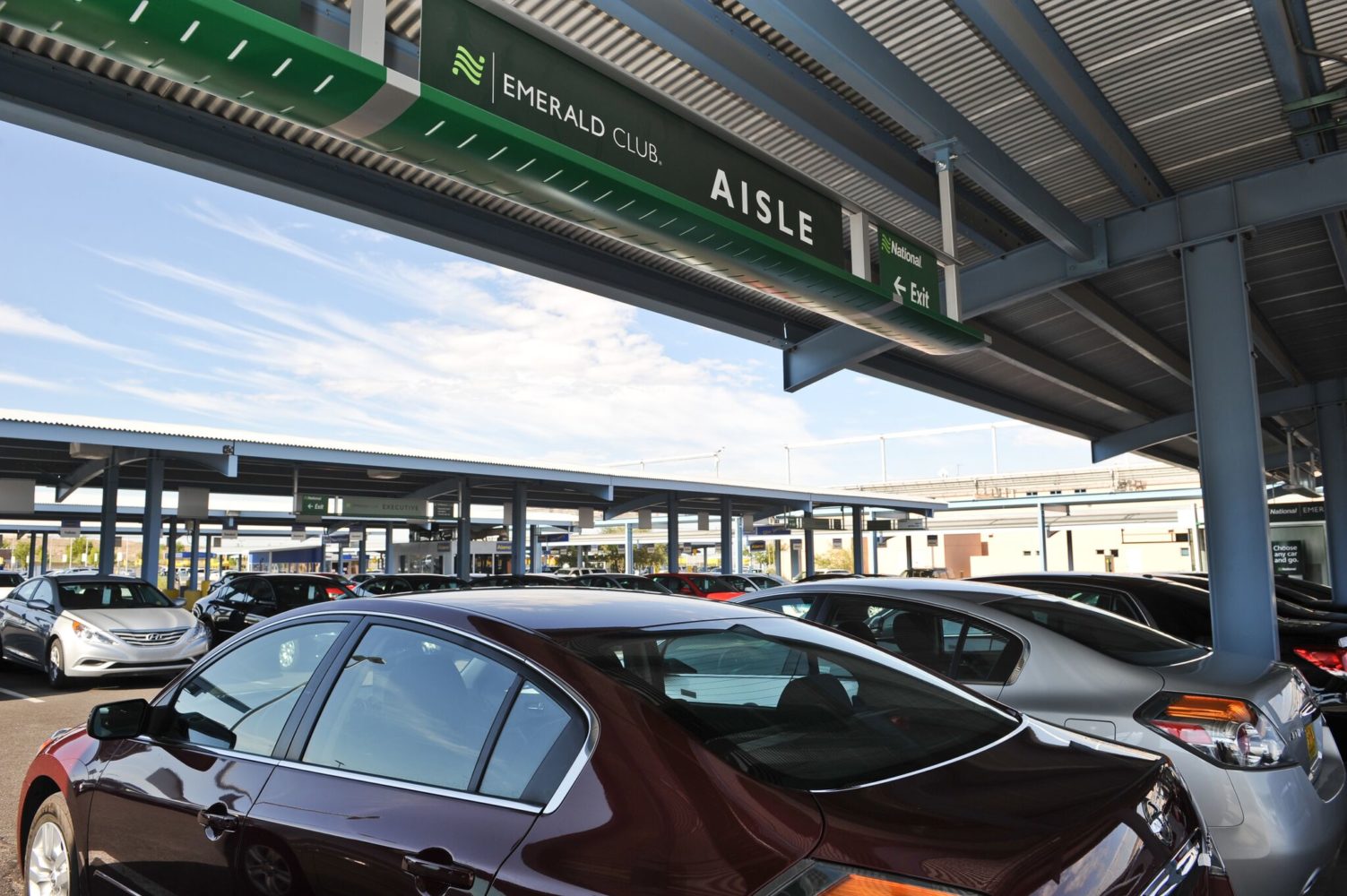
Use the extra hours on your car rental and the “Drop & Go” perk you get from being a member of loyalty programs such as National Car Rental’s Emerald Club to visit an attraction nearby the airport. For some ideas, see my previous post, “Heading to the airport? Hold onto that rental car.”

Have some tips balancing work and fun on a business trip? Please share those in the comments section below.

FYI:The National Car Rental State of Business Travel Survey was conducted from December 4-11, 2017, among 1,000 U.S. frequent business travelers in Research Now’s Business Travelers’ database.

While I was compensated by National Car Rental for this post, all thoughts and opinions shared here are totally my own.


Tips on dealing with the electronics ban on planes


Travelers are trying to figure out how to deal with new government rules placing an indefinite ban on electronic devices larger than smartphones from the cabins of commercial aircraft flying to both the United States and the United Kingdom from certain countries.

Canada is also considering joining the electronics ban for flights.

Here are some tips and things to consider if you’re booked on one of these flights, taken from my story on this topic for NBC News Travel.


In the United States, the ban covers nine airlines (Royal Jordanian, EgyptAir, Turkish Airlines, Saudi Arabia Airlines, Kuwait Airways, Royal Air Maroc, Qatar Airways, Emirates Air and Etihad Airways) and direct flights to the U.S. from 10 specific airports listed here.

In the United Kingdom, the ban covers inbound flights from six countries: Turkey, Lebanon, Jordan, Egypt, Tunisia and Saudi Arabia.

“The ban means there is probably intelligence indicating a terrorist group or individual has been planning to detonate a device on board a commercial airplane, using an electronic to either hide an explosive, or as a triggering device for an explosive,” said aviation safety and security expert Jeff Price.

The ban also means that, for the foreseeable future, travelers booked on more than 125 affected flights a day to the US and UK will have to put devices such as tablets, e-readers, cameras, laptops, portable DVD players, portable printers and scanners and video games in checked baggage.

Travelers are concerned not only about how they will spend their time during flights, but the fate of the devices checked in airplane holds.

“Am I seriously going to check a $3-5K dollar camera? Not a chance,” said Washington, D.C. –based writer and photographer Emily Troutman, via Twitter.

As the bans begin to go into effect, experts are sharing advice and tips for those currently booked – or about to be booked – on the affected flights.

“Back up all your data and save it to the cloud, arrive at the airport early, bring your phone charger or buy one at the airport, and bring some good material,” suggests travel pro Johnny Jet in a web post and try switching to connecting instead of a direct flight from one of the affected airports. “If you’re booked on the Emirate non-stop from Dubai to the U.S., you can also see if they’ll move you to one of their one-stops through Milan or Athens,” he said.

Other travel experts suggest loading work files, books, games and other entertainment onto phones and purchasing or bringing along an external keyboard to make typing and accessing the information easier.

“Upgrading to a larger memory phone might be in order,” said Farecompare CEO Rick Seaney, whose research shows the ban will initially affect approximately 126 flights a day to the US and UK, with over 40,000 potentially inconvenienced fliers.

Families traveling with children, who have come to rely on movie and game-filled tablets for entertainment, should make sure to pack “some good old-fashioned unplugged entertainment, such as books, puzzle books, and coloring pads,” said Suzanne Rowan Kelleher, family travel expert at About.com.

And this may be a good time to explore the offerings on the affected airlines’ in-flight entertainment, some of which is quite extensive.

Not long after the ban was announced, Middle East carrier Emirates posted a “Who Needs Tablet and Laptops Anyway?” Tweet with a reminder that the airline offers “Over 2500 channels of the latest, movies, box sets, live sport and kids TV.”

While in-flight entertainment on a long flight is helpful, it won’t replace laptops for many travelers.

The ban “is simply unworkable for most business travelers. They need to be productive during their trips,” said the Business Travel Coalition in a statement, “Many business travelers do not check luggage, even on long flights as it slows them down upon arrival at baggage claim. Now they will have to check their electronics with many paying for the privilege.”

For those concerned about gear getting lost or stolen, insurance coverage from the airlines, travel insurance providers and certain credit cards may be helpful, “But the primary concern for most business travelers regarding the theft of electronic devices isn’t the value of the device itself, it’s the value/sensitivity of the data stored on the device,” said Max Leitschuh, iJET International Airline Safety Analyst.

Another option? Not checking electronic devices at all. “My recommendation is to ship your electronics to your destination,” said aviation security and safety expert Jeff Price, “There’s no way I’d put my laptop in checked baggage. And those little locks they sell can be defeated in about 15 seconds with a good paperclip.”

­­­­

On the road: RV sales picking up

Heading out on a road trip this summer?

You might stay entertained on the highway playing Punch Buggy, a game in which passengers slug each other in the shoulder whenever a Volkswagen Beetle goes by.

But to learn something about trends in the economy while out on the highway, watch for a different type of vehicle.

“I’m starting to see a lot more RV products on the road. And it’s not just because it’s summer,” said Kathryn Thompson, CEO of Nashville, Tennessee-based Thompson Research Group.

“An RV is as discretionary a purchase as you can think of,” she said. “So if someone is buying an RV, something must be working.”

Eiswerth_trailer

Photo courtesy Rich Eiswerth

According to Thompson, sales of recreational vehicles in the United States hit a low point during the recession, bottoming out in the spring of 2009 with the bankruptcy of two large motor home manufacturers—Fleetwood Enterprises and Monaco Coach.

Yet these days, RV sales have improved along with the economy. Lower priced towables and trailers, with price tags that can start at around $10,000, led the recovery. Sales of the more expensive motorized RVs, including motor homes that can have price tags well over $500,000, caught up later.

“In North America sales were was running over 300,000 units a year until 2008,” said Tom Walworth, president of Statistical Surveys in Grand Rapids, Michigan. “In 2009, sales dropped to 206,000 units. By 2013, they went back to 303,000 units. So in four years it came back 47 percent from the bottom, which is very impressive as an economic indicator,” Walworth said.

During that time, sales of towable RVs (including folding trailers, truck campers and travel trailers) rose 46.4 percent, while sales of the more expensive motorized motorhomes (categorized as Class A, B or C) gained 51 percent from the 2009 low.

This year, shipments of new RVs to dealers will total 349,400 units, an 8.8 percent over 2013, said RV analyst Richard Curtin, director of the Consumer Research Center at the University of Michigan. In 2015, he expects shipments to rise another 3.1 percent.

Who’s buying all these RVs?

“Boomers are the largest demographic of RV owners,” said Mac Bryan, vice president of administration at the Recreational Vehicle Industry Association. “But those age 35-54, the younger consumers who want to be active and outdoors, are the fastest-growing demographic.”

And when friends and family members go along on RV trips, or just hear about them, “that introduces even more people to the RV lifestyle,” Bryan said.

“We have an increasing number of friends and acquaintances ‘of a certain age’ who have chosen the RV lifestyle full or part-time,” said Richard Eiswerth, president and general manager of a Cincinnati public radio station who is in his early 60s. “If and when I retire, who knows?”

Longtime tent campers, Eiswerth and his wife, Susan, last May dipped their toes in the RV ownership market with a small, retro-style, teardrop trailer they bought in Wisconsin before heading west for a trip to Devil’s Tower, Yellowstone and the Grand Tetons.

The couple has large dogs, so they also bought an attachable add-on tent to cover the crates the dogs sleep in at night.

“We didn’t want to simply have another, more expensive, version of home on wheels with all the frills and luxuries of our actual home. We wanted to be able to travel to and camp in a variety of locales, not just asphalt RV compounds,” Eiswerth said.

He lists the advantages of the small camper as better gas mileage than a larger RV, ease of maneuverability, speed and convenience of set-up and tear-down and heat and air conditioning, when necessary.

And best of all, he said, “Much like a tent, this has a connection to the outdoors.”

(My story on recreational vehicles sales increasing first appeared on CNBC Road Warrior).


Airlines woo travelers with swanky airport lounges

Airlines looking to woo profitable premium-class passengers have been creating an ever-better luxury experience in the sky — and now also on the ground.

My story on airport lounges first appeared on NBC News Travel, in a slightly different form.

2_United Airlines club at Heathrow T2_Harriet Baskas

The United Airlines club lounge at Heathrow T2.

Over the past year and a half, more than a dozen airlines have opened, upgraded or revamped their lounges. The list includes new lounges for the major alliances (Star Alliance, oneworld and SkyTeam) in the new international terminal at Los Angeles International Airport, 22,000 square-feet of lounge space for United Airlines’ premium passengers at Heathrow Airport’s new Terminal 2, and a 5,000-square-foot Lufthansa lounge at Newark International Airport.

“Airlines have been improving their business class in terms of seats and service and, as part of these upgrade programs, also investing in their lounges in order to offer their most valuable passengers a premium end-to-end experience,” said Raymond Kollau, founder of airlinetrends.com.

At many of these lounges, the focus is on amenities. Perks at Lufthansa’s first-class terminal in Frankfurt, Germany, for example, include a cigar lounge, personal assistants, day beds and a bathroom soaking tub that comes with champagne — and a rubber ducky.

“In my opinion, it’s the world’s greatest lounge,” said Houston-based software support specialist Joshua MacDonald, who’s willing to cash in extra frequent-flier miles to gain access.

In 2013, Delta Air Lines opened new lounges with outdoor decks at New York’s JFK airport and at Hartsfield-Jackson Atlanta International Airport. At Hong Kong International Airport, Cathay Pacific opened its sixth lounge — The Bridge, which offers shower suites and freshly baked bread and pizzas.

Image: Delta Air Lines lounge with outdoor deck in Terminal 4 at New York's JFK airport. Courtesy Delta Air Lines
Delta Air Lines lounge with outdoor deck in Terminal 4 at New York’s JFK airport.

The level of luxury in a lounge also influences Lelde Muehlenbach’s choice of carriers and seat class. The painter and writer from Edmonton, Alberta, is a frequent domestic and international traveler who has been to Istanbul eight times.

“I would purchase a business ticket just to insure access to the Turkish Airlines lounge at the Istanbul airport,” she said.

At 60,000 square feet, the airline’s flagship lounge was updated and expanded earlier this year and is one of the largest in the world. The lounge includes a library, billiard hall and golf simulator. Travelers can also find massages, made-to-order meals, a cinema and a kids’ play room.

Airport improvements are among several factors fueling the one-upmanship in airline lounges, experts say, because wine bars, massage kiosks, white-tablecloth restaurants, powered work spaces, free Wi-Fi and museum-quality art are no longer uncommon airport amenities.

“That means if you have a lounge, it better be better than the airport terminal itself,” said Tyler Dikman, CEO of LoungeBuddy.com, an app that lists and reviews airport lounges. “The bar has been raised for these lounges to deliver a premium experience.”

During the recent global financial crisis, fewer passengers were traveling for business. But with the improvement in the economy, spending on business travel, especially international travel, is on the rise. The Global Business Travel Association predicted U.S. spending on international outbound travel would jump 12.5 percent in 2014 to $36.7 billion, after just 1.8 percent growth in 2013 and what it called an “anemic” 0.8 percent expansion in 2012.

“Intense competition for the global business traveler has upped the ante,” said Chris McGinnis, editor of the TravelSkills blog.

“Given what elite travelers pay for tickets now, good lounges — and constantly improving lounges — are the cost of entry if you want to keep their business,” said Joe Brancatelli, publisher of business travel website JoeSentMe.com.

Another factor is competition from shared-use airline lounges, where access is offered to those willing to pay a per-use fee — from $20 to $50, and sometimes more — or to those with certain membership or credit cards.

Common in many international airports, “the concept entered the U.S. market in recent years and has been widely accepted by passengers and airports as an excellent complement to the traditional airline lounge product,” said Nancy Knipp, senior vice president of Airport Lounge Development, which operates “The Club” lounges at five U.S. airports. A sister company, Priority Pass, provides access for card holders to lounges in 400 cities worldwide.

Some other shared-use lounges travelers may spot in airports are operated by Swissport-owned Servisair and Airspace Lounge, by Plaza Premium Lounge and by American Express, which operates Centurion lounges in the Las Vegas and Dallas/Fort Worth airports.

Price and access criteria for both airline and independent lounges can vary widely, but overall “competition is good,” said Brancatelli, “and that mean the lounges will get better.”

Women-only floor at Danish airport hotel ruled illegal

Bella Sky Hotel - copenhagen

A ruling by a Danish court has put an end to the women-only floor at the Bella Sky Hotel, located near the Copenhagen Airport.

The rooms will stay, but now men will be allowed to reserve a spot on the hotel’s secure-access Bella Donna floor, where rooms cost about $28 extra and include amenities such as large towels, international women’s magazines, upgraded beauty products and a minibar that the hotel website boasts is stocked “with smoothies and champagne instead of potato chips and beer.”

“We had no idea this product could be remotely illegal,” said Allan Agerholm, CEO of the company that owns Bella Sky Hotel. “It is a business product we created to differentiate our hotel from others. This is a petty case that should have never been brought. It detracts from real discrimination issues happening in our society.”

Last Friday, a court ruled that even though the hotel had two ladies-style rooms elsewhere in the hotel bookable by men, the women’s-only floor was indeed discriminatory.

The hotel has opted to keep the Bella Dona floor intact, but open it to men and women.

“If for some reason a male guest should find it interesting to stay there in the pink environment, they are welcome to do so,” said Agerholm.

When the 812-room, two-tower hotel opened in spring 2011, the 20 upgraded rooms on the secure-access “Bella Donna” floor were set aside for women only, with feminine touches and amenities ranging from large dressing mirrors to a minibar stocked with smoothies, wine and high quality chocolate.

Bella Sky Hotel - Bella Donna Room

But shortly after the hotel opened, two men complained about the women-only floor to the Danish Board of Equal Treatment, which ruled the floor was gender discriminatory and illegal. Because the board had no authority to sanction, Bella Sky kept the Bella Donna floor women-only and appealed to the Eastern High Court in Copenhagen.

While not very common, some hotels in the United States and elsewhere continue to offer women-only floors, including the Hamilton Crowne Plaza in Washington, D.C., and the Crowne Plaza in Bloomington, Minn.

“Our ladies floor, where we charge a $20 premium, is usually 85 percent occupied or sold out Monday through Thursday and is very popular with female corporate travelers,” said Charlie LaMont, general manager of the Crowne Plaza Bloomington. “Some like the amenities, but for most, it’s the security of the secure-access floor,” he said.

The 10 rooms on the 10th floor of the 127-room Ellis Hotel in downtown Atlanta are set aside for women. In addition to private-access entry, the rooms include upgraded amenities, slippers and use of curling iron and a flat iron.

The hotel charges an added fee of $20 for the rooms, “which are most popular with the female corporate traveler,” said Tom LaVaccare, director of sales and marketing. “It’s a privacy issue, not necessarily a security issue,” he said, “but we’re working on adding more amenities.”

LaVacarre said no male customer has ever complained about being excluded but “if they wanted to be on a floor just for men, we could accommodate that.”

For several years, the Georgian Court Hotel in Vancouver, British Columbia, has offered 18 Orchid Rooms on a “women-preferred” floor with amenities such as curling irons, flat irons, high-powered hair driers, upgraded Aveda products, satin-padded hangers, nylons and other items at no extra charge.

The rooms were so popular that the hotel recently added a second floor of rooms with the same amenities, and men aren’t excluded from those floors, they rarely book there, General Manager Lisa Jackson said.

( My story about hotels with women-only floors first appeared on CNBC Road Warrior in a slightly different version.)

Delta launches in-flight mentoring program

Most airlines offer first class, business class, economy class and, often, a premium economy class section on their flights.

Now Delta Air Lines has introduced another, extremely exclusive, seating section: “innovation class.”

The first class-style seats are free, but will be available only occasionally to select up-and-coming professionals whose applications meet a special set of criteria. Their seatmates (who also get free seats) will be selected by Delta from leaders in various fields on their way to major industry events who have agreed to participate in what the airline is calling “a mentoring program—that just so happens to take place at 35,000 feet.”

“We have customers flying with us who are big thinkers and innovators and are changing the world,” Mauricio Parise, Delta’s director of worldwide marketing communications, told CNBC. “We want to bring the ones succeeding in their field together with people who aspire to follow them.”

DELTA MENTOR

The program’s first such mentoring session took place earlier this month on a flight from Salt Lake City to Vancouver, Canada, site of the TED 2014 conference. It paired mentor Eric Migicovsky, the Pebble smartwatch developer, with James Patten, a 2014 TED senior fellow who is an inventor and visual artist working on projects at the intersection of the physical and digital worlds.

“It’s very rare to get a chance to sit down with someone in that sort of position and get to talk about whatever you want,” Patten said in a video about the in-flight chat posted on Delta’s website. “Had we met in another context, we probably would have had at most a five-minute conversation.”

Applications are now open for the next Delta Innovation Class, which will take place May 5. The mentor will be Sean Brock, whose Husk and McCrady’s restaurants in Charleston, S.C. serve locally sourced Southern meals. Brock, a finalist for Outstanding Chef in this year’s James Beard Awards, will be flying to New York for the award ceremony.

Future mentors are still being chosen and “will be drawn from any field that is fueling innovation,” including entertainment, fashion, financial service, sports and advertising, Parise said. “We have not set up every event because the world is changing and we need to keep up with the conversation.”

Applications are being accepted through Delta’s page on LinkedIn. Delta’s team will evaluate the applications and forward a set of finalists to each session’s mentor, who will make the final choice. “He or she will pick the person they think is the most interesting and will have the most passion for having that opportunity,” Parise said.

This is not the first airline-sponsored in-flight mentoring program. British Airways, for example, hosted a flight between San Francisco and London filled with what it said were “forward-thinking founders, CEOs, venture capitalists and Silicon Valley game-changers.”

Delta’s mentoring program is set to be ongoing with sessions filmed and shared.

“It’s a total win-win,” said executive coach Mark Sachs, principal at Mark Sachs & Associates in Silver Spring, Md. “Mentoring is sometimes seen as Mr. Smarty Pants giving advice to a less Mr. Smarty Pants. But it’s a reciprocal relationship and, if they listen carefully, these participants will be learning a great deal from the other person.”

(My story about Delta’s Innovation Class program first appeared on CNBC Road Warrior)