Aviation history

Chill like Amelia Earhart

It’s been a tough few weeks for a lot of us. And there are more tough weeks on the way.

We’re being told to stay home, keep our distance from others and stay away from airports and airplanes.

Yet, we’re being encouraged to stay busy.

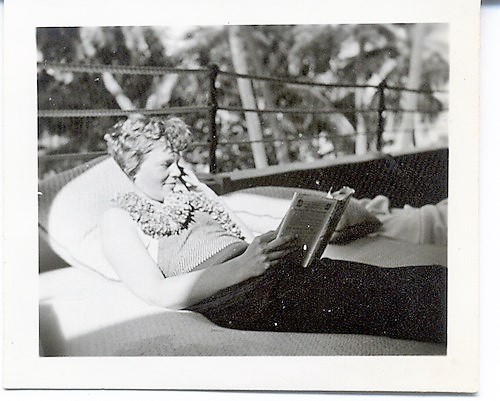
So today we’re sharing two great “be chill” photos we found in the collection of the International Women’s Air & Space Museum in Cleveland, Ohio.

The photos are from a collection focusing on Amelia Earhart.

One shows her relaxing and reading a book.

The other shows Amelia in her garden.

If Amelia Earhart can take a break, I guess we can too.

Stay safe!

Nellie Bly landing soon at Pittsburgh Int’l Airport

Nellie Bly – Courtesy Library of Congress

We take a short break from coronavirus coverage and anxiety today to give a cheer for Pittsburgh International Airport, which is celebrating Women’s History Month by putting a statue of legendary traveler and early investigative journalist Nellie Bly in the terminal.

Bly, the pen name for Elizabeth Seaman Cochran, grew up in Western Pennsylvania and in 1885 went to work for the Pittsburgh Dispatch, which is now the Pittsburgh Post-Gazette. She moved to New York City in 1887 to work for the New York World and wrote a groundbreaking expose of the terrible conditions at a mental institution by posing as a patient.

In 1889 she set off for a trip about the world, determined to break the fictional record of Phileas Fogg, whose journey was described by Jules Verne in his 1873 novel, “Around the World in Eighty Days.”

Bly left Hoboken, New Jersey by ship and completed the trip in 72 days, 6 hours 11 minutes and 14 seconds, traveling by horse, rickshaw, sampan, burro and other vehicles along the way.

Courtesy University of Iowa Libraries

“Round the World” board game. Courtesy University of Iowa Libraries.

Her 1890 book chronicling the adventure is “Around the World in Seventy-Two Days.”

Pittsburgh International Airport already has two statues in the terminal: George Washington and Franco Harris, a legendary Pittsburgh Steelers player.

Those statues are stationed in the PIT terminal as promotions for the city’s Heinz History Center and are popular spots for selfies.

At the end of March, to mark Women’s History Month and the 100th anniversary of women’s suffrage, the Heinz History Center will add Nellie Bly’s statue to the PIT terminal.

Courtesy PIT Airport. Photo by Beth Hollerich

Celebrating National Aviation Day

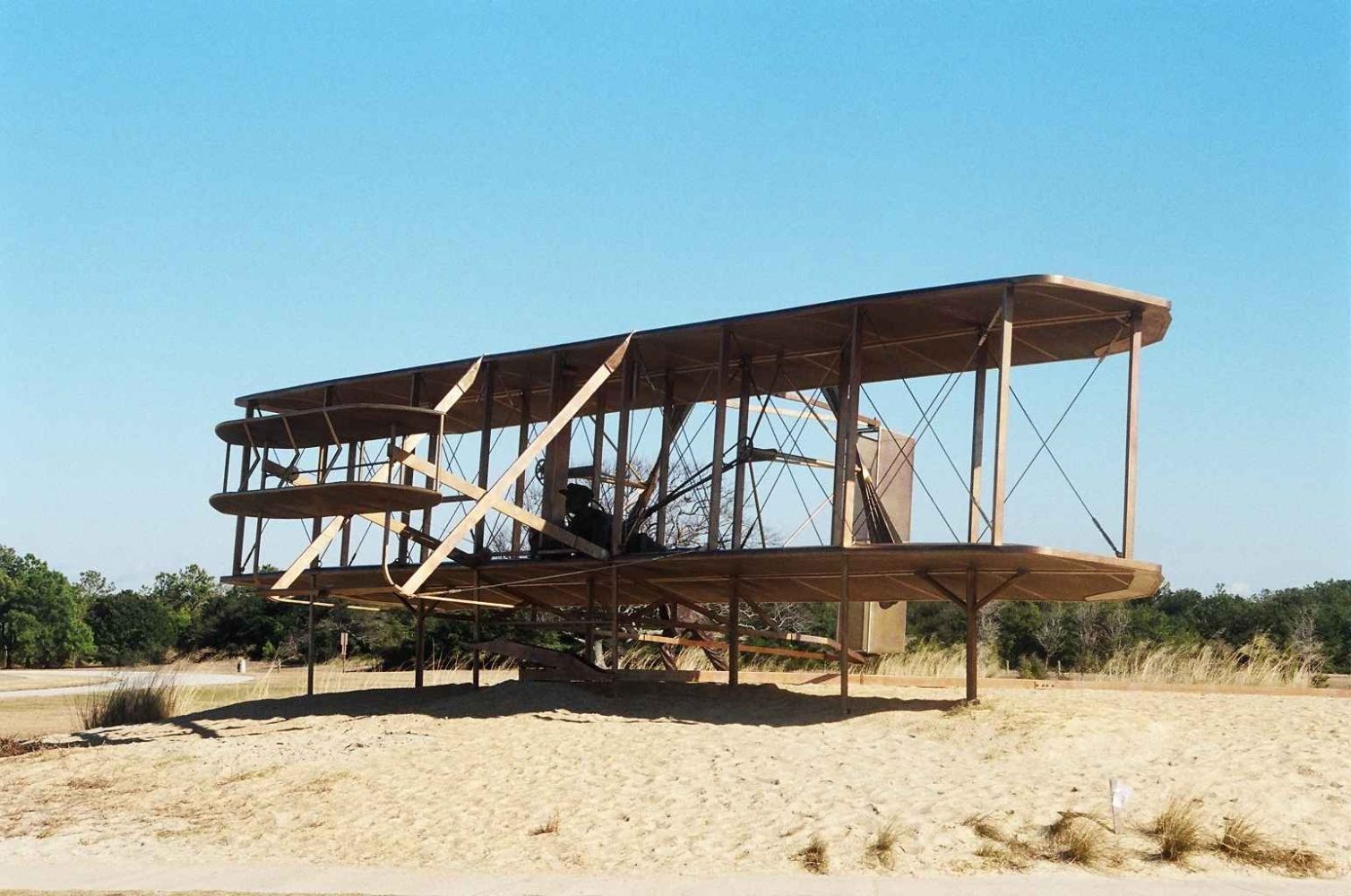
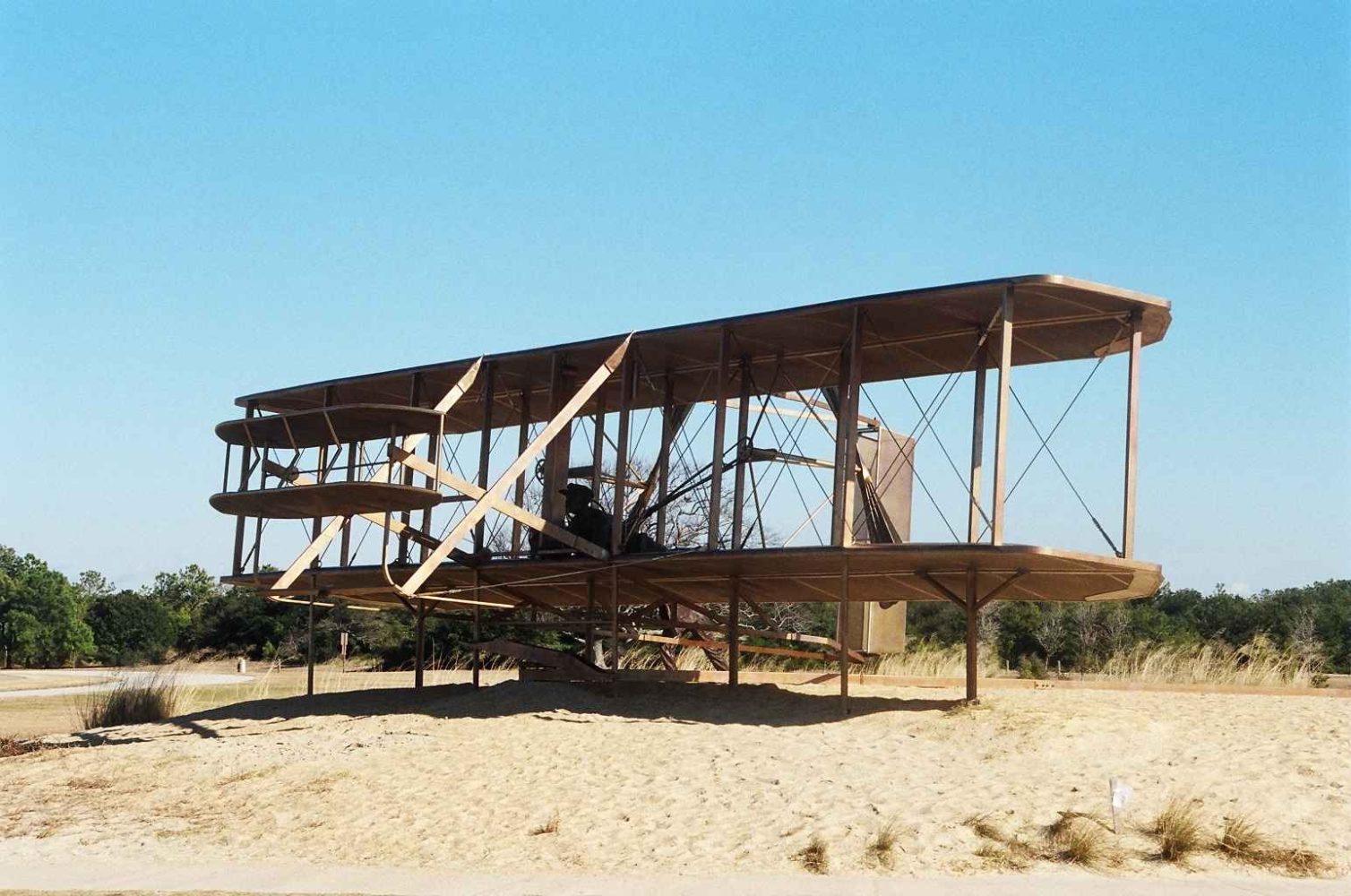
Sculpture at the Wright Brothers National Monument _courtesy National Park Service

Today (August 19) is National Aviation Day, which celebrates the development of aviation and marks Orville Wright’s birthday.

Airports and aviation fans around the country will be noting the day in various ways.

Courtesy CVG

At Cincinnati/Northern Kentucky International Airport (CVG), they’ll be celebrating with two events.

*From 11:30 a.m to 1:30 p.m. CVG is inviting community members to stop by the Airport Viewing Area to watch planes take off and land and enjoy a family-friendy outing with the Kona Ice truc, the CVG fire truck, games and other activities.

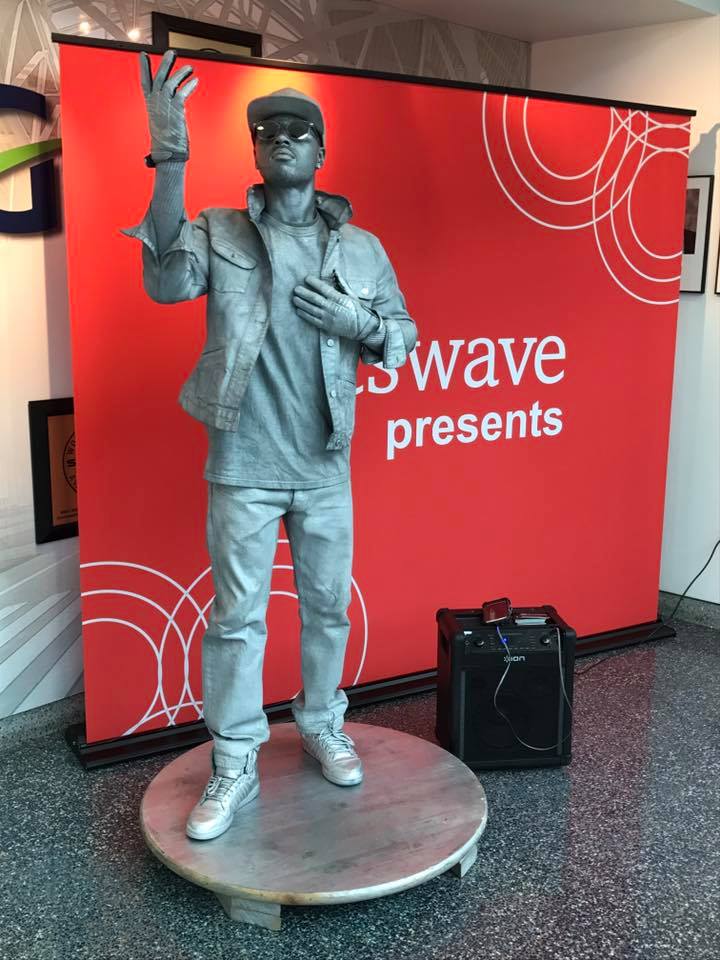
*From 1:30 p.m. to 3:30 p.m. CVG and Graeter’s Ice Cream will be greeting arriving passengers with samples of ice cream. There will also be a performance from ArtsWave Presents and aviation-themed giveaways in the terminal.

Mural honoring Wright Brothers – at Tampa International Airport

On National Aviation Day, one of my traditions is to remember Katharine Wright, Orville and Wilbur’s sister, who was often referred to as “The Third Wright Brother.”

Don’t know about her? That’s because Orville tried to have Katharine’s role in the brothers’ accomplishment erased from history.

Here’s a short feature story I produced about Katherine Wright back in 2003 for National Public Radio as part of my Hidden Treasures Radio Project series.

Airports named for U.S. Presidents

For Presidents Day, what else but a list of U.S. airports named for presidents:

Abraham Lincoln Capital Airport (SPI) in Springfield, Ill.

New York’s John F. Kennedy International Airport (JFK)

Gerald R. Ford International Airport (GRR) in Grand Rapids, Mich.

Washington, D.C.’s Ronald Reagan Washington National Airport (DCA)

George Bush Intercontinental Airport (IAH) in Houston, Texas

Dickinson Theodore Roosevelt Regional Airport (DIK) – Dickinson, North Dakota

Bill & Hillary Clinton National Airport (LIT) – Little Rock, Arkansas

Witchita Dwight D. Eisenhower National Airport

Any airports I missed? Or any you’d like to rename for certain presidents?

Aviation history on view at Wichita Eisenhower National Airport

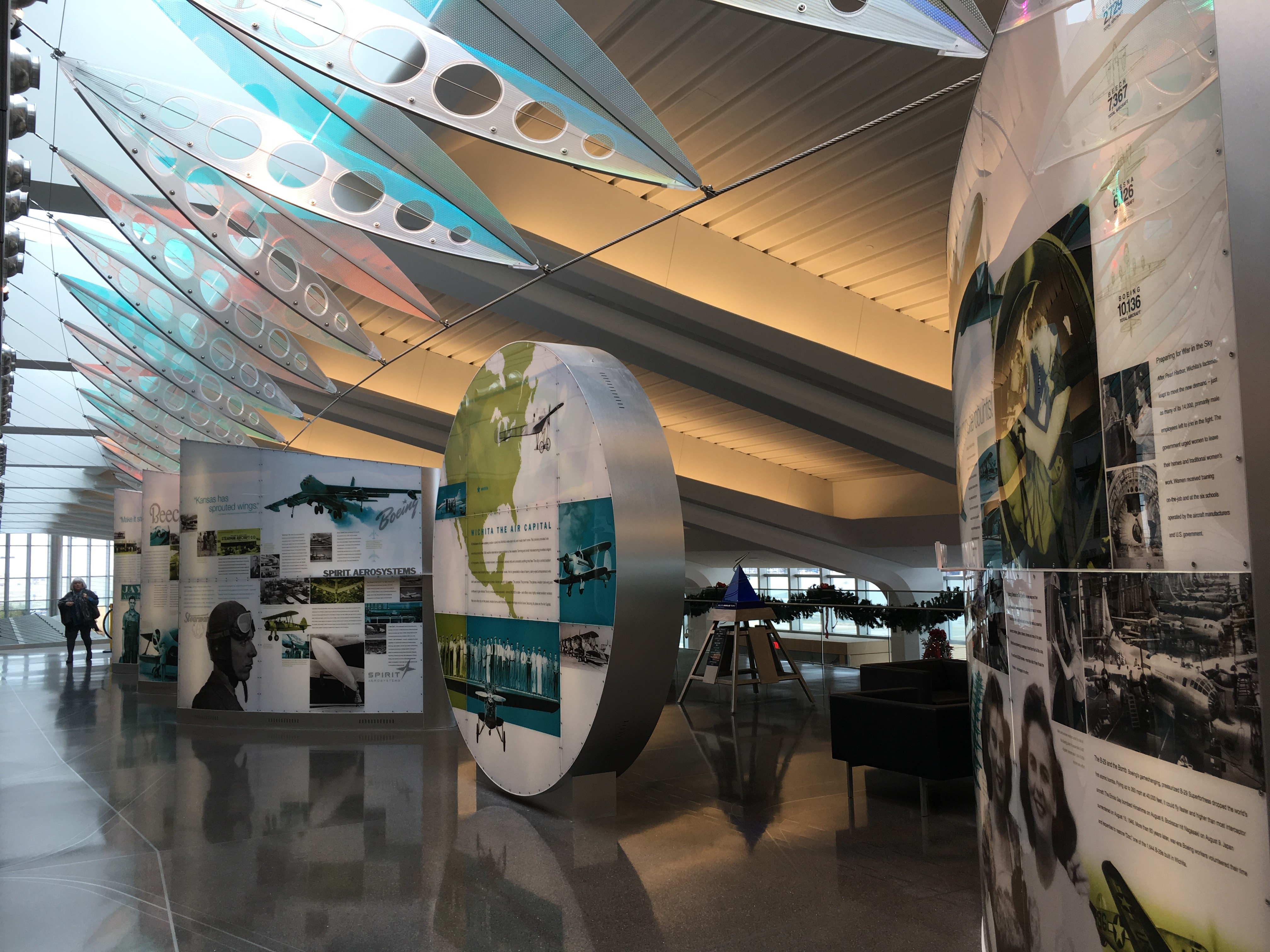
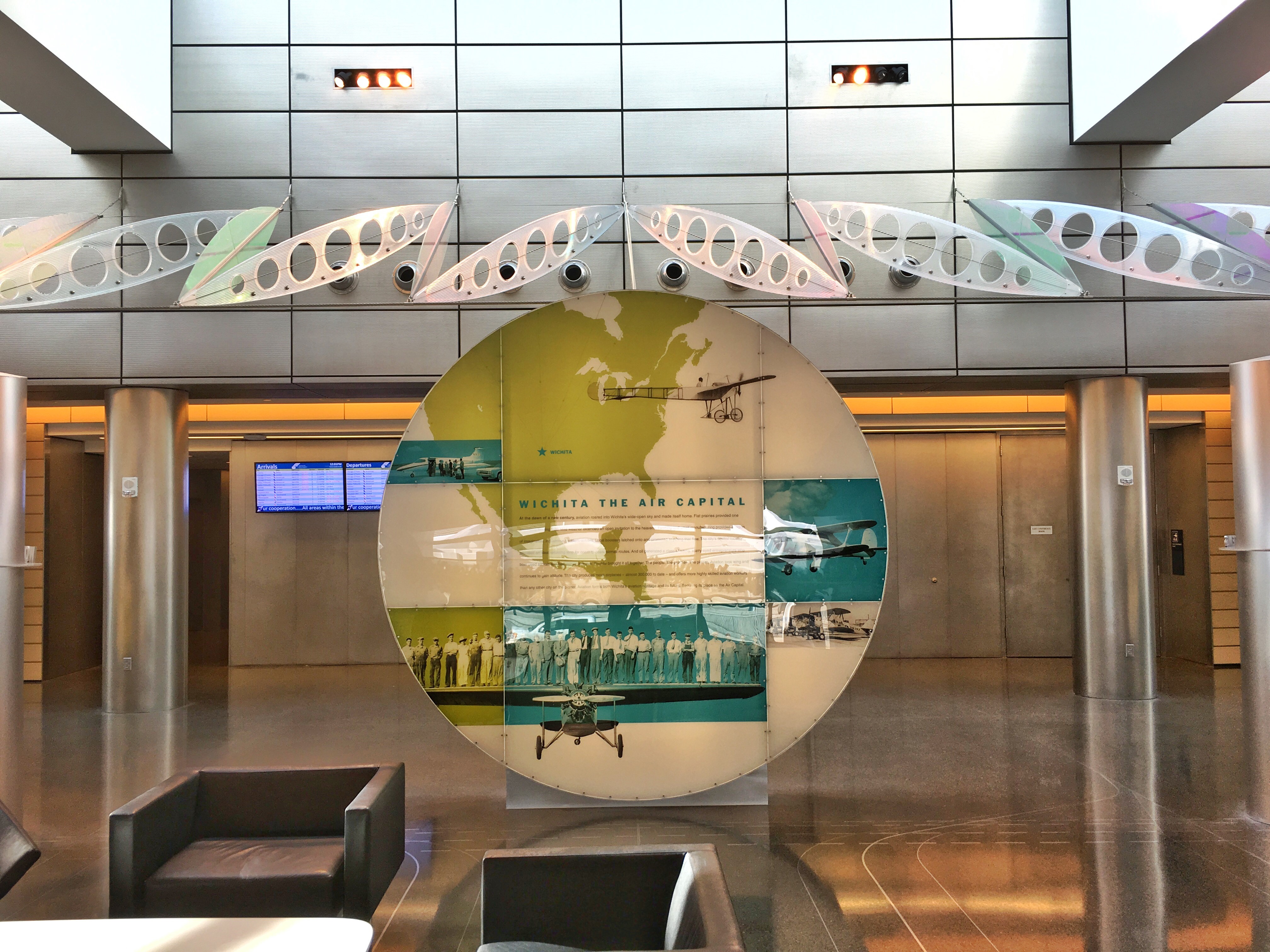
The new terminal at Wichita Dwight D. Eisenhower National Airport (formerly Wichita Mid-Continent Airport) opened “way back” in June, 2015.

But the aviation-themed architectural features in the building and the information panels highlighting Witchita’s rich aviation history still seem shiny new.

In fact, the terminal looks more like a museum than an airport.

I’m putting a visit on my 2019 “go there” list right now. I’m looking forward to learning more about the airport’s history (the first terminal is now an aviation museum) and about Witchita’s aviation history, which reaches back long before 1928, when Clyde Cessna created the Cessna Aircraft Co. and Wichita begans promoting itself as “The Air Capital of the World.”

Here are some photos the airport’s team recently sent to StuckatTheAirport.com.

First 787 Dreamliner test plane now an attraction in Japan

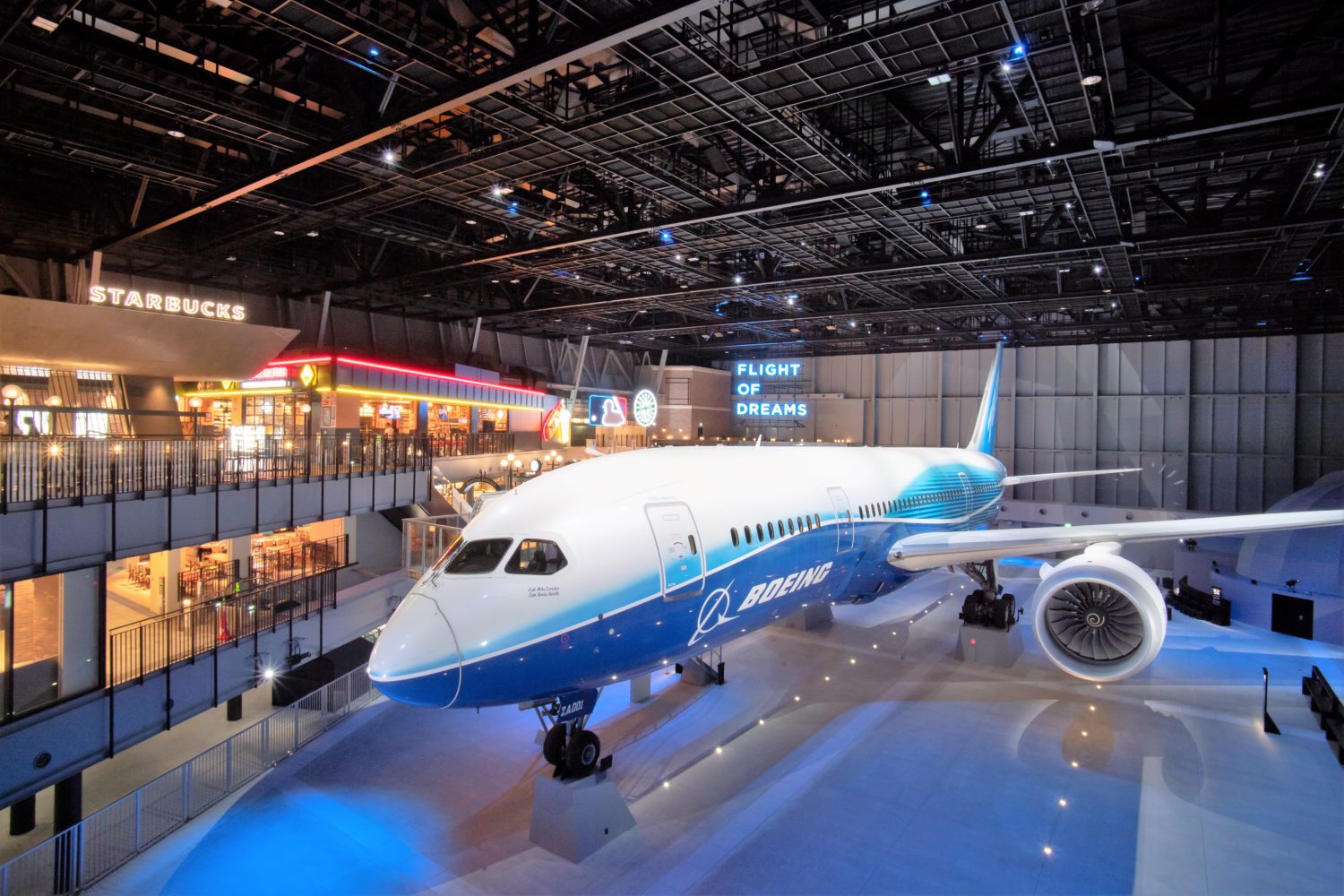
The first Boeing 787 Dreamliner test plane, which first flew December 15, 2009, is now the main attraction at an aviation theme park called Flight of Dreams that opened this week in Japan at Chubu Centrair International, an airport built on an artificial island south of Nagoya.

I had a chance to visit the attraction shortly before it opened and learn about this unique project.

Courtesy Flight of Dreams

The four-story complex is built between the airport’s two terminals and welcomes visitors to a Flight Center with high-tech and hands-on aviation experiences, including a look inside the 787’s cockpit and a virtual tour of Boeing’s Everett, WA factory.

Many of Boeing’s Japanese aerospace partners are based in the Nagoya area and produce an estimated 35% of all the parts that go into the 787 aircraft.

That includes the main wing and fuselage sections, which are so big that they must travel from Centrair to Boeing’s U.S. assembly plants in Everett, WA and North Charleston, S.C. in Boeing’s 747-400 Large Cargo Freight Dreamlifters.

Boeing donated the first 787 built to Nagoya’s Centrair International Airport in 2015 to honor the role the airport and the people of the region played – and continue to play – in the Dreamliner’s development and production. And instead of just parking the aircraft on the airport grounds, Centrair decided to build a destination aviation theme-park around the plane.

The second and third floors of the facility, dubbed Seattle Terrace, overlook the 787 and include branches of some of some of Seattle’s iconic shops and restaurants, including Starbucks (of course), Pike Brewing, Fran’s Chocolates, Beecher’s Handmade Cheese, Pike Brewing, and several others.


As with all theme parks, visitors exit through the souvenir shop, which is itself quite the attraction.

The first Boeing Store outside the United States is here and is stocked with around 500 aviation-related items, including furniture and artwork made from re-purposed airplane parts and many Boeing-branded items that will only be sold in this store.

Learn more about the attraction – and see a slide show of 29 photos in my story about the Flight of Dreams attraction on USA TODAY.

National Aviation Day and the 3rd Wright Brother

At Seattle's Museum of Flight

In 1939 President Franklin D. Roosevelt proclaimed August 19  – Orville Wright’s birthday – to be National Aviation Day.

It’s a great excuse (as if you really need one) to celebrate aviation, aviation history, aviators through the ages and how fun it is to fly.

But ever since I learned the story of Orville and Wilbur Wright’s sister, Katherine, I make sure to pay homage to her on this day.

Few people even know the Wright Brothers had a sister. But without Katherine who, for example, kept the bicycle shop running while her brothers were out doing their thing in the Kitty Hawk dunes, National Aviation Day may have had a very different back story.

Here’s a link to a radio piece titled Katherine Wright: The Forgotten Wright Brother,  that I put together for National Public Radio (way back in 2003!) on Katherine Wright. When the Wright Brothers were all the rage, Katherine was known as the 3rd Wright Brother and most certainly should be remembered on National Aviation Day.

Take a listen and let me know what you think.


Lost airport amenity: Lindbergh’s monocoupe leaving St. Louis airport

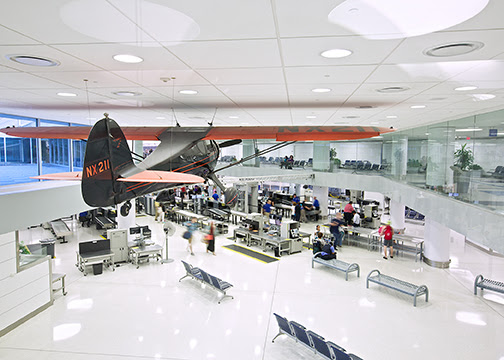
For years, the 1934 Model D-127 Monocoupe once owned by aviator Charles Lindbergh has been on display at St. Louis Lambert International Airport (STL), over the Concourse C security checkpoint in Terminal 1.

But the airplane, which has been on loan to the airport from the Missouri Historical Society since 1979, is coming down for good on Tuesday June 12 and put away for what is described as a “much neeed rest.”

“The 1934 Lindbergh Monocoupe is an exceedingly rare aircraft in that it still retains its original fabric covering,” said Katherine Van Allen, managing director of museum services for the Missouri Historical Society, in a statement, “In order to ensure that this unique piece of history is preserved for future generations, the Missouri Historical Society is removing the plane to a humidity and climate-controlled storage facility in accordance with present-day best practices in collections care.”


According to the Missouri History Museum, which received the plane in 1940, Lindbergh flew this airplane regularly, but didn’t really love it.

And even though he’d had it personalized extensively, he wrote that “It is one of the most difficult planes to handle I have ever flown. The take-off is slow…and the landing tricky…[it] is almost everything an airplane ought not to be.”

Still, it is an aviation treasure. And one that could have been lost to history back in April 2011 when a tornado hit the airport, doing millions of dollars of damage. By luck, Lindergh’s monocoupe had been moved to a storage facility just a few weeks before, in preparation for scheduled terminal renovations.

Here’s a video of the plane being rehung in the airport in 2013:

­


https://vimeo.com/77450464


When you visit STL,  you’ll still see an airplane suspended from the ceiling over a Terminal 2 checkpoint. That plane is also owned by the Missouri Historical Society, but it’s a 1933 Red Monocoupe 110 Special with no link to Lindbergh.


Fresh arts/entertainment at Cincinnati/Northern Kentucky Airport

 A fresh program of live local art and entertainment offerings – “ArtsWave Presents” – begins today, March 16, at Cincinnati/Northern Kentucky International Airport (CVG) and continues on Friday afternoons through May.

Here’s what’s on tap for the next few weeks.  

·         2-3 PM: Friday, March 16: Northern Kentucky University Philharmonic

·         2-3 PMFriday, March 30: James McCray Choral Ensemble

·        More to come  Fridays: April 6April 20May 4May 25

CVG, which is currently undergoing a $6 million terminal modernization project, is also displaying a nice collection of items from the Cincinnati Museum Center, including the spacesuit of Neil Armstrong.

And, of course, this is the airport that has miniature therapy horses come visit with travelers.

How a 747 design change proposal spurred the ’60-foot rule’

United Airlines’ final charter flight to say goodbye to the airline’s fleet of 747 airccraft, was quite a party and you can see my story and photos on the event on the Runway Girl Network.

But during all the hoopla, a representative of the flight attendant’s union mentioned to me that debate over a change in the 747 design back in the mid-1980s spurred an important safety rule – the FAA’s 60-foot rule – that applies to just about all airplanes today.

The short version of the story is that in 1984 Boeing proposed taking out a set of exit doors on the 747 jumbo jet to make more room for seats. Flight attendants and pilots – and their unions – raised concerns over the ability to get everyone off the plane in an emergency without those doors and pushed back.

The Federal Aviation Administration ruled on the side of safety.

Read my full story on how this came about in my Runway Girl Network story here.

Photo courtesy Boeing Company