TSA

Sign-ups for TSA PreCheck occur in unusual places

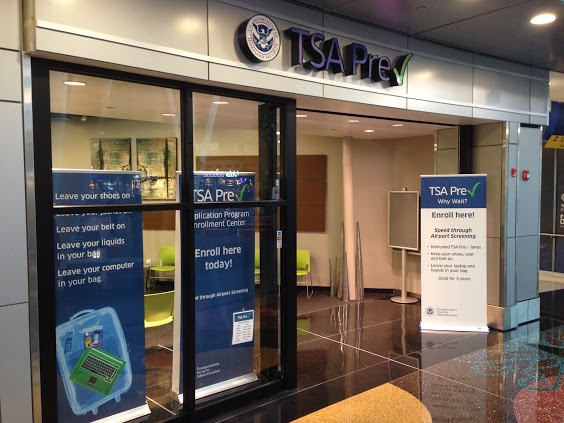
TSA PreCheck Enrollment Center at IND Airport - courtesy TSA

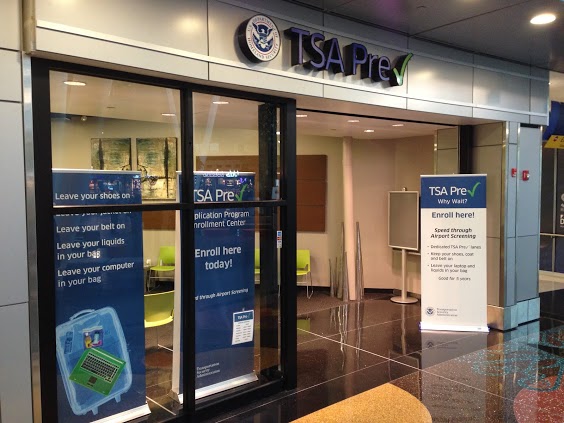
Have you signed up for TSA’s PreCheck program yet? If you do, you may be in for a surprise when you go to the application center to get fingerprinted and have your documents reviewed. Some of the sites are in strange places – as I found out when researching this story for my At the Airport column on USA TODAY.


The Transportation Security Administration is dialing down its program of “free samples” for passage through PreCheck lanes at airports.

Soon the only way to way to guarantee the buzz that comes with keeping your shoes on and your laptop and 3-1-1 baggie in your carry-on at the checkpoint will be to pay for it.

You can do that now through one of the Trusted Traveler Programs offered by U.S. Customs and Border Protection or by paying TSA $85 and visiting a designated application center for fingerprinting and document review.

That’s where things can get interesting.

In 2013, TSA adjusted its contract with MorphoTrustUSA to include the operation of what is now more than 300 (and counting) PreCheck application sites. Twenty-eight of those sites are currently in airports (LAX and ATL each have two) but for efficiency, many of the other PreCheck processing sites are in locations where Morpho was already doing credentialing for transportation workers at airports and railroads, and for truck drivers who haul hazardous materials and access port docks.

Penny Watermeier works for a travel management company in Omaha and was sent to an office in a suburban complex to complete her TSA PreCheck application.

“There were three other people there when I went,” said Watermeier, “Two were doing blood samples for the railroad and there was one other PreCheck candidate. I was in and out of the facility in less than 15 minutes and received my known traveler number within 10 days.”

Declaring the process “seamless and painless,” Watermeier also took the opportunity to do some shopping at Costco, which was across the street.

There was no Costco in sight when Bill Chandler and his wife drove from their home, an hour south of the Tallahassee Regional Airport in Florida, to Valdosta, Ga., to complete the TSA PreCheck process.

“We knew a good restaurant in Valdosta, so being retired, we decided to take a two hour drive, do whatever TSA needed and have lunch and come home,” he said via e-mail.

They imagined a nice day trip, but once they pulled up to the address Google maps directed them to, “We could hardly believe what we saw. We thought it was a scam,” said Chandler.

The couple backed out, drove around, checked their coordinates, and determined they were indeed in the right place.

“We walked in and a child was wailing in a back room. My wife went back and checked to see if the child was OK and I got in line with truck drivers getting permits to haul hazardous materials.”

While a bit unconventional, it was no scam.

“The process was easy and the lady was nice and we promptly received our TSA PreCheck approval in the mail,” said Chandler.

A study of sites listed on the Department of Homeland Security Enrollment Center Locator reveals other convenient, but seemingly non-traditional sign-up locations.

In both Knoxville and Johnson City, Tenn., the enrollment center is inside The UPS Store.

Helpful directions for the enrollment center at the River Wall Mall in South Charleston, W.Va., alert drivers to the fact that the mall entrance is “between Burger King and Krispy Kreme Doughnuts” and that they’ll pass a Mattress Warehouse before arriving at the front door.

In Moline, Ill., travelers and truckers mingle with patients in the waiting room of Birdsell Chiropractic & Acupuncture Clinic.

“We were already doing drug screening and physicals for truck drivers and after sending in some billing we were approached about doing fingerprinting for hazmat and TSA PreCheck,” said company owner Melissa Birdsell in a phone interview between patients.

Because Moline is just a few miles from Davenport, Iowa – the home of a major chiropractic school – the area is densely populated with chiropractors. “So this is a soft way of meeting people in the community, getting some new patients and is better than doing free spinal screenings in the malls,” said Birdsell.

The opportunity to get his company’s services in front of thousands of potential new customers is also what made Mark Hultquist, owner of Computer Renaissance in St. Cloud, Minn., say yes when MorphoTrust came calling in 2008.

“They were moving to computerized fingerprint instead of the old style of fingerprinting with ink and probably approached us because we were a computer store and would be familiar with that technology,” said Hultquist.

Above the fee his company receives for processing PreCheck and other applications, “these programs bring more than 2,000 people a year through our door who would not otherwise even know we exist.”

That cross-promotion of services also works to the advantage of the South Lafourche Library in Cut Off, La., which is located in a former Walmart building that also houses the parish government office that processes PreCheck and other programs used by many of the offshore oil and gas workers that work out of the nearby port.

Although the Enrollment Center Locator points applicants to the library, “our job is to help people and give information, so we’re happy to redirect them to the correct office,” said librarian Katina Gaudet. “But sometimes people who come in here for directions also go home with a library card.”

Since December 2013, when TSA began allowing passengers to passengers to enroll in TSA PreCheck for a fee, close to 475,000 people have signed up, with an additional 4,000 people joining each day, according to the TSA.

TSA fee hike around the corner

TSA PINK 2

Starting with tickets purchased July 21, air travelers will be paying higher security taxes when they fly.

But the money won’t necessarily go to improve airport security.

The government is hiking the mandatory security fee, first put in place after the Sept. 11, 2001, terrorist attacks, to fund the Transportation Security Administration.

The fee originally had been pegged at $2.50 per leg of a connecting flight, capped at $5 per one-way trip. The new fee will be a flat $5.60 per one-way trip — that is, if you take direct flights or have layovers on domestic flights no longer than four hours.

Some travelers may end up paying a higher fee — as much as four times that amount — because the definition of a one-way trip has been altered and the fees are no longer capped.

Under the new rules, if you have a layover of more than four hours on a domestic flight (or 12 hours in a domestic airport while traveling to an international destination), that will be now be considered a separate leg of your trip, and you’ll be hit with an extra $5.60 fee.

Fly round-trip with a layover each way of more than four hours in Chicago, Las Vegas or Dallas (not that unusual with some budget carriers) and the bill for TSA fees, to be collected and forwarded by your airline, would be $22.40.

“It’s a huge money grab and we’re against it,” said Sharon Pinkerton, senior vice president at Airlines for America, the trade group representing most large airlines.

Passengers will end up paying over a billion dollars more per year in added fees, said Pinkerton, “and the icing on the cake for air passengers is that most of those fees aren’t going back into the TSA program to improve security.”

Most of the money from increased fees, TSA officials point out, will be going to help the government work off the deficit as mandated by Congress in the Bipartisan Budget Act of 2013.

“In accordance with Federal Law, the revenue generated from the security fee will be deposited in the general fund of the Treasury. The revenue is to be used to offset TSA costs for providing civil aviation security services, after stipulated amounts are applied to reduction of the federal deficit,” TSA said in a statement.

While all air travelers will be subject to the new rules, those most likely to end up paying more are those who book round-trips with long stopovers for business meetings or touring in multiple cities and those with journeys that start at small airports and require one or more connecting flights with layovers of more than four hours.

“With fares going up 5 to 6 percent and airline fees going up, this latest tax will probably whittle away demand for air travel,” said George Hobica, founder of AirfareWatchdog.com. “People hate the TSA and they are going to hate paying more for it.”

(My story about the TSA fee hike first appeared on NBC News Travel).

Airports working out how to deal with new pot laws

POT SIGN at the Airport

It’s been about six months since specialty shops selling recreational marijuana began operating legally in Colorado. In July, the first batch of shops licensed to sell retail weed will open in Washington State.

Both states prohibit locally-purchased pot from crossing state lines and marijuana remains illegal under the federal laws that also govern the aviation industry.

So as the busy summer travel season begins, we checked in with the TSA and some of the airports in the pot-pioneering states to see how they’re enforcing – or plan to enforce – rules prohibiting passengers from taking pot on a plane.

TSA spokesman Ross Feinstein emphasizes that the agency’s focus remains “terrorism and security threats to the aircraft and its passengers.” And if you search for “marijuana” on the TSA’s “Can I bring my … through the security checkpoint?” tool, you’ll get a message that begins “TSA security officers do not search for marijuana or other drugs.”

But if TSA officers discover something – let’s say a small amount of locally-legal pot – in a passenger’s carry-on or checked luggage that may violate the federal law, Feinstein says those officers are required to refer the matter to local enforcement, “whose officials will determine whether to initiate a criminal investigation.”

In an effort to keep travelers from trying, even inadvertently, to take pot through security checkpoints, airports in Colorado have instituted a variety of measures.

In January, Denver International instituted a policy that bans marijuana anywhere on airport property, including pre-security areas where having small amounts of pot would otherwise be allowed. Signs announcing the rules are posted and remind travelers that the airport can impose fines of up to $999.

Denver Airport no pot sign

Word seems to have gotten out: Since the beginning of the year, only ten passengers have been found to have small amounts of marijuana on them at the TSA checkpoints. “The Denver Police Department was called for each person and they all voluntarily complied with our rules by throwing [the pot] away before flying,” said airport spokesman Heath Montgomery.

“We established our rules early and worked to educate people about our expectations. That seems to be an effective combination,” he said.

Other airports in Colorado are reporting much of the same.

At the Colorado Springs Airport, the local police department installed an amnesty box and as well as signs alerting passengers to the laws governing traveling across state lines with marijuana.

“We asking people to voluntarily comply,” said Lt. Catherine Buckley of the Colorado Springs Police Department, “and so far only a small amount – 1.4 grams – has been turned in on one occasion.”

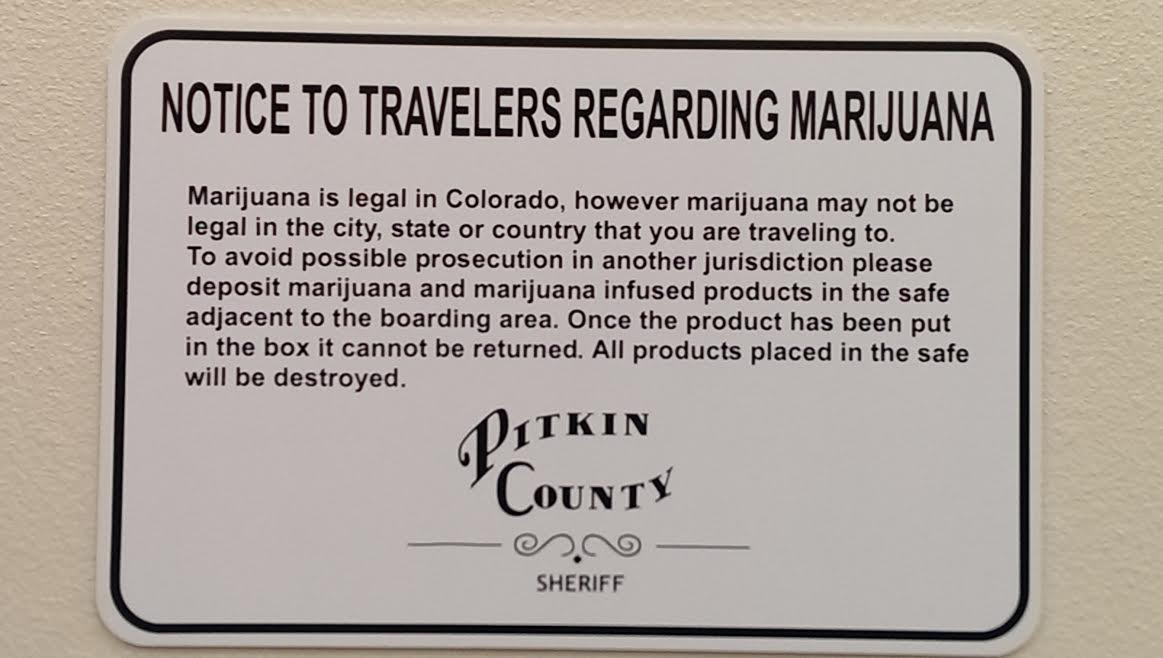
In cooperation with its local sheriff’s department, in January the Aspen/Pitkin County Airport set up signs and an amnesty box as well.

“We haven’t really noticed too much of an issue,” said Brian Grefe, the airport’s assistant aviation director of administration, only that many images of its amnesty box have been showing up online. “It’s been one of our biggest social media hits,” said Grefe.

As Washington State gets ready for its first licensed recreational pot shops to open, “the best lesson it can take from Colorado is that while it is illegal to transport marijuana out of the state, people are still going to inadvertently show up with it at the airport,” said Jeff Price an aviation and security expert and an a professor at the Metropolitan State University of Denver.

Price suggests airports in Washington take the approach Denver International adopted, “which is to ban it in the airport but then not prosecute people if they are caught with it – just send them back to their cars or confiscate and dispose of it properly,” or to follow the lead of other airports that have set up pot amnesty boxes at TSA checkpoints.

So far, that’s not what airports in Washington State seem to be planning.

Officials at Seattle-Tacoma International Airport say there are no plans to install amnesty boxes and no plans to change any airport procedures due to the opening of retail pot stores.

“I suppose a passenger could throw their pot in the garbage if they’d like,” said airport spokesman Perry Cooper.

There are no plans to change procedures at the Spokane International Airport either. There, airport police officers who currently encounter travelers with small amounts of medical marijuana “advise them of the option to surrender it to the airport police who can legally destroy it,” said airport spokesman Todd Woodard.

“Transporting marijuana across a state line is a criminal matter not an aviation issue,” said Woodard. “We will not be installing amnesty boxes. Nor will we be erecting signage.”

(My story about airports and pot first appeared as my June At the Airport column on USATODAY.com)

In Las Vegas: gangsters, divas & Carrot Top at TSA checkpoints

Back in 2004, McCarran International Airport and the Las Vegas Convention and Visitors Authority put together a batch of humorous but informative videos featuring Vegas celebrities making their way through the airport security checkpoint.

Those videos are sort of worn now – and out of of date.

So this week a batch of eight new checkpoint videos were introduced at the checkpoints featuring Vegas celebs such as Carrot Top, Blue Man Group, Terry Fator and Louie Anderson.

My fave:  “No heavy metal.”

In case you’re not flying to or from Las Vegas anytime soon, here are all the videos.

TSA PreCheck Enrollment Centers open in DC Area

More in-person centers opened today for those who would like to enroll in the TSA PreCheck program, which offers travelers an expedited trip through airport security checkpoints.

TSA PreCheck Enrollment Center at IND Airport - courtesy TSA

In the DC-metro area, TSA opened pre-enrollment centers at three off-airport locations:

*Alexandria, Va.: Universal Enrollment Center/IdentoGO Center — Alexandria Commons Shopping Center — 3139 Duke St., Alexandria, Va., 22314

*La Plata, Md.: Universal Enrollment Center/IdentoGO Center — White Plains Corporate Business Park — 10665 Stanhaen Place, Suite 300A, White Plains, Md., 20695

* Dundalk, Md: Universal Enrollment Center/IdentoGO Center— Point Breeze Business Center — 2200 Broening Highway, Suite 110, Baltimore, Md., 21224

Earlier this month TSA opened the first PreCheck Enrollment center at Indianapolis International Airport (IND). The agency plans to open additional centers in the LA and NY-metro areas by the end of this year and more than 300 centers around the country during 2014.

The best airport amenities of 2013

In the sky, hassles abound as airlines squeeze in more seats on their planes and tack on more fees for checking baggage, changing flight plans and using other services.

On the ground, it’s a rosier story.

Airports are steadily upgrading their facilities and adding amenities that offer passengers more enjoyable experiences that can make the time spent waiting for a flight the best part of the trip.

As we close out 2013, here are some of the best of airport amenities rolled out this past year.

Automated passport kiosks

Automate passport kiosk at ORD

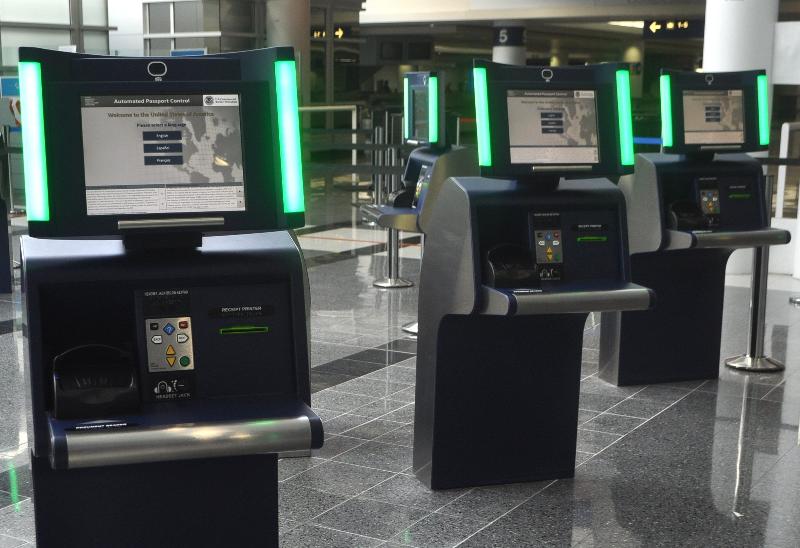
You can’t really enjoy your time at an airport unless you can get into the airport, and this year we’ve seen wait times at customs significantly reduced at a handful of North American airports that have installed automated passport kiosks.

U.S. citizens can use these machines – for free – to scan their passports, answer customs declarations questions and cut short the time they need to spend in conversation with a customs officer.

The first machines were installed in May at Vancouver International Airport. In August, Chicago’s O’Hare International Airport became the first U.S. airport to roll out the kiosks. Since then, the wait-reducing machines have been introduced at New York JFK International Airport (Terminal 4), Miami International Airport, Dallas/Fort Worth International Airport, Montreal-Trudeau International Airport and, on Dec. 4, at Toronto Pearson International Airport.

TSA Pre-check expands

TSA PreCheck Enrollment Center at IND Airport - courtesy TSA

At the end of 2012, the Transportation Security Administration’s Pre-check program offering expedited airport security screening was available at 35 airports for eligible passengers on five airlines (Alaska, American, Delta, United and U.S. Airways) and members of a U.S. Customs and Border Protection (CBP) Trusted Traveler program.

Today, the Pre-check program is available at 102 airports and the number of participating airlines has expanded to nine: Alaska, American, Delta, Hawaiian, JetBlue, Southwest, United, US Airways and Virgin America.

Beginning Dec. 20, active members of the U.S. Armed Forces (including the Coast Guard, Reserves and National Guard) who use their Department of Defense ID number when making a reservation may use the Pre-check lanes as well.

And last week, TSA launched a program offering eligible travelers five years of Pre-check membership for $85. Applications may be started online, but must be completed in person at the enrollment center now open at Indianapolis International Airport, at one of the centers TSA will open in New York, Washington, D.C., and Los Angeles by the end of 2013, or at one of the more than 300 centers planned for the future.

Lounge-like checkpoints


DFW CALMING CHECKPOINT - courtesy Security Point Media

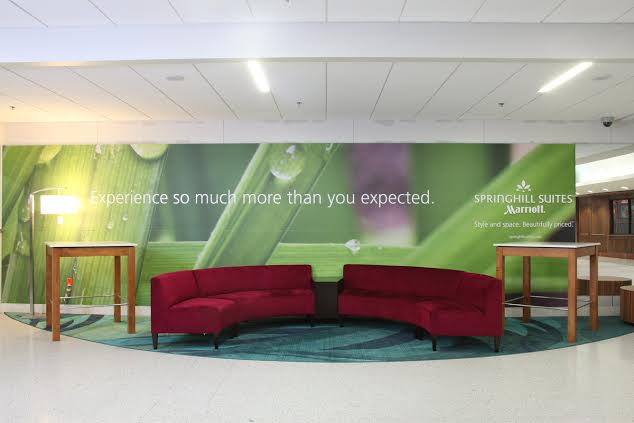
Thanks to a three-month pilot program that began in October, Charlotte Douglas International Airport and Dallas/Fort Worth Airport each have a security checkpoint that could (almost) double for a relaxing hotel lobby.

A joint project between Security Point Media and Marriott’s SpringHill Suites, the checkpoints have stylish décor, soothing wall art, colored lights and relaxing music as well as “re-composure” areas with comfortable leather couches and – a brilliant touch – mirrors.

Response to what’s been dubbed “The Next Level Experience” has been so positive that talks are underway to continue these installations at these two airports and possibly expand the concept to other airports in 2014.

Improved airport transportation

BWI MARC TRAIN - courtesy BWI

Getting to and from the airport can be part of the hassle of any trip, but during 2013 a few airports smoothed out some transit options.

Boston Logan International Airport says there is now “no scheduled end date” for a pilot program introduced in 2012 offering free Silver Line bus rides between the airport and the city center.

San Francisco International Airport, which took legal action last summer against car and ride-sharing programs it claimed were operating illegally at the airport, now has an agreement with the car-sharing company Relay Rides. This should pave the way for other non-traditional transportation companies to negotiate deals at SFO and other airports grappling with this issue.

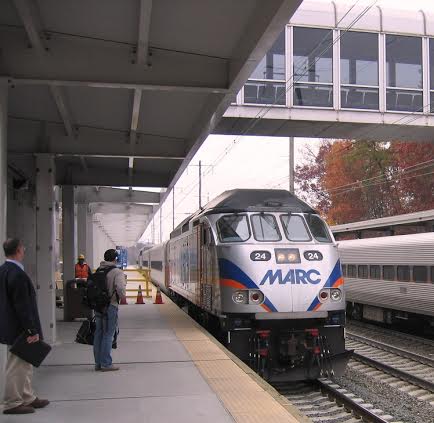
And, just in time for holiday travel, the Maryland Transit Administration added weekend MARC commuter rail service between Washington, D.C. and Baltimore, with stops at Baltimore/Washington Thurgood Marshall Airport.

Airport service plazas

Denver Airprt_Dunkin Donuts

Facilities offering a wide variety of truly helpful services for passengers – and for those picking folks up – popped up this year outside two airports.

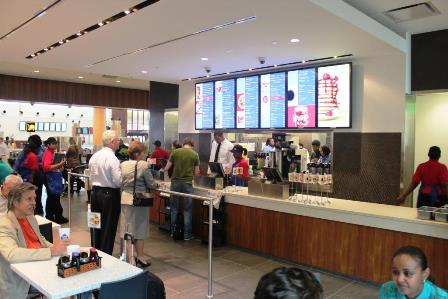
In September, Denver International Airport opened its a super-sized, 253-space cellphone lot called “Final Approach” adjacent to a fueling station. The lot’s building has a children’s play area with iPads built into tabletops, lounge seating, indoor restrooms, free Wi-Fi (which reaches the parking lot), flight display boards and four restaurants, including a Dunkin’ Donuts with a 24-hour drive-through which, airport officials report, is selling about 7,200 donuts each day.

In October, the Service Plaza opened near Indianapolis International Airport. In additional to a fueling station, automated green car wash, automobile detailing and quick lube services, there are two restaurants, a Circle K convenience store, flight display monitors and restrooms.

Great food and drink

IHOP

Interesting places to eat and drink continue to show up at airports and this year fresh additions ranged from the Shake Shack at JFK’s T4 and the first airport IHOP – which opened at Hartsfield-Jackson Atlanta International Airport – to Root Down at Denver International Airport, which operates with a decidedly “field to fork” flair.

The food-trucks-at-airports concept also expanded this year, with San Francisco, Sacramento, Tucson, Austin and Long Beach airports following the lead of Tampa International, which first invited food trucks to visit that airport around this time last year.

Great ideas

And then there are some interesting one-off ideas that we may see adopted by other airports during the next year.

Since February, Denver International Airport has had collection containers at four security checkpoints seeking donations of loose change for Denver’s Road Home, an organization that helps the homeless. Parking meter-style collection stations are inside the airport and so far this year, more than $69,000 has been raised.

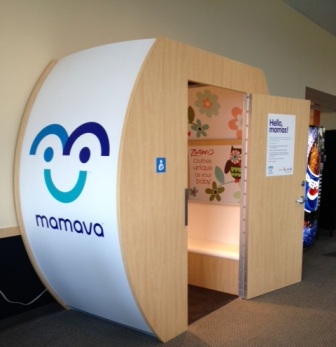
In August, Vermont’s Burlington International installed a free-standing, pod-shaped Mamava Lactation Station to offer nursing and breastfeeding mothers a clean, comfortable and private space, post-security, to take care of business.

Burlington_MAMAVA ON SITE

And this year, Dallas/Fort Worth International Airport not only made room for an automated kiosk that taught air travelers a simplified, life-saving CPR method called Hands-Only, this holiday season DFW is offering what could be a face-saving service for last-minute shoppers: free shipping for last-minute gifts purchased in the terminals.

(My round-up of the Best Airport Amenities in 2013 first appeared as my December 2013 At the Airport column on USA Today Travel.)


Have you encountered any great airport amenities this year? Please share your favorites below.
TSA opens first enrollment center for PreCheck program

Spokane Airport TSA

Looking to get through airport security faster?

TSA is now letting passengers apply to get into the PreCheck program offering expedited screening, but for now you’ll have to go through Indianapolis International Airport to complete it.

Those using PreCheck lanes do not need to remove shoes, light jackets or belts, and may leave their laptops and bag of 3-1-1 compliant liquids and gels in their carry-on bags.

Travelers can begin the application online by providing basic information and make an appointment to visit an enrollment center to finish the process.

The first enrollment center will be located in Indianapolis International Airport’s concession-filled, pre-security Civic Plaza, between a shop called Cultural Crossroads and the exit from concourse B.

Over the next few weeks, TSA plans to open additional enrollment centers in the New York City area, the Washington, D.C. metro area and in Los Angeles. By the spring of 2014, the TSA plans to have more than 300 enrollment centers open around the country.

Until now, eligibility for the PreCheck program has only been available through programs such as the U.S. Custom and Border Protection’s Global Entry program and through airline frequent flier programs.

“TSA PreCheck is enabling us to move away from a one-size-fits-all approach to transportation security, as we look for more opportunities to provide the most effective security in the most efficient way,” TSA Administrator John S. Pistole said in a statement.

According to TSA, travelers will be able to visit an application center to pay the non-refundable $85 application fee and provide required biographic information (name, date of birth, address, etc.), fingerprints and identity and citizenship/immigration documentation. Those seeking to enroll may also begin their application online and make an appointment before visiting an enrollment center.

TSA’s PreCheck program allows qualified traveler to receive expedited checkpoint screening at more than 100 airports nationwide when flying on nine participating airlines: Alaska Airlines, American Airlines, Delta Air Lines, Hawaiian Airlines, JetBlue Airways, Southwest Airlines, United Airlines, US Airways and Virgin America.

Approval is not immediate: TSA said applicants will be able to check their status online within five days and written responses should take approximately two to three weeks.

If approved, travelers will receive a Known Traveler Number and a five-year membership in the PreCheck program.

(My story on TSA PreCheck first appeared on NBC News Travel)


Tips for stress-free holiday travel

Thanksgiving postcard turkey


During the holidays, fog, snow, extreme weather, long lines at security checkpoints and other challenges may conspire to leave you stuck at the airport longer than you planned – or ever imagined.

No need to let a delay ruin your trip. Here are some tips to help time fly by.

Get ready for battle

The best offense is a good defense and this applies all the more when traveling during the holidays. Try to get a good night’s sleep before your flight so you arrive at the airport on-time, well-rested and ready for anything. Pack snacks, a little “mad money” and your good humor.

Make technology your co-pilot

Sign up for airline flight alerts and have them sent by phone, email and/or text message. More than one delivery method can’t hurt. On Twitter, “follow” your airline and all airports on your itinerary. Increasingly, Twitter is where news, updates and alerts appear first.

Re-confirm your flight online and get a boarding pass 24 hours before your flight. Mobile boarding passes are great, but print a paper copy just in case.

Checkpoint savvy

Prepare for the security checkpoint “experience” by making sure you and your carry-on are TSA-ready. Review the prohibited items list at TSA.gov, see if you qualify for TSA PreCheck and remember there are now rules that expedite the checkpoint passage for kids 12 and younger and adults 75 and older.

Access the amenities

Many airports now have their own apps and robust websites to guide you to upscale shops, fine-dining restaurants and bars offering everything from wine and tequila flights to massages.

During the holidays, airports often offer entertainment by carolers and musical groups, There may be photo ops with Santa and his elves, complimentary gift-wrapping, and free candy canes or other treats. Retail shops at the airport may also offer special discounts. Travelers should check the airport’s website in advance to see what they may be able to take advantage of.

Here are some other ways to make good use of your time stuck at the airport:

  • Get Cultured: These days, temporary and permanent art exhibits are found at almost every airport. There’s often a brochure to guide you, but sometimes you simply have to look around.
  • Stay Healthy: Medical clinics at O’Hare in Chicago, Hartsfield Atlanta and other airports offer flu shots for those on the go.
  • Stretch: San Francisco and Dallas-Fort Worth International airports have special spaces set aside for yoga, with loaner mats included.
  • Burn Calories: Bring you own pedometer or look for the mileage markings on walking paths inside airports in Indianapolis, Atlanta, Minneapolis-St.Paul, Baltimore, New Orleans and elsewhere. And don’t forget your sneakers.

(My story: Stree-Free Holiday Travel Starts at the Airport first appeared on Travel Guard)


TSA wants airports to monitor exit lanes

exit-sign

Just one week after the tragic shooting that killed an on-duty Transportation Security Administration employee, the nation’s airport officials and the TSA remain embroiled in a dispute over the agency’s decision to stop staffing exit lanes at airport security checkpoints by the end of the year.

In April, the TSA ordered airports to take over monitoring the exit lanes in early 2014, saying the agency does not consider exit lanes part of its screening function.

Transferring that task to airports would allow the agency “to focus on the priority of screening passengers and baggage” and cut $88.1 million a year from its budget, said TSA spokesman Ross Feinstein.

However, the idea doesn’t sit well with many airport authorities and industry trade groups who charge the agency with shirking duties, ignoring input and rushing in a plan that will add millions of dollars to airport operating budgets.

“Our position is quite simple: We believe first and foremost that exit lane monitoring is the responsibility of the TSA,” said Keith Brune, director deputy of operations and facilities at Philadelphia International Airport. He estimates that taking over staffing of the airport’s exit lanes could cost the airport up to $3 million a year.

Public areas near airport checkpoints “are nearly as vulnerable as any other public place,” said Jeff Price of Leading Edge Strategies, an aviation management training and consulting company.

In the Nov. 1 shooting at Los Angeles International Airport, authorities believe the suspect may have entered the secure area of the airport through a gateway normally used by travelers exiting the terminal.

And in early January, 2010, a man breached the exit lanes at Newark Liberty International Airport so that he could kiss his girlfriend goodbye. The TSA shut down one of the airport’s terminals for three hours, stranding thousands of passengers, and the man was later located and arrested.

Many airports now have petitions filed with the TSA asking for a reconsideration of the exit-lane ruling. Others are working with their congressional delegations in hopes of having the ruling rescinded or delayed. And some are considering filing or joining lawsuits.

“It’s something we didn’t want to do, but TSA’s plan will end up costing us about a million dollars per year,” said Patrick Hogan, spokesman for Minneapolis-St. Paul International Airport.

The TSA currently staffs exit lanes at about a third of the nation’s airports. Other airports either staff the lanes themselves or, in some cases, share the responsibility with the TSA. A few, including Seattle-Tacoma International, Philadelphia International and McCarran International Airport in Las Vegas, have begun installing some unmanned, automated exit lanes.

If the TSA’s exit-lane plan is implemented, “it will result in the closure of exit lanes at McCarran International Airport,” said Rosemary Vassiliadis, director of aviation for Clark County, Nevada. Others airports may offer fewer exit lanes per concourse as well, resulting in a longer walk for some passengers to reach the baggage claim or the curb.

But at most airports the only outward change passengers might notice “is that the person staffing the exit lane may be wearing a different uniform,” said Mark Crosby, chief of public safety and security at Portland International Airport.

“Ultimately, though, it will be passengers who will pay,” for the change, said Price.

“Airports don’t have the cash to absorb the cost of staffing the exit lanes. So passengers might see higher parking fees or higher prices at the concessions. The changes may seem subtle, but they will be there.”

(My story about exit lanes at airports first appeared on NBC News Travel)