Hotels

Busy bees help the environment & the bottom line

Waldorf Beehives Lower Res

Bed bugs in hotel rooms are definitely bad for business, but bees on hotel rooftops can be good for the financial and environmental bottom line.

Beekeepers are moving millions of honeybees into apiaries at hotels in urban and rural areas, with harvested honey showing up in restaurant dishes, beer and cocktails, spa treatments and in lip balm, soap and other products sold or given to guests.

Honeybees are now hosted at 21 Fairmont Hotels & Resorts in North America, Asia, Africa, Bermuda and Mexico, including at the Fairmont Washington, D.C., Georgetown, where three hives with 105,000 Italian honeybees were installed in 2009 for set-up fee of about $1,200,

Maintaining the Fairmont’s DC hives is about $300 per year and the 300 gallons of honey harvested annually (plus honeycomb and beeswax) is used in the hotel’s signature “BeeTini” ($14), in honey walnut bread ($4), in various desserts and sauces as well as in lip balm, honey tea and sunscreen given as amenities and gifts to guests.

“We believe that our honeybees are good for business,” said Ian Bens, chief beekeeper and executive sous chef at the Fairmont Washington, D.C. “Our guests appreciate the fact that we are helping the bee population and the environment, and they enjoy the taste of local honey that is included in much of our culinary program.”

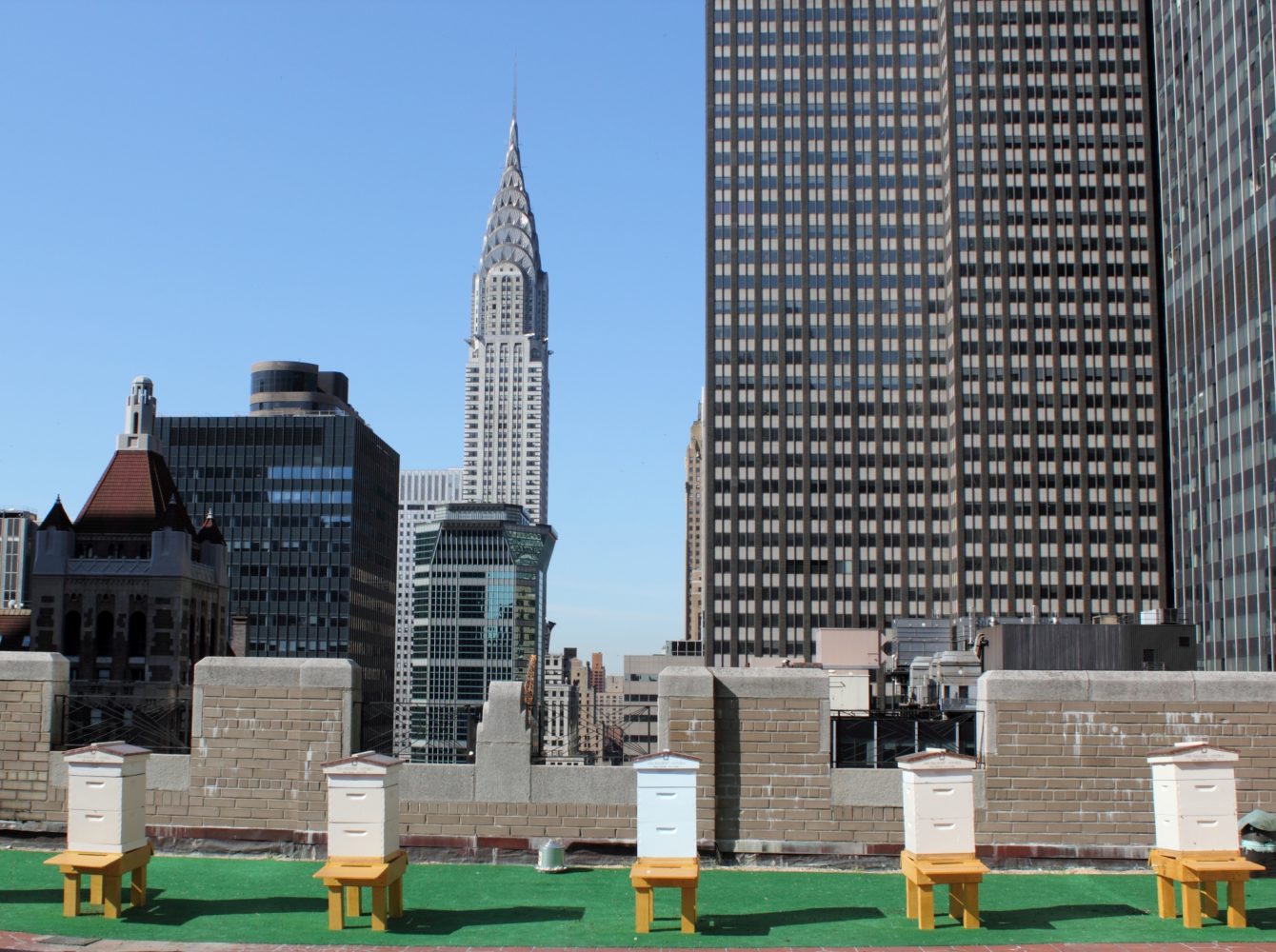
The Waldorf Astoria New York has had from 250,000 to 350,000 bees in residence since 2012, when six beehives were installed on the 20th floor rooftop for a cost of about $4,000.

The hotel’s honey is now an ingredient in dishes in every hotel restaurant and used as gifts by the hotel’s sales team for VIP guests and potential customers. Hotel officials also report that Sunday brunch revenue has increased over 20 percent since the installation of the hives and, since the addition of a tour of the rooftop beehives and garden to the hotel’s Historical Tours ($65 per person—inclusive of lunch, taxes and gratuity), demand has increased by 30 percent.

In Snoqualmie, Washington, not far from Seattle, the apiary at the Salish Lodge & Spa is providing honey for signature dining room dishes, spa treatments, honey-flavored beer and vodka and retail products ranging from honey-flavored marmalade, truffles and caramel corn.

Operating the apiary costs about $9,000 a year, “but we feel that there is no price for doing the right thing,” said General Manager Rod Lapasin. “It is essential that individuals and businesses alike do our part for our environment, of which we know the honeybee is a very essential component.”

Airports are also getting into the apiary business.

Lambert-St. Louis International Airport receives about $75 per year to house beehives on 400 square feet of airport property just north of a runway. The abundance of Dutch clover and the lack of pesticides are big draws to both the beekeeper and the bees. And while the revenue for the airport is minimal, “it’s a great opportunity for us to assist in a ‘green’ initiative that’s positive for environment and the community,” said airport spokesman Jeff Lea, “especially in light of recent reports on bee colony collapse.”

Fifty beehives now sit on land owned by Chicago O’Hare International Airport and produce about 1,000 gallons of honey each year. Their honey is used in such beauty products as lip balm, moisturizer and bath lotion that are sold at Hudson News stores and other locations in O’Hare and Midway airports.

“We have grown the business from $5,000 in 2012 to $25,000 so far in 2013,” said Hudson Group spokeswoman Laura Samuels, who notes that the all-natural lip balm is an especially good seller.

The apiary program pays minimal rent to the airport, but some revenue from product sales does go back to the airport via Hudson News.

And this summer, 16 honey bee colonies were established on land at Seattle-Tacoma International Airport. “We’ve also raised two groups of local queens and are working with the airport to plan the installation of 50 acres of native wildflower meadows,” said Bob Redmond, executive director of The Common Acre, the nonprofit group coordinating the Flight Path project.

The group has already harvested about 250 pounds of honey, sales of which will go toward the costs of the project. Beyond that, he said, “the yields are long-term—healthy local bees, healthy habitat, support of native bee populations, the potential to distribute bees and wildflower seeds around the region, and education and inspiration of tens of thousands of people.”

Sweet.

(My story about bees at hotels and airports first appeared on CNBC)
Free coffee/tea for Hilton HHonors members May 30

Hilton Coffee

Have a Hilton HHonors membership card in your wallet?

On Thursday, May 30th flashing that card will get you a free cup of coffee or tea at participating retail branches of The Coffee Bean & Tea Leaf in Arizona, California, New York, Nevada, Texas, Washington, D.C. and Mexico. That includes the CBTL store at McCarran International Airport in Las Vegas (Term 1; Gate C-25).

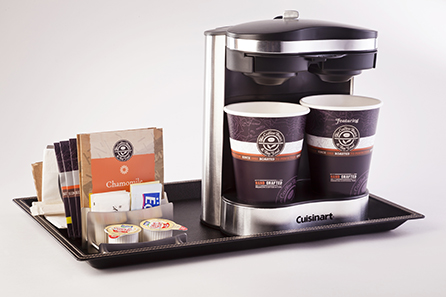
The promotion celebrates the fact that this summer 740 Hilton Hotels & Resorts, DoubleTree by Hilton and Embassy Suites Hotels properties in the Americas will begin offering an in-room selection of coffees and teas from The Coffee Bean & Tea Leaf company.

And if you’ve always wanted your bedroom at home to be more like a Hilton hotel room, with the purchase of a $14.95 bag of Hilton Morning Blend coffee through June 20th you’ll get 20% off a Hilton Serenity Bed and any of the brand’s pillows, linens, comforters or clocks.

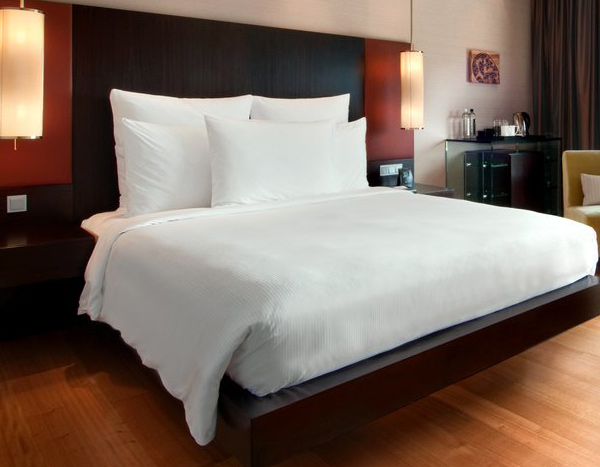
hilton bed

More clever and sassy hotel Do Not Disturb signs

Chances are that when your fly somewhere, you’ll spend the night at a hotel.  And, if you’re not too sleepy, you’ll remember to put the do not disturb sign on the doorknob.

From my Bing Travel slide-show of clever and sassy door tags, here are few (more) samples:

Calling itself Brighton’s “sauciest boutique hotel,” England’s Hotel Pelirocco has put a twist on the Do Not Disturb concept in one of its unique, themed rooms.

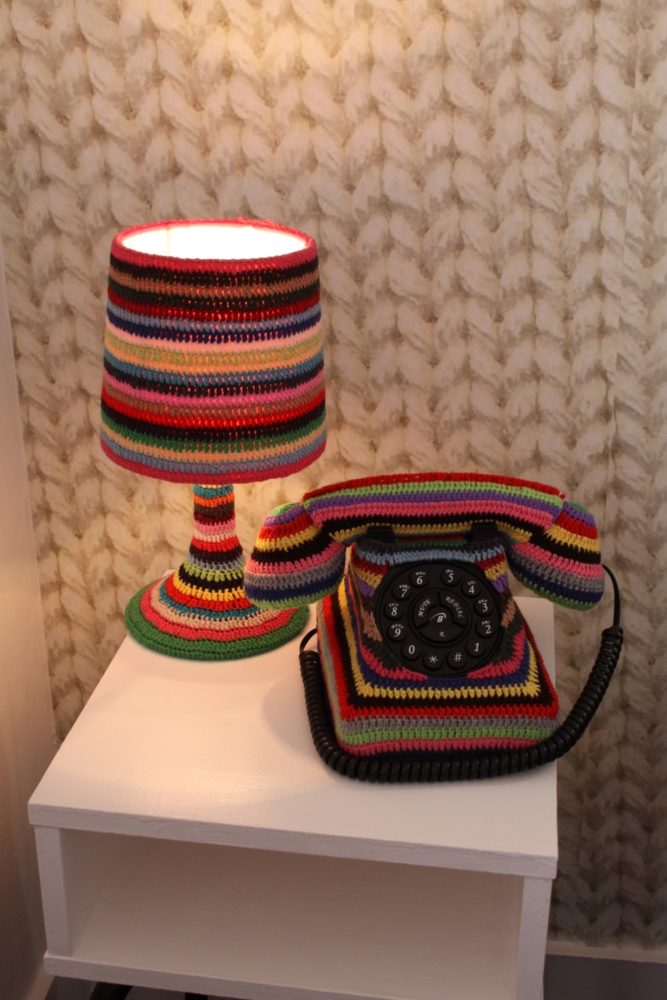
The Do Knit Disturb suite is filled with the handiwork of local artist Kate (Cardigan) Jenkins, who knitted up this framed Do Knit Disturb artwork and hand-knit covers for most of the room’s furnishings, including the telephone and the lamp.

And in the San Juan range of the Colorado Rockies, just over the mountain from Telluride, the hand-built cabins at the Dunton Hot Springs Resort are urban cowboy-elegant. The all-inclusive rates hover at around $1,000 a night, but each do not disturb sign is nothing more than a recycled paint can lid that’s red on one side, and green on the other.

You can see the full Do Not Disturb slide show on Bing Travel

Cool hotel Do Not Disturb signs

From the Limelight Lodge in Aspen, Colorado


A do-not-disturb tag is a tiny but useful, low-tech device that becomes essential when you want uninterrupted time to sleep, work or play in your hotel room. A simple “In” or “Out” sign could suffice, but many hotels have gotten mighty creative with this housekeeping tool.

Here’s a sampling of the Clever Do Not Disturb Signs I found for a slide-show I created for Bing Travel.

From Boston's Libery Hotel, in the former Charles Street Jail. Signs request "solitary."

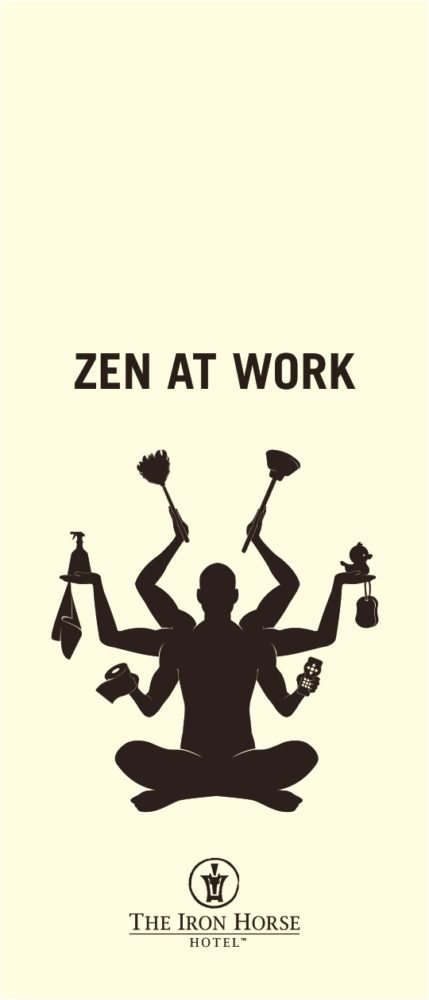
Do Not Disturb: Housekeeping crew restoring zen at motorcycle-themed Iron Horse Hotel in Milwaukee

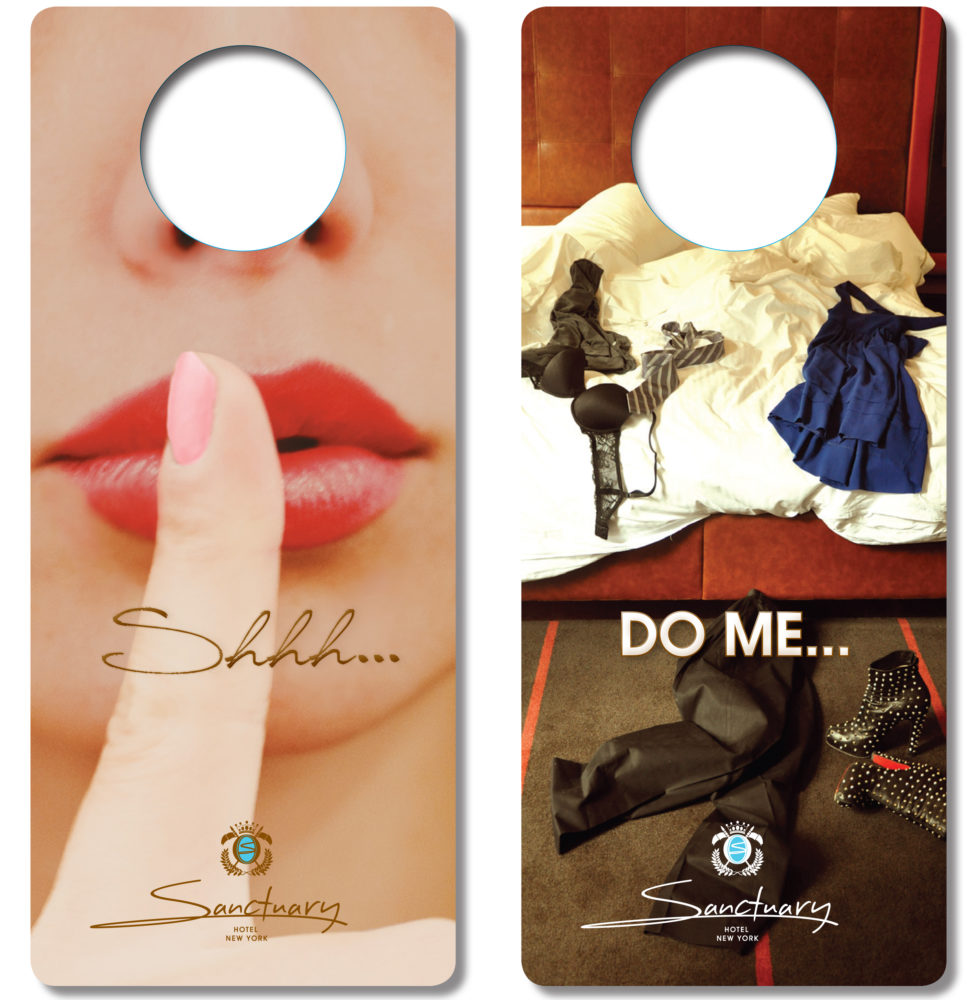
Sassy Do Not Disturb signs at the Sanctuary Hotel in New York City

More tomorrow…

No boys allowed: Hotels bring back women-only floors

Women-only floors at hotels — an amenity discarded by the hotel industry at the dawn of the feminist movement — may be experiencing a comeback.

You won’t find them everywhere. But, as I discovered in a story for msnbc.com’s Overhead Bin, women-only floors at hotels aren’t as rare as you’d think.

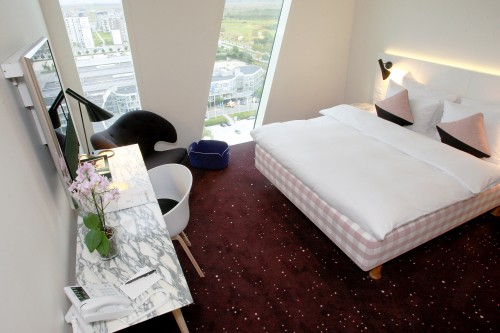
A "Bella Donna" room at Copenhagen's new Bella Sky Comwell hotel

In a focus group study conducted by the 812-room Hotel Bella Sky Comwell in Copenhagen, Denmark, more than half of the “influential and well-traveled Danish women” surveyed said they’d stay on a women-only floor because “it provides a sense of security; it feels more hygienic to know that the previous guest was also a woman and they prefer rooms tailored to women’s needs.”

Armed with that data, the hotel opened in May 2011 with a secure-access floor for ladies only. “Bella Donna” floors cost an additional DKK 300 (about US$55) and offer extra-large showerheads, extra clothes hangers for skirts and dresses and a minibar stocked with items such as smoothies, champagne and high-quality chocolate.

The Naumi Hotel in Singapore, the Premier Hotel in New York City, and Crowne Plaza properties in Washington, D.C. and Bloomington, Minn., are among the hotels that also feature floors strictly for female guests.

For the past two years, the 180-room Georgian Court Hotel in downtown Vancouver, B.C., has been offering the 18 rooms on its Orchid Floor exclusively to woman at no extra charge.

“The rooms are definitely not pink,” said general manager Lisa Jackson. “But women seem to like the additional amenities we offer, such as a flat iron, a curling iron and an emergency kit with nylons and some other amenities they might forget at home.” The rooms also feature upgraded bathroom amenities, a yoga mat, satin-padded hangers and fashion magazines.

“Rooms on the Orchid Floor are often sold-out,” said Jackson, “and now the hotel is considering adding an additional women-only floor.”

“I thought women-only rooms were a trend that came and went,” said Katie Davin, an associate professor and director of hospitality education for Johnson & Wales University in Providence, R.I. “When it first came back around, in the early 2000s, it was more about what hotels thought women wanted — pretty rooms, good hairdryers, things like that. But it sounds like they’ve been talking to women instead of just guessing.”

At the 318-room Hamilton Crowne Plaza in Washington, D.C., one floor has been set aside for women-only for the past five years. While the hotel’s average occupancy is about 80 percent, rooms on the women’s floor are often sold-out. Available Sunday through Thursday, when most business travelers are on the road, rooms on the secure-access floor offer upgraded amenities, bathrobes and slippers and an invitation to join other women for a networking dinner in the hotel restaurant. This year the hotel added complimentary concierge service to guests on the women-only floor as well.

“The market dynamics have changed. Women business travelers are traveling more than ever,” said hotel sales and marketing manager Regina Willson. “And that’s our target.”

Tonya Harris-Hill of Atlanta is right in that target range. On the road regularly for her job as a nurse manager, she’s been a regular at the Crowne Plaza in Bloomington, Minn., for months. As a frequent guest, she often gets upgraded to a suite, but at the suggestion of a co-worker gave the hotel’s secure-access, women-only floor a try.

Harris-Hill said she initially chose the women-only floor, which has a $30 surcharge, because she was new to the area and felt more secure. But now she likes it for the upgraded bath amenities and the gathering area in the hallway with magazines, fresh fruit and flowers and a fridge stocked with complimentary refreshments and snacks such as yogurt, ice cream and chocolate.

“I can put on a bathrobe and go out there and grab a snack and it is fine because you know you won’t run into a guy. And it is kind of pretty,” said Harris-Hill.

Free hotel stay – if your names are Will and Kate

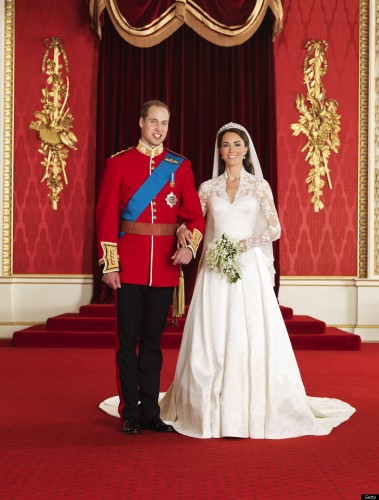
Sadly for the Red Lion Hotel Anaheim, which is a mouse’s whisker away from Disneyland, Prince William and his bride Kate Middleton will not be visiting the Magic Kingdom during their California stopover.

But if you’re married and your names are William and Kate, you’re in luck: you can get a free three-night stay at the hotel during July or August.

There are, of course, some eligibility rules you’ll have to meet. Among them: you’ll need an ID showing that your first names (not middle, second, third or last) are William and Kate or Catherine. (Exact spellings required) and a valid U.S. marriage certificate.

You can see all the rules here.

Anti-snoring hotel rooms

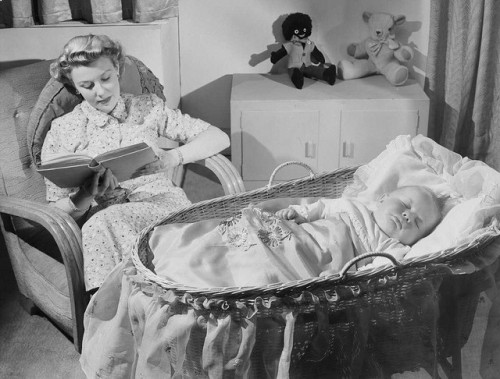
Do you wish you could sleep like a baby, even though you have a sleeping partner that snores?

Photo courtesy National Media Museum, via Flickr Commons

You could wear earplugs, go sleep in another room or go on vacation and check-in to a “snore absorption” hotel room.

This past week nine Crowne Plaza hotels in Europe and the Middle East, including the properties at Schiphol, Brussels and Madrid airports, were invited to test special anti-snoring rooms featuring sound absorbing headboards and egg-box style foam wall padding designed to reduce and muffle the snoring noise reverberating in the room.

Other anti-snoring amenities include a white noise machine, a bed wedge to encourage snorers to sleep on their sides and an anti-snoring pillow that, according to the hotel chain, “uses magnets to create a natural magnetic field, opening the airways and stiffening the upper palate that vibrates during snoring.”

No word on when – or if – these anti-snoring rooms will become permanent fixtures in all Crowne Plaza hotels around the world, but like the British Travelodge chain which installed sleep wardens at their hotels, it’s a silence-inducing step in the right direction.

Sleep wardens help hotel guests sleep tight

Slamming doors, arguments in the hallways, blaring TVs and all-night parties.

If you’ve spent much time in hotels you’ve probably had to contend with it all once or twice.

In my Well-Mannered Traveler column on msnbc.com this week, you’ll learn how one hotel chain has come up with a novel way to deal with noisy guests.

See the column, below.

As a New Yorker, Patricia Luebke is used to sleeping through a lot of ambient noise. But there was no chance she was going to get any shut-eye with a party going on in the hallway outside her Cincinnati hotel room door.

She tried complaining to the hotel management. “But they did nothing,” Luebke said. “By the time party finally broke up, at around 4 a.m., I was screaming at the front desk. In retrospect, I should have called the police.”

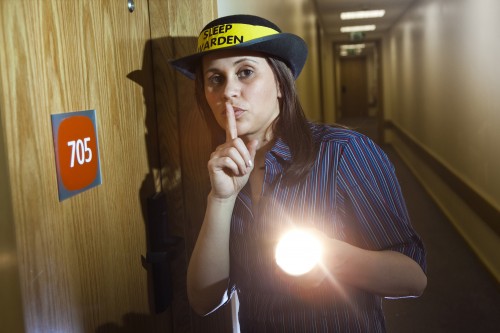
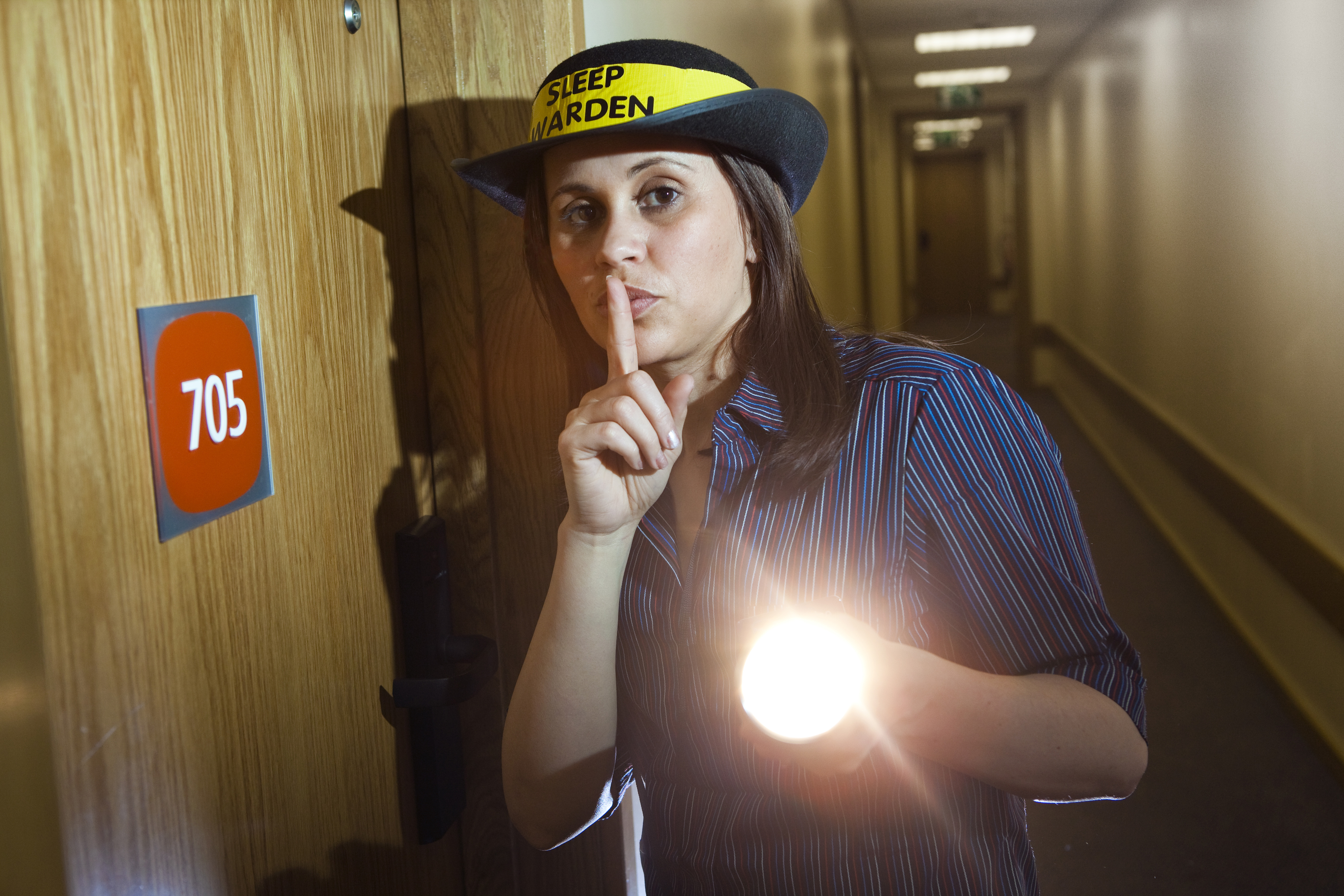
If only Luebke’s hotel had sleep wardens like those now patrolling the hallways and public areas at all of the Travelodge properties in the United Kingdom. These specially-trained staff members monitor the hotels’ nighttime noise levels and issue warnings to any guest disturbing the peace.

If the noise continues after a warning, sleep wardens can tell offenders to pack up their stuff and leave so that the sweet dreams of other guests cannot be jeopardized.

Why sleep wardens? Travelodge U.K.’s Shakila Ahmed says the chain knows that people don’t check into their hotels in search of spa treatments or an upscale, luxury experience.

“They’re traveling from A to B and they need a comfortable room so they can get a good night’s sleep,” Ahmed says. So the company, which considers itself a “retailer of sleep,” conducts studies to find out what keeps guests awake at night.

In the latest survey of 6,000 adults, money worries, work-related stress and noise showed up as the major causes of sleep deprivation.

Beyond keeping rates low, a hotel can’t do much about the first two sleep-inhibitors. But Travelodge UK decided to try to tackle the third. So in addition to sending sleep wardens into the halls, the chain has asked its hotels to reschedule deliveries so that rumbling, sleep-interrupting trucks don’t arrive too early in the morning.

“We’re not saying you need to be in bed with the lights out by a certain time,” said Ahmed. “We’re just asking our guests to have good bedtime etiquette, and we’re letting them know that we’re going to be very serious about monitoring the noise levels in our hotels.”

Waiving the right to party


Other hotels may lack sleep wardens, but do have other strategies for dealing with noisy guests.

A popular tool is the “party waiver” presented at check-in. “This identifies that we have the right to ask guests to stop any noise after 10 p.m.,” said Tom Waithe, director of operations for Kimpton Hotels in the Pacific Northwest. “If they don’t, we can ask them to leave. They’ll forfeit any deposits or room charges and we have the right to add charges for the room of any other guests who complain about the noise as well.”

And what can be done about amorous couples who get a bit too loud?  “They usually just get a knock on the door or a phone call,” Waithe said. “We hate to have to explain the noise complaint to someone in this situation.”

At the El Diablo Tranquilo Hostel in the Uruguayan beach town of Punta del Diablo, the staff patrols the dorm rooms and will ask chatting bunk mates to finish their discussion in a common area. Those playing cards or having a loud discussion will be encouraged to head down to the bar.

“If a guest refuses to move,” said owner Brian Meissner, “we cite an anonymous guest complaint and point out that we’re not asking them to leave the hostel or even to quiet down; just to move.”

Meissner pays overtime and rewards staff that have to “babysit” guests that don’t cooperate. “Nothing quiets someone down like the knowledge that they are forcing someone to sit and attend them,” he said.

Many experienced travelers have their own way of dealing with noise at hotels.

Some go the defensive route, bringing along earplugs, noise-blocking headphones, sound machines and over-the-counter or prescription sleep aids. Before reserving a room, many road warriors call ahead to find out if there are any weddings, large meetings or conventions booked into the hotel during their stay. And when checking in, some guests request rooms far away from elevators, ice machines and bars.

Others go on the offensive. Los Angeles hypnotherapist Nancy Irwin says if a complaint to the hotel manager doesn’t get results, she’ll call a noisy guest herself. “I simply say I am the night manager and that they need to keep the noise level down. It nearly always works.”

What  strategy works for you?

Hotels dispensing with tiny bathroom amenities

I’m a lucky duck and have been staying at some really posh hotels lately. Not just posh in terms of price and number of pillows; but posh in terms of properties where the staff is truly friendly, helpful and attentive to details that can really count when you’re out on the road.

Like the handful of bite-size end-of-the-day chocolates I was given when I checked into a Staybridge Hotel earlier this week in Elkhart, Indiana. And the complimentary pot of strong coffee that showed up outside my door at 6 am at an Omni Hotel in Indianapolis, even though I only signed up for the free program that offers that amenity (and free Wi-Fi) the night before.

Are those amenities more important than having a complete set of personal-sized toiletries in your bathroom? Take a look at my Well-Mannered traveler column – Hotels dispensing with bathroom clutter – on msnbc.com this week, vote in the survey and let me know what you think. Here’s the story:

(Courtesy RoomsService Amenities)

You arrive at a luxury hotel, check in and let yourself into your room. But something is missing.

Bathrobe? Check.

Minibar? Check.

High thread count bed sheets? Check.

King size bed with five – or is that six?– pillows. Those amenities are all there.

What about the bathroom? The counter seems sort of bare. You pull back the shower curtain, and what the …?

You’ve ended up in one of the upscale hotels doing away with tiny shampoo bottles and miniature bars of bath soap and installing push-button dispensers instead.

Standard in many budget hotel chains across the U.S. and Europe, amenities dispensers in luxe hotels strike some frequent travelers as tacky and unsanitary. “Seems cheap to me,” says software trainer Melissa Odom, who spends about 200 nights a year in hotels. “I’d think, ‘Ick, whose hands have been on this?’ ”

Other travelers notice, but don’t seem to mind. “I don’t particularly like them,” says travel planner Sheri Doyle, “but I appreciate the environmental reasons for doing it.”

Pat Maher, the green consultant for the American Hotel and Lodging Association, predicts amenities dispensers will be the norm within five years. “Right now, half a million of those little shampoo bottles end up in landfills every day. Hotels that say they’re eco-friendly establishments and doing all those things they do with the greening of their hotels … will start getting complaints if people stay at their hotels and they don’t have soap dispensers.”

Maher says properties currently testing or installing bathroom amenities dispensers include the Kimpton, Ritz Carlton and Choice Hotels as well as Starwood’s extended-stay Element Hotels.

But the historic Davenport Hotel in Spokane, Wash. — the first hotel to have air conditioning and a central vacuum system — has had amenities dispensers in all guest bathrooms since the hotel’s $38 million makeover in 2002. “The hotel owners were a little ahead of the curve on that,” says the Davenport’s Matt Jensen. “It’s very efficient, it makes sense financially and it fits in with the hotel’s historically green approach. We fill the dispensers with very high quality bath products, and the only people who seem disappointed are the ones who like taking home those little bottles of shampoo.”

S.O.S. — Save Our Soap

Of course plenty of hotels still stock guest bathrooms with a full array of miniature products. But look closely and you may notice those products tend to be shrinking. “Only about 10 percent of a bar of hotel soap gets used,” says Maher. “So some hotels are using smaller bars or using bars with curves carved into them so that the bars look the same size, but have a third less soap.”

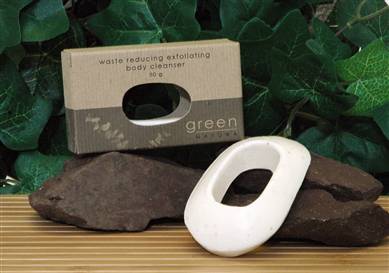
Other hotels aren’t trying to hide the fact that their soap has something missing. Among the hotel guestroom amenities offered by RoomService Amenities is a line of environmentally friendly products called Green from Natüra, which includes a bar of soap with a large hole in the middle. RSA’s Marshall Summer says the soap is designed “to eliminate the unused center of traditional soap bars” and is stocked by between 50 and 100 hotels nationwide, including Xantera Parks and Resorts, which operates hotels in Zion, Yellowstone, Death Valley and other national and state parks.

The nation’s hotels, however, still throw out about 800 million bars of slightly used soap each year. Some road warriors collect unopened soaps from their hotel rooms and donate them to shelters or groups in need. But several nonprofit organizations are gathering used soap, shampoo and other toiletries and recycling them to homeless shelters and communities where hygiene products are in short supply.

Close to 200 hotels, stretching from Florida to Hawaii, pay a tax-deductible recycling fee to Orlando-based Clean the World, which in 2009 collected and redistributed more than 230 tons of partially used soap and other toiletries. The nonprofit has a recycling plant where it re-batches about 10 percent of the donated soap it gathers by cooking it down and re-forming it into new bars. Ninety percent of the slightly used bars get sanitized and repackaged.

n Atlanta, former refugee Derreck Kayongo of Uganda and his wife Sarah operate the Global Soap Project, which is getting shipments of used soap from about 200 hotels across the nation. The group recently bought its own soapmaking machine and has 15 tons of used hotel soap in a warehouse waiting to be processed.

“Our plan is to sanitize and melt the soap, and turn it into new six-ounce bars,” says Kayongo. “Then we’ll ship the soap to Africa and work with an existing NGO [non-governmental organization] to distribute the soap at the Kakuma refugee camp in Kenya, which has been kind in hosting brothers and sisters who are escaping wars in other countries.”

What’s next?
Trend-wise, green consultant Maher says after all the tiny bottles and bars get replaced by dispensers, look for hotels to begin the wholesale installation of digital thermostats that can sense if a person is in the room and adjusts the temperature accordingly.

All well and good, says The Davenport’s Jensen, “But first it would be nice to come up with something that solves the problem of what to do with all the half-used rolls of toilet paper hotels end up with.”