bees

Does your airport have hives?

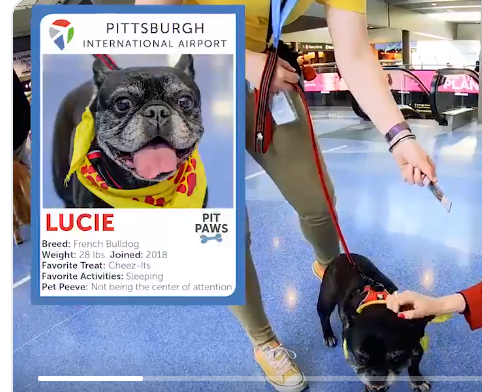
Pittsburgh International Airport (PIT)

(Photo courtesy Pittsburgh International Airport)

Pittsburgh International Airport (PIT) has 11 apiaries housing 4 million bees across the airport’s 8,800 acres.

https://twitter.com/PITairport/status/1824793333232738768

Seattle Tacoma International Airport (SEA)

(Photo courtesy SEA Airport)

SEA airport has had bee hives on its property since 2013 as part of the Flight Path project.

The goal is to raise honeybees and turn previously unused green spaces on the south end of the airport SEA into a native pollinator habitat. There are now 12 bee hives on site.

Chicago’s O’Hare International Airport (ORD)

Chicago O’Hare International Airport (ORD) began hosting bee hives on its property in 2011 and is the first airport in the United States to host bees. Helpers who tend to the 200 hives get job training and the harvested honey is used to make BeeLove products sold at both O’Hare and Midway Airports.

Indianapolis International Airport (IND)

Indianapolis International Airport (IND) works with the White Lick Beekeepers Association to maintain an apiary on about 5 acres of airport land.

Ohio’s Akron-Canton Airport (CAK)

Akron-Canton Airport (CAK) introduced 60 colonies of bees to the airfield in 2023 in partnership with Hartville Honey Bee Farm.

Airports + National Bee Day

Honey bees are experiencing a drastic decline in the United States and that’s having a negative impact on the global ecosystem.

Creating habitats where they can thrive is part of the solution. And on National Honey Bee Day, Saturday, August 20, we recognize the contributions honey bees make to our lives.

Airports abuzz

Airports around the country are doing their part to help the honey bees thrive by hosting honey bee hives on airport lands.

Chicago’s O’Hare International Airport (ORD), Seattle-Tacoma International Airport (SEA), and Minneapolis – St. Paul International Airport (MSP) are among the airports that have apiaries on site.

The bees at MSP Airport are there as part of the University of Minnesota Bee Veterans program, which provides free beekeeping education for Minnesota Veterans, including monthly workshops, including in-person and online workshops.

Here’s a video from MSP showing honey bees in the hive.

Does your airport have hives? (Tee-hee) Let us know and we’ll update our list.

Travel Tidbits from PIT Airport

From art to bees, therapy dogs and the “refreshing” of some statues, Pittsburgh International Airport is keeping busy.

First up: a charming video to announce that the PIT Paws therapy dog team has joined others across the country hand out trading cards to fans.

PIT Airport also shared a video about the more than 700,000 bees that reside on property:

PIT airport said goodbye – temporarily – to the statues of George Washington and former Pittsburgh Steeler Franco Harris.

And the airport made room for a new – and somewhat large – piece of art.

The buzz about Victoria Harbour Airport

You can take a ferry between Seattle, Washington and Victoria, British Columbia, but it’s much faster – and far more thrilling  –  to take a seaplane and land at Victoria Harbour Airport (YWH), a floating seaplane airport that is home to Harbour Air and Kenmore Air.

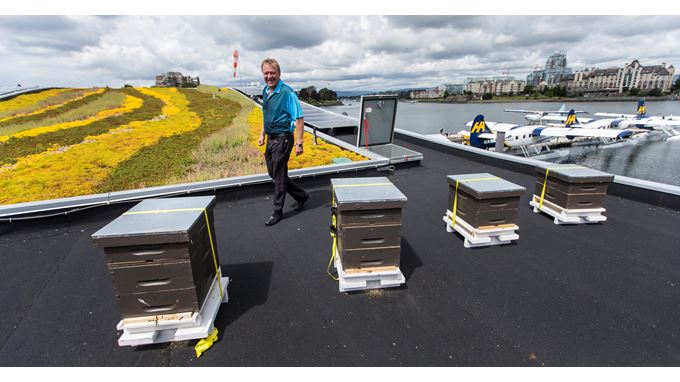
To mark the first anniversary of the floating terminal, Harbour Air, which serves 9 destinations in British Columbia, put a colony of honey bees (four beehives containing about 10,00 bees) and 50 solar panels on the airport’s one-acre green roof.

A screen inside the terminal will let passengers see how much electricity the solar panels are generating and a ‘bee cam’ offers a live feed of what the bees are doing.

The airport beehives – which airline officials think may be the world’s first floating hives – are already generating honey and by fall Harbour Honey should be available for purchase in the terminal’s coffee area. Sweet!


The buzz on bees at Seattle-Tacoma Int’l Airport

SEA BEES

Busy bees are hard at work in hives out on the property of Seattle-Tacoma International Airport. Inside the airport, there’s also now an exhibit with bee-themed art and educational information about the importance of pollinators.

Titled Flight Path, the exhibit explores bees and flight through a variety of mediums including paintings, blown glass and a mosaic and includes the work of 24 Northwest artists.

Last year, the airport hosted 18 hives. This year, the Port of Seattle is working with a local group called The Common Acre to host 1.5 million honeybees in 24 hives on unused vacant land near the runways.

Sea-Tac isn’t the only airport with hives. Chicago’s O’Hare International Airport has honeybee hives on property as well and products made from the honey is for sale inside the airport.

Bee outfit

Busy bees help the environment & the bottom line

Waldorf Beehives Lower Res

Bed bugs in hotel rooms are definitely bad for business, but bees on hotel rooftops can be good for the financial and environmental bottom line.

Beekeepers are moving millions of honeybees into apiaries at hotels in urban and rural areas, with harvested honey showing up in restaurant dishes, beer and cocktails, spa treatments and in lip balm, soap and other products sold or given to guests.

Honeybees are now hosted at 21 Fairmont Hotels & Resorts in North America, Asia, Africa, Bermuda and Mexico, including at the Fairmont Washington, D.C., Georgetown, where three hives with 105,000 Italian honeybees were installed in 2009 for set-up fee of about $1,200,

Maintaining the Fairmont’s DC hives is about $300 per year and the 300 gallons of honey harvested annually (plus honeycomb and beeswax) is used in the hotel’s signature “BeeTini” ($14), in honey walnut bread ($4), in various desserts and sauces as well as in lip balm, honey tea and sunscreen given as amenities and gifts to guests.

“We believe that our honeybees are good for business,” said Ian Bens, chief beekeeper and executive sous chef at the Fairmont Washington, D.C. “Our guests appreciate the fact that we are helping the bee population and the environment, and they enjoy the taste of local honey that is included in much of our culinary program.”

The Waldorf Astoria New York has had from 250,000 to 350,000 bees in residence since 2012, when six beehives were installed on the 20th floor rooftop for a cost of about $4,000.

The hotel’s honey is now an ingredient in dishes in every hotel restaurant and used as gifts by the hotel’s sales team for VIP guests and potential customers. Hotel officials also report that Sunday brunch revenue has increased over 20 percent since the installation of the hives and, since the addition of a tour of the rooftop beehives and garden to the hotel’s Historical Tours ($65 per person—inclusive of lunch, taxes and gratuity), demand has increased by 30 percent.

In Snoqualmie, Washington, not far from Seattle, the apiary at the Salish Lodge & Spa is providing honey for signature dining room dishes, spa treatments, honey-flavored beer and vodka and retail products ranging from honey-flavored marmalade, truffles and caramel corn.

Operating the apiary costs about $9,000 a year, “but we feel that there is no price for doing the right thing,” said General Manager Rod Lapasin. “It is essential that individuals and businesses alike do our part for our environment, of which we know the honeybee is a very essential component.”

Airports are also getting into the apiary business.

Lambert-St. Louis International Airport receives about $75 per year to house beehives on 400 square feet of airport property just north of a runway. The abundance of Dutch clover and the lack of pesticides are big draws to both the beekeeper and the bees. And while the revenue for the airport is minimal, “it’s a great opportunity for us to assist in a ‘green’ initiative that’s positive for environment and the community,” said airport spokesman Jeff Lea, “especially in light of recent reports on bee colony collapse.”

Fifty beehives now sit on land owned by Chicago O’Hare International Airport and produce about 1,000 gallons of honey each year. Their honey is used in such beauty products as lip balm, moisturizer and bath lotion that are sold at Hudson News stores and other locations in O’Hare and Midway airports.

“We have grown the business from $5,000 in 2012 to $25,000 so far in 2013,” said Hudson Group spokeswoman Laura Samuels, who notes that the all-natural lip balm is an especially good seller.

The apiary program pays minimal rent to the airport, but some revenue from product sales does go back to the airport via Hudson News.

And this summer, 16 honey bee colonies were established on land at Seattle-Tacoma International Airport. “We’ve also raised two groups of local queens and are working with the airport to plan the installation of 50 acres of native wildflower meadows,” said Bob Redmond, executive director of The Common Acre, the nonprofit group coordinating the Flight Path project.

The group has already harvested about 250 pounds of honey, sales of which will go toward the costs of the project. Beyond that, he said, “the yields are long-term—healthy local bees, healthy habitat, support of native bee populations, the potential to distribute bees and wildflower seeds around the region, and education and inspiration of tens of thousands of people.”

Sweet.

(My story about bees at hotels and airports first appeared on CNBC)

500,000 bees land at Sea-Tac Airport

Bee outfit

Chicago’s O’Hare Airport has them. And at Vancouver International Airport, the Fairmont Vancouver Airport has them. Now Seattle-Tacoma International Airport has bee-hives as well. The project is a partnership between the Port of Seattle and the non-profit Common Acre group and the long term goal is to promote hardy bee populations in the region.

The project — named Flight Path — includes 500,000 honeybees and six hives on three vacant, undeveloped sites near the airfield. Passengers won’t see the bees, but an exhibit with some bee art and educational information about bees will open in January 2014 on Concourse B.

Etihad Airways has big plans for hens, bees and pickles

Now that I know about the hens, the bees and the pickles, I’m kicking myself for missing a recent opportunity to fly to Abu Dhabi on Etihad Airways, the national airline of the UAE.

The airline has 200 free-range hens on duty at Abu Dhabi Organics Farms laying eggs that are used in some dishes prepared by on-board chefs for first class passengers.

Several beehives on the farm are also producing honey for airline meals and the airline has promised its own signature line of pickles made from organic paprika, chili, onion, capsicum and dates.

Souvenir Sunday: the buzz at Sacramento Int’l Airport

There’s still quite a bit of a buzz around the new Central Terminal B at Sacramento International Airport, so my picks for Souvenir Sunday this week are a few items I spotted during my tour of the airport.

In addition to the cute bee above, I spotted this sweet bee-themed mug at the Sacramento Bee news stand in the baggage claim area.

And, over in the ‘old’ Terminal A, I found this classic:

For photos and a report of my tour of the airport, please see my previous posts here and here, and my At the Airport column about Sacramento International Airport on USATODAY.com.

Please join me in celebrating Souvenir Sunday: if you are poking around an airport shop and find something fun, inexpensive (about $10) and “of” the city or region, please snap a photo and send it along. If your souvenir is featured on Souvenir Sunday here at StuckatTheAirport.com, I’ll send you a fun travel souvenir.

Lost luggage and 60,000 bees in Victoria, B.C.

If you happened to be strolling by the famed Fairmont Empress Hotel in Victoria, B.C. last Friday night around 11 p.m. you may have noticed two people searching through the bushes with a flashlight.

That would have been me and a staff member of the hotel. We were out there looking for my luggage.

I’d arrived at the hotel that morning in time to meet John Gibeau, a beekeeper who’d just harvested 600 pounds of honey from a bank of beehives he’d installed on the hotel lawn a few months earlier.

Gibeau offered to give me a tour of the hives and I (bravely? foolishly?) followed him into the beehive corral where 60,000 bees were, well, already busy as bees making more honey.

Gibeau took apart one of the hives to show me and the small crowd that had gathered where the queen bee could be found. He let us taste honey straight from a hive, put what I think he said was an edible-but-not-tasty drone bee in his mouth (but didn’t eat it), explained why the bees kept bumping into me (I was in their flight path), patiently answered some more questions and then headed off with that pickup full of honey.

I checked into my room and rushed off to visit some attractions. And it wasn’t until 10:30 that night, as I began getting ready for bed, that I realized that I only had my computer bag with me. My other bag, stuffed with a week’s worth of clothing, was missing.

My only explanation was that I’d set all my stuff down by the bees and in all the excitement forgotten to pick it all up. And when the front desk said no, there were no unclaimed bags in lost and found, someone offered to go out there with a flashlight and look around.

We didn’t find anything. I went to bed thoroughly embarrassed, a bit perplexed, and resigned to having to buy fresh and no doubt expensive outfits in the tourist district before continuing on my adventure.

It was a mystery and an inconvenience. But not a trip-ruining disaster. Because, somehow, my bag showed up the next morning.

No one can explain where my clothes spent the night, but I’m betting those bees are having a good laugh.

My hotel stay was hosted by the Fairmont Empress. My bag – a much-used satchel I bought a dozen years ago at the Calgary Airport – still isn’t talking.