Museum Monday

Museum Monday: Katharine Wright’s pantaloons

I’m racing to finish up the entries for my Hidden Museum Treasures book, which will feature the stories behind objects in museums that are rarely or never displayed.

When the project began, I put a call out seeking nominations from museums around the country. The International Women’s Air & Space Museum in Cleveland, Ohio was one of the first to respond with a hidden treasure that belonged to Katharine Wright.

Most people know the story of Orville and Wilbur Wright and their game-changing, 12-second airplane flight over Kitty Hawk, North Carolina on the morning of December 17, 1903.

Orville and Wilbur certainly deserve their place in aviation history, but they didn’t get there alone. Although she didn’t tinker with the planes, for many year’s Orville and Wilbur’s younger sister, Katharine, served as a sounding board, social secretary, housekeeper, marketing manager and ambassador for her brothers, making it possible for her notoriously shy brothers to attend to their aviation work full-time.

Sometimes referred to as “the third Wright Brother,” Wright’s story and her role in the birth and growth of aviation is among those told at the International Women’s Air & Space Museum, along with the stories of Amelia Earhart, Bessie Coleman, Harriet Quimby,  Jackie Cochran and many others.

Memorabilia in the Katherine Wright collection includes many items donated by the Wright family, including embroidered pillow cases, Limoges china, a strand of pearls and a lace dickey. “We even have postcards that ‘Aunt Katharine’ sent from Germany when ‘the boys’ were visiting with Count Zeppelin,” said collections manager Cris Takacs.

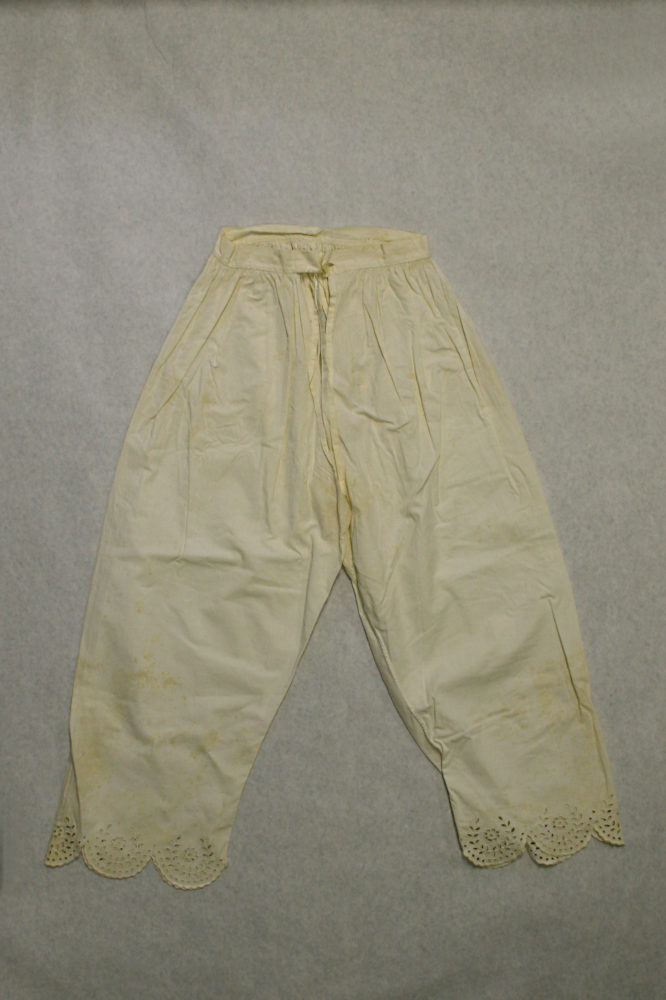
The museum also has the dress Katharine Wright wore when she accompanied her brothers to the White House on June 10, 1909 when they were presented the AreoClub of America gold award. Included with that dress are split-crotch knickers, or pantaloons, she likely wore underneath the dress that day.

The dress is displayed at the museum, but not the knickers. “As far as I know, they are the only knickers in our collection,” said Takacs. “I’m surprised the family would keep them and send them to us, but we have not displayed them because there are still some members of the Wright family around,” she said. “I don’t think it would be appropriate,” said a museum board member who helped put together the Katharine Wright exhibit.

Here they are:
And .. here’s the dress:
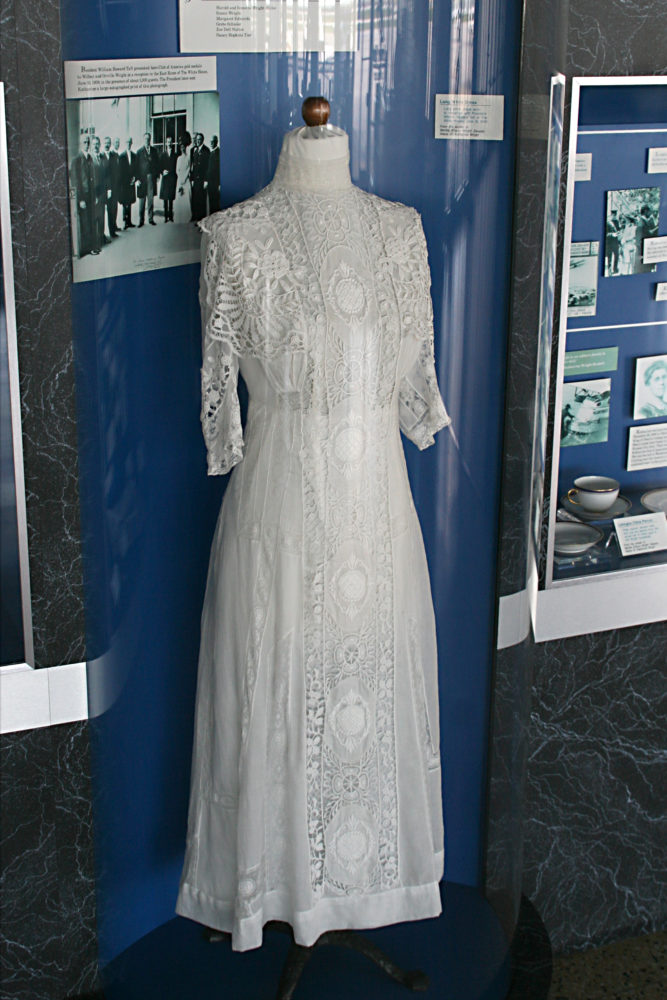
Photos courtesy the International Women’s Air & Space Museum.
Museum Monday: Celebrating the black leather jacket

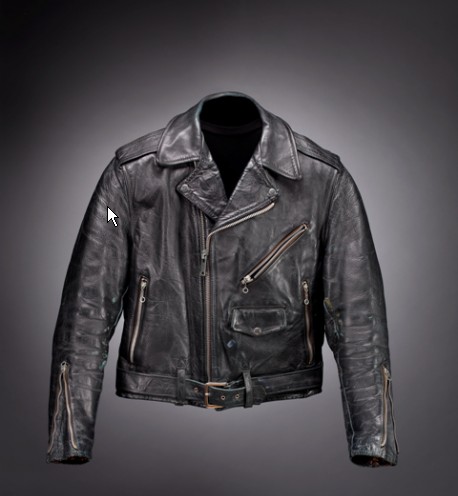
This black leather jacket that Elvis Presley bought from J.C. Penney is one of more than 50 classic black leather jackets on display at the Harley-Davidson Museum. Photo courtesy of the museum.

Today it’s an icon in pop culture and fashion, but the black leather jacket was originally a utilitarian piece of clothing designed to protect travelers.

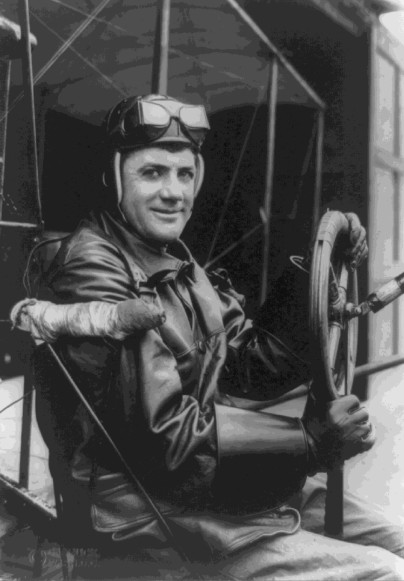
“In the early part of the 20th century, whether you were flying a plane or driving a motorcycle or a horseless carriage, everything had an open cockpit. So the idea of leather being an appropriate material for transportation gear emerged early on,” said Jim Fricke, curatorial director at the Harley-Davidson Museum in Milwaukee, Wis.

Early airplane pilot in black leather jacket. Courtesy Library of Congress

The museum’s newest exhibit is “Worn to be Wild: The Black Leather Jacket,” which runs through Sept. 3. More than 100 artifacts are on display, including dozens of jackets worn by celebrities and pop culture icons as well as leather jackets from fashion houses such as Jean Paul Gaultier and Gianni Versace. The exhibit also uses a wide variety of motorcycles, photographs, film footage, literature, advertisements and music to explore how this single article of clothing became such an iconic object in popular culture.

During World War I and II, pilots were photographed looking dashing in their leather bomber jackets, but the public’s fascination with the zippered, wind-protecting garment soared in the 1950s, when Hollywood got hold of it.

“It happened because of the movie ‘The Wild One,’ when Marlon Brando played a motorcycle gang member and wore one of our black leather jackets,” said Jason Schott, COO of Schott Bros. clothing manufacturer and great-grandson of Irving Schott, who is credited with making the first zippered leather motorcycle jacket in 1928.

Brando’s bad-boy image seemed cool, so people wanted that jacket. But because the jacket was associated with hoodlums and juvenile delinquency, many schools tried to ban it.

At the time, leather jackets were considered one way to identify juvenile delinquents, said Fricke, who included memos from an Ohio school district in the new exhibit.

“That made people want it even more,” said Schott. “The jacket just became synonymous with the rugged bravado that Americans seemed to embody.”

Despite a lull during the hippie era in the 1960s, Fricke said, the black leather jacket has maintained its role as the uniform of youthful rebellion and has been seen on everyone from James Dean and Elvis Presley to the Ramones and Bruce Springsteen.

A leather outfit worn by Arnold Schwarzenegger in “Terminator 2” and leather jackets worn by musicians and celebrities such as Fergie, Gene Vincent and Michael Jackson are among items on display. The exhibit also reunites the Harley Davidson motorcycle bought by a 21-year-old Elvis Presley in 1956 with the motorcycle jacket he bought a few years later, from J.C. Penney.

After leaving Milwaukee, “Worn to be Wild” will move to Seattle’s EMP Museum, home of some of the music and science-fiction artifacts included in the show, and will run from October 2012 through February 2013.

If you’re flying to Milwaukee, you’ll arrive at Milwaukee County’s General Mitchell International Airport, which provides free parking for motorcycles and a Harley Davidson shop. Here’s a link to the airport guide for General Mitchell International Airport that is part the 50 airport guides I maintain for USATODAY.com.

My story: Worn to be Wild: Celebrating the black leather jacket first appeared on msnbc.com’s Overhead Bin.

Free museum admission for military personnel and their families

As you travel around the country this summer, keep in mind that more than 1,5000 museums around the country are offering free admission to active duty military personnel and their families from Memorial Day, May 28, through Labor Day, September 3, 2012 as part of the Blue Star Museums program.


The program began in 2010 and is a collaboration between the National Endowment of the Arts, Blue Star Families, the Department of Defense and the participating museums.

On the list are museums, science centers, history museums, nature centers and more than 70 children’s museums, including the Museum of Modern Art in New York City, the Buddy Holly Center in Lubbock, TX and the Walt Disney Family Museum in San Francisco.

New on the list year: the American Civil War Center at Historic Tredegar in Richmond, Va., the New Mexico Museum of Space History, San Francisco’s Children’s Creativity Museum and the World Figure Skating Museum and Hall of Fame in Colorado Springs, Colo.

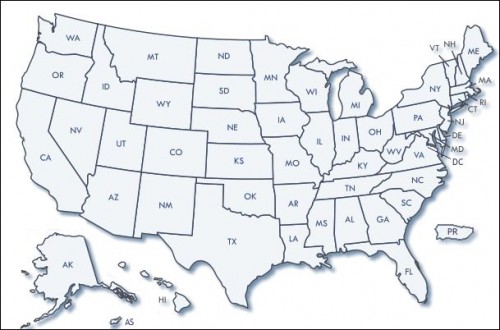
You can click on a map to see what museums and attractions in your travels may be on the list.


Museum Monday: early flight gear at SFO Museum

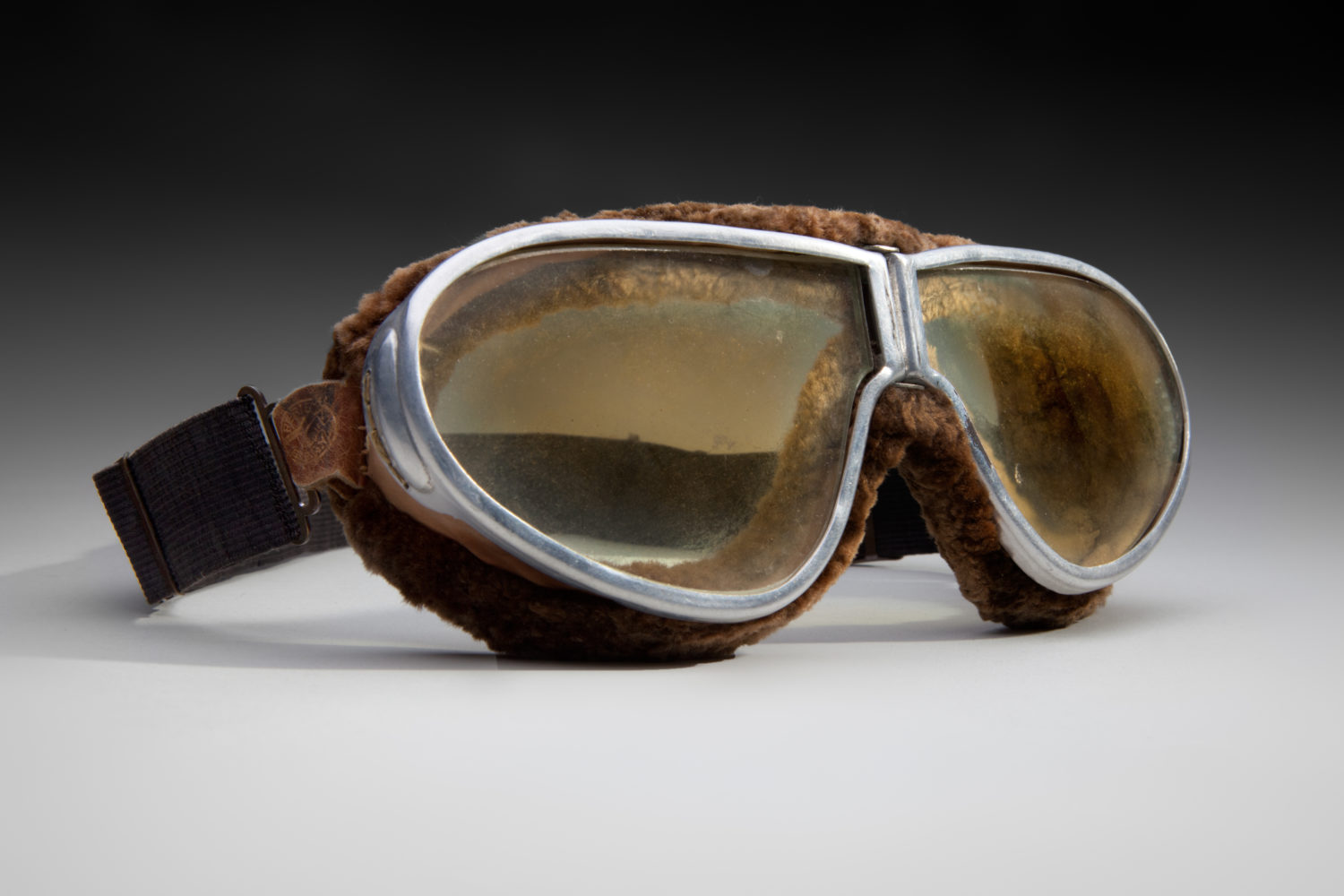
Aviator goggles 1920s–1930s metal, glass, fur, fabric, elastic. Courtesy of San Diego Air & Space Museum


Early airplanes had open cockpits and aviators needed special equipment and protective gear in order to do their jobs.

Examples of some of those items are now on exhibit at the San Francisco International Airport. Flight Gear: Pilot Equipment from the Open-Cockpit Era features more than forty examples of flight suits, jackets, helmets, goggles and other accessories dating from the 1910s to the 1940s. Also on exhibit are period photographs, advertising, and catalog illustrations featuring the artifacts displayed.

A. G. Spalding & Bros. "Aviators' Equipment" catalogue one-piece flying suits illustration 1930 ink on paper SFO Museum

Flight Gear: Pilot Equipment from the Open-Cockpit Era is on view through August 1, 2012 in the San Francisco Airport Commission Aviation Library and Louis A. Turpen Aviation Museum in the International Terminal Departures Level adjacent to the Boarding Area ‘A’ entrance.  Admission is free. Hours: 10 a.m. to 4:30 p.m. Sunday through Friday.

Museum Monday: The Museum of Bags

Last week I spent an hour in front of my closet trying to pick out the best suitcase for my next international trip.  Nothing seemed right, so I fired up the computer to go shopping for something new.

There are oodles of satchel stores out there, but I went home empty-handed because I didn’t get much past The Museum of Bags

Shopping bag by Andy Warhol

I thought the museum would be about baggage, but the on-line-only museum is focused more on paper sacks and related ‘carry-things-home-from-the-store”-type bags.

Which is fine with me.

Especially when I discovered this TWA (Trans World Airlines) bag filed there in the collection under “Other.”

Here’s the description of the airline and the bag from the Museum of Bags website:


“Founded in 1925 as Western Air Express, Trans World Airlines became one of the “Big Four” U.S. domestic airlines. In 1961, TWA became the first airline to introduce regular in-flight movies with By Love Possessed which starred Lana Turner and Efrem Zimbalist, Jr. in first class. On December 1, 2001, Flight 220, using an MD-80, was TWA’s last flight. It flew from Kansas City, Missouri to St. Louis.”

Microscopes on display at SFO Museum

Flying lifts you above it all, offering a chance to take in the big picture from the sky.

But travelers who touch down at San Francisco International Airport (SFO) now have an opportunity to get down to specifics with a new exhibition exploring the history of microscopes.

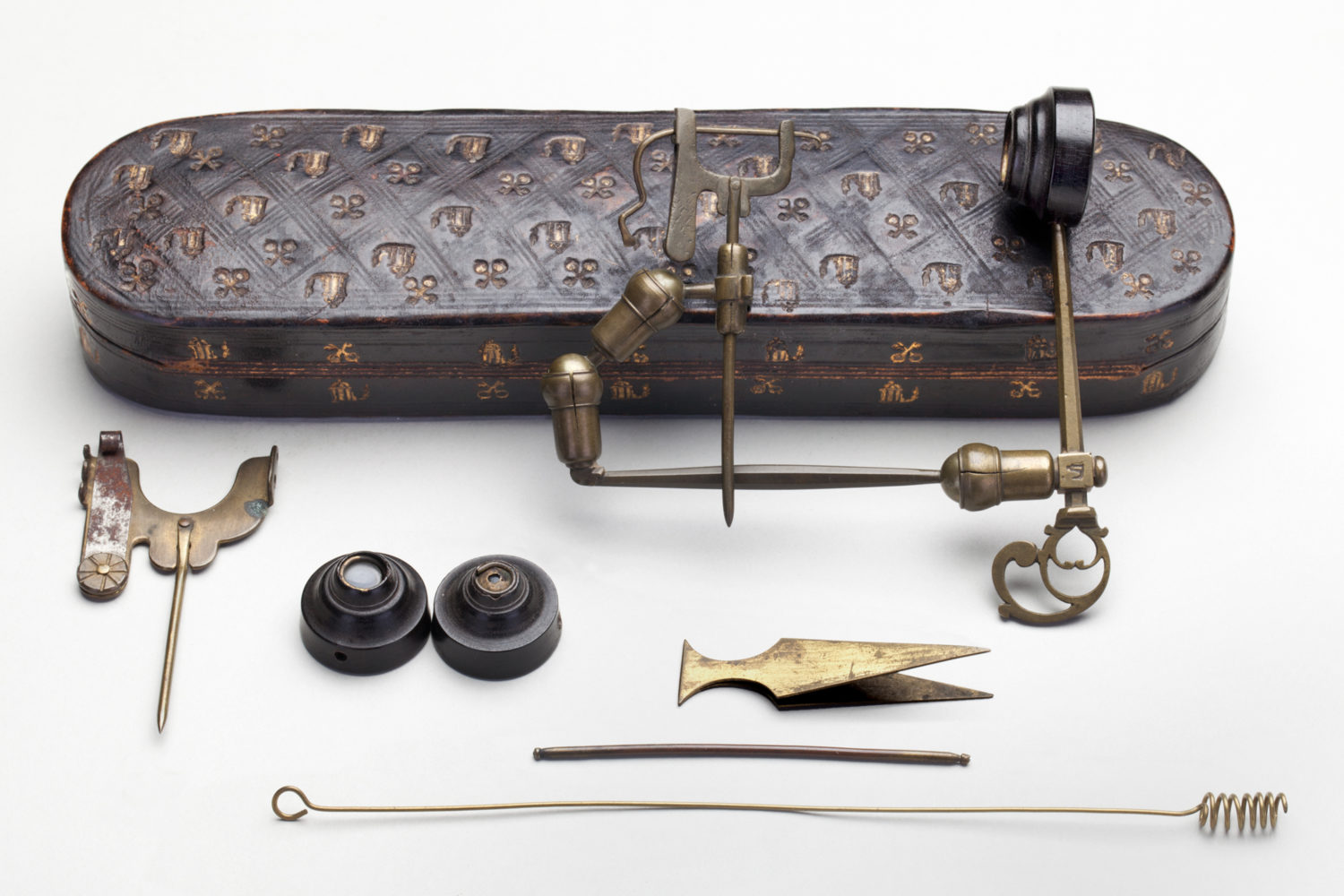
Simple microscope with case 1673–1748; Courtesy SFO Museum

“From mid-seventeenth-century simple microscopes to the modern compound optical devices by German makers during the late nineteenth and early twentieth centuries, these are the instruments that revealed the long-held secrets of the natural world—the existence of microorganisms, the structure of biological cells, and the composition and operation of a variety of previously unseen life forms. Nearly 350 years after Robert Hooke introduced a ‘newly visible world,’ we continue to rely on the microscope in our eternal quest to better understand the world we inhabit and the challenges posed by that which remains invisible to the unaided eye.”

[From the exhibition release]

If you can’t make it to the airport, you can view a selection of microscopes and other objects from the exhibition online.

Detail of specimen slides with seeds c. 1820; courtesy SFO Museum

A World Examined: Microscopes from the Age of Enlightenment to the Twentieth Century is on display pre-security in the International Terminal Main Hall Departures Lobby, at San Francisco International Airport through June 24, 2012.

Museum Monday: Hidden Treasures you might wish you could see

We visit museums to see rare, wonderful and unusual objects on display. But most museums have room to exhibit just 10 percent of their holdings. The rest rarely — or never — sees the light of day. Unless, that is, you have a key to the back rooms where they keep hidden treasures like the ones I found for a slide show on Bing Travel.

Here are some of the highlights from that story.

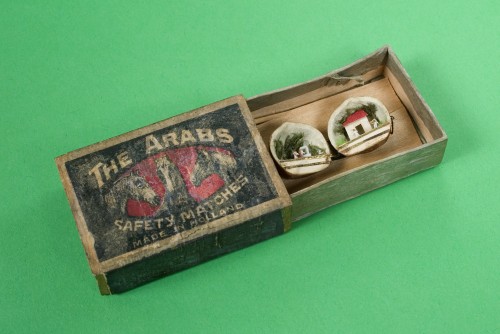
In the United States, flea circuses were once regular features in carnivals and sideshows. This diorama in the collection of the Children’s Museum of Indianapolis in Indiana features four fleas (heads only) in a village scene and is mounted in a hazelnut that is encased in a matchbox. According to a museum staff member, the tiny diorama is kept in storage because “people would have to line up to see it and it would be difficult for a family to view together.”

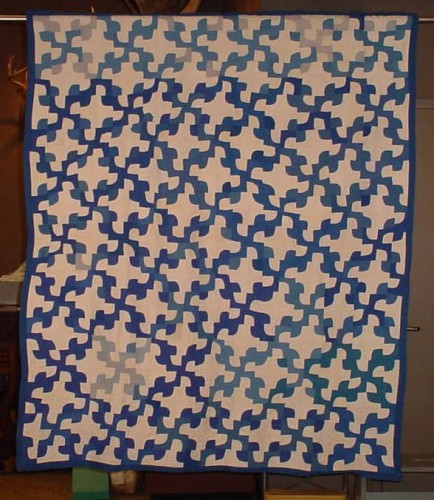
This pretty but rarely displayed quilt in the collection of Washington’s Yakima Valley Museum was made in 1928 by the wife of a berry farmer and has a story far more complicated than meets the eye. According to the note that came with the donation, the white fabric in the background came from masks once worn by members of the Ku Klux Klan.

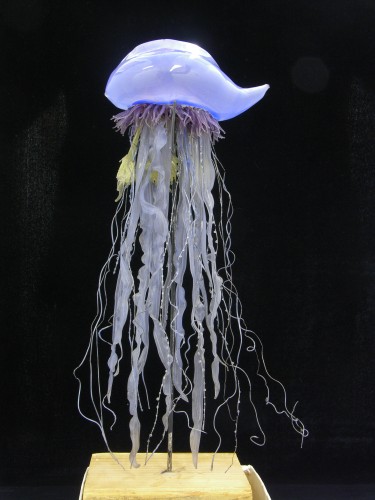
The Harvard Museum of Natural History in Cambridge, Mass., displays 3,200 hand-crafted glass models of flowering plants created between 1886 and 1936 by German glass artists Leopold and Rudolph Blaschka. Not on display are the university’s 430 Blaschka glass models of marine invertebrates, such as this glass model of a Portuguese man of war, which Harvard acquired in the late 19th century.

For more hidden treasures, check back tomorrow.

Museum Monday:Game Over at National Pinball Museum

If you’re in Washington, D.C. today, go visit the National Pinball Museum.

Today – Labor Day – is the last day to visit the museum before it closes and packs up for a move to Baltimore, Md.

The National Pinball Museum has more than 200 machines on exhibit spanning 140 years of pinball history “from Bagatelle (the 18th Century precursor to pinball) through to modern day computerized marvels.”

There are films about the history of pinball, exhibits exploring the art and artwork that made the games so appealing to the eye and so much fun to play and, best of all, a Pay-to-Play exhibit where you can drop a few quarters and play 40 machines ranging from classic, vintage wood rail games to modern solid state machines.

The museum is open today for free and is located at The Shops at Georgetown Park (3222 M St. NW) in Washington, D.C.

After closing today the plan is to reopen in Baltimore in a few months.

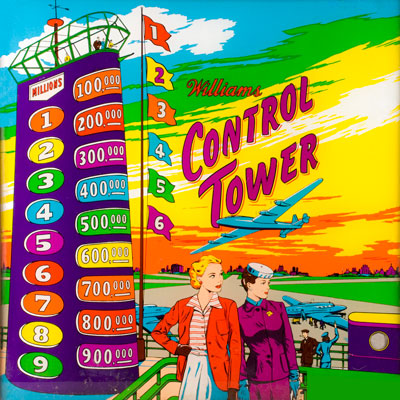
Here’s one of my favorite pinball games:

It was on display awhile back at San Francisco International Airport as part of an SFO Museum exhibit on the history of pinball that included many machines from the Pacific Pinball Museum – and the opportunity to play pinball at the airport for free.

Museum Monday: see the history of TV at SFO Airport

Travelers heading to or through San Francisco International Airport now have a chance to tune in and turn on before they take off, thanks to the latest offering from the SFO Museum.


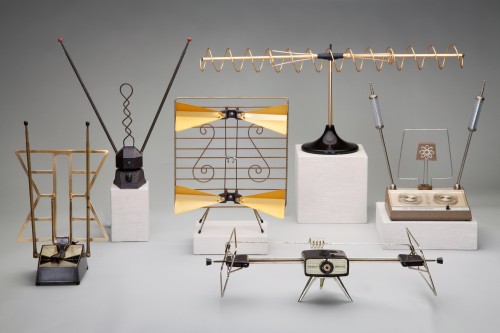
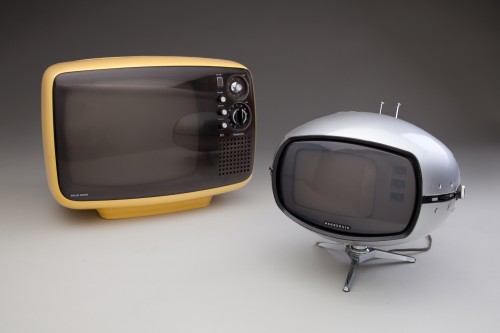
Television: TV in the Antenna Age is filled with television sets and related items from the first four decades of television


Models range from the earliest commercial sets with 7-inch screens in Art Deco wooden cabinets to colorful plastic versions from the 1970s designed to look like space helmets and flying saucers.


Here’s a preview:

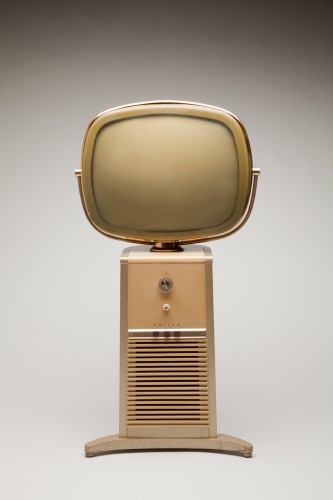
Philco Predicta 4654 Pedestal - 1959

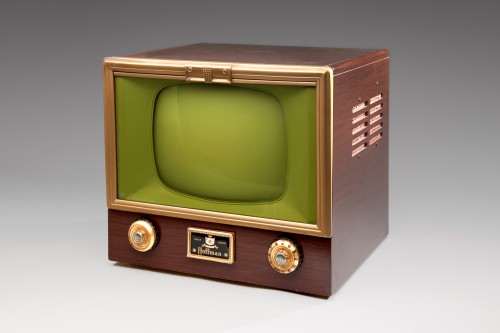
Hoffman M143U Easy Vision 1954

TVs from the early 1970s

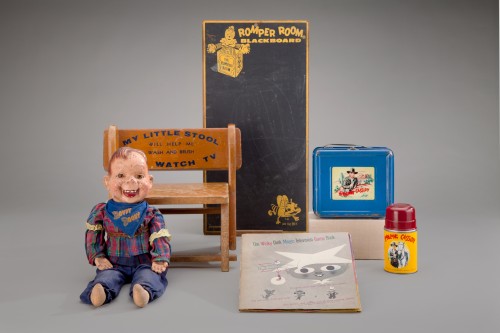
Memorabilia from Howdy Doody, Romper Room and other TV shows

Television: TV in the Antenna Age is on view in Terminal 3, post-security in Boarding Area F through February 6, 2012.

(All photos courtesy of SFO Museum)

Museum Monday: “Propliners” at SFO

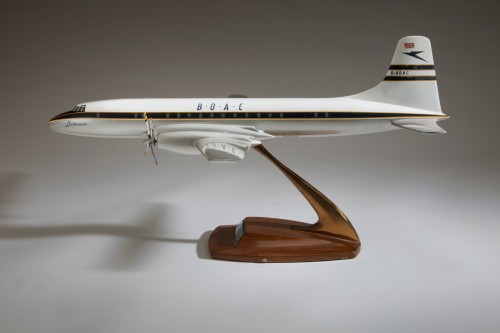
A new exhibition at the SFO Museum at San Francisco International Airport shows off scale models of propeller-driven transport aircraft used in the design, manufacturing and marketing process of the aviation industry in the late 1940s and 1950s.

According to the museum, these propliner models helped the airlines imagine the new airliner operating within their fleet and were used promote their services in airline offices and travel agencies.

This exhibition includes twenty-three models from the Collection of Anthony J. Lawler. “They represent the age of postwar propliners, which lasted until the 1960s when faster, more fuel-efficient and propeller-less turbojet airliners superseded them.”

Look for the propliners in the front cases of the Aviation Museum and Library in SFO’s International Terminal through December 2011.

You can also get a preview here.

Photos courtesy of SFO Museum