Etiquette

On the airplane: do you have the right to recline?

Each Friday on msnbc.com’s Overhead Bin, I have the pleasure of answering a travel question sent in by a reader. This week the topic was that age-old question:

Do passengers have a right to recline their seats on an airplane?

When Jeanne Gillert flies on an airplane, she rarely reclines her seatback “out of consideration for the passengers behind me.” But she’s sick and tired of other passengers who insist on reclining their seatbacks and ramming their seat into her knees.

Gillert, a program officer for a private family foundation in Tulsa, Okla., says she’s tried “gently pointing out to people that the reason they can’t move their seat back any more is because of my knees; not just that the chair is sticking.”

Sometimes that works. “Men usually get it, apologize and quit trying,” said Gillert. “Women on the other hand are horrible! One woman told me to sit up straighter, then got a stewardess to tell me it was her right to recline her seat into my knees and that I would just have to live with it or pay for a more expensive ticket in business.”

That answer doesn’t sit right with Gillert, who asked Overhead Bin, “Since when do we have the ‘right to recline?’ ”

Unless an airplane seat does not have a recline position — Allegiant, Ryanair and Spirit Airlines have entire planes with non-reclining seats — passengers do indeed have “the right to recline.” But issues clearly arise around if, when and how passengers choose to use the amenity.

Anna Post of the Emily Post Institute advises passengers who wish to recline to be sure to do it slowly. “You can also turn to the person behind you and give them a heads up that you’re going to push your seat back,” said Post. “Asking them if it’s OK is nice, but if they say ‘no,’ you have to be prepared to honor their wishes.”

If the person in front of you pushes their seat back quickly, there isn’t a tremendous amount you can do about, said Post. “The best you could do is tap them on the shoulder — although that’s a little much — and say something like, ‘Do you mind just giving me heads up next time?’ ”

When faced with a rude recliner, another option is to request to be moved to a new seat. However, with planes flying very full these days, that’s not always possible.

Some travelers make use of the downloadable “courtesy cards” offered by the creators of the controversial (and on some airlines, prohibited) Knee Defender, a small plastic device that limits how far a seat can be reclined. One version of the card requests that a passenger not recline their seat; the other informs them that you will be using your gadget.

Another defense is to study up on seat pitch (the distance from your seat to the seat in front you) before your flight. Many airlines post this information on their websites, and sites such as SeatGuru, SeatMaestro and SeatExpert post annotated airplane seat charts noting which seats have added legroom and which seats do not recline.

You also might seek out a flight on a plane sporting a new type of seat. On its first 787 airplane, ANA (All Nippon Airlines) equipped the economy cabin with seats that do not recline but instead have a seat cushion that pushes out a few inches.

Whatever you do, try to not get into an argument or over the reclining actions of another passenger. At the end of May 2010, an in-flight fist fight over a reclined seat ended with Air Force fighter jets escorting a Ghana-bound United Airlines flight back to Washington-Dulles International Airport.
What are your rights regarding the Overhead Bin?

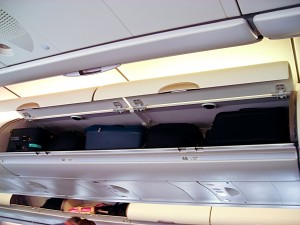
At msnbc.com’s Overhead Bin blog, I’ve been tracking down answers to a big question each week. This week: What to do about Overhead Bin hogs.

We’ve all seen them on airplanes: Fellow passengers who put their stuff in an overhead bin toward the front of the plane before sneaking off to an assigned seat way in the back.

When that happens, some passengers seated up front end up having to store their bags in the rear of the plane.

“Do I have any recourse about what is in the overhead bin over my head?” writes Barbara, a nurse from Elizabeth City, N.C.

“I’ve ended up with my bag being placed all the way in the back and it delays my deplaning ’til the very end. I actually once missed my connection because I had to wait so long to get my carry on.”

“This is a huge flight attendant pet peeve,” said Sara Keagle, a flight attendant who writes the The Flying Pinto blog. “Most flight attendants I know close the first few rows of overhead bins at the start of boarding because of this issue.”

Keagle says that when she and other flight attendants are on duty as the aisle flight attendants, they’ll try to police the situation. But Heather Poole, a flight attendant who writes the Galley Gossip column for Gadling.com, noted that passengers can’t always rely on bin space being saved. “Because we are usually staffed with FAA minimum crew, there aren’t enough of us on board to direct passengers to other bins.”

Bottom line: It can be irritating, but the overhead bins are first come, first serve. “You don’t have any recourse or right to the bin above your seat,” said Poole, who pointed out that one way to get first dibs on the overhead bins is to pay the extra fee most airlines now charge to passengers who wish to board early.

And bin hogs, beware. Overhead Bin has heard from flight attendants who make note of bin abusers − and then quietly gate-check those bags right before departure.

5 things not to do on an airplane


The summer travel season is barely underway and already we have a suitcase-full of stories about passengers booted from airplanes for being potty-mouthed, improperly dressed or otherwise over-the-line.

On June 16, a basketball player from the University of New Mexico was arrested at San Francisco after refusing to hike up his baggy pants while boarding a US Airways flight.

A few days earlier, a children’s book author was removed from an Atlantic Southwest Airlines flight at Detroit Metro Airport after a flight attendant overhead him cursing about a flight delay.

The week before, a passenger stripped naked and then locked himself in the lavatory on an Iberia Airline flight going from Madrid to Frankfurt.

And in May, a United Airlines passenger flying from Spokane, WA to Denver was arrested for allegedly masturbating in his seat.

Those bad-boy stories make great headlines. But there are plenty of common, clueless behaviors witnessed by travelers and crew members that’s just plain gross. Here are five activities to steer clear of on your next flight.

Toenail clippers and skin peelers

An unsettling number of travelers report witnessing other passengers clipping toenails mid-flight. Jill Bazeley of Merritt Island, FL can’t forget the “scruffy-looking fellow” she sat next to on a flight from Denver to San Diego. “Through an hour or so of studious picking at his filthy feet, he managed to deposit an unpleasant bounty of skin peelings on the cabin floor,” said Bazeley.

Tray-table diaper changers

Alex Kremer of Boulder, CO is still grossed out by the couple traveling with their baby in the first class cabin on a United Airlines flight. “At one point in the flight I looked up and saw the mother changing the baby’s used diaper right on the seat. She then used her blanket to clean up and tried to hand it to the flight attendant who rightly told her to handle her own waste.”

Scantily-clad seatmates

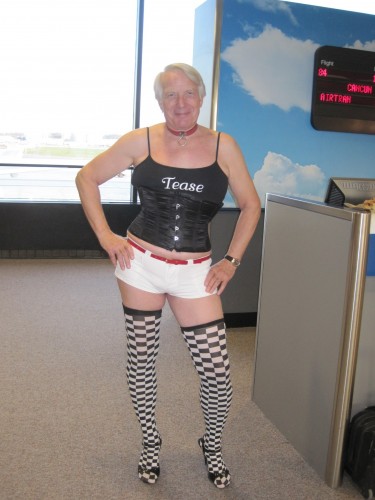
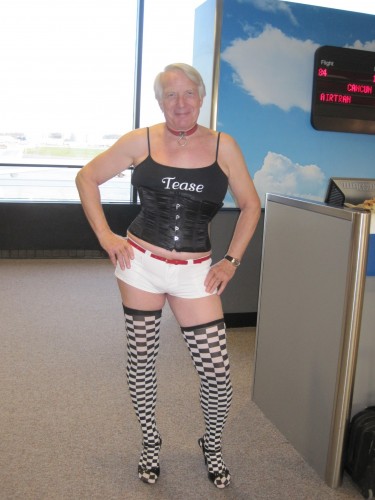
No one wears their Sunday best to fly anymore, and some people hardly wear anything.

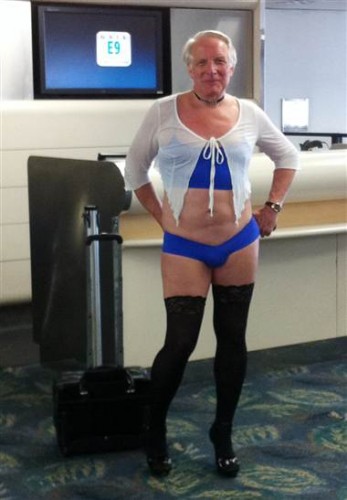
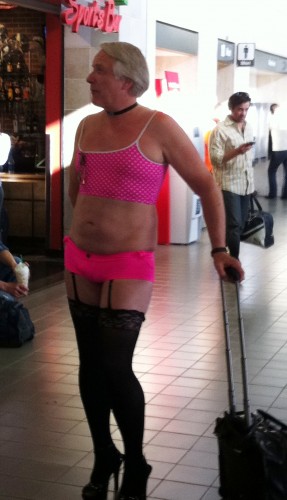
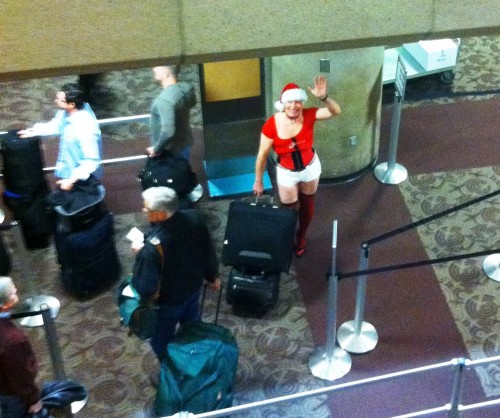
This man flies regularly on US Airways, in equally fetching outfits. Back in 2007, you may remember, student and Hooters waitress Kyla Ebbert was asked to leave a Southwest Airlines flight because a crew member declared her in-flight attire too skimpy. It may have been: when she visited the “Today” show wearing the same outfit, rebroadcasts were edited because Ebbert flashed the national television audience when she sat down.

Bawdy browsers

Not every X-rated website gets blocked by in-flight Wi-Fi and it’s easy for travelers to load porn on portable devices. But watching that stuff on airplanes is just downright creepy.

Stinky snackers

Some people don’t bother to shower before heading to the airport. Others think fried chicken, barbecue ribs and other smelly, greasy and messy meals are acceptable grab-n’-go fare.

They’re not.

This story originally appeared on msncbc.com Overhead Bin blog.

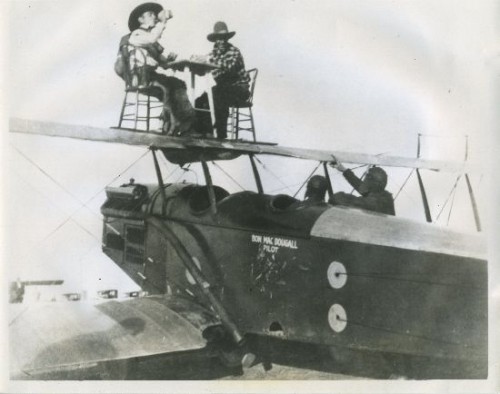
Photo of stunt on wing courtesy The Commons, Flikr  and San Diego Air & Space Museum.


Proper flying attire: baggy pants or hotpants?

I really can’t tell you what thrilled me more today. The photo (above) that Jill Tarlow took of a fellow airline passenger and shared with The San Francisco Chronicle as part of the national discussion about proper flying attire – or all the other photos of this man people began sending me after I wrote about about him on msnbc.com’s Overhead Bin (What will get you kicked off US Airways? Saggy pants or underpants?)

Jessica Villardi took this photo in May

Sean Stecker spotted him in Phoenix around Christmas

And someone else snapped him in this fetching outfit in Baltimore.

You can read more about the mystery man here, but no matter what you think of his outfits, he – and the University of New Mexico football player recently arrested at San Francisco International Airport for allegedly refusing to follow a US Airways crew members’ request to hike up his saggy pants – are fueling a fresh debate about the rights of passengers at the airport and in the air.

Dusseldorf Airport’s far-out food festival

On the first Sunday of each month you’ll find a party or some sort of unusual event going on in the vast public lobby area of Dusseldorf International Airport (DUS).

Last Christmas it was a circus, complete with aerialists and clowns. Last month, the airport was the site of the 2010 German’s best parkour championship. And during the winter Olympics, they trucked in snow and built the world’s largest indoor ski jump right there in the lobby.

What’s on tap for this month’s “Airlebnis,” or air experience?

On July 4th from 11 am until 6 pm, the airport will be hosting a food festival at the airport.

Open to travelers and the general public, “The Terminal Cooks” will include celebrity cooking shows and the opportunity to sit down at one of two long dining tables for a 6-course gourmet meal.

No time to dine? The ‘air experience’ will include cooking classes and lectures on everything from cocktail mixing and sushi rolling to table etiquette and napkin folding.

Why didn’t the helihome ever catch on?

I spent a few hours last week at the RV Museum and Hall of Fame in Elkhart, Indiana, where curator and RV historian  Al Hesselbart was kind enough to give me a personal tour of the collection and share some of his RV stories and photos.  I’ll be including some of the photos in my Well Mannered Traveler column on msnbc.com this week, along with tips on RV etiquette, but wanted to share a few of my favorites right away.

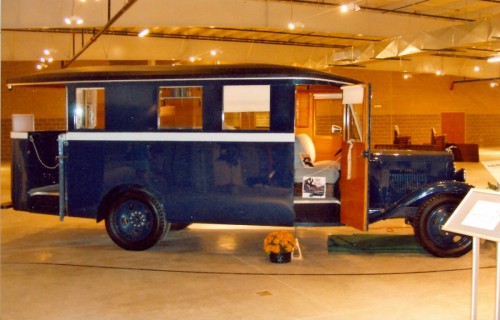
The first is this 1931 Chevrolet Housecar, which was owned by Mae West. Hesselbart is confident West never really camped out in this house on wheels, but rather used this chauffeur-driven model in much the same way modern-day actors use trailers on the set.

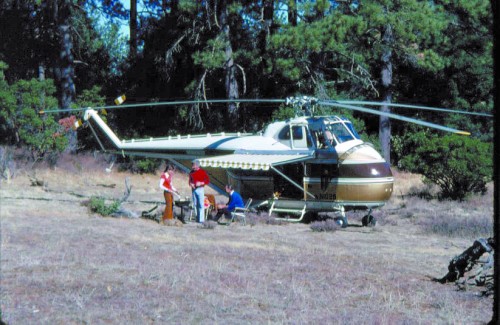
And check out this 1976 Heli-home, a helicopter camper – with canopy – that could sleep six.

If you had one of these, you’d have little chance of getting stuck at the airport on your way to your next camping vacation.

Airport smackdown: it’s “gloves off” when dissing rivals

My “At the Airport” column for USAToday.com this week – Gloves are off as airports go after their rivals in ads – is about airports rolling out funny, “in your face” campaigns.

In a video about San Francisco International Airport, Mayor Gavin Newsom has a cameo. So do Marion and Vivian Brown, the kooky 83 year-old identical twins who have become beloved San Francisco icons.  Designed to promote SFO as the connecting hub of choice for travelers coming to the United States from New Zealand or Australia, the video compares SFO’s airy, light-filled, international terminal to an unnamed airport simply referred to as “the bad airport.”

In this video, the bad airport does look pretty bad. But, marketing experts tell me, that’s what airports have to do these days to stand out.

Another example is the new campaign from Canada’s Edmonton International Airport (YEG), which serves about six million passengers a year. On March 1st the airport rolled out a “Stop the Calgary Habit” campaign, urging residents of central and northern Alberta to stop connecting through or driving to Calgary International Airport (YYC), which serves about ten million passengers a year.  Using the tag line “When you go south, so does your air service,” (Ouch!), the campaign includes short (:15) videos portraying repentant passengers.

There’s also a tool kit that includes a shake-able Magic 8-ball-like sphere offering habit-breaking tips and – my favorite – an “Emergency Hypno Cure.”

Barf bags and skywriting

For years Milwaukee’s General Mitchell International Airport’s (MKE) was marketing itself to northern Illinois as “Chicago’s Third Airport” and back in 2005 mailed out a “Sick of O’Hare?” media kit that included (now highly collectible) air sick bags that said “Feel Better, Fly MKE” and a package of breath mints. A few years later, when the Chicago Cubs were playing the Chicago White Sox at Wrigley Field, MKE hired a skywriter to write the address of the MKE website in the airspace over the game.

Airport spokesperson Patricia Rowe says they don’t do that ‘in your face’ stuff anymore. “Now we spend more time focusing on what’s great about our airport instead of attacking O’Hare.”

Nicer, maybe. But nowhere near as much fun.

To read my USAToday.com story about airport smackdowns, please see Gloves are off as airports go after their rivals in ads.

Airports discover courtesy can help the bottom line.


Noticed some extra nice lately?

For airport employees around the country, courtesy and empathy are becoming part of the basic job description.  Not just because those are nice traits in workers, but because in these belt-tightening times, airports are hoping better customer service can help shore up the bottom line.   In my Well Mannered Traveler column this week on MSNBC.com, I take a look at some of the ambitious customer service programs underway at airports around the country. Here’s a preview.

Polite in Portland

Oregon’s Portland International Airport (PDX) regularly wins awards for its services and maneuverability.  But customer relations manager Donna Prigmore says that’s just not enough anymore. “The economy being what it is, we can’t afford to lose passengers.”  So this month the airport rolled out a “roadway to runway” initiative that challenges everyone who works at the airport, including taxi drivers, TSA staff, and shop employees, to be nicer.  Those who do, can win prizes.

Mindful in Minneapolis

The Minneapolis-St. Paul International Airport (MSP) also regularly wins award for its services and amenities.  Volunteers staff eight information booths but, as you know, not everyone will stop to ask for directions.  So the airport is training a team of roving ambassadors whose job it will be to approach passengers who seem like they could use a bit of assistance.

Lessons at LAX, Plans in Pittsburgh

Around the country, many other airports have signed up for the Tom Murphy’s Resiliency Edge program, which is based at New York’s Fordham University. Scores of workers at the New York City-area airports (Newark Liberty, JFK, and LaGuardia) have already taken the course, which teaches employees strategies that can help them deal – calmly and effectively – with passengers who are apt to be stressed out, clueless, irate, confused or, often, all of the above.  I had the opportunity to sit in on one of the classes at Los Angeles International Airport (LAX), and watched a role-playing exercise that pitted a gaggle of needy and insistent passengers against a customer service employee.  Murphy’s advice to the class: you can’t solve every problem but try to be empathetic, a good listener, adaptable, and a creative problem solver.  “If you can do that well,” says Murphy, “You’ll be more resilient, less stressed yourself, and better able to neutralize the irritations in a customer’s experience. We call that N.I.C.E.”

During the recent winter storms, nice-training benefited some arriving passengers at Pittsburgh International Airport (PIT). Late on a snowy Friday night, planes were still landing and passengers were still arriving, but taxis and hotel shuttle buses had stopped running.  Instead of allowing about 125 people to spend the night stuck at the terminal, several airport workers arranged for one of PIT’s employee buses to drive those travelers to area hotels. “It will cost the airport a couple of hundred bucks to cover that,” airport executive director Brad Penrod to me, “But they saw a problem, solved it, provided a needed customer service, and created a great deal of good will.”

Nice!

Have you noticed airport employees going out of their way to be nice? Please share you story.

Greetings from New Zealand’s Auckland Airport

First impressions are important, especially if you’re a city and you’d like folks who are just passing through to come back and stay awhile.  So you’d think every city would want its airport – its front door – to be all pretty and nice.

Like, say, Auckland Airport. Check out what greets visitors arriving on international flights:

Auckland welcome

No one is going to mistake this for an airport in Omaha, now are they?

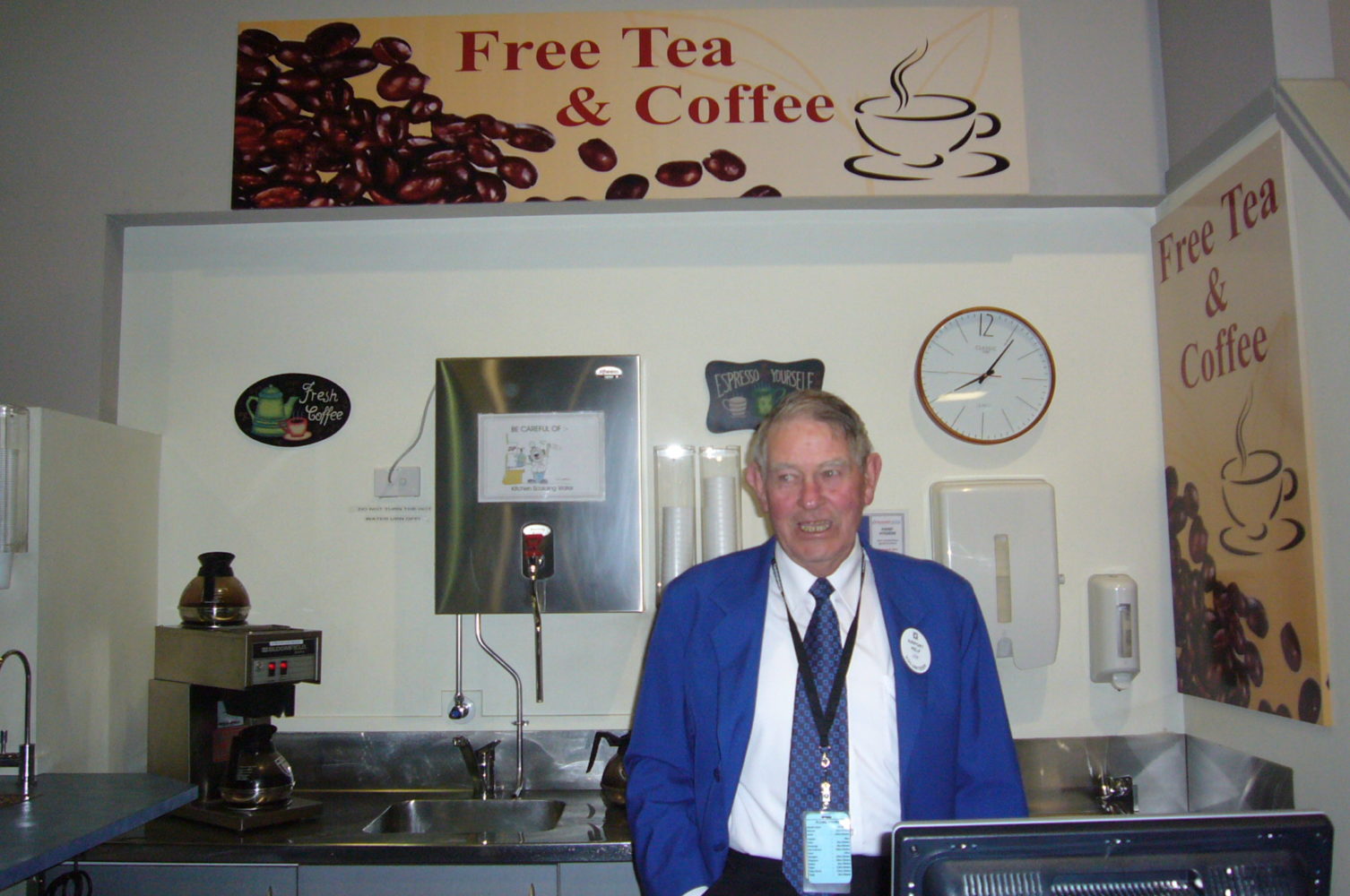
And here’s another nice touch:  volunteers at the Auckland airport greet every international flight with complimentary coffee, tea, and travel information.

P1060763

Air New Zealand Matchmaking Party – kisses all around

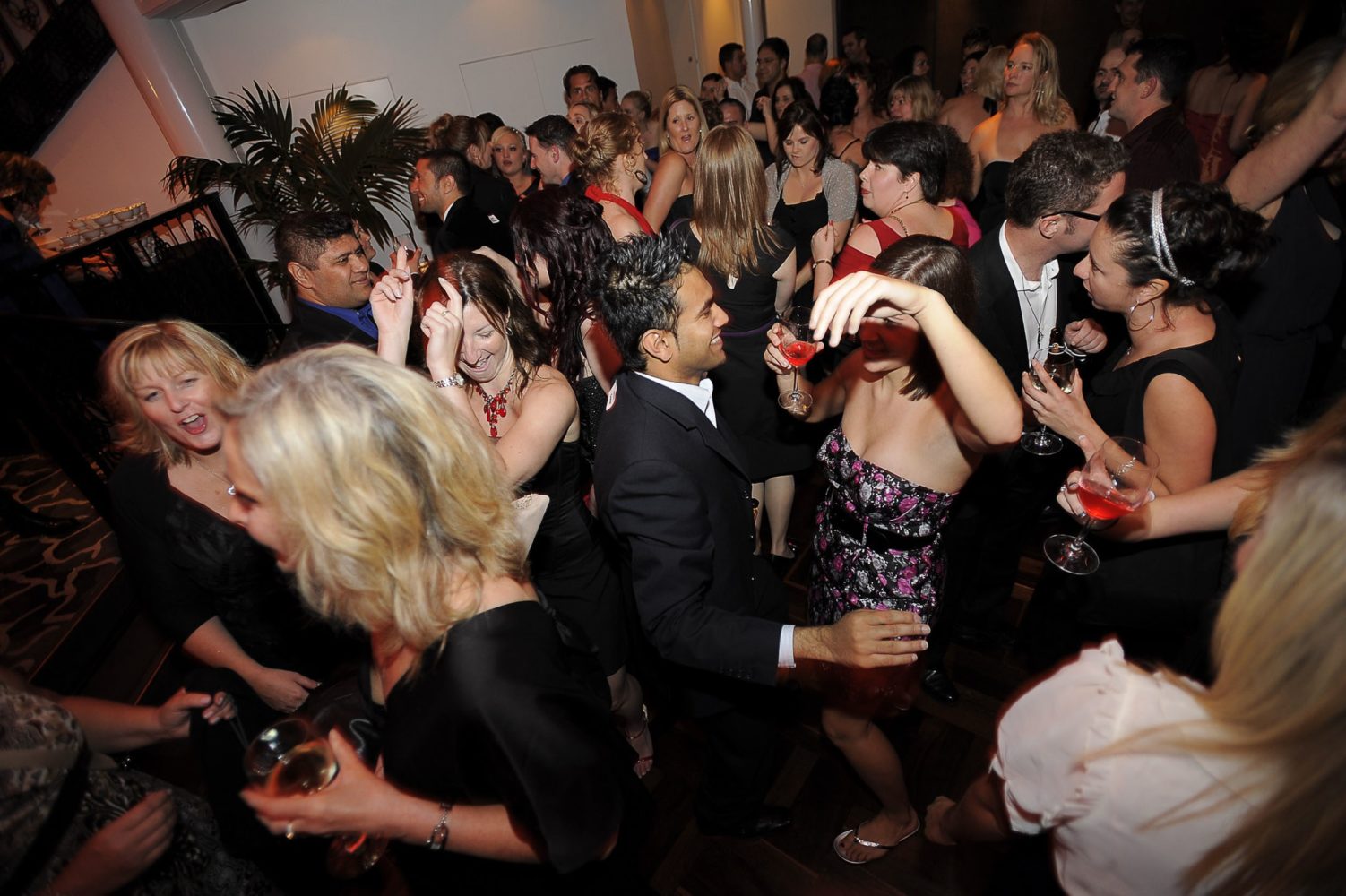
Last night, acting, looking, and in a few cases smelling like a bunch of junior high kids embarking on their first prom, about a hundred of the Americans who flew to Auckland on Air New Zealand’s Matchmaking Flight joined 150 nattily-dressed Kiwis for the Great Matchmaking Party.  As billed, it was a night of inter-hemisphere mingling, complete with dating games and dance performances, including a repeat of this choreographed dance the flight crew performed in the holding gate at LAX airport.

Were matches made?  You bet. Were lives changed? Time will tell… but at least everyone has a great story.

Air New Zealand Match Making Party