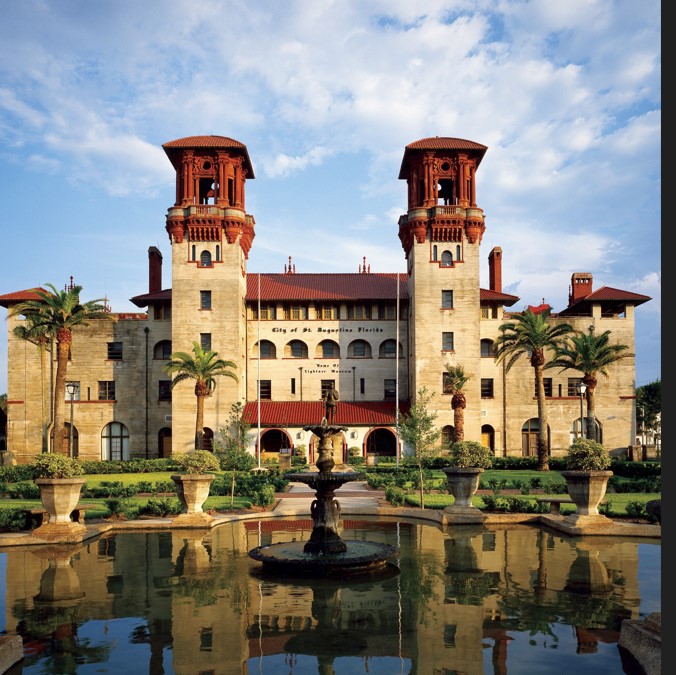
First built as the Hotel Alcazar in 1888, the building opened as the Lightner Museum of Hobbies in January 1948.
The museum was created by Otto Lightner, a great advocate of collecting and the publisher of Hobbies magazine.
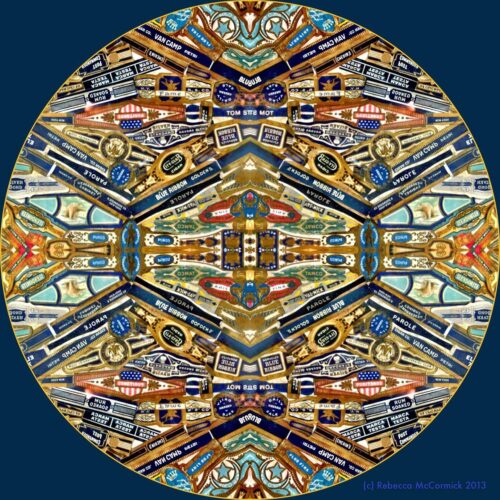
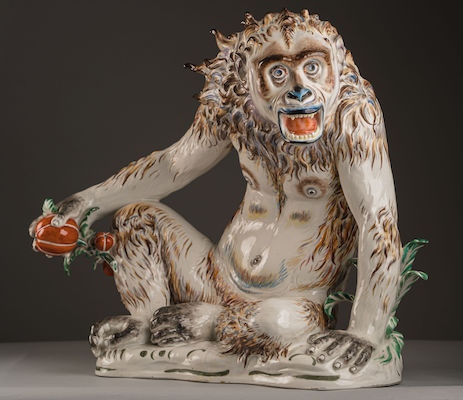
Lightner promoted every kind of hobby, from collecting matchbooks and cigar labels to whittling wood. But he was also a great collector himself and had the means to amass a substantial personal collection of fine and decorative art, natural history specimens, Americana, and just plain stuff.
Cigar Lables
Lightner first opened a museum of hobbies in Chicago in 1934. And in addition to his eclectic and eccentric collections, he encouraged the readers of Hobbies magazine to send him their collections.
They did.
Following a stay in St. Augustine’s in 1946, Lightner purchased the Hotel Alcazar to serve as the permanent home for his collections.
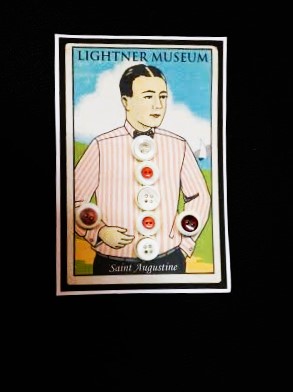
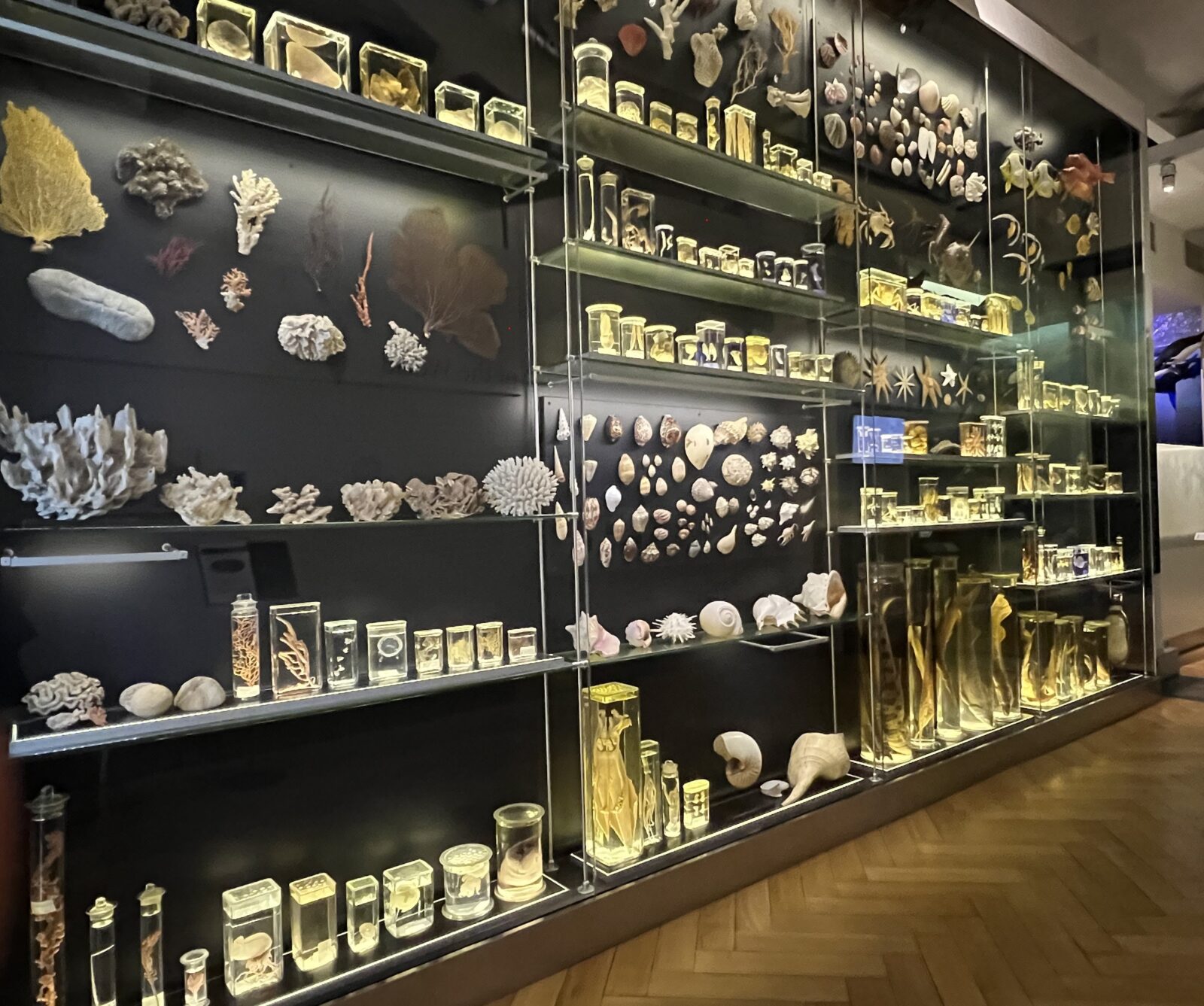
The collections include lamps by Louis Comfort Tiffany, shells, geological specimens, a vast number of salt & pepper shakers, Victurian mechanical insturments, and hundreds of thousands of buttons.
We know there also some shrunken heads in the collection.
And in celebration of the museum’s 75th diamond anniversary in 2023, the museum is hosting a special exhibition titled, 75 for 75.
On display is a selection of artwork and objects from the museum’s permanent collection. The exhibit opens on February 2nd and we’re making plans to visit soon.
From the Lightner Museum Collection
Ride On!
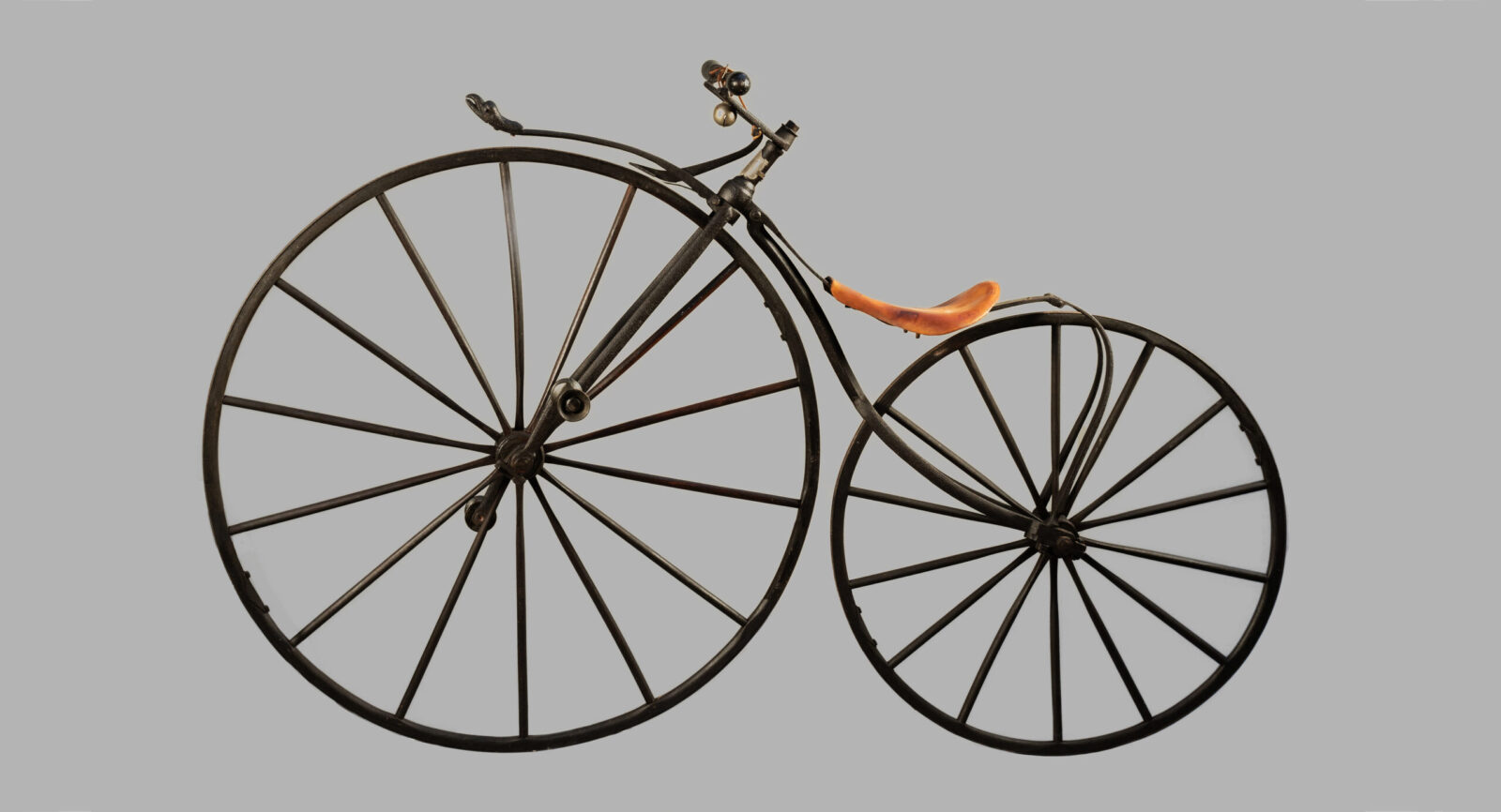
We love anything transportation. So the Lightner Museum’s new exhibit “Ride On!: Historic Bicycles from the Keith Pariani Collection,” is also of great interest.
Here are some of the exhibit notes on the early popularity of the bicycles and the Hotel Alacazar’s ‘bicycle academy:’
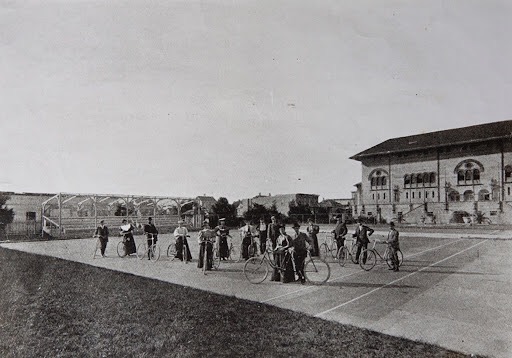
In the 1890s the bicycle took over the hearts and minds of Americans. By the early twentieth century, almost 300 bicycle manufacturing firms were established in the US. Swept up in the craze for cycling, the Lightner Museum’s historic building, the Hotel Alcazar, offered its own bicycle academy, allowing its guests to tour Gilded Age St. Augustine on two wheels.
First developed in Europe in the early nineteenth century, the bicycle took decades of design and engineering to make it safe and convenient for the average rider. The first popular models of the bicycle were high-wheeled and dangerous for unskilled riders because of the frequency of falls. However, with the invention of the “Safety” bicycle, the vehicle became a safer and more popular mode of transportation. The women’s safety bicycle, allowing for women’s dress, helped boost the bicycle’s popularity even more. By the 1890s, the safety bicycle was widely used in the U.S. by everyone, regardless of age or gender, for both transportation and recreation.
The “Ride On!” exhibit runs February 2 through September 30, 2023.
As inflation leads households to tighten their entertainment and travel budgets, many are forgoing trips to museums and cultural institutions, where tickets can often top $25 per person.
This coming Saturday, Sept. 17, might bring some temporary relief.
For the 18th annual Museum Day, a nationwide program spearheaded by Smithsonian magazine, nearly 1,000 museums, science centers, zoos, cultural attractions and historic sites will waive admission fees; visitors just have to download a free ticket.
The event comes at a precarious time for an industry that is trying to regain its financial footing from the pandemic’s disruptions. Attendance was down by nearly 40% last year at many of the nation’s museums, according to the American Alliance of Museums, and curators are trying to entice visitors who may opt to spend their limited leisure dollars elsewhere.
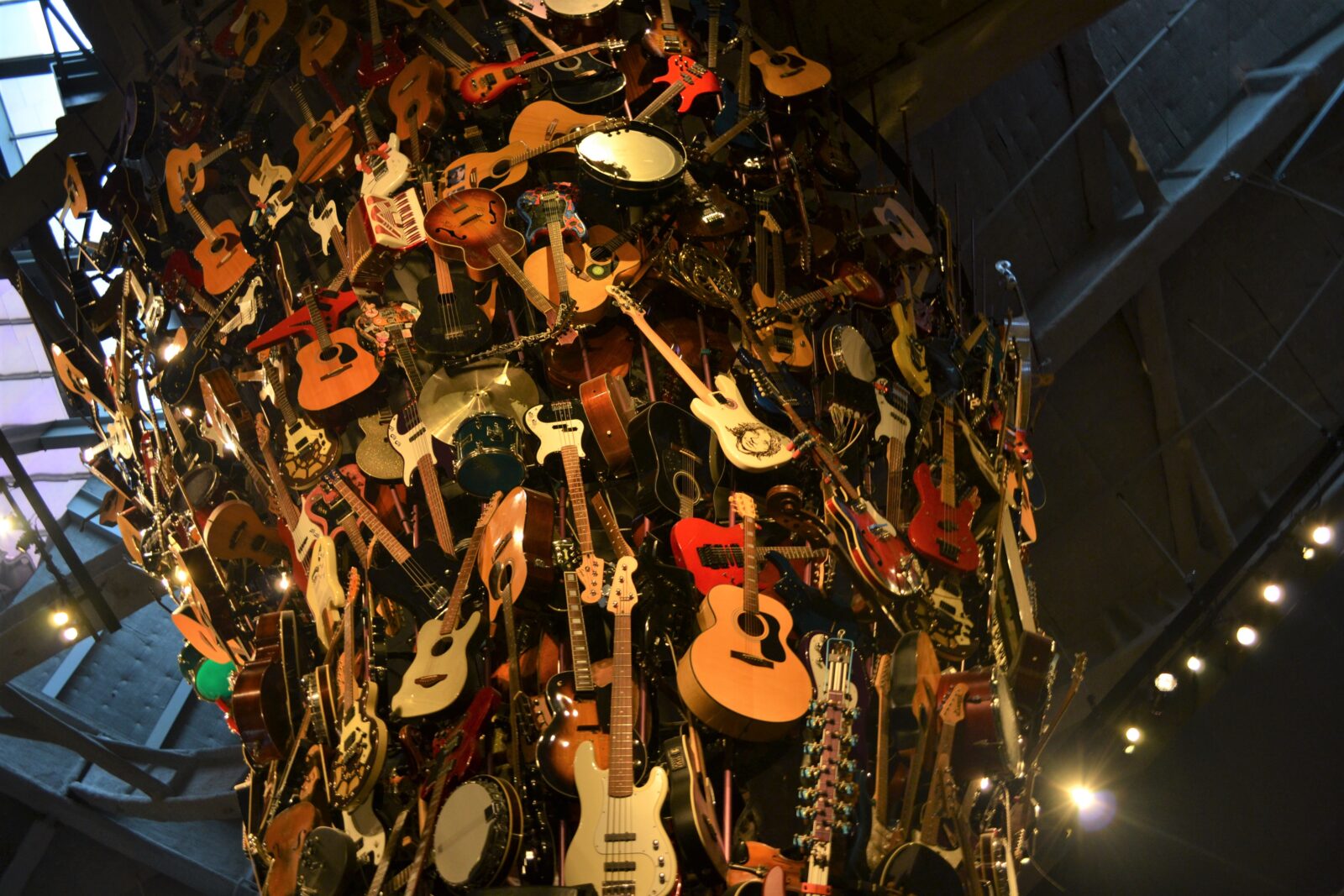
Like many other museums around the country, Seattle’s Museum of Pop Culture hasn’t seen attendance recover to pre-Covid levels. The museum, where current exhibitions run from Afrofuturist costume design to hometown rock band Pearl Jam, offers entry starting around $25 but will waive admission fees on Saturday for Museum Day ticket holders.
“After a strong spring where we exceeded attendance expectations, the summer has slowed down a bit,” said MoPOP spokesman Michael Cole-Schwartz. “We largely attribute that to high gas prices dissuading regional visitors we might have otherwise expected.”
Drew Ramsey, a security engineer from Phoenix, seeks museum discounts “sometimes obsessively” while traveling with his family. “I will comb a place’s website, search social media and message boards, and check deal sites like Groupon to ensure I’m getting the best admission prices available,” he said.
He’s discovered that some marquee venues rarely offer discounts, but that hasn’t always deterred him: “Why make the effort and pay to visit somewhere and then skip the prime attractions?”
If Covid restrictions and mandated closures weighed on Museum Day last year, this year’s event coincides with inflation that is just starting to cool off from 40-year highs — which could raise the appeal of waived entry fees. Admission prices for museums, movies, concerts, theme parks and other cultural activities were 6.2% higher last month than they were in August last year, federal data show.
Museum Day offers entry fee relief
Courtesy San Fransico Museum of Craft and Design
To offer a break from those cost pressures, sites participating in Museum Day are rolling out bonus programming, new exhibitions and other ways to both lure in visitors and delight them enough to return after the admission holiday ends.
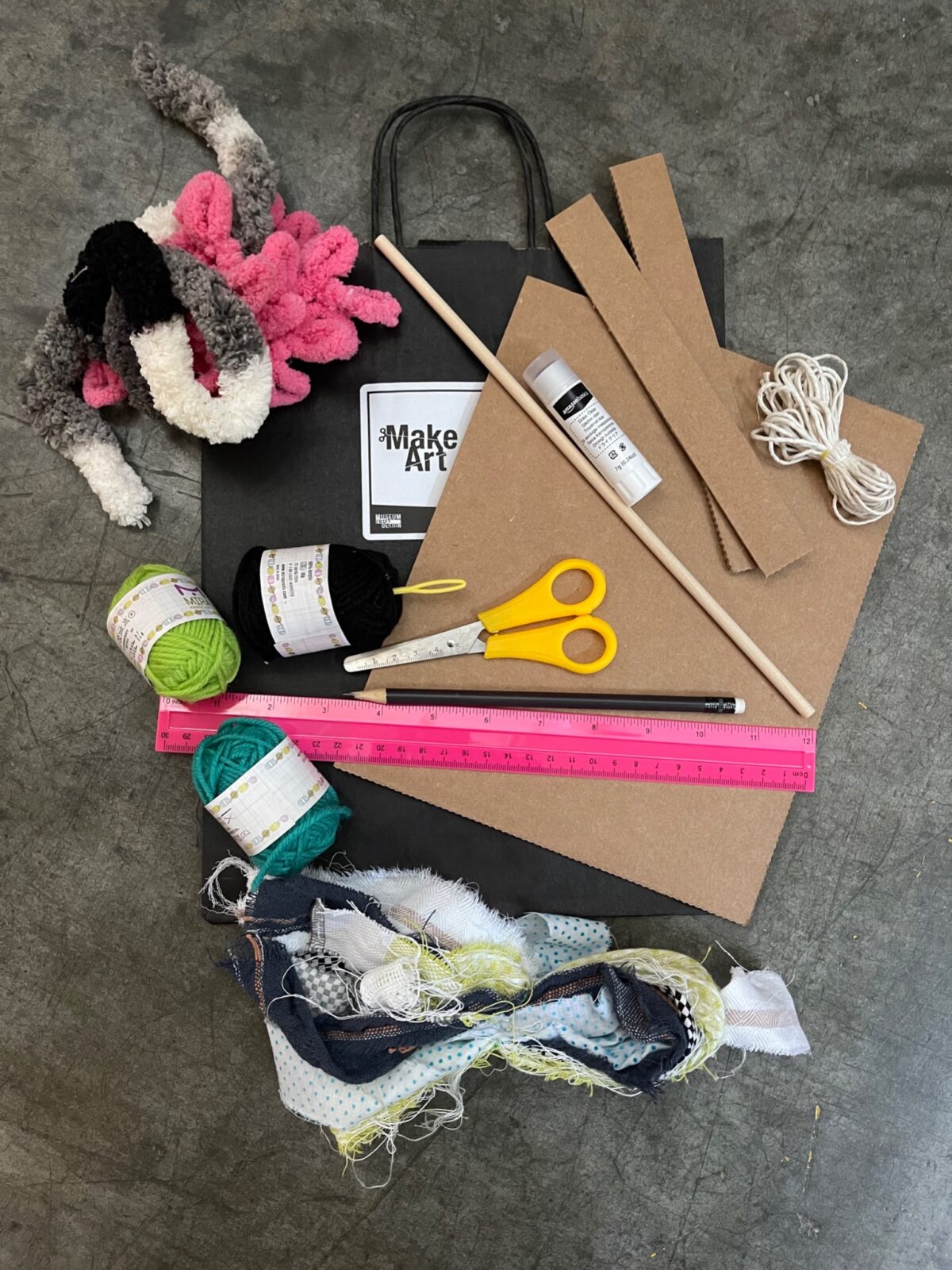
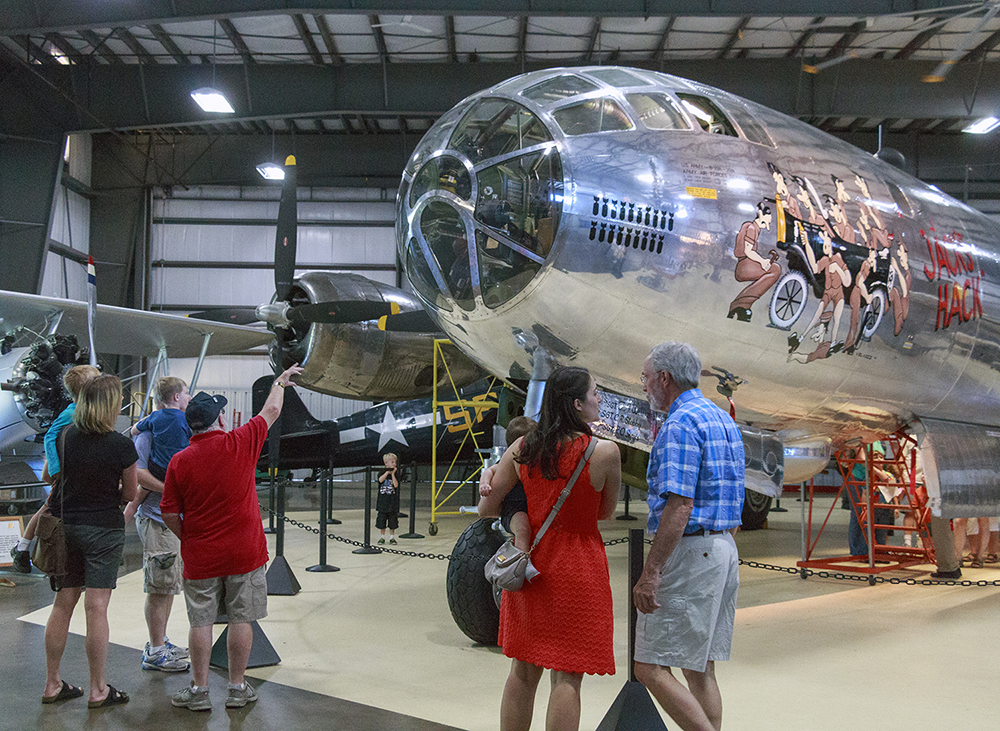
Honolulu’s Pearl Harbor Aviation Museum (adult admission: $25.99) will offer family-friendly activities including open cockpits, scavenger hunts and a Rosie the Riveter costume contest. The American Kennel Club Museum of the Dog in New York City (adult admission: $15) debuts its 40th-anniversary exhibition on Wednesday, just in time for Museum Day. And at San Francisco’s Museum of Craft and Design (adult admission: $10), visitors will be able to join craft activities or leave with a free kit of art supplies.
This is the fifth year MCD is participating in Museum Day. It expects hundreds of visitors with free passes to show up and “try something new or take a chance on something they might not have otherwise,” said museum spokeswoman Sarah Beth Rosales.
Museums earn around 40% of their revenue from admissions, facility rentals and gift shop sales, according to the American Alliance of Museums. “They are certainly grappling with the impacts of rising inflation and the massive financial impact the pandemic had on their operations over the last few years,” said AAM president and CEO Laura Lott.
Sixty-one percent of museums AAM surveyed last winter reported an average 38% decrease in net operating performance, and 27% said their performance sank even further in 2021, by an average of 33%. Lott said she expects ongoing financial difficulties to persist into next year.
How are museums coping?
Many museums have shaved staff and programming. Nearly three-quarters of museums in AAM’s survey said they’d managed to retain or restore all their workers, with often vital support from government relief funds.
But more than half the museums with job openings reported difficulty filling roles. Employment in the nation’s museum sector stood at around 92,400 in July, according to preliminary data from the Bureau of Labor Statistics, up from 79,000 a year earlier but well below the 103,600 in July 2019.
Some museums have raised admission fees to help shore up their finances. In July, New York City’s Metropolitan Museum of Art hiked general admission to $30, a $5 increase, for visitors who aren’t state residents or regional students, groups that can still pay what they wish.
Many other museums have kept prices steady while testing out fresh ways to serve the public. Confronted with Covid-19, institutions across the country launched initiatives — many of them free — to meet community needs, and AAM found that many of those have continued, including online learning programs, food banks and wellness offerings.
During the pandemic, the Mütter Museum at the College of Physicians of Philadelphia opened the previously off-limits second floor of its landmarked building, including the historical medical library, to daily visitors and hosted public and private events in its medicinal plant garden.
In Hutchinson, Kansas, the Cosmosphere, which boasts the world’s largest combined collection of U.S. and Soviet-era space artifacts, remodeled four gallery areas during the pandemic and added a new interactive STEM space that’s free with admission.
The museum hasn’t raised ticket prices and attendance has bounced back quickly, spokeswoman Mimi Meredith said, thanks in part to the “Sunflower Summer” program that began last year and allowed Kansans to visit museums, zoos, historic landmarks and other venues for free this summer as well.
The Cosmosphere has also broadened its regular offerings to include programs tied to special days, such as mathematics celebrations to mark Pi Day on March 14. A few weeks ago, the site set up chairs and big-screen TVs in its lobby for free viewings of the Artemis 1 launch, although NASA wound up postponing two attempts over mechanical issues.
“As families make choices about how to spend dollars that have been stretched farther and farther over the years, we’re trying to be more of a resource for families to experience things together,” Meredith said.
More ways to get free or discounted museum admissions
If you miss Museum Day this weekend, don’t worry. Many museums have regular days or hours when admission is free, discounted or “pay what you wish.” And a membership card from a museum in the North American Reciprocal Museum Association will get you free admission to more than 1,000 member museums in the U.S., Canada, Bermuda, El Salvador and Mexico.
In some American cities, a group of museums may offer free admission on the first Thursday or Friday of a given month or, like Seattle and San Diego, offer two-for-one deals during the winter when few tourists are in town. Some sites, like Chicago’s Field Museum, offer state residents free entry on select days. And in Washington, D.C., admission is always free at Smithsonian Institution venues, including the National Air and Space Museum, the National Museum of African American History and Culture and the National Zoo.
The Blue Star Museums program provides free admission to active, retired and veteran military personnel and their families during the summer. The Museums for All program offers free or reduced admission year-round to visitors with public assistance (EBT) ID cards. And many public libraries have museum passes that can be checked out free to anyone with a current library card.
“We hope that free admission days will entice community members, new residents and travelers to visit museums they never have experienced before and expand their appreciation for the incredible gems that may have always been in their backyards,” said AAM’s Laura Lott — and, of course, maybe come back again as paying guests
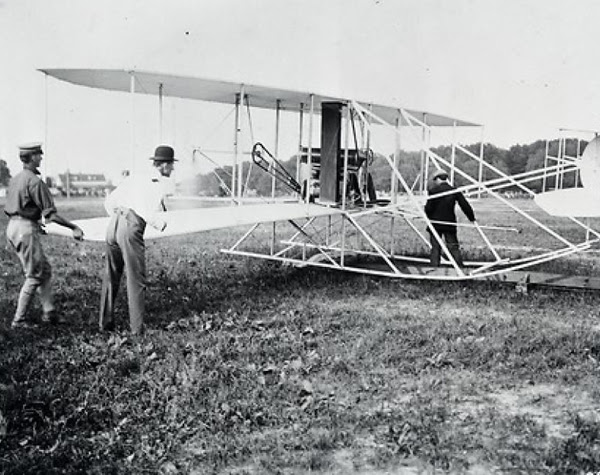
1909 Wright Flyer – Courtesy Smithsonian National Air & Space Museum
The Smithsonian’s National Air and Space Museum in Wahington, D.C. has been undergoing a seven-year renovation that includes the redesign of all 23 exhibitions and presentation spaces.
The big reveal is around the corner. Approximately half of the building will reopen on Friday, October 14 and will include eight new and renovated exhibitions, the planetarium, the museum store, and Mars Cafe.
And, while admission to the museum is free, you’re going to need a timed entry pass ticket.
Here’s how to get a ticket:
Free passes will be available online starting Wednesday, Sept. 14.
Each person will be able to reserve up to six passes per day for a specific entry time.
To enter the museums, visitors will need to show their digital timed-entry pass on their mobile device or a printed copy of their time-entry pass.
Visitors will be able to enter the Museum for up to one hour after the time on their entry pass. If you show up more than an hour after the time on your entry pass you’ll only be able to enter the museum if walk-up passes are available.
The link to reserve tickets will go live on September 14 at noon ET and can be accessed from the museum’s website.
The museum will release individual passes for six-week periods at noon ET on the following dates:
Release Date
Passes Available
Sept. 14, 2022
Oct. 14 – Nov. 30, 2022
Oct. 28, 2022
Dec. 1, 2022 – Jan. 14, 2023
Dec. 16, 2022
Jan. 15 – Feb. 28, 2023
Jan. 27, 2023
March 1 – April 14, 2023
In addition to these advance ticket releases, a limited number of same-day passes will be released each day at 8:30 a.m. ET beginning Oct. 14.
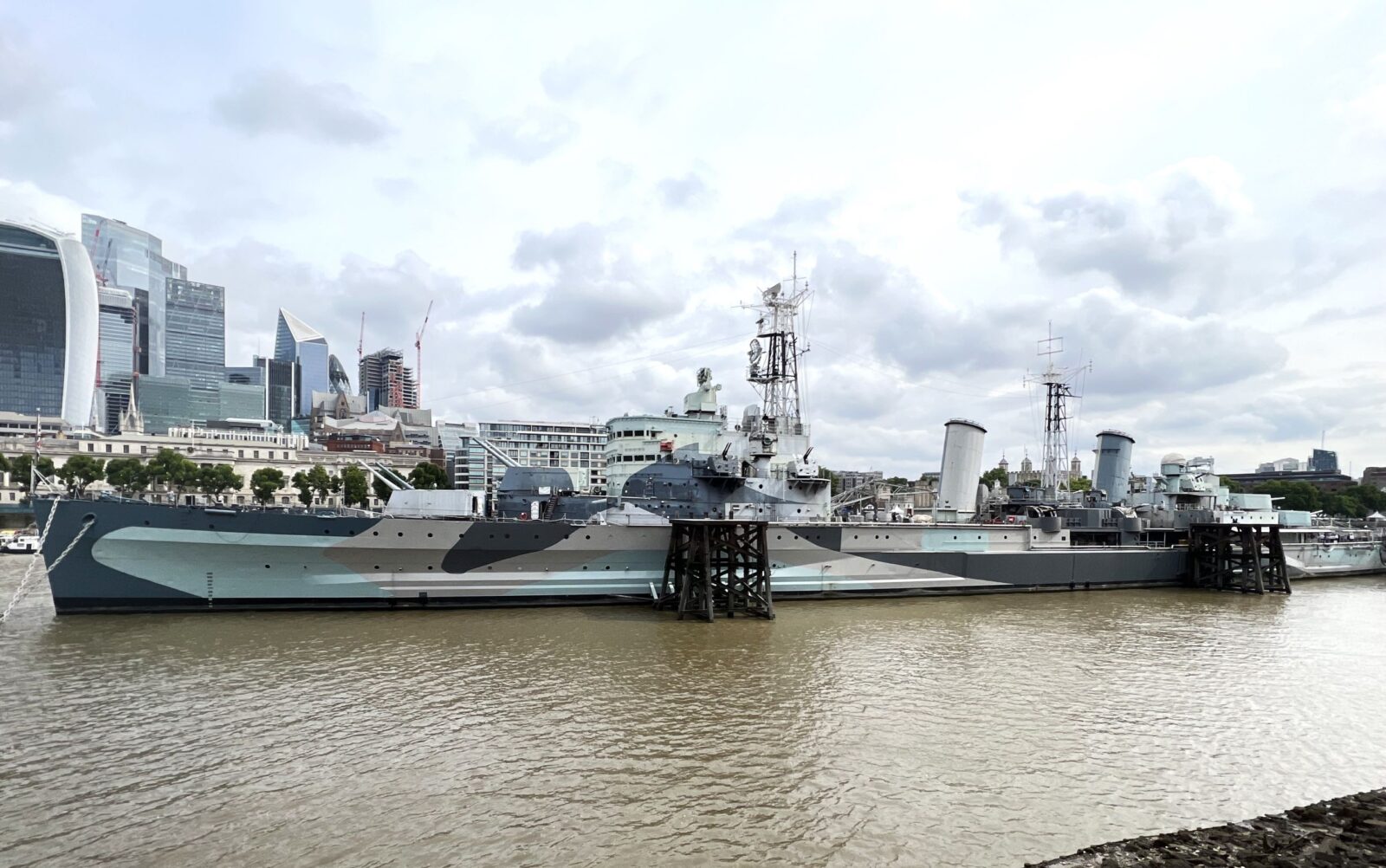
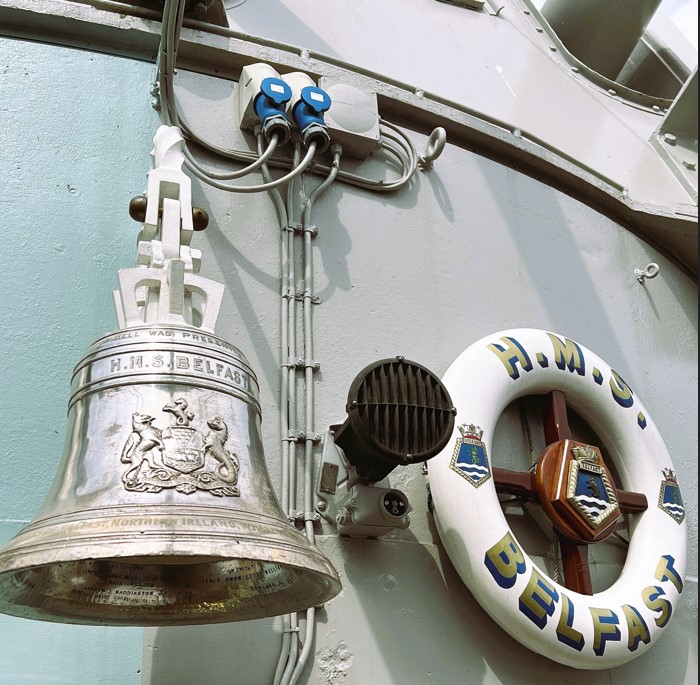
For Museum Monday, we’re highlighting the HMS Belfast. This is a historic warship and a 9-deck floating museum permanently moored in London on the River Thames.
The Royal Navy ship is named after the Northern Ireland city of Belfast and is operated as one of the Imperial War Museums’ 5 sites.
The ship was launched on St. Patrick’s Day in March 1938 and saw action during World War II and the Korean War
Visitors should wear sturdy shoes and arrive ready for a workout. You’ll walk the ship’s nine decks and climb up and down steep ladders while learning about the ship’s role in naval history and the daily life of sailors that served on board.
What You’ll See on the HMS Belfast
Visitors to the HMS Belfast will get to see, and in some cases, experience areas of the ship that include giant machine rooms, the gun turret, and the Operations Room (with simulated radars, equipment lights, and touchscreen plotting table). Below the Water line is where the shell room, boiler room, and engine room are located.
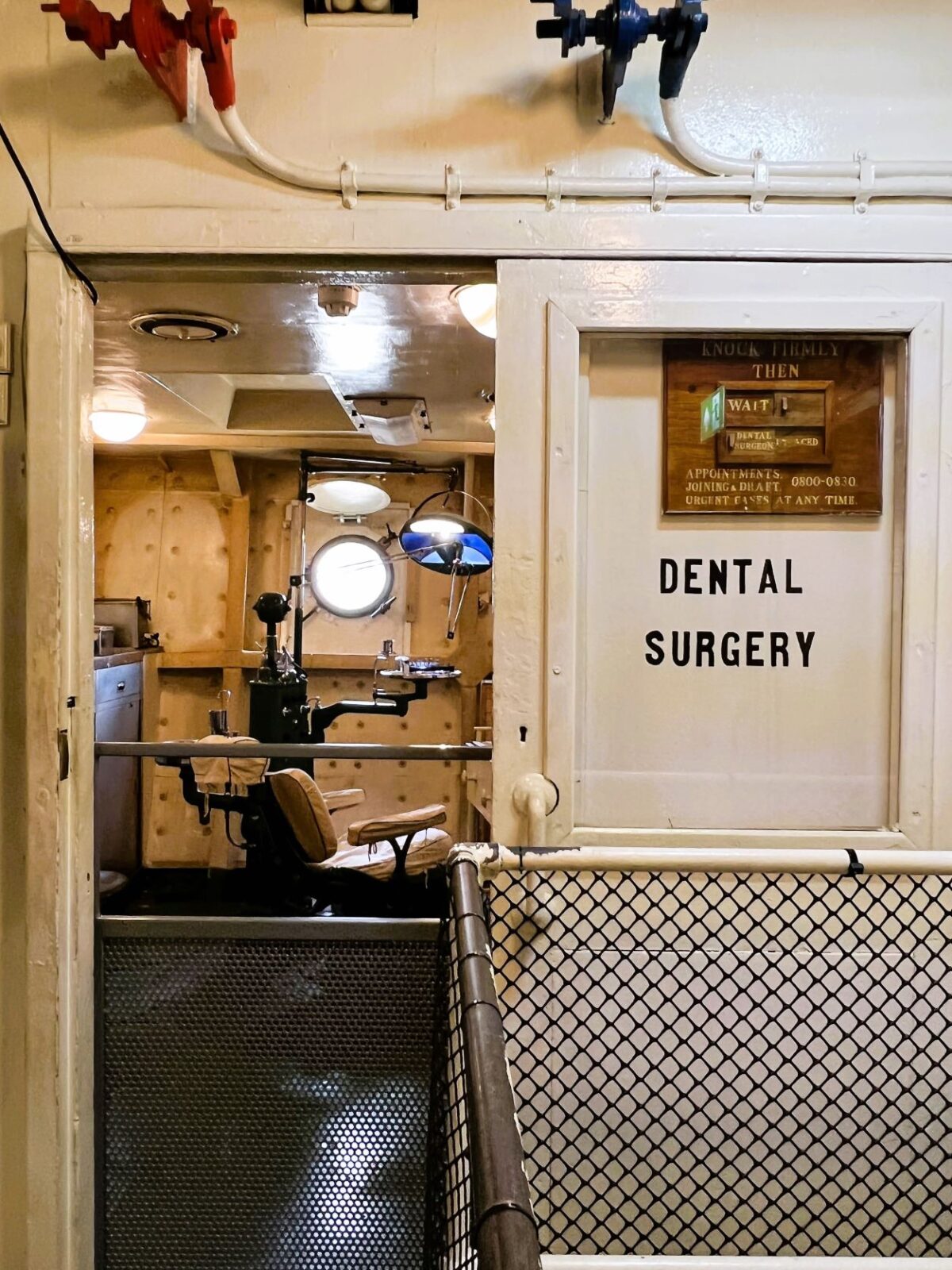
950 people at a time lived and worked on the ship, so you’ll also see the ship’s mess deck, chapel, radio station, medical bay, dentist’s office, and bakery.
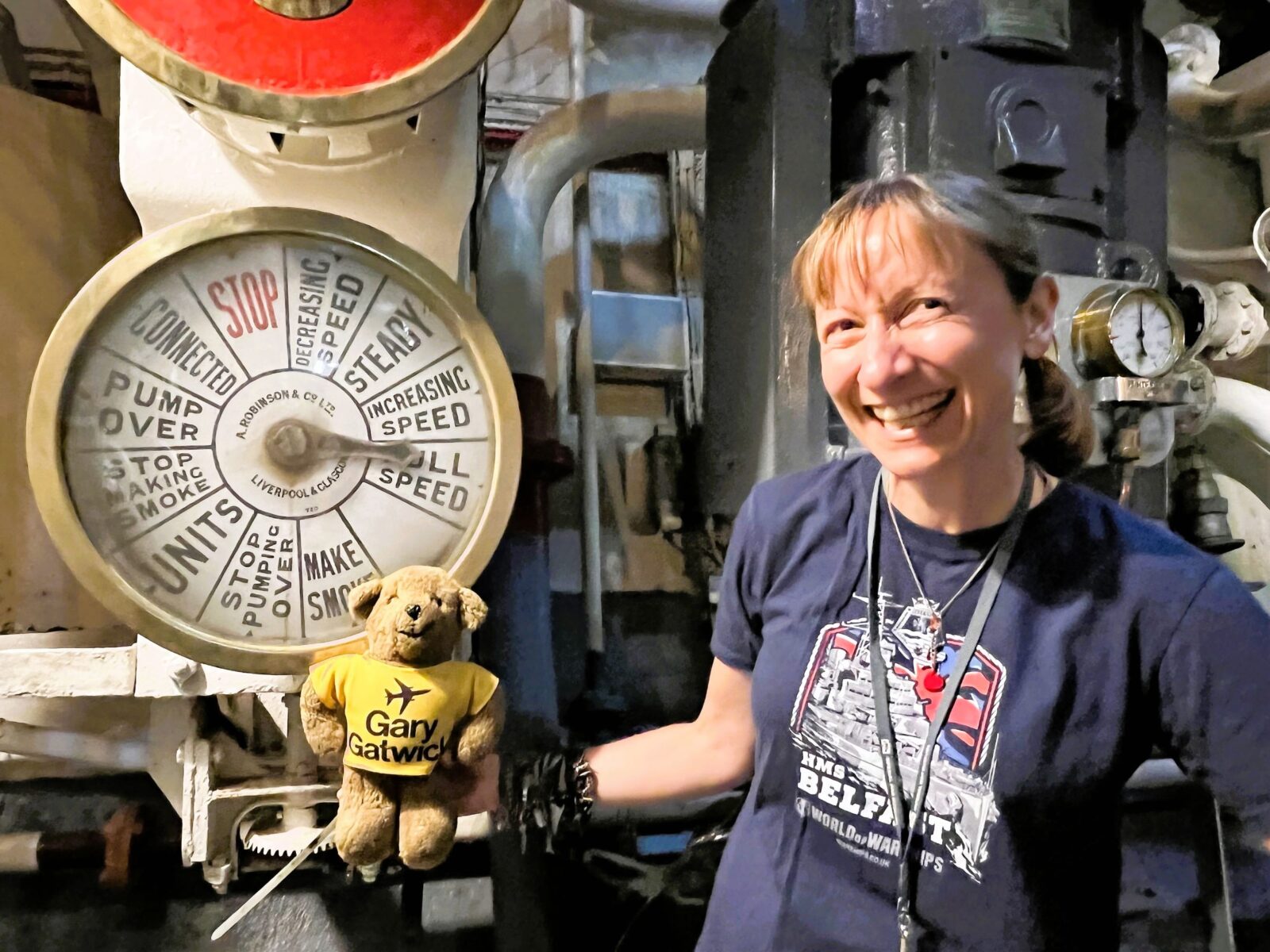
Ngaire Bushell, from the Imperial War Museum Public Engagement and Learning Team
Most visitors to the HMS Belfast take self-guided tours with the aid of the audio tour included in admission.
But because we were tagging along with Gatwick Airport mascot, Gary Gatwick, our ship guide was the nimble and knowledgeable Ngaire Bushell, a producer from the Imperial War Museum’s Public Engagement and Learning Team.
She not only knows everything about the history of the HMS Belfast and all its nooks and crannies but has met many sailors who served on the ship over time.
Planning an HMS Belfast visit? Here’s a short video about exhibits and experiences added and updated while the attraction was closed during the pandemic.
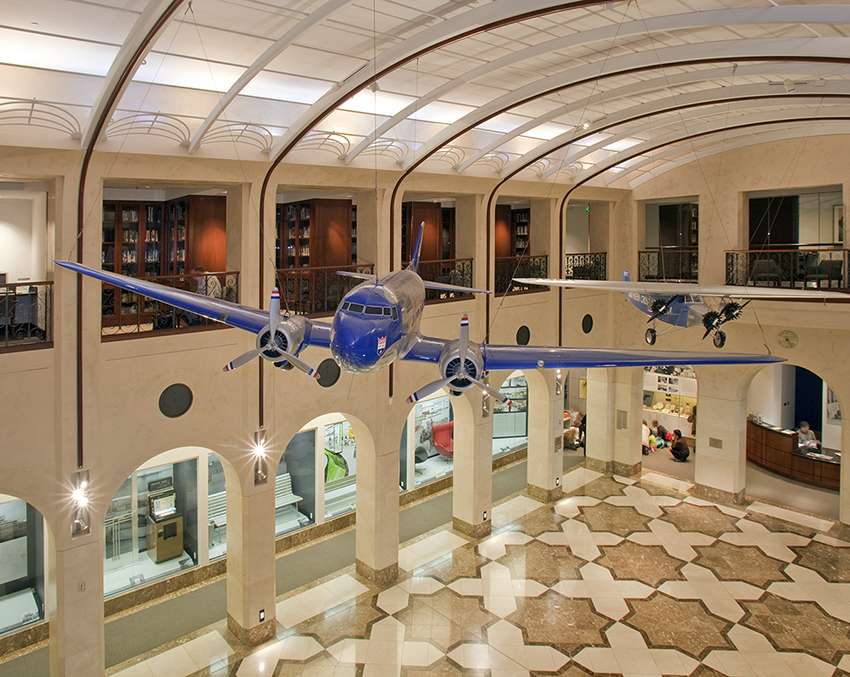
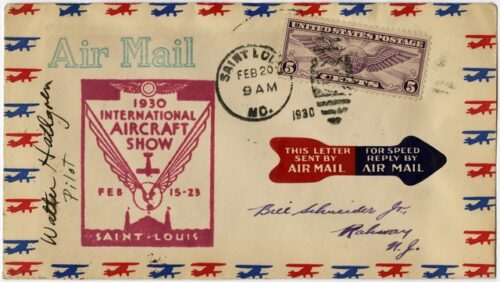
As fans of airports, libraries, aviation history, and museums, we’re delighted that San Francisco International Airport (SFO) has reopened the Louis A. Turpen Aviation Museum & Library after a two-year closure.
The facility is named after a former airport director and sits pre-security in the Main Hall of SFO’s International Terminal.
The retro look intentionally evokes the airport’s passenger lobby from the 1930s.
The museum is home to more than 150,000 objects related to the histories of commercial aviation and San Francisco International Airport. And during the facility shutdown, SFO Museum staff spent time doing an extensive digital construction of the museum’s Aviation Collection.
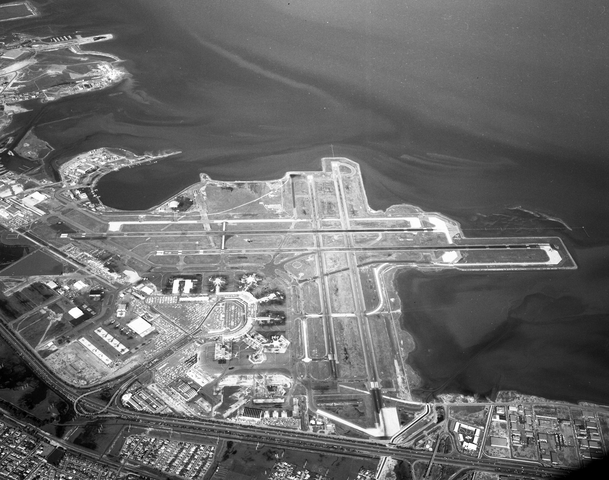
Aerial view of SFO – 1966
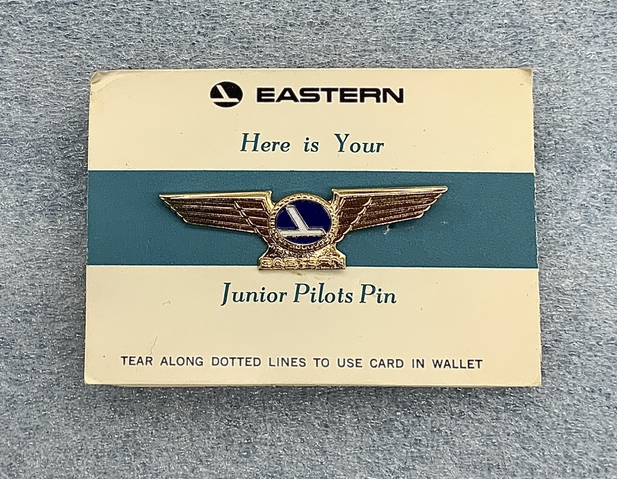
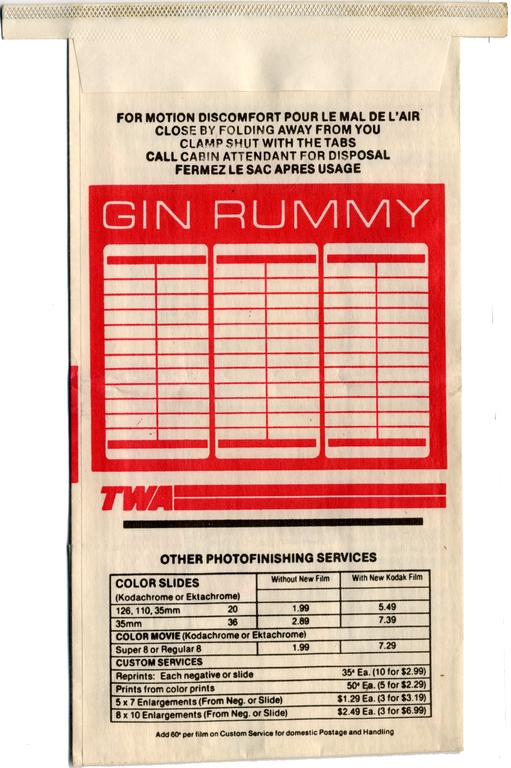
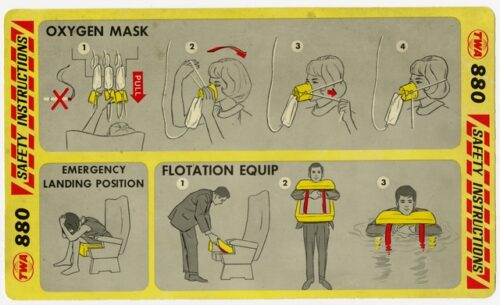
Now there are more than 40,000 objects accessible online. And more material is being added each week. Online highlights include the history of SFO airport; material relating to major airlines such as Pan Am and United Airlines; and photographs, uniform pieces, and other aviation memorabilia, such as Junior Pilots Pins and airsickness bags.
But if you’re just interested in poking around, beware.
We started this post three hours ago and went down a serious rabbit hole once we started clicking on the “random object” button.
Visit the Aviation Museum & Library in person
With its reopening, the Aviation Museum & Library is also launching a series of new exhibitions that passengers may visit in person. Exhibits include:
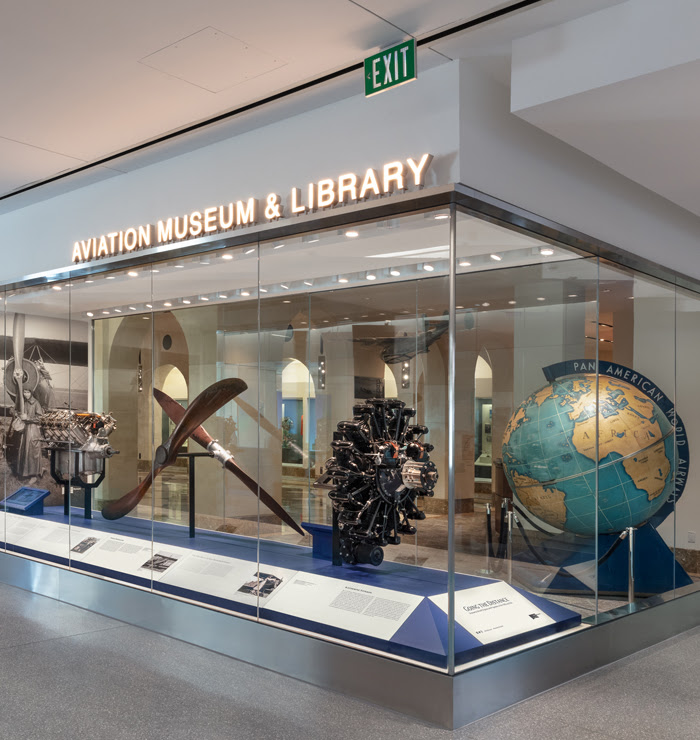
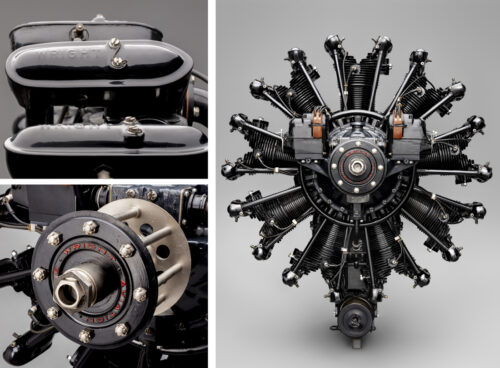
Going the Distance: Endurance Aircraft Engines & Propellers of the 1910s & 20s.
This exhibit includes two groundbreaking engines, the V-8 Curtiss OXX-6 and the Wright J-5 Whirlwind radial engine, two related propellers, photographs, and more.
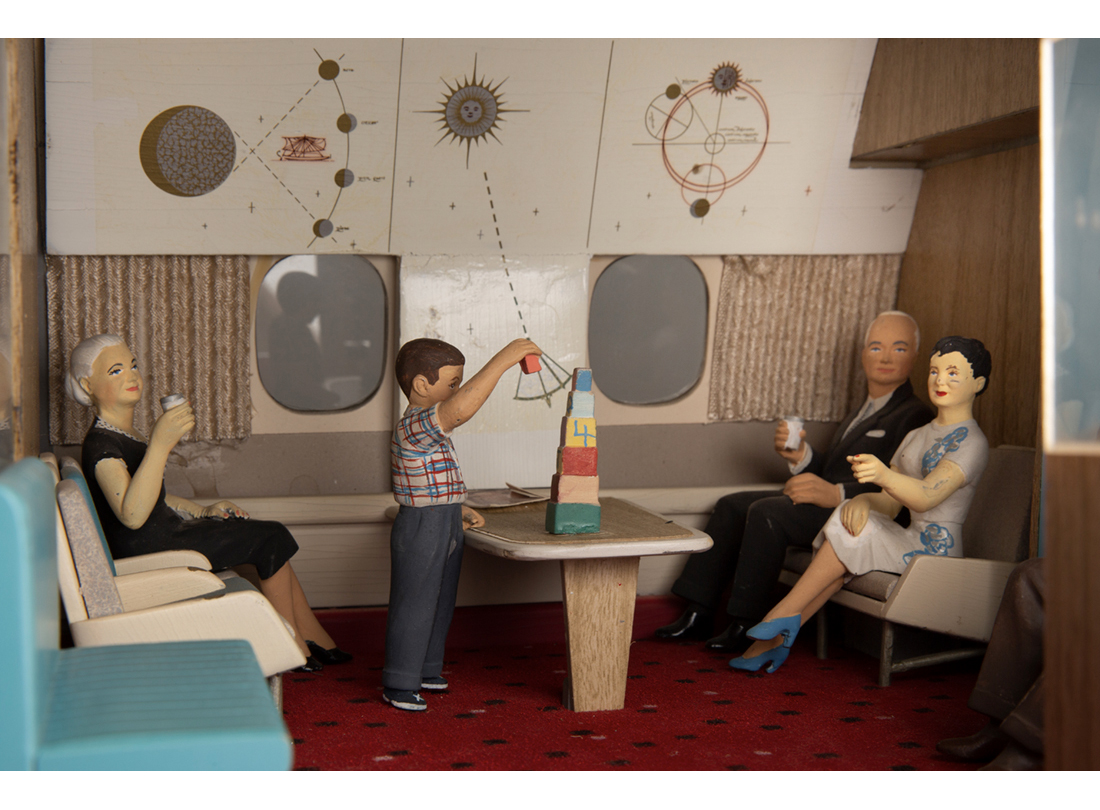
Jet Mainliner in Miniature: the United Air Lines Douglas DC-8 Cutaway Model
This exhibit shows off a late-1950s United Airlines cutaway model of a DC-8. Historical photographs, promotional materials, and video clips from United’s promotional film ‘Jet Mainliner Flight 803’ are also on display.
There are also several other new exhibits in the reopened aviation museum at SFO, making this a great time to schedule a long layover to take in these and some of the 20 exhibits the SFO Museum presents throughout the terminal buildings.
All photos and images are courtesy of the SFO Museum.
Head here to see snaps and some fun details from our flight over and a “get-to-know-Helsinki” walking tour. We’ve moved along to the Lahti region now, but have a few Helsinki museum spots to share.
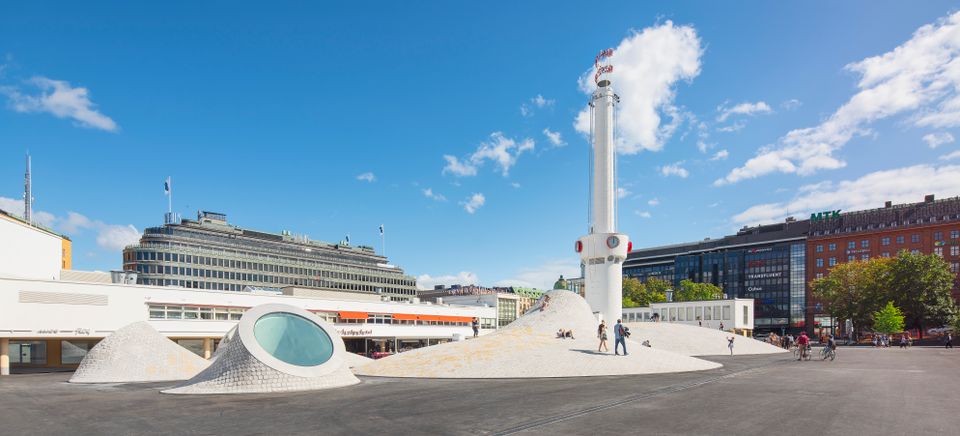
Amos Rex Art Museum
Courtesy Amos Rex Museum
Helsinki’s Amos Rex art museum occupies the site of a former bus station and has a popular public square up top and a sunken gallery below.
To give you an idea of the type of art the curators are thrilling the city with, here’s an image of a cacophony of reclaimed chairs flowing over the roof of the building that’s one part of a site-specific piece titled The Nest, by Japanese contemporary artist Tadashi Kawamata.
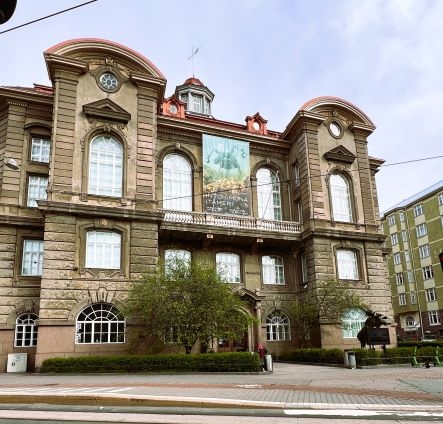
Finnish Museum of Natural History
Our museum team loves natural history museums, so we made sure to visit the Finnish Museum of Natural History, which has five permanent exhibitions, including Finnish Nature, World Nature, and The Story of the Bones.
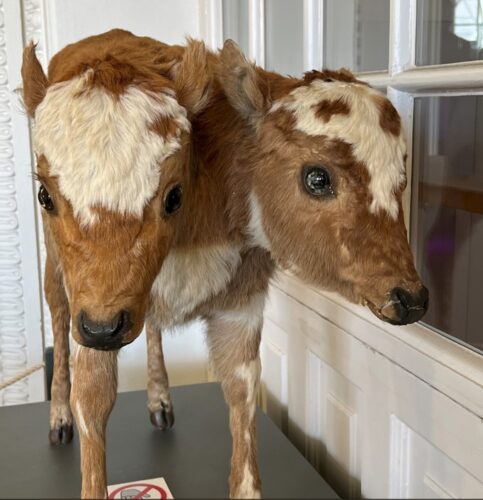
We were delighted to spot a rare two-headed calf on display as well as skeletons and specimens galore.
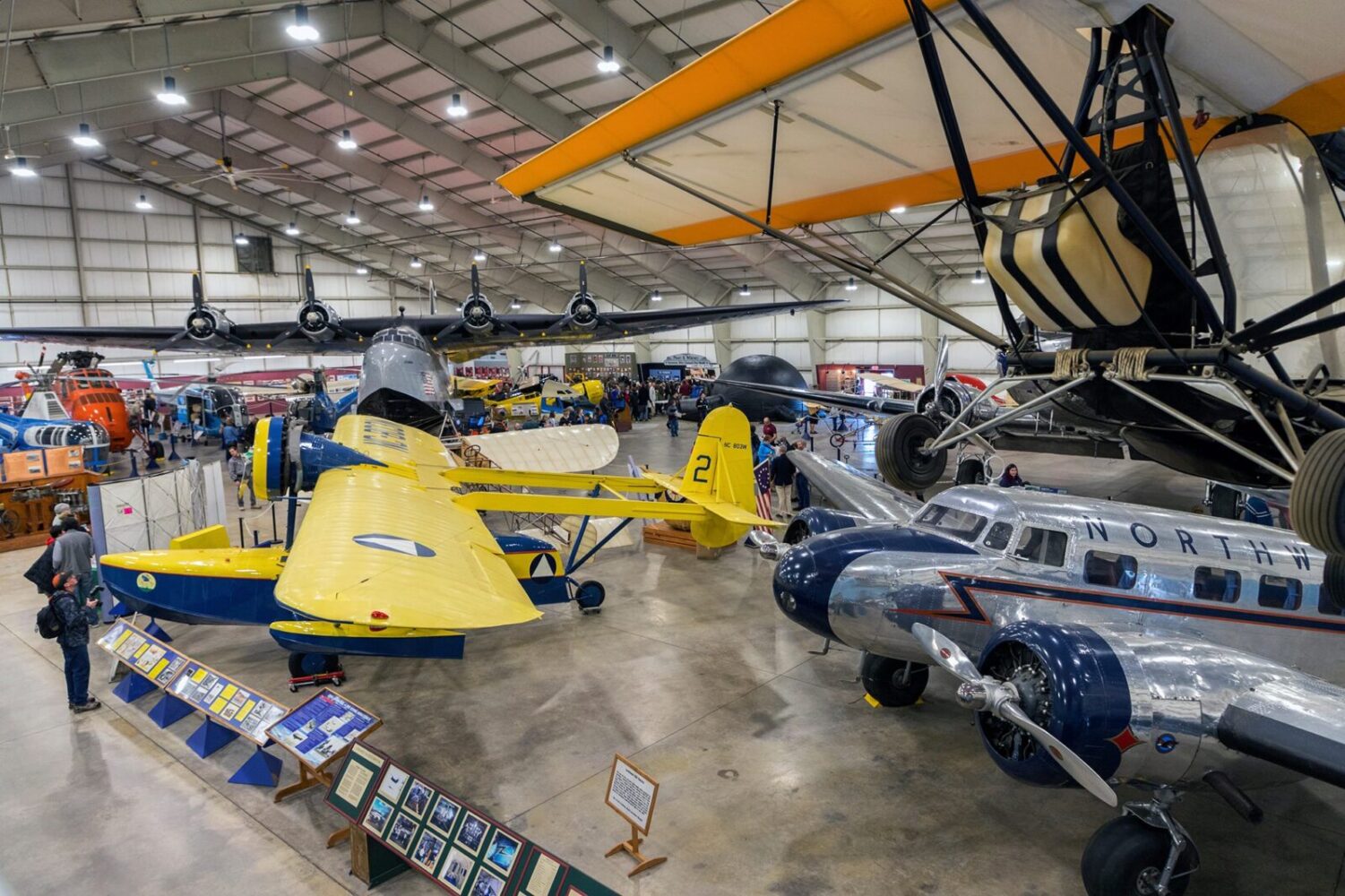
New England Air Museum adjacent to Bradley International Airport (BDL)
May 18 is International Museum Day, which gives us an excuse to talk about some of the great museums in and adjacent to airports around the country.
Having a museum or museum program in an airport just makes so much sense. Millions of people pass through airports each year. Many passengers have plenty of downtime before their flights. And art or history exhibits in airports can connect passengers with a place, inspire them, educate them, or create those sought after moments of suprise and delight.
Here are a handful of airport museums and museum programs to look for on your next trip. Let us know if we missed your favorite.
Phoenix Airport Museum
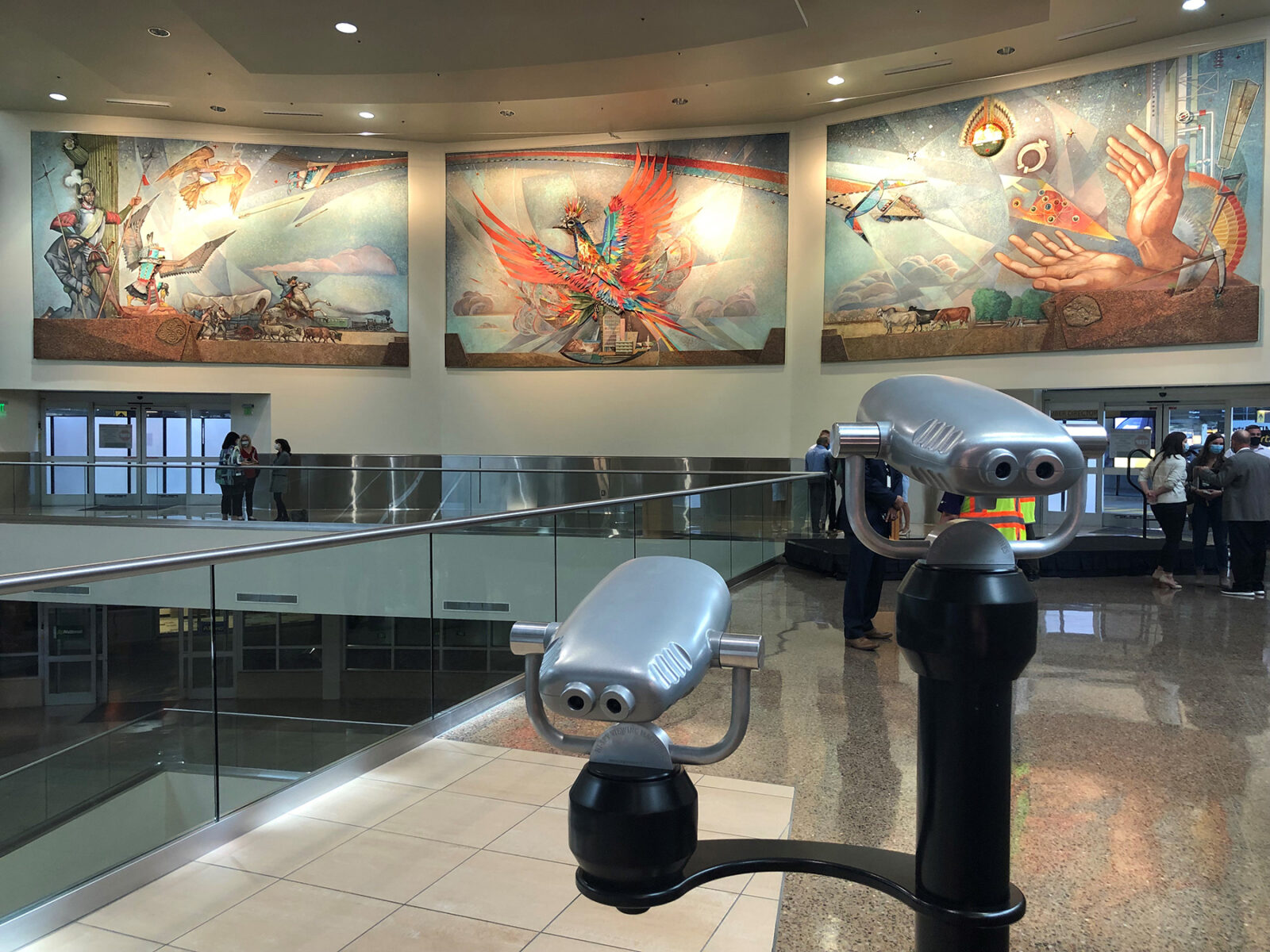
The Phoenix Airport Museum at Phoenix Sky Harbor International Airport (PHX) is one of the oldest and largest airport art program in the country. You’ll find permanent artwork and temporary exhibitions throughout the sprawling airport facilities, including in the rental car center and at the Sky Train stations.
Did you know the Phoenix Airport Museum has FREE postcards available at most exhibition spaces? 📬
— Phoenix Sky Harbor International Airport (@PHXSkyHarbor) May 18, 2022
SFO Museum
The SFO Museum at San Francisco International Airport (SFO) is accredited by the American Alliance of Museum (AAM). In addition to permanent public art and more than a dozen temporary exhibitions at a time, the museum maintains a video arts program , student art programs, and photography galleries.
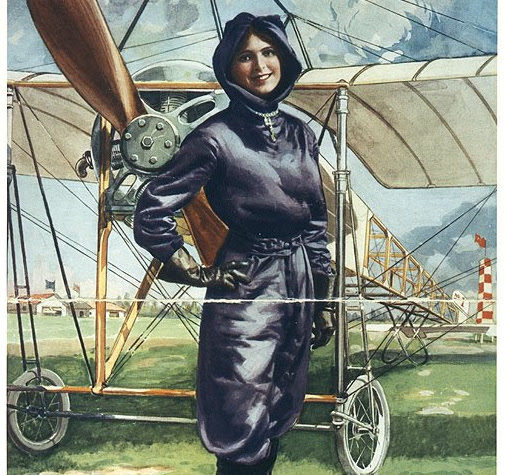
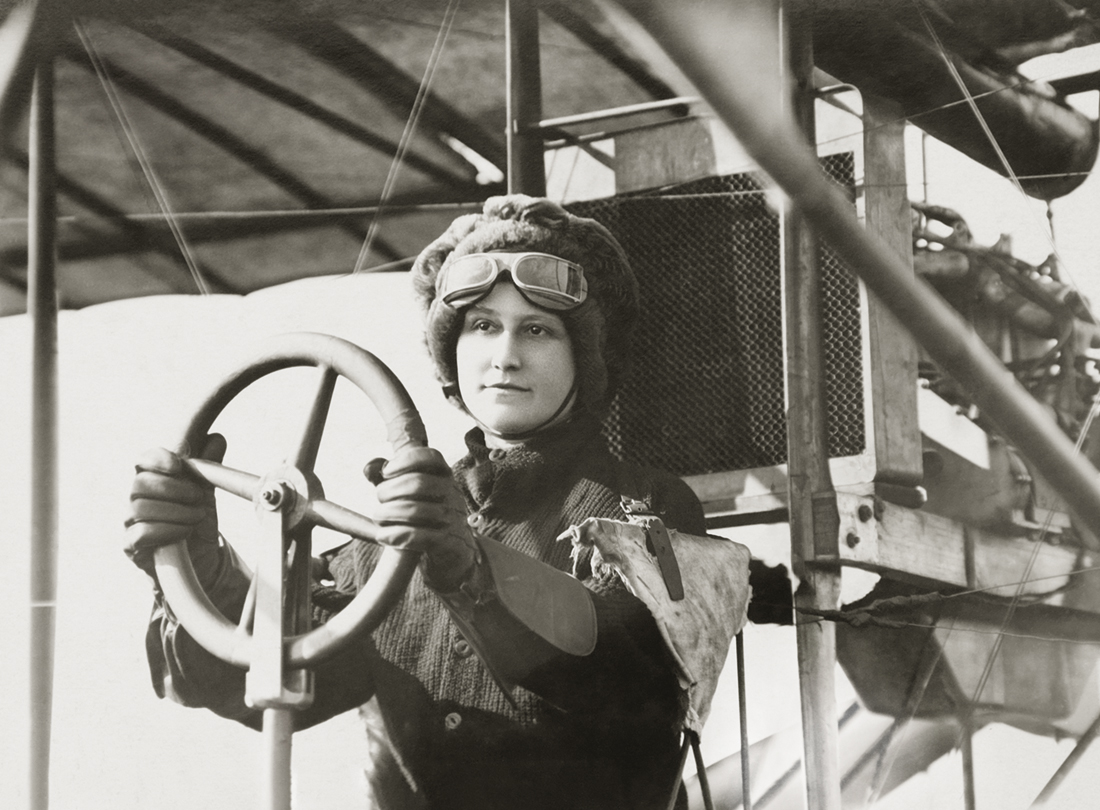
Julia Clark (1880–1912) at the controls of a Curtiss biplane c. 1912. Courtesy SFO Museum
Wondering why the Aviation Museum & Library remain closed? Our recent blog post shares exciting details of the Museum’s renovation, as well as behind-the-scenes images of work to deinstall and protect the objects within. Read more: https://t.co/inXay9LBsM#BehindTheScenespic.twitter.com/oHhUuji7oO
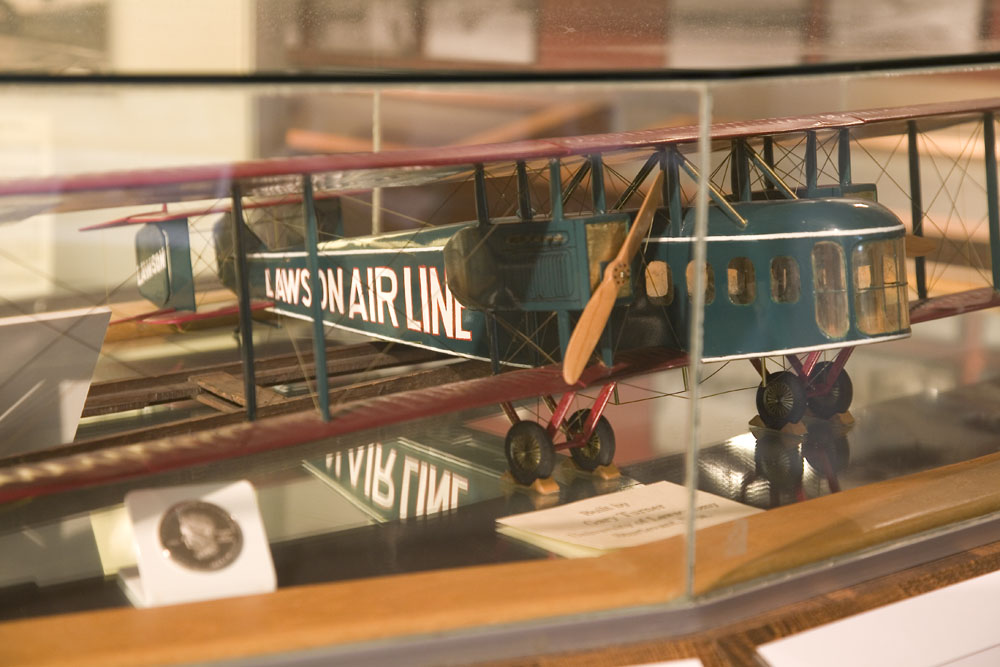
The free Mitchell Gallery of Flight at Milwaukee Mitchell International Airport (MKE) is located pre-security and open 24 hours a day. Exhibits include airplane models, aviation paintings, propellers, a scale model of the Milwaukee airport terminal as it looked in 1941, and sections dedicated to famous Wisconsinites in aviation history such as astronaut James Lovell and General Billy Mitchell, known as ‘the father of the U.S. Air Force.
You’ll find aviation-themed history exhibits and full-fledged aviation museums in and adjacent to many other airports too.
The Edgar Allan Poe Museum in Richmond, Virginia will be celebrating its 100th-anniversary April 28 through October 31, 2022, with an exhibit highlighting dozens of recently acquired Poe artifacts.
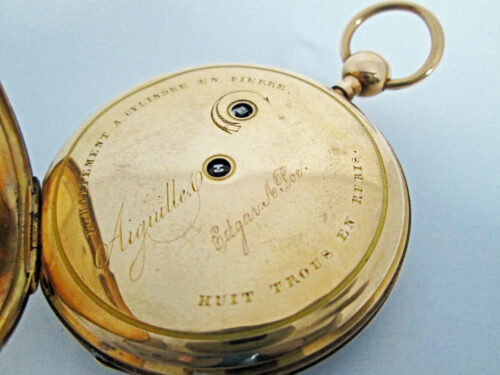
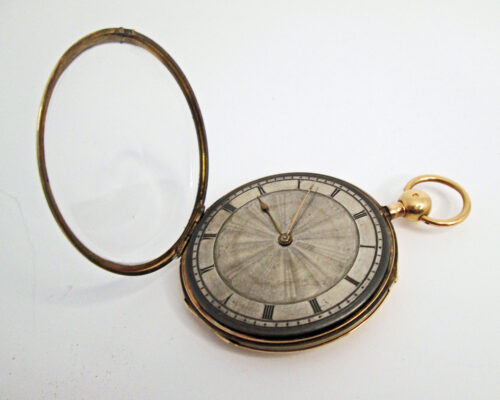
The list of artifacts includes Edgar Allen Poe’s pocket watch, which he owned while writing The Tell-Tale Heart, a horror story that, repeatedly mentions a watch.
“That means this might just be the very watch Poe was envisioning when he described the old man’s heartbeat as ‘a low, dull, quick sound, such as a watch makes when enveloped in cotton.’,” says Poe Museum curator Chris Semtner.
“The Tell-Tale Heart’ is a classic story we have read in school, heard at Halloween, and even seen recreated on The Simpsons, and having the watch is like holding a real-life piece of that story.”
The gold watch is engraved with “Edgar A. Poe.” And in 1842, Poe gave the watch to one of his creditors to pay off a debt.
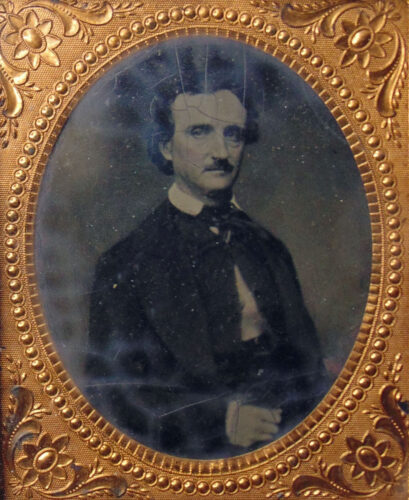
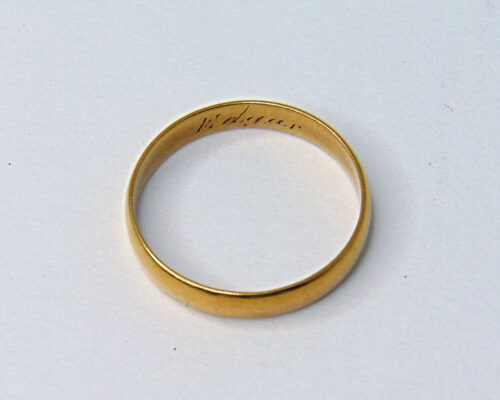
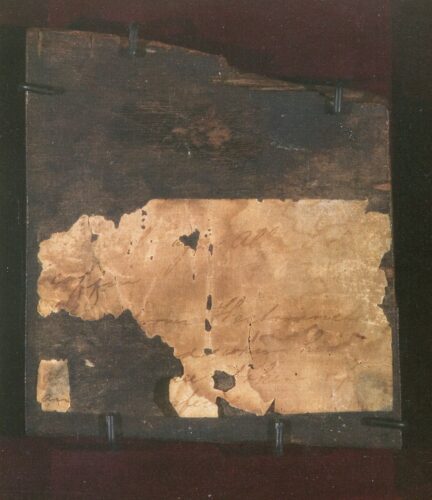
Other new-to-the-museum Poe artifacts include his engagement ring, the earliest surviving copy of the last photo ever taken of Poe, and a piece of the coffin in which he was buried for the first 26 years after his death.
Exhibit notes declare the ring “sad evidence of the tragic love story of Poe and his first and last fiancée, Elmira Royster Shelton.”
The couple was engaged as teenagers, but Shelton’s dad broke it off. Poe and Shelton got engaged again, in the last months of Poe’s life. He gave her this ring with the name “Edgar” engraved on it. But Poe died just ten days before their wedding day.
The coffin fragment comes from the original coffin in which Poe was buried on October 8, 1849. In 1875, Poe’s body was moved across the cemetery from his unmarked grave to a better location where a large monument could be placed over his grave.
When the coffin was lifted from the ground, this piece fell off and was later owned by a president of the Maryland Historical Society,
“Poe wrote so many stories about being buried alive that it seems only fitting that we have a piece of the very coffin in which he was buried,” says museum curator Semtner.
Fragment of Poe coffin
The Edgar Allan Poe Museumin Richmond features permanent exhibits of Poe’s manuscripts, personal items, clothing, and even a lock of the author’s hair. The exhibit of newly-acquired artifacts opens with an Unhappy Hour on April 28.
Opened in 1922, the Poe Museum is comprised of four buildings surrounding an Enchanted Garden constructed from the building materials salvaged from Poe’s homes and offices.
The cruise team for StuckatTheAirport.com is on a bucket list assignment in Norway with Viking Cruises.
Much of our time has been spent sailing fjords, bundling up for late-night treks to dark spaces in search of the Northern Lights, and visiting small museums.
One of the favorite museum stops has been the Polar Museum in Tromso, Norway.
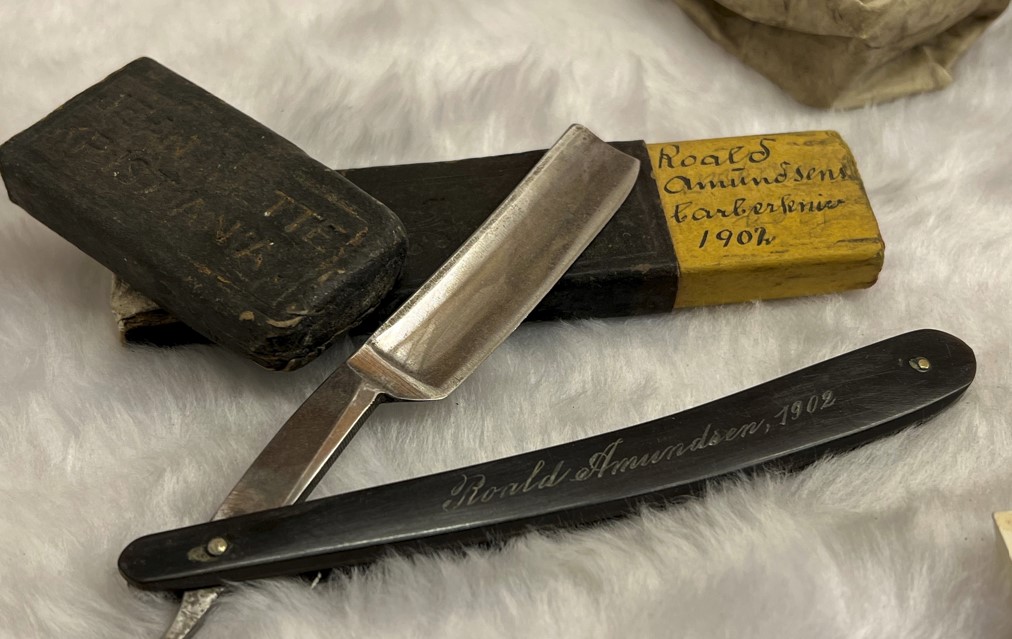
A bust of famed explorer Roald Amundsen is outside the museum. And one of the main stories told inside the museum is that of Amundsen’s life and work in the polar regions at the beginning of the 20th century.
“With the passage of the Northwest Passage, the journey to the South Pole, and the overflight over the North Pole, Amundsen seriously put Norway on the map as a leading nation in the exploration of the polar regions,” the museum rightly boasts.
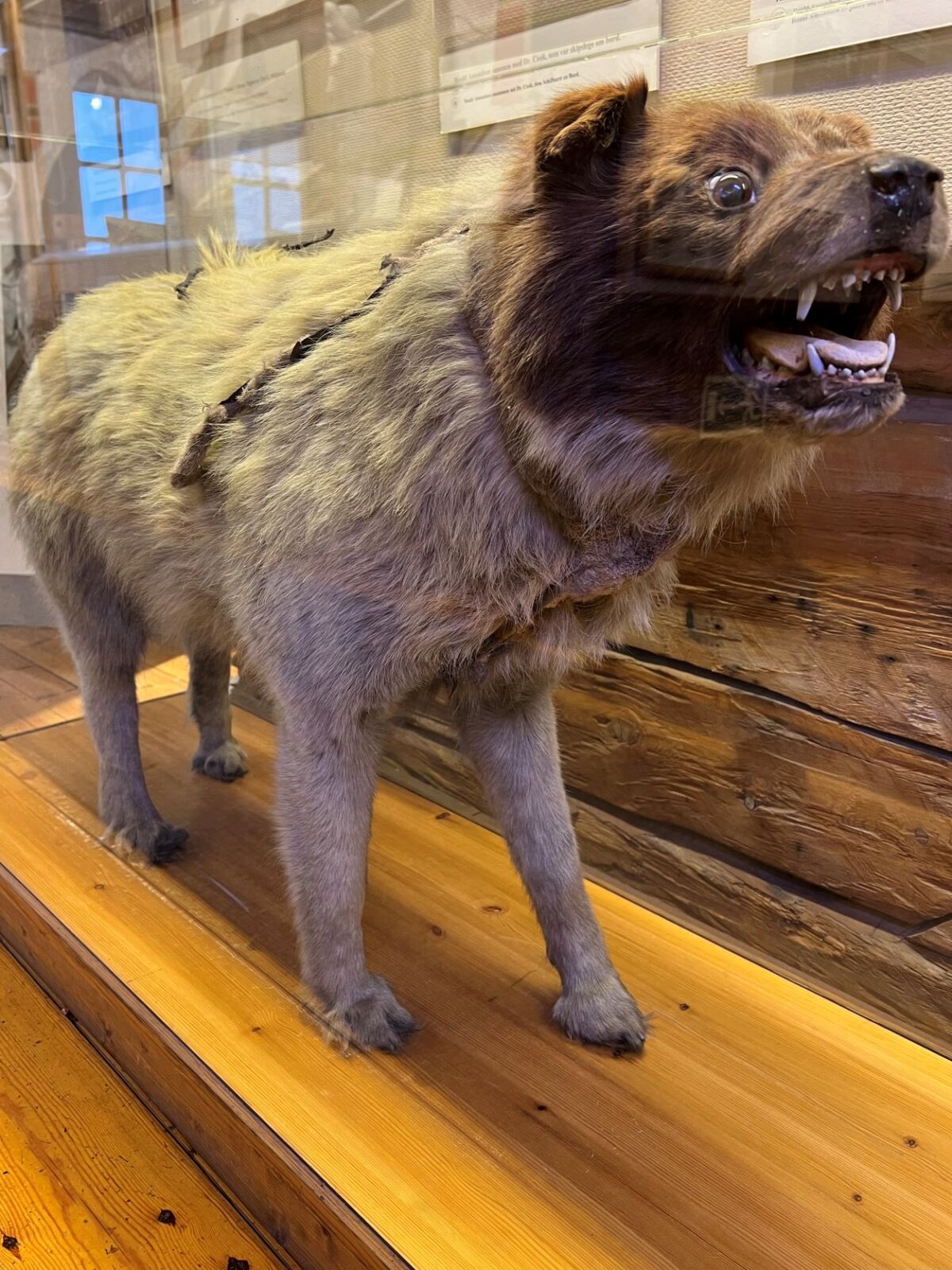
Among the many objects on view in the museum, these two stood out.
Amundsen was the first to successfully navigate the North-West Passage by boat, on a voyage that lasted from 1903 to 1906. This razor was with him on that trip. Below is a taxidermy dog, one of at least 20 that was on that ship.
More snaps and stories from this adventure will follow.
Two great cities are running promotions this month offering serious deals for anyone who loves saving money on admission fees at museums, aquariums, and other attractions.
San Diego Museum Month
Following a seriously scaled-back version in 2021, San Diego’s Museum Month is back for 2022. Through February, the program offers half-price admission at more than 45 local museums, historic sites, gardens, aquariums and other cultural destinations throughout San Diego County.
The list includes the Comic Con Museum, the San Diego Natural History Museum, the San Diego Museum of Art, the San Diego Model Railroad Museum, and many more.
How to Participate: San Diego’s Museum Month pass is available for free at all Macy’s store locations in San Diego County and at 75 area libraries Each Museum Month pass can be used for up to four half-priced admissions at any of the participating museums. Additional fees may apply for special exhibitions and events at some museums. Passes are good through February 28, 2022.
Seattle Museum Month
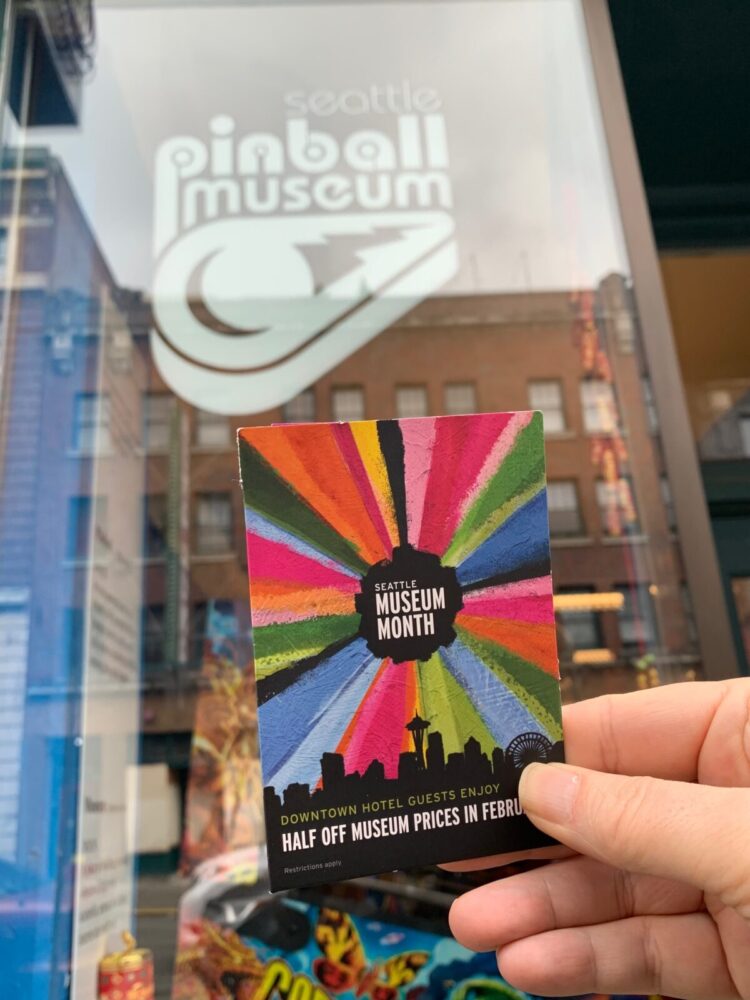
Not to be outdone, Visit Seattle, more than 60 downtown hotels, and over 30 area museums are hosting Seattle Museum Month. The program offers half-price admissions to anyone booking a room at any participating hotel during February.
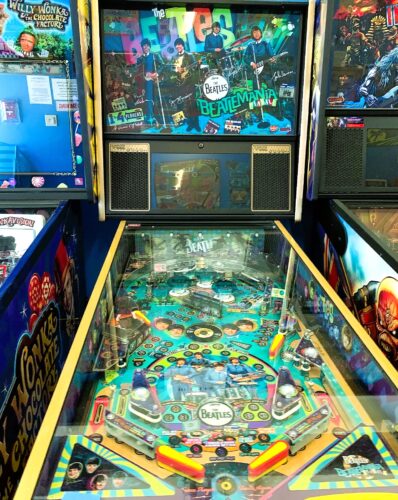
How to Participate: Book a room at one of the participating downtown Seattle hotels and be sure to ask for the pass at check-in. A family or group of four can receive up to 50% off when visiting museums and attractions such as the Seattle Art Museum, Seattle Pinball Museum, the Museum of Pop Culture, the National Nordic Museum, and many others.
The museum review team at StuckatTheAirport.com tested out the Seattle Museum Month pass with a staycation at the Sound Hotel in Seattle’s Belltown neighborhood. We visited the Seattle Art Museum, the Seattle Aquarium, The Wing Luke Museum of the Asian Pacific Amerian Experience, the Seattle Pinball Museum, and MoPop in two days.
And with all the money we saved on admission fees we were able to buy ourselves a very nice meal.