Museums

Museum Monday: early flight gear at SFO Museum

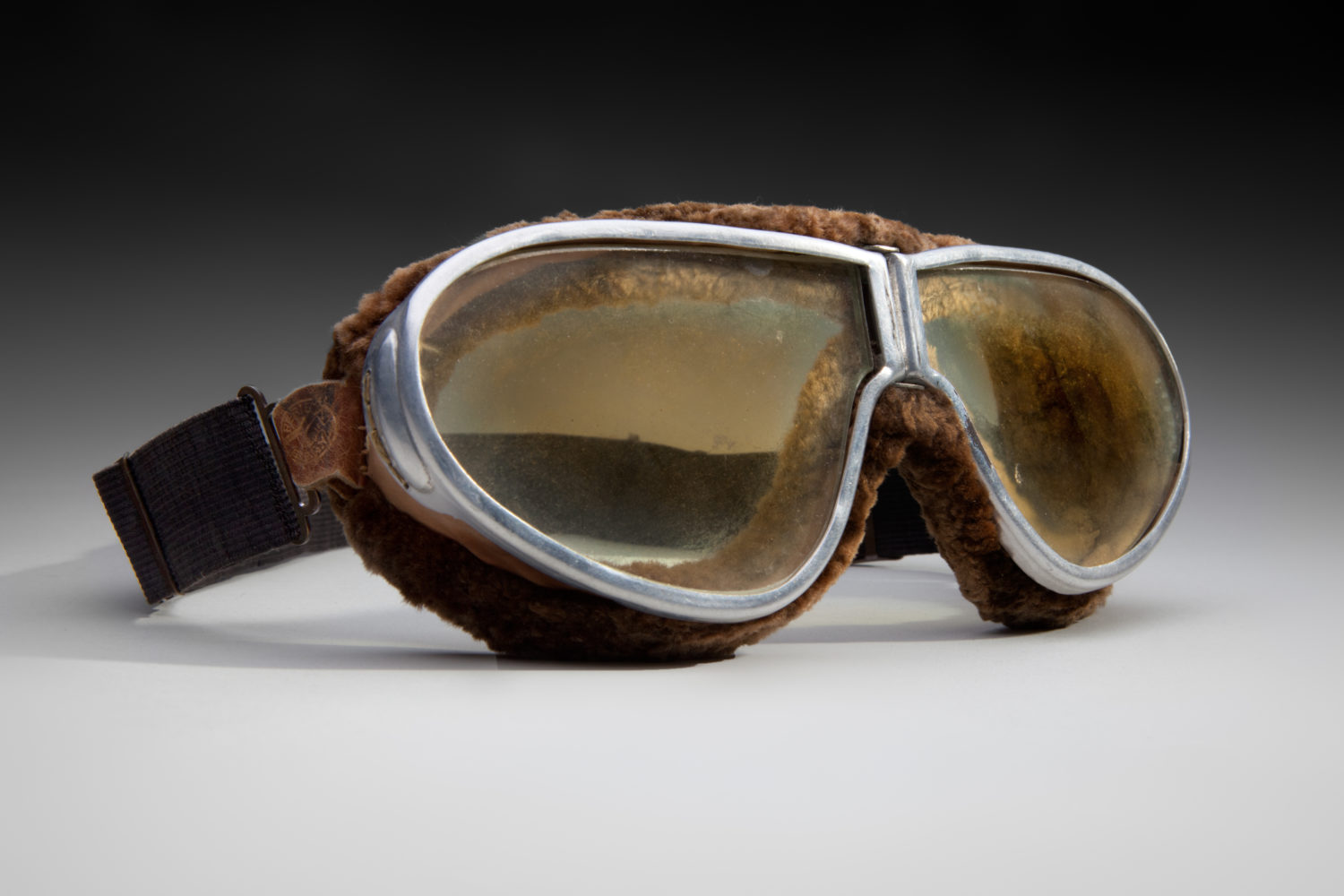
Aviator goggles 1920s–1930s metal, glass, fur, fabric, elastic. Courtesy of San Diego Air & Space Museum


Early airplanes had open cockpits and aviators needed special equipment and protective gear in order to do their jobs.

Examples of some of those items are now on exhibit at the San Francisco International Airport. Flight Gear: Pilot Equipment from the Open-Cockpit Era features more than forty examples of flight suits, jackets, helmets, goggles and other accessories dating from the 1910s to the 1940s. Also on exhibit are period photographs, advertising, and catalog illustrations featuring the artifacts displayed.

A. G. Spalding & Bros. "Aviators' Equipment" catalogue one-piece flying suits illustration 1930 ink on paper SFO Museum

Flight Gear: Pilot Equipment from the Open-Cockpit Era is on view through August 1, 2012 in the San Francisco Airport Commission Aviation Library and Louis A. Turpen Aviation Museum in the International Terminal Departures Level adjacent to the Boarding Area ‘A’ entrance.  Admission is free. Hours: 10 a.m. to 4:30 p.m. Sunday through Friday.

Museum Monday: The Museum of Bags

Last week I spent an hour in front of my closet trying to pick out the best suitcase for my next international trip.  Nothing seemed right, so I fired up the computer to go shopping for something new.

There are oodles of satchel stores out there, but I went home empty-handed because I didn’t get much past The Museum of Bags

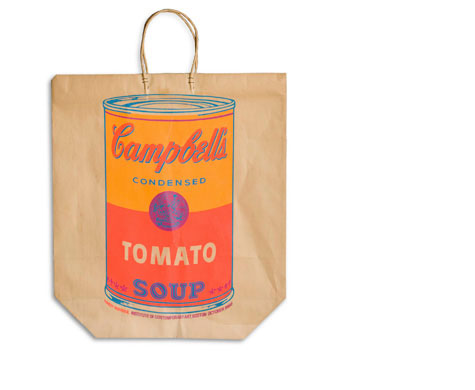
Shopping bag by Andy Warhol

I thought the museum would be about baggage, but the on-line-only museum is focused more on paper sacks and related ‘carry-things-home-from-the-store”-type bags.

Which is fine with me.

Especially when I discovered this TWA (Trans World Airlines) bag filed there in the collection under “Other.”

Here’s the description of the airline and the bag from the Museum of Bags website:


“Founded in 1925 as Western Air Express, Trans World Airlines became one of the “Big Four” U.S. domestic airlines. In 1961, TWA became the first airline to introduce regular in-flight movies with By Love Possessed which starred Lana Turner and Efrem Zimbalist, Jr. in first class. On December 1, 2001, Flight 220, using an MD-80, was TWA’s last flight. It flew from Kansas City, Missouri to St. Louis.”

World’s largest collection of souvenir buildings

What sort of souvenir do you search for in gift shops when you’re stuck at the airport or touring a town?

Some people pick up postcards, shot glasses or magnets.

Not David Weingarten.

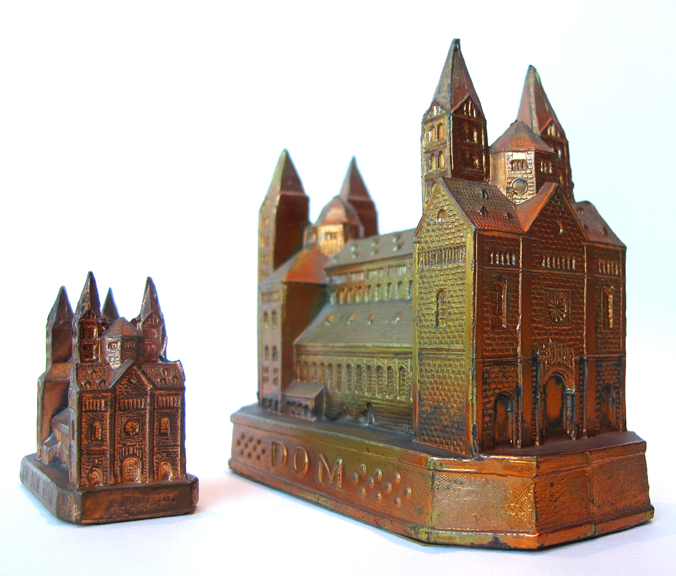
On a two-week trip through Europe in the late 1970s, Weingarten received a miniature version of Germany’s Speyer Cathedral as a present from his uncle and tour guide, the noted architect Charles Moore, who also bought a souvenir-sized copy of the building for himself.

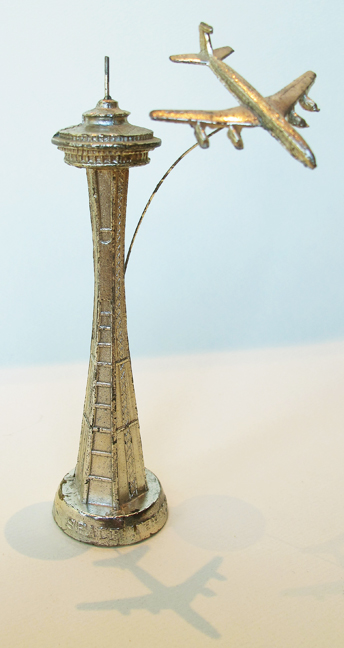
The small gift left a big impression. Weingarten, now of Ace Architects in Oakland, Calif., began collecting souvenir buildings in earnest. Today, with his partner, Margaret Majua, Weingarten owns the largest collection of three-dimensional architectural replicas of structures from around the world.

For a feature on msnbc.com’s Overhead Bin, I chatted with Weingarten about his collection.

Q: In addition to that original tiny cathedral, what types of structures are represented in your collection?

A: That cathedral has been joined by replicas of 5,000 other buildings, monuments and human-made places of all sorts and every description — famous and deeply obscure, special and mundane — from around the world. The collection is the most extensive of its type and includes some souvenir buildings made very recently and others made in the early 19th century, which are now 200 years old.

Q: 5,000 souvenir buildings! Where do you keep them all?

A: We used to keep all the little buildings in a small building outside our home. But several years ago, despite some aggressive editing, the collection threatened to spill out of the small building containing them. We made a bigger place for the little buildings.

Q: How do you organize the collection?

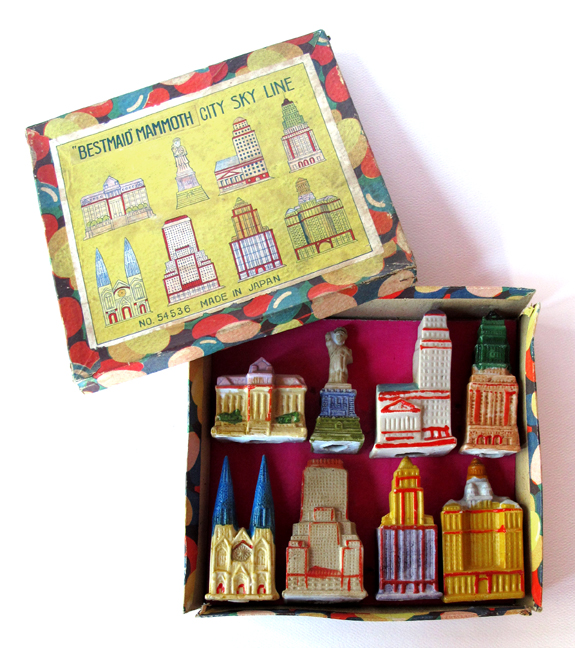
A: By place and type. Many of the world’s great cities possess a shelf or two or, in the case of New York, a cabinet. There are sections for the continents, for nations, for world’s fairs and expositions and for a range of arcana, such as American souvenir buildings made in Japan. There are also sections of little buildings turned out as salt and pepper shakers, lamps, coin banks, bookends, smoking accessories, lipstick holders and calendars. You get the idea.


Q: What is the attraction of souvenir buildings for you and for the rest of us who buy and bring them home from our travels?

A: Like some of their full-size counterparts, souvenir buildings work on our memories, very often in unanticipated ways. Miniatures of the Empire State, Chrysler, or Woolworth buildings or the Statue of Liberty make us think of these Gotham monuments; yet, also, more than this. We may remember our last visit, our companions on that trip, people and places seen, a subway ride or maybe a walk through Central Park. Memories prodded by architecture are seldom strictly architectural.

Q: Do you have a favorite souvenir building among the collection?

A: My most-esteemed miniature is a large, late 19th century, sterling silver model of the Bank of England in London. The full-sized building was designed, in the late 18th and early 19th centuries, by the highly eccentric architect John Soane. Interestingly, the model shows the bank as Soane designed it, before some very disfiguring 20th century alterations. That illustrates another appealing quality of souvenir buildings: these slight tourists’ trifles very often outlast the substantial buildings and monuments they represent. This is especially the case with world’s fair souvenirs, which are miniatures of buildings designed with the intention that they would soon be demolished.

Q: And what happened to Charles Moore’s souvenir-sized copy of the Speyer Cathedral?

A: After Uncle Chuck died, in 1993, his house/studio in Austin, including his large collection of architectural models, folk art, books, etc., was transferred to the Charles Moore Foundation. I made off with his cast metal miniature of the cathedral and today, both [souvenirs from that 1970s trip] occupy the same glass shelf in the collection here.

Learn more about the world’s largest collection of souvenir buildings here.

All photos courtesy David Weingarten.
Microscopes on display at SFO Museum

Flying lifts you above it all, offering a chance to take in the big picture from the sky.

But travelers who touch down at San Francisco International Airport (SFO) now have an opportunity to get down to specifics with a new exhibition exploring the history of microscopes.

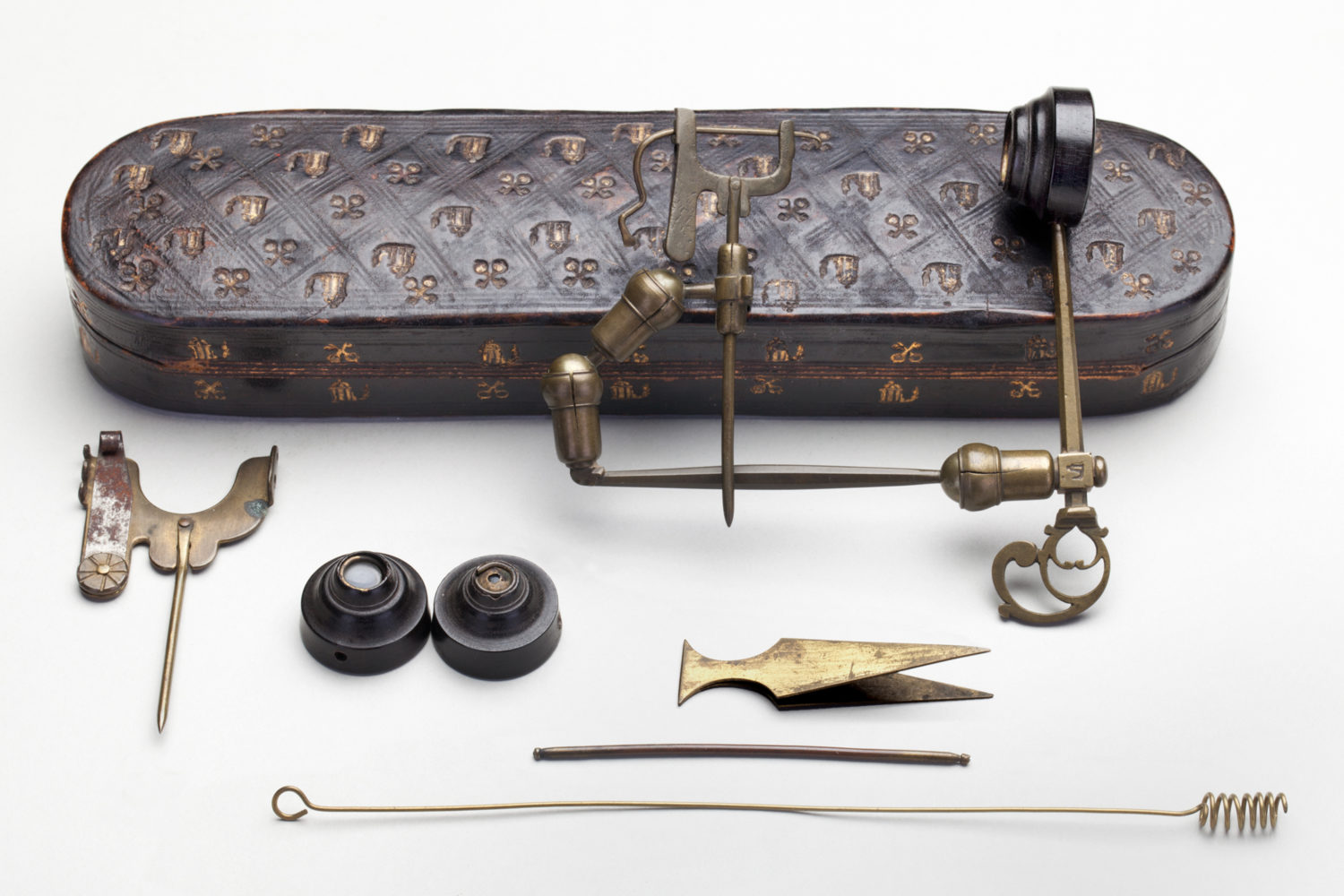
Simple microscope with case 1673–1748; Courtesy SFO Museum

“From mid-seventeenth-century simple microscopes to the modern compound optical devices by German makers during the late nineteenth and early twentieth centuries, these are the instruments that revealed the long-held secrets of the natural world—the existence of microorganisms, the structure of biological cells, and the composition and operation of a variety of previously unseen life forms. Nearly 350 years after Robert Hooke introduced a ‘newly visible world,’ we continue to rely on the microscope in our eternal quest to better understand the world we inhabit and the challenges posed by that which remains invisible to the unaided eye.”

[From the exhibition release]

If you can’t make it to the airport, you can view a selection of microscopes and other objects from the exhibition online.

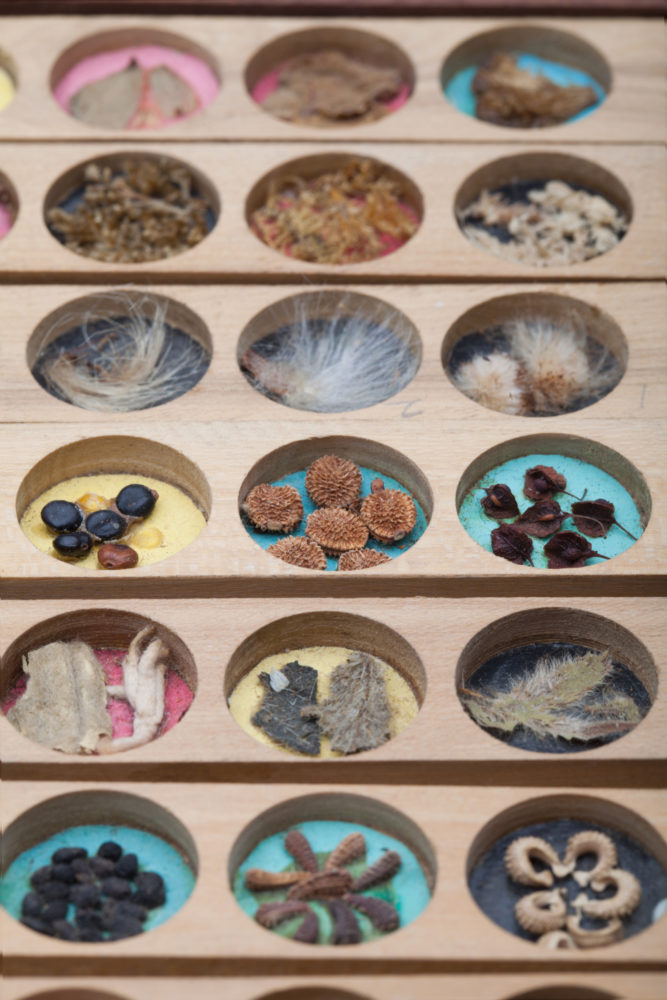
Detail of specimen slides with seeds c. 1820; courtesy SFO Museum

A World Examined: Microscopes from the Age of Enlightenment to the Twentieth Century is on display pre-security in the International Terminal Main Hall Departures Lobby, at San Francisco International Airport through June 24, 2012.

Hans Christian Andersen’s unusual baggage

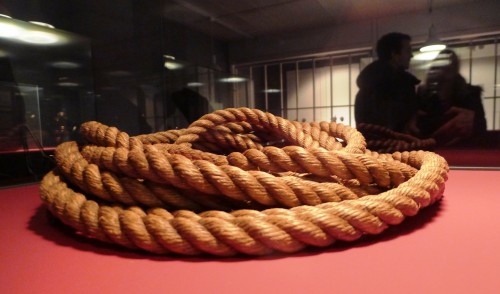
I had the chance to visit the Hans Christian Andersen Museum in Odense, Denmark a few days ago and was surprised to see this coil of rope on display.

Andersen wrote Thumbelina, the Snow Queen, the Emperor’s New Clothes and more than 150 other fairy tales and stories. And while he loved to travel and is credited with that pithy “To travel is to live” quote, he also evidently harbored some serious fears about perishing in a fire while on the road.

Andersen’s solution?

He always traveled with this rope in case he needed a fire escape.

Crazy? Maybe. But it probably gave him some peace of mind.

And you? What do you always take along when you travel?

Italian motorcycles at San Francisco International Airport

Here’s another great offering from the folks at the SFO Museum at San Francisco International Airport:

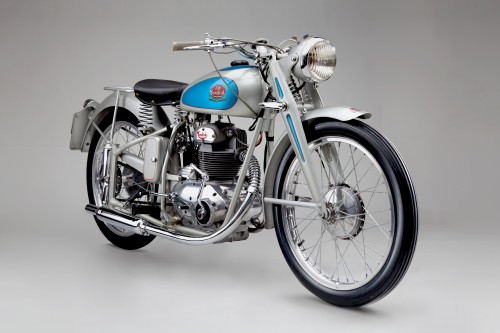
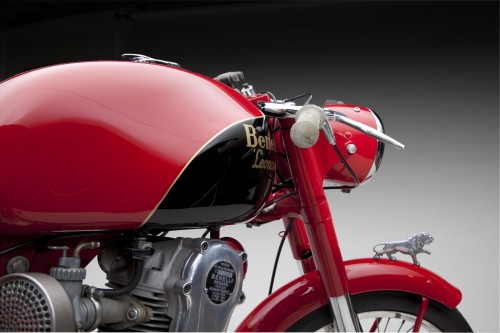
Italian motorcycles from the 1950s and 1960s.

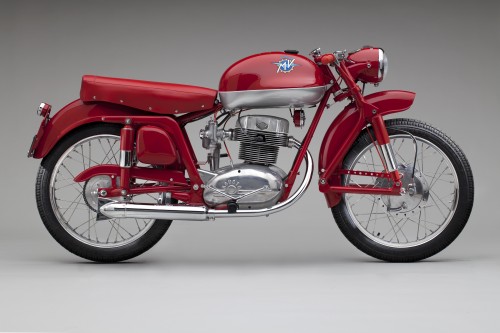
175cc CSS Super Sport "Disco Volante" 1955


“Nineteen motorcycles, ranging from singularly produced racers such as Carlo Ubbiali’s 1951 Mondial 125cc Bialbero Grand Prix to 50cc production bikes from the late 1960s, demonstrate that while necessity breeds invention, the results can be truly stunning.”

Stunning indeed..

125cc Turismo 1951 FB Mondial (1948–79), Milan, Italy

Moto Bellissima: Italian Motorcycles from the 1950s and 1960s is located pre-security in the International Terminal Main Hall Departures Lobby at San Francisco International Airport. The exhibition will be there through April 28, 2012.

More hidden museum treasures

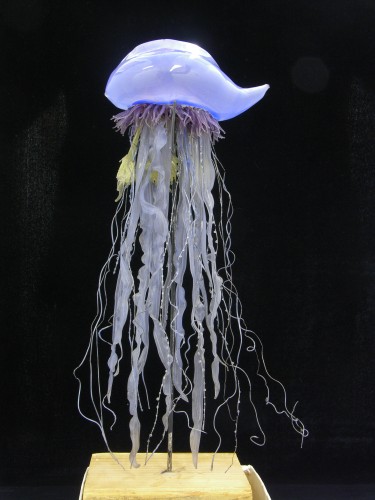
In a previous post, I shared a few of the hidden museum treasures I included in a slide show I put together for Bing Travel: fleas in a hazelnut inside a matchbox, a quilt made from Ku Klux Klan masks and a glass Portuguese man of war.  You can see those items here.

Here are few more:

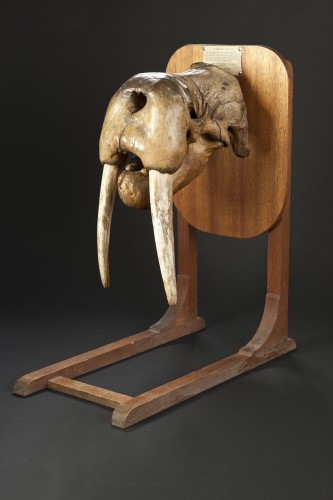
This mounted skull, at Alaska’s Anchorage Museum, was labeled by the donor as the “first known Alaskan atomic victim;” it’s from a walrus supposedly killed when Russians exploded an atomic bomb near Siberia in about 1953. Exhibited briefly at the museum in 1966, the skull was put away over concerns that it was radioactive. When tested in 2000, no radiation was found, but the walrus stays in storage.

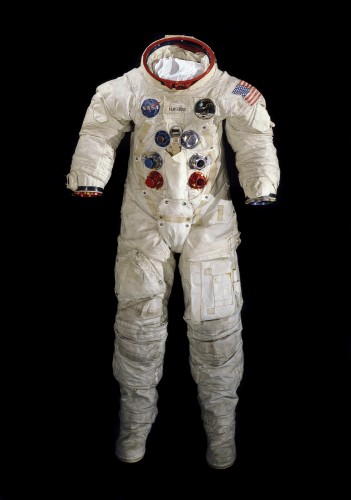
The National Air and Space Museum in Washington, D.C., has more than 1,000 objects in its spacesuit collection, including most of the suits, gloves, boots and helmets worn during the Apollo, Gemini and Mercury missions. Built to withstand space — but not time — many now-fragile spacesuits are kept in storage facilities with special light, temperature and humidity controls. Neil Armstrong’s Apollo 11 spacesuit, considered the most important spacesuit ever built, has been in storage since 2006.

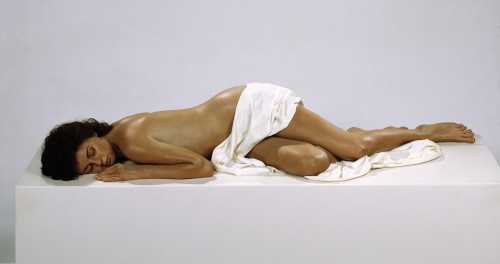
At the Denver Art Museum, “Linda,” a popular piece of artwork by John DeAndrea made from plastic materials, emerges from storage for a short time every few years. Kate Moomaw, assistant conservator for modern and contemporary art, says, “Deterioration of plastics typically leads to issues like color change, distortions and increased brittleness … so ‘Linda’s’ time on view is rationed out. … When not on display, ‘Linda’ is kept in dark storage.”

You can see the full slide show here.
I’m working on a book on this same topic – so if you know of museum that has a hidden treasure you’d like to nominate, please drop me a note.

(All photos courtesy of the respective museums.)

Museum Monday: Hidden Treasures you might wish you could see

We visit museums to see rare, wonderful and unusual objects on display. But most museums have room to exhibit just 10 percent of their holdings. The rest rarely — or never — sees the light of day. Unless, that is, you have a key to the back rooms where they keep hidden treasures like the ones I found for a slide show on Bing Travel.

Here are some of the highlights from that story.

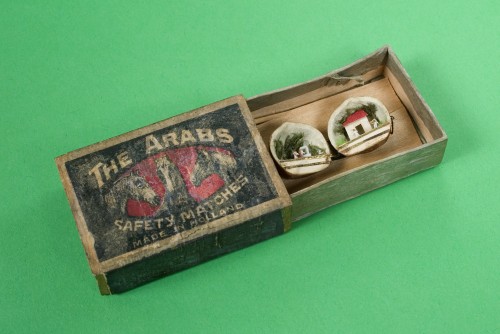
In the United States, flea circuses were once regular features in carnivals and sideshows. This diorama in the collection of the Children’s Museum of Indianapolis in Indiana features four fleas (heads only) in a village scene and is mounted in a hazelnut that is encased in a matchbox. According to a museum staff member, the tiny diorama is kept in storage because “people would have to line up to see it and it would be difficult for a family to view together.”

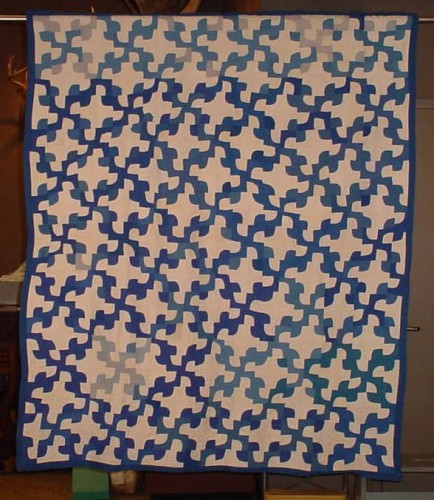
This pretty but rarely displayed quilt in the collection of Washington’s Yakima Valley Museum was made in 1928 by the wife of a berry farmer and has a story far more complicated than meets the eye. According to the note that came with the donation, the white fabric in the background came from masks once worn by members of the Ku Klux Klan.

The Harvard Museum of Natural History in Cambridge, Mass., displays 3,200 hand-crafted glass models of flowering plants created between 1886 and 1936 by German glass artists Leopold and Rudolph Blaschka. Not on display are the university’s 430 Blaschka glass models of marine invertebrates, such as this glass model of a Portuguese man of war, which Harvard acquired in the late 19th century.

For more hidden treasures, check back tomorrow.

TSA donates checkpoint classics to the Smithsonian

If Dorothy’s ruby red slippers and a green Kermit the Frog puppet can be part of the collection at the Smithsonian Institution, why not one of the gray bins from the modern-day airport security checkpoint.

That’s exactly what’s happened.

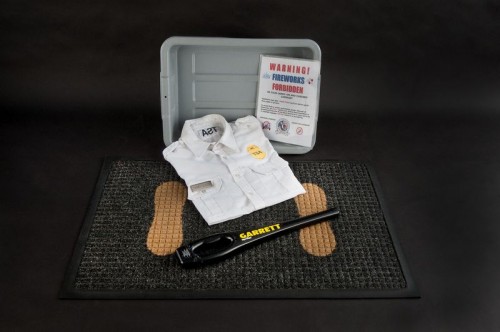
According to a guest blog post by Transportation Security Administration historian Michael P. C. Smith on the National Museum of American History website, the TSA recently donated several artifacts to the museum’s National September 11 Collection, including some original TSA uniforms, a firearm carried by a Federal Air Marshal and various pieces of aviation security technology, such as a gray security bin and a “put your feet here” mat.

Here’s a link to website for the Smithsonian’s Remembrance and Reflection page, which has details about the museum’s current exhibition of 9/11 items and pictures of many of the items in its September 11 collection.