Museums

Museum Monday: Katharine Wright’s pantaloons

I’m racing to finish up the entries for my Hidden Museum Treasures book, which will feature the stories behind objects in museums that are rarely or never displayed.

When the project began, I put a call out seeking nominations from museums around the country. The International Women’s Air & Space Museum in Cleveland, Ohio was one of the first to respond with a hidden treasure that belonged to Katharine Wright.

Most people know the story of Orville and Wilbur Wright and their game-changing, 12-second airplane flight over Kitty Hawk, North Carolina on the morning of December 17, 1903.

Orville and Wilbur certainly deserve their place in aviation history, but they didn’t get there alone. Although she didn’t tinker with the planes, for many year’s Orville and Wilbur’s younger sister, Katharine, served as a sounding board, social secretary, housekeeper, marketing manager and ambassador for her brothers, making it possible for her notoriously shy brothers to attend to their aviation work full-time.

Sometimes referred to as “the third Wright Brother,” Wright’s story and her role in the birth and growth of aviation is among those told at the International Women’s Air & Space Museum, along with the stories of Amelia Earhart, Bessie Coleman, Harriet Quimby,  Jackie Cochran and many others.

Memorabilia in the Katherine Wright collection includes many items donated by the Wright family, including embroidered pillow cases, Limoges china, a strand of pearls and a lace dickey. “We even have postcards that ‘Aunt Katharine’ sent from Germany when ‘the boys’ were visiting with Count Zeppelin,” said collections manager Cris Takacs.

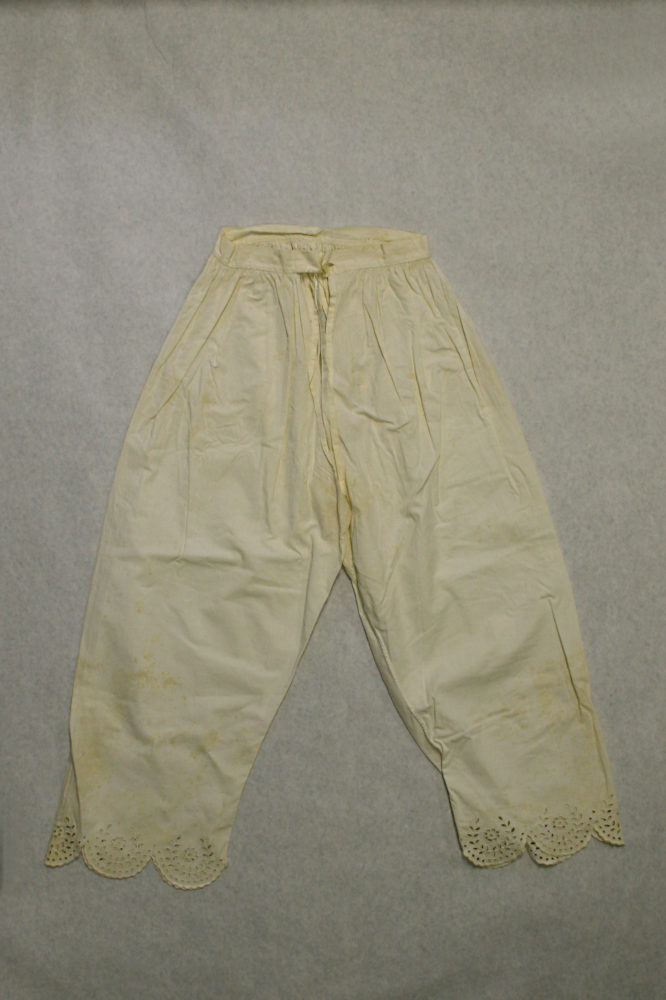
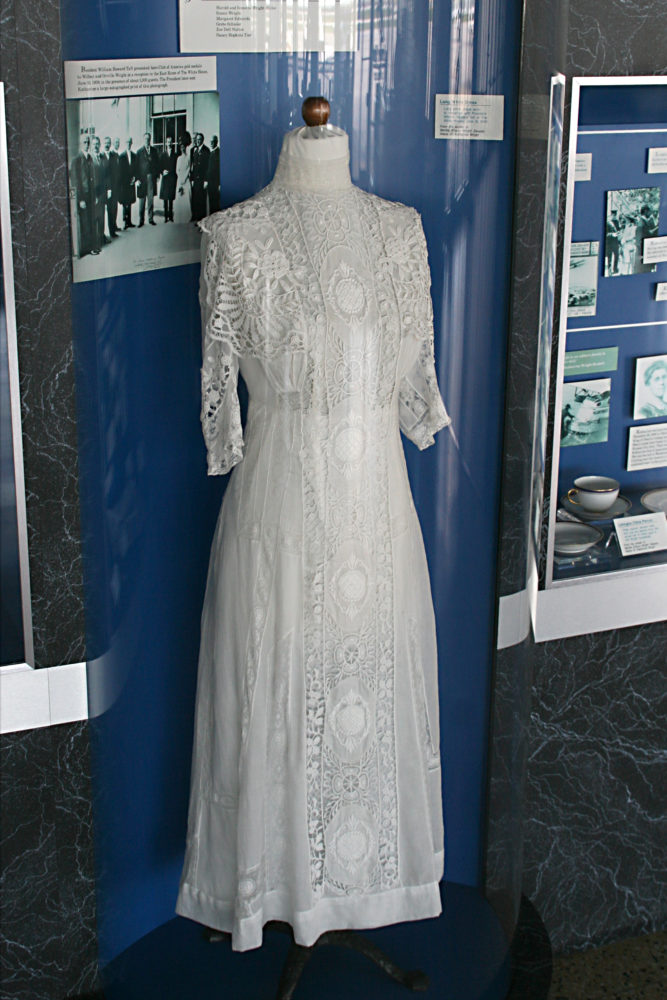
The museum also has the dress Katharine Wright wore when she accompanied her brothers to the White House on June 10, 1909 when they were presented the AreoClub of America gold award. Included with that dress are split-crotch knickers, or pantaloons, she likely wore underneath the dress that day.

The dress is displayed at the museum, but not the knickers. “As far as I know, they are the only knickers in our collection,” said Takacs. “I’m surprised the family would keep them and send them to us, but we have not displayed them because there are still some members of the Wright family around,” she said. “I don’t think it would be appropriate,” said a museum board member who helped put together the Katharine Wright exhibit.

Here they are:

And .. here’s the dress:

Photos courtesy the International Women’s Air & Space Museum.

Free museums & expensive luggage delivery

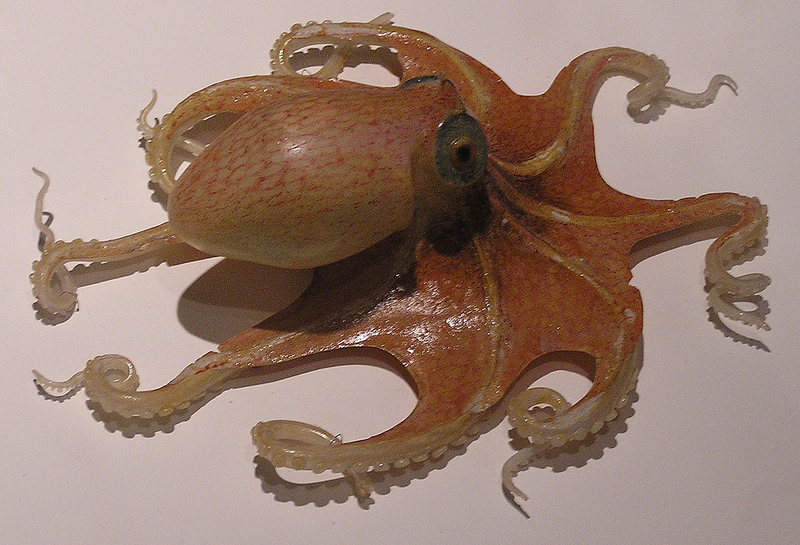
Photo courtesy Harvard Museum of Natural History via Flickr

I’m a big fan of “free” and a big fan of the Museums on Us program that offers free admission on the first weekend of each month to more than 150 museums around the country to anyone who has Bank of America or Merrill Lynch credit or debit card.

The list includes museums, zoos and attractions such as Chicago’s Alder Planetarium, where general adult admission is usually at least $12, and the Harvard Museum of Natural History in Cambridge, Mass. where adult admission is usually $9.

With the money you save, you might want to fly down to New Orleans and hop on one of the new riverboats  now cruising up the and down the Mississippi or buy yourself a meal at the new full-service Wolfgang Puck Express restaurant in Terminal 7 at Los Angeles International Airport (LAX), where things like bacon-wrapped meatloaf and oven roasted salmon are now on the menu.

Or use your saving towards the new baggage delivery service being sold by American Airlines and BAGS VIP Luggage Delivery. Beginning Monday, Aug. 6, you can pay ($29.95 for one bag, $39.95 for two bags and $49.95 for three to 10 bags) to have the bags you check at more than 200 U.S. airports delivered to your home, office or hotel instead of having to go pick them up at baggage claim and tote them with you.

Passengers can purchase the service on-line up to two hours prior to departure and, for delivery locations within 40 miles of the airport, expect their bags to be delivered to their destination within one to four hours of arrival.

A good deal? For some, maybe. But keep in mind that the price for Baggage Delivery Service is in addition to the regular bag fees that need to be paid at check-in. And for bags that need to be delivered between 41 and 100 miles from the airport, there is an additional $1 per mile charge and an estimated delivery time between four and six hours instead of one to four hours.

No word yet on whether all fees are returned if your luggage goes missing or if delivery times are not met.

Attractions to visit on your way to the airport

I call it “Do I dare?” time.

That hour or two at the end of a business trip when I’ve wrapped up my work, packed up my stuff, printed out my boarding pass and don’t really have to leave for the airport just yet.

Do I dare use that time to squeeze in a visit to a museum, garden or some other attraction in town? And if I do, where should I go?

Cloud Nine Media, one of the companies that provides free Wi-Fi sessions to those willing to take a short survey, posed that question for me recently to passengers waiting at a half-dozen airports.

The responses included visiting Universal CityWalk Hollywood near Bob Hope Airport in Burbank, Calif., the Mounts Botanical Gardens near Palm Beach International Airport in Florida, the American Airlines C.R. Smith Museum near Dallas-Fort Worth International Airport and the National Air and Space Museum Steven F. Udvar-Hazy Center, near Washington Dulles International Airport.

Here are some suggestions for attractions and adventures near 10 other U.S. airports:

1. The Cincinnati Art Museum, which offers free admission and has a 12-foot tall bronze sculpture of Pinocchio outside the front entrance, is 20 minutes from the Cincinnati-Northern Kentucky International Airport (CVG). The Cincinnati Zoo & Botanical Garden is also just 20 minutes from the airport. General admission is $15, but if you think business will bring you back to town, consider the Reds/Zoo combo ticket ($32) that includes a Cincinnati Reds baseball cap and tickets to the zoo, the gardens, a Cincinnati Reds baseball game and a visit to the Reds Hall of Fame and Museum.

2. A free shuttle bus (Route No. 66) that leaves from Boston Logan International Airport, will take you to the nearby water-transportation terminal. There, a paved, 3/4-mile Harborwalk offers great views of the Boston skyline. You can also hop on a water taxi for a 10-minute ride to Boston’s Rowes Wharf, for a stroll around Faneuil Hall and a quick visit to the New England Aquarium and other attractions. (Fare: $17 roundtrip)

3. A free aviation museum, the Flight Path Learning Center, is located on the south side of the Los Angeles International Airport and the 18-hole, par 64 Westchester Golf Course adjacent to LAX is open daily until 10 p.m.. For a taste of a local specialty, a branch of In-N-Out Burger is nearby as well and is adjacent to a small park popular with plane spotters. (Take the free shuttle to Economy Lot C and cross the street at 96th St. and Sepulveda Blvd.) Dockweiler State Beach, under LAX flight paths, is a 7-minute cab ride from the terminals.

4. The Carolinas Aviation Museum is located adjacent to Charlotte-Douglas International Airport and is now home to the US Airways “Miracle on the Hudson” airplane from Flight 1549. In addition to photo, videos and artifacts from that airplane, the museum displays many other military, civil and commercial aircraft. Admission: $12.

5. The 15,000-acre Rocky Mountain Arsenal National Wildlife Refuge Center, once the site of a chemical weapons manufacturing facility, is near Denver International Airport. In addition to a visitor center filled with interactive exhibits, there are walking and biking trails, catch-and-release fishing, site tours and opportunities to spot wildlife that includes wild bison, deer, coyotes and bald eagles. Admission: free

6. The National Park Service operates the Pearl Harbor Visitor Center, the USS Arizona Memorial and several other Pearl Harbor historic sites just three miles from Honolulu International Airport. Tickets are free for the 75-minute program that includes a 23-minute film and a Navy-operated shuttle boat ride to the USS Arizona Memorial. Admission is charged for the other Pearl Harbor historic sites, which include the Battleship Missouri Memorial, USS Bowfin Submarine Museum & Park and the Pacific Aviation Museum Pearl Harbor.

7. In Milwaukee, the Harley-Davidson Museum is a 15-minute drive from General Mitchell International Airport. Through September 3rd, the museum is featuring Worn to be Wild, an exhibit celebrating the iconic black leather jacket, a wardrobe must-have for early pilots. (Admission: $18)

8. 32 Boeing 747s could fit inside the Mall of America, which is a 15-minute light-rail ride away from the Minneapolis-St. Paul International Airport. In addition to the more than 500 stores and more than 50 restaurants, the mall is home to a 14-screen movie theater, the SEA LIFE Minnesota Aquarium (with a 300-foot glass tunnel), a Nickelodeon Universe Theme Park and other attractions.

9. A free shuttle bus runs regularly from Phoenix Sky Harbor International Airport to the Metro light-rail transfer station, which is across the street from the Pueblo Grande Museum Archeological Park. The 95-acre park grounds are on the site of a 1,500 year-old Hohokam Indian Village and include an 800-year old platform mound, an excavated ball court and two full-scale reproductions of Hohokam homes. Admission: $6.

10. Country music fans might enjoy a quick visit to the Country Music Hall of Fame and Museum on the way to Nashville International Airport. The museum features video clips, recorded music, live performances and exhibits that celebrate country music stars such as Hank Williams, Elvis Presley, Chet Atkins, Buck Owens, Merle Haggard and Taylor Swift.

For more ideas see the “Nearby layover option” in the 50 Airport Guides I maintain for USA TODAY. And if you have a suggestion for an activity or attraction nearby an airport, please add it to the comment section below.

[This list originally appeared in my “At the Airport” column for USA TODAY.]

In search of Paul Bunyan

American folklore hero and lumberjack Paul Bunyan was said to be so loud that fellow lumberjacks had to wear earmuffs year round. When he sneezed, legend has it that he blew the roof off the loggers’ bunkhouse. “When he was a baby, it took five giant storks to deliver him,” Carol Olson, manager of the Bemidji Tourist Information Center in Minnesota, said of the larger-than-life figure.

“North America has a fascination with powerful men such as Daniel Boone, the fur traders, prospectors and the cowboys, who opened or cleared wilderness,” said folklorist Jens Lund. “And in Paul Bunyan, we combine the superhuman powers of a mythological entity with a frontier hero and the humorous appeal of ridiculous exaggeration.”

Here are a few places around the country where you can spot the big guy this summer.

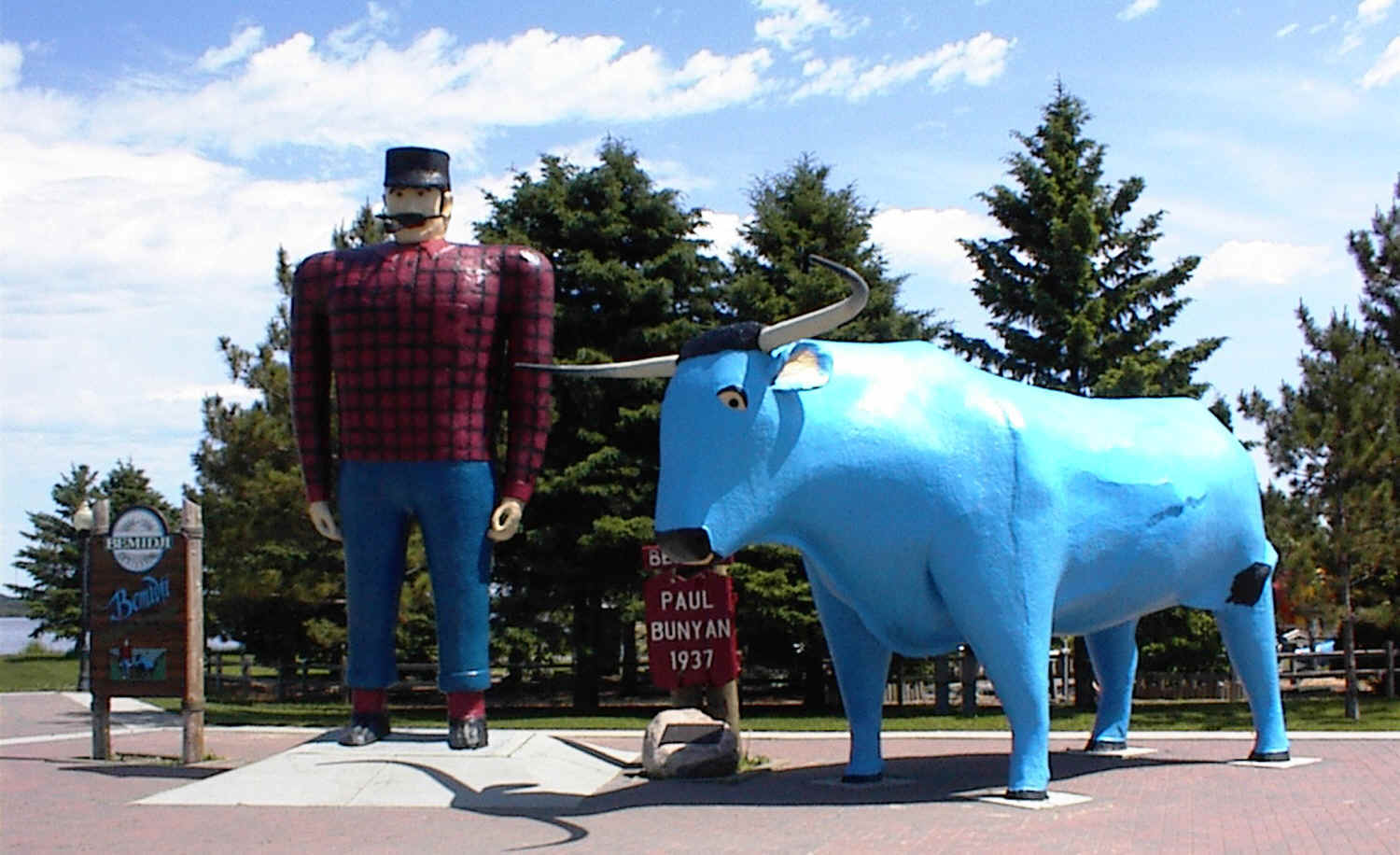
Paul Bunyan and Babe the Blue Ox, courtesy Visit Bimidji

Bemidji, Minn.
If you’re passing through Bemidji, Minn., on a Wednesday, you’ll see lots of people dressed like lumberjacks, in black and red plaid.

The midweek get-up is at the request of the mayor and part of a year-long celebration that includes cake-decorating contests and museum exhibits to mark the 75th anniversary of the city’s famous Bunyan statue.

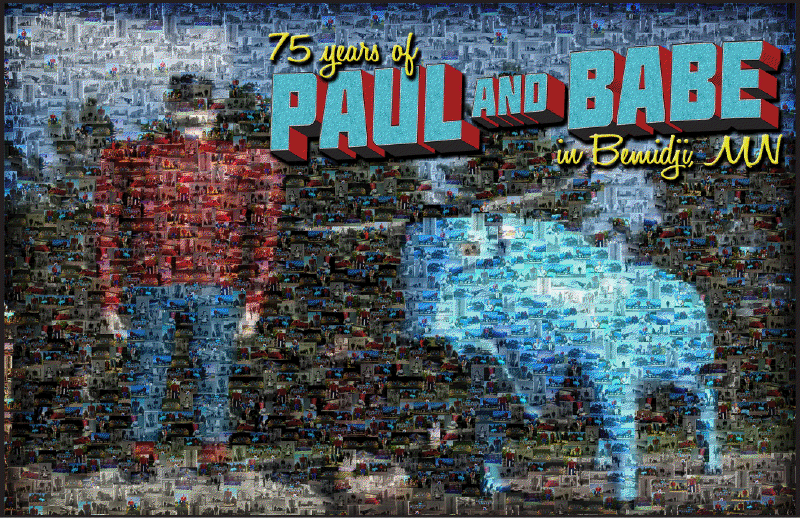
One of the exhibits at the Beltrami County History Center is a collage made up of hundreds of photos sent in by people who stopped to get their photos taken with Paul and Babe over the years. It was put together by Mitch Blessing, creative director of Design Angler Inc.

Collage of Paul Bunyan and Babe the Blue Ox photos


At 18 feet, the big Bunyan figure outside the tourist information center on the shore of Lake Bemidji is not the world’s tallest statue of the legendary logger, but it is one of the oldest.

“In 1937, there was a lot of logging around here and the statue was built for a winter carnival,” said Olson. “The mayor at the time was 6 feet tall, so they made the statue three times his size.”

A statue of Babe, the blue ox, was added two years later and, ever since, visitors have been bee-lining to Bemidji to get their pictures taken with the oversized duo and to see the display of Bunyan’s personal effects, including his giant-sized flannel shirt, toothbrush, wallet and telephone.

Brainerd, Minn.
In Brainerd, there’s a 26-foot tall, 5,000-pound Bunyan statue at the Paul Bunyan Land amusement park with a moving head, arms and eyes and who greets visitors by name. “I can’t tell you how he knows everyone’s name,” said amusement park co-owner Lois Smude. “That’s part of the magic.” Smude said the park, which also features more than 35 rides and attractions and a pioneer village with antiques from the late 1800s, celebrates Bunyan’s birthday on June 29 each year.

Akeley, Minn.
In the middle of Minnesota, the city of Akeley (pop. 432) has a 25-foot-tall Bunyan with an outstretched palm low enough for visitors to climb into for a photo op. “Right next to the statue we have his giant cradle,” said Akeley clerk/treasurer Denise Rittgers. “We don’t do anything special for Paul Bunyan’s birthday, but if you drive into town, he’s right there, you can’t miss him.”

Paul Bunyan in Bangor, Maine

Bangor, Maine
Once called the “Lumber Capital of the World,” Bangor, Maine, boasts a Bunyan statue that’s 31-feet tall. “Even though Lucette, Paul’s wife, has begun to try to make him eat healthier, poor Paul still weighs in around 3,700 pounds,” said Jessica Donahue, marketing and promotions director at the Greater Bangor Convention & Visitors Bureau. “Paul is also friends with famed author and Bangor resident, Stephen King, and was brought to life in ‘It,’ King’s 1986 novel.”

Portland, Ore.
A 31-foot-tall Buynan statue in the Kenton neighborhood of Portland, Ore., dates to 1959 and depicts the legendary woodsman leaning on a giant axe and dressed in a red and white plaid lumberjack shirt and blue pants. Originally created for display at the state’s Centennial Fair, this big Bunyan was placed on the National Register of Historic Places in 2009.

Klamath, Calif.
At the Trees of Mystery attraction in Klamath, Calif., there’s a 49-foot-tall Bunyan leaning on this axe with a 34-foot tall Babe the blue ox by his side. This Bunyan has been winking, swiveling his head and “talking” to passersby via a hidden public-address system since 1961.

“Paul Bunyan is indeed very appealing, especially in forested regions of North America,” said Lund. “No doubt the decline of logging and commercial forestry also makes him a perfect nostalgic character in those regions.”

(My story about where to see Paul Bunyan first appeared in a slight different version on msnbc.com’s Overhead Bin.)
Traveling in search of legendary creatures

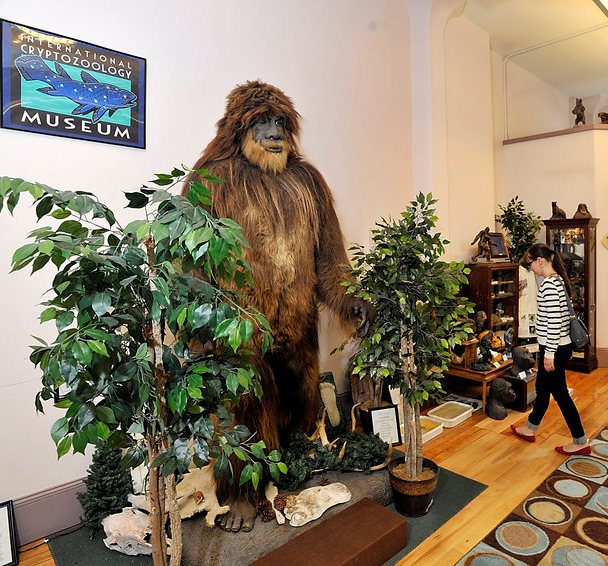
Courtesy, International Crytoozoology Museum in Maine, Gordon Chibroski

Monsters don’t just live under beds and in closets. Many travelers and cryptozoologists – people whose study of creatures includes some that may have not yet been proven to exist –say Bigfoot and his legendary brethren are out there; you just need to know where to look.

Here are some of the creatures I found for a Strange Sightings slide show on Bing Travel:

Sasquatch/Big Foot

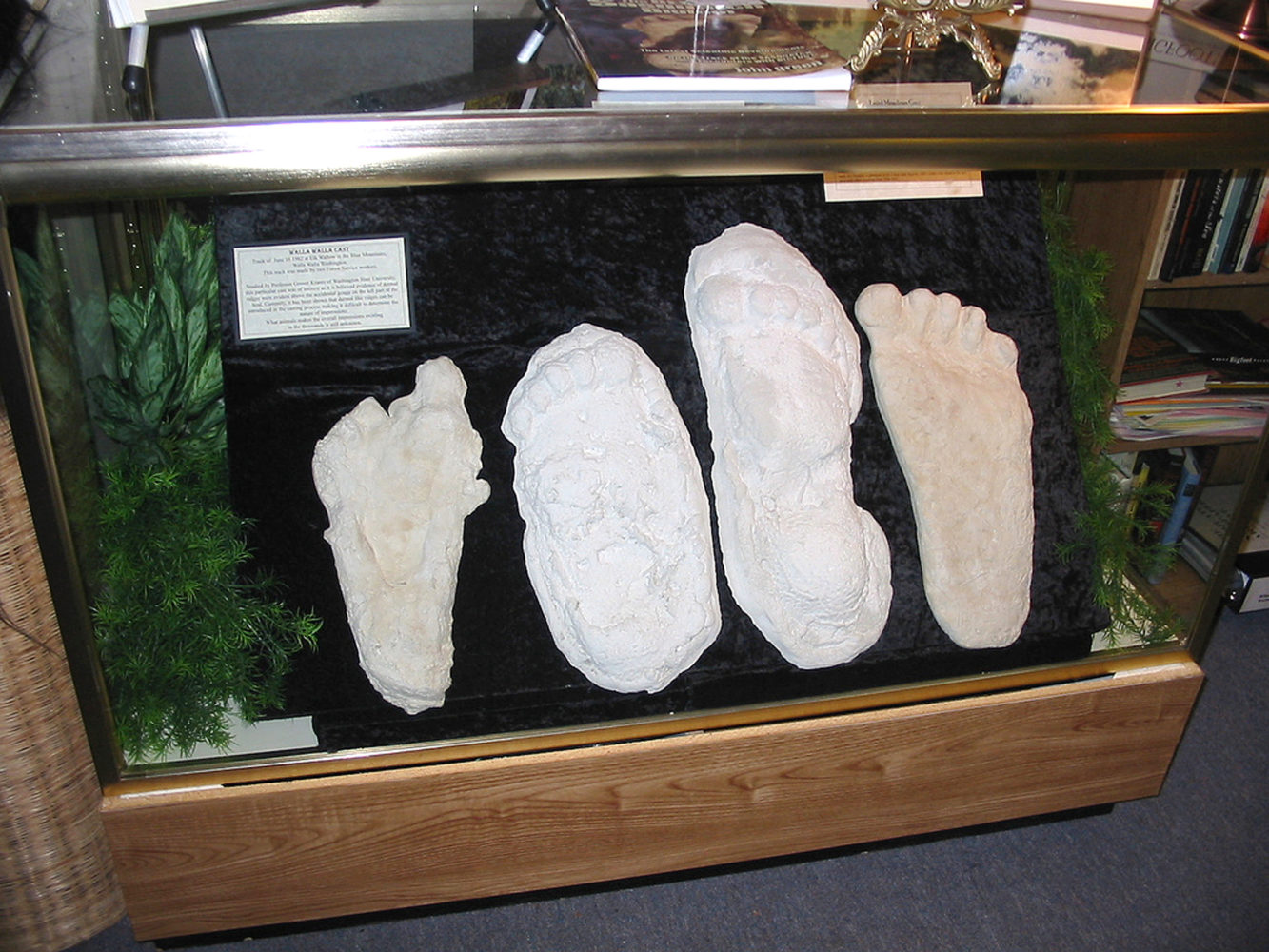
Sasquatch footstep castings, from the Northwest Museum of Legends and Lore

He’s huge, hairy and shy. Not your Uncle Jack; but the ape-like beings known as Sasquatch, or Bigfoot, said to roam the woods in Oregon, Washington and British Columbia. Bigfoot hunters claim they’ve gathered everything from Sasquatch film footage to hair samples, footprints and droppings left behind by the beast. But while the Big Foot Field Researchers Organization (BFRO) has records of Sasquatch sightings in almost every state –more than 500 in Washington alone – so far no one captured one of these creatures.

Sighting tip: Spot a Sasquatch? Keep your distance. At least two Washington State counties are official Big Foot refuge areas where hurting or slaying a Sasquatch is punishable by hefty fines, jail sentences or both.

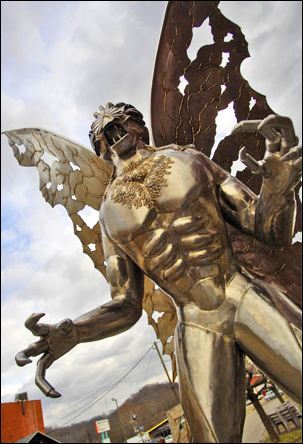
Mothman statue, Point Pleasant, West Virginia

Mothman: Point Pleasant, West Virginia

Reports of a strange being described as bird-like and shaped like a man, but much bigger, with red eyes, a screeching voice and a wingspan of perhaps eight feet, began surfacing in Point Pleasant,West Virginia in the mid-1960s. Dubbed “Mothman,” this creature went on to be featured as a character in books, video games, TV show episodes and films, including The Mothman Prophecies (2002), with Richard Gere. Today, downtown Point Pleasant sports a Mothman Museum and, in Gunn Park, a shiny mothman-statue.

Sightings tip: Mothman fans gather in Point Pleasant each Fall for the annual Mothman Festival where events include guest speakers, film screenings and the Miss Mothman Pageant.

Ogopogo

Early Canadian First Nations people called the creature said to be living in Lake Okanagan ‘N’ha-a-tik.’ But as years went by, the thing witnesses swore was a sea serpent with a horse-like head, and which song penned in 1924 called “a cross between a pollywog and a whale,” became known as Ogopogo. Residents and visitors to British Columbia’s Okanagan Valley still keep their eyes peeled Ogopogo and report a few sightings a year.

Sightings tip: A statue of Ogogopo can be seen in Kerry Park, in Kelowna, B.C.

Fairies, Yetis, Nessie and other legendary creatures tomorrow…

Museum Monday: Celebrating the black leather jacket

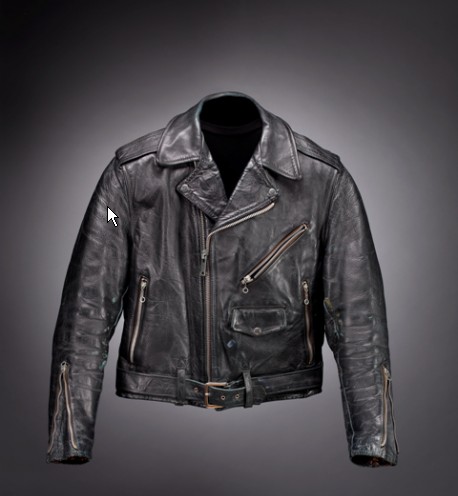
This black leather jacket that Elvis Presley bought from J.C. Penney is one of more than 50 classic black leather jackets on display at the Harley-Davidson Museum. Photo courtesy of the museum.

Today it’s an icon in pop culture and fashion, but the black leather jacket was originally a utilitarian piece of clothing designed to protect travelers.

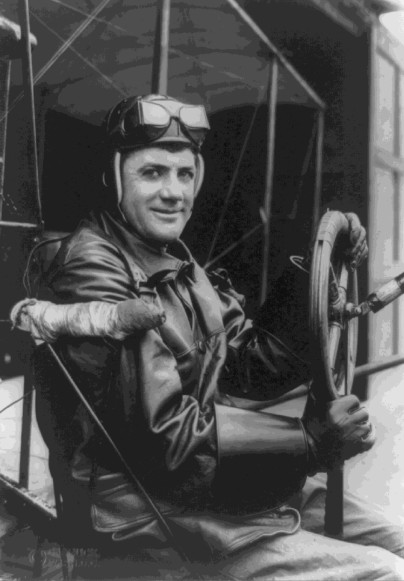
“In the early part of the 20th century, whether you were flying a plane or driving a motorcycle or a horseless carriage, everything had an open cockpit. So the idea of leather being an appropriate material for transportation gear emerged early on,” said Jim Fricke, curatorial director at the Harley-Davidson Museum in Milwaukee, Wis.

Early airplane pilot in black leather jacket. Courtesy Library of Congress

The museum’s newest exhibit is “Worn to be Wild: The Black Leather Jacket,” which runs through Sept. 3. More than 100 artifacts are on display, including dozens of jackets worn by celebrities and pop culture icons as well as leather jackets from fashion houses such as Jean Paul Gaultier and Gianni Versace. The exhibit also uses a wide variety of motorcycles, photographs, film footage, literature, advertisements and music to explore how this single article of clothing became such an iconic object in popular culture.

During World War I and II, pilots were photographed looking dashing in their leather bomber jackets, but the public’s fascination with the zippered, wind-protecting garment soared in the 1950s, when Hollywood got hold of it.

“It happened because of the movie ‘The Wild One,’ when Marlon Brando played a motorcycle gang member and wore one of our black leather jackets,” said Jason Schott, COO of Schott Bros. clothing manufacturer and great-grandson of Irving Schott, who is credited with making the first zippered leather motorcycle jacket in 1928.

Brando’s bad-boy image seemed cool, so people wanted that jacket. But because the jacket was associated with hoodlums and juvenile delinquency, many schools tried to ban it.

At the time, leather jackets were considered one way to identify juvenile delinquents, said Fricke, who included memos from an Ohio school district in the new exhibit.

“That made people want it even more,” said Schott. “The jacket just became synonymous with the rugged bravado that Americans seemed to embody.”

Despite a lull during the hippie era in the 1960s, Fricke said, the black leather jacket has maintained its role as the uniform of youthful rebellion and has been seen on everyone from James Dean and Elvis Presley to the Ramones and Bruce Springsteen.

A leather outfit worn by Arnold Schwarzenegger in “Terminator 2” and leather jackets worn by musicians and celebrities such as Fergie, Gene Vincent and Michael Jackson are among items on display. The exhibit also reunites the Harley Davidson motorcycle bought by a 21-year-old Elvis Presley in 1956 with the motorcycle jacket he bought a few years later, from J.C. Penney.

After leaving Milwaukee, “Worn to be Wild” will move to Seattle’s EMP Museum, home of some of the music and science-fiction artifacts included in the show, and will run from October 2012 through February 2013.

If you’re flying to Milwaukee, you’ll arrive at Milwaukee County’s General Mitchell International Airport, which provides free parking for motorcycles and a Harley Davidson shop. Here’s a link to the airport guide for General Mitchell International Airport that is part the 50 airport guides I maintain for USATODAY.com.

My story: Worn to be Wild: Celebrating the black leather jacket first appeared on msnbc.com’s Overhead Bin.

Carousels worthy of the run-around

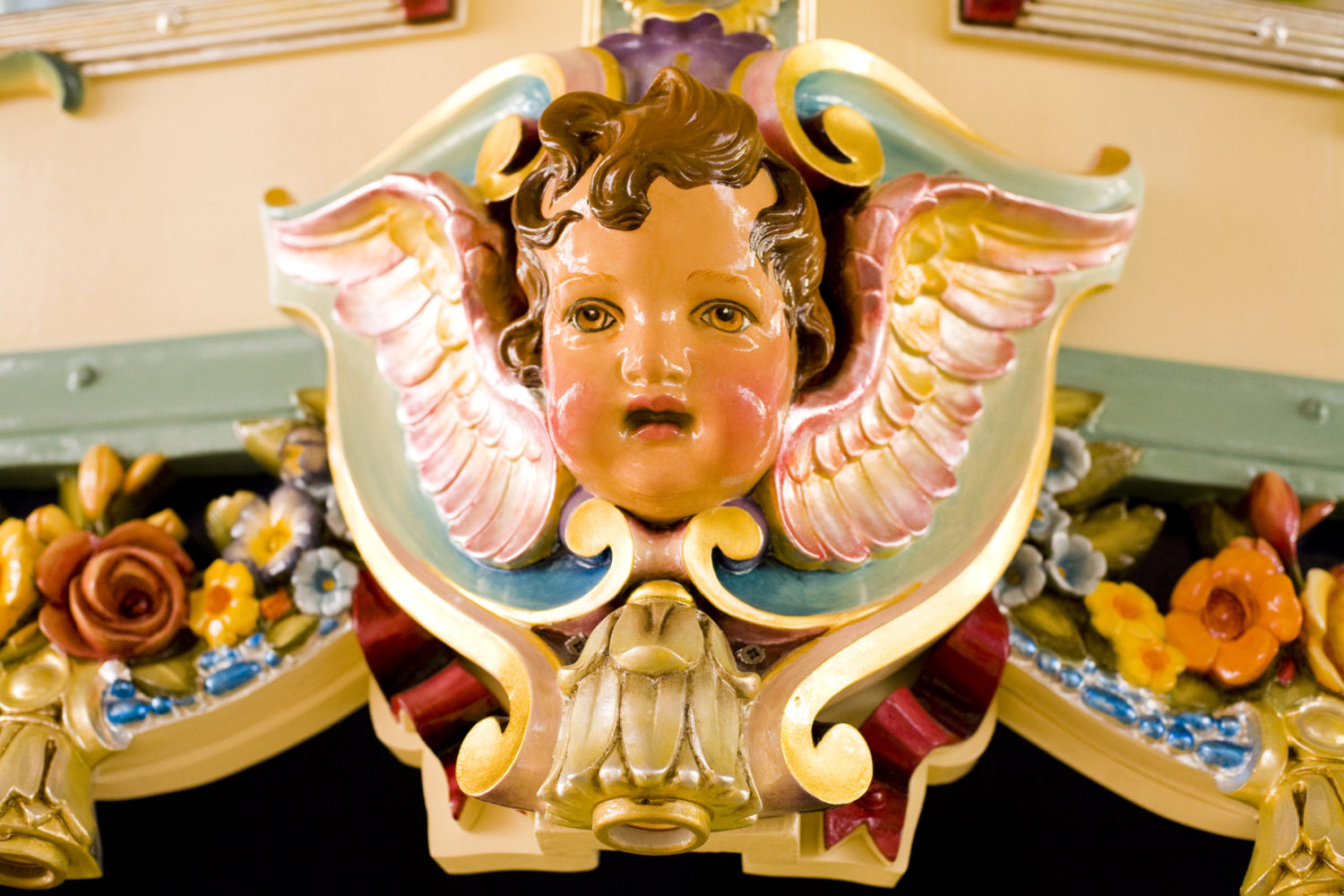
Detail from the 1908 Dentzel Carousel at the Please Touch Museum in Philadelphia

Traveling in circles? That’s not the goal in the air or out on the highway, of course, but it’s definitely a good thing when it comes to historical merry-go-rounds or carousels.

Here’s are a few cool carousels I found while putting together a slide show called “Perfecting the art of the spin,” for msn.

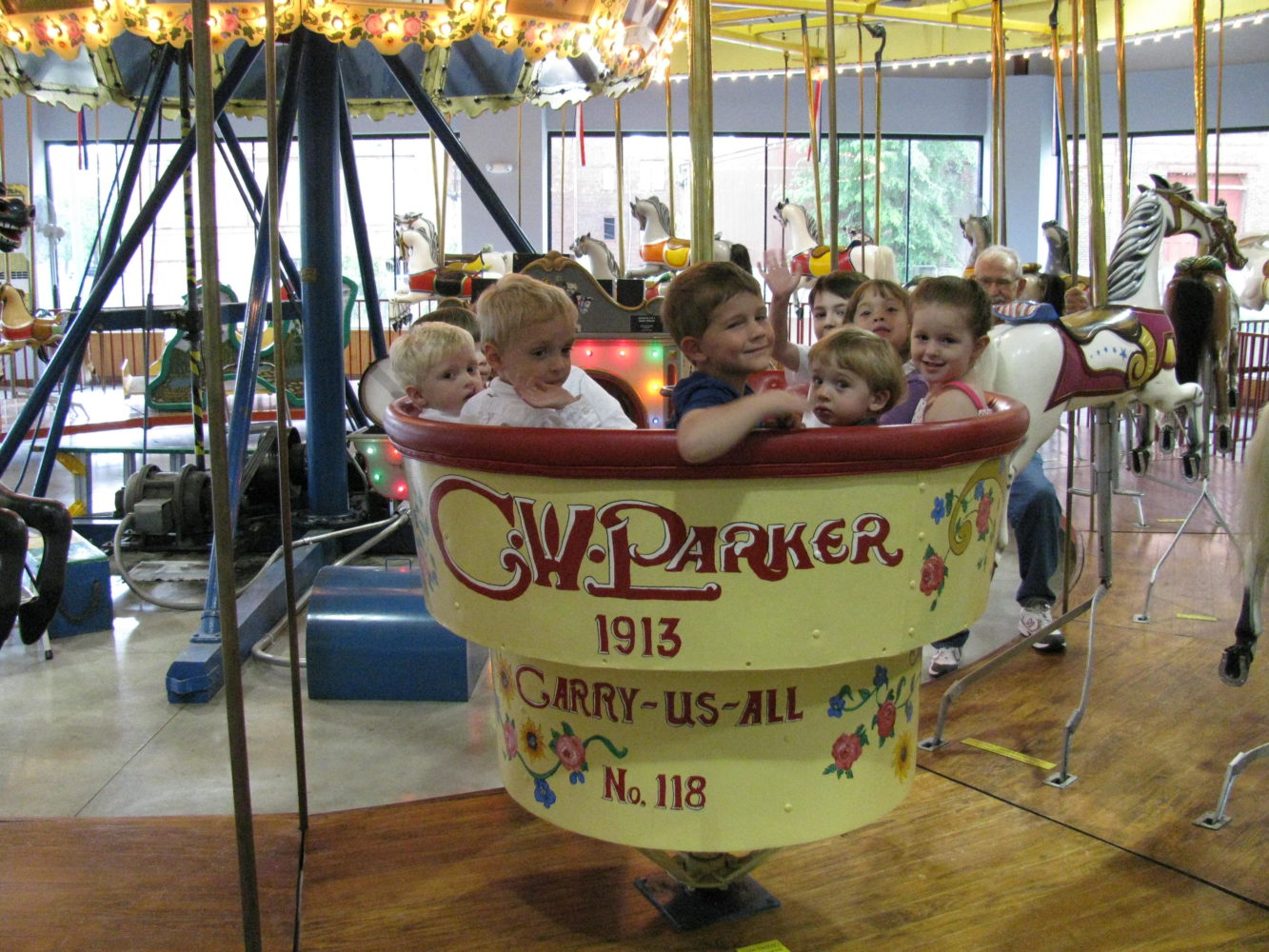
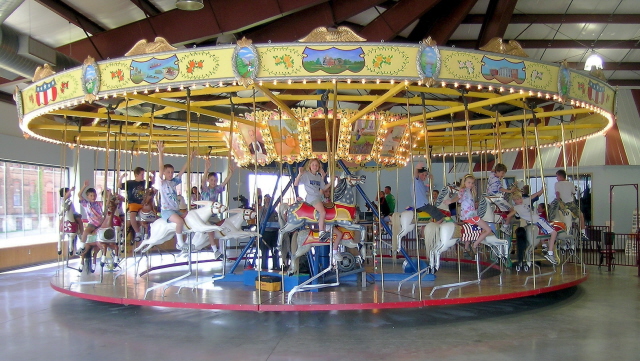
In addition to artifacts relating to the life and work of carousel manufacturer C.W. Parker, whose carousels—or, as he called them, “Carry-Us-Alls”—were featured in carnivals and parks around the world, the C.W. Parker Carousel Museum in Leavenworth, Kansas has three operating carousels: A 1913 Parker Carry-Us-All (with 24 horses, two rabbits, three ponies and a spinning “lover’s tub,” above); the 1950 Liberty Carousel with 20 aluminum horses; and the Primitive Carousel, made sometime between 1850 and 1860, a hand-cranked model with horse bodies made of hollowed out logs.

Kids Carousel at the C.W. Parker Carousel Museum

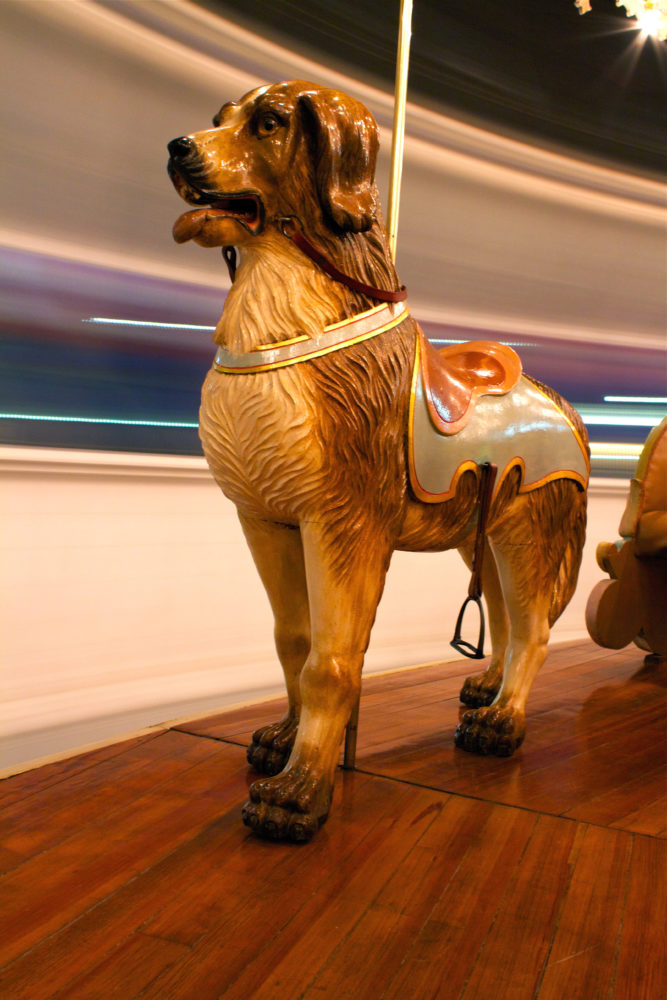
The 1905 Philadelphia Toboggan Company Carousel No. 6 – now the Kit Carson County Carousel in Burlington, Colo. – “is not the biggest or the most elaborate carousel, but it’s the only carousel in America that still has original paint on both the scenery panels and the animals,” said Jo Downey, project director for the Kit Carson County Carousel Association. “And at almost 12 mph, it goes 50 percent faster than the average carousel.” The carousel counts a lion, a tiger, a dog, a sea horse and two donkeys among its 46 animals.

Not dizzy yet? Take a look at the full “Perfecting the spin” slide-show featuring carousel museums and carousels in museums.

(All photos courtesy of the respective carousels)

Free museum admission for military personnel and their families

As you travel around the country this summer, keep in mind that more than 1,5000 museums around the country are offering free admission to active duty military personnel and their families from Memorial Day, May 28, through Labor Day, September 3, 2012 as part of the Blue Star Museums program.


The program began in 2010 and is a collaboration between the National Endowment of the Arts, Blue Star Families, the Department of Defense and the participating museums.

On the list are museums, science centers, history museums, nature centers and more than 70 children’s museums, including the Museum of Modern Art in New York City, the Buddy Holly Center in Lubbock, TX and the Walt Disney Family Museum in San Francisco.

New on the list year: the American Civil War Center at Historic Tredegar in Richmond, Va., the New Mexico Museum of Space History, San Francisco’s Children’s Creativity Museum and the World Figure Skating Museum and Hall of Fame in Colorado Springs, Colo.

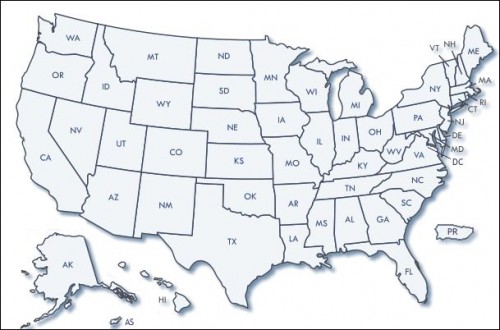
You can click on a map to see what museums and attractions in your travels may be on the list.


Celebrate the strange on Obscura Day

Whether you’re home or on the road this weekend, check to see if an Obscura Day event is taking place nearby.


If there’s room in your travel plans for activities ranging from a guided tour of the world’s second largest particle accelerator to a behind-the-scenes tour of Alcatraz, then Obscura Day, on Saturday, April 28, is for you.     

Organized by Atlas Obscura, a website co-founders Dylan Thuras and Joshua Foer call a “collaborative compendium of amazing places that aren’t found in your average guidebook,” Obscura Day is a celebration of offbeat expeditions and behind-the-scenes tours at more than 100 cities in the U.S. and around the world. Ticket prices for events vary and many are already sold out.

“For our third annual Obscura Day, institutions, tour guides and individuals are going to lead tours, walks and adventures and show off spaces and parts of collections that people don’t normally get to see,” said Thuras, who recently returned from his honeymoon in Southeast Asia. (“I promised my wife it would be a ‘normal’ trip, but we couldn’t resist,” said Thuras. “We found a wonderful museum of taxidermy in Hanoi and an enchanting museum with cool medical specimens in Bangkok.”)

On Obscura Day, the Brooklyn, N.Y.-based Thuras plans to attend several events, including a tour of abandoned beach areas on Staten Island and a visit to Columbia University’s Rutherford Observatory. Also in New York, an urban foraging tour of Central Park will show participants how to identify edible plants and herbs.

Elsewhere, this year’s Obscura Day events include everything from a tour of the Fermilab particle accelerator in Batavia, Ill., to an expedition to Japan’s largest stone-carved Buddha and the 1,553 stone-carved monks of Nihon-ji. “They’re in a beautiful, crumbling ruin in a forest and you need to take a train and a boat and a bus just to get there,” said Thuras.

The worldwide schedule of Obscura Day events “will help raise awareness of some of the lesser known attractions and wonders around the world,” said Doug Kirby, publisher of the website RoadsideAmerica.com.

In San Francisco, Annetta Black, senior editor of the Atlas Obscura and vice-president of the Atlas Obscura Society, will be leading Bay Area events that include a tour of the USS Iowa, a WWII battleship leaving soon to become a museum near Los Angeles, and an evening salon talk at the Long Now Museum, where the discussion will focus on the importance of planning beyond our own lifetimes. There will also be an after-dark tour exploring the off-limits areas of Alcatraz.


(Photo: Neil Girling / Courtesy Atlas Obscura)

The Museum of Human Disease in Kensington, Australia, is returning as an Obscura Day participant, and this year it has added a workshop on human tissue preservation. Participants will get to preserve a pig’s heart in a hands-on demonstration.

“I just don’t think anyone else is really offering that kind of opportunity, which makes me very happy,” said Black, who sums up Obscura Day as a great way to “build curiosity about the places we live, which leads to cultural engagement and an interest in local history.”

Obscura Day is “really just fun field trips for adults,” said Thuras, “that will make you realize that the unusual sometimes comes in an unusual package.”

This story first appeared on msnbc.com’s Overhead Bin

Free admission at 150 museums, courtesy of Museums on Us

Banks don’t give out toasters anymore. But at least the Bank of America is continuing its Museums on Us program.

On the first weekend of each month, more than 150 museums, science centers, zoos and cultural attractions around the country offer free admission to anyone who shows their photo ID and a Bank of America or Merrill Lynch credit or debit card.

Because some museum admission prices hover around $20 now, this is a great way to extend your travel budget while you’re on the road. And it may be a good excuse to see a museum in your town that you’ve always been curious about.

If you’re anywhere near Dearborn, Michigan this weekend, keep in mind that your Bank of America card gets you free admission at the Henry Ford Museum, where the regular admission is $17 ($35 for the Henry Ford/ Greenfield Village combo) and where the Driving America exhibition is the latest attraction.

1955 Chevy Corvette Roadster, courtesy the Henry Ford

Among the many other exhibits inside this 13-acre museum building is a Heroes of the Sky section focusing on the pioneers of aviation.

1928 Ford Trimotor