Museums

Bruce Lee & 150+ museums free this weekend

If you’re home or on the road this weekend, and have a Bank or America or Merill Lynch credit or debit card, you’re eligible for free admission at more than 150 museums, science centers and gardens around the country, courtesy of the Museums on Us program, which makes the same offer the first full weekend of each month.

Kiss V, 1964, Roy Lichtenstein, courtesy Seattle Art Museum. Collection Simonyi, © Estate of Roy Lichtenstein, Photo: Eduardo Calderon.

If you’re in Seattle, that means you can get free admission to the Seattle Art Museum (regular admission: $19.50), which is currently showing a great pop art exhibition.

Another great option: The Wing Luke Museum of the Asian Pacific American Experience, which is the only place outside of Hong Kong to have an exhibition about martial arts and film star Bruce Lee, who had deep connections to Seattle and is buried at Lake View Cemetery

Bruce Lee - Wing Luke Bruce Lee on the set of ‘Way of the Dragon’ – courtesy of The Wing and Bruce Lee Enterprises.

City break: free dinos and glittering gems in Dallas

If you’ve flying somewhere this weekend and have a free afternoon, check your wallet. There may be free dinosaurs or art treasures in there.

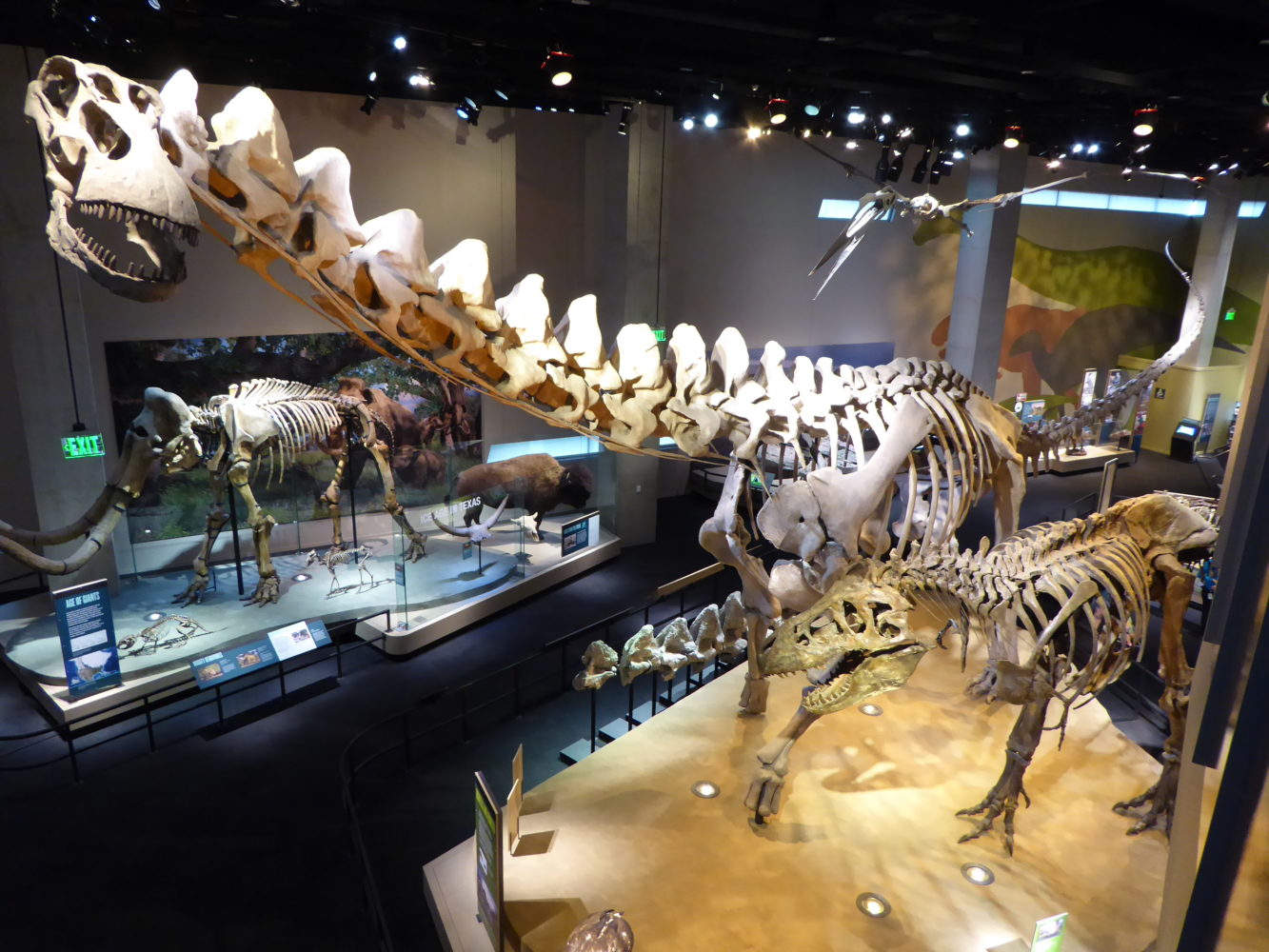
P1000209

If you’re a Bank of America or Merrill Lynch credit or debit card holder, you’re eligible for a free admission at more than 150 museums around the country – a perk that returns on the first weekend each month as part of the long running Museums on Us program.

If you’re near Dallas, for example, you’ll get free entry at the Perot Museum of Nature and Science , where general admission is $15.

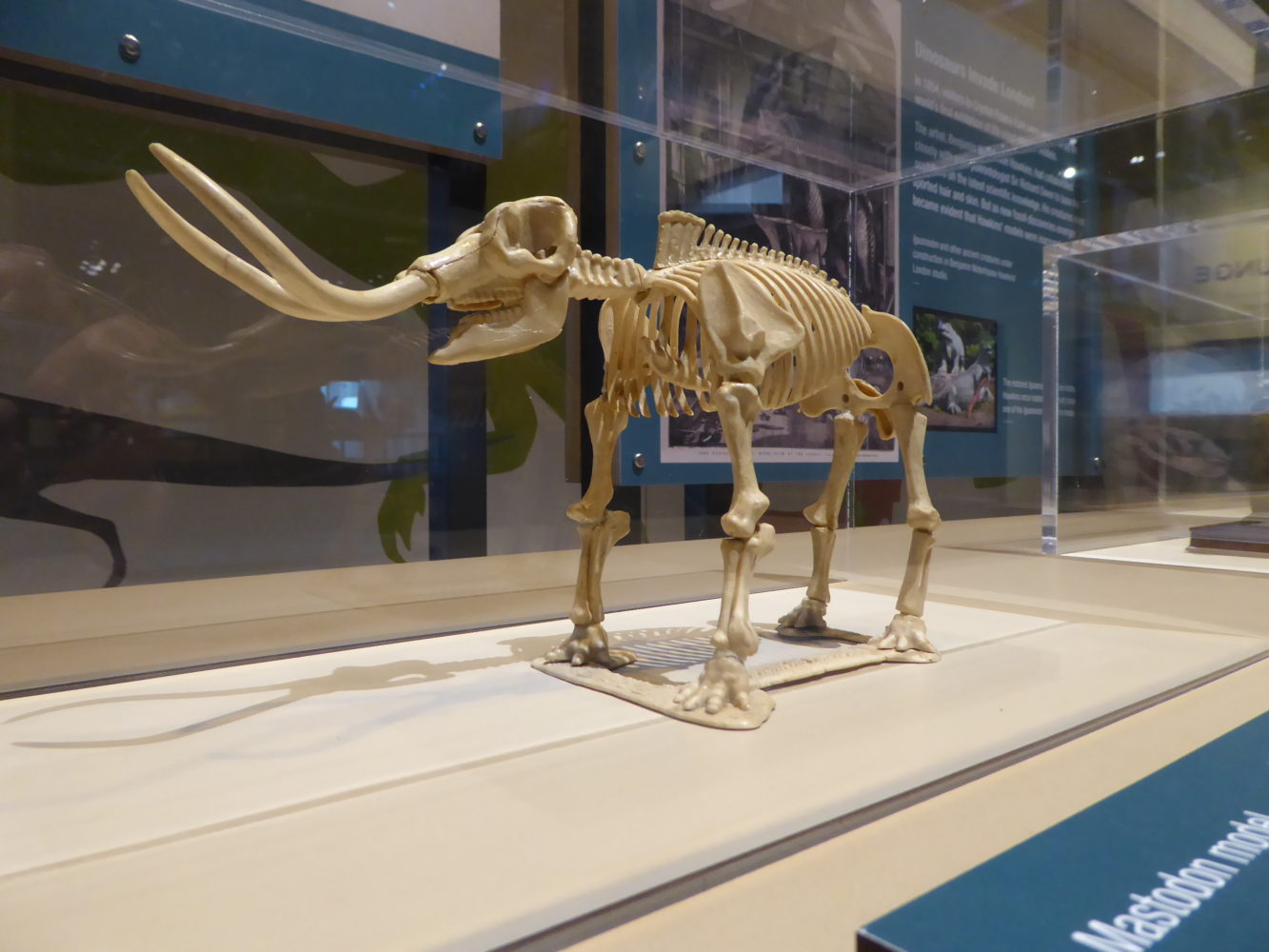
As I learned during an all-too-short visit this week, the museum has five floors filled with 11 interactive permanent exhibits offering everything from dazzling gems and minerals to a bird hall, a dinosaur-filled then and now exhibit and the opportunity to learn about and explore sport, science and space.

P1000212

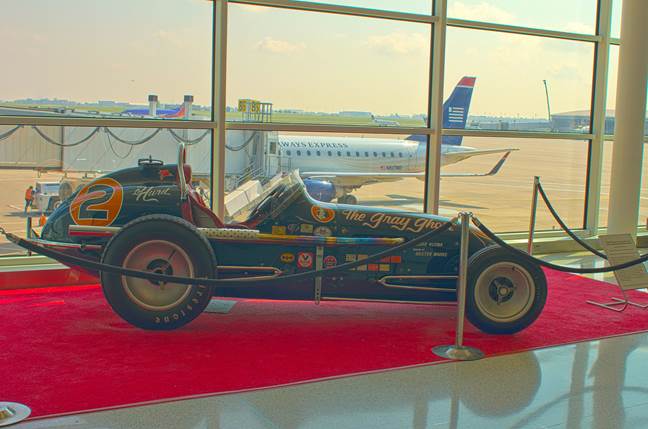
New vintage race car at Indianapolis Int’l Airport

IND GRAY GHOST

Cars inside an airport?

That’s a regular thing at Indianapolis International Airport, where the Dowgard Special #2 – known as The Grey Ghost – has joined the line-up of classic racing cars on loan from the Indianapolis Motor Speedway Hall of Fame Museum.

Here’s some information about the car:

It was built in 1958-59 by Eddie Kuzma and was driven on one-mile tracks by Jim Rathmann, Ed Elisian, Bobby Grim, Jimmy McElreath and two-time National Champion Tony Bettenhausen, who won with it at Phoenix in 1959.

It became known as “The Grey Ghost” after a rush repair job in 1962 led to an appearance at a track in gray primer. Look for it on Concourse B near the exit to Civic Plaza.

The airport’s release also refers to the racing car as a ‘dirt car’ – and says that, according to the museum, other than the Indianapolis 500, most National Championship races held between the early 1930s and the late 1950s were dirt track “100-milers,” with the popular events still counting toward the national title as late as 1970. These dual-purpose, solidly built cars won the 500 in 1950, ’51 and ’52, and were still in the lineup as late as 1956.

Museum Monday: Hawaii by Air exhibit

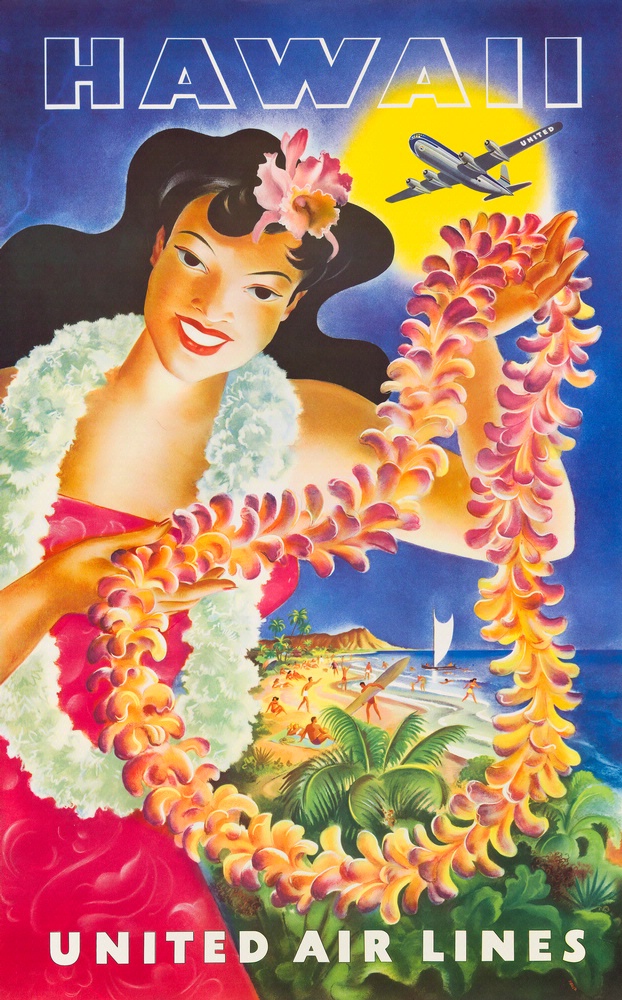
Hawaii by Air

Courtesy National Air and Space Museum, Smithsonian Institution

Dreaming of a trip to Hawaii?

So, evidently, are the curators at the Smithsonian’s National Air and Space Museum in Washington, D.C.

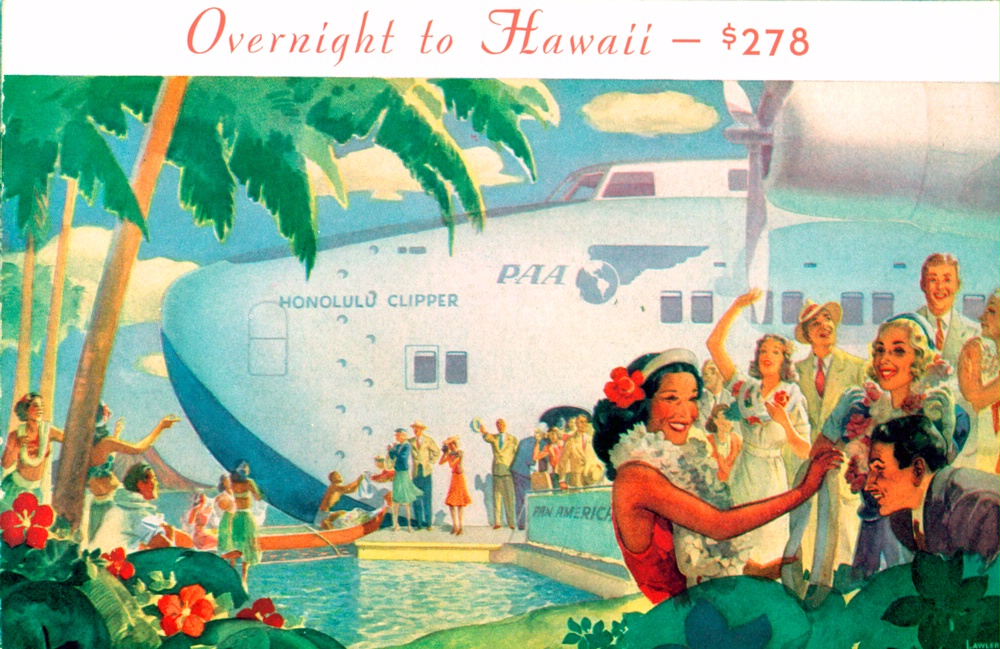
They’ve put together “Hawaii by Air,” an exhibition featuring Hawaiian travel posters, photographs and ephemera that explores how air travel to Hawaii developed and grew, how the travel experience evolved along with the airplane and how air travel changed Hawaii.

Also on display: airplane models, airline uniform badges, historic film footage, a high-resolution satellite image of the islands, broadcasts from a vintage Hawaiian radio show and live Hawaiian plants.

pan am brochure

National Air and Space Museum, Smithsonian Institution

Hawaii, exhibition notes remind us, is one of the most remote places on Earth. It got its first air service in 1935 and, by 1936 Pan American Airways was delivering passengers on its famous flying clipper ships.

From the exhibition notes:

“Flying to Hawaii was luxurious but expensive; most people still traveled by ocean liner. That changed after World War II, when new propeller-driven airliners and then jets made travel to this remote destination much more common, comfortable and affordable. Hawaii experienced a tourism boom that exceeded all expectations.”

The exhibit runs through July 2015.

Continental Hawaii

National Air and Space Museum, Smithsonian Institution

Five Hall of Fame Museums Worth a Visit

Next to airports, museums – especially the odd ones – are my thing.

Here’s a piece I put together for TODAY.com Travel about Hall of Fame Museums that are definitely worth a visit.

4. Fresh Water Fishing Hall of Fame

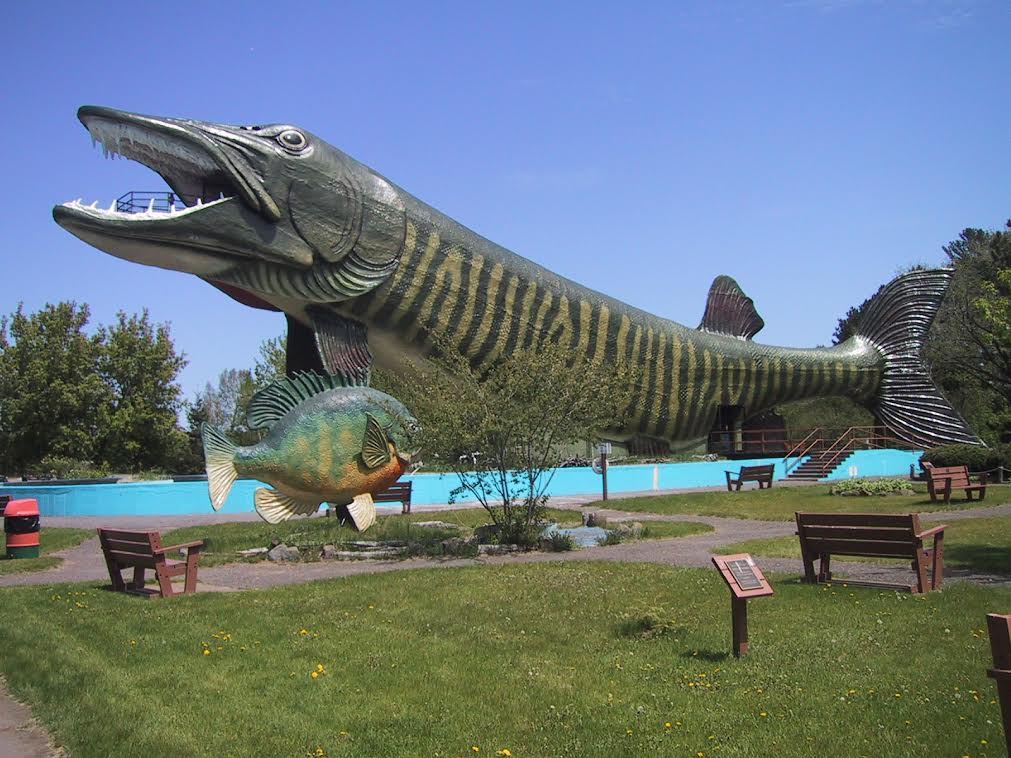
The National Fresh Water Fishing Hall of Fame is housed inside a giant steel, concrete and fiberglass fish. Courtesy of the museum.

“The best halls of fame also offer a museum experience,” said Doug Kirby, publisher of RoadsideAmerica.com. “That helps provide context about the history, industry and achievements of those enshrined on plaques.”

Among his favorites are the US National Ski & Snowboard Hall of Fame and Museum in Ishpeming, Michigan, which honors the sport’s best athletes and its history, and the International Towing and Recovery Museum, in Chattanooga, Tennessee, which has a Hall of Fame saluting “the movers and shakers of an industry dedicated to hauling broken-down vehicles safely off America’s highways.”

Here are a few other halls of fame you won’t want to miss:

National Baseball Hall of Fame and Museum

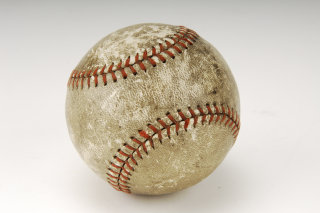
Image: The baseball Babe Ruth hit for his final career big league home run in 1935 is on display at the National Baseball Hall of Fame and Museum in Cooperstown, New York.

The ball Babe Ruth hit for his final career big league home run in 1935 is on display at the National Baseball Hall of Fame and Museum. Courtesy Milo Stewart Jr. / National Baseball Hall of Fame and Museum

As many as 300,000 visitors make the trek to Cooperstown, New York, each year to visit and pay respects to the heroes of the game called “America’s pastime.”

Three floors of artifact-filled exhibits document baseball history, and bronze plaques honor each Hall of Famer. During this summer’s Hall of Fame Weekend (July 25-28) more than 50 Hall of Fame legends, including Hank Aaron, Cal Ripken and Sandy Koufax will be on hand to help celebrate the Class of 2014 inductees Bobby Cox, Tom Glavine, Tony La Russa, Greg Maddux, Frank Thomas and Joe Torre.

If you go: Open daily (except Thanksgiving, Christmas and New Year’s Day). Admission: $19.50 for adults; Children 7-12: $7.

The Rock and Roll Hall of Fame and Museum

2. Courtesy Rock&RollHallofFame&Museum

A new exhibit at the Rock and Roll Hall of Fame & Museum includes the outfit Lady Gaga wore in the video for “Bad Romance.” Courtesy of the museum.

This museum in Cleveland, Ohio, holds a star-studded ceremony each spring for its newest inductees. Performers inducted this year included Kiss, Nirvana, Linda Ronstadt and the E Street Band.

The museum displays iconic rock ‘n’ roll artifacts year-round, including the most comprehensive exhibit of Beatles’ items, and offers special exhibits, such as “Right Here, Right Now,” which invites visitors of different generations to learn “how the roots and pivotal moments in rock and roll influenced current artists and the future of music,” said museum spokesman Todd Mesek.

If you go: Open daily. Adults: $22; Kids 9-12: $13.

The Strong

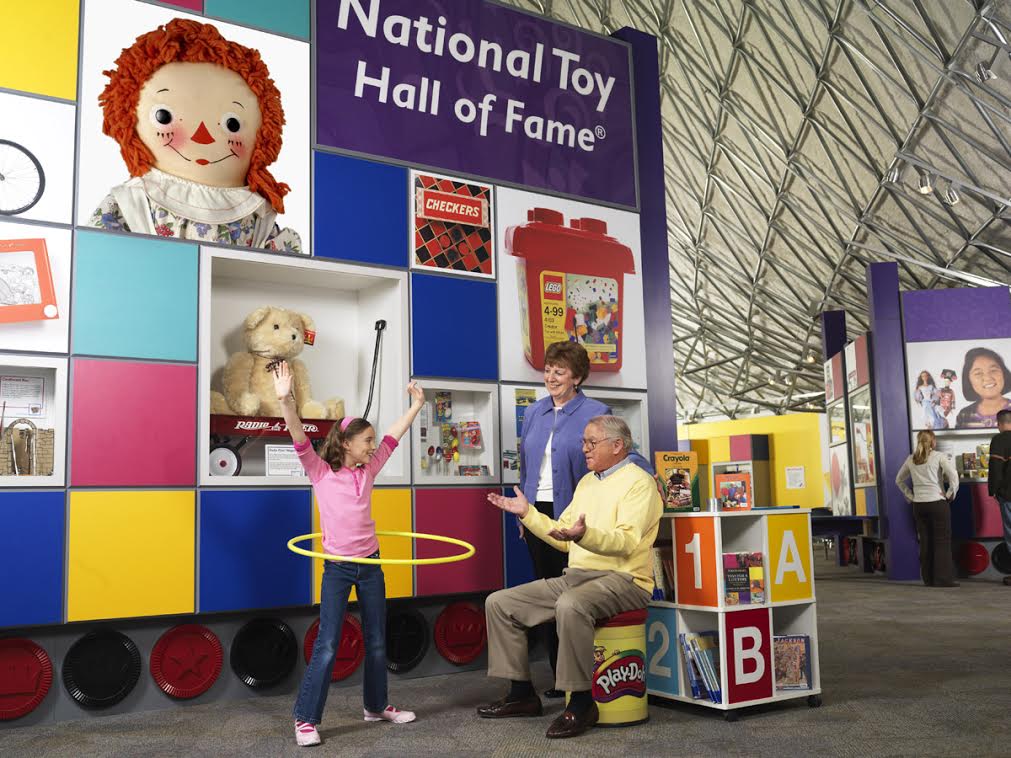
National Toy Hall of Fame

Courtesy The Strong

At this Rochester, New York, museum devoted to the history of play, a new batch of popular and well-loved toys is inducted in the National Toy Hall of Fame each November.

“The types of toys people have played with over time tells us a great deal about our cultural history,” said Shane Rhinewald, spokesman for The Strong. “Because of this, the National Toy Hall of Fame recognizes toys that have inspired creative play and enjoyed popularity over multiple generations.”

Past winners have included Barbie (1998), the cardboard box (2005) and dominoes (2012).

In addition to a gallery celebrating the more than 50 toys that have been inducted into the hall of fame so far, the museum offers a plethora of interactive play areas and exhibits filled with historic toys and games.

If you go: Open 362 days a year. Age 2 and older: $13.50.

Fresh Water Fishing Hall of Fame & Museum

Part museum, part hall of fame, this Hayward, Wisconsin, attraction is a shrine to anglers built inside the “Big Musky,” a 143-foot-long, 41-foot-tall concrete, steel and fiberglass fish.

In addition to mounted specimens, fishing gear and more than 50,000 vintage and historical fishing artifacts, the hall tracks freshwater fishing world records and honors legendary anglers, fishing guides and artists who have tackled fishing themes.

If you go: Open daily, April 15 through October. Admission: $7 adults; $5 kids 10-17.

RV/MH Hall of Fame

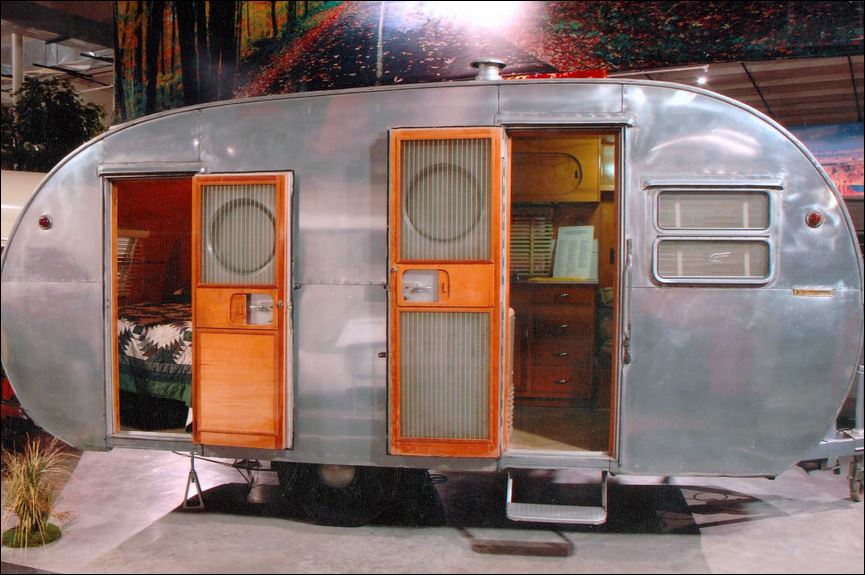
5. RV_MH HALL OF FAME

Courtesy RV/MH Hall of Fame

This Elkhart, Indiana, attraction not only honors the leaders of the recreational vehicle and motor home industry, it documents the history of the vehicles and displays a treasure-trove of trailers reaching back to the 1920s and 1930s. Included along a winding “highway” that runs through the building are Mae West’s 1931 Chevrolet Housecar and a 1954 Yellowstone, an unusual 18-foot-long trailer that was equipped with residential-type appliances and two doors.

If you go: Open daily. Admission: $10 adults; $7 youth 6-18.

Characters on parade at SFO Airport

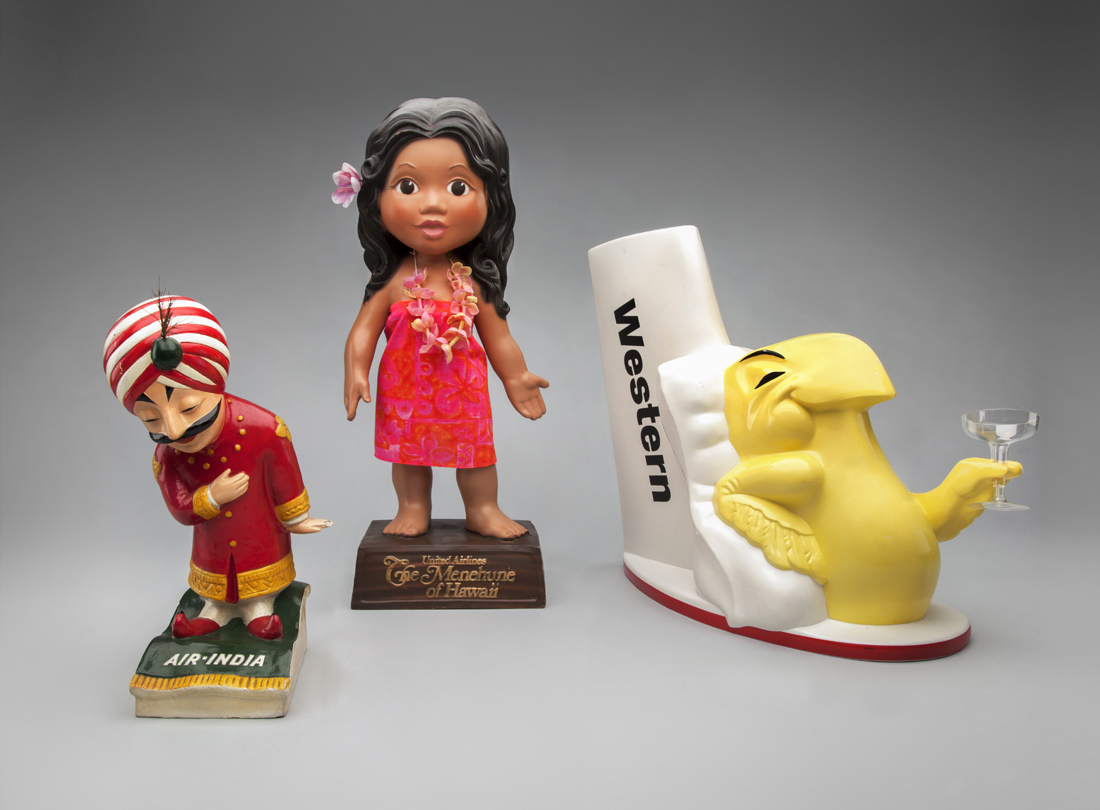
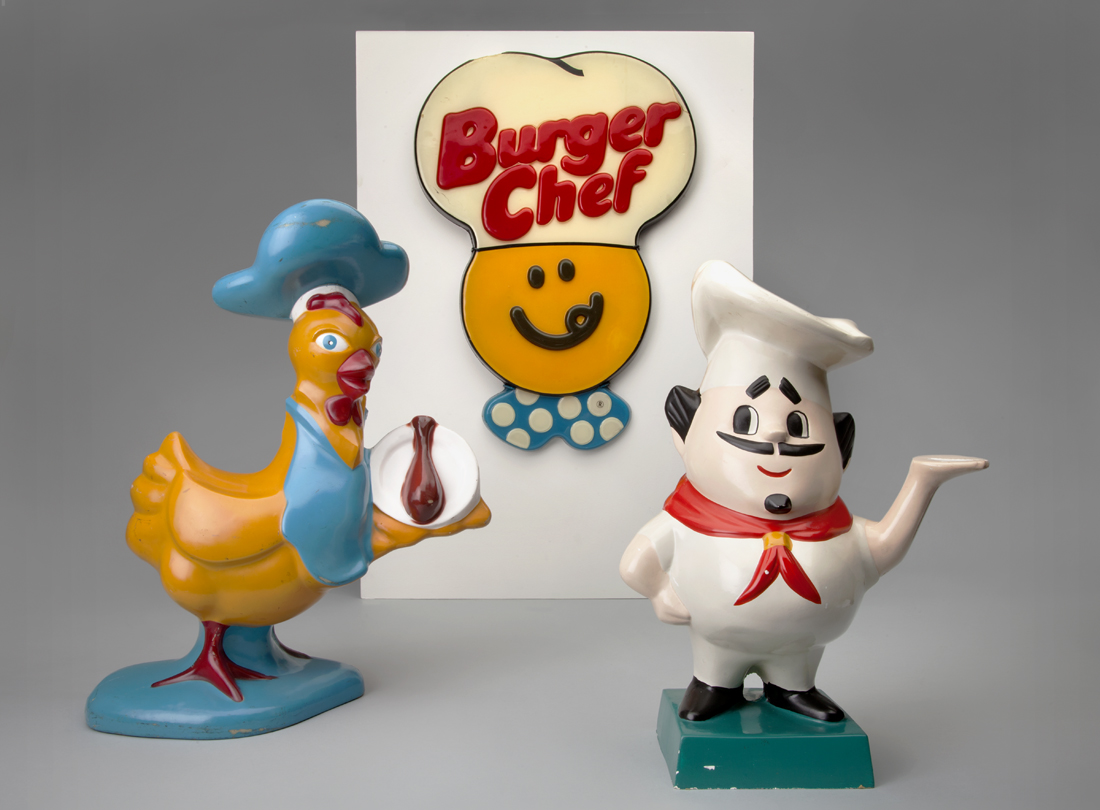
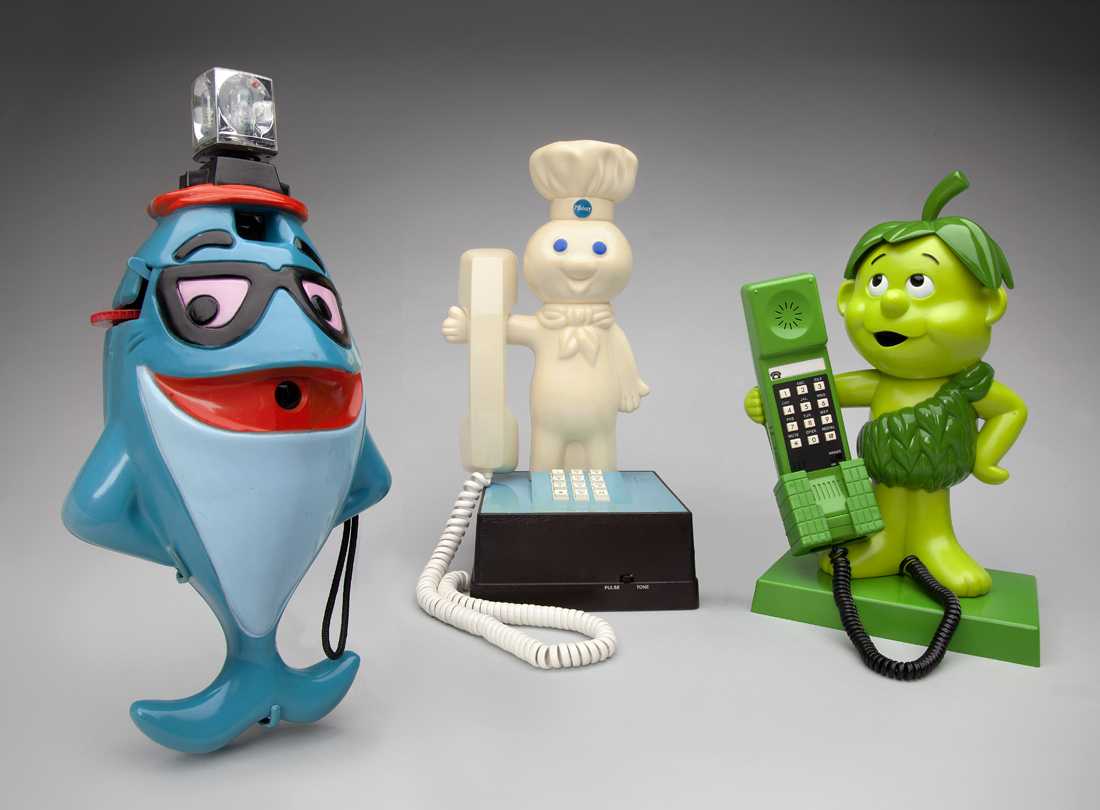
Baby boomer alert: Tony the Tiger, Charlie the Tuna, Pillsbury’s Poppin’ Fresh Doughboy and more than 300 other advertising mascots are on display at San Francisco International Airport.

SFO MASCOTS

The collection is offered by the SFO Museum and is on loan from San Francisco-based author, consultant and pop culture historian Warren Dotz. On view: advertising, promotional items and other nostalgia-inducing items for the baby boomer generation.

Here are some samples:

Presented by SFO Museum

sfo snap

Presented by SFO Museum

A World of Characters: Advertising Icons from the Warren Dotz Collection is located pre-security in the International Terminal Main Hall Departures Lobby at San Francisco International Airport through January 4, 2015.

Presented by SFO Museum

Tipping a tiny hat to the Homestead National Monument

In May, I had the great honor to visit the Homestead National Monument of America – a National Park site in Beatrice, Neb. that sits on the land that belonged to Daniel Freeman, one of the very first people to file a claim under the Homestead Act of 1862.

I was invited to be a guest speaker at the park’s “friends of” event because someone on the staff had read about my book, “Hidden Treasures: What Museums Can’t or Won’t Show You,” and offered me the chance to poke through some of the items kept tucked away in the storage cabinets to see what treasures we could find.

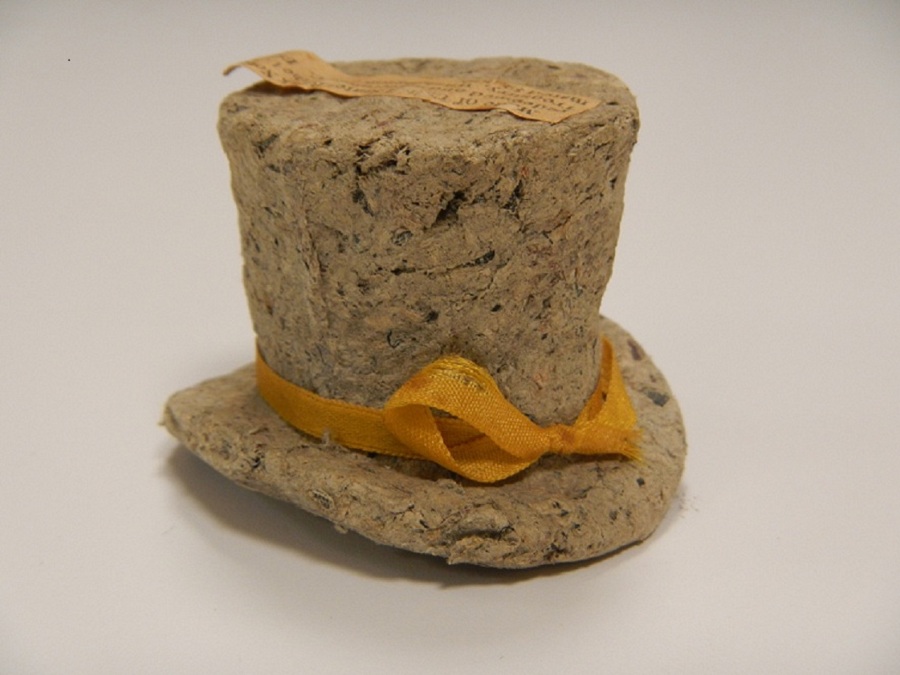
Lots of things caught my attention, including dolls, old clothing, odd tools and scary medical devices. But my favorite item in the collection was this miniature top-hat, decorated with a yellow ribbon, that at first glance looks like it might be made of cork.

Homestead Souvenir HAt

Cute, right?

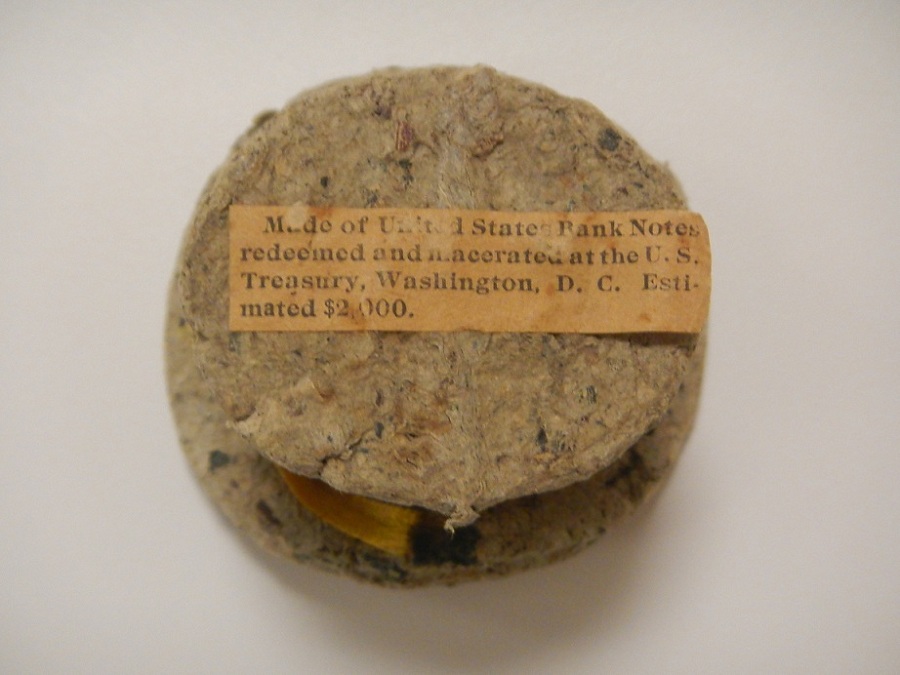
But pasted to the top of the hat is this note that the park’s records date to around 1887:

Homestead Souvenir Hat Label

I’ve seen some old postcards and a few other items made of macerated money when visiting other museums, but was surprised and delighted to find this early souvenir in the collection of a historic site dedicated to homesteading.

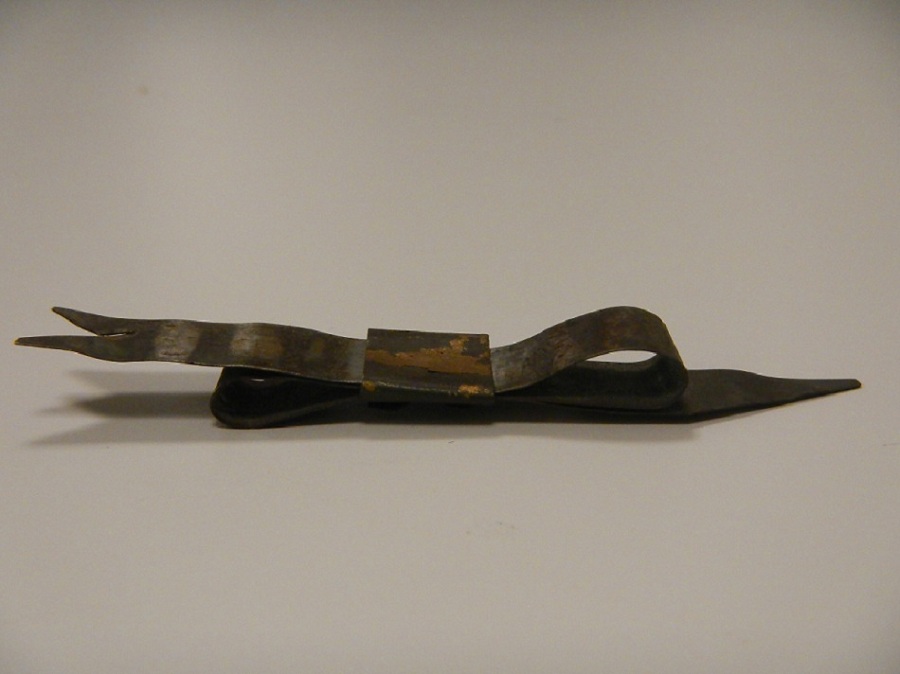
Just as unusual – but more in keeping with what I imagine was the necessary ‘homemade’ part of homesteading -was this tin item listed in the park records as a tie.

Homestead Tie.

The notes in the park records describe the tie as being made of one long strip of tin bent around twice to form a bow tie effect, with two clamps on the back for fastening to a shirt.

We all agreed it didn’t look like it would be too comfortable to wear.

If you’re heading to – or through – Nebraska anytime soon, I urge you to make a point of visiting the Homestead National Monument of America. There’s a Heritage Center there with an award-winning movie about the history of homesteading, a wide variety of well-made and educational exhibits, an early schoolhouse and a cabin built in 1867.

Best of all, there’s a restored tallgrass prairie you can walk through that has many of the plants and animals that once covered the central plains of the United States.

A great time to go would be next weekend (June 13-15), during Homestead Days, when the park offers traditional and modern homesteading demonstrations, music, special guest presenters and more.

Museums trying to stay nimble

NM_2014_Pawel-Althamer_Benoit-Pailley_9521_web

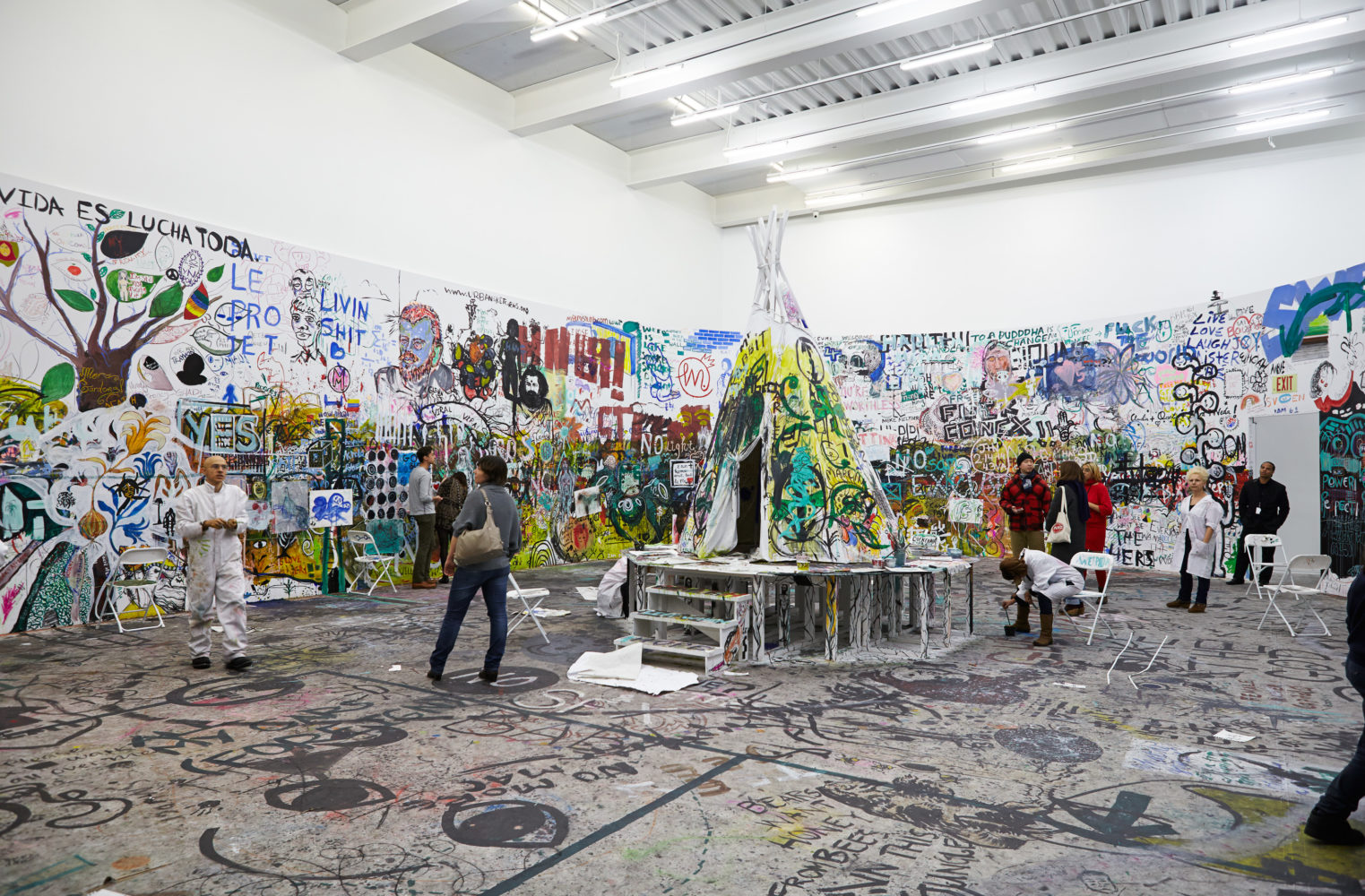
Courtesy New Museum: The New Museum’s programming will serve as an inspiration and a resource to NEW INC members. “Pawel Althamer’s: The Neighbors” exhibition invites the public to paint the walls and floors in an ongoing community mural.


Travel to a new city and it’s a fair bet you’ll end up at a museum – or three.

And while museums are traditionally not known for their nimbleness, many are experimenting with big data, business incubators and some helpful, but potentially creepy surveillance strategies to get visitors in the door.

“Museums have a long view in their DNA,” said Ford Bell, president of the American Alliance of Museums (AAM), but faced with limited funding and staffing “it is possible to get bogged down in the day-to-day.”

Ideas for getting out of the bog are outlined in a new report from the AAM’s Center for the Future of Museums, which encourages museums to learn tricks for increasing foot traffic from the likes Toms Shoes, Ben & Jerry’s and websites that offer free access in exchange for personal data.

“The pace of change is increasing rapidly,” said Elizabeth Merritt, CFM director and the author of the report. “So we’re trying to increase the speed at which museums adopt some of the latest trends.”

The Dallas Museum of Art, for example, has significantly increased memberships—and funding—by making admission free.

In January 2013, the museum scrapped its $10 general admission fee and began offering free entry and memberships in exchange for personal information shared by visitors. Participants can also earn points, badges, credits and discounts by participating in certain activities.

In the first year, 48,000 people enrolled in the program.

“By increasing access and emphasizing participation, we are enhancing the DMA’s role as a cultural convener in our city,” said museum director Maxwell L. Anderson.

The museum has also seen an increase in donations and is building a database that can be mined for valuable information about its audience.

Taking a cue from mission-driven, for-profit companies such as Toms Shoes and Ben & Jerry’s, some museums are getting entrepreneurial about delivering services.

The NEW INC incubator project at the New Museum of Contemporary Art in New York City, which will be a shared workspace for those working in art, technology, and design.

“The goal is to generate ideas that create sustainable business models for creators, who pay membership fees to the museum to work in the incubator and gain access to professional development opportunities and mentors,” said NEW INC Director Julia Kaganskiy.

The first deadline for applications is April 1; the space is scheduled to open this summer.

New technology is also transforming the museum visitor experience.

As the technology for capturing and creating sensory experiences becomes better and more effective, museums are moving beyond “lift and sniff” panels and presenting multi-sensory exhibits that incorporate poetry, music, drama, history, dance, performance art and scent.

With their security cameras and guards, museums are already sites of intense surveillance, but “museums can now tap into mobile technology and track a visitor like a blue dot through the galleries,” said Eric Hintz, a historian at the Lemelson Center for the Study of Invention and Innovation at the Smithsonian Institution’s Museum of American History.

That means visitors looking at a woolly mammoth might get an email message offering them a discount coupon for a woolly mammoth plush toy in the gift shop, said Hintz. “But while it’s good to be creative and find a way to help the bottom line, that may creep some people out.”

(My story about museums trying to stay nimble first appeared on CNBC Road Warrior in a slightly different form.)


Vintage Volkswagens displayed at LeMay – ACM

1963 Beetle Herbie_Courtesy_LeMay-America's Car Museum

“Herbie the Love Bug” – made from a 1963 VW Beetle. Courtesy LeMay-America’s Car Museum

At one of the world’s largest and newest car museums, the Corvettes have been cleared out to make way for vintage Volkswagens.

“The irony was not lost on us of that some great cars with big engines were going out so that we could bring in the little Bugs,” said Renee Crist, collection manager at LeMay—America’s Car Museum, in Tacoma, Wash.

The museum, which opened in 2012, can display up to 350 cars at a time. It draws its rotating exhibits from private owners, corporations and the LeMay Collection, which in the mid-’90s had amassed a Guinness record of more than 3,500 vehicles.

The museum’s newest exhibit, “VeeDub—Bohemian Beauties,” includes 25 unique Volkswagens, including rare early Beetles, a 1966 Westphalia Full Camper and a Thing.

The show, which includes Volkswagen buses, dune buggies, kit cars, and Formula Vee racers, will likely bring back fond memories for several generations of Americans. It also celebrates “a car brand that has defined a culture of customization and entrepreneurship,” said museum President and CEO David Madeira.

The exhibit does not gloss over the fact that the original concept for what became the Volkswagen Beetle can be traced to Nazi Germany.

“But we also talk about what the vision of that car was—economical transportation for the masses,” said museum chief curator Scot Keller. “That’s also a theme we tell elsewhere at the museum that dates back to Henry Ford’s vision for the Model T. Germany intended to do the same thing with the car that became the Beetle, although the Beetle we know today is obviously post-World War II,” he said.

KdF Wagen_Sean Maynard_Volkswagen of America

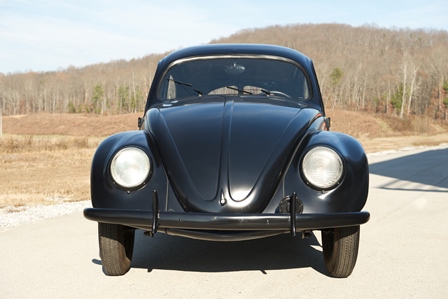
Kdf Wagen – courtesy Sean Maynard/Volkswagen of America

Volkswagen of America contributed several cars to the exhibit, including a fully restored KdF-Wagen from 1943 that is the eighth-oldest Beetle known to exist in the world. The company also contributed an ornate Wedding Car model inspired by a converted wrought iron-bodied Beetle created in Mexico in the 1960s. The company also loaned a Panel Delivery Type 2.

Wedding Car Beetle_6_credit_   Sean Maynard_ Volkswagen of America, Inc.

Wedding Car – courtesy Sean Maynard_ Volkswagen of America, Inc.

The three vehicles loaned by VW of America for the show are worth a worth a combined $400,000.

Other cars on loan for the exhibition are unique in their own ways and come with a personal story that underscores what the museum describes as “America’s love affair with the automobile.”

Dave Barrett’s family bought a 1963 VW beetle six years ago when their son, Joey, a “Herbie the Love Bug” film fan, was 6 years old. “We decided it would be great fun to have our own Herbie, and we had a good time as father and son fixing some things here and truly making him our own,” said Barrett. The pair take their recreated Herbie to car shows. Barrett said just driving around town is an adventure “as drivers’ eyes light up when they recognize the little car.”

1978 VW Superbeetle - Courtesy Brenda Patnode

Courtesy Brenda Patnode


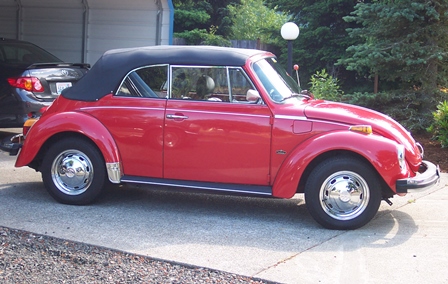
The red 1978 Karmann Super Beetle convertible that Brenda Patnode and her husband loaned for the exhibition is the one they bought shortly before they got married in 1983. The military couple went to extreme lengths to take the car with them to duty stations in Puerto Rico, San Diego and Washington, D.C. After settling in Lacy, Wash., they had “Miss VW” completely restored in 2002.

“She was a daily driver until 2010, and then we decided to drive her only on nice days, and keep her warm and dry in our garage,” said Patnode. “I didn’t think it was possible to have such a deep love for a car, but then again, she is not just a car; she is a piece of us.”

VeeDub –Bohemian Beauties” will be at LeMay – America’s Car Museum in Tacoma through April 5. After the vintage Volkswagens are returned to their owners, the museum will make way for an exhibit of Mustangs.

(My story about the exhibit of Vintage Volkswagens first appeared on CNBC Road Warrior)

New worries over fate of the Spruce Goose

Spruce Goose from outside

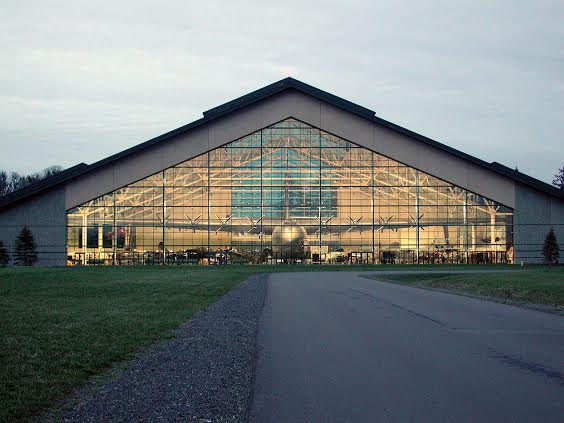
Spruce Goose as seen from outside the museum – Courtesy Evergreen Aviation & Space Museum


In McMinnville, Ore., the financial troubles of a private aviation services company are causing big headaches for the museum that is home to Howard Hughes’ H-4 Hercules, the flying boat better known as the Spruce Goose.

On Dec. 31, Evergreen International Airlines, a subsidiary of troubled Evergreen International Aviation, filed a petition for Chapter 7 bankruptcy. The possible demise of the cargo carrier has tourists, aviation buffs and many in the museum world concerned about the fate of the affiliated Evergreen Air & Space Museum.

In Oregon’s wine country, about 40 miles southwest of Portland, the museum welcomes about 150,000 visitors a year. The collection includes everything from a Lockheed SR-71 Blackbird to a Boeing B-17 Flying Fortress.

But the centerpiece of the collection is undoubtedly the original Spruce Goose.

Built primarily of lightweight birch because of World War II restrictions on metals, the airplane has the world’s largest wingspan (320 feet) and made its only flight—of less than a mile—on Nov. 2, 1947, with Hughes himself at the controls. It then was put in storage.

During the 1980s, the craft was displayed under a dome in Long Beach, Calif., next to the Queen Mary cruise ship. Disney briefly managed that money-losing complex. In the early 1990s, however, the Spruce Goose was shipped to Oregon in pieces and reassembled inside a new building at the Evergreen Aviation & Space Museum.

Although an Oregon Department of Justice investigation is underway into possible inappropriate commingling of company and museum funds, officials at the museum have issued statements reassuring the public that the artifacts, especially the Spruce Goose, are safe; that the museum is an independent, financially stable nonprofit; and that, with its adjacent aviation-themed water park, it remains open for business.

Still, “there has been some confusion,” said Judiaann Woo, director of global communication at Travel Oregon.

“People just hear a bit of the story and think, ‘Oh, that’s closed. Let’s go somewhere else,’ ” she said. “But this is a major attraction that people from all over the world come to see, so we want to make sure the public knows it’s still there.”

Others in the aviation and museum world feel the same way.

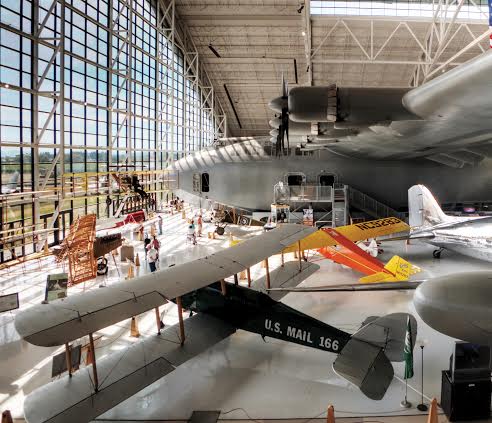
Spruce Goose and others inside the museum

Spruce Goose inside the Evergreen Aviation & Space Museum. Photo courtesy of the museum.


“This is the museum that stepped up to save the Spruce Goose at a time when one of the possibilities was for it to be cut up and pieces of it sent all over the world,” said James Kidrick, president and CEO of the San Diego Air & Space Museum.

He considers a visit to the Spruce Goose to be “one of those boxes you’d want to check off if you have an interest in science, space, aviation and things that made this nation great,” he said. He hopes the museum does not suffer too much negative fallout from the financial woes of Evergreen International Aviation.

If it does, it won’t be the first—or the last—museum to stumble.

“We do hear of museums having difficulty, and many small museums have closed throughout the years,” said Ford Bell, president of the American Alliance of Museums. “But rarely is it one with a major collection like the one in McMinnville.”

But it does happen. In December, financial problems forced the Higgins Armory Museum in Worcester, Mass., to close after 83 years of operation. It housed one of the world’s important collections of arms and armor.

Most of its treasures are being transferred to the Worcester Art Museum and will remain accessible to the public, but “the concern we have when a museum is in financial trouble is for the collection,” Bell said. “We don’t want collections to disappear and become inaccessible to the public.”

And most communities don’t want a local museum to close its doors.

“Museums are tremendously important economic engines for their communities,” Bell said. “So in the case of the Evergreen Aviation & Space Museum in Oregon, I would encourage people to go visit it now and hope that they figure out a way to make sure it remains viable.”

(My story about the Evergreen Aviation & Space Museum first appeared on CNBC Road Warrior)