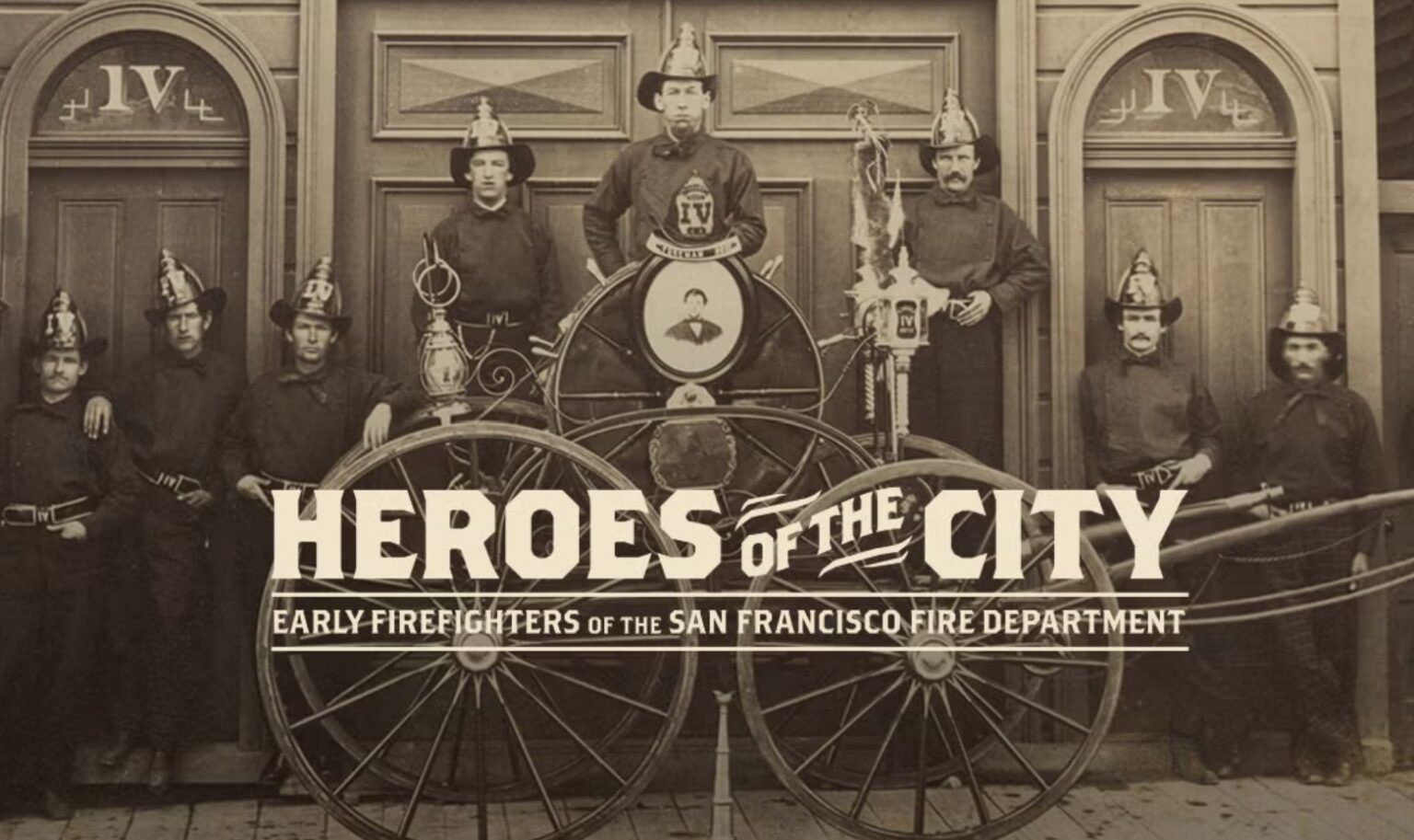
SFO Museum honors early San Francisco Firefighters
Fly through San Francisco International Airport (SFO) and you’ll notice great art and unexpected exhibitions at every turn, courtesy of the SFO Museum.
Current exhibitions explore everythhing from lowrider bikes and telephones to Women of Afrotourism and airline travel posters.
That’s why we always say yes to connecting flights with long layovers at SFO.
The newest SFO Museum exhibition explores the early days of the San Francisco Fire Department with artifacts that include helmets, cart and engine ornmaments, speaking trumpets, hoses and alarm equipment.
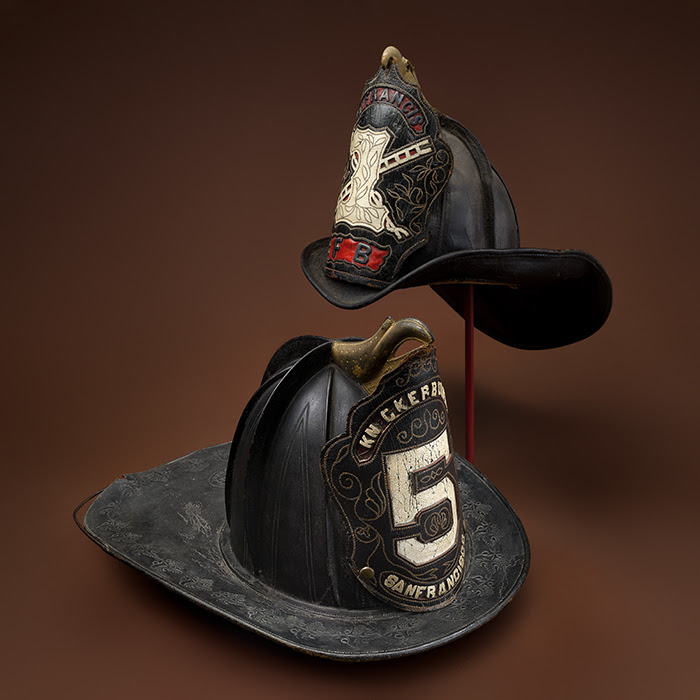
(Courtesy SFO Museum)
Heroes of the City: Early Firefighters of the San Francisco Fire Department is located post-security in Harvey Milk Terminal 1 of the San Francisco International Airport through May 23, 2027. Artifacts are courtesy of the Guardians of the City Museum and Michael McDowell.
George Washington’s pheasants & other treasures at the Harvard Museum of Natural History
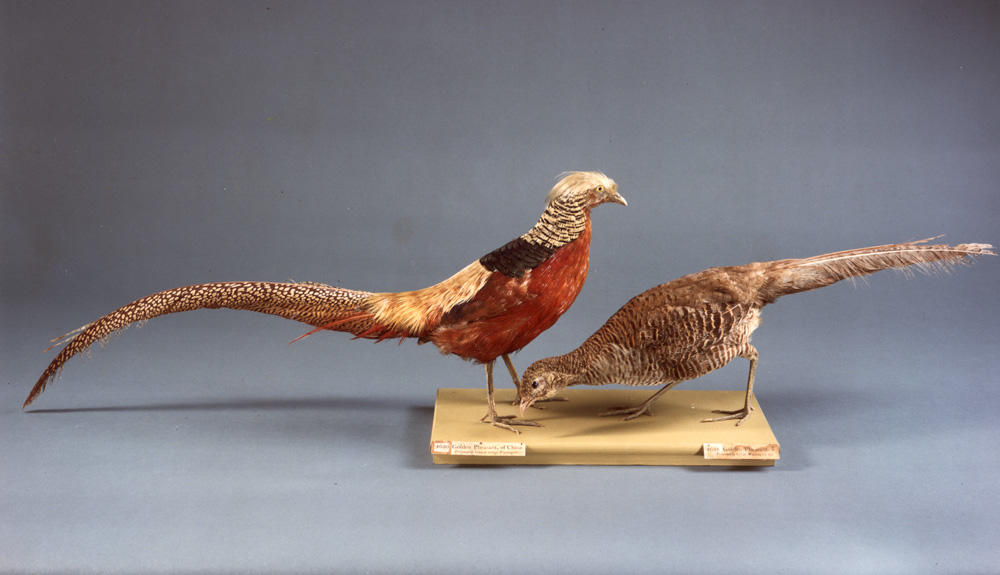
(George Washington’s Golden Pheasants, courtesy of the HMNH)
In the new exhibition Collecting Wonders: Tomorrow’s Discoveries, the Harvard Museum of Natural History (HMNH) is bringing out some rare treasures.
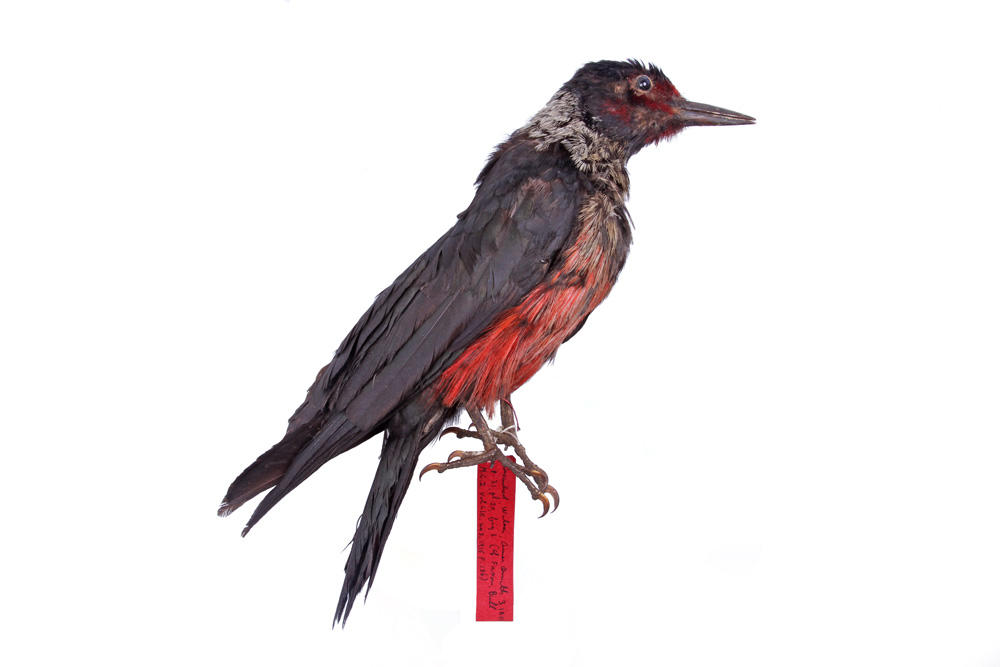
Among them are historic specimens presented to mark the 250th Anniversary of the United States Declaration of Independence, including a woodpecker from the Lewis & Clark Expedition (below) and George Washington’s pheasants (above).
The pheasants originally lived in the aviary of French King Louis XVI and were sent to George Washington in November 1786. When the birds died, Washington gave them to Charles Wilson Peale, who ran a museum in Philadelphia.
The woodpecker is the only complete specimen from the Lewis & Clark expedition and is a type specimen: the example used to describe a new species.
In May 27, 1806, in what is now Idaho, Meriwether Lewis wrote about this woodpecker. “The belly and breast is a curious mixture of white and blood red.”
Dinos & other extinct species at the Bruce Museum in Greenwich, Connecticut
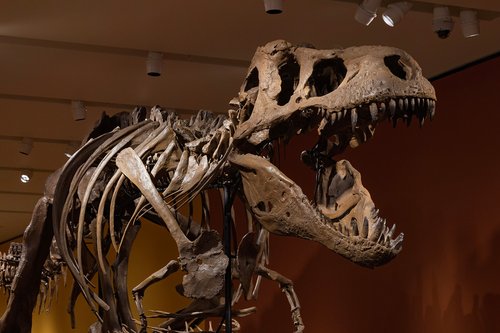
In Six Extinctions at the recently expanded Bruce Museum in Greenwich, Connecticut, visitors will encounter long-extinct species such as dinosaurs, giant flightless birds and the Thylacine, also known as the Tasmanian tiger.
The exhibit begins with the Ordovician and Devonian mass extinctions that devastated marine life and features giant squid-like ammonites and ferocious armored fish.
Next, it’s the Permian mass extinction, the most catastrophic of all, which nearly ended life on Earth, followed by the Triassic mass extinction, when massive volcanic activity eliminated countless species and set the stage for the rise of dinosaurs.
The exhibition then presents a face-to-face encounter with aT.rexa nd Torosaurus, iconic casualties of the asteroid impact that ended the Cretaceous Period.
This mass extinction wiped out non-avian dinosaurs and paved the way for mammals, including humans, to thrive.
Finally, “Six Extinctions” brings the story into the present.
The Bruce is the first North American stop for this touring exhibition, which combines fossil skeletons and skull casts, realistic models of extinct animals and large-scale murals depicting prehistoric life.
Six Extinctions will be at the Bruce Museum through September 6, 2026.
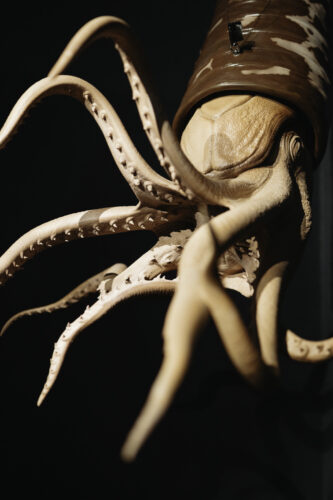
(Orthoceras – Photo by Richard Harmey- Courtesy of Gondwana Studio)
