Happy Friday! Here are some travel tidbits we’ve been keeping in the inbox all week
Fresh murals at Charlotte Douglas Int’l Airport
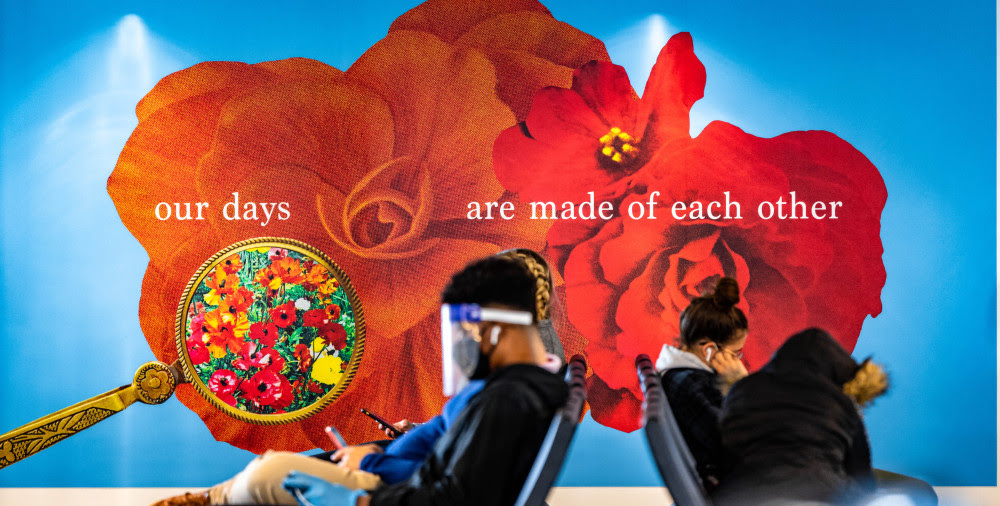
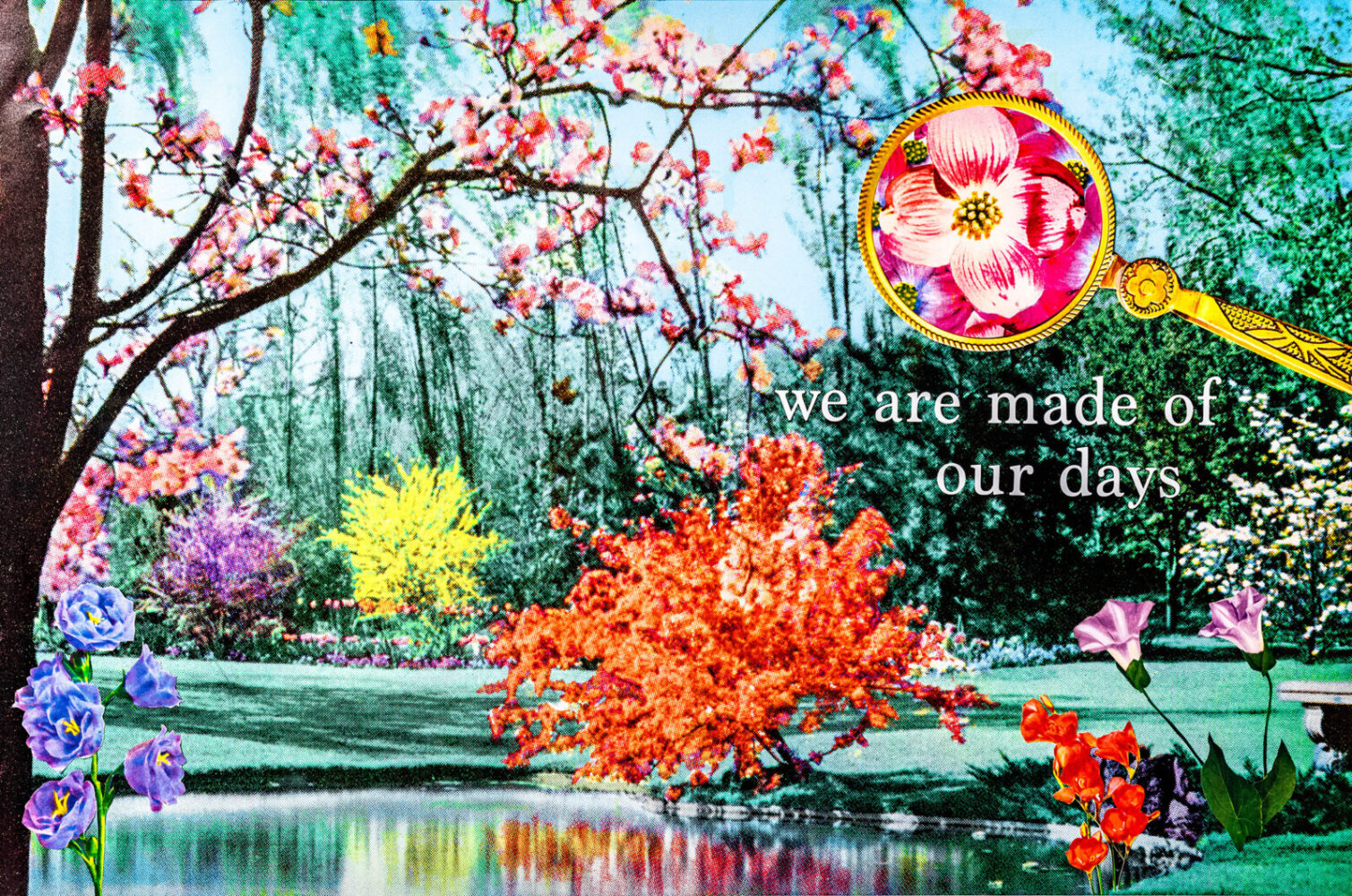
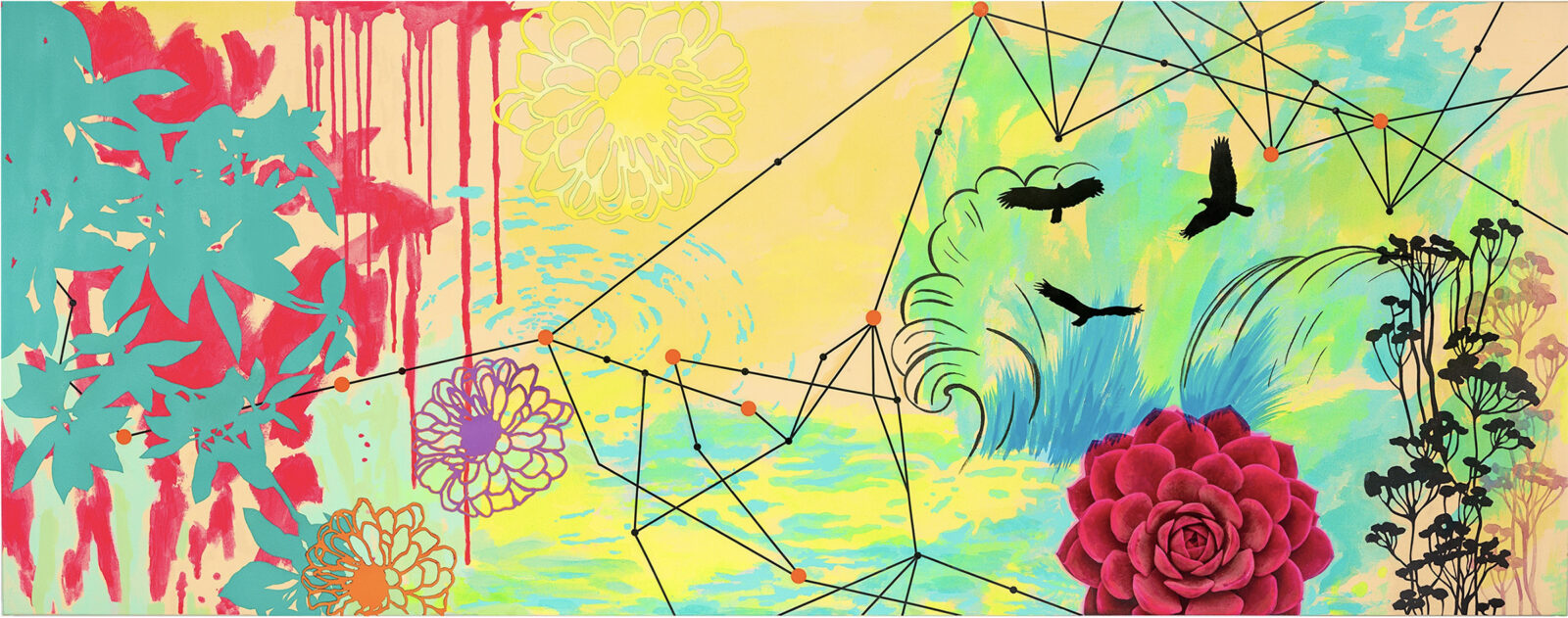
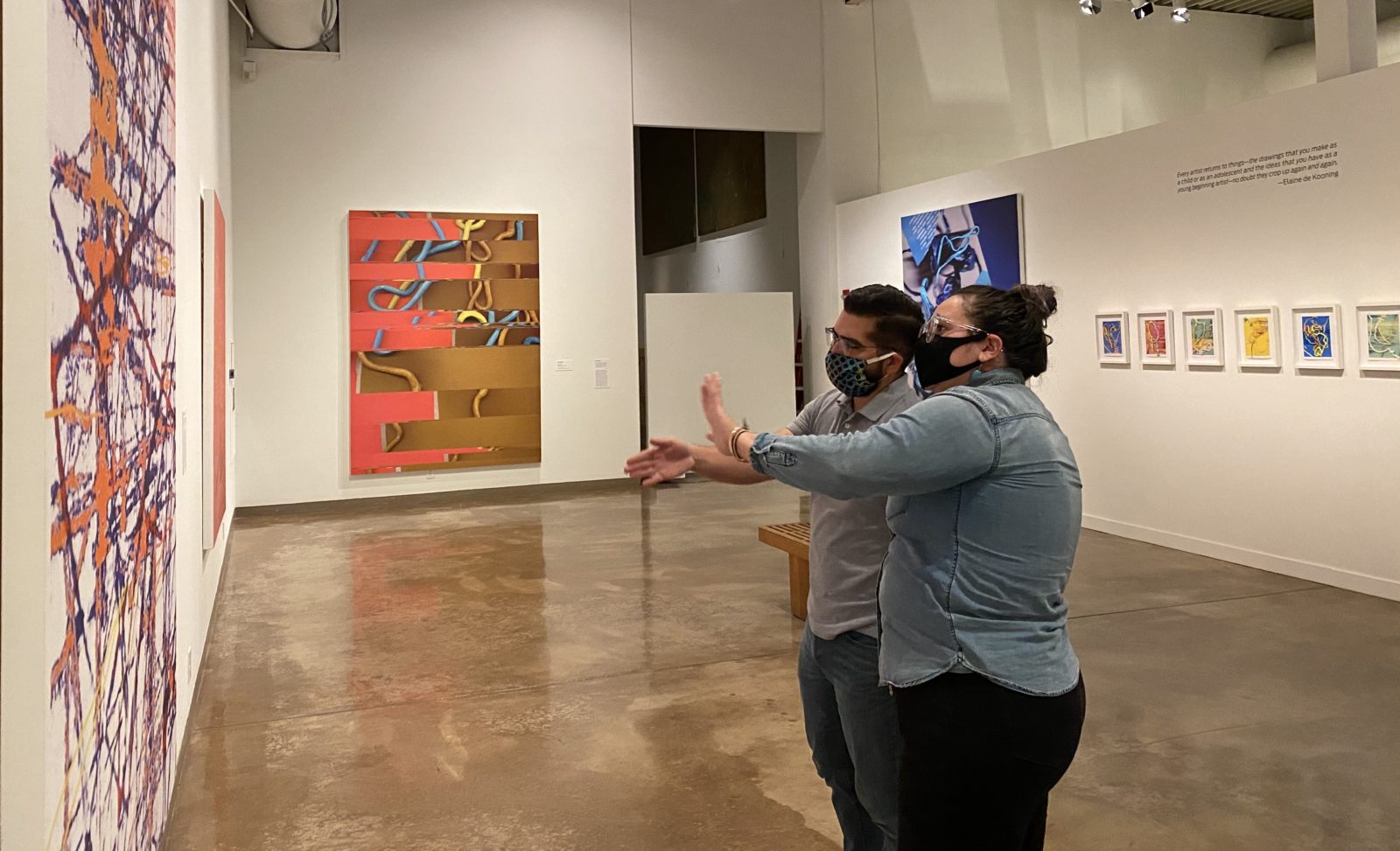
CLT Airport is greeting passengers on Concourse C with four new murals by two local artists
Amy Bagwell’s two murals “Our Days” at gates C4 and C7 were inspired by her travels through the airport.
And Ruth Ava Lyons’ “Interplay I” and “Interplay II” at gates C10 and C15 focus on the wonder of the natural world and issues surrounding the delicately balanced constellation of ecosystems worldwide.
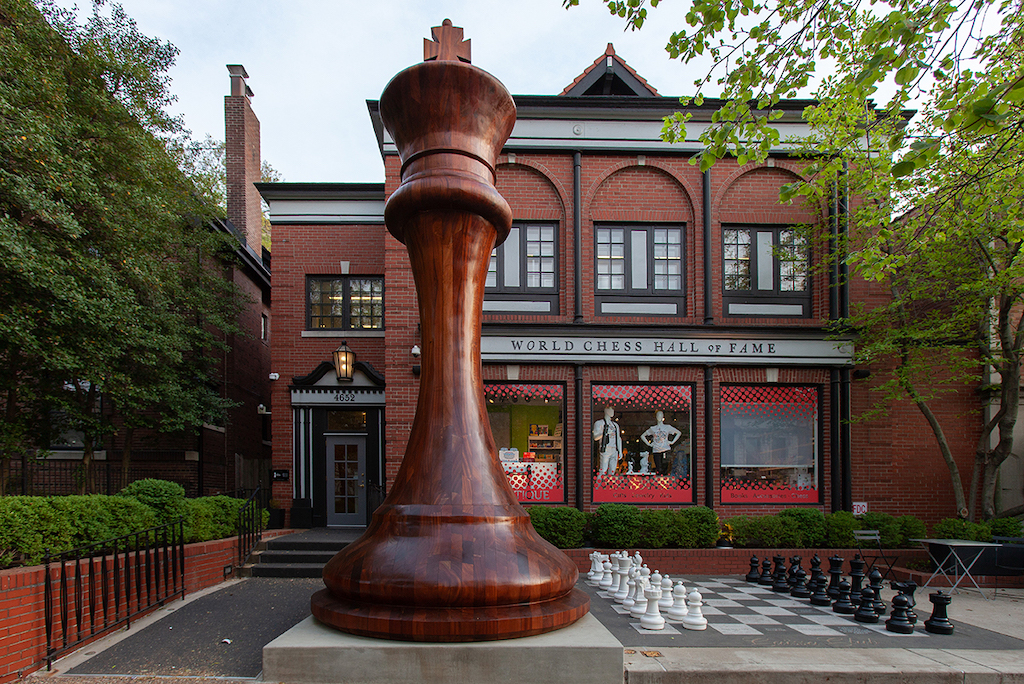
The Places We’ll Go: World Chess Hall of Fame
We’re making lists of places we’ll go once we can go places.
Not only is the World Chess Hall of Fame home to the World’s Largest Chess Piece (20 feet tall), but through May 16, 2021, the museum is hosting an exhibit of work by Keith Haring. In addition to Haring’s works and photographs of the artist, the exhibit includes bespoke street art chess sets from Purling London and newly-commissioned pieces by Saint Louis artists, all paying homage to the late pop culture icon.
Are you ready to visit a museum? If so, it’s a good bet you’ll find a museum near you that’s open, or getting to ready to open its doors to the (masked ) public again soon.
Here are some of the museums we’ve got on our list.
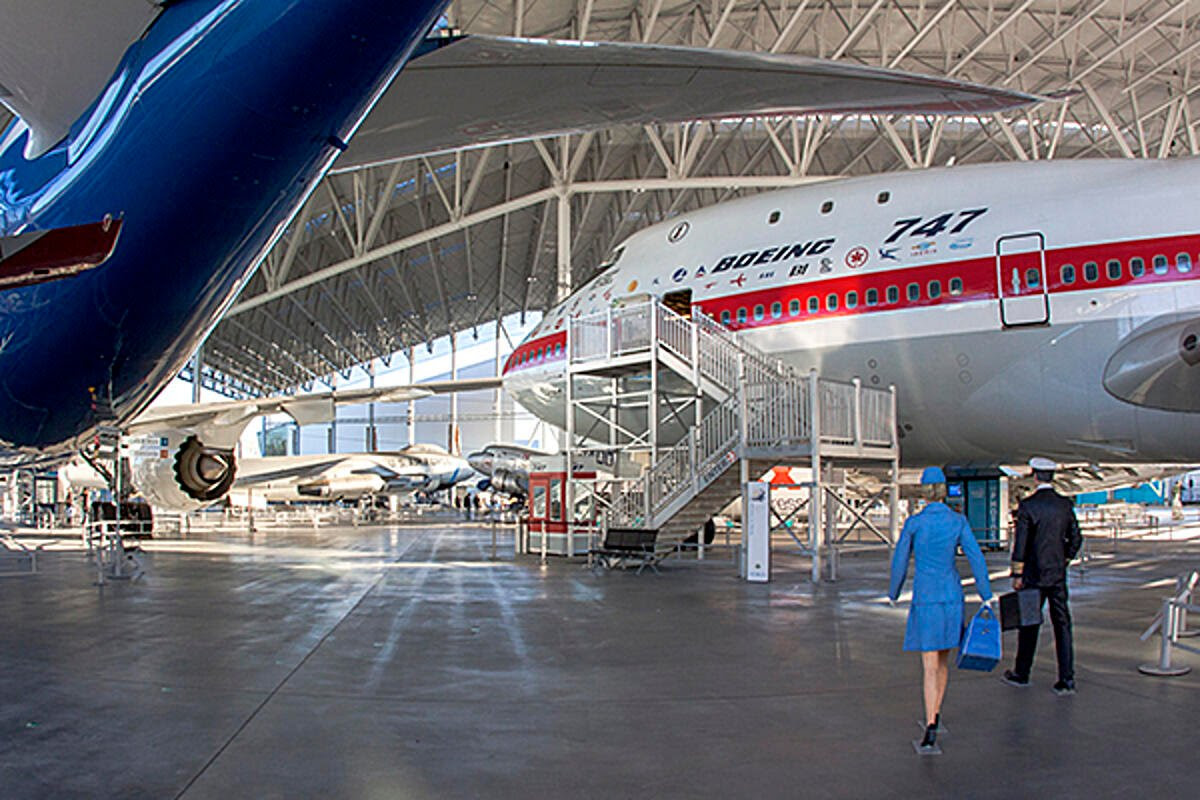
Seattle’s Museum of Flight
It was cute when animals from Seattle’s Woodland Park Zoo got to visit the Museum of Flight. But we were still jealous. Now we’re happy people can visit the museum too.
https://youtu.be/5X3vYQlqNJ8
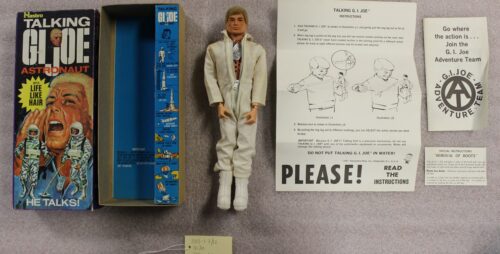
Can’t make it? Don’t worry. The museum’s collection can be viewed online. In the artifact section, we found this talking GI Joe Astronaut from 1970. “When his dog tag is pulled, GI Joe narrates his way through a lunar mission, from liftoff to Moon landing to splashdown.”
Philadelphia’s Mütter Museum
The Mütter Museum is a medical museum with far-ranging collections of anatomical specimens, models, and medical instruments. Einstein’s brain is here. And so is a specimen from John Wilkes Booth’s vertebra.
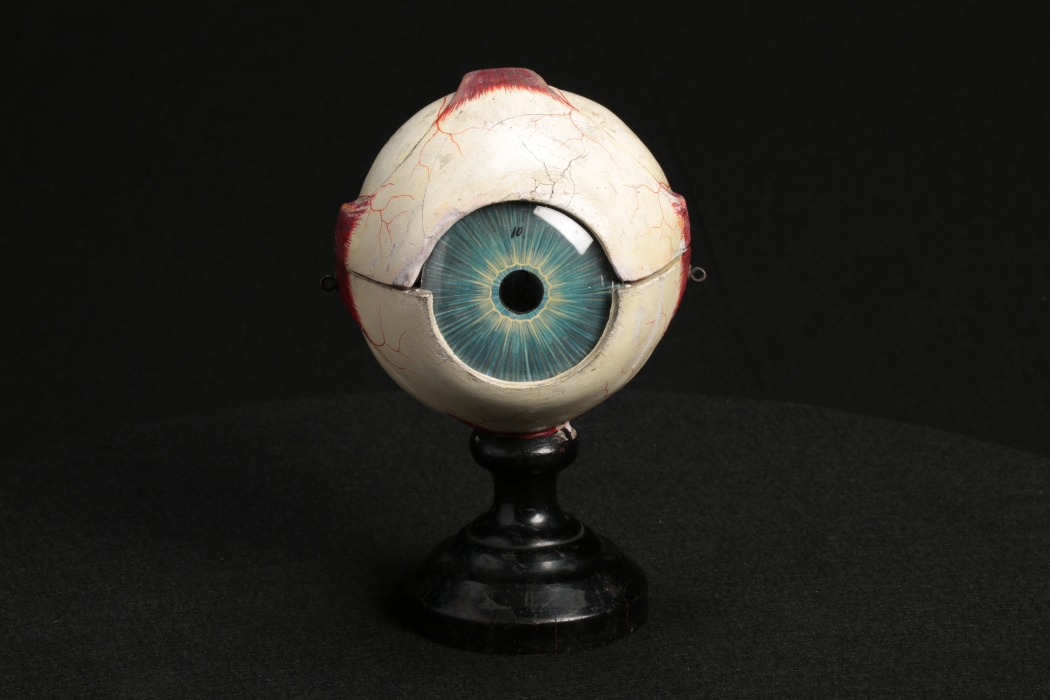
We’ve spent a lot of time with Memento Mütter, the museum’s online exhibit of more than 60 items from the Museum’s collection, about half of which are not on public display. If you check it out, be warned that the paper mache eyeball is one of the least alarming objects you’ll see.
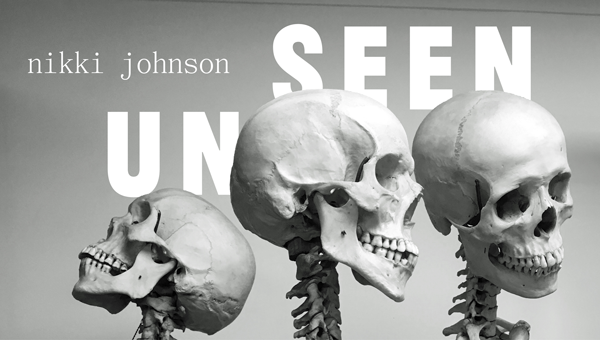
Now that the museum has reopened, there’s a new exhibit of photographs by Nikki Johnson, who got to go behind-the-scenes at the museum and create still-life photos of items that intrigued her.
Fashioning Art from Paper at Louisville’s Speed Art Museum
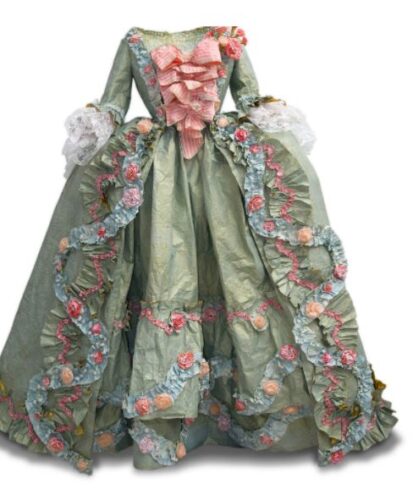
A new exhibit at the Speed Art Museum in Louisville, KY features life-size costumes that look like fabric but are actually made from paper. Beginning in 1994, Belgian artist Isabelle de Borchgrave started creating these incredible paper works. She ended up with four collections ranging from the fashion of Elizabeth I to 20th century Venice and tributes to famous artists like Picasso and Matisse. All four collections are part of this exhibit.
The museum made a video of the ‘unboxing’ of some of the dresses in the exhibit.
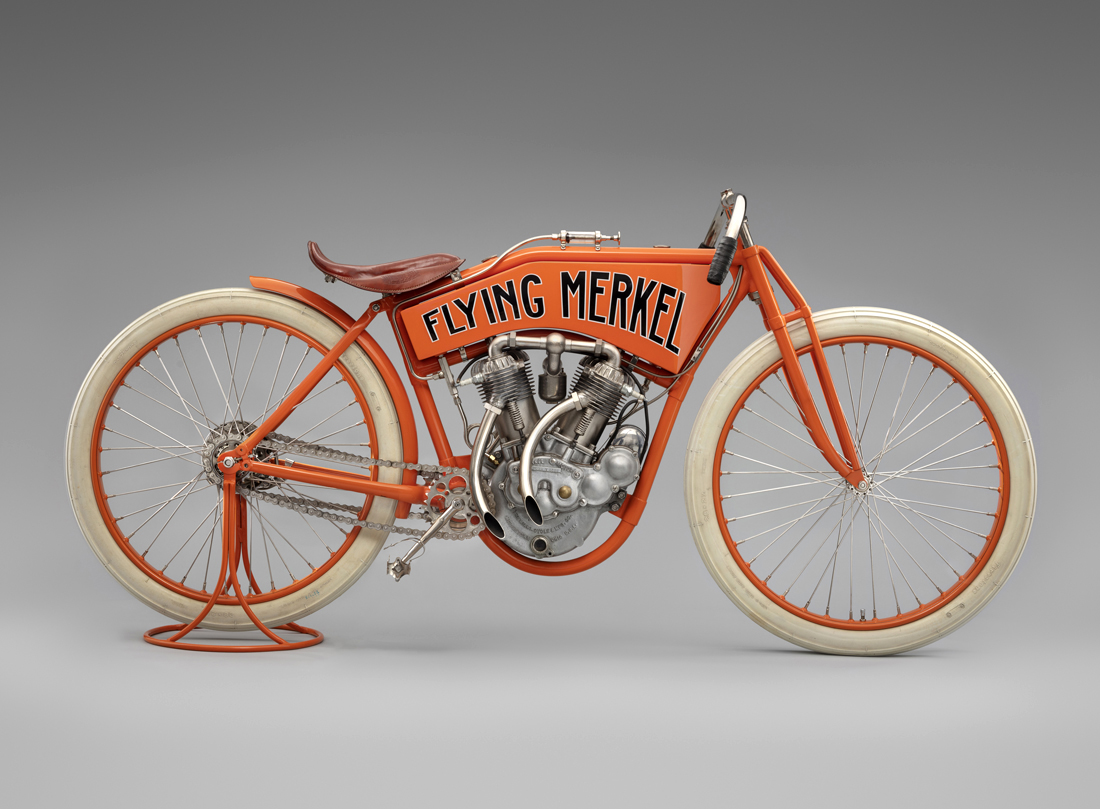
Flying Merkel twin-cylinder racer 1912- courtesy SFO Museum
If we can’t fly anywhere right now, how about a ride on a motorcycle?
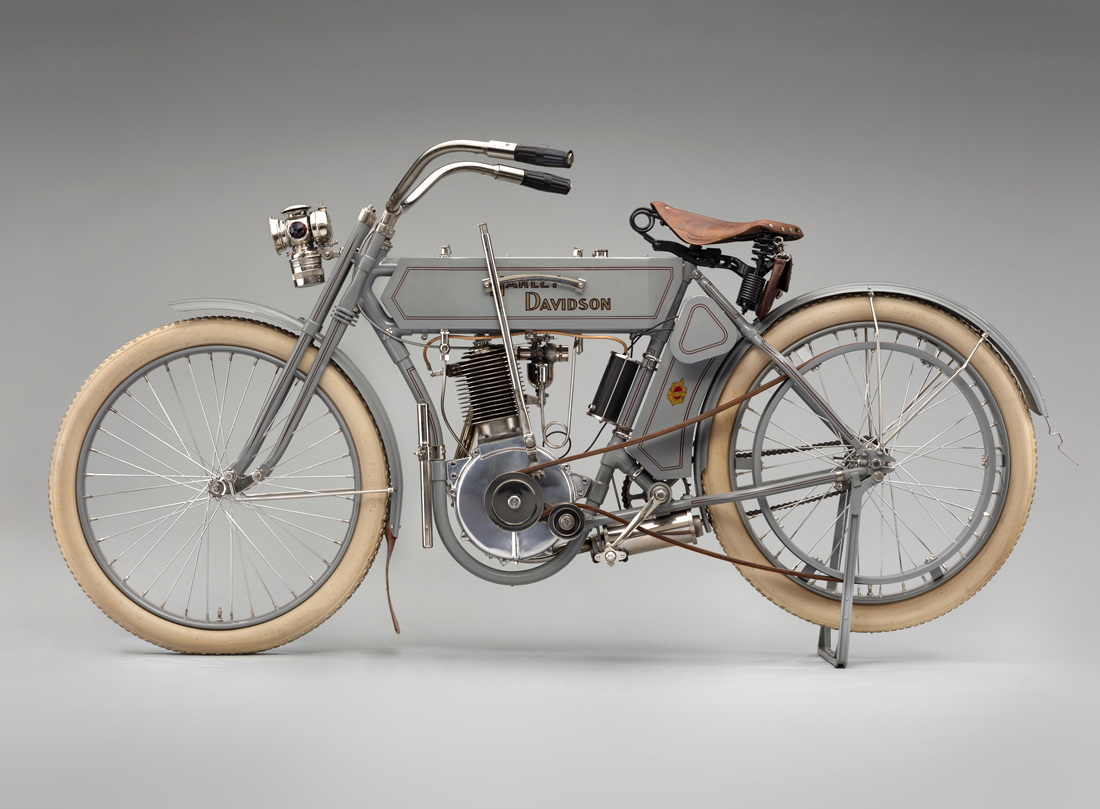
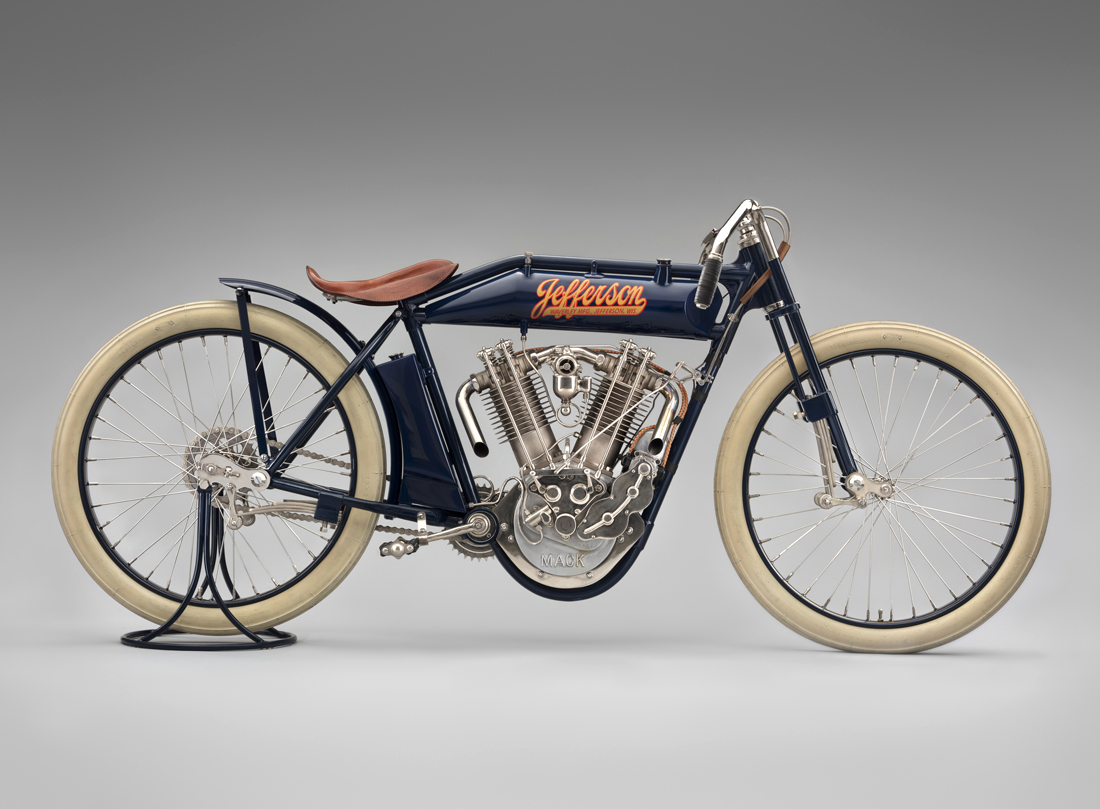
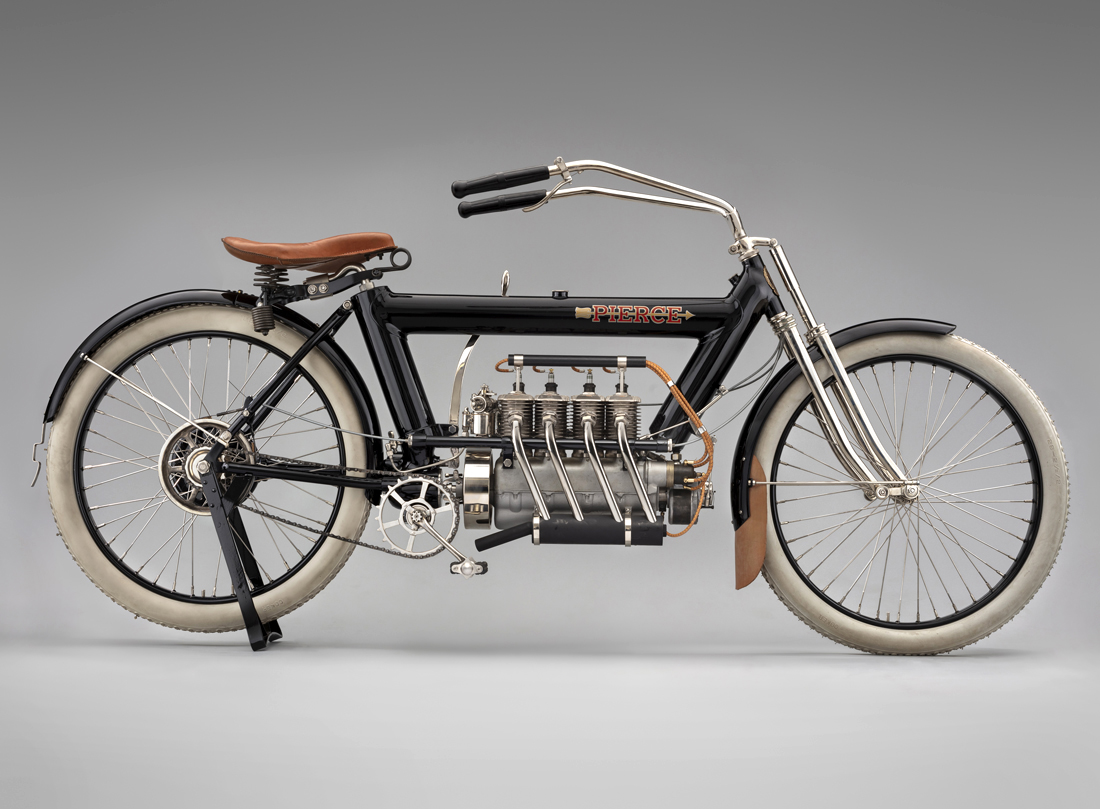
A new exhibition by the SFO Museum at San Francisco International Airport (SFO) explores the history of motorcycling from the 1890s to 1915. On display are fourteen motorcycles that were made prior to 1916, rare engines, and photographs from the pioneering era of motorcycling.
Harley-Davidson Model 6 1910 – Courtesy SFO Museum
From the exhibition notes:
“Along with the automobile, the motorcycle was one of the earliest and most exciting applications of another new invention, the gasoline-powered internal combustion engine. Motorcycle technology progressed rapidly during the early 1900s, and as motorcycling gained traction, riding evolved from a novelty to a hobby, sport, and reliable source of transportation. By the 1910s, there were approximately 100 motorcycle manufacturers in the United States, all vying for consumer attention with distinctive attributes and designs.
Today, early American motorcycles are prized by collectors around the world who showcase their bikes on vintage rides, endurance runs, and at special events.“
Here are some photos of the motorcycles on display in the Early American Motorcycles exhibitionin the International Terminal of San Francisco International Airport. The exhibition will be on view through September 19, 2021.
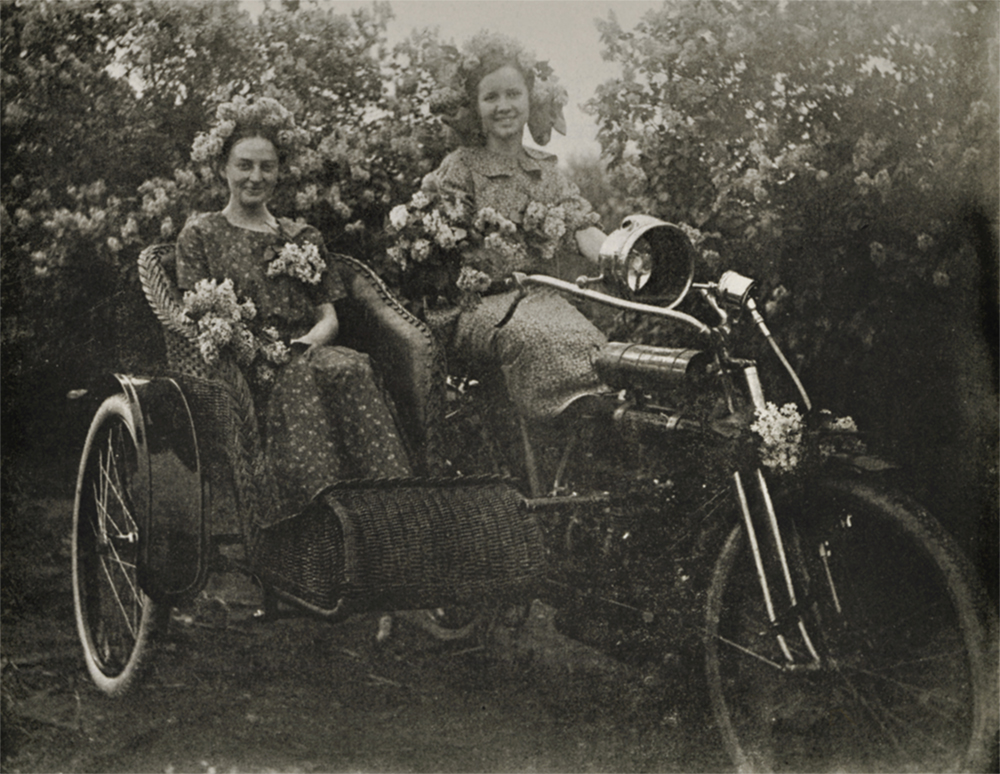
Jefferson twin-cylinder racer 1914 – Courtesy SFO Museum Pierce Four Cylinder 1911- Courtesy SFO MuseumTwo women on a Pierce Four and sidecar c. 1910 Courtesy of Pierce-Arrow Museum
When we’re not in airports, we’re in museums. And right now we’re waiting for the green light to do both.
Here are some of the museums and museums exhibitions on our list.
Museum of Flight – March 4
The Museum of Flight in Seattle will reopen on Thursday, March 4 through Sunday, March 7. After that, the museum will be open every Thursday through Sunday, 10 a.m. to 5 p.m. until further notice. Attendance will be limited to 25% capacity.
All five buildings on the 23-acre campus, including the open-air, 3-acre Aviation Pavilion will be available to visitors. Smaller galleries, some airplane cabins, and the flight simulators will be closed for COVID-19 safety. But the museum’s Air Force One, Boeing 747, and 787 Dreamliner will be open.
The Unfiltered Truth Collection in Louisville, KY, launching in March 2012, will highlight the African American influence in Kentucky with a special focus on bourbon, horse racing industries, and Muhammad Ali.
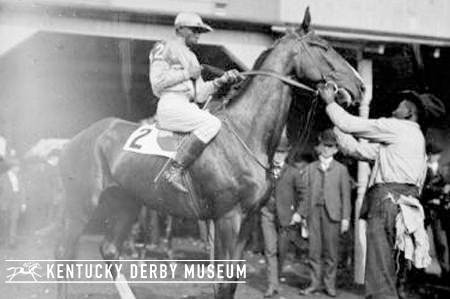
Seven local attractions will be sharing new Black heritage experiences and historical perspectives. Two are already available. The Ideal Bartender Experience at Evan Williams celebratesthe Black bartender who made the Old Fashioned famous in the first cocktail book, from 1917. The Kentucky Derby Museum’s new tour tells the story of the African Americans that once headlined the Thoroughbred racing scene.
Music for the Great Sun at Exhibit C Gallery
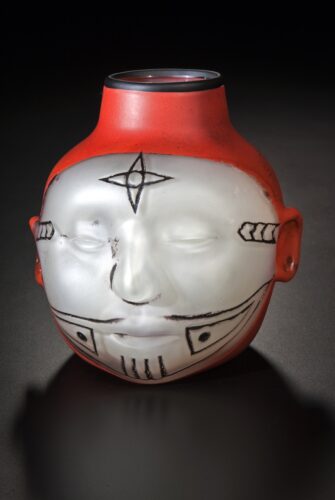
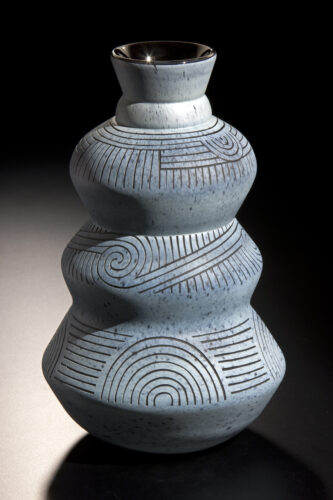
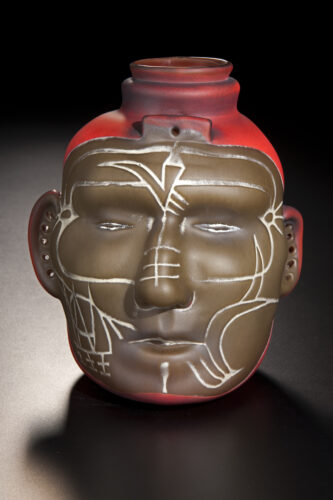
On March 1, Exhibit C, a Native American art gallery in Oklahoma City, OK owned by the Chickasaw Nation, debuts work by Native American glass artist Preston Singletary and Choctaw artist Marcus Amerman.
For his show, Music for the Great Sun, the two artists joined forces to create work inspired by ancient pieces that were originally made by the Cahokia Moundbuilders imperial craftsmen. The Great Sun was a divine god-king of the Cahokia Moundbuilders, and both the political and religious leader of this ancient class-stratified society.
San Francisco International Airport (SFO) is home to the SFO Museum, which does a great job of bringing top drawer exhibits to the terminals.
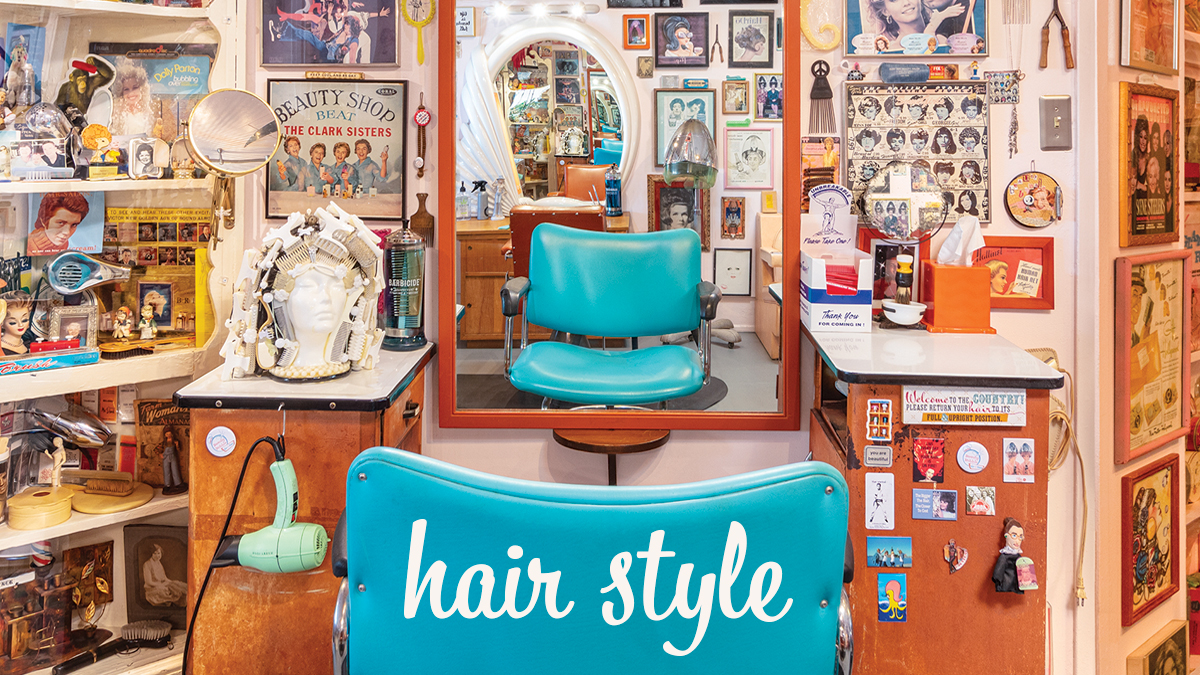
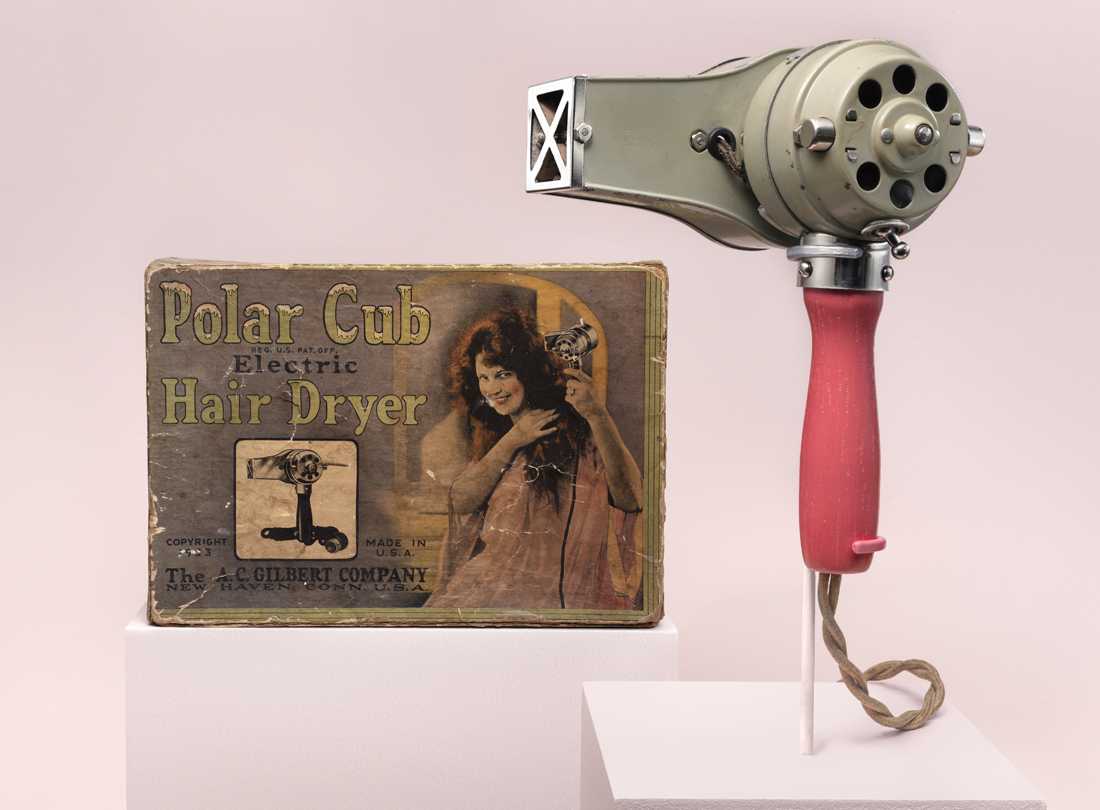
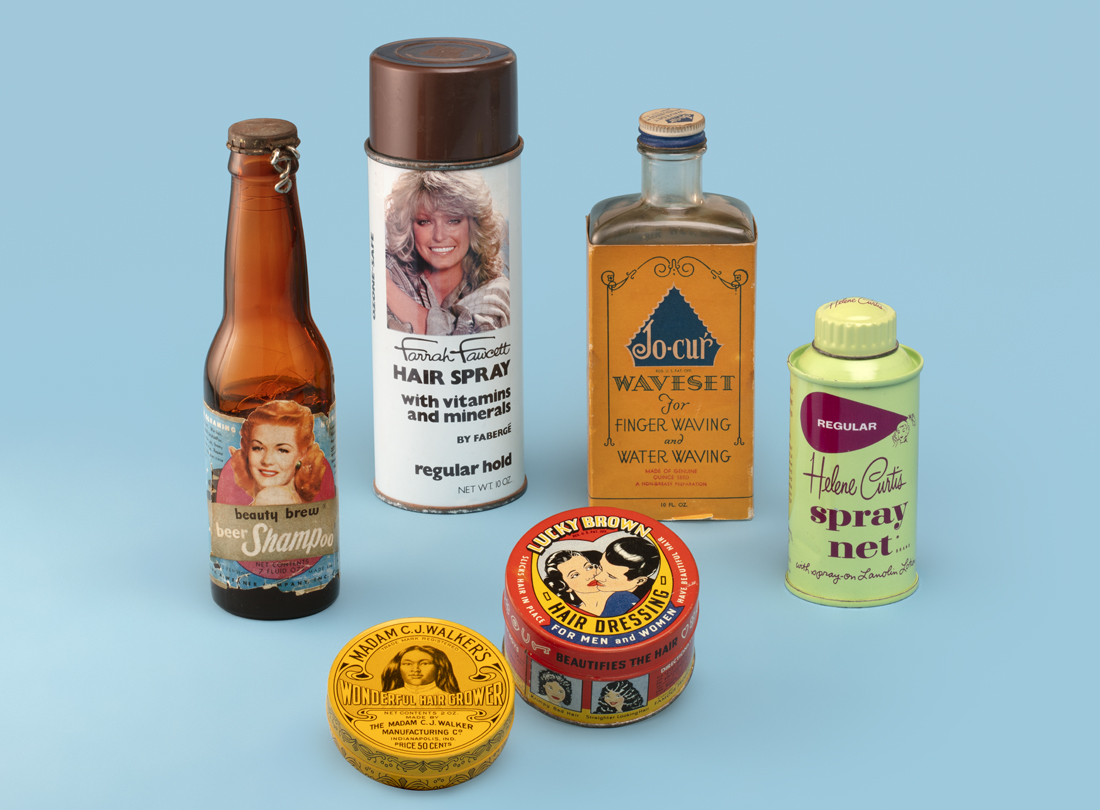
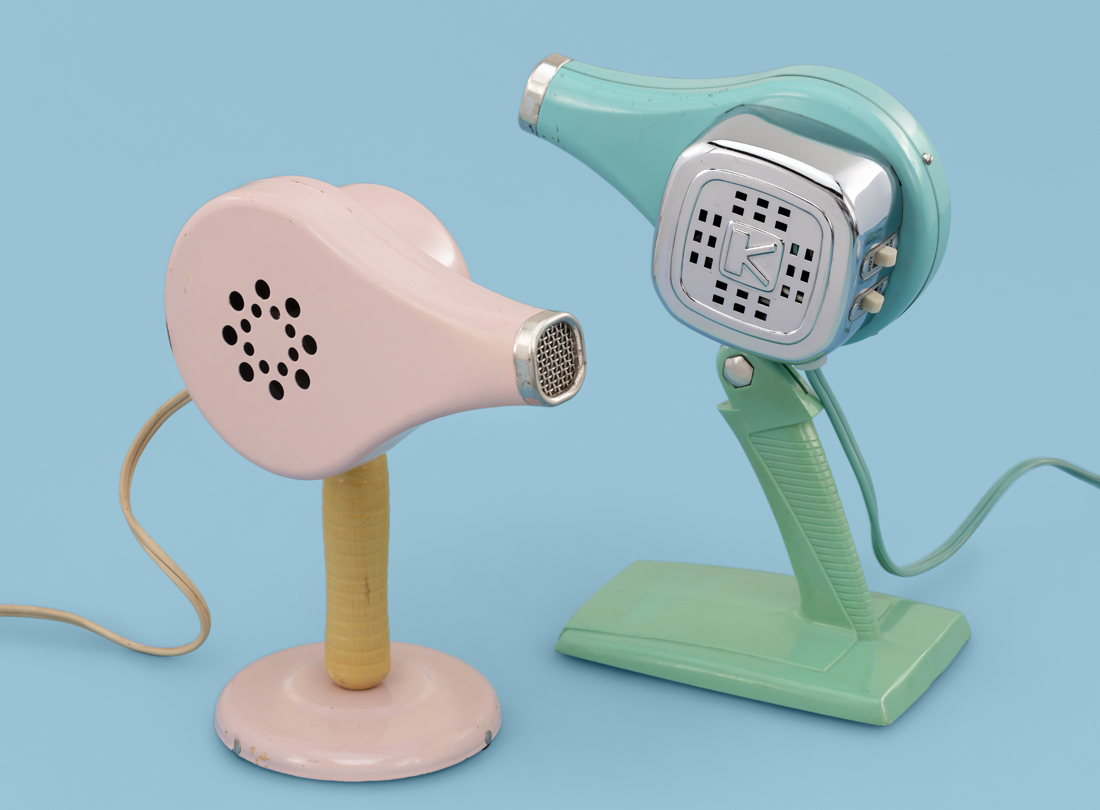
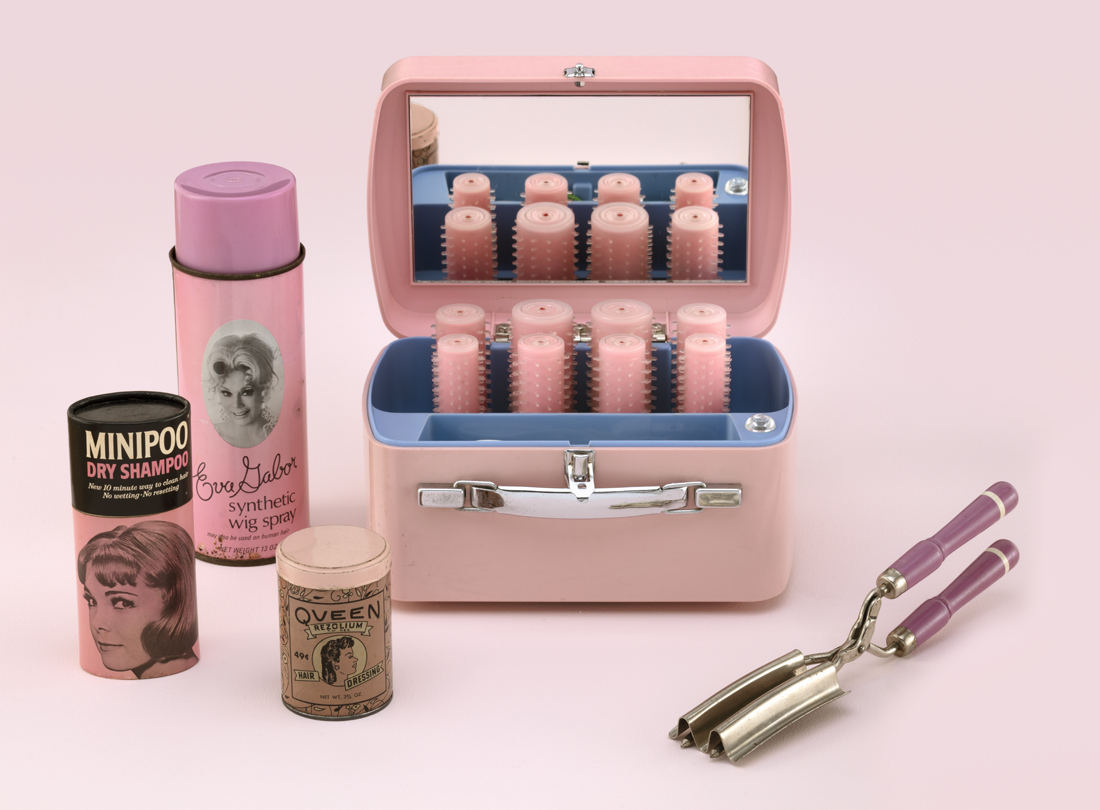
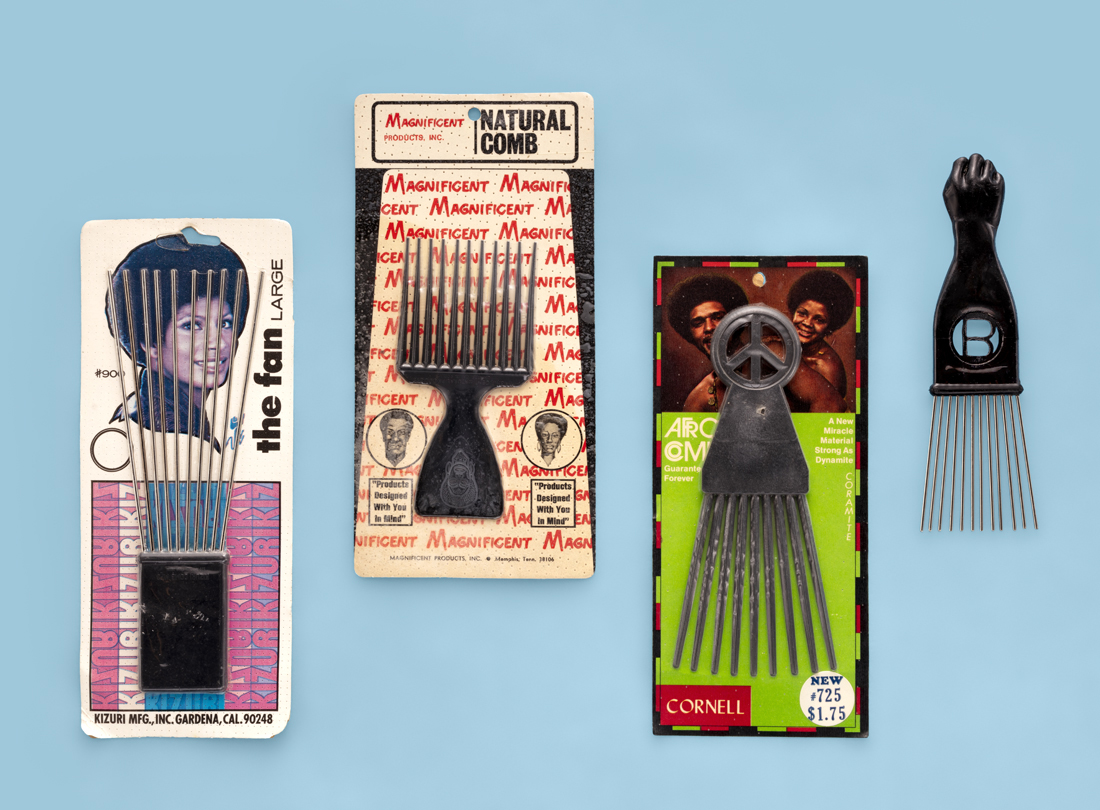
The SFO Museum’s newest offering runs through August 22, 2021, in Terminal 1, Departures Level 2, and is all about hairstyles and styling aids.
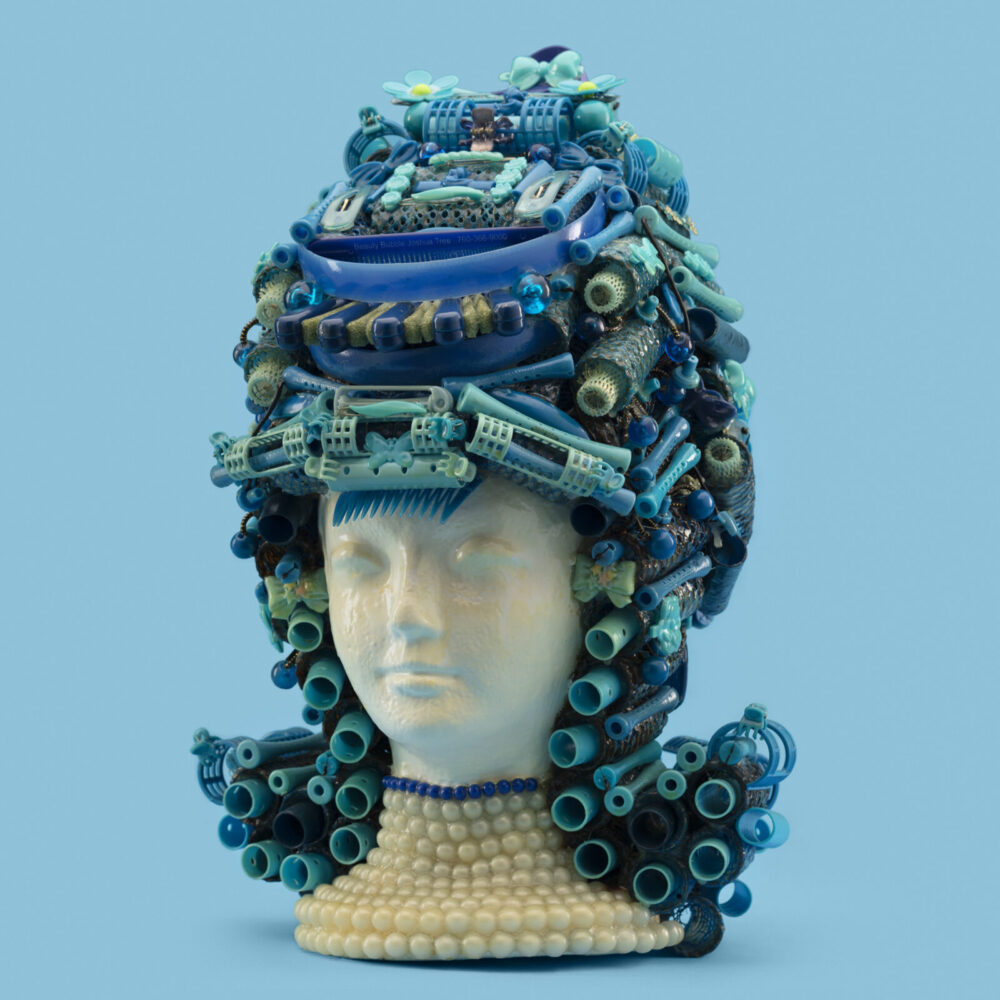
Objects in the exhibit include historical tools, hair products, and novelty items ranging from early curling irons and hair dryers to one-of-a-kind hair sculptures.
“The Flip” – Jeff Hafler, Beauty Bubble Salon and Museum
Here are more images from the exhibition, courtesy of the SFO Museum, as well as some exhibition notes about hairstyles in the 20th century:
Short bobs of the 1920s were made famous by entertainers such as Clara Bow and Josephine Baker.
Waves prevailed in the 1930s, and movie star Jean Harlow became Hollywood’s first “blonde bombshell” with her novel platinum tresses.
During the 1940s, large, voluminous curls, called Victory rolls, adorned the tops of women’s heads.
The late 1950s and ’60s gave way to voluminous hair, namely the bouffant—with hair puffed high at the crown and curled under at the sides.
Counterculture hippies preferred to wear long, free-flowing hair in the late 1960s. Around this time, a growing sense of ethnic pride inspired many African Americans to embrace their hair’s natural texture and wear afros.
During the late 1970s, actress and model Farrah Fawcett established one of the most iconic styles of all time with her feathered locks. Millions of women and girls went to salons requesting the “Farrah” cut.
Polar cub electric hair dryer c. 1923 – The A.C. Gilbert Company
In ‘normal’ times, when we’re not in airports, we’re in museums.
And the ongoing pandemic is wreaking havoc with museums.
“The financial state of U.S. museums is moving from bad to worse,” said Laura Lott, President and CEO of the American Alliance of Museums.
AAM has been surveying its membership since the pandemic began. And in its latest survey of 850 museum directors around the country it finds that 30% of museums remain closed since the March lockdown.
“Those that have reopened are operating on an average of 35% of their regular attendance—a reduction that is unsustainable long-term,” says Lott. “Those that did safely serve their communities this summer do not have enough revenue to offset higher costs, especially during a potential winter lockdown,” she adds.
And, as we know, communities around the country have already begun to institute winter lockdowns.
Here are some other key points from the survey that are sure to alarm museum-lovers.
*Over half (52%) of museums report that they have six months or less of operating reserves.
*Over half (53%) of responding museums have had to furlough or lay off staff. And about 30% of museum staff around the country are currently out of work.
*On average, museums responding to the survey anticipate losing approximately 35% of their 2020 operating income and an additional 28% of normal operating income in 2021.
Why care?
Because besides the wonderful exhibits museum present and the special collections they protect, museums employ a lot of people. And they add a lot to the economy of their communities.
Prior to the pandemic, museums supported 726,000 direct and indirect jobs and contributed $50 billion each year to the economy, according to AAM.
What will help museums make it through the pandemic?
Museums are asking federal, state, and local governments for financial support.
They deserve it.
We can help out museums by making donations to our favorites. By joining museums as new members or by making sure to renew our memberships. We can give memberships as holiday gifts, shop in museum giftshops (many are online), and we can make a point to visit the museums that are open in our communities and/or offering activities online.
The museum boasts both the world’s largest collection of fine-scale miniatures and one of the largest collections of historic toys on public display.
If you had a favorite toy when you were a kid, it is likely on display at the museum.
There are many aviation-themed toys in the collection, but we’d love to jet on over now to see a new exhibit in the museum’s Hall of Collections.
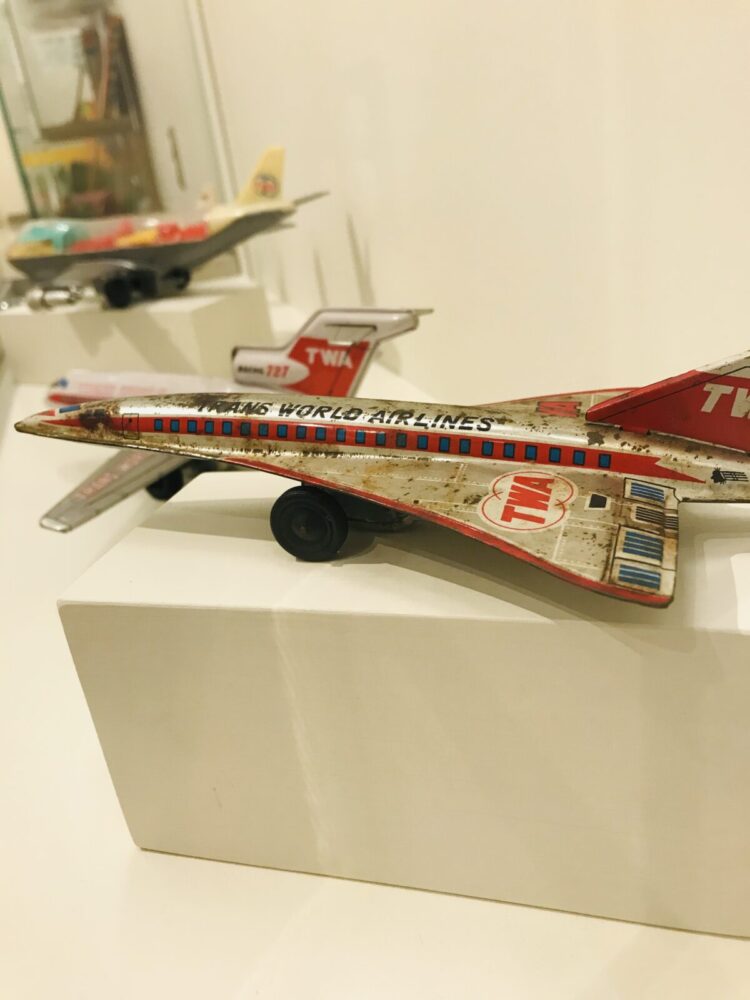
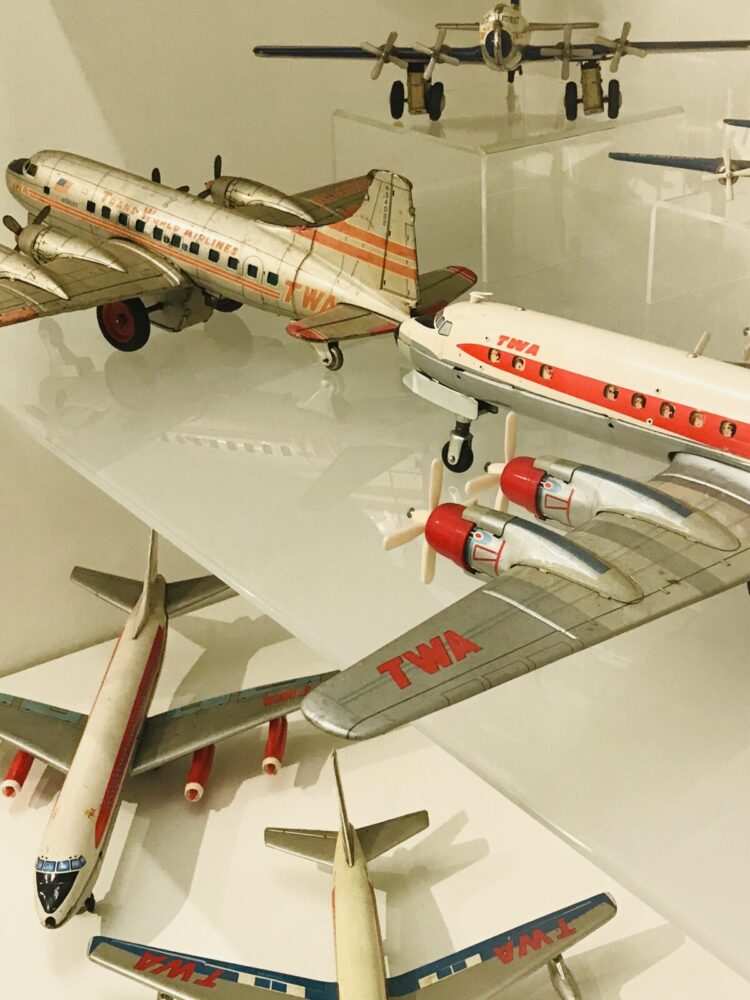
On display are more than two dozen Trans World Airlines (TWA) toy airplanes from the collection of retired TWA pilot Cooper Weeks.
Here’s some of the TWA history shared on the sign by the exhibit:
The collection ..”harkens back to the heyday of the airline, one known as the Airline of the Stars. Initially formed in 1930, TWA became one of four major domestic airlines after World War II. The airline was headquartered in Kanas City, MO and in 1962 opened a hub for international flights at Idlewild (later known as John F. Kennedy) Airport in New York. TWAS was acquired by American Airlines in 2001.”
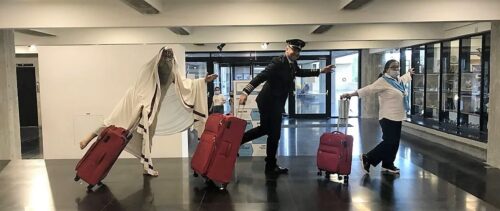
To get the ball rolling, the museum has created “Museum Airlines” and turned the museum into a temporary pretend airport terminal.
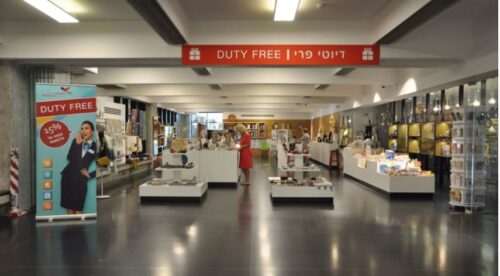
The faux terminal has a check-in counter, flight board, baggage claim with luggage, a passport center, currency exchange desk, and a duty-free shop (aka the museum gift shop).
For those who can’t make it the museum in person, the airport has created a 360-degree video of the pretend airport visit that includes a digital quiz.
Sharing a (slightly updated) story we wrote for NBC News about the challenge museums are facing when considering reopening – or not – as a result of the pandemic.
Courtesy Walker Art Center
Museums opening slowly and cautiously. But some may not reopen at all.
New York City museums will reopen later this month, with timed entry and other precautions, Gov. Andrew Cuomo announced Friday — but one-third of U.S. museums and attractions may not ever open their doors again, according to a recent survey.
Before the pandemic, museums, zoos, science centers and other historic and cultural attractions across the United States welcomed more than 850 million visitors a year, supported more than 726,000 jobs and contributed more than $50 billion a year to the economy.
Since March, that picture has faded. Many museums have been forced to make staff layoffs and furloughs, temporarily close doors, cut programs, lose revenue and, for those lucky enough to have them, dip into endowments.
“Initially, many museums resisted the temptation to tap their endowments to help plug their budget shortfalls,” Scott Perry, partner and co-leader of the Endowments and Foundations practice at NEPC, an investment firm, told NBC News. “But as the pandemic has continued on, some of these museums are reconsidering this approach and spending at much higher levels than they otherwise would,” he added.
While some have rolled out everything from virtual escape room nights to live-streamed galas and animal cams, these types of activities can’t fully replace the regular revenue stream of in-person visits.
For now, such efforts “keep museum staff employed and keep the community engaged,” said Brendan Ciecko, CEO and founder of museum engagement platform Cuseum. “They also generate revenue, which is the best of all worlds.”
Courtesy San Antonio Museum of Art
Museums giving it a try
Other museums have already begun to welcome back visitors, albeit with reduced capacity and restrictions on activities.
The Walker Art Center in Minneapolis is following the lead of many grocery stores and shops by offering special gallery hours for at-risk visitors.
In Texas, the San Antonio Museum of Art is open, with visitors enjoying the additional space required for social distancing. One visitor told NBC News her family “felt safe the whole way through” their recent visit. The museum is also gaining off-campus fans by offering free downloads of artwork from its collection to players of Nintendo’s popular “Animal Crossing” game for use in virtual homes or art galleries.
The IMAG History & Science Center in Fort Myers, Florida, is open with virtual sessions and interactive virtual birthday parties for kids (and adults) with wizard, superhero, Star Wars and other themes.
Some museums already closed permanently
However, some museums have already announced permanent closures.
In mid-May, the five-year-old World of Speed Motorsport Museum in Wilsonville, Oregon, announced it would close and distribute its funds and assets — which include historic race cars, boats and motorcycles — to schools and other museums.
The museum closure is a strongly felt loss not only because “it put Wilsonville on the map as a major new tourism draw, but because the museum had formed a successful partnership with the local community college and 12 area high schools to host automotive classes for hundreds of students,” said Mark Ottenad, Public/Government Affairs Director for the City of Wilsonville.
In June, the Children’s Museum in Richmond, Virginia, closed its Fredericksburg branch. “This decision was made with a heavy heart,” the museum’s Executive Director Danielle Ripperton said in a statement. “It is necessary in light of our extended closure and resulting loss in revenue,” she added.
In early July, the Annenberg Space for Photography in Los Angeles announced its closure after 10 years, promising to donate its collection of prints to a “a highly reputable public archival institution.”
Other museums around the country may now be grappling with making similar decisions.
“Our survey was done before the latest virus spikes that happened in July,” said Laura Lott, president and CEO of the American Alliance of Museums, which conducted the survey. “And from what I’m hearing, if we did that survey again today it would be worse than in June, given that states are going back a phase and the virus is spiking in different places.”
Lott says some museums she has talked with are playing the “scenario game” about options to avoid closure.
“They don’t want to talk about it before they’re sure that’s what they’ll have to do,” she said.
Some places are taking matters into their own hands. The Space Camp at the U.S. Space and Rocket Center in Huntsville, Alabama, started a GoFundMe account to “save Space Camp.” Just 17 days in to the fundraiser, the museum has already met — and exceeded its $1.5 million goal.
Not every cultural institution will be so lucky.
“Right now, a lot of places are just trying to stretch resources as far as they can go to give themselves a chance — before making a decision to close,” Lott said
(My story about museums welcoming back visitors first appeared on NBC)
Ready to leave your house and spend some time in a museum?
With all 50 states in some stage of post-pandemic reopening, many museums are back welcoming visitors to art- and history-filled halls.
Doing so signals a return to “normal” in many communities — but it may also help plug the economic hole created when almost every museum in the country closed its doors in response to COVID-19 concerns.
“All museum revenue related to admission, gift shop and café sales evaporated, along with event rentals,” said Laura Lott, president and CEO of the American Alliance of Museums, which pegs the loss at $33 million a day. “As many as one-third of the nation’s national cultural treasures may never reopen.”
Museums that are opening are doing so with extreme caution and close attention to social distancing, health and safety. Here is a sampling of what visitors will encounter.
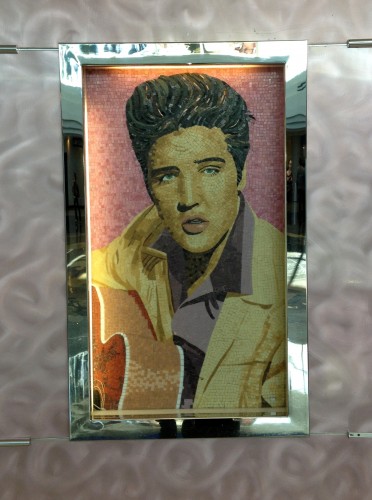
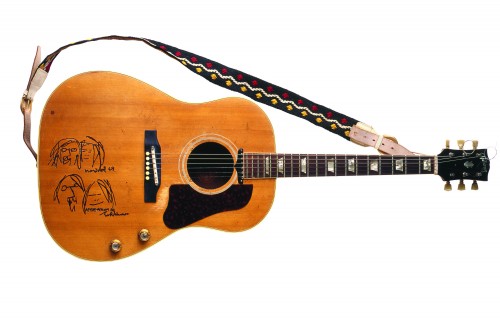
Elvis Presley’s Graceland, Memphis, Tennessee
It’s sexy when Elvis Presley croons about feeling his temperature rising in the classic “Burning Love.” But now that the gates at Graceland are reopened, anyone with a fever 100.4 degrees or higher is not allowed to enter the shrine to the King of Rock ‘n’ Roll.
In addition to mandatory temperature checks, the attraction is limiting entry to just 25 percent of normal capacity and encouraging guests to wear masks. It is using commercial-grade cleaners, including UV light sanitizer wands and disinfectant foggers, to sanitize the campus.
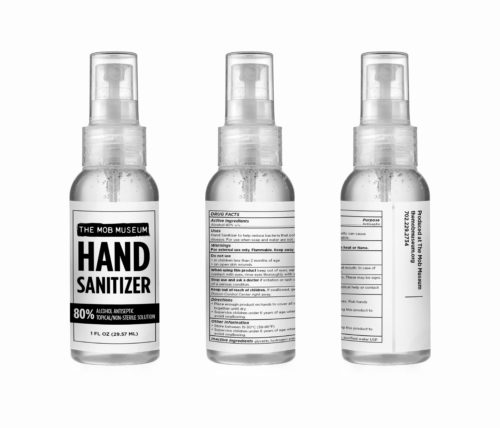
The museum has its own speakeasy and, while supplies last, will be giving each guest a complimentary bottle of ethanol hand sanitizer made in the on-site distillery.
Rock & Roll Hall of Fame, Cleveland
If it stayed closed through the end of the year, the Rock & Roll Hall of Fame would be facing a $12 million loss in revenue. So the museum is eager to reopen to the public by June 15.
“We have been blowing the doors off with virtual offerings on our website and reaching people where they are at this time,” said museum CEO Greg Harris, “We think that will increase the number of people that now desire to visit the museum in person.”
When the doors do open, there will be timed entry, limited capacity and newly hired nurses at the entrance to take everyone’s temperatures. The museum will reserve certain hours for at-risk groups such as seniors. Rock ‘n’ roll-themed masks will be provided to visitors who arrive without their own.
Many touch screens will be turned off until the museum installs antimicrobial covers, and “The Garage,” an exhibit that encourages visitors to play instruments and jam with others, will be closed.
Ripley’s Believe it or Not! – Branson
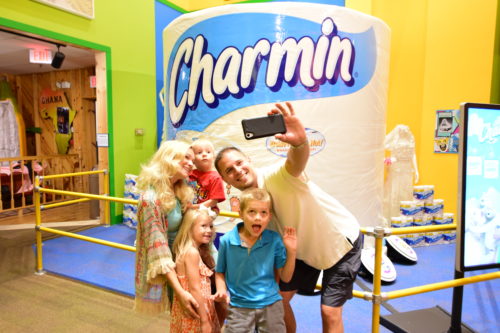
Ripley’s Believe it or Not! museum (home of the world’s largest roll of toilet paper) opened over Memorial Day weekend with reduced capacity and new social distancing and sanitizing systems. The odditorium is evaluating how the protocols are working out before opening for the summer season.
Wonders of Wildlife National Museum and Aquarium, Springfield, Missouri
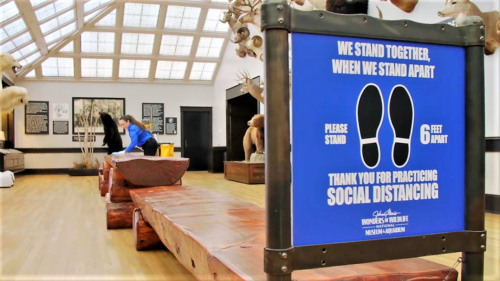
To accommodate social distancing, timed entries, enhanced cleaning procedures and limits on daily attendance, the attraction is extending its opening hours. Confined spaces like the swinging bridge are temporarily closed; interactive experiences, such as the penguin encounter, are being modified; and the museum is adopting the COVID-19 response plan developed by the Florida Aquarium in Tampa and the Infectious Disease Prevention team at Tampa General Hospital.
New York City’s iconic Met said it plans to reopen in mid-August or whenever the city meets the phased-in reopening requirements.
The museum’s three locations — The Met Fifth Avenue, The Met Cloisters and The Met Breuer — have been closed since mid-March.
“The Met has endured much in its 150 years, and today continues as a beacon of hope for the future,” President Daniel Weiss said in a statement last week. The institution will belatedly celebrate its 150th anniversary next year, he said.
Buffalo Bill Center of the West, Cody, Wyoming
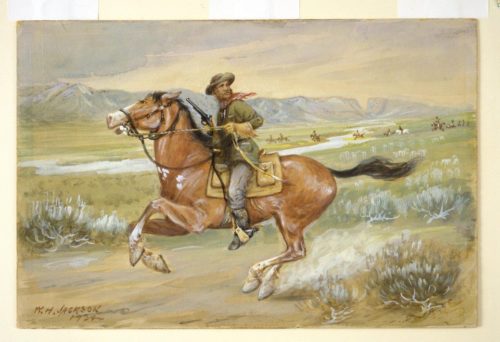
The 40-acre Buffalo Bill Center of the West reopened May 7 with added staff members during peak hours to keep surfaces in the center’s five museums clean. Now that the south and east entrances to Yellowstone National Park are open, the museum is fine-tuning its new protocols and preparing to welcome more visitors.
Kentucky Derby Museum and Louisville Slugger Museum and Factory, Kentucky
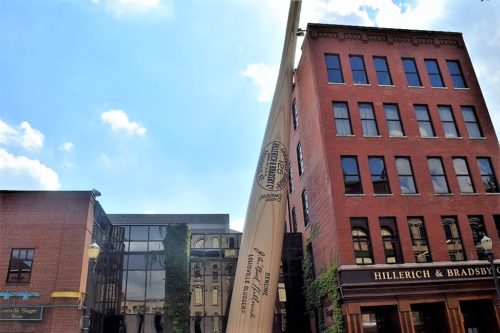
Museums, aquariums, zoos and distilleries in Kentucky cannot reopen before June 8. But in Louisville, key attractions including the Kentucky Derby Museum and the Louisville Slugger Museum and Factory are already ringing up sales in their gift shops.