Airplanes

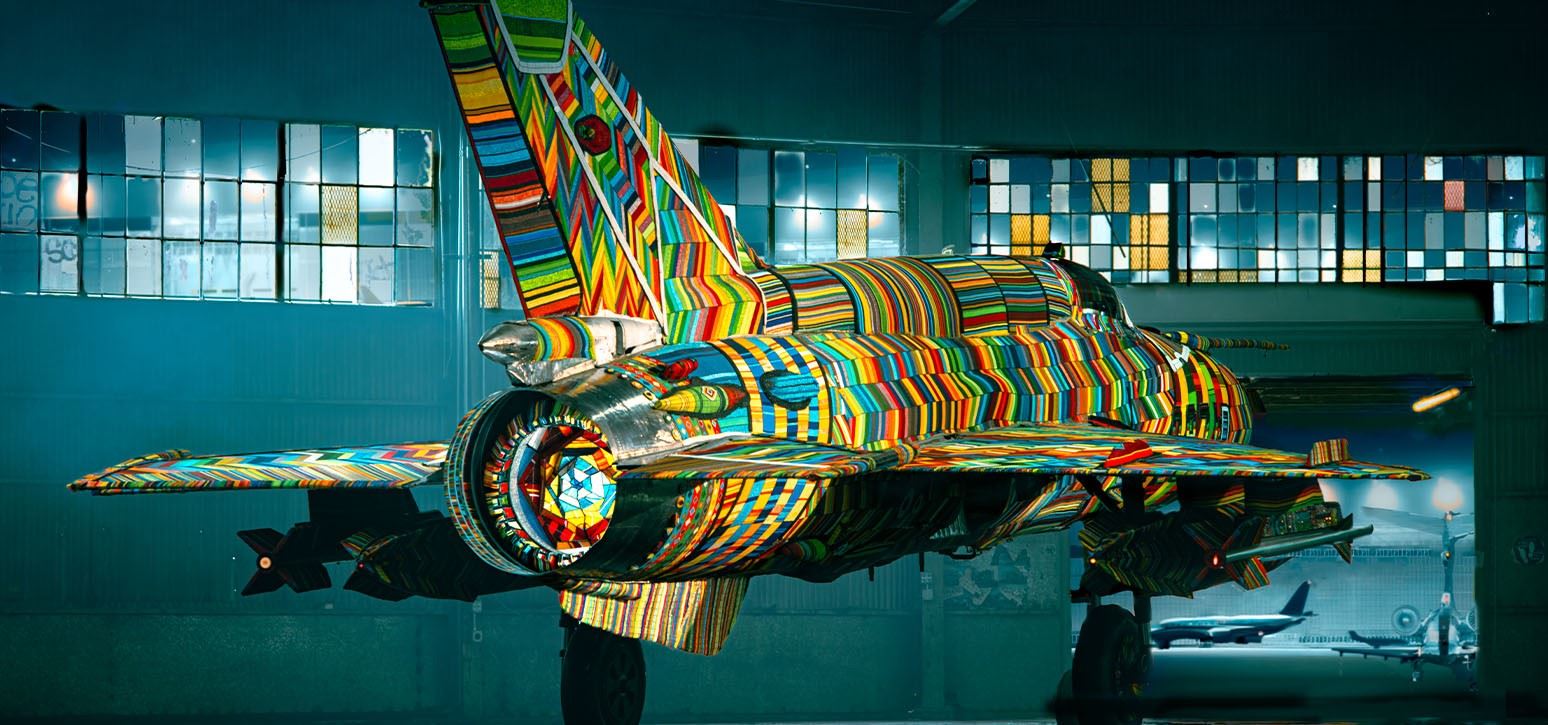
Transforming a weapon of war into a colorful work of art

(Courtesy of the MiG-21 Project)

Seattle’s Museum of Flight is taking a bold and very colorful step in the world of art and aviation.

Starting June 21, the museum is displaying The MiG-21 Project. The installation is the culmination of South African artist Ralph Ziman’s multi-year collaborative effort to cover a decommissioned Cold War-era, Soviet-designed MiG-21 fighter jet with tens of millions of colorful glass beads.

The exhibit will be onsite until January 26, 2026.

Why do it? Ziman says his goal was to “to take the most mass-produced supersonic fighter aircraft and turn it from a machine of war into something that looks beautiful” and changes its meaning.

Ziman and a fabrication team of craftspeople and artists from Zimbambwe, South Africa and Los Angeles did just that. Working across time zones and through a variety of challenges, including the pandemic, they covered the aircraft’s 51-foot by 24-foot surface with beaded panels in colors and patterns that are meant to convey peace, cultural pride, and a joyous celebration of life.

The inside of the cockpit got the full beaded treatment as well. Here’s a link to a cool 360 cockpit view.

(courtesy MiG-21 Project)

In addition to covering the MiG-21 with beads, Ralph Ziman and his fabrication team created regalia inspired by the beaded panels of the aircraft and incorporating bits and pieces of the aircraft.

These Afrofuturistic flight suits draw influence from military flight suits, African tribal textiles and space travel.

(Courtesy MiG 21 project)

As impressive as the MiG-21 exhibit is, consider that the MiG-21 is the final piece artwork in Ralph Ziman’s 12-year Weapons of Mass Production Trilogy, which addresses the impact of the arms trade on global conflicts and the continued militarization of police forces around the world.

(Image courtesy Nic Hofmeyr)

Here’s a short video that explains the larger MiG-21 Project.
Airplane models at the SFO Museum

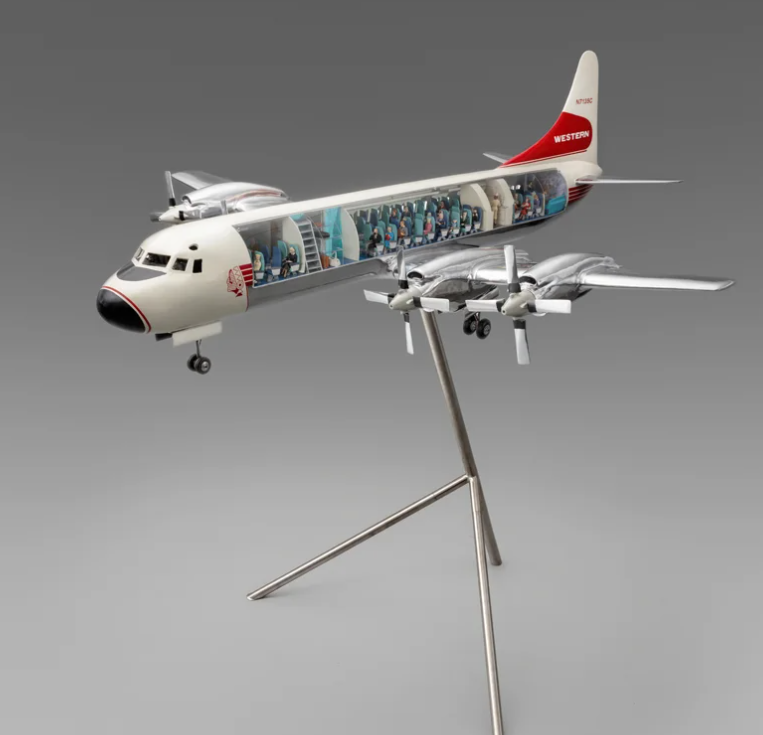
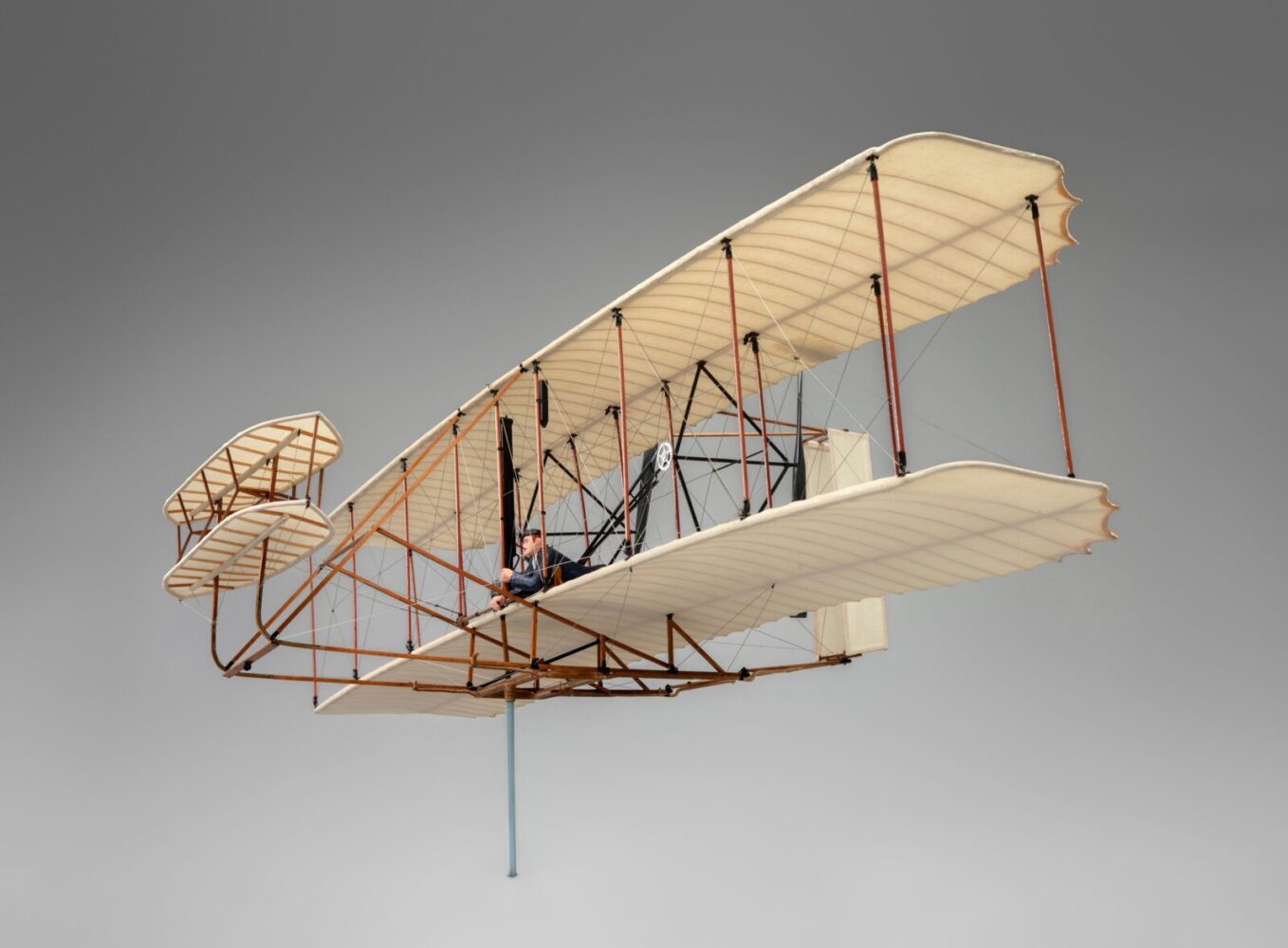
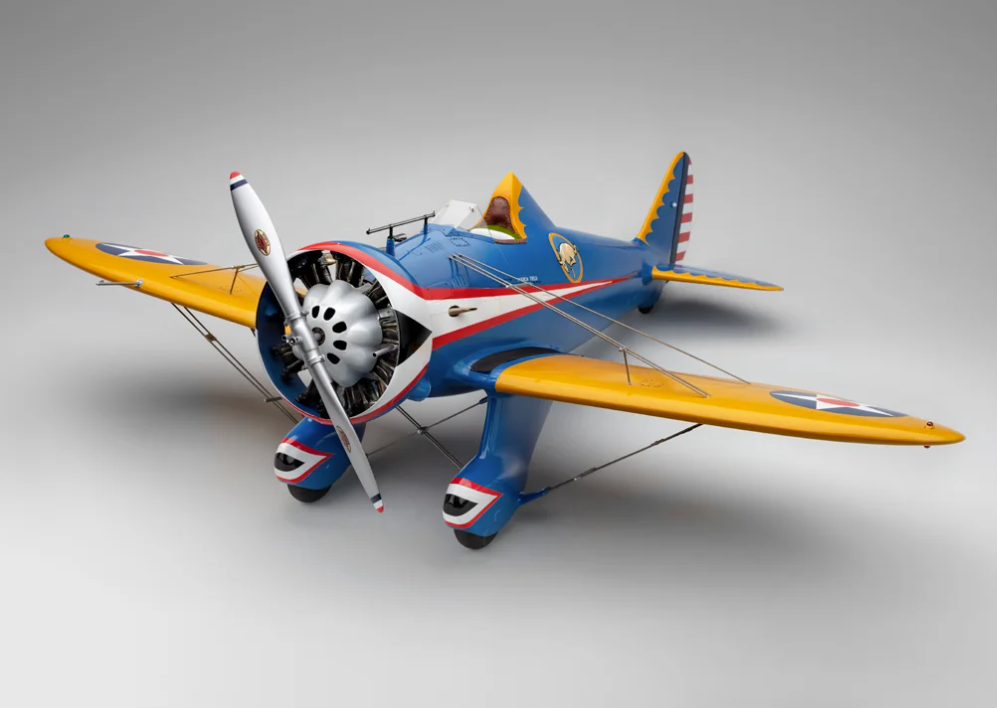
A new exhibition at San Francisco International Airport (SFO) features model aircraft from the collection of the SFO Museum.

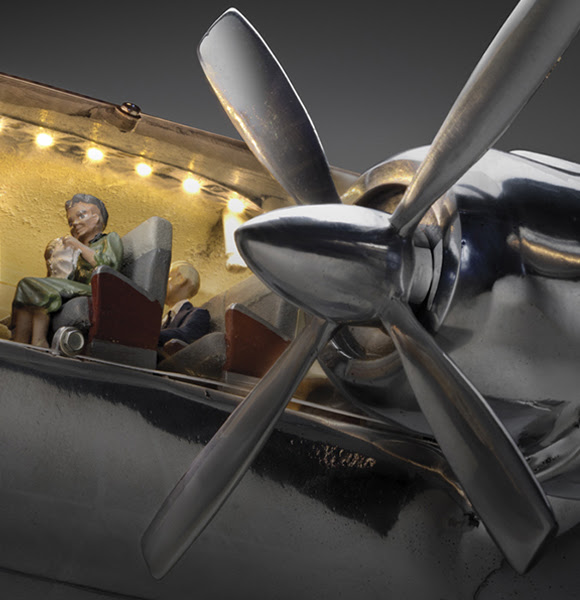
The types of airplane models, as well as the methods and materials used to construct them, have greatly varied over time. Yet model aircraft can be broadly categorized into two major types: ‘flying models, which fly similar to real aircraft and generally use radio controls and engines, and ‘static models’ which are built primarily for display,” the exhibit notes tell us.

The airplane models in this exhibit are from the twentieth century and were commissioned by airlines and aircraft manufacturers. Many of the models on exhibit are intricately detailed cutaway versions specificilly designed to give prospective customers at airports, airline sales offices, and travel agencies a view right into into the airliner’s cabin. 

While there are thirteen airplane models in this exhibit, the SFO Museum’s collection includes nearly two thousand models representing a broad range of aircraft. Four of the models in this exhibition are unique static-display models scratch-built by Edward Chavez, a recognized master in the modeling community. And five of the airliner models are Gary Field (b. 1956) using similar methods to leading airliner model makers of the last century. 
A Cut Above: Airplane Models from the SFO Museum Collection is on view pre-security in the International Departures Hall at San Francisco International Airport through January 26, 2025.

All images courtesy of SFO Museum.

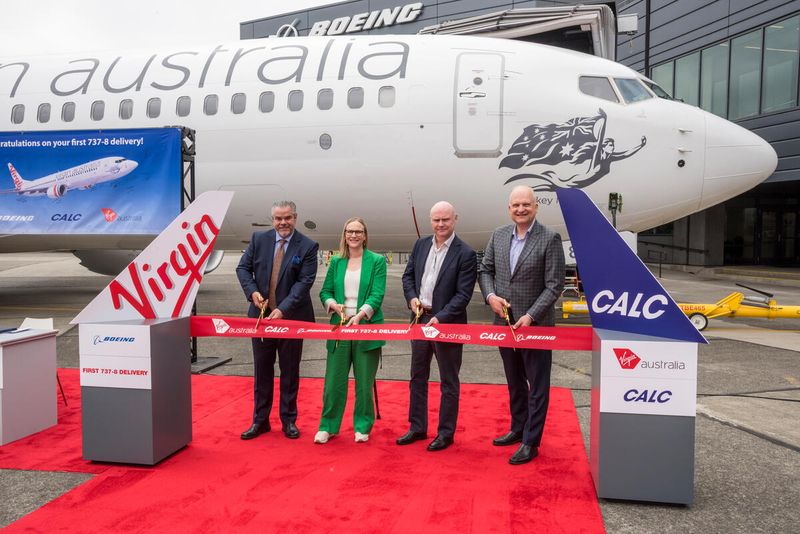
Virgin Australia Picks Up Its 1st Boeing 737-8

Virgin Australia First 737-8 Delivery Event Seattle – Courtesy Boeing

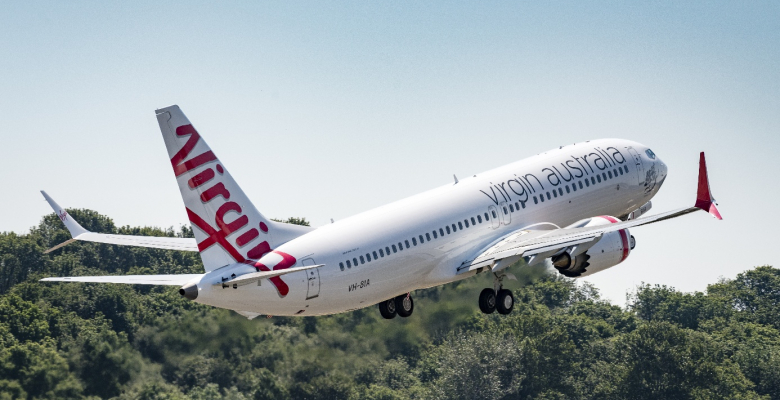
A team from Virgin Australia was in Seattle this week to take delivery of the carrier’s first Boeing 737-8 aircraft.

Picking up a new plane is a big deal anytime. But this is the first of 33 MAX family aircraft the carrier plans to take delivery of over the next five years. The order includes eight 737-8s and twenty-five 737-10s.

This first 737-8 For Virgin Australia is registered as VH-8IA and is named Monkey Mia.

The name is in line with Virgin Australia’s tradition of naming its aircraft after Australian bodies of water. And Monkey Mia is in the Shark Bay region of Western Australia, which became Western Australia’s first World Heritage-listed site in 1991.

The plane is flying from Seattle to Brisbane, Australia with a stopover in Hawaii and leaves Seattle with a fuel load that includes 30 percent Sustainable Aviation Fuel (SAF).

“These new aircraft will allow us to grow capacity and support more efficient jet services,” said Virgin Australia Chief Operations Officer Stuart Aggs. He noted that these MAX aircraft are a critical part of the airline’s decarbonization plans and “will reduce emissions by at least 15 percent per flight compared to the 737-800 NG fleet, supporting our commitment to targeting net zero emissions by 2050.”

In addition to being fuel efficient, the 737-8 is approximately 40 percent quieter than Virgin Australia’s current 737-800 NG fleet and has the airline’s new generation seats, which include device holders and in-seat power.

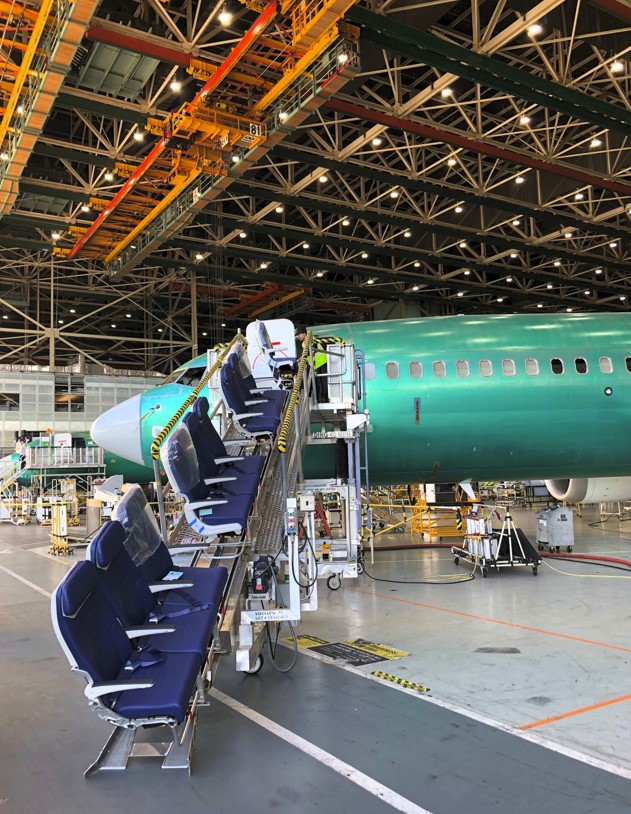
On a tour of Boeing’s 737 plant in Renton, WA, the Virgin Australia team was able to see the unique “hay loader” system Boeing uses to deliver new airline seats from the factory floor onto planes.

Why don’t we all own flying cars?

Cars. Airplanes. Both are great ways to get around.

But wouldn’t it be great if the two were put together so the same vehicle could get you where you needed to go no matter what the traffic conditions?

Lots of people have been working on making that dream of flying cars – or roadable aircraft – a reality.

But we’re not there quite yet.

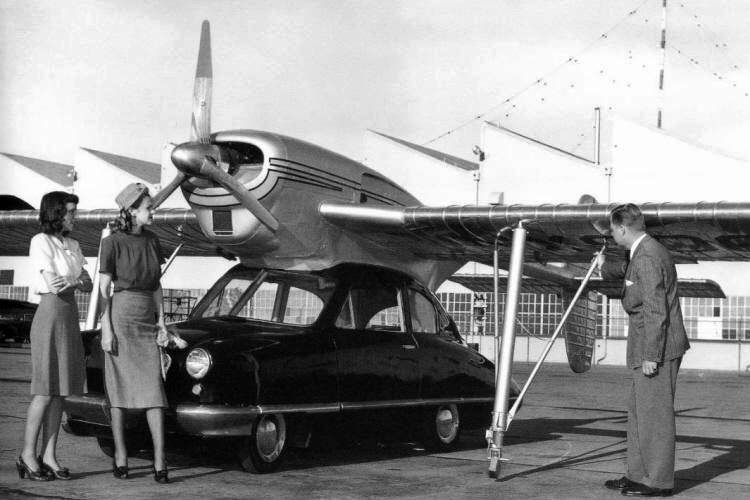
These short videos about Robert Fulton Jr.’s Airphibian – on display at the Smitshsonian National Air & SpaceMuseum; Moulton’s Taylor’s Aerocar – see one at Seattle’s Museum of Flight – and the this-could-be-yours for just $98,000 Jetson One – (a nod to flying car in The Jetsons cartoon show) – prove that it could happen.

Miss flying? Make your own paper airplane

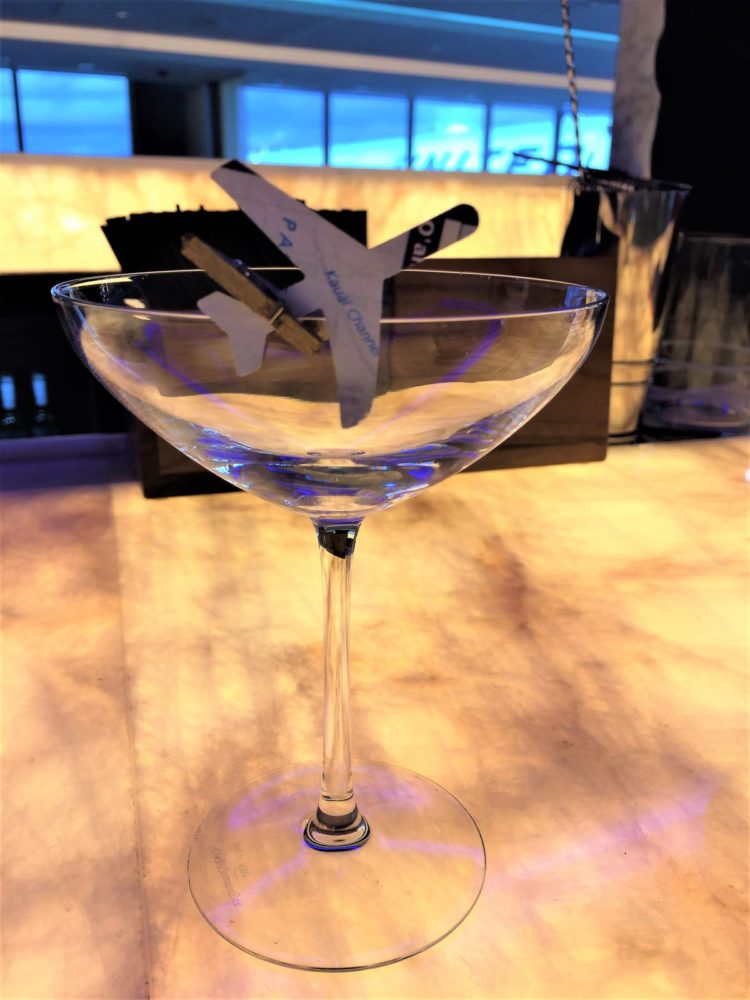
It will be a while until you can visit a United Polaris lounge and order the specialty cocktail that comes with a little cut-out of a paper airplane.

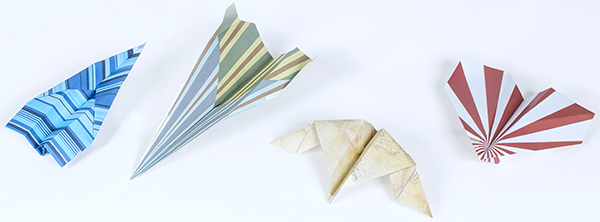
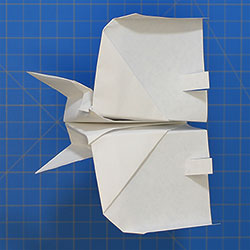
But you can use your at-home time to make your own paper airplanes.

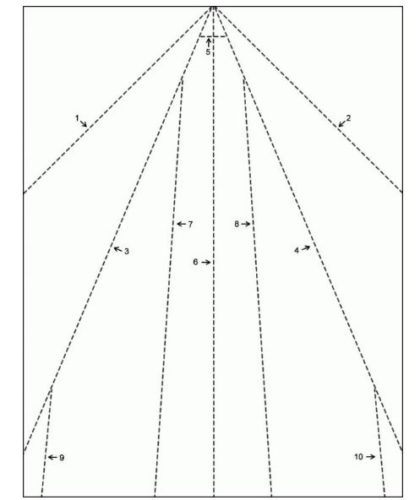
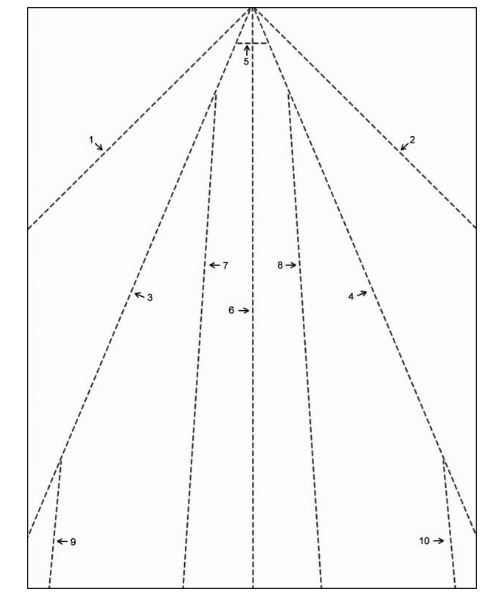
Reno-Tahoe International Airport’s (RNO) Kindness Takes Flight Home Edition has this handy downloadable paper airplane design that includes numbered instructions.

The Fold ‘n Fly site offers a database of paper airplane designs, with instructions and videos, that can be searched by difficulty and type, i.e. acrobatic, time aloft, etc.

My favorite is the one that is designed to fly like a bee.

And, once you’ve made your paper airplane, you might want to download instructions for making a paper airplane launcher, courtesy of Scientific American.

And let’s take a moment to celebrate the fact that since 2017 the paper airplane has been a soaring member of the National Toy Hall of Fame housed at the Strong National Museum of Play in Rochester, New York.

Here’s part of the Strong’s ode to the paper airplane:

… The success of the Wright Brothers at Kitty Hawk in 1903 fostered renewed hope of powered flight and no doubt contributed to the purported invention, in 1909, of the paper airplane. The principles that make an airplane fly are the same that govern paper versions. Paper’s high strength and density make it similar, scale-wise, to the materials used to construct airplanes...

…Play with paper airplanes is far from formulaic and constrained. Where some toys require financial investment, paper airplanes start with a simple sheet of paper, coupled with dexterity, to produce a toy with infinite aeronautical possibilities. 

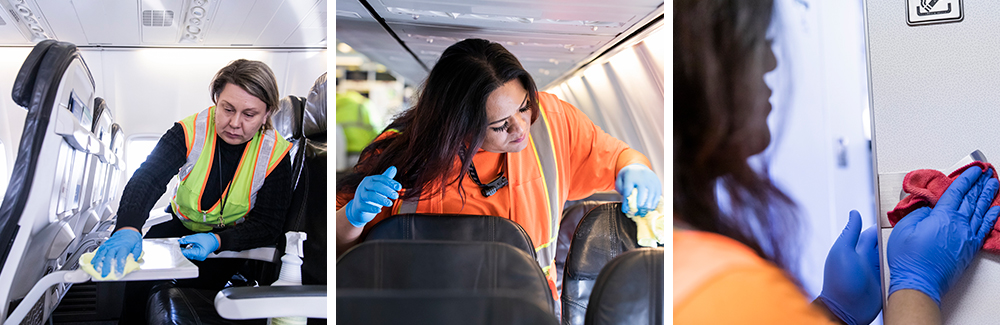
Airlines reassure us that planes are clean and germ-free.

All the news about coronavirus is pretty scary for air passengers who worry about getting sick from the germs on a plane.

Even before this scare, some travelers used disinfectant wipes to clean their tray tables and armrests before and during a flight.

Now we’re being told that this is something everyone should do.

Airlines are doing their part to try to reassure travelers that airplanes are clean and cleaned regularly between flights.

On Wednesday, for example, American Airlines shared a statement outlining its aircraft cleaning routines and efforts to upgrade cleaning.

American says international flights and aircraft with additional time on the ground receive a detailed 30-point cleaning package each day. The airline says all aircraft also undergo deep cleaning procedures on a regularly scheduled basis.

Now, American says it is enhancing cleaning procedures on international flights and aircraft that remain overnight at airports.

“This move, which will touch the majority of our aircraft each day, includes a more thorough cleaning of all hard surfaces, including tray tables and armrests,” American said in its statement.

On its blog, Alaska Airlines shared a video explaining how its airplanes get cleaned.

The airline notes that its crews are paying extra attention to sanitizing the ‘high touch’ parts of that plane. That includes armrests, seat belts, tray tables, overhead controls for air vents, light buttons and call buttons, and the interior and exterior handles to lavatories.

Take a look and let us know if this makes you feel better about flying right now.

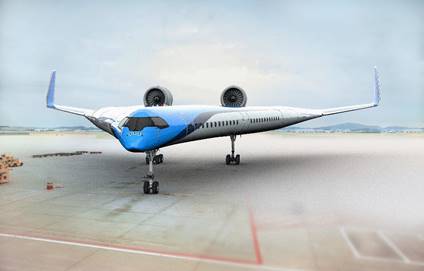
Airplane of the future? It may be the “Flying-V”

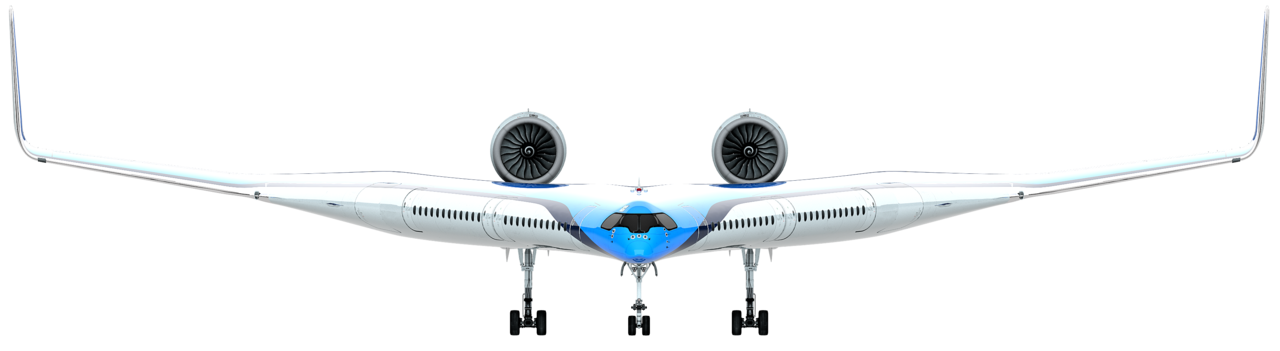
The airplane of the future may be shaped like a big V.

And it may be super sustainable.

On the heels of its announcement of an investment in a biofuel plant set to open in 2022, KLM Royal Dutch Airlines has announced it will partner with Delft University of Technology (TU Delft) to fund the development of an innovative flying machine known as the “Flying-V.

The new-fangled, aerodynamic aircraft design incorporates the passenger cabin, cargo hold and fuel tanks into the wings of a V-shaped aircraft.

As designed, the unusual shape would reduce an aircraft’s weight and use 20% less fuel than current airplanes. But it would allow the plane to easily land at airports and pull up to gates designed to welcome Airbus A350s.

Designers say the Flying-V will be able to carry the same number of passengers – 314 – and the same volume of cargo as an Airbus A350. But this new plane will be smaller than an A350 and more aerodynamic.

Although the Flying-V will initially fly on kerosene, it is designed make use of innovations in the propulsion system, such as electrically boosted turbofan engines.  

Designers say not only will the Flying-V look different and be energy-efficient, it could offer a better passenger experience, with seating in the wings and with a unique new design for seating and lavatories.

A flying scale model and full-size section of the interior of the “Flying-V” is set to be unveiled in October, during KLM Experience Days at Amsterdam Airport Schiphol, as a potential aircraft design of the future.

I plan to be there!

(Images/video courtesy TU Delft)

Alaska Airlines shows off first retrofitted Virgin America aircraft

Courtesy Alaska Airlines

Just about two years after acquiring Virgin America, Alaska Airlines is showing off the first retrofitted version of the fleet of Airbus aircraft the Seattle-based carrier inherited in the deal.

The makeover was revealed this week on an Airbus A3121neo (new engine option) airplane during a short demo flight out of San Francisco International Airport. These retrofitted interiors will eventually show up on all of Alaska’s Airbus fleet of A319, A320 and A321aircraft and on its Boeing 737-700s and three new Boeing MAX 9 planes.

Alaska Airlines

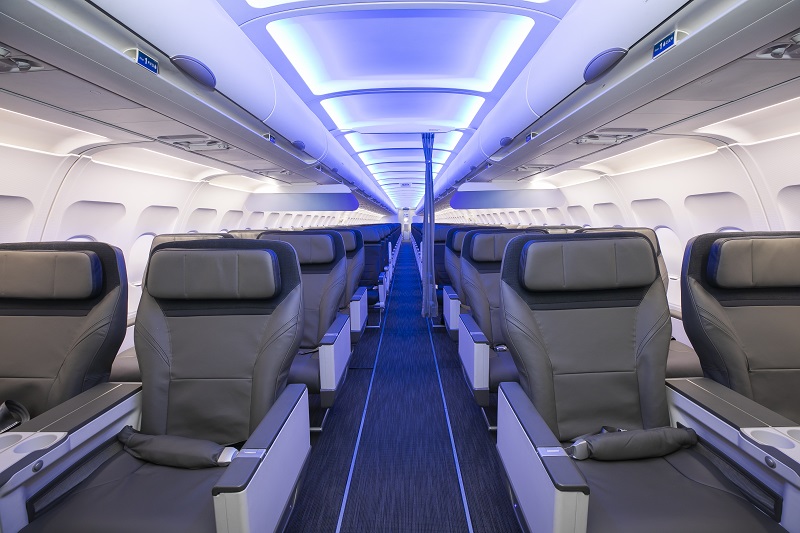
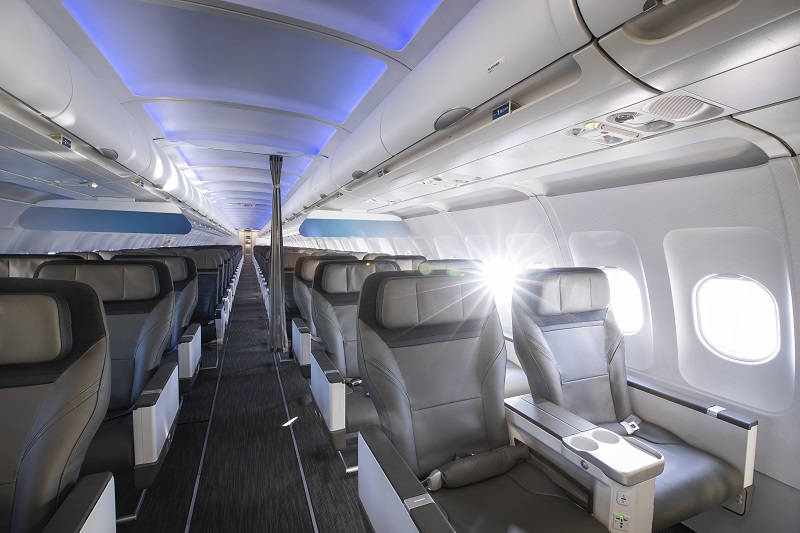
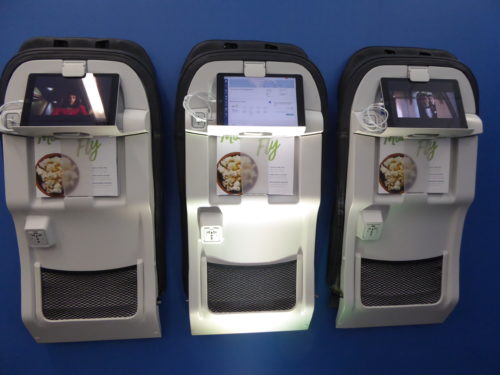
The new cabin features include upgraded seats, Alaska blue (not Virgin pink) mood lighting for boarding, a refreshed cabin color palette and space-saving tablet holders at each seat.

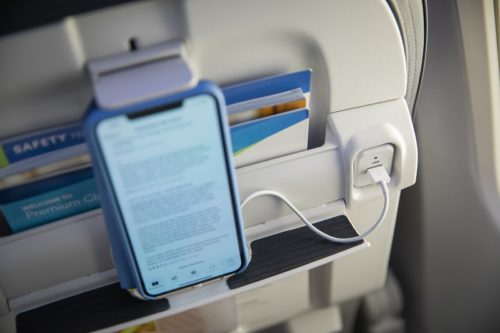
Device holders are on the seatbacks of premium and economy seats. Photo Alaska Airlines

Additional upgrades range from more conveniently positioned power outlets (USB and 110V) at every seat (no more sharing) and the elimination of those space-hogging electrical boxes on the floor under the middle seats.

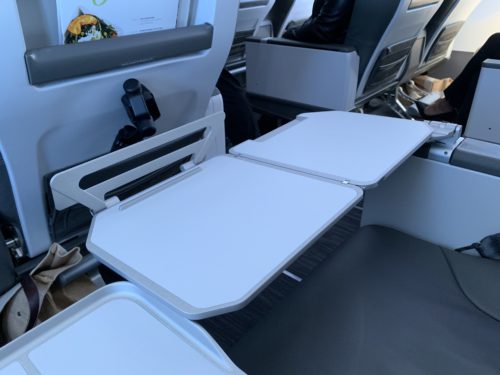
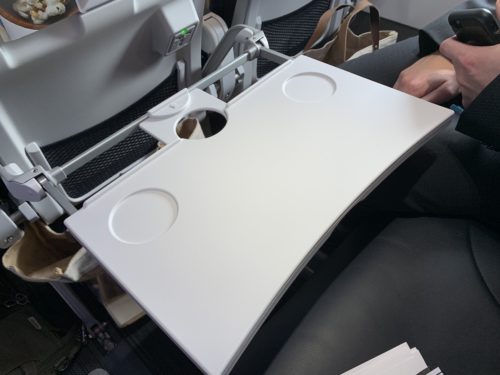
There are also ingenious pull-out cup holders in the tray tables of the premium class seats and, for everyone , Gogo’s faster high-speed satellite Wi-Fi.

And, in a nod to the hip Virgin America brand many customers still miss, the makeover includes an board and de-planing music playlist that Alaska has programmed to have a “cool West Coast vibe thatcomplements the relaxing and modern ambiance.”

Here are some more snaps of the plane’s new features:

photo: Harriet Baskas

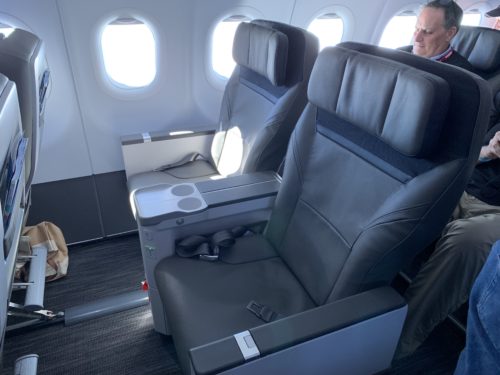
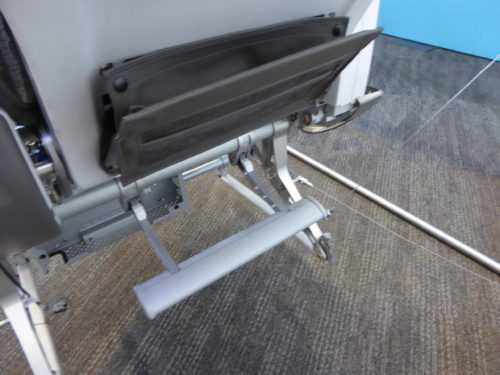
Aircraft seat manufacturer Recaro has created first class seats that include memory foam, a 40″ pitch, tray tables with tablet holders and bonus footrests.

Photo – Harriet Baskas
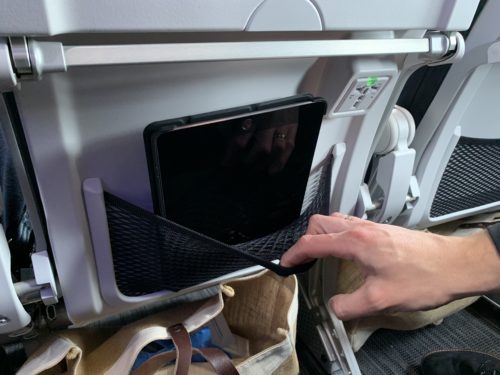
Mesh pouches on seat backs have an extra elastic to make them easier to use. Photo Harriet Baskas
Seatback screens are gone – replaced by device holders and easier to access USB power ports. Photo Harriet Baskas

Joshua Rappaport, Executive Cheft at LSG SkyChefs was on site – and on the plane – sharing details of a new, refreshed menu that leans heavily to healthy, seasonal, West Coast-sourced and fresh.

Seattle-based fashion designer Luly Yang was on site as well, showing off the line of uniforms passengers will soon see on the Alaska Airlines team.

Icelandair welcomes its first 737Max

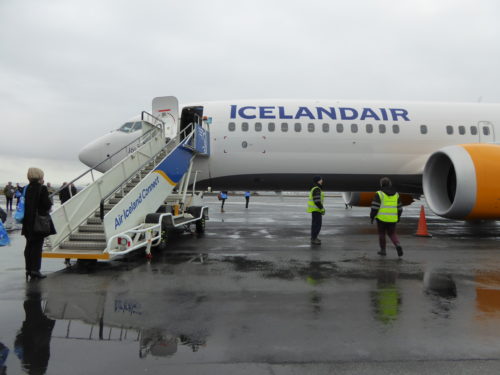
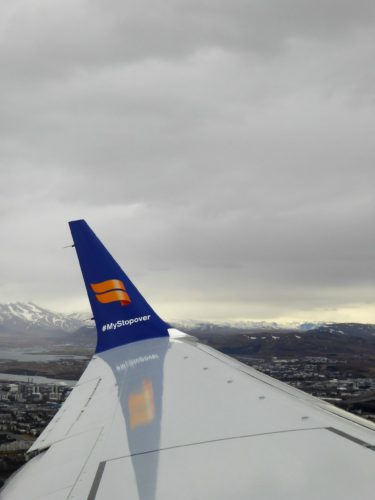
Icelandair took its first new Boeing 737 MAX 8 on a celebratory flight on Saturday, flying north from the in-city Reykjavík Airport for a one-hour special flight over stunning mountains and landscape before returning to the airport for a welcome party that included tours of the aircraft for hundreds of invited guests.

I was fortunate to go along for the flight.

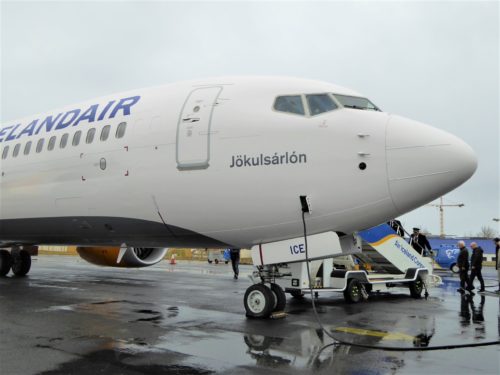
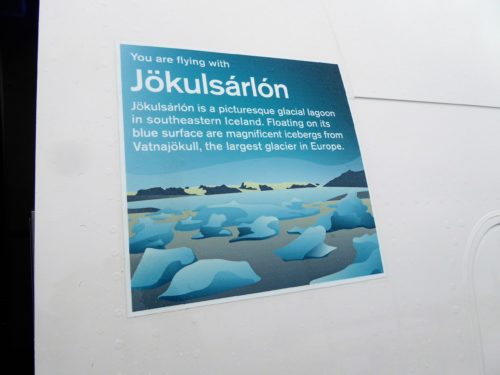
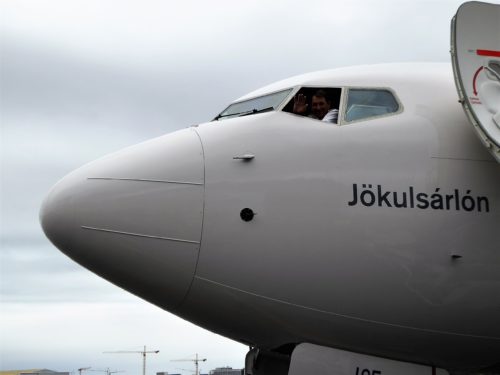
All Icelandair planes are named after Icelandic volcanoes, glaciers or other areas of Iceland’s landscape and this new Boeing 737 MAX 8, is named Jökulsárlon, after a glacial lagoon.

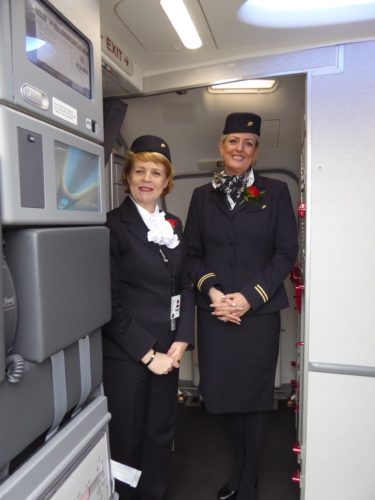
Here are some more snaps from the flight:

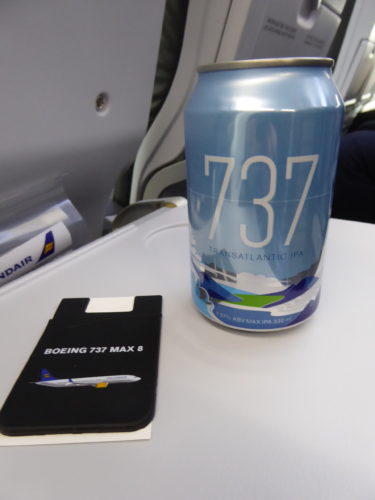
Invited guests on the flight got to taste a special 737 Transatlantic Pale Ale, which will be available for purchase onboard Icelandair flights, starting at the end of May, for a few months.


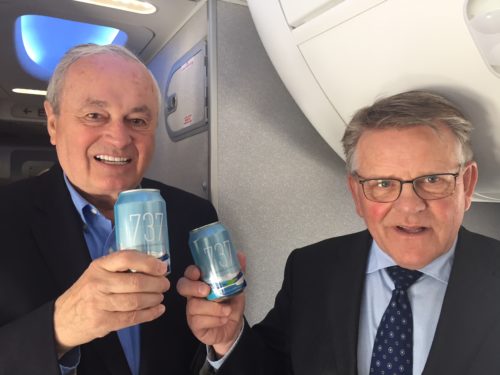
Sigurður Helgason, Icelandair’s past CEO and Bjorgolfur Johannsson, the current President & CEO, toast the new plane with cans of the special 737 Transatlantic IPA.


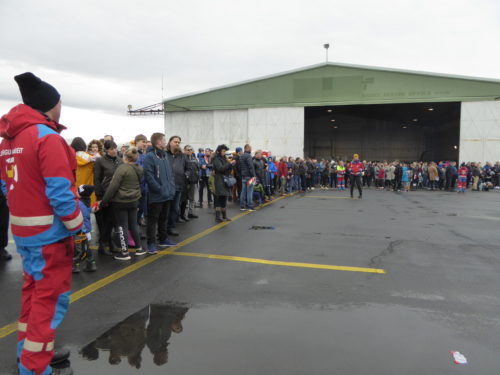
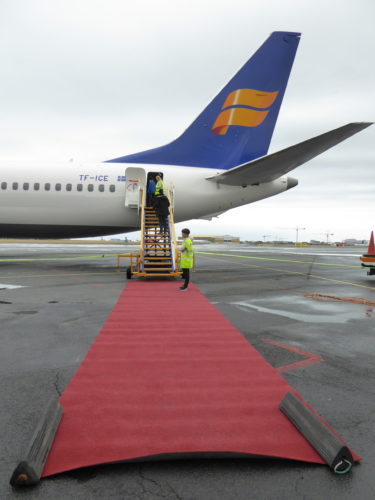
Hundreds of invited guests came to the airport to welcome the plane and lined up for a tour. But first the red carpet had to put out.


This is the first of 16 737 Max airplanes Icealandair will receive over the next four years, so keep an eye out for them in the skies and at your airport.