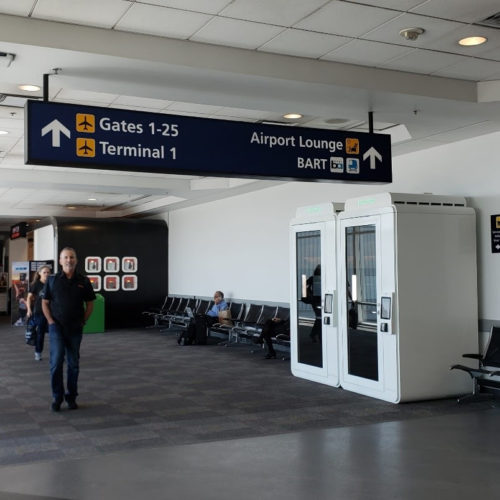
Each booth has a desk and seating, Wi-Fi, USB charging, flight-tracking tools and terminal maps.
There’s also a built-in photobooth app – for entertainment, we assume.
You may see these Jabbrrbox booths elsewhere. Booths are also installed at Laguardia Airport’s Terminal B, in JFK Terminal 4, in Terminal B at Cincinnati/Northern Kentucky International Airport (CVG) in Concourse B and in Pittsburgh International Airport (PIT) in Concourses B and C.
The private work (or napping) spaces rent in 30-minute increments. Cost is $15 per 30 minutes. A Wi-Fi password and a door code are provided at the time of reservation.
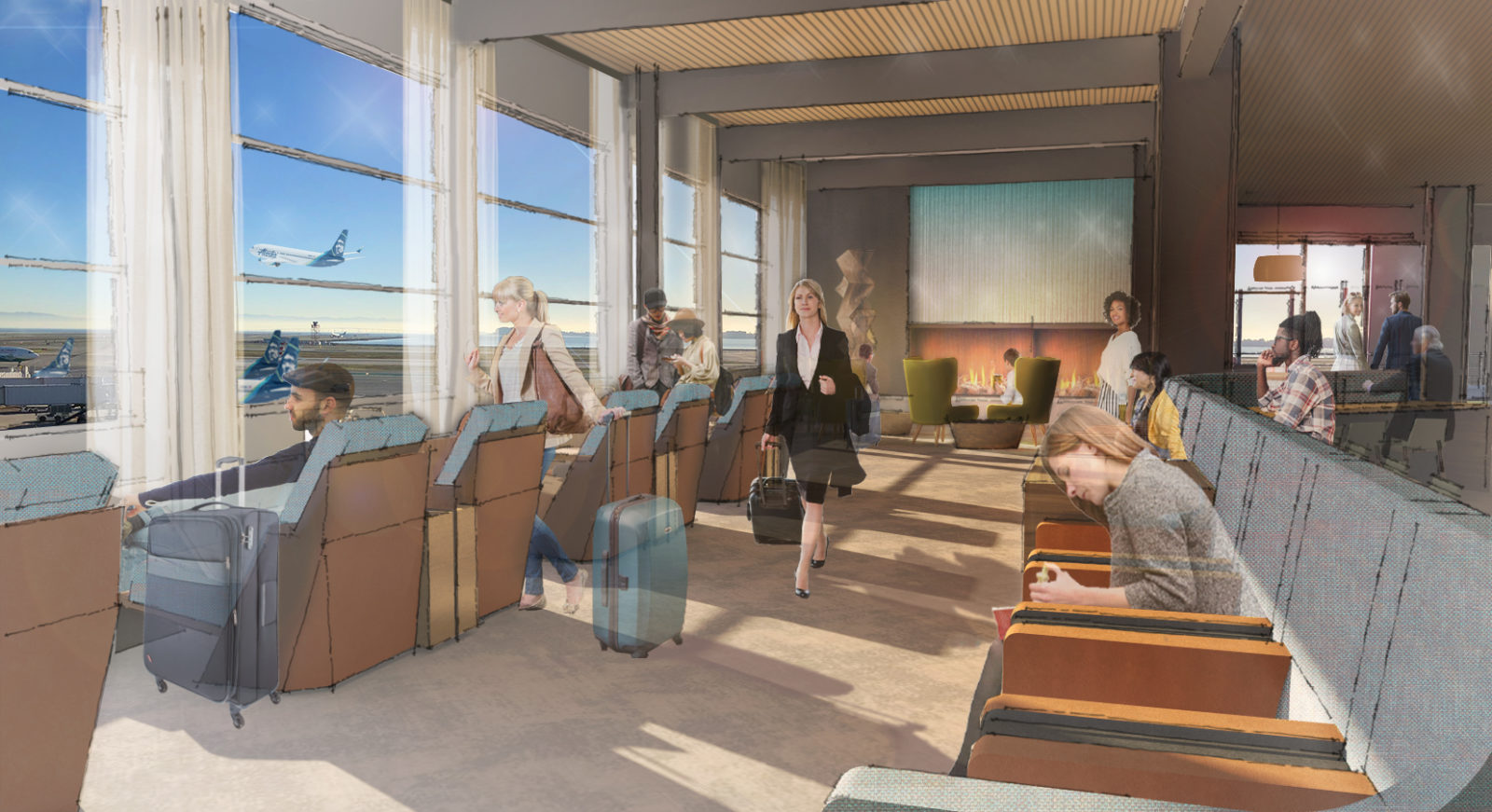
Alaska Airlines plans to build a new 8,500-square-foot top floor lounge in Terminal 2 at San Francisco International Airport (SFO) .
The lounge will offer guests great views of the airport runway activities and of San Francisco Bay. It is expected to open in 2020.
To celebrate the announcement, Alaska Airlines is offering flyers traveling through SFO’s Terminal 2 today (February 20, 2019) a chance to win a free Alaska Lounge membership for the entire year.
To enter, stop by Gate 54B.
Alaska will be offering a demo of the upgraded lounge experience and handing out giveaways. There will also be special appearances by San Francisco Giants mascot Lou Seal and San Jose Sharks mascot S.J. Sharkie.
Travelers who take a picture of themselves enjoying the lounge experience (maybe with one of those mascots) and who then post the picture to Twitter and Instagram will be entered in the contest. (Use the tags @AlaskaAir and the hashtag #MostWestCoast.)
“SFO is our second largest hub with an average of 150,000 passengers flying on a daily basis, and we want to ensure airport visitors can rest, relax and enjoy our wide array of lounge offerings.” said Annabel Chang, Alaska Airlines’ vice president of the Bay Area.
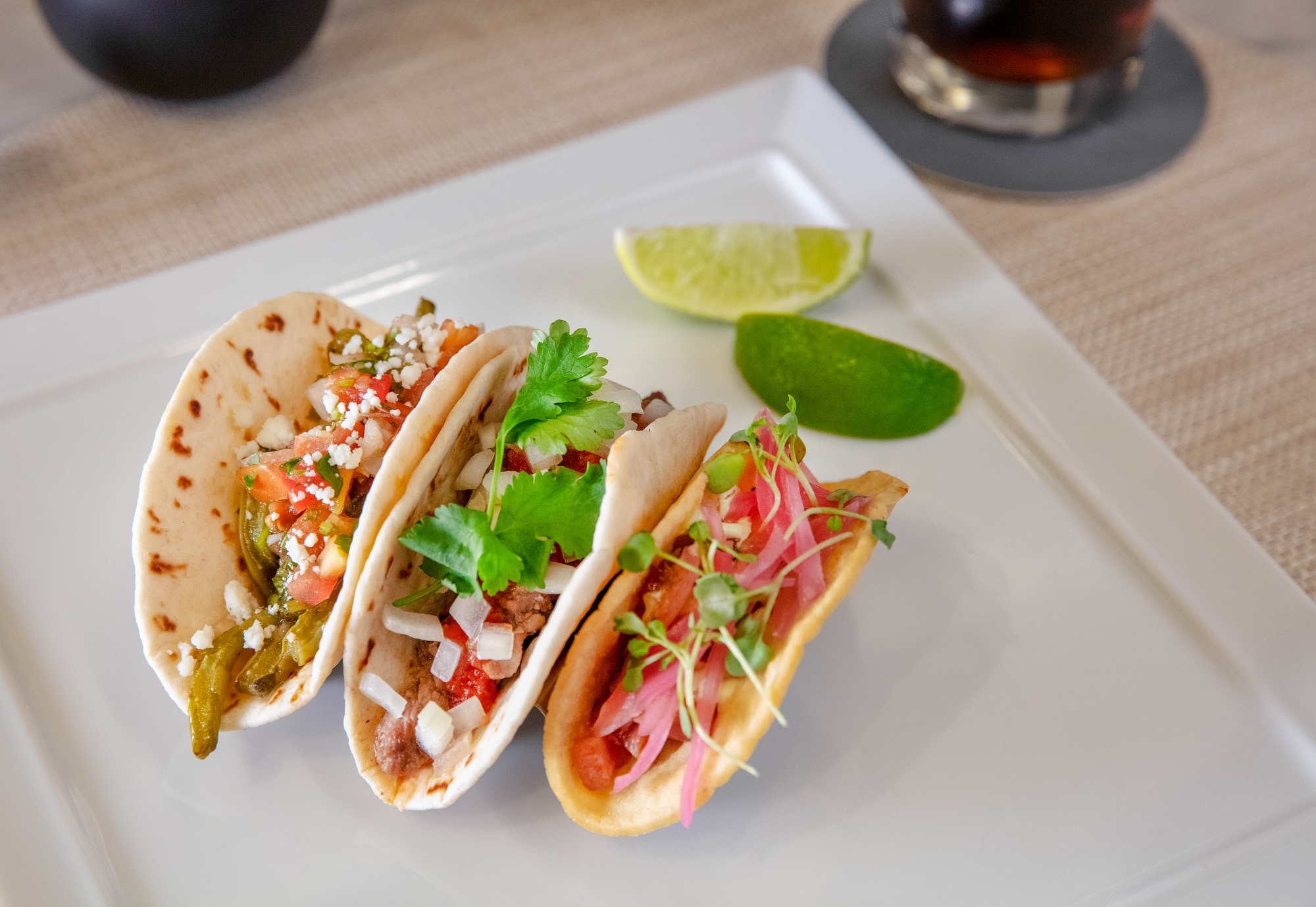
In addition to a great view, the new lounge will offer guests complimentary fresh food options, including salads, soups and tapas.
The lounge will also offer made-to-order meals available for purchase, including Asparagus and Goat Cheese Omelet with roasted potatoes or a Korean Rice Bowl with steamed vegetables and gochujang sauce.
Alaska Airlines is on a mission to upgrade and expand its lounges.
The Seattle-based carrier opened its first East Coast lounge in April 2018 at JFK International Airport. A new flagship 15,000-square-foot lounge at Seattle-Tacoma International Airport is expected to open in June.
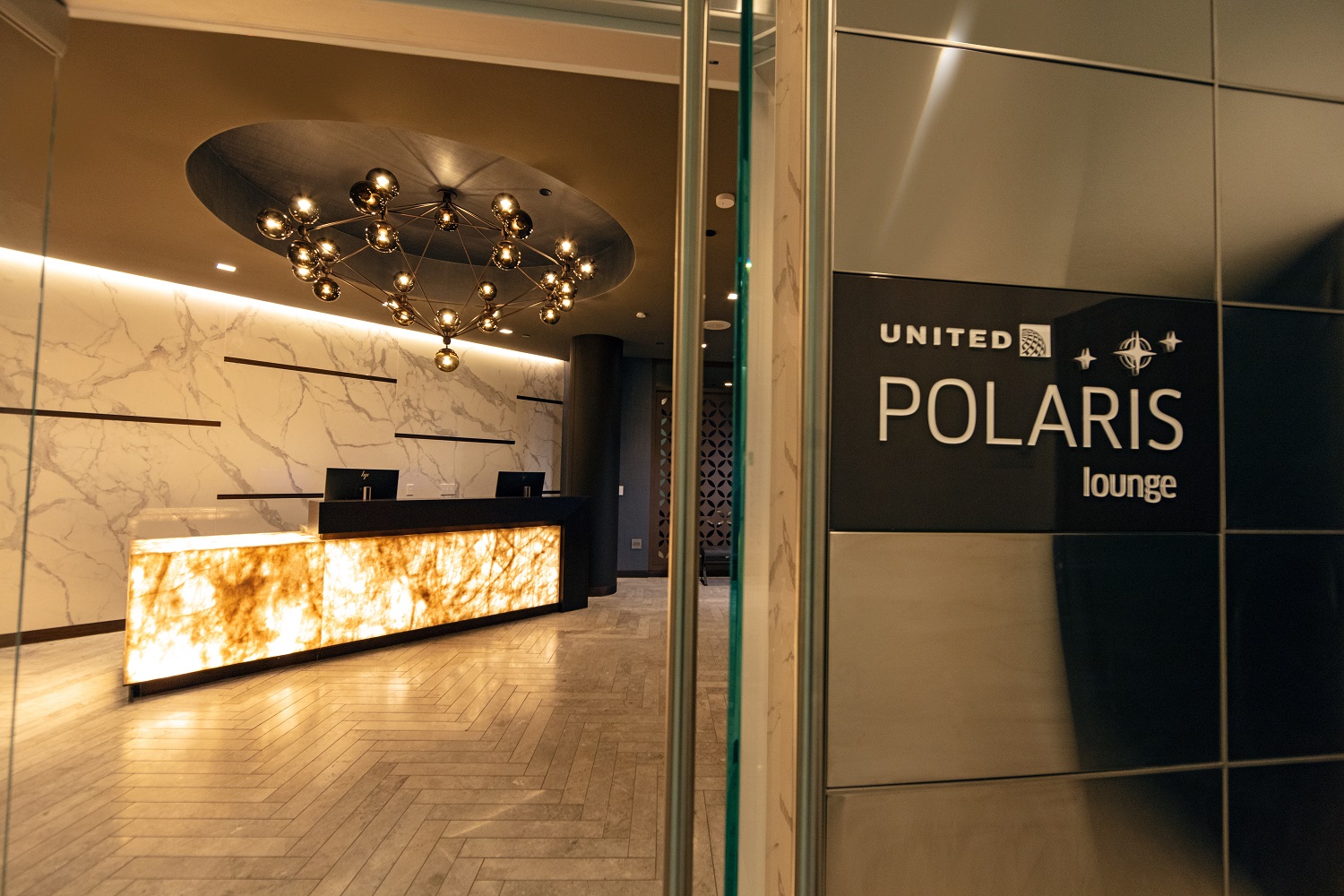
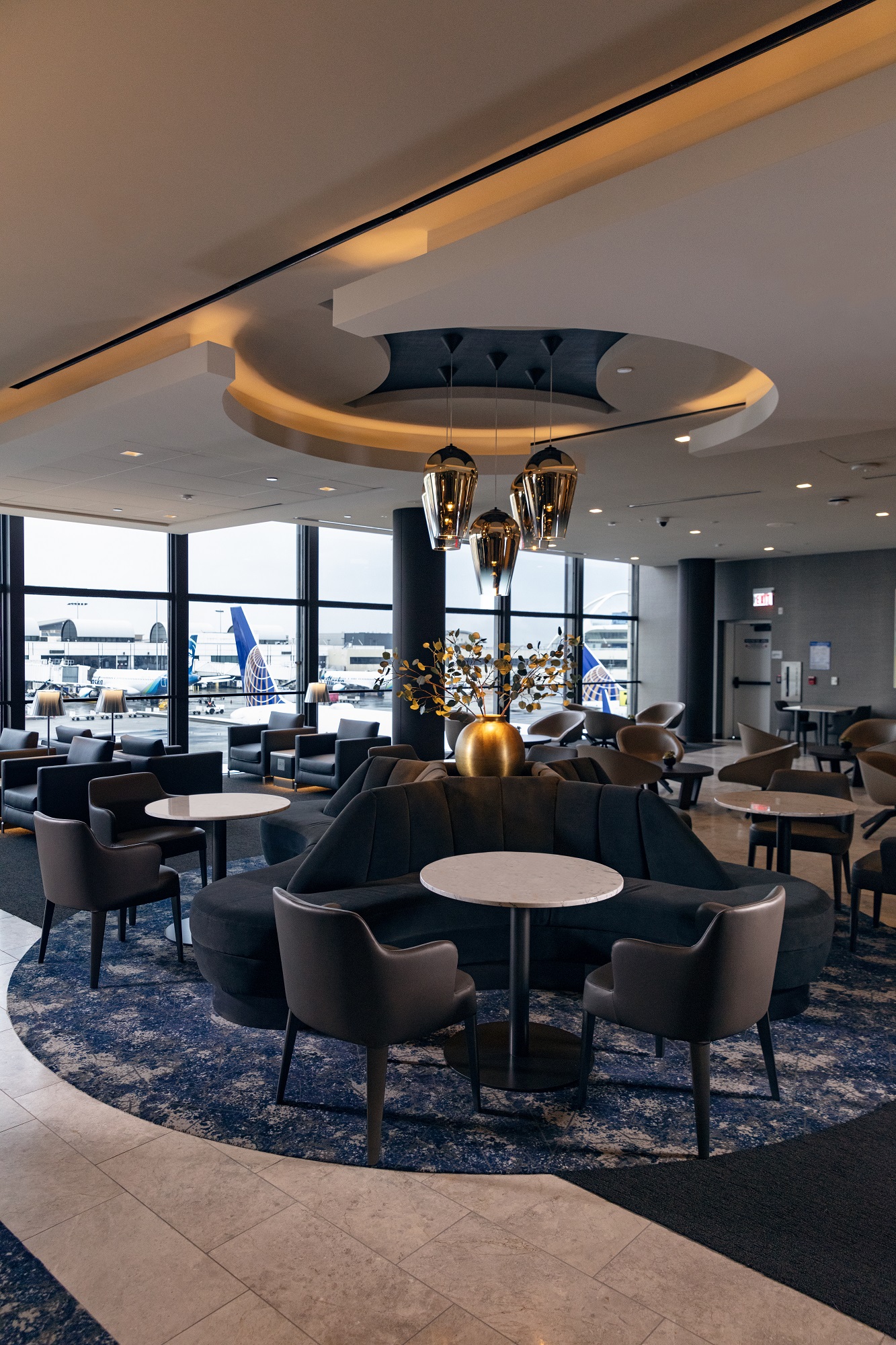
United Airlines has opened its newest Polaris lounge. This one is at Los Angeles International Airport.
The new 12,000-square-foot lounge is open to passengers traveling on international flights in the United Polaris business class cabin and to customers in first or business class on long-haul international flights with a Star Alliance member airline may access the lounge as well.
Located on the upper level, between gates 73 and 75A in Terminal 7 at LAX and accessible via elevator and stairs, the new lounge has 140 seats, 272 power outlets and 120 USB ports, and a dozen semi-private work spaces with oversized chairs, AC and USB power, work or dining table, privacy dividers and a lamp.
Here are some snaps of the lounge:
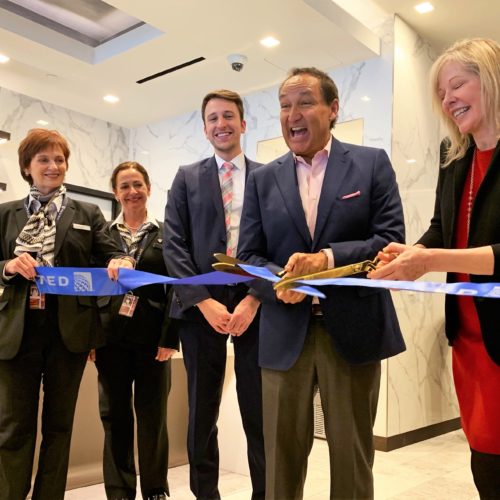
United CEO Oscar Munoz helps with ribbon cutting of new Polaris lounge at LAX. Photo by Harriet Baskas
(Photos courtesy United Airlines, except where noted)
It was officially completed in July (2018), but Air France’s business class lounge in Hall L of Terminal 2 E at Paris-Charles deGaulle Airport, still looks (and smells) brand new.
Here are some snaps from a recent tour of the 540-seat lounge capping off a fast four-day visit to London and Paris that included a ride on the Eurostar as part of the #LondonParisNow campaign.
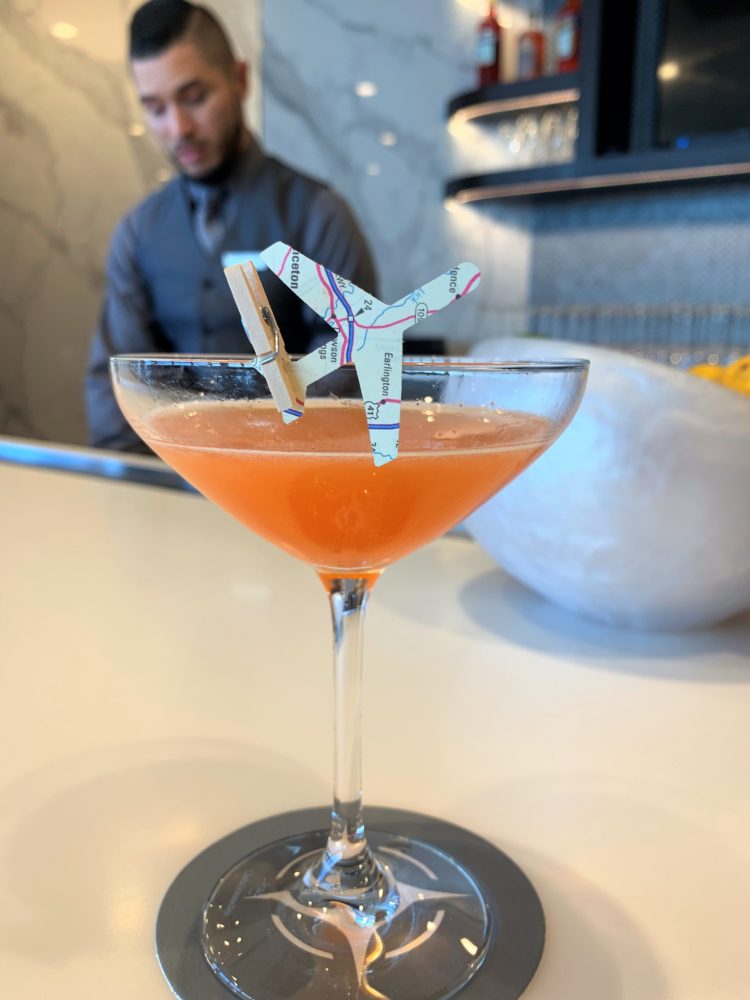
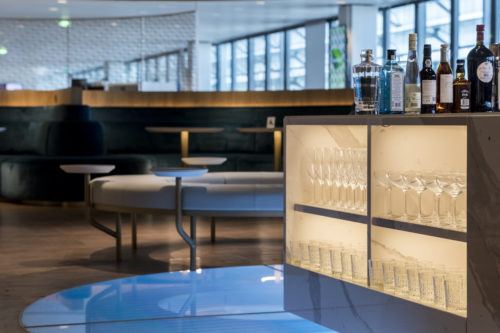
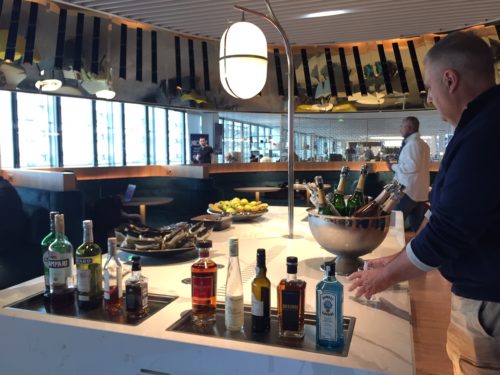
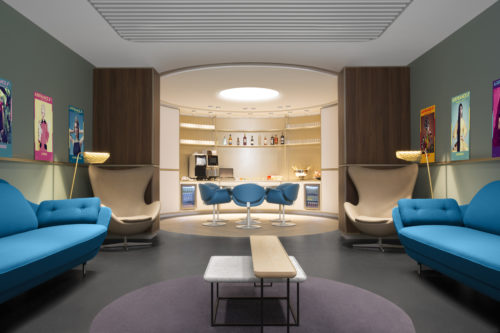
The bar – called “Le Balcon” – was designed by Mathieu Lehanneur and is self-serve much of the day, but from 6:30 p.m. to about 10 p.m. there’s a bartender on duty mixing up a menu of specialty-created cocktails.
Photo _ Harriet Baskas
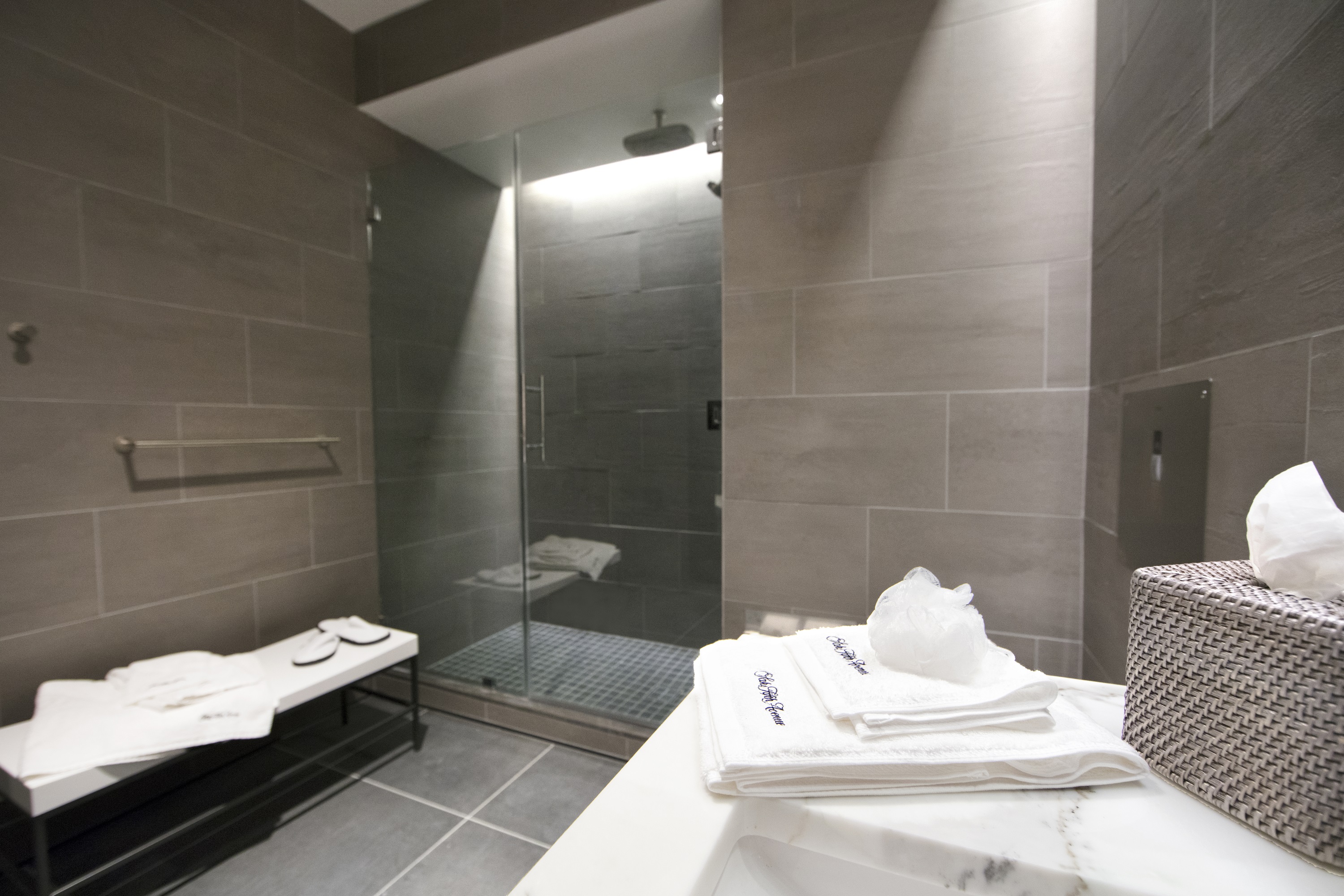
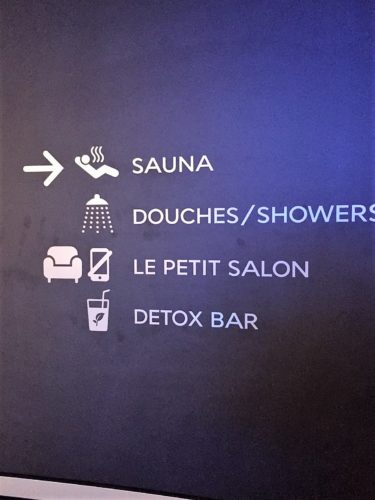
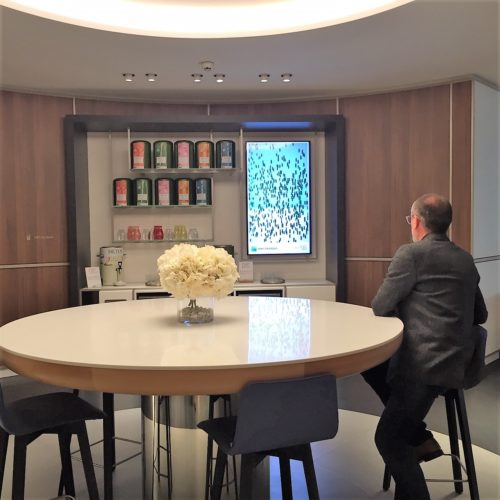
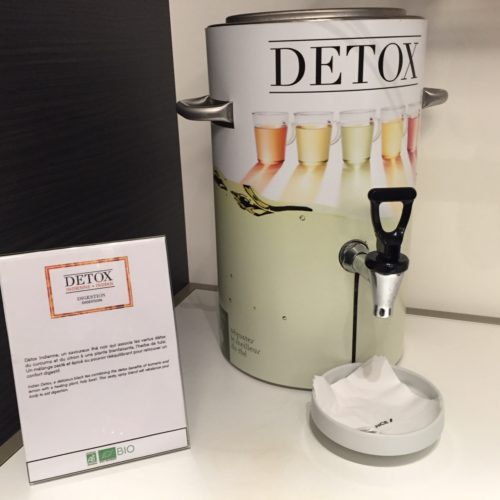
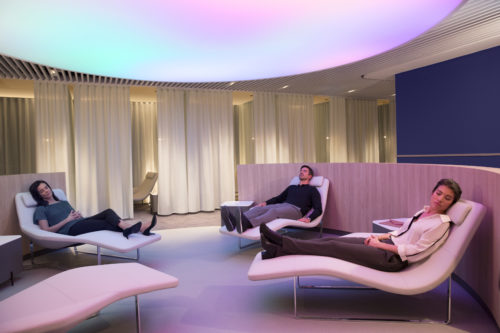
The wellness area include restrooms with saunas, 20-minute complimentary Clarins spa services, a ‘detox’ bar with healthy potions and a quiet rest area with day beds.
Detox bar at CDG Air France lounge . Photo _Harriet Baskas
Detox potions at Air France CDG lounge. Photo Harriet Baskas
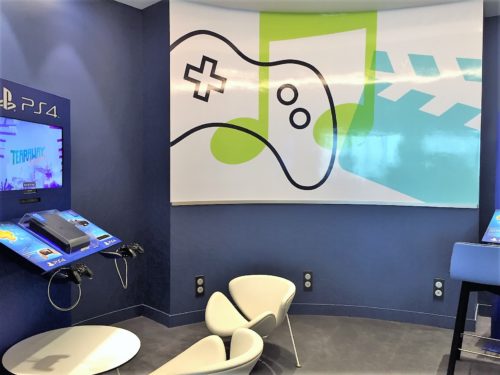
There’s also a special play for kids and a ‘Petit Salon’ area offering extra privacy for special guests:
Air France lounge at CDG – Kids area. Photo-Harriet Baskas
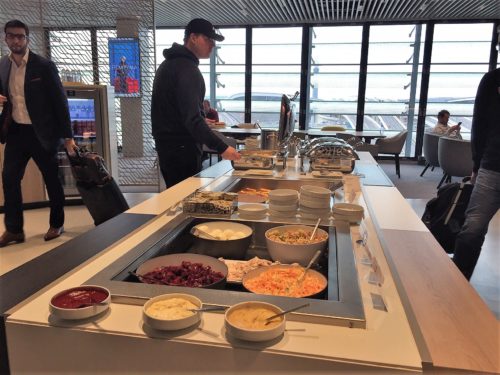
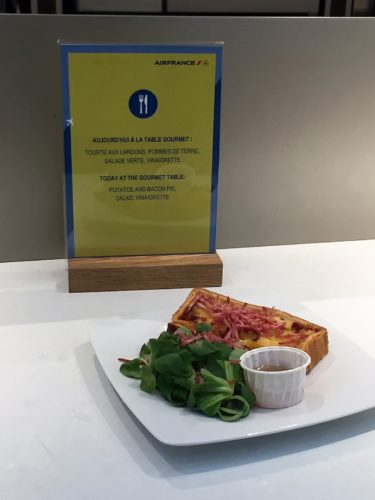
And then, of course, there’s food. In addition to a self-serve buffet, there’s a “Gourmet Table” where a chef prepares a ‘dish of the day’:
Photo_Harriet Baskas
Air France says this is what passengers can look forward to in other cities where the lounges are scheduled to be upgraded as well.
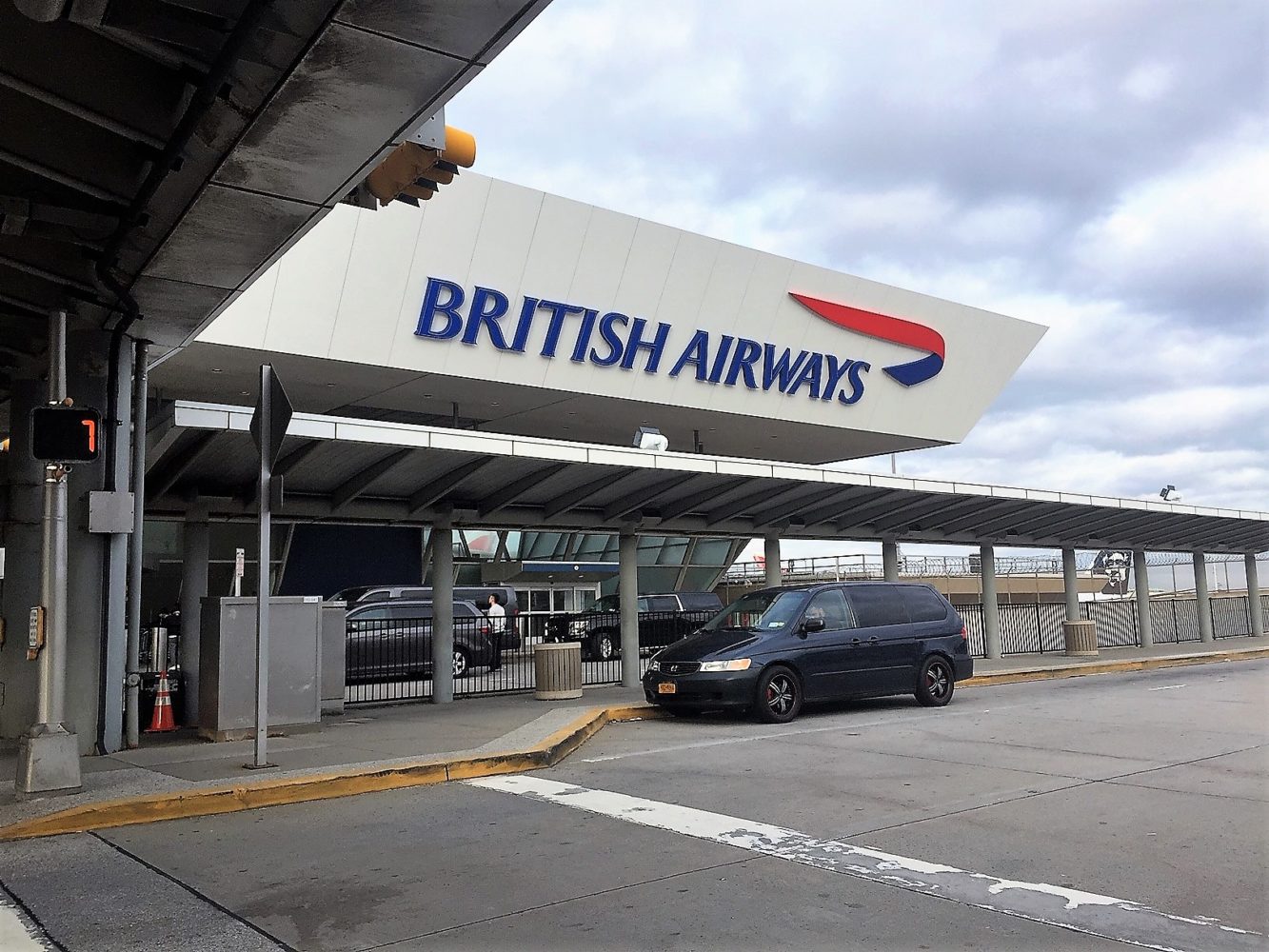
On my way to London via British Airways from Terminal 7 at New York’s John F. Kennedy International Airport on Friday, I was invited to tour the newly refurbished British Airways First lounge, look inside the exclusive Concorde Room and spend time in the Galleries lounge.
Here are a few snaps from the day:
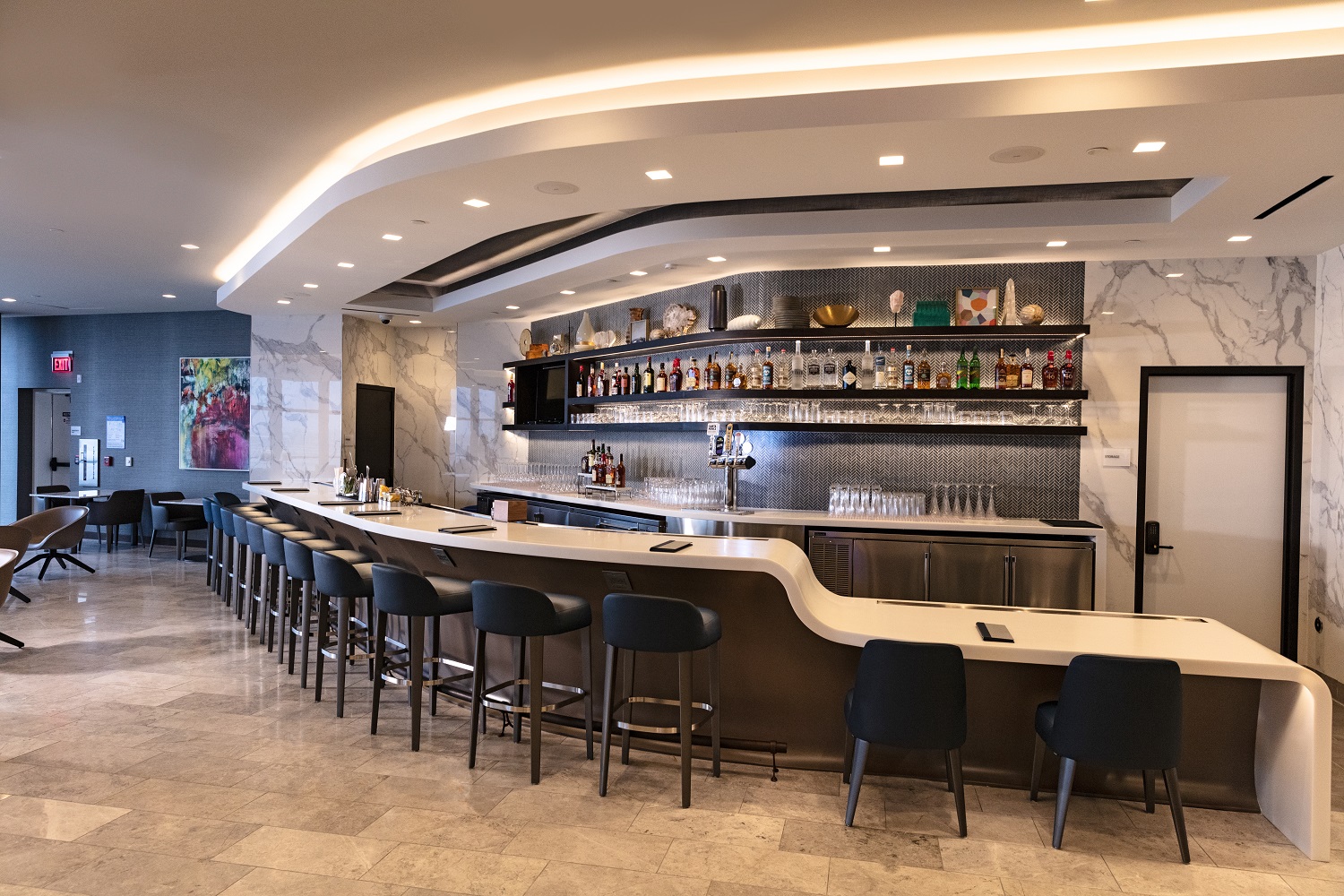
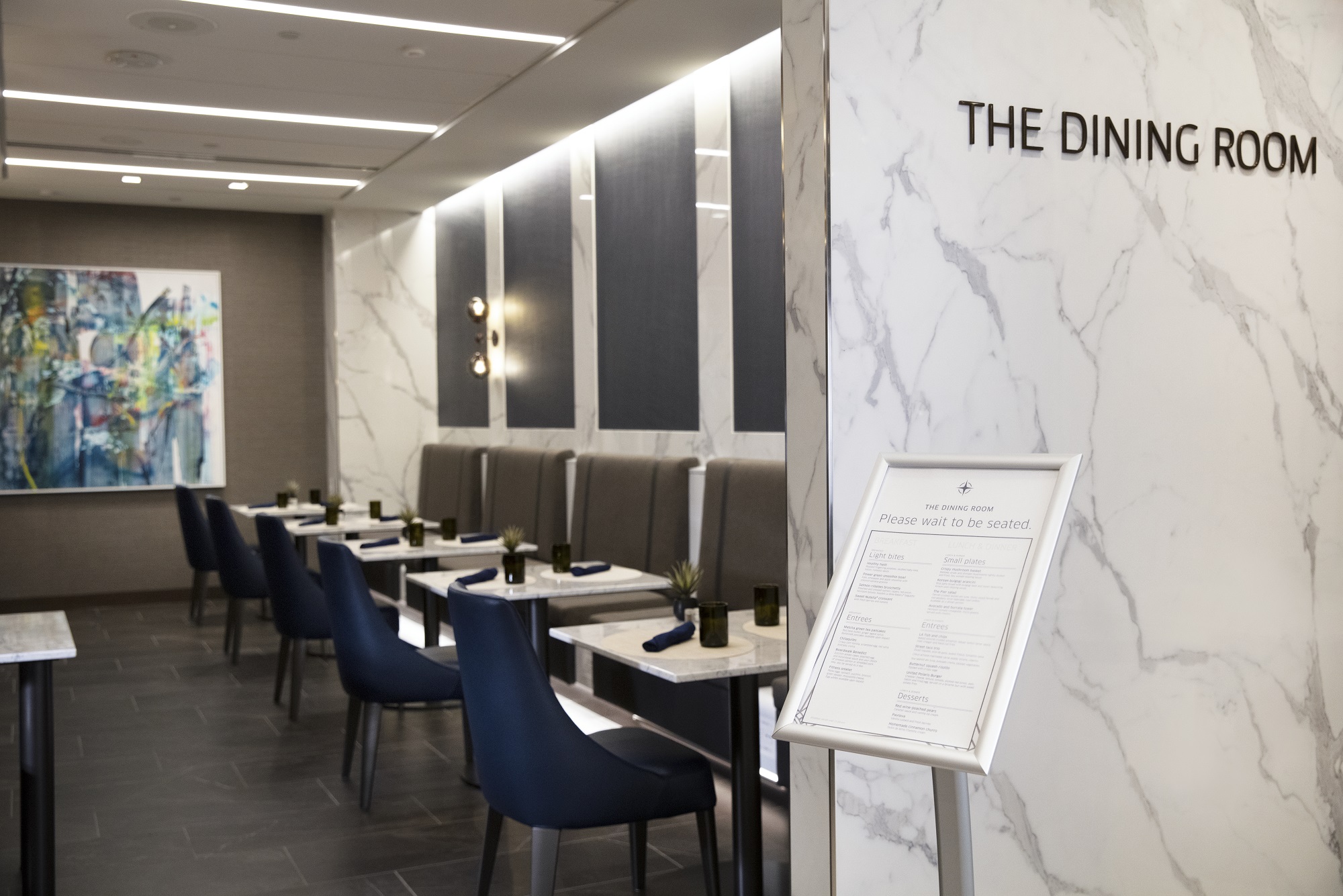
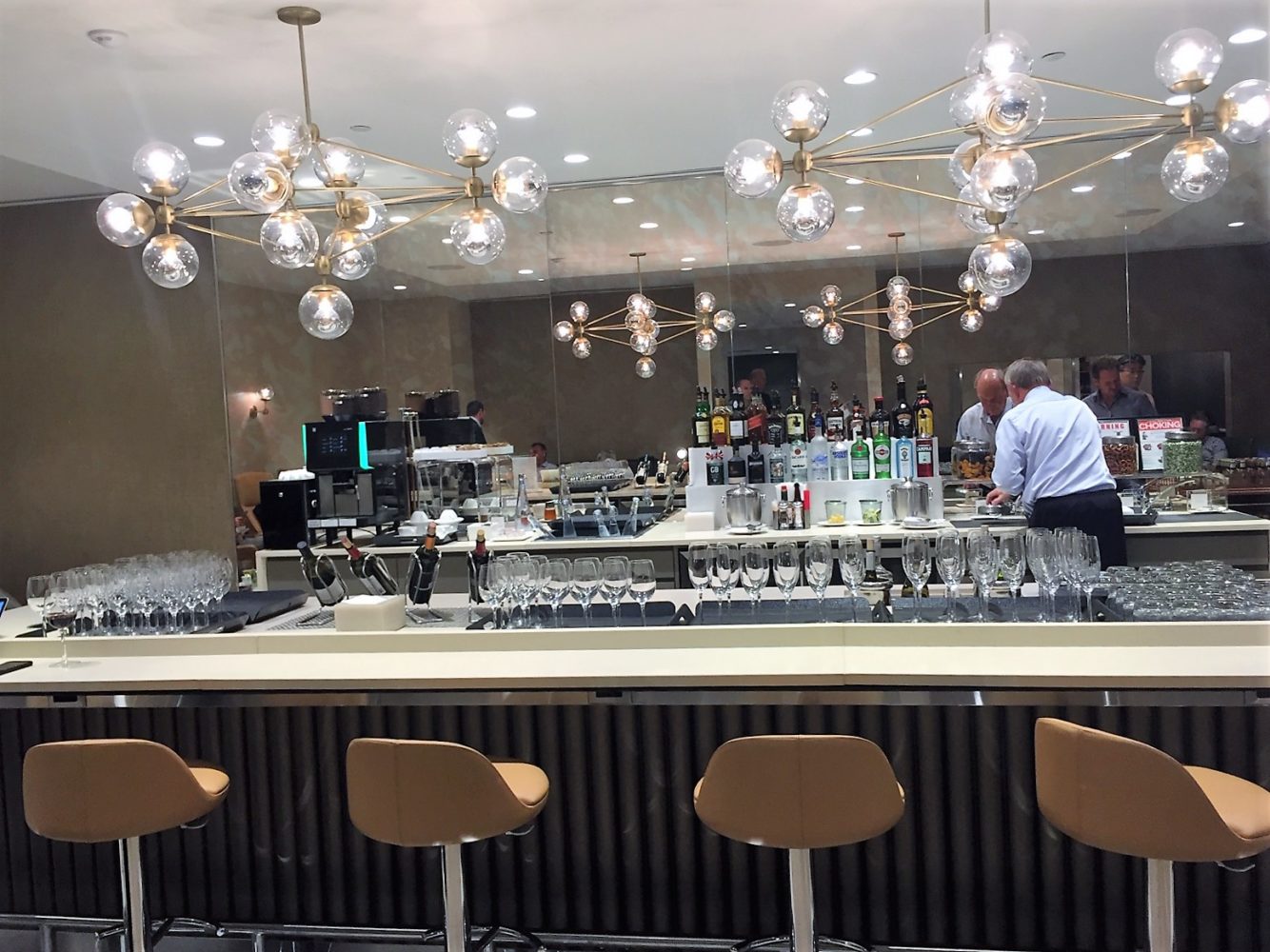
The new First lounge is now 60 percent bigger than the previous lounge – and includes a pre-flight dining area (shared with the Galleries /business lounge), a pleasant quiet work area and this lovely large bar area.
When I passed through it seemed to be both self-serve, with bartenders nearby.
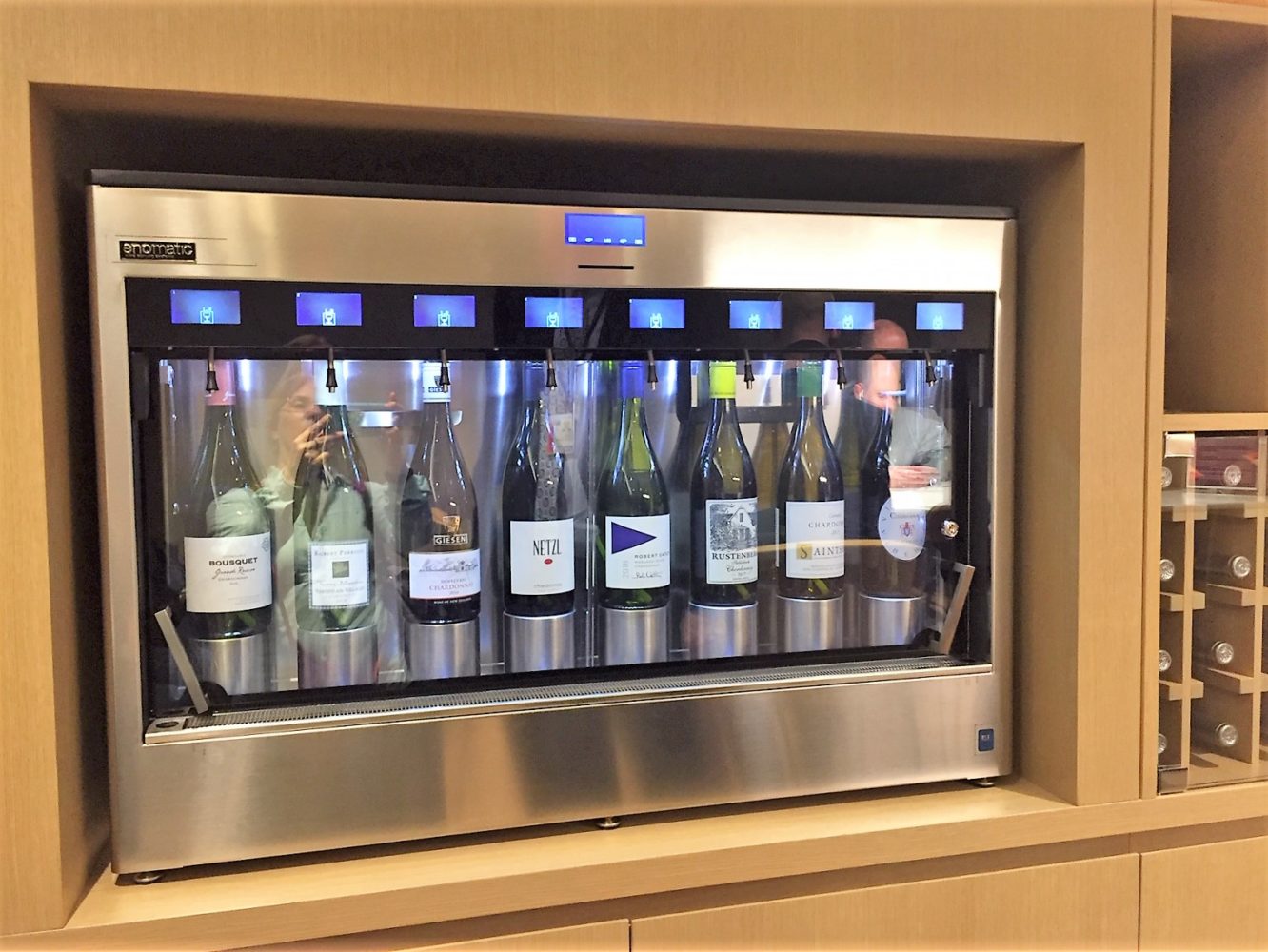
Around the corner from the bar is a Wine Room with an enomatic dispenser serving 1-ounce tasting pours of a variety of specially chosen wine. Right now “Chardonnays of the World” are featured.
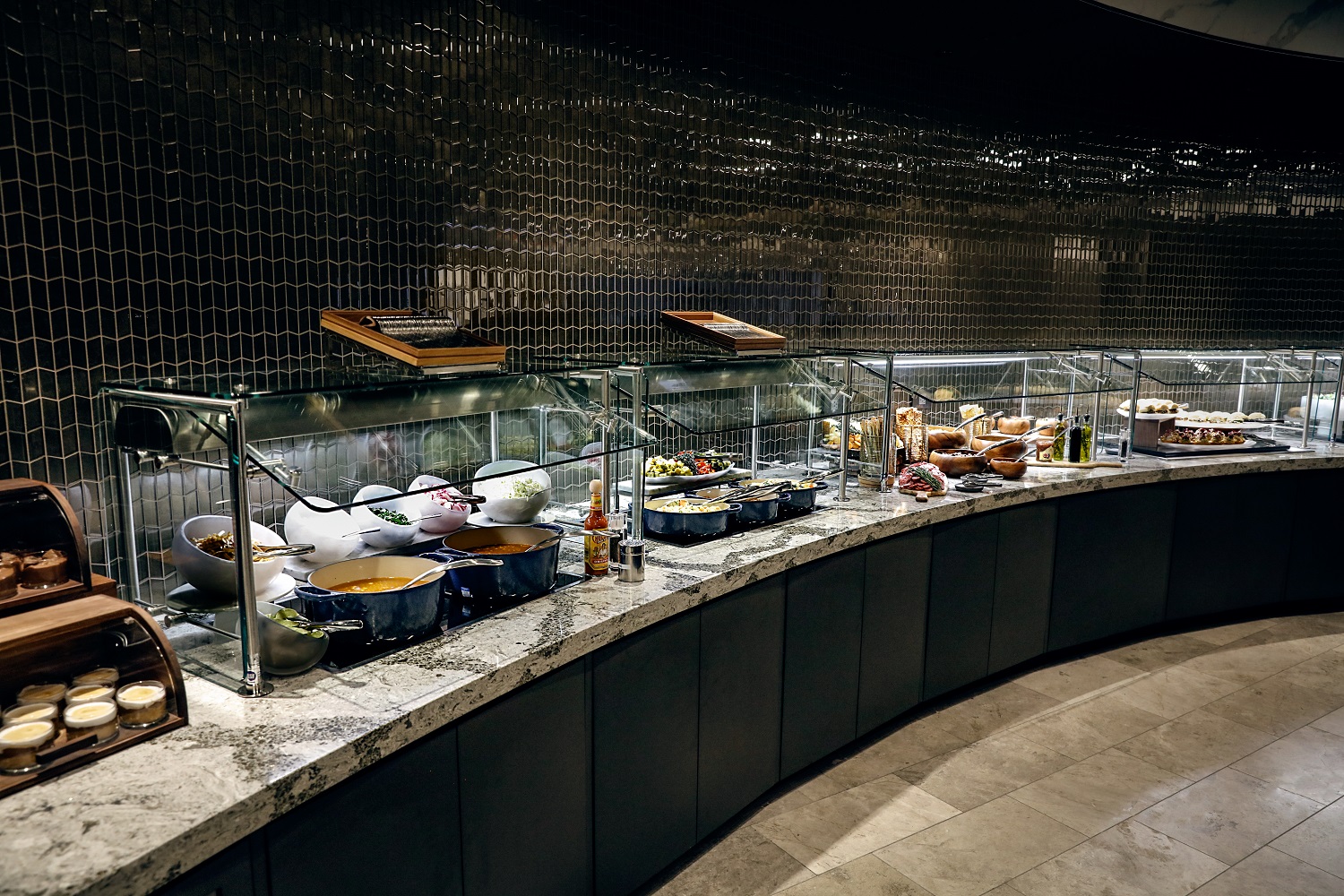
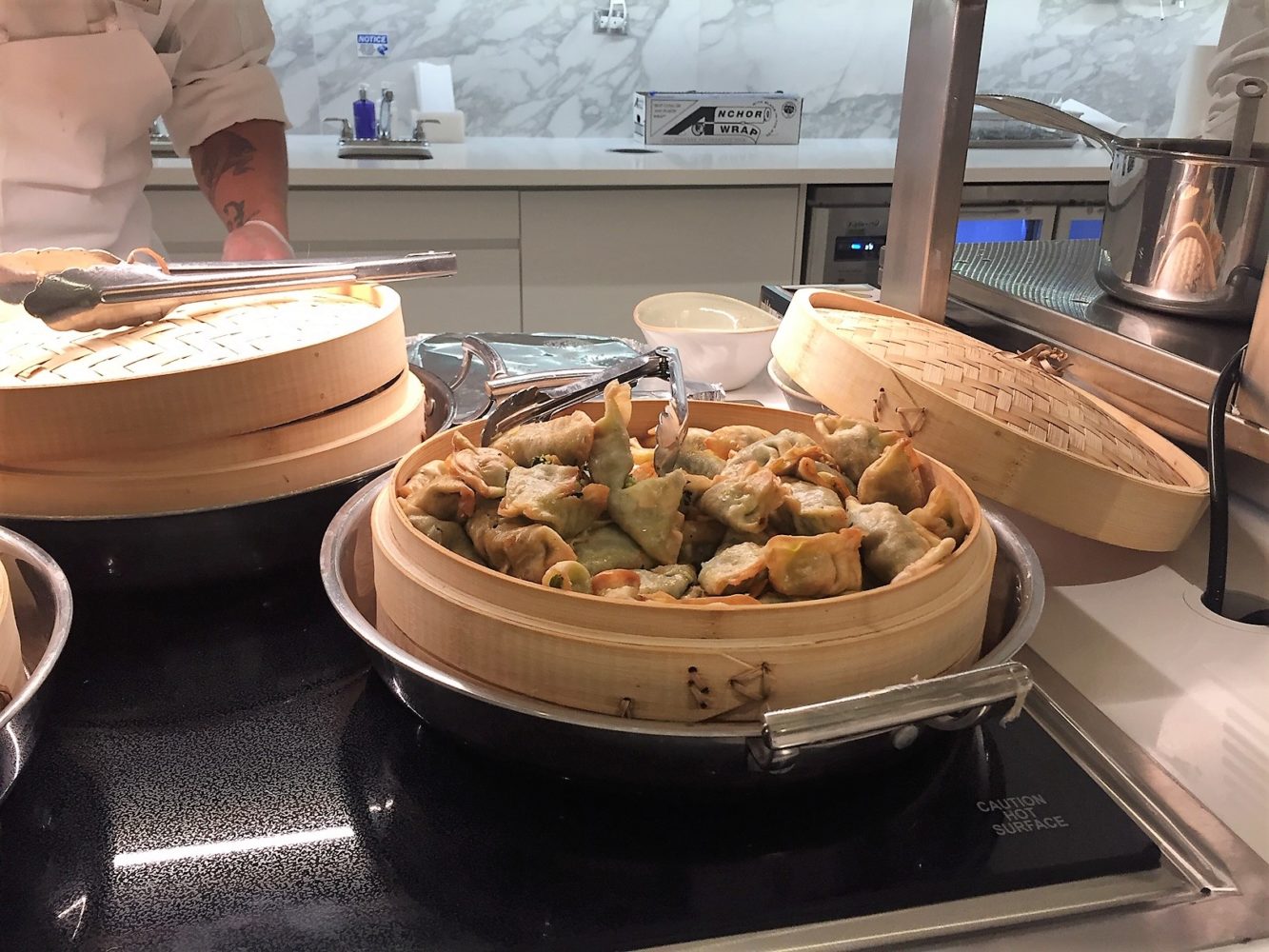
In addition to a quite bountiful buffet in the dining area, there was this dim sum bar nearby.
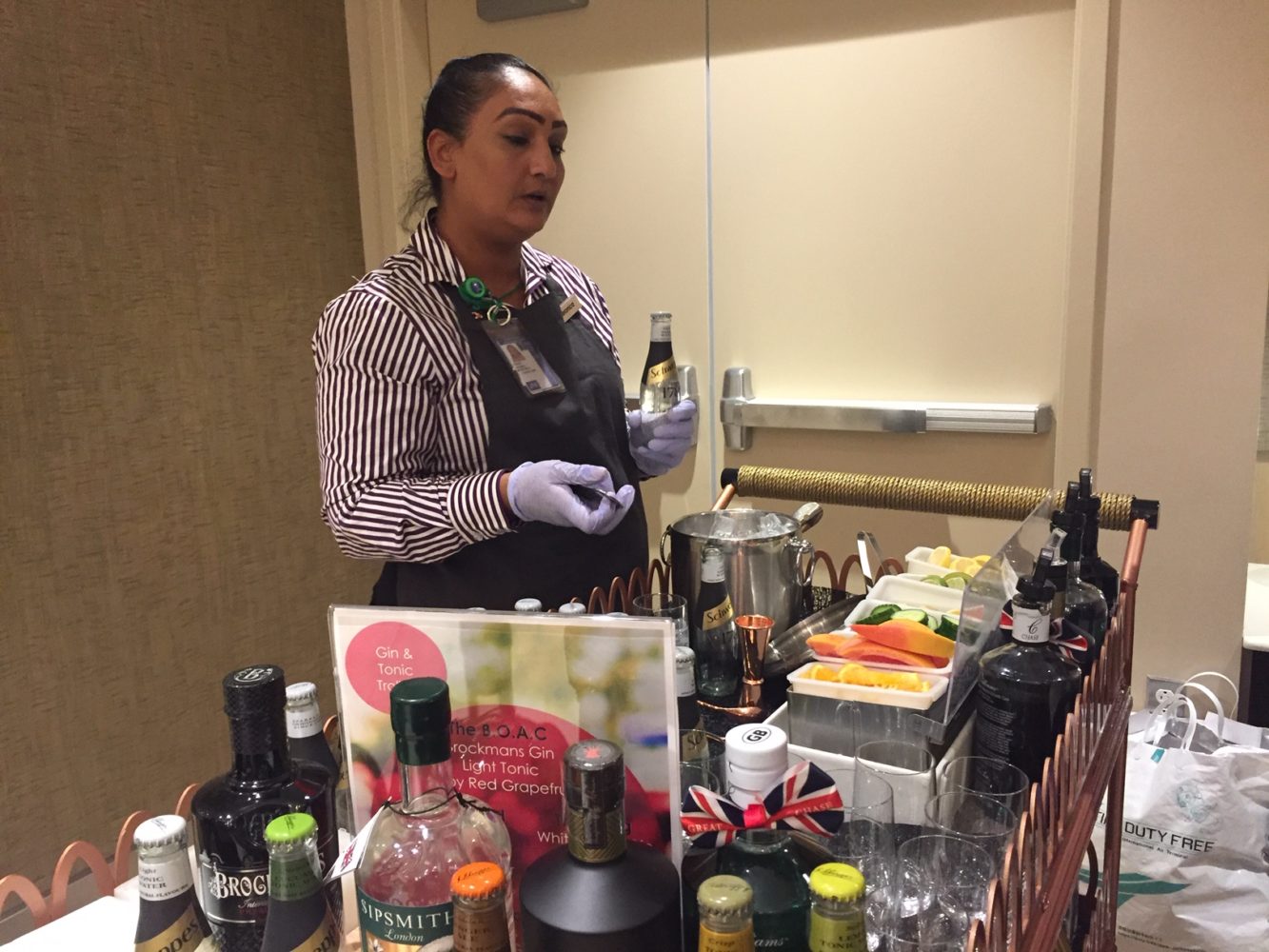
And (my favorite, after the complimentary 15-minute facial offered in the Elemis spa) – a roving Gin and Tonic cart that was visiting both the First and Galleries loung areas.
Have you visited these lounges? Let us know what you think of the new and improved (and almost finished…) spaces.