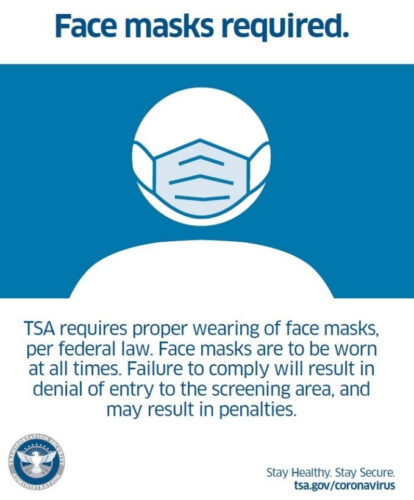
Flying somewhere over the holiday weekend? If so, keep in mind that the federal mask mandate requiring travelers to stay masked up on airplanes and in airports has been extended into January 2022.
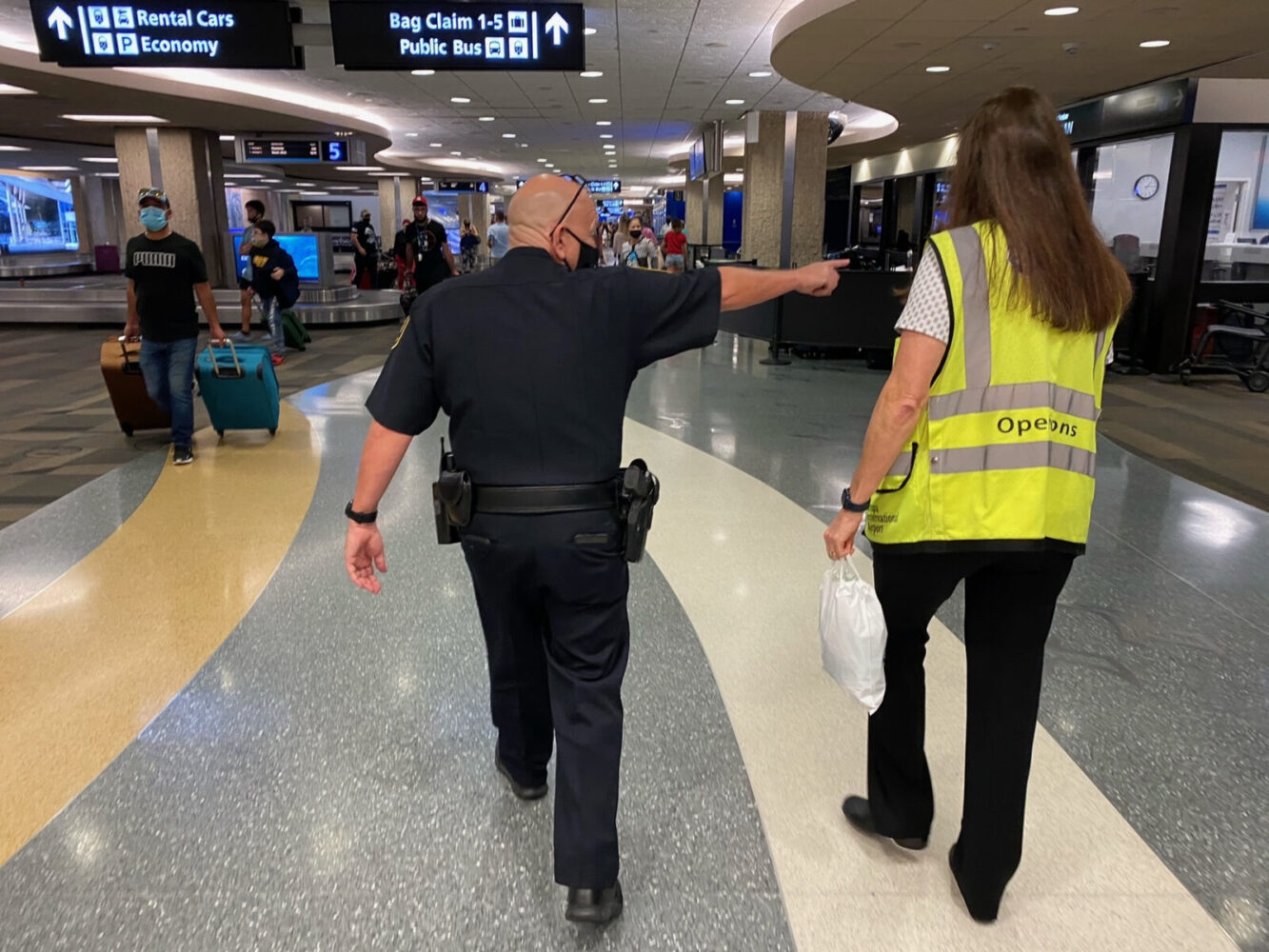
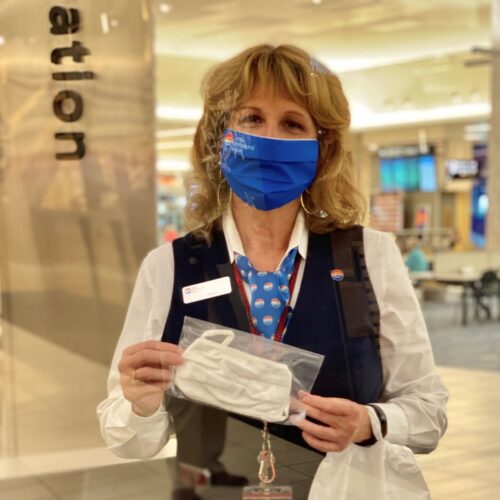
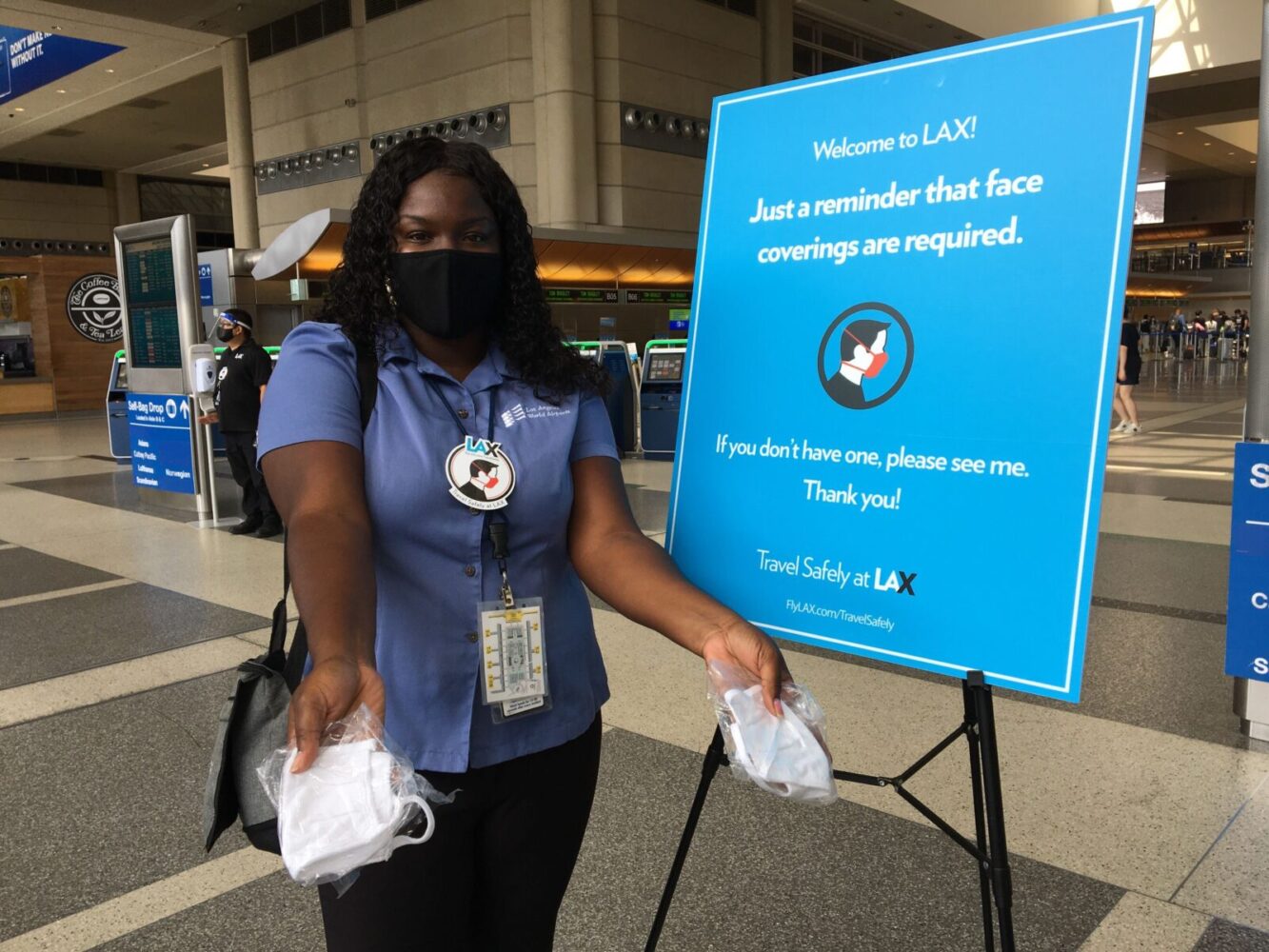
In its newsletter, TPA shared that its Operations, Guest Services, and other frontline team members do regular “mask enforcement blitzes” during which about 15 employees periodically walk the terminals to remind travelers of the mask rule and offer maks to those who need them.
Good work TPA!
Even if you have your own mask we encourage everyone to bring along or accept a spare. After a few hours wearing one mask, it is good to switch it out for another.
On Tuesday, multiple sources were reporting that federal officials will extend until at least mid-January the requirement that travelers must wear face masks on commercial airplanes, in airports, and on other forms of public transportation.
The Transportation Security Administration’s current transportation mask mandate is set to expire on Sept. 13. The agency is expected to extend the mandate until Jan. 18.
The universal wearing of masks is both an effective safeguard against spreading the virus and boosts public confidence in traveling—both of which are paramount for a sustained economic recovery. Read U.S. Travel's full statement → https://t.co/sQuLd0tDkahttps://t.co/2WriWeTDNO
The mask mandate makes sense, given the rising rates of COVID-19 due to the delta variant. But there are likely to be people who are unhappy with that requirement. Some of those people will likely end up in the FAA’s unruly passenger list.
No official tweet from TSA on the mask mandate as of late Tuesday night, but TSA did post something earlier in the day about the latest pups in competition for the agency’s Cutest Canine Contest.
Drum roll please…Announcing our top 4 match up in the 2021 TSA's Cutest Canine Contest. Meet Alona from @LASairport, Badger from @fly2ohare, Lexa and Lexi from @DFWAirport! Click below on who should take the crown for the 2021 cutest canine!
(This is a slightly different version of a story we wrote for NBC News online)
This was supposed to be the summer of “revenge travel,” catch-up trips, and rescheduled family reunions — but the surge in coronavirus cases, and in particular, the highly contagious delta variant has some travelers pausing their plans.
Summer 2021 has come with soaring prices for everything from rental cars to lobster rolls. Wildfires, heatwaves, delays, worker shortages, and an uptick in unruly passengers have all already tested the patience of the hardiest traveler.
But it wasn’t until the Centers for Disease Control and Prevention urged even vaccinated people to resume wearing masks indoors that the ramifications started to ripple through the travel and tourism industry.
Glenn Fogel, CEO of Booking Holdings, which operates sites such as Kayak and Priceline, said the rise of the delta variant and the new travel restrictions “have led to a modest pullback in our booking trends in the month of July relative to June.”
Around the country, major tourist destinations, including Las Vegas, Los Angeles County, San Francisco, and Washington, D.C. reinstated mask requirements in public indoor settings. Many communities are taking it a step further — a growing list of bars and restaurants in Seattle now require that patrons show proof of vaccination for entry. And nationwide, Yelp now has a filter that allows users to see if a restaurant or business has instituted a ‘proof of vaccination’ rule.
Later this month, New York City will begin requiring proof of vacation for indoor dining, performances, and other leisure activities. At least one hotel, Ian Schrager’s Public Hotel, in the Lower East Side of Manhattan, said it will require guests and workers to present proof of vaccination.
With changing rules and ever-tightening restrictions, travelers say they are beginning to think twice about their plans.
“I’m in the fretting stage. There’s so much that’s uncertain,” said Frieda Werden, who has a trip to Durham, North Carolina, planned for September. “I want to go see my mother, who is about to turn 96 and feels she is declining. But I don’t want either of us to get the variant.”
In Coupeville, Washington, Moe Bébé Fraser Bowman is adding concerns of the delta variant to the list of reasons why she keeps “putting off the notion of checking off the travel bucket list.”
Other travelers say they are still willing to travel, even abroad, despite the risks.
Nicole Woolcock of New York City says she won’t cancel her family’s trip to Portugal in September.
The family is booked into hotels that are taking extra precautions, she said. However, “if it looks like we won’t be able to leave our hotel and really experience Portugal, we’d reconsider our travel,” Woolcock said.
Tania Swasbrook, a luxury travel adviser at California-based Travelworld International Group, said many of her clients are also forging ahead.
“It is revenge travel with a hint of ‘the world may close down again so let’s go now,’” she said.
Deciding whether to take a trip is just one part of the puzzle, however. Travelers, or their agents, need to keep up with what can feel like a rollercoaster of changing protocols and rules. For some, the solution is to book “insurance” trips.
“Travelers are getting savvy, taking advantage of flexible cancellation policies, and booking multiple vacations for the same time but to different areas,” said Misty Belles, vice president for global public relations at Virtuoso Travel Network.
With several plans in place, “they know one will go through even if something happens in the other destinations,” Belles said.
Adding to the uncertainty of traveling right now is the fact that hotels, restaurants, and airlines are struggling to find enough workers to meet the demand.
“It is very bad right now,” said Jan Louise Jones, professor of hospitality and tourism in the Pompea College of Business at the University of New Haven. “And the variant? That’s not helping.”
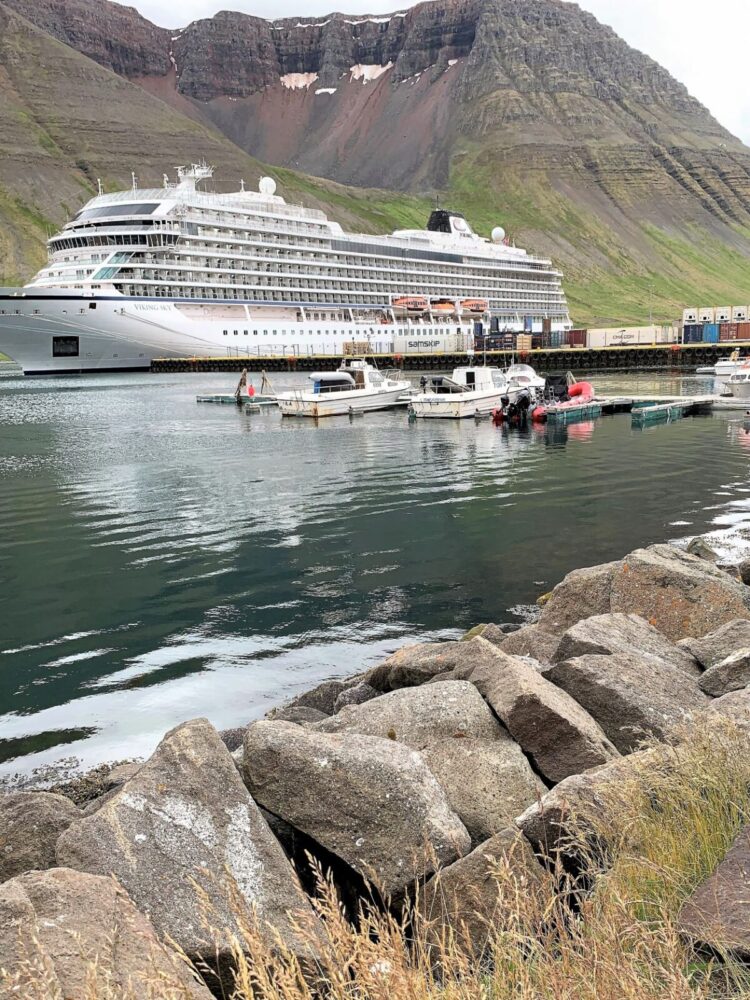
What’s the best part of taking a cruise around Iceland right now?
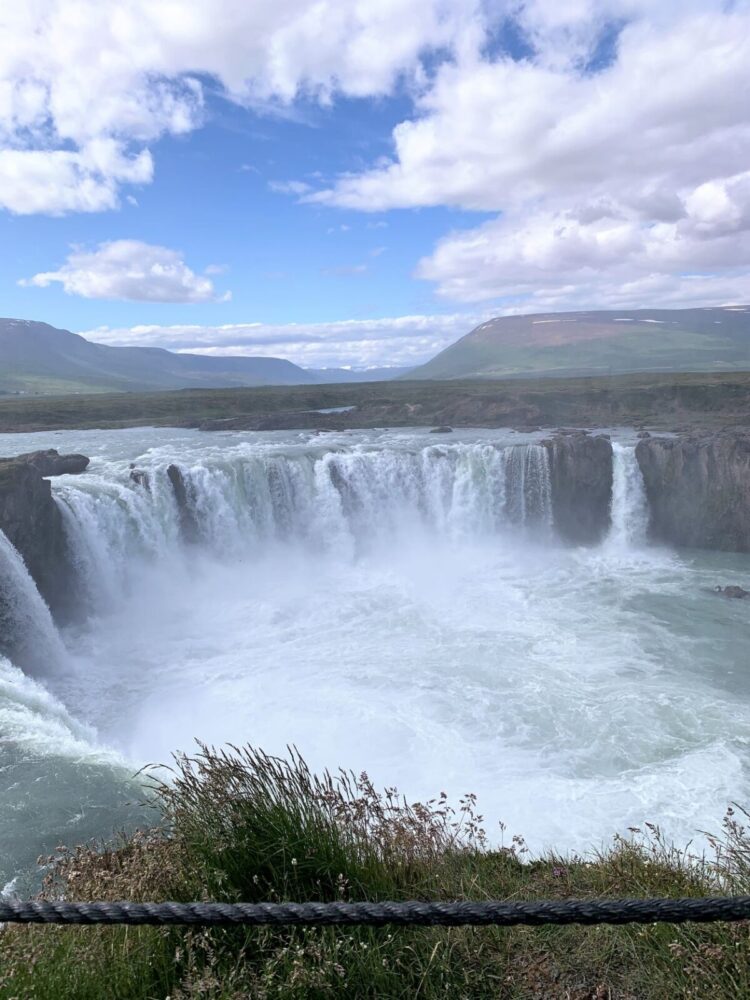
The food? The views? The waterfalls? Take your pick.
We’re fully vaccinated. But were we worried about traveling out of the country when the COVID-19 pandemic isn’t yet officially over?
You bet.
Still, when Viking Cruises sent an invite for a cruise around Iceland on the Viking Sky on one of the voyages in the “Welcome Back” collection, we said yes.
Just getting to go somewhere was an attraction of course. And there are now many researched-during-the pandemic places on our go-there-soon list.
But Iceland went to the top of the list when we took a look at the cruise itinerary and contemplated all the waterfalls, fjords, and elf-anointed landscapes we’d get to visit.
Viking’s Health and Safety program and COVID-19 prevention and mitigation plans, as described, were an attraction too.
Before the cruise, passengers had to provide proof of vaccination and fill out multiple health surveys. (I was a bit late on the uptake with that and got a phone call gently reminding me to get with the program.)
And in addition to wearing masks on board and while out on excursions, we had to agree to daily temperature checks, to wear contact-tracing devices, and to take daily non-invasive PCR tests once on board.
We were assured that crew members would be wearing the contact tracing devices and be tested daily too.
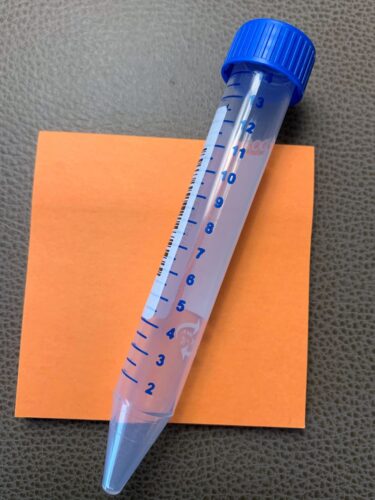
That PCR testing involves spitting into a tube left in our staterooms each night.
And to be honest, filling the tube to the required line isn’t that easy. And it is certainly not ‘cruise fun’ to be reminded by a staff member to take care of this task before leaving the cabin each day.
But it is important.
What happens to all that spit?
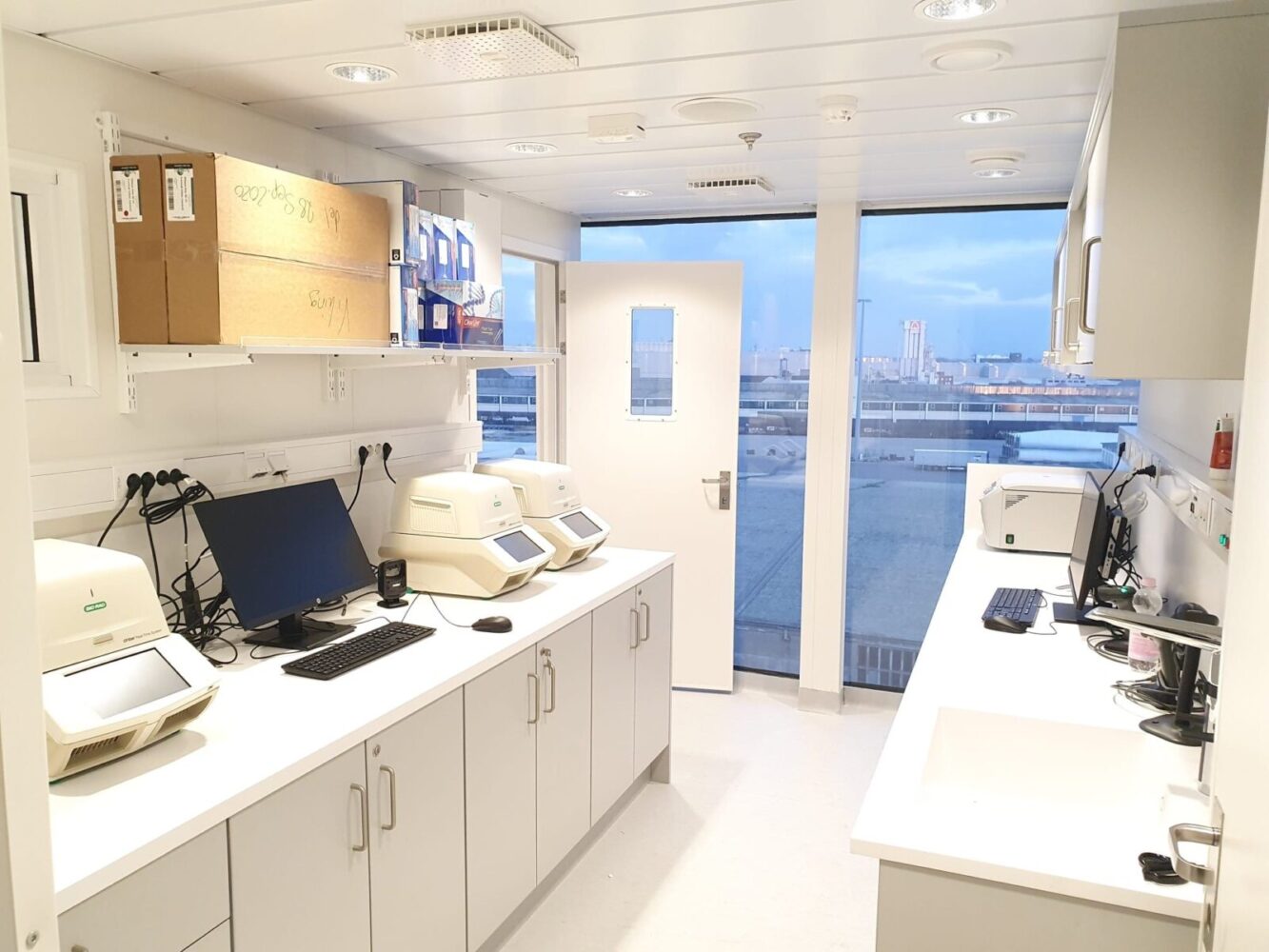
All the tubes get delivered daily to the onboard lab Viking has created on the ship. (Each Viking ocean ship has one now.) And the team in that lab uses highly sensitive equipment to test and evaluate all those PCR tests each day.
As we learned a few days into this cruise, this protocol works very well.
Although everyone on board is vaccinated, the lab discovered a suspected positive case of COVID_19 on board.
That fully vaccinated and asymptomatic guest was quickly re-tested and isolated in a dedicated section of the ship. The contact tracing system was activated.
We have another level of safety on board that has been protecting passengers from COVID-19: A pair of UV sanitizing robots, named R2 and D2. While passengers sleep, these efficient machines are sent into public spaces such as the fitness room and the atrium to UV-away any viruses that may be hanging about.
Still, the Icelandic authorities are making the Viking Sky skip some scheduled port visits. But because the onboard protocol is so extensive and efficient, there is no need for the rest of the passengers on board to restrict activities as we head back to Reykjavik.
There is no shortage of alcohol, sushi, or fact-filled lectures. And there are no other cases of COVID-19 discovered. (Yes, we keep spitting).
So we are all fine. It is, after all, a cruise ship filled with wonderful amenities and incredibly enthusiastic staff. There is no need to feel sorry for this merry band of cruisers.
[Update: the bars are now open. And Viking’s Chief Health Officer has arrived in Iceland to meet with officials and ensure the cruise line’s protocols are in sync with the country’s health officials and the Coast Guard. ]
As is their way, the team at Viking Cruises is keeping everyone very informed of what is happening – or not – and offering generous partial refunds (50% ) to customers, many of whom are already talking about their future cruises.
And as I move about the ship I hear disappointment, of course, but barely a grumble.
And that is why we are happy to spit on Viking Cruises.
Note: I was compensated by Project Screen by Prenetics for this post. All thoughts and opinions are my own.
Thinking of traveling internationally?
Italy, France, Greece, Croatia, and Iceland are among the countries already opening their borders to vaccinated travelers. And on Friday, the EU is expected to finalize details on how all member countries will move forward to welcome vaccinated Americans.
But what if you want to travel to the UK from the US?
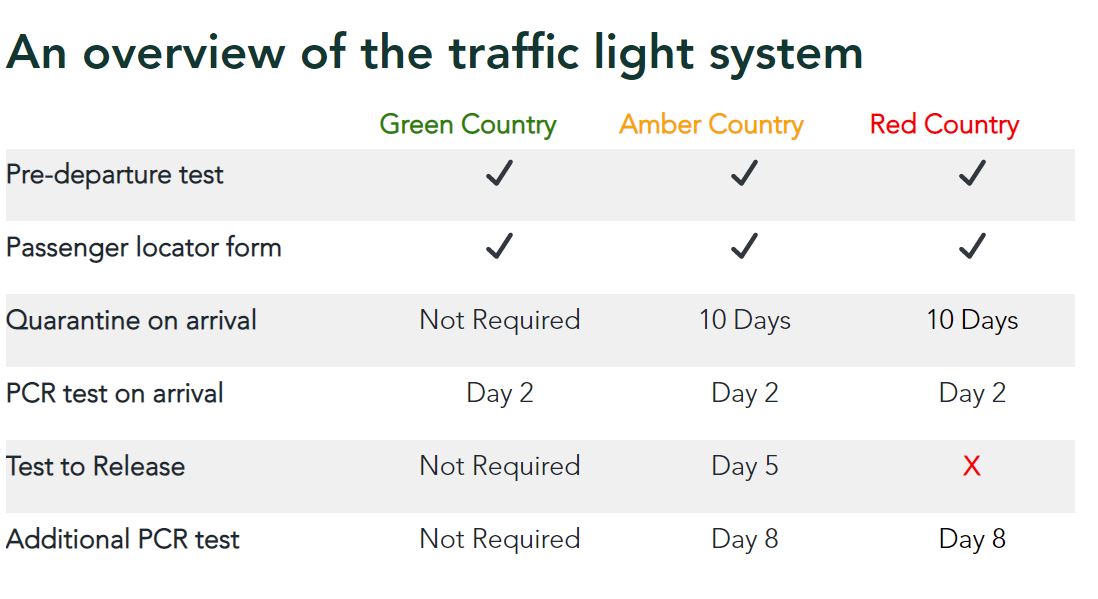
The UK is using a traffic light system for people traveling to England from outside the UK, with countries categorized on the green, amber, or red lists.
Each color has an accompanying list of rules regarding testing and quarantining.
Courtesy Project Screen by Prenetics
The US is on the Amber List – For Now
The status may change depending on a wide variety of factors, including the spread of coronavirus variants, but as of May 28, the United States is on the amber list.
Here’s what that means:
Whether or not you have been vaccinated, if you want to travel from the United States or have been in an amber country or territory in the 10 days before you arrive in England you must:
On arrival in England, travelers will need to take a COVID-19 test on or before day 2 after arrival.
No quarantine will be required if the COVID-19 test is negative.
Getting a COVID-19 test in England
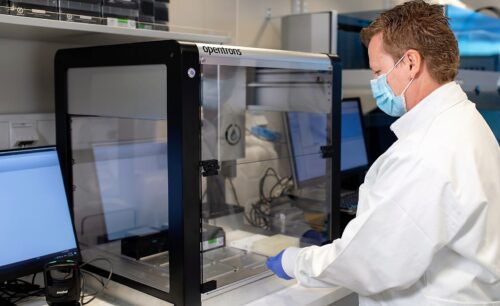
Many companies offer the required COVID-19 testing in the U.K. One example is Project Screen, a Prenetics owned company that provides private PCR testing via at-home test kits and via walkup testing pods, with results returned securely online within 24 hours of the lab receiving the swab.
Costs can vary, with some airlines and travel agents offer discounts on tests. And there has been an effort to have the VAT tax removed from testing to help lower the costs.
Are you hoping to travel the England sometime soon? Let us know what your experience is with the traffic light system.
Almost every airline, airport, railroad, and public transportation mode put face mask requirements into effect pretty early into the pandemic. The federal government did not.
The Transportation Security Administration (TSA) first issued its face mask requirement on February 1, 2021, with an initial expiration date of May 11.
Last week the agency announced it is extending the face mask requirement for individuals across all transportation networks throughout the United States through September 13,
That includes airports, on board commercial aircraft, on buses, and on commuter bus and rail systems.
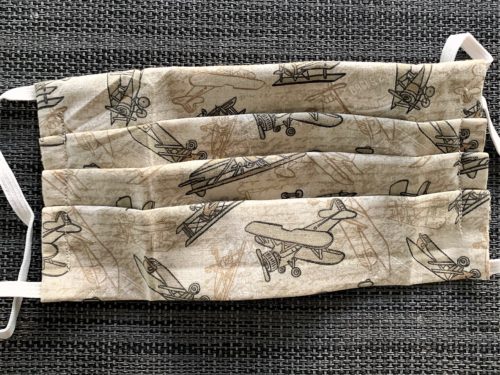
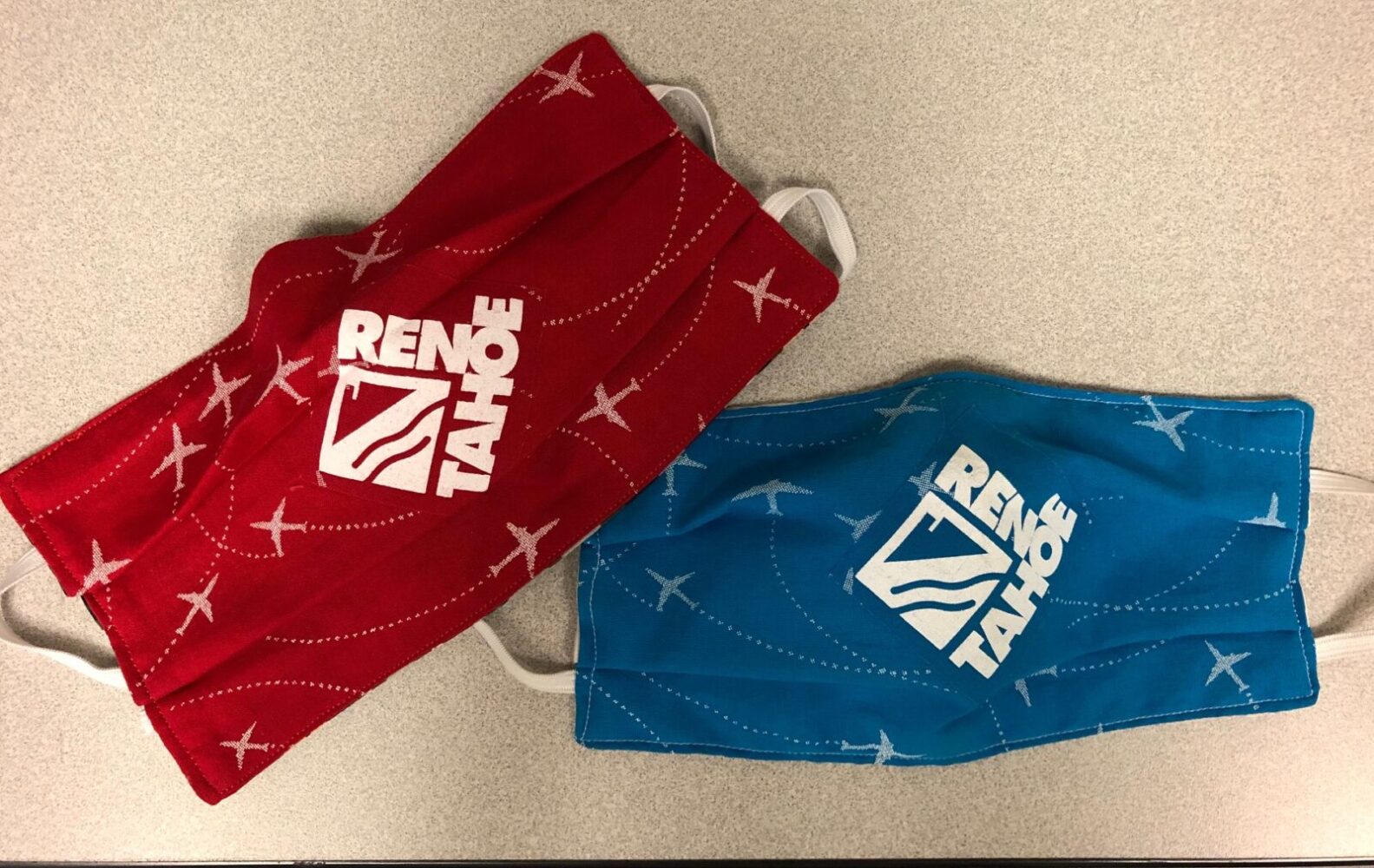
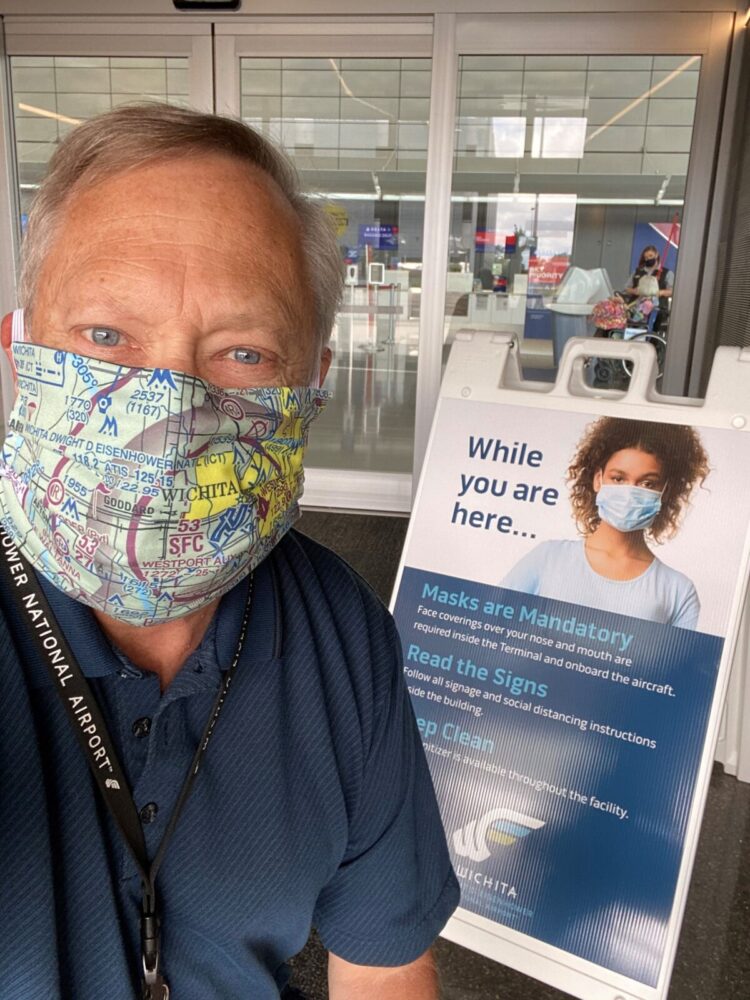
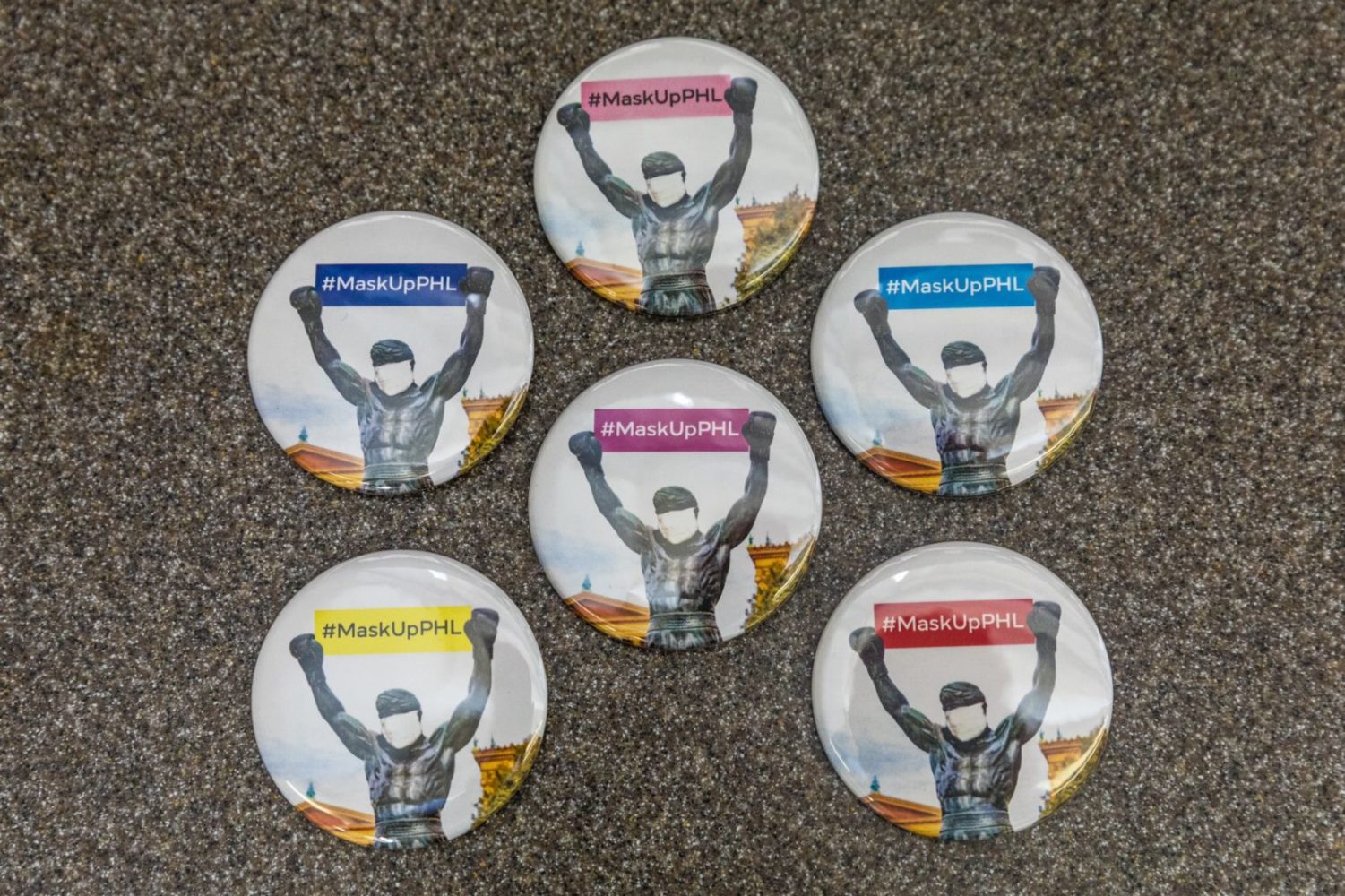
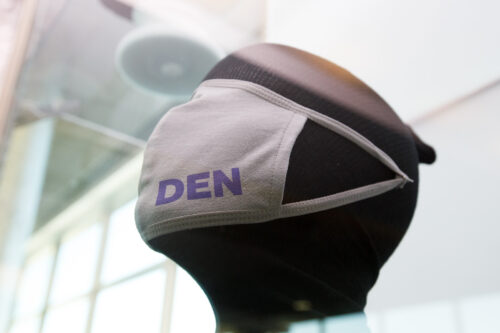
So today, we’re bringing back some of the creative branded face masks from airports that we’ve been collecting. If you have more to share, please send them along.
Now masking up at the airport is a law. So get with the program.
Most airports and airlines have been requiring travelers to wear proper face masks while traveling through the terminals and on the planes for months. But enforcing the rule has been difficult at times because there was no federal backing. Now, finally, there is. Effective February 2, a new CDC order requires masks to be worn at all U.S. airports and on other forms of transportation.
If you have to travel, please remember that face coverings are required at all times at PDX. Effective February 2nd, 2021, a new @CDCgov order also requires masks at all U.S. airports and other forms of public transportation. Learn more: https://t.co/A1pYSSnEen#TravelSafePDXpic.twitter.com/BNIS2ESy76
Face masks have been required at LAX for many months, but now federal law also requires it. Please wear a proper mask at LAX. Refusal to do so will result in being escorted from the property. Please help everyone #TravelSafelyhttps://t.co/srWxtMjravpic.twitter.com/KhPIlIlaNI
The Transportation Security Administration (TSA) will be helping to enforce this new law at security checkpoints and other places in the airport. And their staff is authorized to impose fines for mask scofflaws if need be:
“Depending on the circumstance, those who refuse to wear a mask may be subject to a civil penalty for attempting to circumvent screening requirements, interfering with screening personnel, or a combination of those offenses,” TSA said in a statement.
Masks. You know them. You (maybe) love them. Until further notice, masks are required in all airports across the United States. While wearing your mask through security, be prepared to adjust it so the TSA Officer can visually confirm your identity. https://t.co/UltmqaKgHbpic.twitter.com/gwALwLjYpN
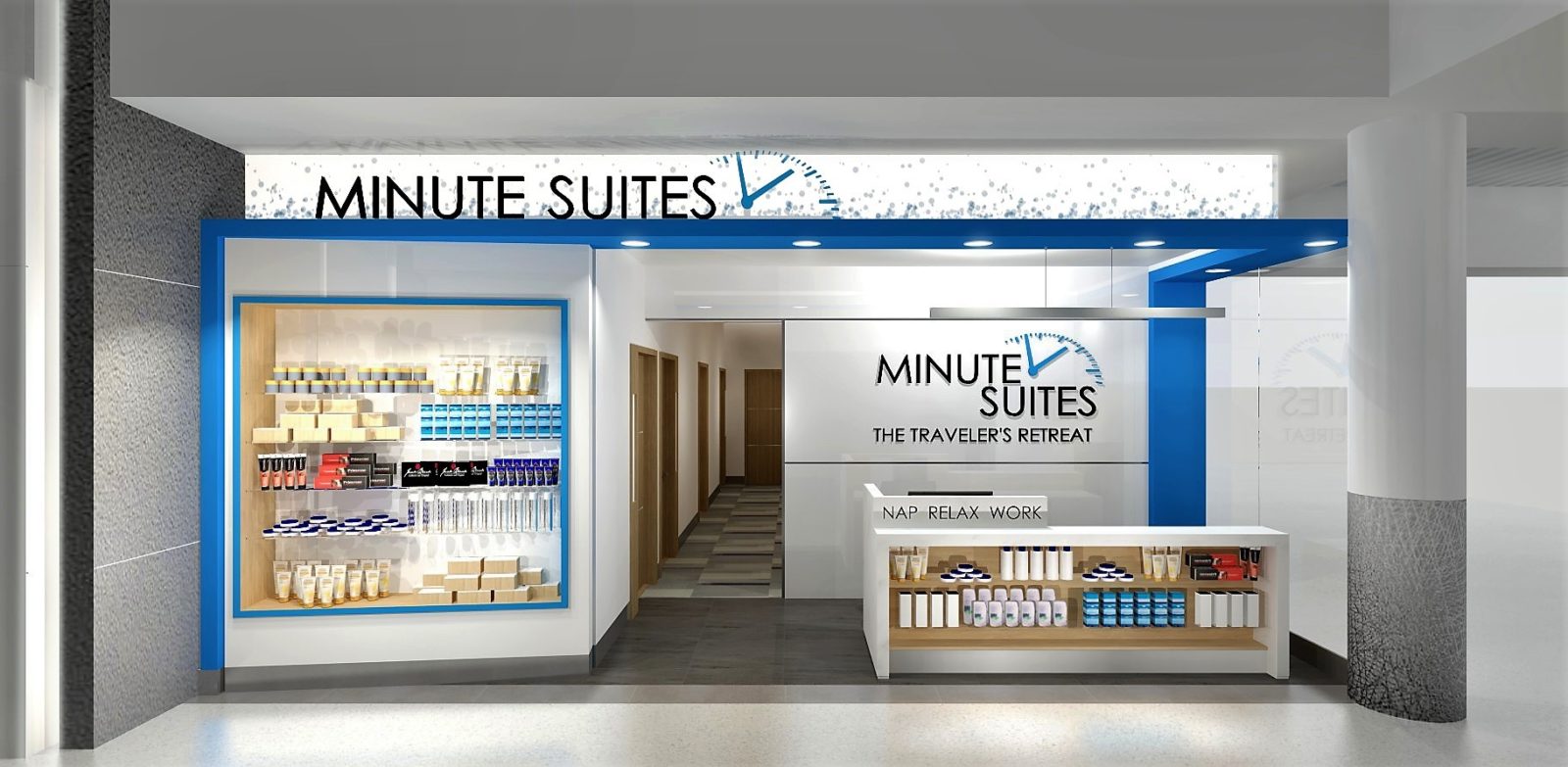
Many airport services and amenities are not back at full power yet. And some may never be. And we have been wondering what’s up with Minute Suites, the company that rents out private rooms in some airports where travelers can sleep, rest, or get some work done during layovers.
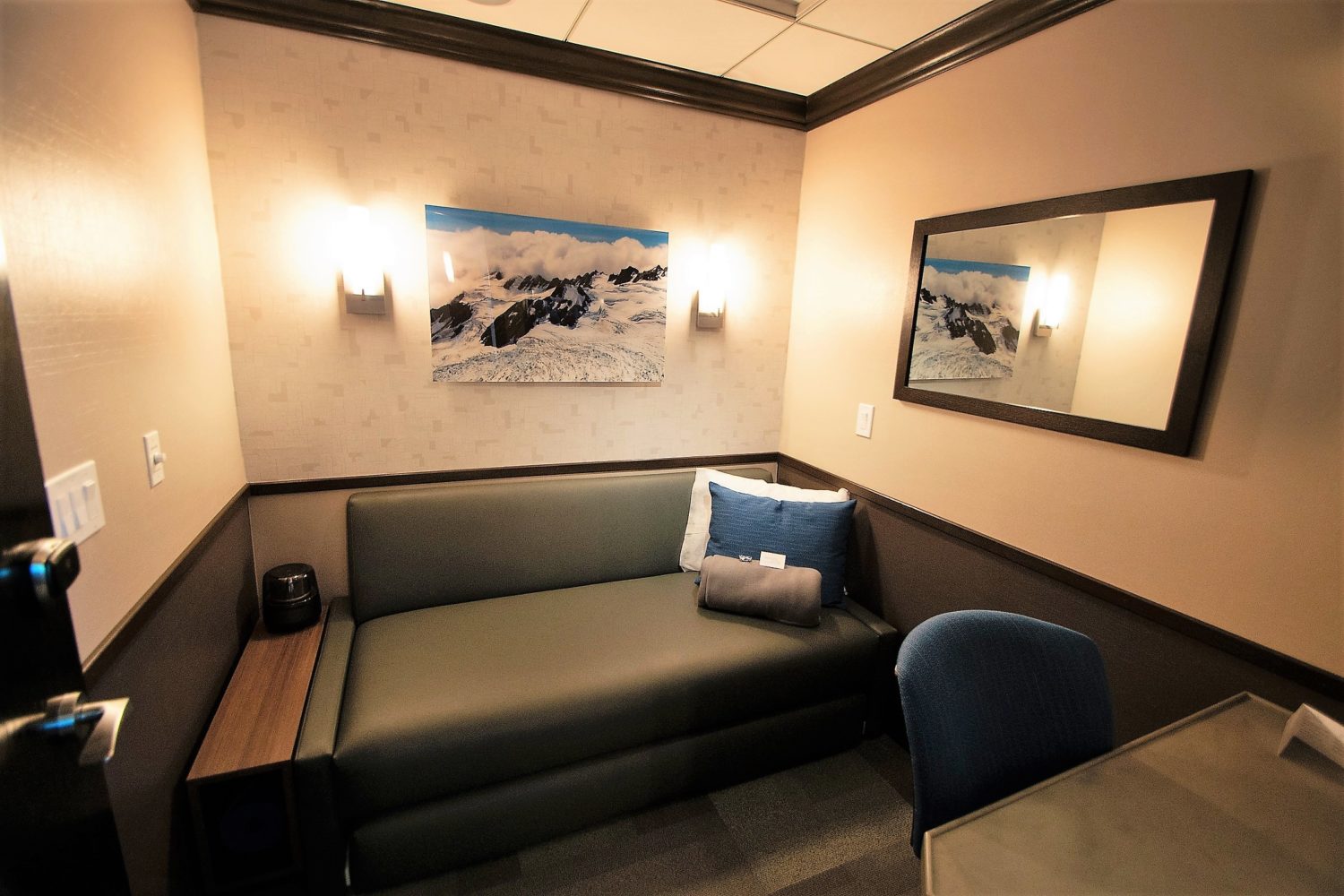
The suites include a daybed sofa that turns into a bed, sound masking, a thermostat, a workstation, Wi-Fi, Netflix, and DIRECTV. Travelers can book a suite on the app or in person. And travel essentials are sold at the front desk.
The company did shut down temporarily during spring/early summer 2020. But it has now reopened in all its previous airport locations, including Atlanta, Charlotte Douglas, Dallas-Fort Worth, LaGuardia, and Philadelphia. Since October 2020, the company has even added new locations in the Baltimore and Nashville airports. And they have also signed ten more leases for additional airport locations.
“We were fortunate that American Airlines chose to consolidate much of their traffic through DFW and Charlotte and we re-opened our facilities there during the summer,” said Minute Suites co-founder and director of development Daniel Solomon. “Travelers valued our service for natural social distancing and as a safe place to relax and unmask.”
Are the suites santized?
Cleaning the rooms between guests was important before the pandemic, of course, but now the sanitation protocols are, of course, even more important. “[We] have employed a medical-grade cleaning protocol after each guest for over a decade,” says Solomon, “It features a disinfectant agent that is EPA-certified to kill COVID-19.” (More about the cleaning systems here.)
Now that more people are traveling, Minute Suites is reporting healthy recovery numbers in part because passengers are realizing that inside the suites is one of the few places in the airport where they can safely take off their masks, eat a take-out meal, work, rest, or nap.
What is the cost?
Minute Suites rent for $45 for the first hour (the minimum). After that, rates are charged in 15-minute increments. Right now, though, you are likely to be offered a 25% discount. As a nice gesture, Minute Suites has always offered nursing and pumping mothers a 30-minute free stay.
Travelers who have Priority Pass memberships (or credit cards with that beneift) get the first hour at Minute Suites sites free and a discounted per hour rate after that. A Minute Suites spokesperson says they are seeing a lot of Priority Pass usage right now.
COVID-19 testing required for international travel – and maybe domestic travel too.
The Centers for Disease Control and Prevention now requires that all travelers flying to the United States from abroad show proof of a negative COVID-19 test before boarding their flight.
The new rule went into effect on January 26. And in addition to the pre-flight test, CDC is also recommending that anyone arriving in the U.S. be tested 3-5 days after travel and stay home to self-quarantine for 7 days after travel. Or self-quarantine for 10 days if they don’t get a test.
Airlines, hotels, and airports are rushing to help travelers comply with this new travel requirement.
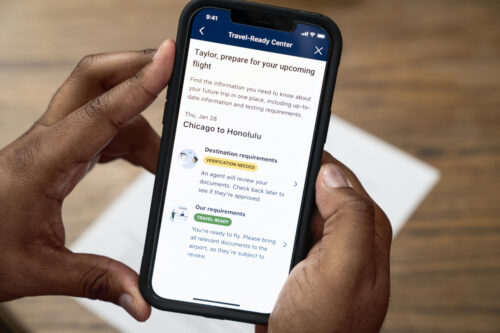
United Airlines, for example, rolled out is “Travel-Ready Center.” This digital site lets passengers review COVID-19 entry requirements, find local testing sites, and upload required testing and vaccination records for both international and domestic travel.
We’ll see if that extra layer of testing become reality. But in the meantime, if you do plan to travel soon it will be good to brush up on the current rulings.
Starting that day, Southwest will only accept dogs that are trained service animals. The airline will still allow pets to fly in the cabin, but only if they are vaccinated domestic cats or dogs in an appropriate pet carrier. And if they have a ticket. Fares are $95 each way per pet carrier.
While many annual events around the country and the world are being postponed or canceled for yet another year, some are going forward.
In New Orleans, the Jazz & Heritage Festival that was canceled last spring is now scheduled for October 8-17. And the French Quarter Festival is now planned to take place September 30-October 3.
One of the executive orders President Joe Biden signed on his first day in office is a 100-day mask mandate. The rule applies to all federal property, including national parks, airlines, trains, and transit systems that travel between states.
Wearing masks isn't a partisan issue — it's a patriotic act that can save countless lives. That's why I signed an executive order today issuing a mask mandate on federal property. It's time to mask up, America.
Many travelers and parts of the travel industry are applauding the move. And it looks like we’ll have the new Bernie Sanders-bundled-up-at-the inauguration meme to help us remember to stick with the program.