Space

What We’re Reading: Waiting for Spaceships

This is a slightly different version of a story we first prepared for The Points Guy site. All images courtesy Ted Heutter

In “Waiting for Spaceships: Scenes from a Desert Community in Love with the Space Shuttle,” photographer Ted Huetter documents the thousands of people who would gather to welcome home the space shuttles on their return to Earth.

For thirty years – from April 12, 1982, to July 21, 2011 – these were the five orbiters that flew in space for the National Aeronautics and Space Administration’s Space Transportation System (STS), or space shuttle, program. (A sixth space shuttle, Enterprise, was a test vehicle that didn’t go into space).

As NASA proudly notes, the space shuttles flew 135 missions and not only repeatedly carried people into orbit, but they also “launched, recovered and repaired satellites, conducted cutting-edge research and built the largest structure in space, the International Space Station.”

While all the space shuttle missions took off from the Kennedy Space Center in Florida, more than 50 of those missions landed in the Mojave Desert at Edwards Air Force Base in California, about 100 miles from Los Angeles.

And, as photographer Ted Huetter documents in Waiting for Spaceships: Scenes from a Desert Community in Love with the Space Shuttle, thousands of people would gather to welcome the space shuttles on their return to Earth.

“Some spectators came because they had helped build the shuttles,” while many viewers came from greater Los Angeles and “adventurous retirees from around the country made Florida to California treks in the recreational vehicles, bookending the trips with the shuttle launch and landing,” Huetter writes.

But he also notes, “The only snag was that they had to watch [the landings] from a harsh patch of desert about three miles from the runway.”

To accommodate the enthusiastic and dedicated spectators, a day before each scheduled shuttle landing the Air Force would open an authorized viewing site where people could set up camp.

At that remote site, the military directed traffic and supplied tanks of potable water, portable sanitary facilities, generators, streetlights, a first aid station, and a command post, Huetter reports, “but generally kept a low profile and a friendly presence.”

Huetter was working in Los Angeles and made the trek to the desert to camp with the shuttle aficionados for eight of the space shuttle landings during the 1980s, beginning with STS-4, the fourth mission for the Space Shuttle Columbia, which landed at Edwards Air Force Base on Independence Day, July 4, 1982. STS-4 was also the fourth shuttle shuttle mission overall and the final test flight before the program was deemed officially operational.

“I was there as a fan like most of the people at the public landing site, to experience some spaceflight history,” in person instead of watching it on TV, said Huetter.

For each shuttle landing adventure, Huetter packed his camera gear along with his camping gear. And the photographs he took during those trips not only document a unique slice of the space age but also of the viewing site and of the people who gravitated to it year after year.

His images, taken with film in the pre-digital camera era, show the landing runways, but also the diverse range of RVs and tents, the food and souvenir vendors and the diversity of people waiting, mingling, enjoying themselves, and, finally, welcoming the shuttles home. His selected shots are organized to create a composite of twenty-four hours at the campsite, from the arrival of the first campers to the touchdown of the shuttles.

Here’s where you can see the retired Space Shuttles

Space Shuttle Atlantis is at the Kennedy Space Center Visitor Complex in Merrit Island, Florida, where the vehicle is displayed in flight, along with dozens of interactive exhibits about the history, technology and impact of NASA’s Space Shuttle Program.

Space Shuttle Discovery is on view at the National Air & Space Museum’s Steven Udvar-Hazy Center in Chantilly, Virginia.

Space Shuttle Endeavour is at the California Science Center in Los Angeles, California but is off view while construction of a 200,000-square-foot addition to the main building is underway.

Space Shuttle Enterprise, NASA’s prototype orbiter, is at the Intrepid Museum in New York City.

Space Shuttle Challenger exploded shortly after takeoff on January 28, 1986. Space Shuttle Columbia disintegrated returning to Earth on February 1, 2003.
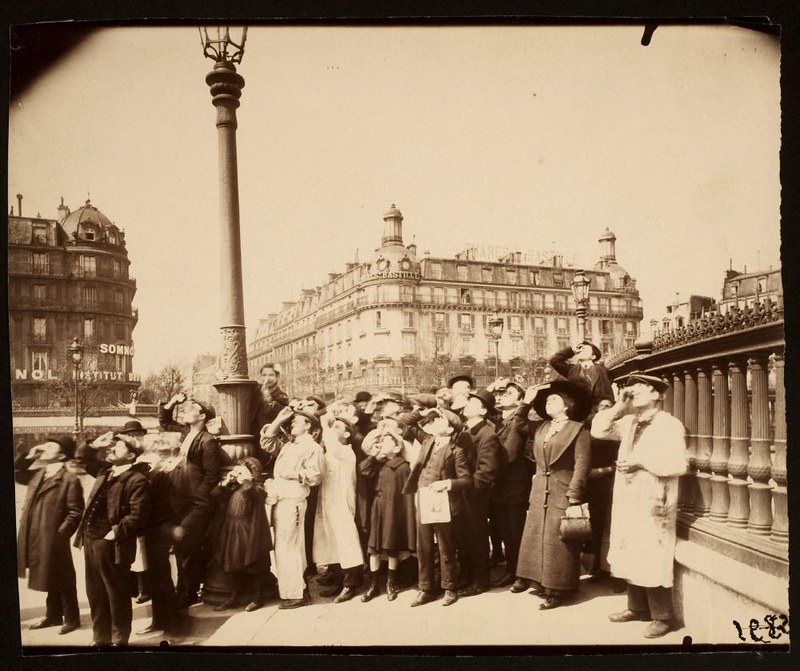
Not everyone is excited about the total solar eclipse

Our story “Many can’t wait for the eclipse. Some can’t wait until it’s over,” appeared first on NBC News

Months of planning have gone into the handful of minutes it will take for the moon to pass in front of the sun on Monday. Dozens of towns and cities in the solar eclipse’s path of totality have arranged packed schedules of celebratory events and viewing sites, preparing to welcome legions of enthusiastic visitors like Michael Howard.

The 62-year-old is flying from Baltimore to San Antonio, Texas, and then driving about 65 miles northwest to Kerrville — where he’s all but certain to hit eclipse traffic.

“I wouldn’t say anyone thinks I’m crazy for doing this, but I do know plenty of people who just don’t think it’s worth the trouble,” said Howard.

On the other side of the state, Greenville’s community engagement director, Micah McBay, has been fielding pushback from residents who feel similarly to Howard’s detractors.

“Some people can’t grasp that the eclipse is a huge event and think it’s just a bunch of hullabaloo and nonsense,” he said.

The small city of some 30,000 to the northeast of Dallas is celebrating 4 minutes and 10 seconds of totality with multiple free concerts, watch parties and other festivities. But the efforts have lately drawn a wave of negative commentary on the city’s Facebook page and other social media platforms.

“We’ve been accused of blowing everything out of proportion, overreaching, trying to make a ‘money grab,’ and wasting government dollars,” McBay said.

But other concerns are well justified, and authorities around the country are hoping to get through the next few days without incident.

“We’re preparing for the worst and praying for the best,” said Betty Teel-Malone, the mayor of Wolfe City, Texas, 17 miles north of Greenville.

The town of 1,400 has no traffic light, a volunteer fire department and limited public services, “so we’re not planning any eclipse events and not advertising for anyone to come here,” said Teel-Malone. She doesn’t want to outright urge people to steer clear but is warning those who show up that “we can’t accommodate them.”

“There are no hotels, no parks, no camping, no RV parks or anything like that in this area,” Teel-Malone said. Perhaps more importantly, she added, “we don’t have the police to keep whoever does come here safe.”

Even officials with robust public safety resources at their command are taking extra precautions.

Last week, Indiana Gov. Eric Holcomb signed an executive order warning residents and local leaders about the “massive number of people” heading to the Hoosier State for the eclipse. He urged officials to be “prepared to protect the health, safety and welfare of the public” and be ready to “swiftly and effectively respond to any emergency that may arise.”

In Ohio, where the path of totality extends from Dayton to Cleveland and several major sporting events are also taking place over the weekend, authorities are planning for potential headaches.

“What we’re mostly concerned about is traffic,” said Dan Tierney, the press secretary for Gov. Mike DeWine, who has activated the Ohio Emergency Operations Center to support local communities before, during and after the eclipse.

“We need to make sure our agencies are fully staffed and available to keep people safe, prevent backups and bottlenecking” and be prepared for “any eventuality that might occur,” Tierney said.

In central Texas, aviation authorities are bracing for what could be a grumpy group of travelers testing their operational capacity. Austin-Bergstrom International Airport will have extra staff in the terminal “to provide assistance to passengers and to help keep ticket counter and security screening lines organized,” spokesperson Lesly Ramirez said in a statement Friday.

And that’s all when travelers get there. Major roads and highways throughout central Texas are expected to be congested in the hours surrounding the eclipse, and lines at rental car desks could back up.

Ramirez echoed perhaps the most common warning resounding across the state this week: “Prepare to spend more time sitting in traffic.”

(Photo up top courtesy of George Eastman Museum via Flickr Commons)

Astronaut Barbie at the National Air & Space Museum

The upcoming release of the ‘Barbie’ movie directed by Greta Gerwig is prompting nostalgia for everything Barbie.

The Smithsonian National Air & Space Museum is riding that wave, and celebrating Barbie’s long career as an astronaut.

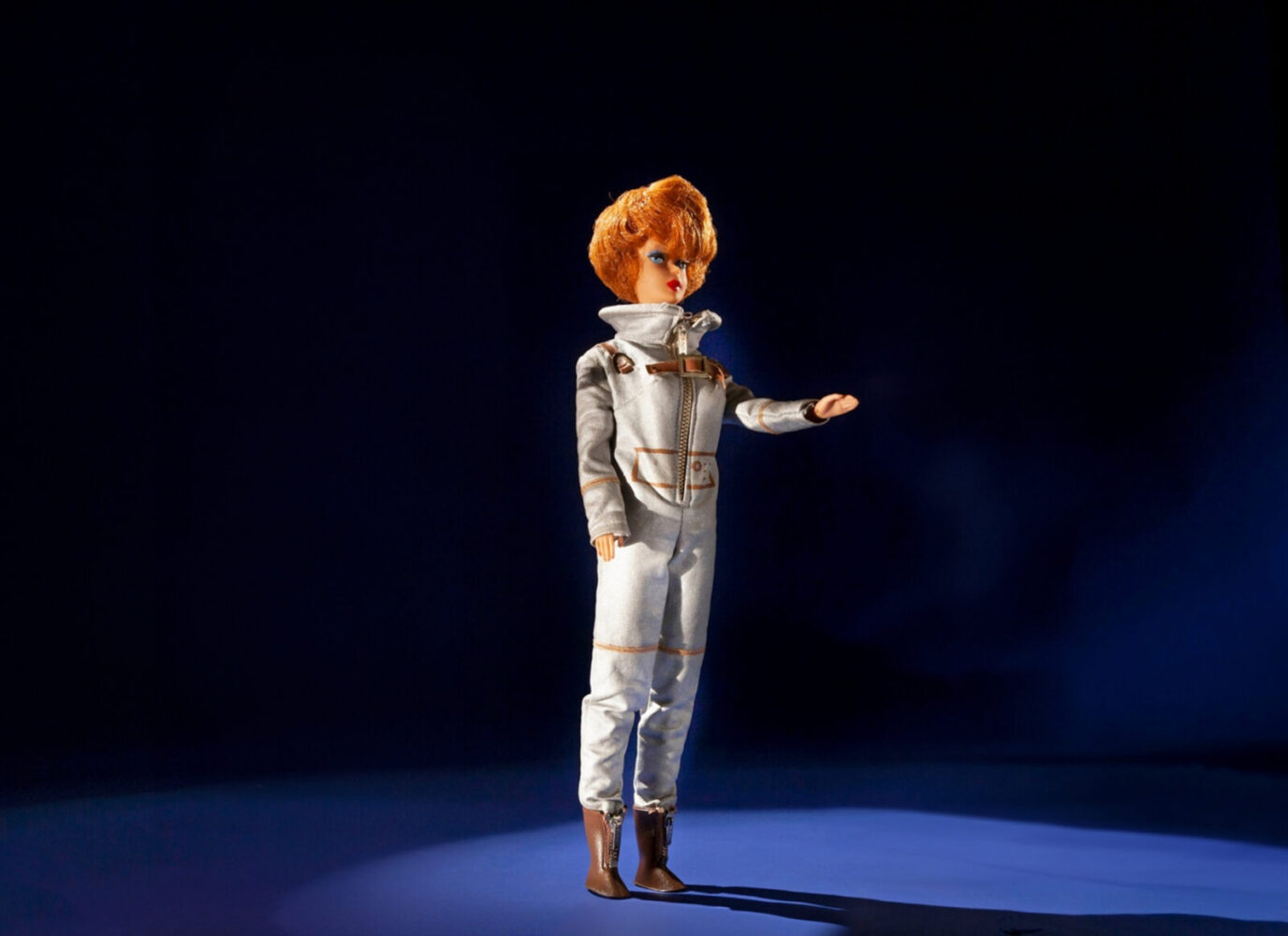
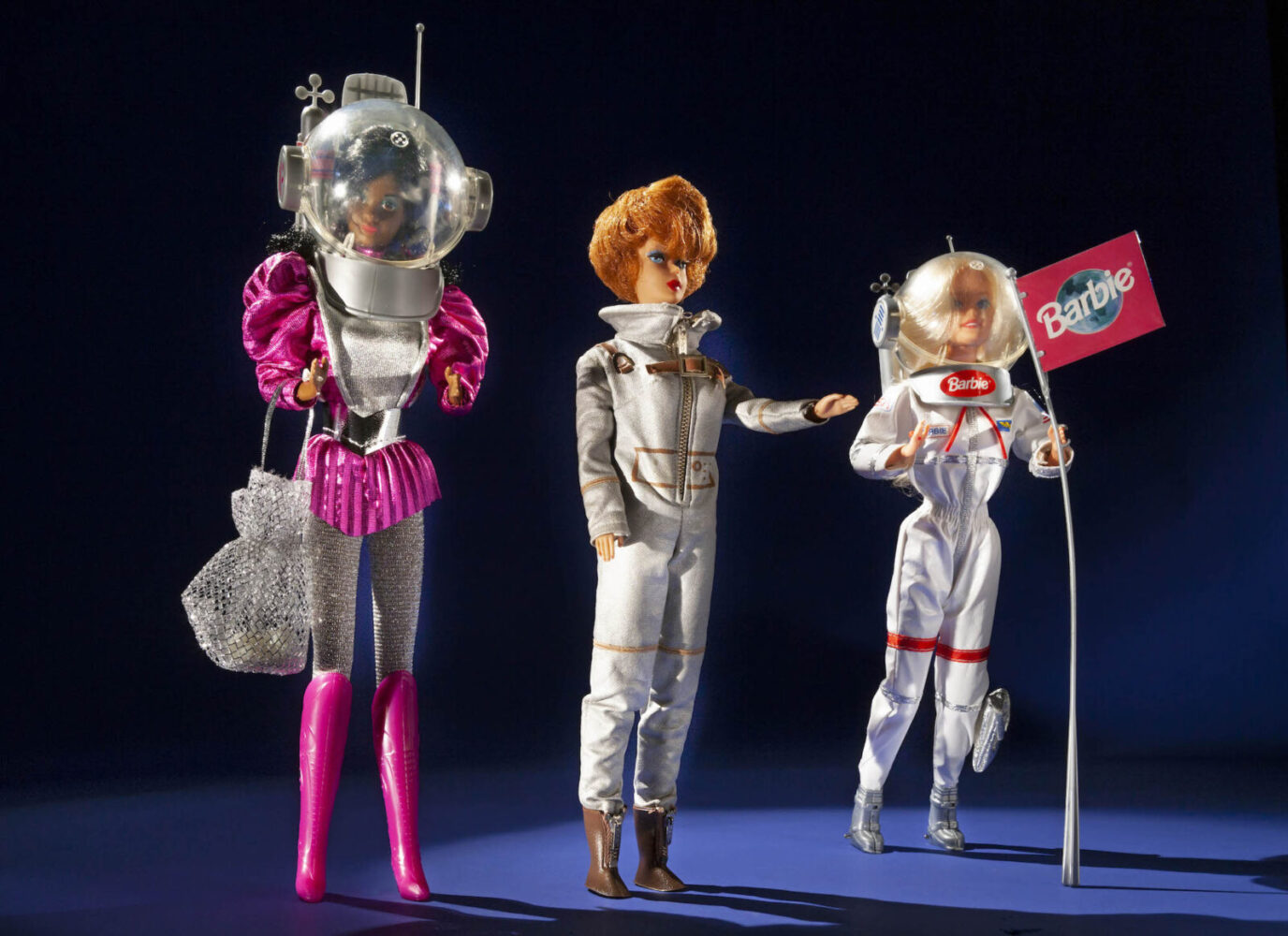
1965 Astronaut Barbie

This Miss Astronaut outfit for Barbie was released in 1965 and included a silvery spacesuit with brown boots.

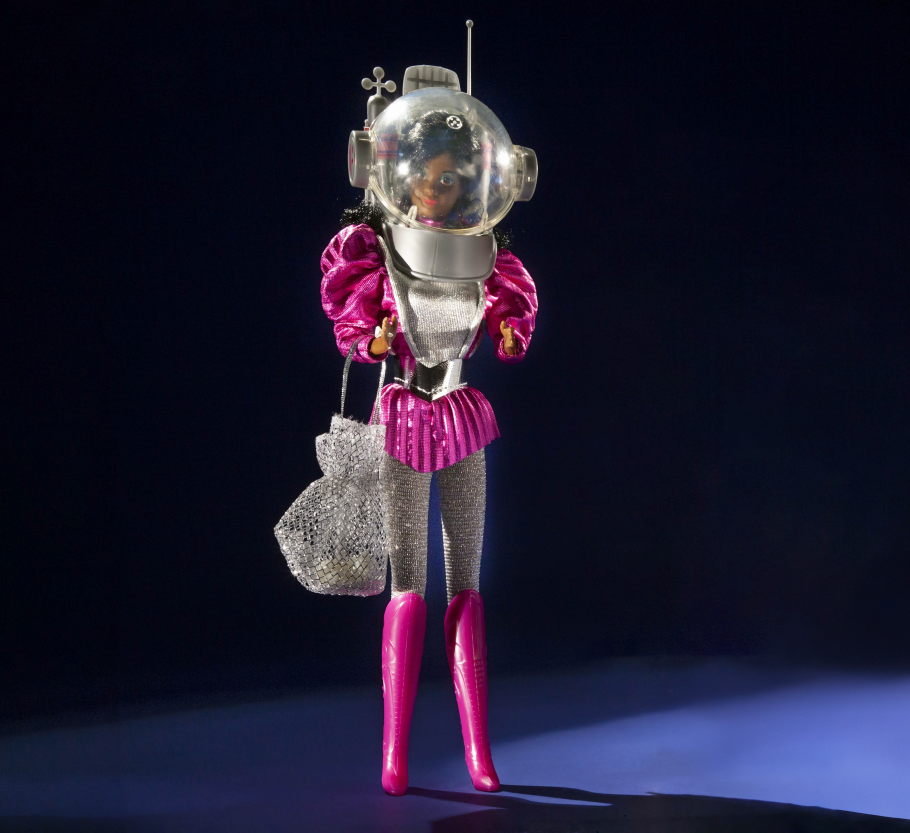
1985 Astronaut Barbie

This 1985 Astronaut Barbie has two outfits, including this pink miniskirt with silver leggings and knee-high pink boots.

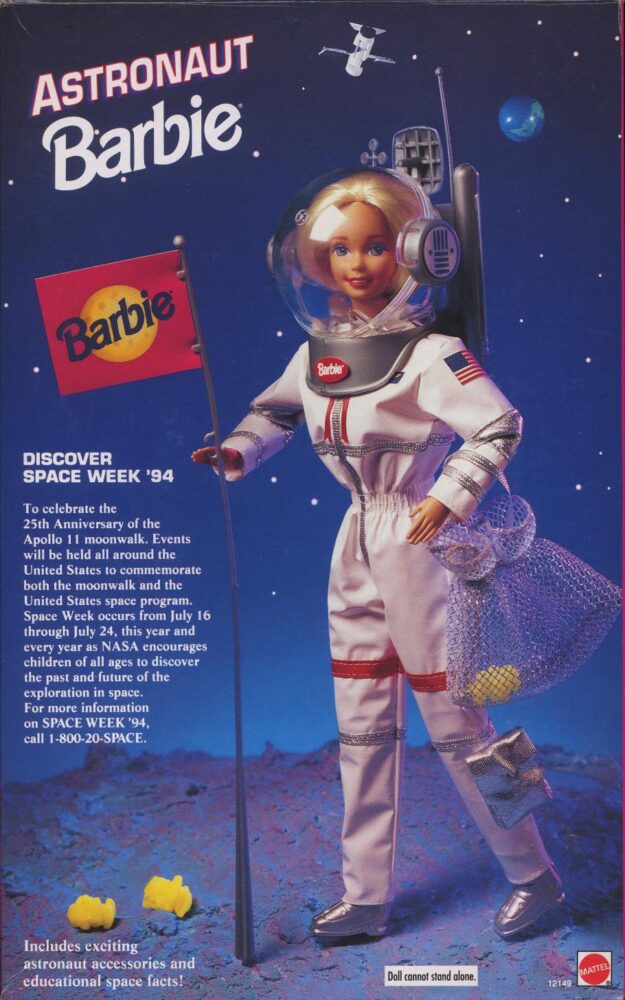
1994 Astronaut Barbie

The 1994 Barbie (above) was issued to mark the 25th anniversary of the Apollo 11 Moon landing.

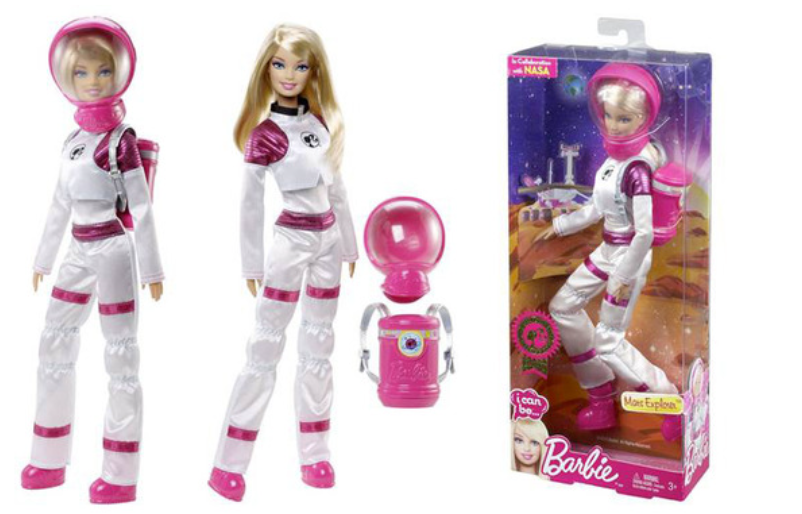
The Air & Space Museum doesn’t have a complete set of space-themed Barbies (yet), but a recent museum blog entry notes that between 2000 and 2020, seven space-themed Barbie dolls were released including a 2013 Barbie that went to Mars in a white spacesuit with pink details.

(Courtesy Mattel)

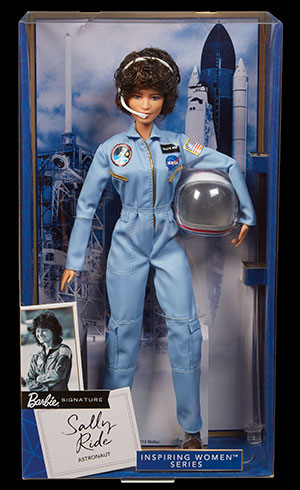
Sally Ride, the first American woman, and the youngest American to fly in space, was honored with an Inspiring Women Series Barbie in 2019. (Nothing pink here…)

These Barbies Went to Space

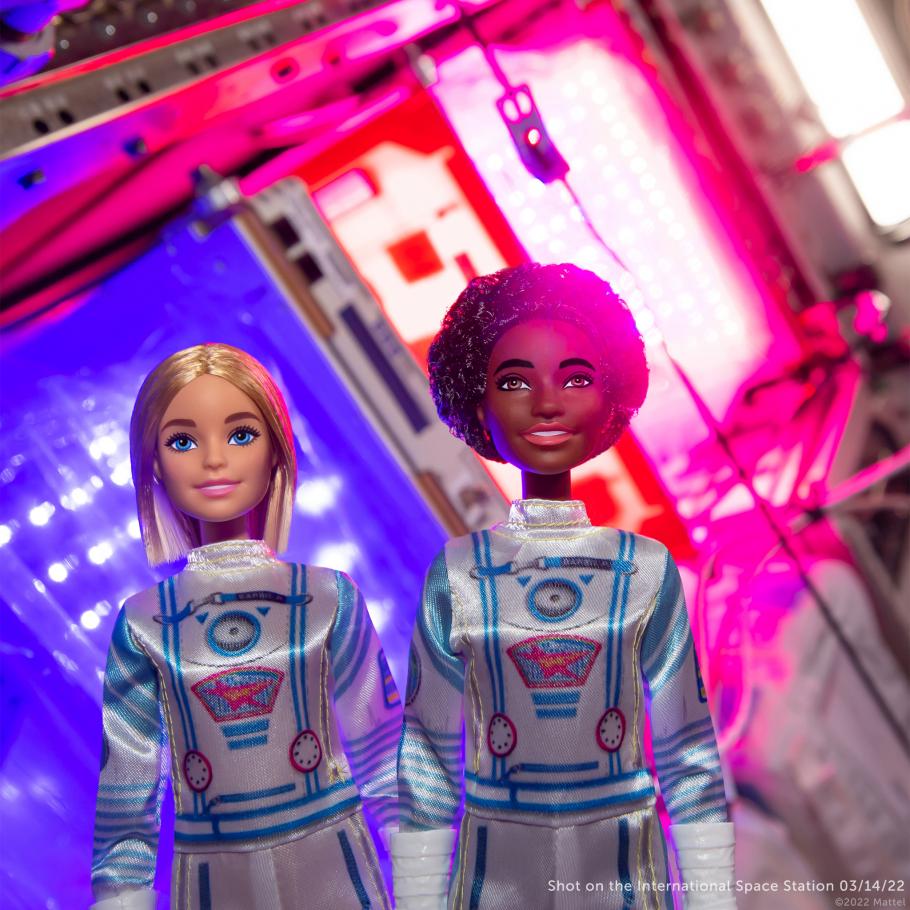
 In 2022, these two Barbies had the honor of being the first Barbies to actually go to space.

They spent several months on the International Space Station but had to leave their accessories on the ground.

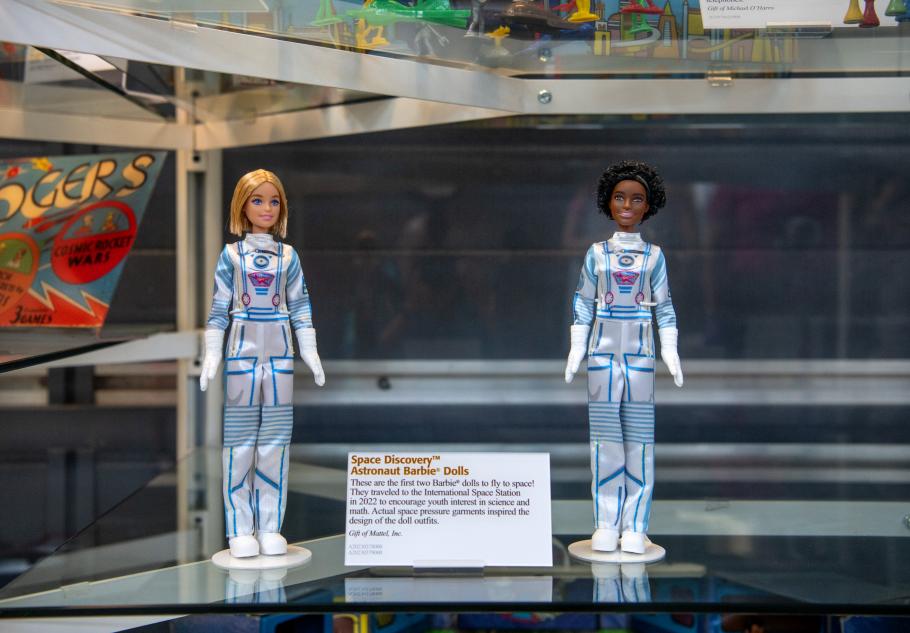
Those two Barbies are the newest addition to the Smithsonian’s collection and are currently on display at the Smithsonian’s Udvar-Hazy Center in Chantilly, Virginia, along with the 1965 Miss Astronaut, the 1985 Astronaut Barbie, and the 1994 Moon Landing Barbie.

(All images courtesy Smithsonian National Air & Space Museum, except as noted from Mattel)

Monday Musings

We’re up early learning about biscuits, unusual home designs, and a trip to space in a balloon.

And traveling with pets.

https://twitter.com/DesignMuseum/status/1526133391984410624?s=20&t=wC4WknyC6QcgpdCD5jcY0g

Space News You Can Use

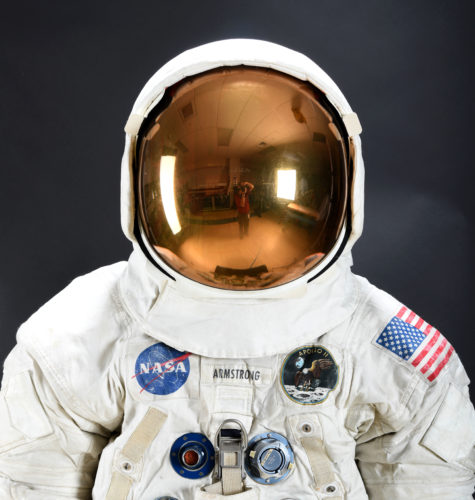
Neil Armstrong’s Space Suit. Courtesy Smithsonian National Air & Space Museum

Determined to take a trip to space? We are.

Like us, you may not be able to join SNL’s Pete Davidson and the other civilians getting ready to fly on Blue Origin’s upcoming NS-20 flight on March 23.

But you can send your name into space.

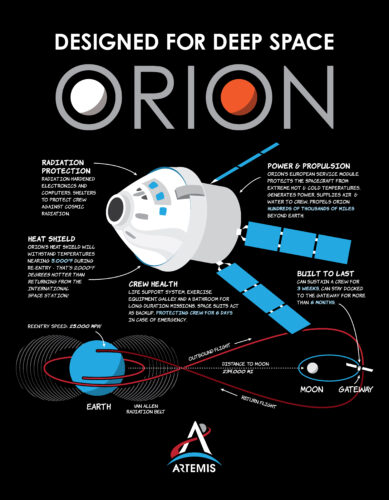
Artemis I will launch later this year and will be the first uncrewed flight test of the Space Launch System rocket and the Orion spacecraft. On this trip, the spacecraft will orbit the moon, but not land on it. However, NASA is willing to take anyone – well, anyone’s name – along for the ride.

On a flash drive.

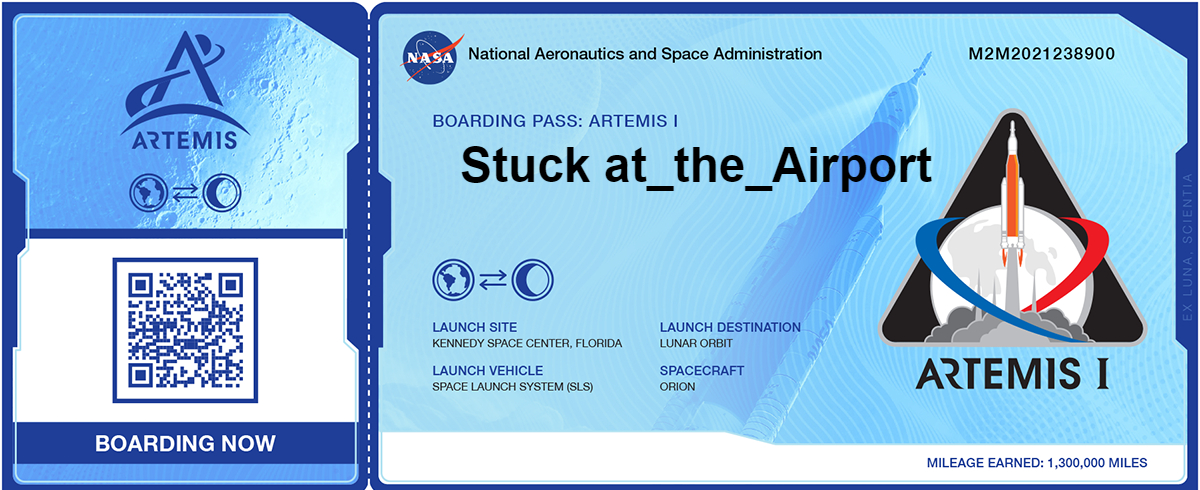
You can sign up to get your ‘boarding pass’ here.

Here’s what you get when you sign up. Note that the boarding pass includes the mileage that will be earned: a whopping 1, 300, 000 miles.

Ready to book a space flight?

Courtesy NASA

(This is a slightly different version of a story we prepared for NBC News)

A trip to space has rocketed to the top of travel bucket lists for those who can afford it, after successful suborbital jaunts by Jeff Bezos’ Blue Origin, Richard Branson’s Virgin Galactic, and SpaceX’s recent launch of four civilians into orbit.

The well-publicized trips are bringing space travel up a notch on an extreme — and pricey — travel menu that already includes adventures such as climbing Mount Everest, skiing in Antarctica, and a wilderness safari in Africa.

“For many extreme adventure travelers, we are there now where space is as accessible as Mount Everest and other places,” said Joshua Bush, CEO of luxury travel agency Avenue Two Travel and an accredited space agent for Virgin Galactic. “It will take a sizeable budget and a lot of planning — but the successful launches this past summer indicate all systems go.”

While many people inquiring about booking space travel are aviation and space enthusiasts, others see this as “the next great adventure to a place fewer than 1,000 people have been to before,” Bush said. “Others see this as the dawn of a new industry and how they, too, can be pioneers.”

“These future astronauts all have unique and personal reasons for going. Their common thread is a passion just to go,” he said.

There are more ways for people to get to space now than ever before, said Geoff Nunn, adjunct curator for Space History at the Museum of Flight in Seattle.

“Space is definitely opening up. There are other options for those who might want something more ambitious,” Nunn said, including space tourism company Space Adventures, which books flights to the International Space Station aboard a Russian Soyuz spacecraft.

For suborbital flight tickets, “Virgin Galactic already has a waiting list of about 600 customers who reserved flights for $250,000. However, the company recently raised its prices to $450,000 a seat, and increased the deposit to $149,000,” Nunn said.

Blue Origin has not yet made its prices public, but the company auctioned off a seat on its first spaceflight for $28 million.

There are some lower-cost options to get a seat on a space flight.

Later this month, Virgin Galactic and charity fundraising platform Omaze will announce the winner of a contest held over the summer to give away a pair of seats on an upcoming commercial spaceflight.

But even with a ticket, the wait time to get on a commercial suborbital flight may be long.

For suborbital there will be very limited opportunities over the next few years,” said Tom Shelley, president of Space Adventures. “Virgin and Blue Origin have demonstrated their long-talked-about capability. But now they need to go from showing it can be done once to doing these safely and regularly.”

That could take years, Shelley said. “But this is the beginning of that transition from being a dream and a possibility, to becoming a regular scheduled flight reality.”

While waiting and saving up for their space flights, citizen astronauts have other issues to consider.

“Leaving the atmosphere is hard, and you want to make sure you understand the danger and the safety precautions in place before agreeing to go,” Nunn said. “Regulations around space tourism are still being worked out and participants fly under informed consent requirements for the time being.”

Missed opportunity?

Back in 2012, Gregory Schneider won a ticket for a suborbital space trip, presented to him by astronaut Buzz Aldrin, in a contest sponsored by Seattle’s Space Needle and Space Adventures. Contestants had to complete a series of challenges, including a tethered outdoor walk on the top of the 520-foot-tall Space Needle.

“The prize was for a flight that was going to be on a rocket being built by Armadillo Aerospace, which went out of business a few years later,” Schneider said. “Then, one of the Virgin Galactic spaceships exploded, and it seemed like this space trip wasn’t going to be happening any time soon.”

Schneider asked for the $110,00 cash value of the prize and paid off his law school student loans.

Now that suborbital flights are a reality, Schneider says he is “a little nostalgic and a little disappointed” that he no longer has a ticket.

“But I’m optimistic that the technology will improve, and the price will come down,” he said.

You can go to space too! For free. Or with a donation.

That was pretty darn exciting to see Virgin Galactic take Richard Branson on a trip to space.

Want to take that trip too? An estimated 600 people are ahead of you, having put down $250,000 for tickets over the years Virgin Galactic has been working out the technology. Many others have deposits banked for when more tickets go on sale.

However, those of us short on discretionary space travel cash but big on the idea of a trip to space have another shot at being shot into space.

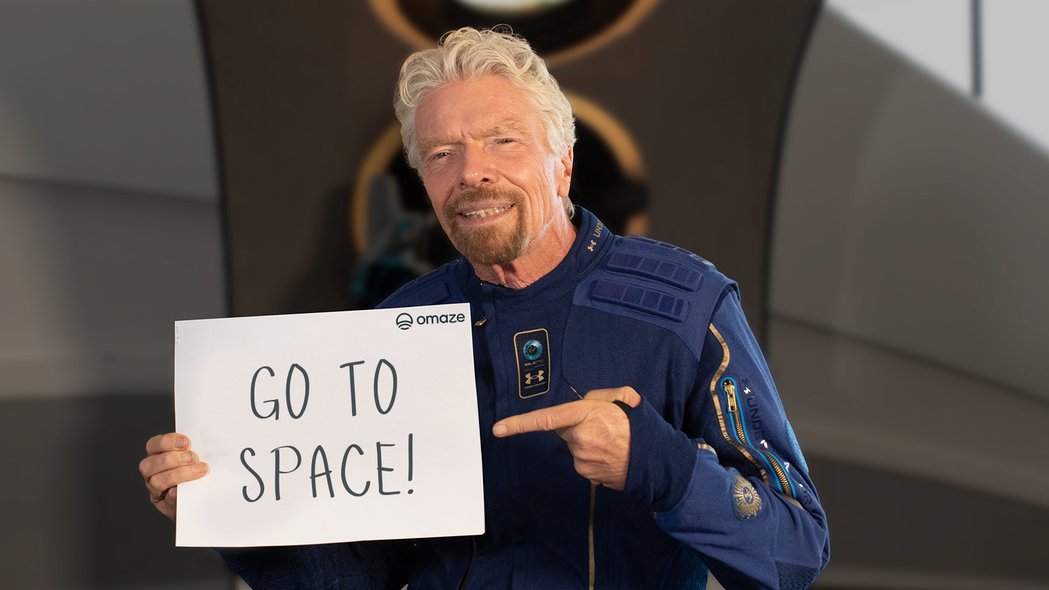
Virgin Galactic and fundraising company Omaze are running sweepstakes with a grand prize of two seats on a future commercial spaceflight.

You can enter for free. But you get additional entires, plus a chance to help make spaceflight more accessible for everyone, by making a donation of as little as $2 to Space for Humanity.

Here’s what they’re promising:

You and your guest will board a Virgin Galactic spaceship where you’ll take off smoothly, just like an airplane, and watch as the colors outside your window change from blue to indigo to midnight black…

Hovering above Earth, nothing can prepare you for the breathtaking views of our bright planet and surrounding galaxy. Or hearing “you are now free to float about the cabin.” 

Cameras throughout the cabin will record every moment in HD. With 17 circular windows for viewing, every seat is a window seat. And there’s even a mirror to watch yourself floating through space. 

Following a smooth glide descent, you’ll return back to Earth safely, but forever transformed. You’re an astronaut now.

Sound like something you’d like to do someday?

Here’s the link to enter the Virgin Galactic sweepstake for a flight to space. Start thinking about who you’d take along.

(Photos above courtesy Virgin Galactic)

Space Travel for us? Looking possible.

What can we say? Space Travel for mortals, well, rich mortals, is now much more of a reality. Thanks, Richard Branson, and your enthusiasm, for kicking it off.

OH, the places we’d go

We’re so close to getting on the vaccination list that we’re making lists of places we’d go if we could somewhere now.

Out for Krispy Kreme doughnuts

Here’s a great reason to vaccinated and head out for a snack.

Krispy Kreme is offering anyone who shows their COVID-19 Vaccination Record Card a free Original Glazed doughnut every day this year.

Not getting vaccinated? You should. But Krispy Kreme says you can still get some free doughnuts if you stop by Mondays, 3/29/21 – 5/24/21. On those days they’ll be handing a free Original Glazed® doughnut and a medium brewed coffee.

To Paisely Park to see Prince’s Ashes

Prince has been gone just about five years now.

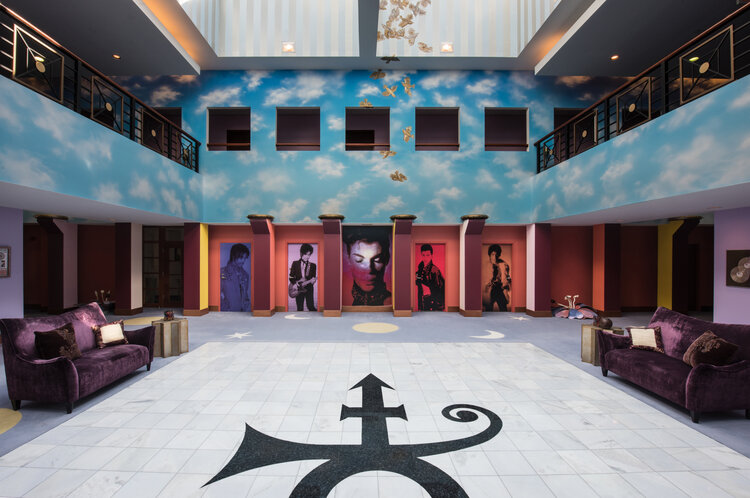
Paisley Park, Prince’s former estate and production complex in suburban Minneapolis, is now a museum and a recording studio. And on the fifth anniversary of this death – April 21 – Paisley Park will be opening the Paisley Park Atrium for free so that a limited number of fans can pay tribute to Prince and see the urn that holds his ashes. For those unable to visit in person, an online memorial will be available.

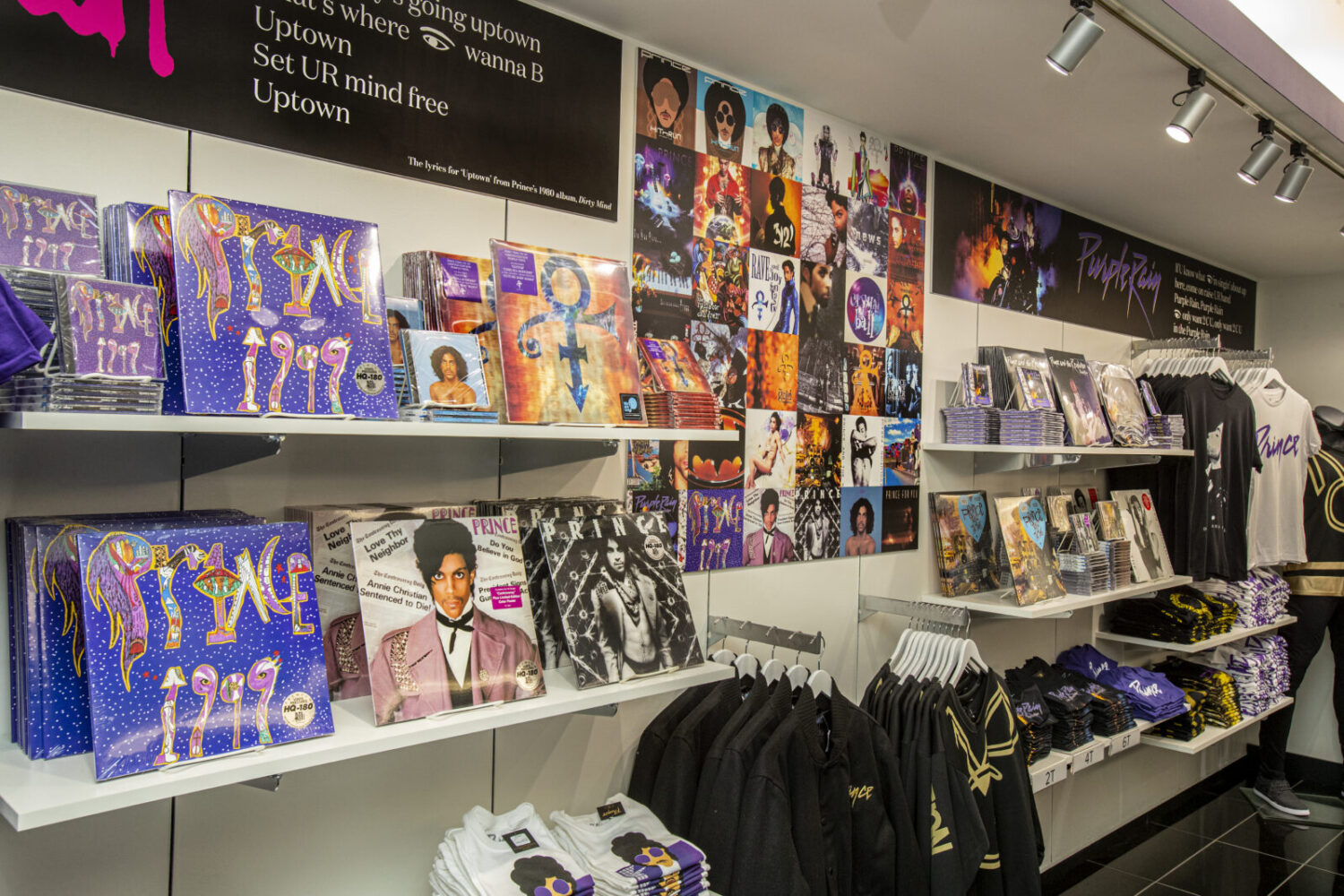
While at Minneapolis-St. Paul International Airport (MSP), we’d stop in at the Prince store too.

The Rocket Garden at Kennedy Space Center

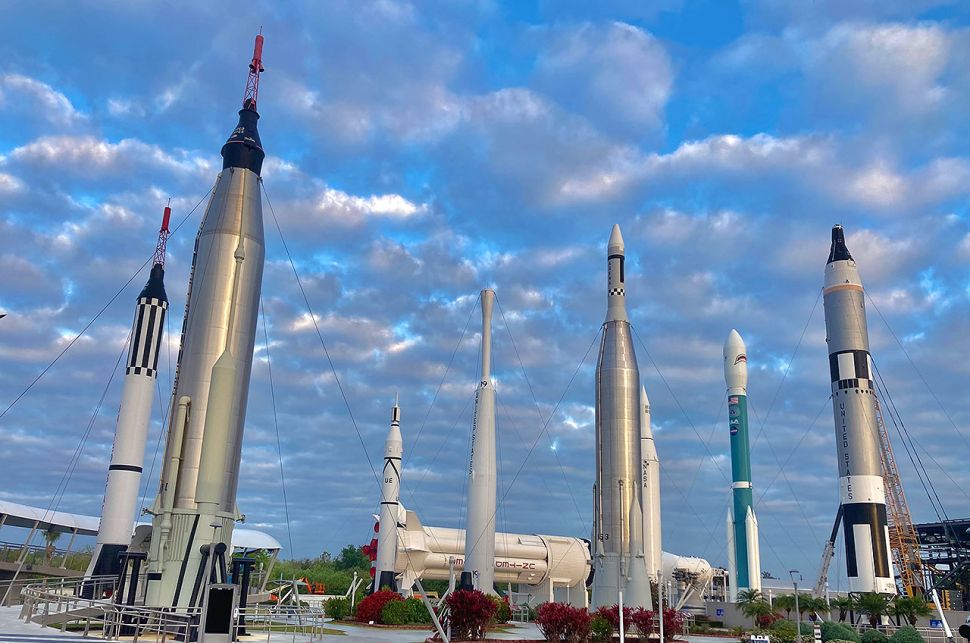
Among the many great attractions at the Kennedy Space Center Visitor Complex at Cape Canaveral, Florida, the Rocket Garden is said to be the most photographed.

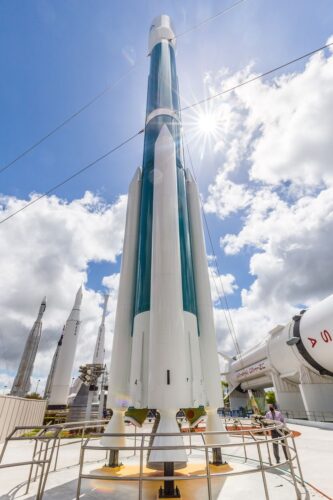
This week the garden got it first new ‘planting’ since the early 2000s: The United Launch Alliance’s Delta Rocket II.

How does it land a spot here alongside rockets and space vehicles from NASA’s Mercury, Gemini and Apollo programs?

Delta II rockets were industry workhorses, launching 155 times from 1989-2018. They carried satellites for the Global Positioning System (GPS) and put NASA’s rovers Spirit and Opportunity and the Phoenix Mars Lander into space.

Stuck at The Airport: Mars edition

NASA’s Perseverance Mars rover is set to touch down on the Red Planet on Thursday, February 18th.

Earthlings are pretty darn excited.

At Los Angeles International Airport (LAX), the famous LAX pylons are glowing red in anticipation of the landing.

Many other sites and landmarks around the world, including Cleveland’s historic Terminal Tower, are also glowing red in anticipation of the landing.

Krispy Kreme is celebrating the landing too with a special Mars doughnut. This chocolate cream-filled doughnut is dipped in caramel icing with a red planet swirl and sprinkled with chocolate cookie crumbs. The limited-edition doughnut is available in shops and online for one day only – Thursday, February 18.

And of course, you’ll want to tune in to watch NASA’s live coverage of the Perseverance Rover Landing, starting at 11:15 am PST and 2:15 EST.